
.png?width=1200&quality=80)

bistro simba
French Bistro, French · Chūō, Tokyo
Restaurant in Tokyo, Japan
 Book with Pearl
The Read
Bistronomy, Ginza-Rooted
Price
¥¥
Chef
Yuji Kikuchi
Dress
Smart Casual
Why go
Ranked #47 in Opinionated About Dining's Casual Japan list for 2025, Bistro Simba delivers chef Yuji Kikuchi's Paris bistronomy training at a ¥¥ price point in Ginza. It holds a Michelin Plate and. For serious French cooking without the ¥¥¥¥ commitment of L'Effervescence or Sézanne, this is the clearest alternative in Tokyo.
About bistro simba
Verdict: The Right French Bistro in the Right City
Ranked #47 in Opinionated About Dining's Casual Japan list for 2025, Bistro Simba is one of the most consistently recognised casual French venues in Tokyo. At the ¥¥ price point, it delivers a level of technical precision that most bistros at this tier cannot match, because chef Yuji Kikuchi trained through the Paris bistronomy movement before bringing that sensibility to Ginza. If you want serious French cooking without the ¥¥¥¥ commitment demanded by venues like L'Effervescence or Sézanne, this is the clearest alternative in the city. Book it.
The Space and Atmosphere
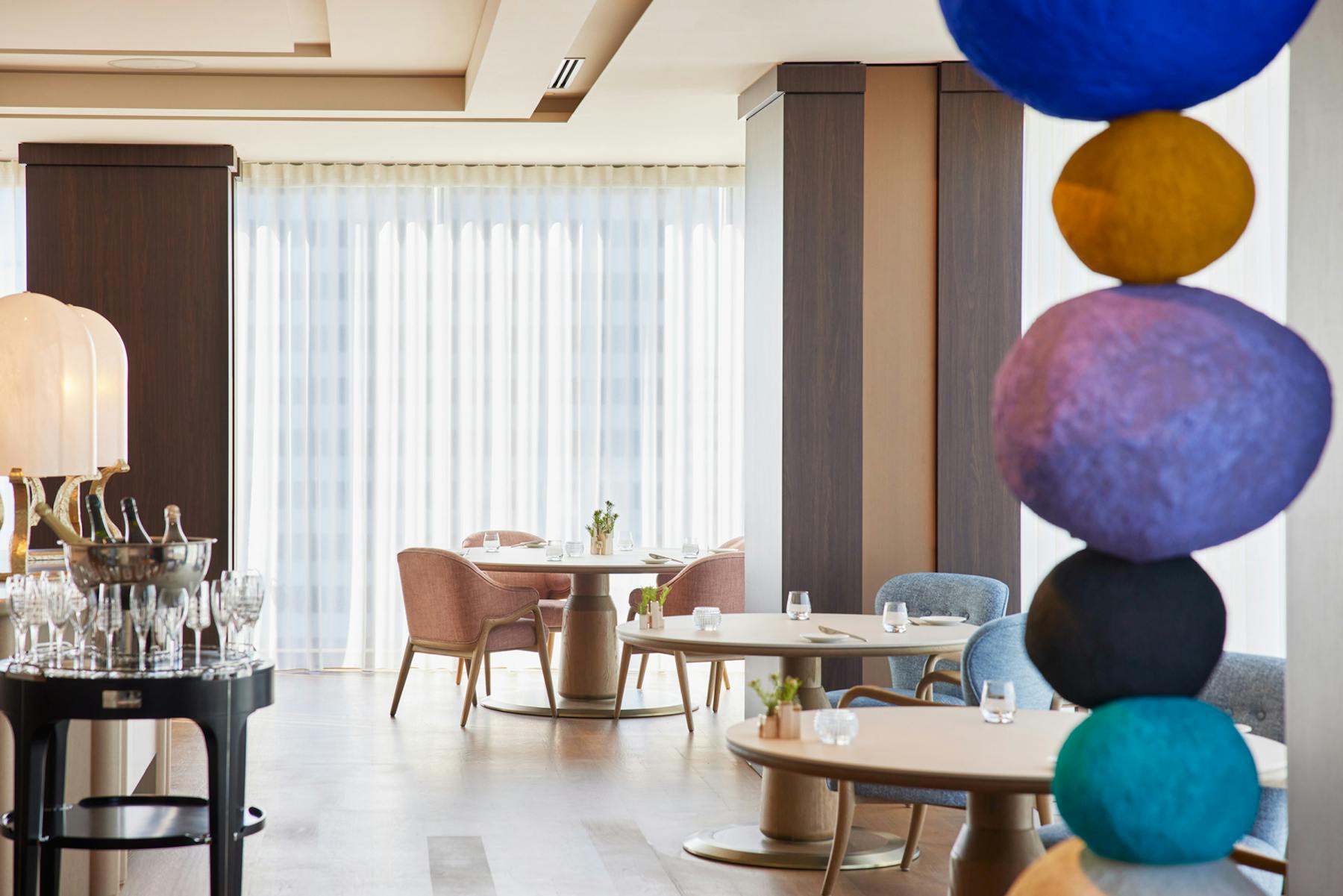
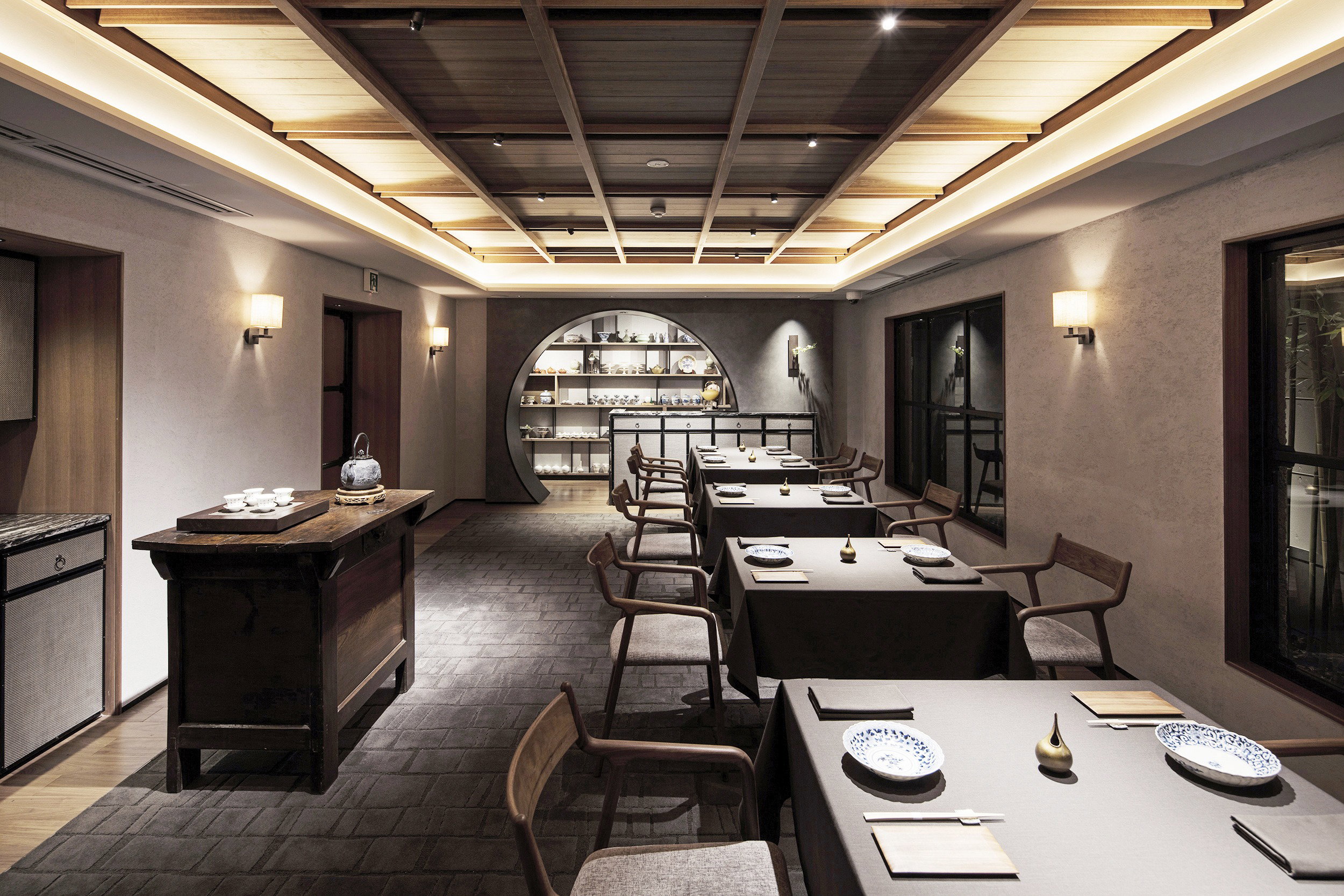
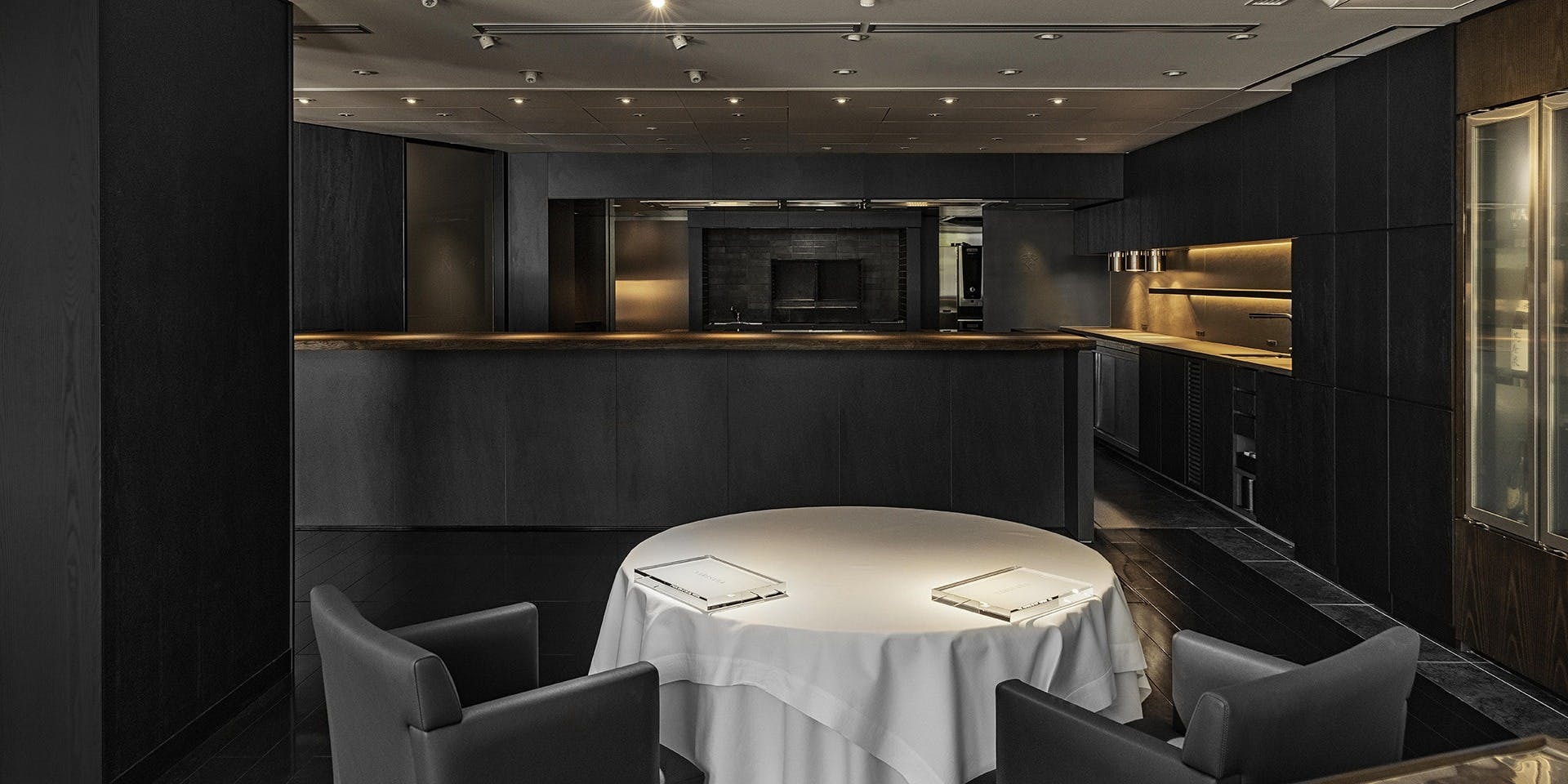
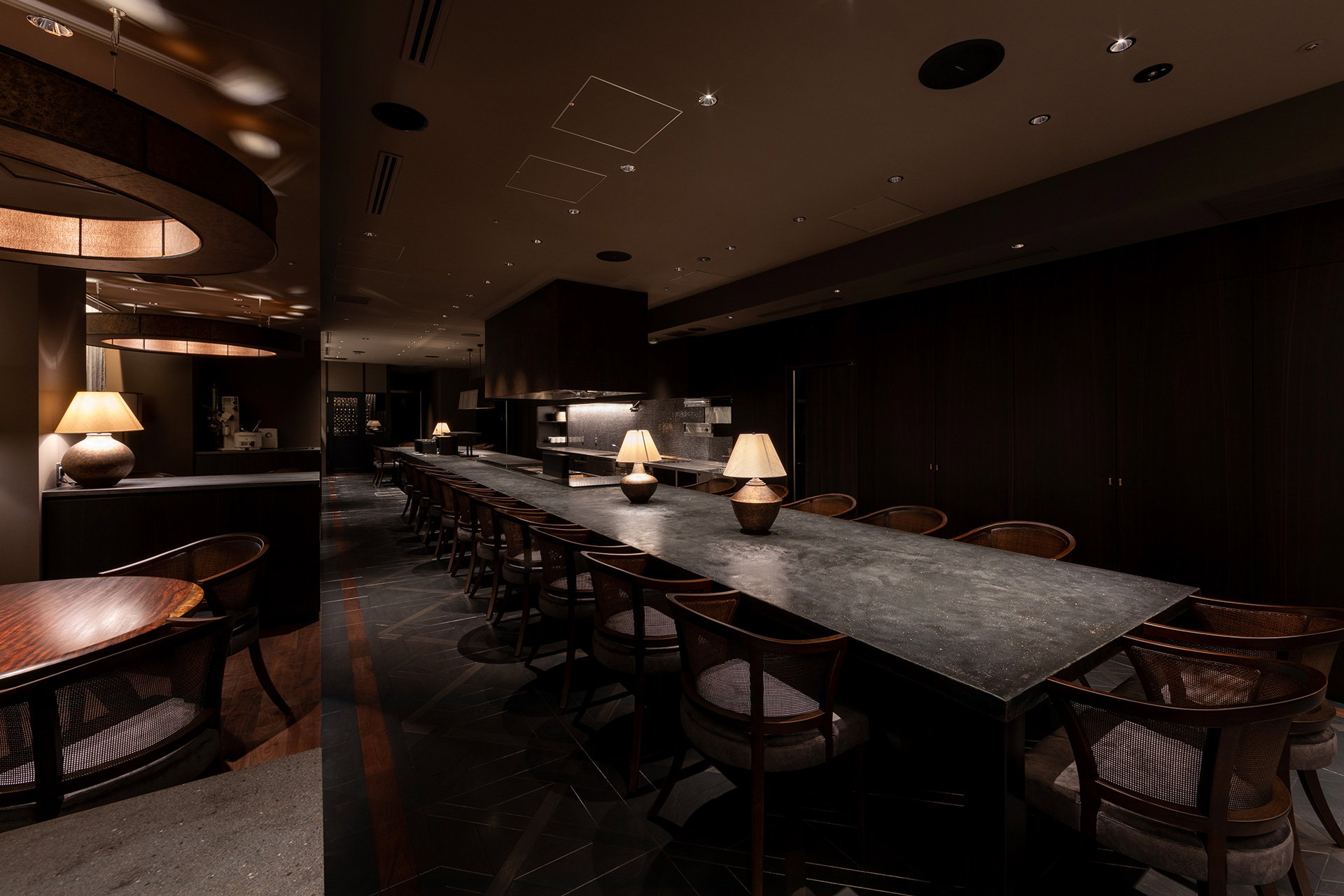
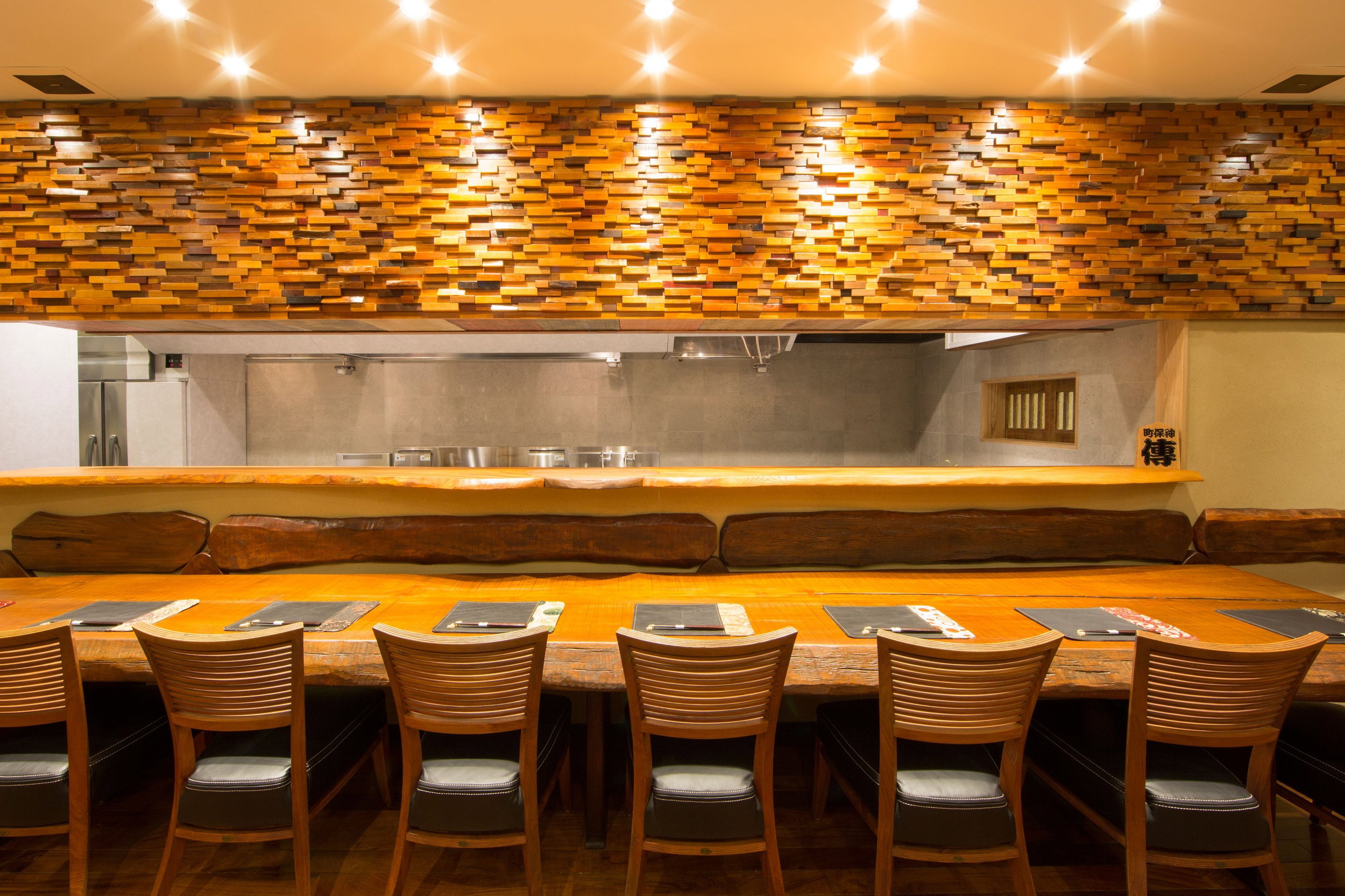
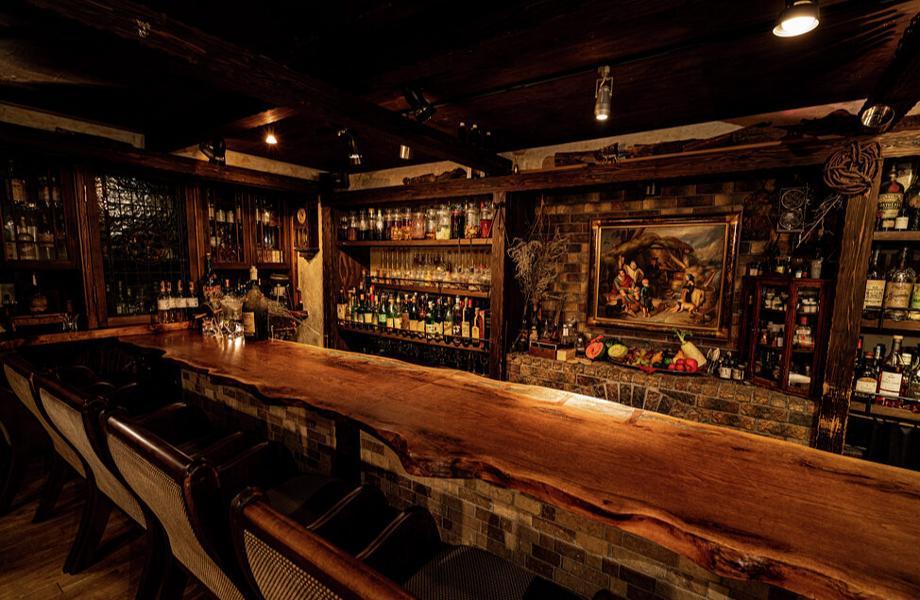
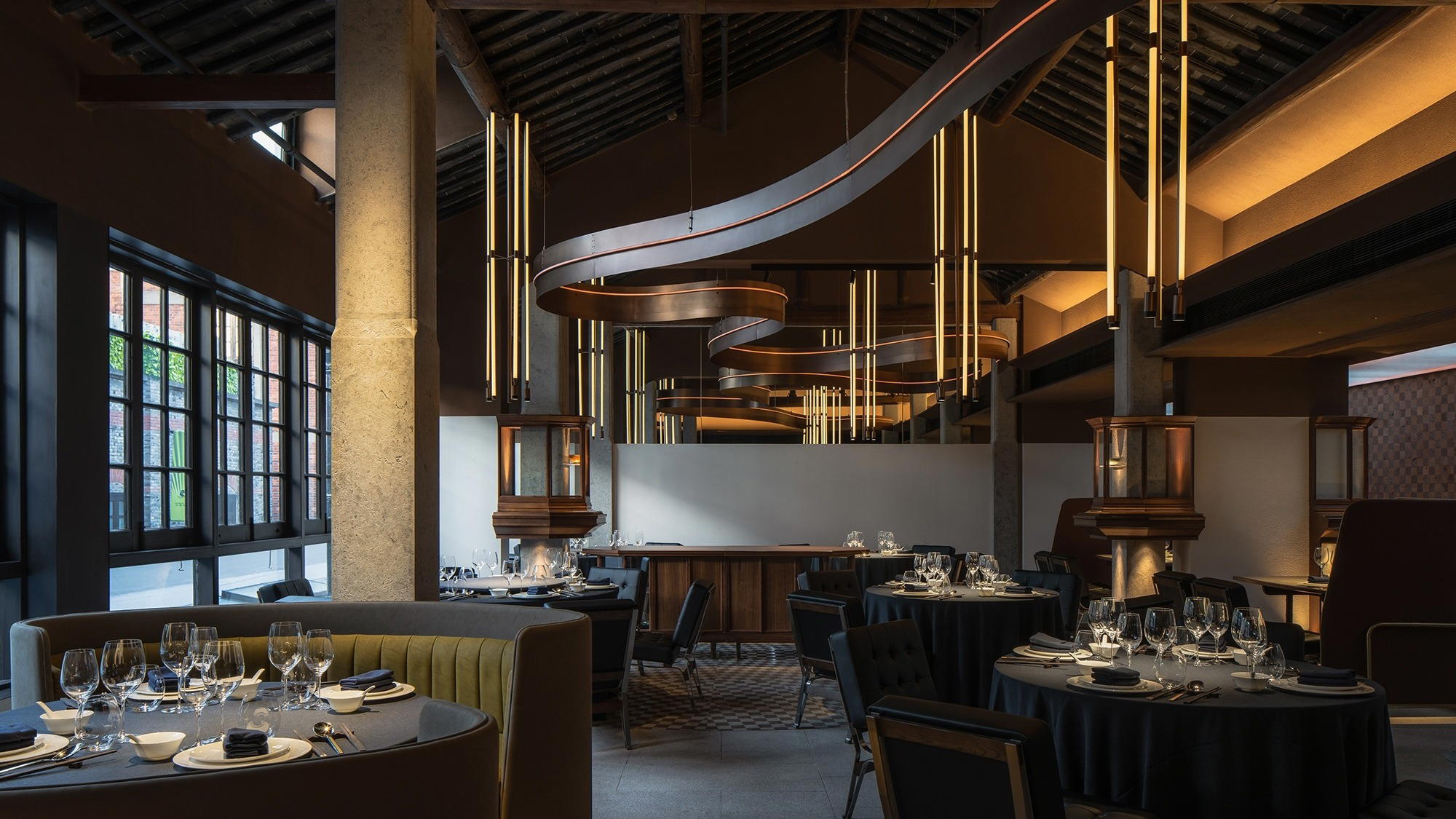
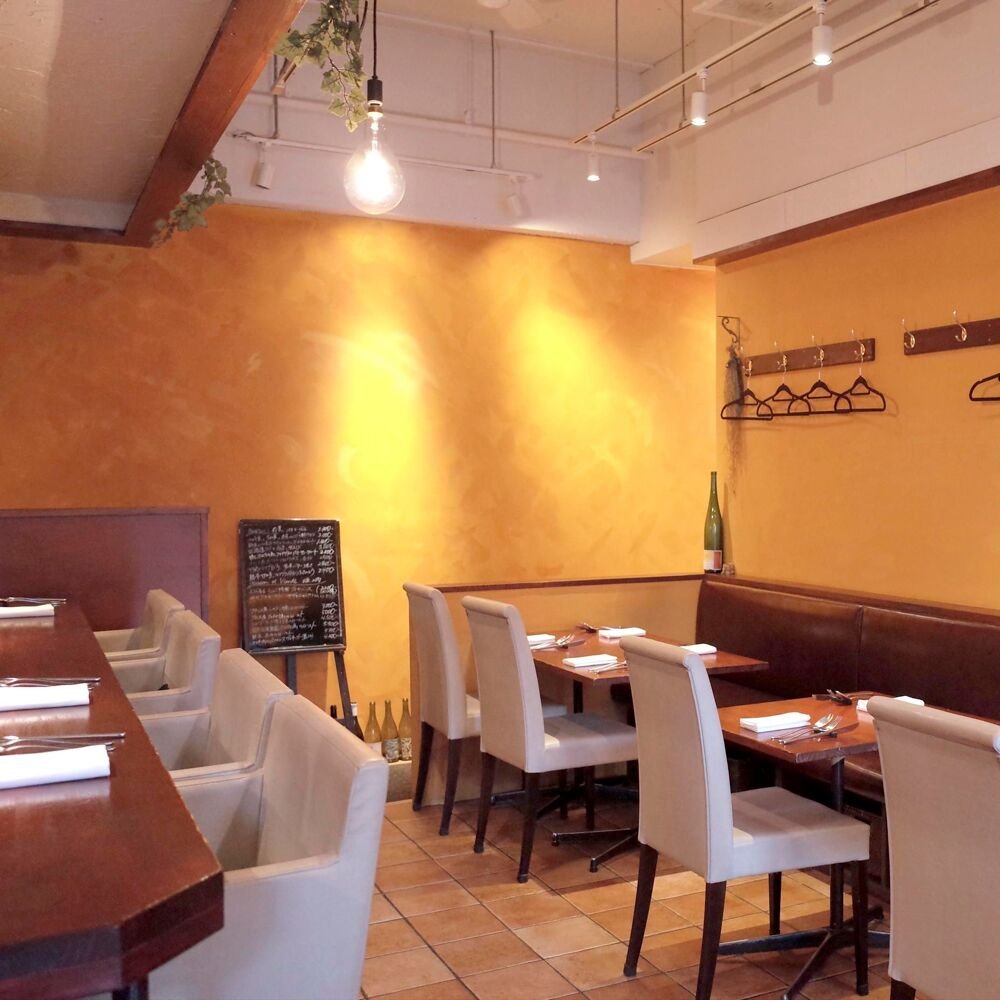
Simba sits in Ginza, a neighbourhood better known for high-ceilinged European fine dining and designer retail than for the kind of loose, convivial bistro energy that defines this place. The name itself is instructive: it is an anagram built from the words simple, saveur, and simpatico, which gives you an accurate read on what the room prioritises. This is not a grand dining room. The spatial register is deliberately human-scaled — the kind of environment where the food can lead without the architecture competing. For a district where so many French restaurants are performing formality, Simba's more grounded physical presence is a deliberate statement of intent, and one that works in its favour for most occasions short of a corporate dinner.
Compared to other casual-register French venues in Tokyo, Simba occupies a particular spatial niche: not a counter-only format like many natural wine bars in Shibuya or Shimokitazawa, but also not the white-tablecloth setting you find across Ginza's upper floors. For food-focused travellers who want texture and character without theatre, that balance is the point.
The Drinks Program
Organic wine is central to the Simba experience, not incidental to it. The approach aligns directly with the bistronomy philosophy Kikuchi absorbed in Paris, where natural wine and honest cooking were already intertwined by the time he was working through the French capital's dining rooms in the 2000s. The wine list at Simba is designed to complement food rather than to perform as a standalone cellar, which means you will find producers and styles chosen for how they sit alongside bistro cooking rather than for prestige or point-scoring. For a ¥¥ venue, that kind of editorial restraint in the wine program is relatively uncommon in Tokyo's casual French segment.
This matters for how you plan your visit. Simba is not the place to come if you want an extensive cellar of French grand cru or a cocktail menu with serious ambition. The drinks program is built around organic and natural wine that reinforces the kitchen's philosophy. If your priority is a deep spirits program or a broad wine list across multiple regions and price points, you will find more range at venues with a dedicated beverage focus. But if the goal is an evening where the wine feels like a natural extension of what is on the plate, Simba's curation is well-calibrated and worth trusting. For a broader view of what Tokyo's drinks scene offers, see our full Tokyo bars guide.
The Food: Bistronomy, Not Fine Dining
The cooking at Simba is rooted in the bistronomy movement that transformed Paris dining in the early 2000s: technically accomplished food in a relaxed format, without the ceremony or price architecture of a gastronomic restaurant. Kikuchi's training in France is evident in the approach to dishes like bouillabaisse and Paris-Brest, both of which are referenced in the venue's own history as expressions of his Paris years and his relationship with his mentor. These are not reconstructed or modernist riffs on classics — the commitment here is to honest bistro cooking executed with precision.
At ¥¥, the value proposition is real. You are getting chef-level technical skill applied to casual French formats, which is exactly what bistronomy was designed to deliver. For comparison, HOMMAGE and Crony sit at ¥¥¥¥ and push further into innovation and tasting-menu territory. Simba does not try to compete on that axis, and is better for it. If you are travelling through Japan and want to benchmark the bistro format against other cities, Bouchon Bistro in Napa and Bouchon Racine in London offer useful reference points.
Opening Hours and Timing
Simba is closed Monday and Tuesday. Wednesday through Saturday it runs an evening-only service, 5:30 to 11 pm. Sunday offers the earliest entry point at 3 pm, closing at 9 pm, which makes it the only day with an early-evening window that works if you have late afternoon plans.
Pearl Picks: Explore More
- Our full Tokyo restaurants guide
- MAISON MARUNOUCHI, another Ginza-area pick worth knowing
- Harutaka, for a serious sushi night at the ¥¥¥¥ level
- RyuGin, if you want kaiseki at the top of the format
- HAJIME in Osaka, if you are moving on from Tokyo
- Gion Sasaki in Kyoto, essential for the Kyoto leg of any Japan trip
- akordu in Nara
- Goh in Fukuoka
- 1000 in Yokohama
- 6 in Okinawa
- Our full Tokyo hotels guide
- Our full Tokyo wineries guide
- Our full Tokyo experiences guide
Practical Details
| Venue | Cuisine | Price | Hours (typical) | Booking Difficulty |
|---|---|---|---|---|
| Bistro Simba | French Bistro | ¥¥ | Wed–Sat 5:30–11 pm, Sun 3–9 pm | Easy |
| L'Effervescence | French | ¥¥¥¥ | Dinner only | Hard |
| HOMMAGE | Innovative French | ¥¥¥¥ | Dinner only | Hard |
| Crony | Innovative French | ¥¥¥¥ | Dinner only | Moderate |
FAQ
What should I order at Bistro Simba?
- The bouillabaisse and Paris-Brest are the two dishes most directly tied to chef Kikuchi's Paris training and his mentor. Start there. Both are referenced in the venue's own record as signature expressions of the kitchen's bistronomy approach. Beyond those, let the organic wine list guide the meal, the food and drinks are designed to work together, so trusting the pairing logic will serve you better than ordering independently of the wine selection.
Is Bistro Simba worth the price?
- Yes, clearly. At ¥¥, you are paying casual bistro prices for cooking informed by serious French gastronomic training. The Opinionated About Dining rankings (top 52 in Japan across three consecutive years, top 40 in 2023) and a Michelin Plate recognition confirm the kitchen is operating above its price point. For the same level of French technique in Tokyo, L'Effervescence and Sézanne charge significantly more. Simba is the value-rational choice for French cooking in this city.
What should I wear to Bistro Simba?
- Smart casual is the right register. The bistronomy concept at the core of Simba is deliberately relaxed, formal attire would feel out of place. Given the Ginza address, you are unlikely to arrive underdressed if you are already dressed for the neighbourhood, but leave the suit at the hotel. Think the kind of outfit you would wear to a good Paris bistro on a weeknight: put-together but not stiff.
Is lunch or dinner better at Bistro Simba?
- Dinner. Simba does not offer lunch service from Wednesday through Saturday, and Sunday is the only day with an afternoon window (from 3 pm). If a Sunday early-evening slot works with your schedule, it is a lower-pressure entry point and potentially easier to book than a Friday or Saturday dinner. For the full bistro experience with organic wine, an evening sitting on a midweek night is the cleaner choice.
Is the tasting menu worth it at Bistro Simba?
- The venue database does not confirm whether a tasting menu is offered at Simba. Given the bistronomy format, the cooking philosophy here leans toward individual dishes rather than a structured multi-course progression. If a tasting menu format is your priority, HOMMAGE or Crony at the ¥¥¥¥ level are the better fits in Tokyo's French segment. Simba's strength is the a la carte bistro format, not course-by-course progression.
Planning details
- Hours
- Monday: Closed · Tuesday: Closed
- Location
- 1 Chome-27-8 Ginza, Chuo City, Tokyo 104-0061, Japan
- Website
- bistrosimba.jp
- Phone
- +81 50-3172-4218
The take
The Take
The Vibe
Bistro Simba deliberately channels the feel of a Paris bistro inside Ginza’s famously formal dining landscape. The room favors an unhurried, conversational tempo — a relaxed alternative to the neighbourhood’s polished multi-course temples. Service and cooking apply gastronomic precision to familiar bistro dishes, so the experience reads as refined but approachable. The focus is more on the glass and conviviality than on ceremony; the result is classic bistro charm rendered through a contemporary bistronomy lens. Overall, the place feels relaxed and classic, a quietly confident counterpoint to Ginza’s more rarefied rooms.
Best For
This is a restaurant for Tokyo diners who want an informal, wine-oriented evening rather than a formal tasting-menu marathon. It suits people seeking a relaxed dinner built around conversation and drinking — a mid-priced, well-crafted counterpoint to the district’s higher-end French rooms. On a Friday evening the atmosphere leans toward social and unhurried, so it’s ideal for those who want to linger over a few thoughtfully prepared bistro plates and natural wines without the ceremony that defines many Ginza institutions.
Ordering Tips
Lean into the bistro classics and the glass-first orientation: the menu rewards ordering dishes to be enjoyed alongside a focused wine selection, especially natural or organic bottlings called out in the description. The house’s signature bouillabaisse is an obvious choice to showcase the kitchen’s bistronomy approach. Expect plates meant for sharing and a pace that encourages conversation, so order deliberately rather than racing through a tasting sequence. Because the room privileges the glass, consider asking about by-the-glass options and small-plate pairings when you arrive.
Venue details
Ambiance
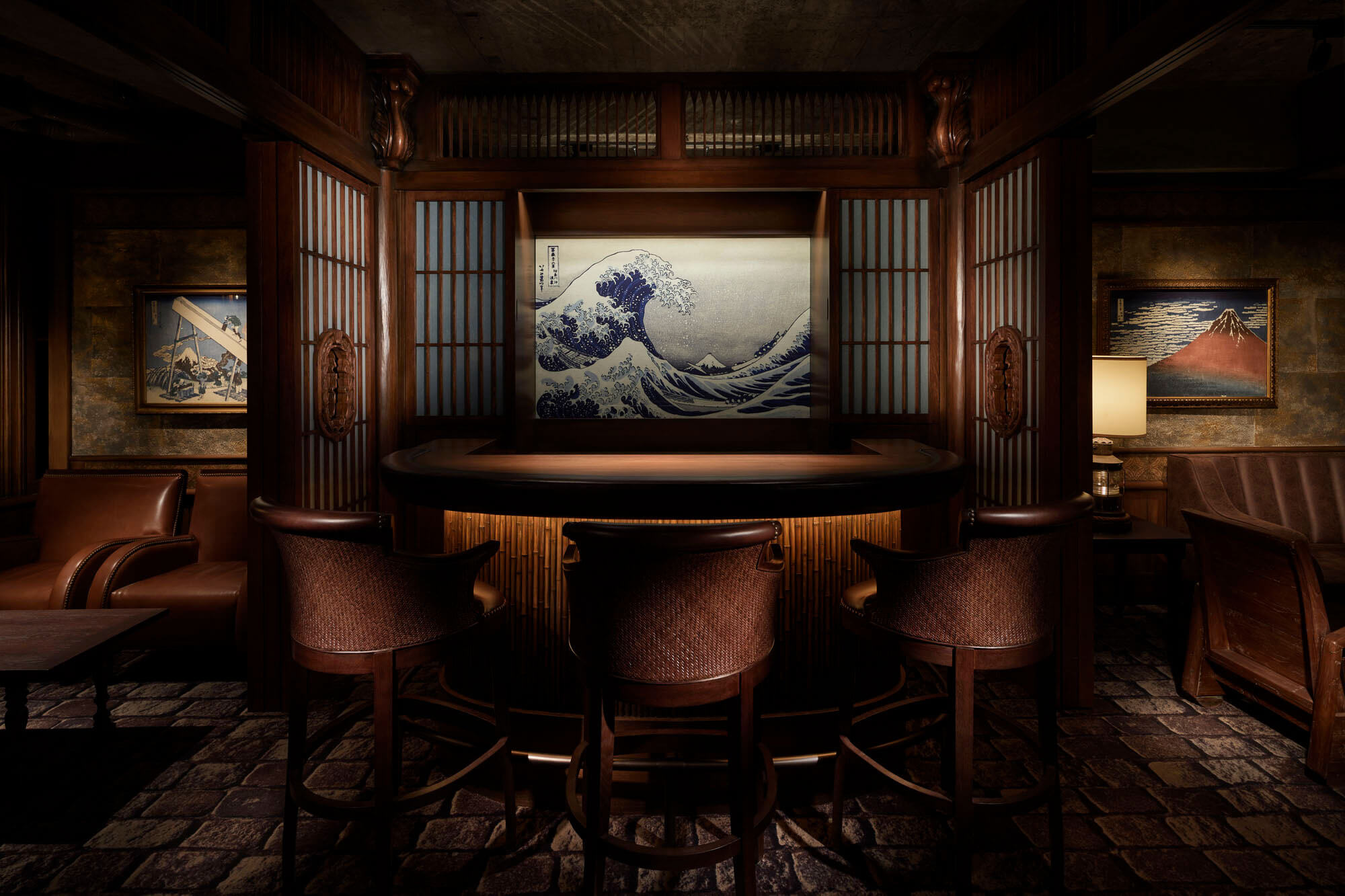
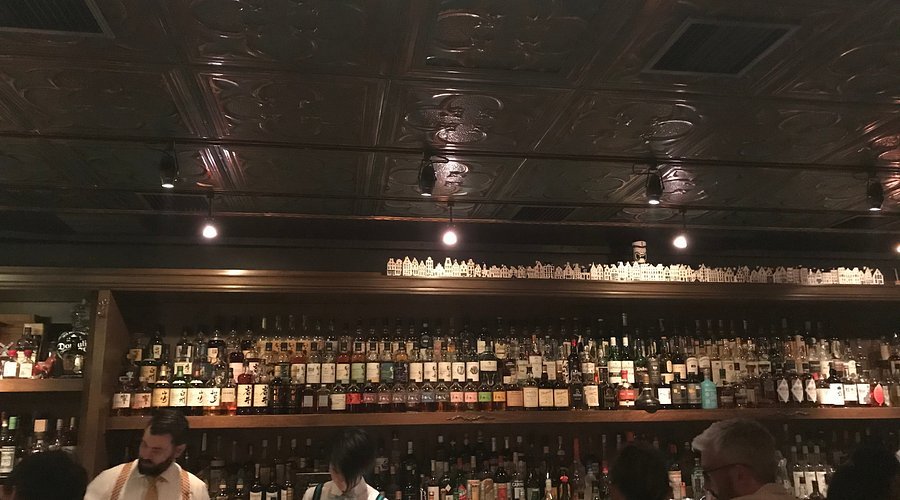
Pleasant and tasteful with calm, slightly dim lighting, wooden counter view of master chefs, and warm welcoming service.
Tags
Vibe
Best For
Experience
At the Table
- Dress Code
- Smart Casual
- Noise Level
- Conversational
- Service Style
- Upscale Casual
- Meal Pacing
- Leisurely
- Capacity
- Intimate
Signature Dishes
bouillabaisse
Know before you go
Know Before You Go
- Getting there
- 1 Chome-27-8 Ginza, Chuo City, Tokyo 104-0061, Japan
Planning details
Hours
- Monday
- Closed
- Tuesday
- Closed
- Wednesday
- 5:30–11 pm
- Thursday
- 5:30–11 pm
- Friday
- 5:30–11 pm
- Saturday
- 5:30–11 pm
- Sunday
- 3–9 pm
Location
Recognition and awards

Also consider
Also Consider
- Harutaka, Sushi, ¥¥¥¥
- L'Effervescence, French, ¥¥¥¥
- RyuGin, Kaiseki, Japanese, ¥¥¥¥
- HOMMAGE, Innovtive French, French, ¥¥¥¥
- Crony, Innovative, French, ¥¥¥¥
Restaurant context
The most direct question is whether to spend ¥¥ at Simba or ¥¥¥¥ at one of Tokyo's serious French rooms. L'Effervescence and HOMMAGE are both operating at a different level of investment and ambition, longer tasting menus, more ceremony, and considerably harder to book. If the format you want is a relaxed evening with good wine and technically honest French cooking, spending four times as much at those venues does not automatically make the night better. Simba's OAD ranking (top 52 in Japan for three consecutive years) signals that the quality gap between the tiers is smaller than the price gap.
Crony sits at ¥¥¥¥ and pushes into innovative territory, it is the right call if you want modern French with a Tokyo sensibility and have more budget to work. Harutaka and RyuGin are in entirely different categories, omakase sushi and kaiseki respectively, and should be on your Tokyo list for different meals rather than as direct alternatives to Simba.
For a food-focused traveller building a multi-night Tokyo itinerary, the practical recommendation is: book Simba for a casual midweek dinner anchored around organic wine and bistro cooking, and allocate a separate night and budget for one ¥¥¥¥ French or kaiseki experience. Simba is the easier booking, the lower financial commitment, and, given the OAD recognition, carries real culinary credibility. It earns its place in the rotation alongside the bigger names.
Explore Tokyo
Around this place
Discover more on Pearl
Unlock the full bistro simba guide in Pearl, including awards, comparisons, FAQs, planning details, and nearby places.
Compare bistro simba
| Venue | Cuisine | Price | Booking Difficulty | Awards |
|---|---|---|---|---|
| bistro simba | French Bistro, French | ¥¥ | Easy | 2026 OAD Casual in Japan Ranked · #472026 Michelin Plate2025 OAD Casual in Japan Ranked · #47Tabelog 100 - French - TOKYO - 2025 · #792025 Michelin Plate2024 OAD Casual in Japan Ranked · #522024 Michelin Plate2023 OAD Casual in Japan Ranked · #40 |
| Harutaka | Sushi | ¥¥¥¥ | Unknown | 2026 Tabelog Silver · #312026 OAD Top Restaurants in Japan Ranked · #1282026 Michelin 3 Stars2026 La Liste Top RestaurantsTabelog 100 - Sushi - TOKYO - 2025 · #372025 Asia's 50 Best Restaurants · #762025 OAD Top Restaurants in Japan Ranked · #1172025 La Liste Top Restaurants2025 Tabelog Bronze |
| L'Effervescence | French | ¥¥¥¥ | Unknown | 2026 Tabelog Silver · #682026 OAD Top Restaurants in Japan Ranked · #103Star Wine Lists 20262026 Black Pearl 2 Diamond2026 Relais Chateaux Restaurants2026 La Liste Top Restaurants2026 Michelin 3 Stars2025 Asia's 50 Best Restaurants · #692025 OAD Top Restaurants in Japan Ranked · #92 |
| RyuGin | Kaiseki, Japanese | ¥¥¥¥ | Unknown | 2026 OAD Top Restaurants in Japan Ranked · #802026 Tabelog Bronze · #3772026 Michelin 3 Stars2026 La Liste Top RestaurantsTabelog 100 - Japanese cuisine - TOKYO - 2025 · #212025 OAD Top Restaurants in Japan Ranked · #542025 Michelin 3 Stars2025 La Liste Top Restaurants2025 The Best Chef Three Knives |
| HOMMAGE | Innovtive French, French | ¥¥¥¥ | Unknown | 2026 Tabelog Bronze · #1232026 OAD Top Restaurants in Japan Highly Recommended2026 Michelin 2 StarsTabelog 100 - French - TOKYO - 2025 · #762025 Asia's 50 Best Restaurants · #782025 OAD Top Restaurants in Japan Ranked · #1752025 Michelin 2 Stars2025 The Best Chef One Knife2025 La Liste Top Restaurants |
| Crony | Innovative, French | ¥¥¥¥ | Unknown | 2026 Asia's 50 Best Restaurants · #34Star Wine Lists 20262026 OAD Top Restaurants in Japan Recommended2026 Michelin 2 Stars2025 Asia's 50 Best Restaurants · #30Tabelog 100 - French - TOKYO - 2025 · #782025 OAD Top Restaurants in Japan Ranked · #227We're Smart World Top Restaurants 20252025 Michelin 2 Stars |












What to weigh when choosing between bistro simba and alternatives.
FAQ
Frequently Asked Questions
What should I order at bistro simba?
The bouillabaisse and Paris-Brest are the two dishes most directly tied to chef Kikuchi's training in Paris, so those are the obvious anchors of any meal here. Beyond those, the kitchen's bistronomy approach means technically accomplished cooking without the ceremony of a tasting-menu format. Order broadly and let the organic wine list guide the pacing.
Is bistro simba worth the price?
At ¥¥ pricing in Ginza, Simba is one of the stronger value cases in Tokyo's French casual tier, and OAD ranking it #47 in Casual Japan for 2025 (up from #52 in 2024) backs that up. You're getting Michelin Plate-level cooking without Michelin-price expectations. If your priority is fine dining ceremony, look at L'Effervescence or RyuGin instead — Simba is for people who want skill without formality.
What should I wear to bistro simba?
The venue's philosophy is explicitly casual — the name itself references 'simple' and 'simpatico', and the bistronomy format is built around a relaxed atmosphere. Neat, comfortable clothing fits the room. This is not a jacket-required Ginza dinner; it sits closer to a Paris neighbourhood bistro in feel.
Is lunch or dinner better at bistro simba?
Simba runs dinner-only Wednesday through Saturday (from 5:30 pm), so dinner is the default. Sunday is the exception, with service from 3 pm — making it the only option for an afternoon sitting. Monday and Tuesday the restaurant is closed entirely. If your schedule is flexible, Sunday's earlier slot is the easiest booking window.
Is the tasting menu worth it at bistro simba?
Simba's format is bistronomy, not a structured tasting-menu operation — the philosophy here is casual bistro fare executed with gastronomic skill, not a multi-course progression. If a formal tasting menu is what you're after, HOMMAGE or L'Effervescence are better fits. At Simba, the value is in ordering freely at a fair price point rather than committing to a fixed sequence.