
.png?width=1200&quality=80)
Biriyani Osawa
Indian · Chiyoda, Tokyo
Restaurant in Tokyo, Japan
 Book with Pearl
The Read
Single-Dish Precision
Price
¥
Dress
Smart Casual
Why go
Biriyani Osawa serves one dish — mutton or chicken biryani, timed to the room — and does it well enough to earn a Michelin Plate in 2025. At the ¥ price tier in Uchikanda, Chiyoda, it's one of the most accessible Michelin-recognised restaurants in Tokyo. Book ahead, pick your protein, and expect a focused lunch or early dinner rather than a long evening out.
About Biriyani Osawa
Is Biriyani Osawa worth booking in Tokyo?
Yes — and the answer is the same whether you're a first-timer or a repeat visitor. Biriyani Osawa does one thing: biryani, made with either mutton or chicken, served fresh from the pot to a seated room. That singular focus, recognised by a Michelin Plate (2025), is exactly what makes it worth the trip to Uchikanda. With a and a price point sitting at the ¥ tier, this is one of the most accessible Michelin-recognised restaurants in Tokyo.
What Biriyani Osawa Is
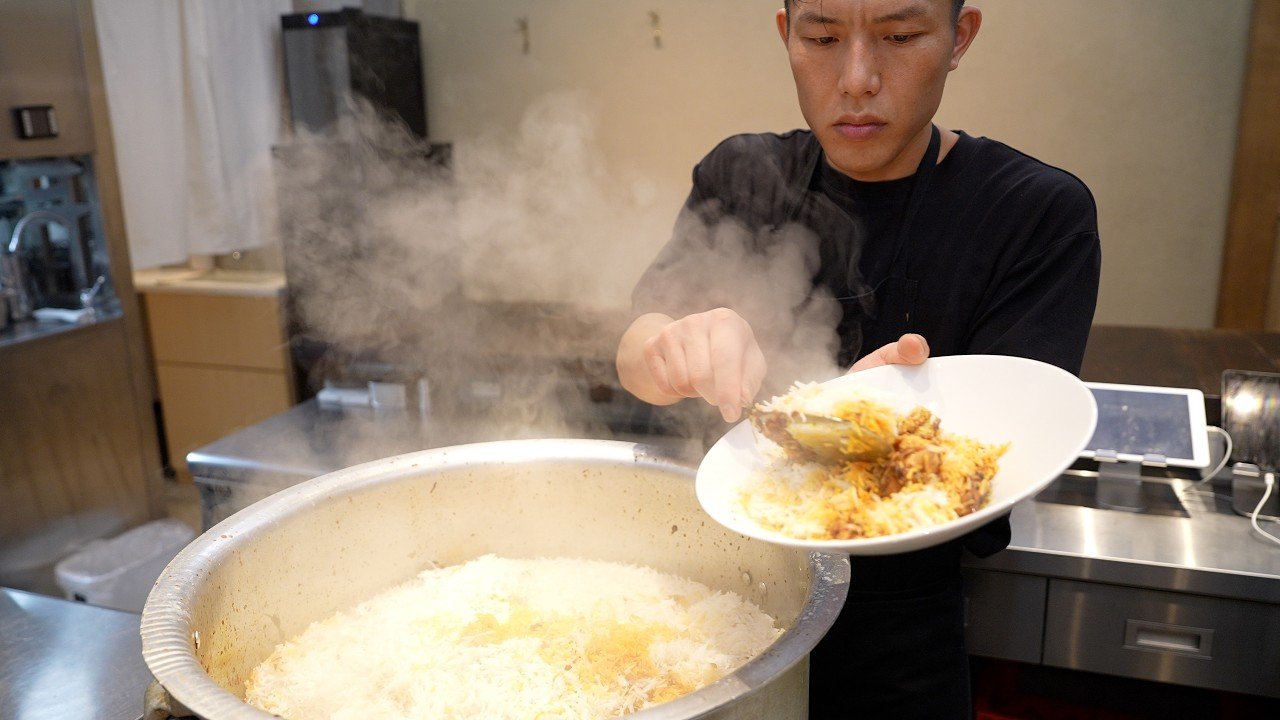
The format here is deliberately stripped back. The menu is biryani, full stop — mutton or chicken, basmati rice cooked with spices, oil used sparingly so the umami of the protein and the aromatics of the spice blend come through cleanly. The kitchen times preparation to the room: the biryani finishes cooking as the last guest is seated, which means every table gets the dish at its peak. If you've been once and ordered chicken, come back for the mutton. The depth of flavour is different enough to justify a return visit on that basis alone.
The basmati rice is the technical anchor. Distinct, separate grains, not clumped, not wet, carry the spice without being overwhelmed by it. The restrained use of oil is a deliberate choice that pulls the dish closer to its older, more austere antecedents. Biryani has a history that runs through royal courts before it became a mass-market staple, and Osawa's version reads as a conscious reference to that lineaner tradition: nothing extraneous, nothing hidden behind richness.
Lunch vs. Dinner at Biriyani Osawa
This is the question worth asking if you've already visited once. Hours are not confirmed in the public record, so call ahead or check current listings before planning around a specific service. That said, the format, a dish timed to the room, lends itself more naturally to a lunch experience than a drawn-out dinner. The biryani is a single, complete plate rather than a multi-course progression, which means the pacing of a dinner service doesn't add much. At the ¥ price point, lunch here is one of the most efficient midday meals you'll find in central Tokyo, and the Chiyoda location puts it within reach of both office workers and visitors staying near Akihabara or Jimbocho.
If your preference is a longer evening of eating and drinking, this is not the right venue for that occasion. Biriyani Osawa is a focused, in-and-out experience. That's a feature, not a flaw, but it means the venue fits a lunch or early dinner slot better than a celebratory night out. For Indian dining in Tokyo with a broader menu and more of an evening atmosphere, SANTOSHAM and Spice Lab Tokyo are the alternatives worth considering. For an entirely different register of Indian fine dining globally, Trèsind Studio in Dubai and Opheem in Birmingham show what the cuisine looks like at the ¥¥¥¥ end of the spectrum.
What's Changed Recently
The Michelin Plate recognition in 2025 is the most meaningful recent development. It places Biriyani Osawa in a formal quality tier and signals that the kitchen's consistency has been by an external, named source. For a single-dish restaurant at this price point, a Michelin Plate is a stronger signal than it would be for a multi-course tasting menu, the inspectors had nothing to evaluate except the biryani itself. That recognition also means the venue is likely to see more foot traffic from international visitors, so booking ahead rather than walking in is the safer approach even though availability is generally described as easy.
How to Book and What to Expect
Biriyani Osawa is located in the basement level (B1F) of the Sato Building in Uchikanda, Chiyoda City. The address is 1 Chome-15-12, Uchikanda, a short walk from Awajicho or Ogawamachi stations on the Tokyo Metro Marunouchi and Shinjuku lines, or from Shin-Ochanomizu on the Chiyoda line. Booking difficulty is rated Easy. Phone and website details are not currently listed, so check Google Maps or a reservation platform for current contact and hours before visiting.
Dress code information is not confirmed. Given the price tier and the format, smart-casual is a reasonable baseline. Seat count is not published, but the timed-to-the-room preparation model implies a fixed or limited number of covers per service rather than open-ended walk-in capacity.
Practical Comparison
| Venue | Cuisine | Price | Booking Difficulty | Michelin |
|---|---|---|---|---|
| Biriyani Osawa | Indian (biryani) | ¥ | Easy | Plate 2025 |
| Katchar Batchar | Indian | ¥¥ | Moderate | |
| SANTOSHAM | Indian | ¥¥ | Easy | |
| Spice Lab Tokyo | Indian | ¥¥¥ | Moderate |
How It Compares, Tokyo Dining Broadly
Compared to the wider Tokyo restaurant field, Biriyani Osawa occupies a position that almost nothing else does: Michelin-recognised, single-dish, affordable Indian in central Tokyo. Harutaka and L'Effervescence operate at opposite ends of the same quality signal but at price points ten to twenty times higher. The comparison is useful only to establish that Michelin recognition at the ¥ tier is genuinely rare. If your budget is ¥¥¥¥ and you want a full evening of eating, those venues are better suited. If you want a focused, high-quality lunch or early dinner at a fraction of the cost, Biriyani Osawa has very little competition.
For context on what Indian fine dining looks like across Japan, it's worth knowing that Tokyo has one of Asia's more developed Indian restaurant scenes. Biriyani Osawa sits at the affordable, specialist end of that range. Further afield in Japan, destinations like HAJIME in Osaka and Gion Sasaki in Kyoto represent the broader high-end dining options if you're planning a wider Japan itinerary alongside this visit. For complete Tokyo planning, the full Tokyo restaurants guide, Tokyo hotels guide, Tokyo bars guide, Tokyo wineries guide, and Tokyo experiences guide are all on Pearl. Regional options like akordu in Nara, Goh in Fukuoka, 1000 in Yokohama, and 6 in Okinawa are worth considering if you're extending beyond Tokyo.
Planning details
- Location
- Japan, 〒101-0047 Tokyo, Chiyoda City, Uchikanda, 1 Chome−15−12 Sato Building, B1F
- Website
- osawa.biriyani.co.jp
- Phone
- +81 3-6687-9853
The take
The Take
The Vibe
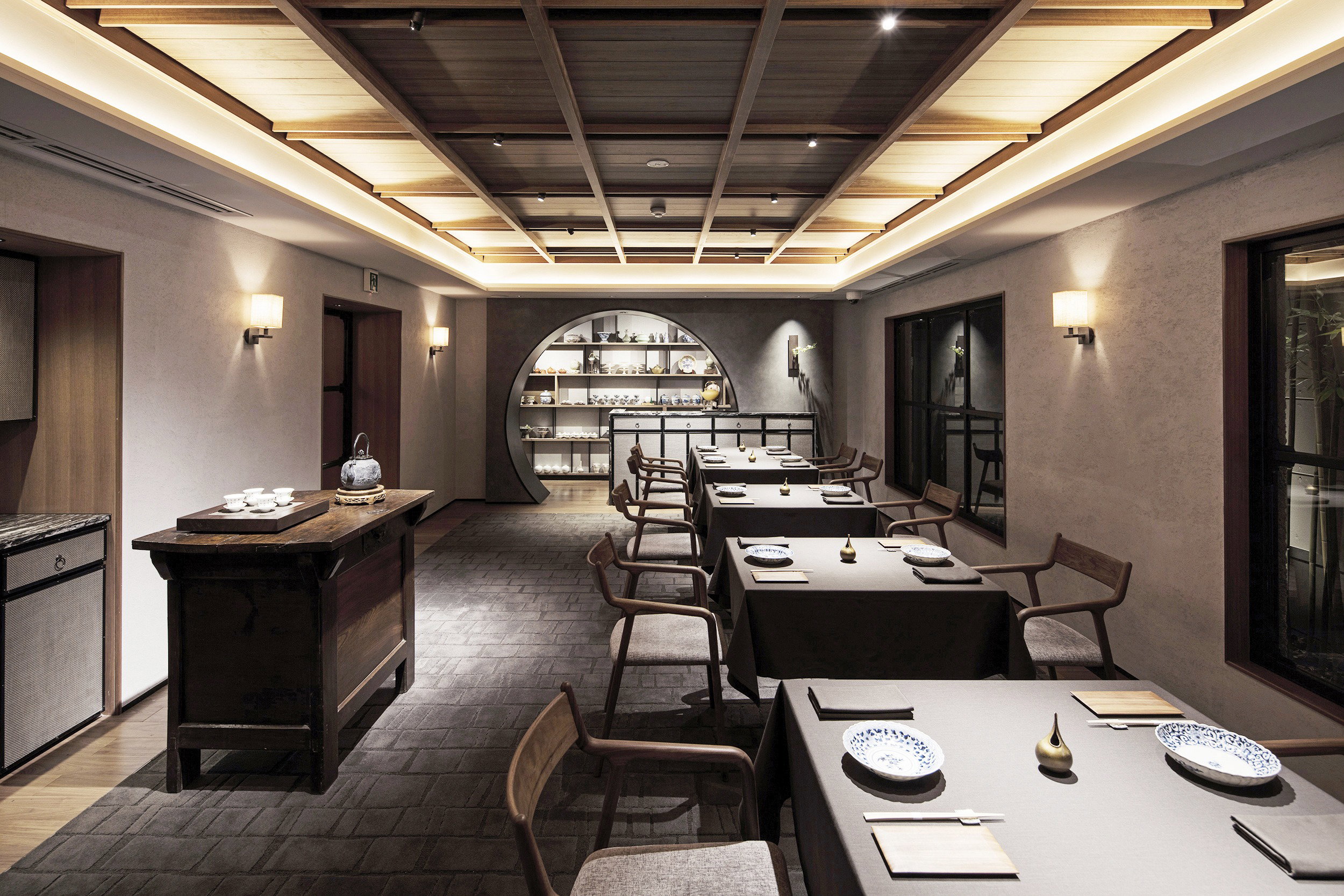
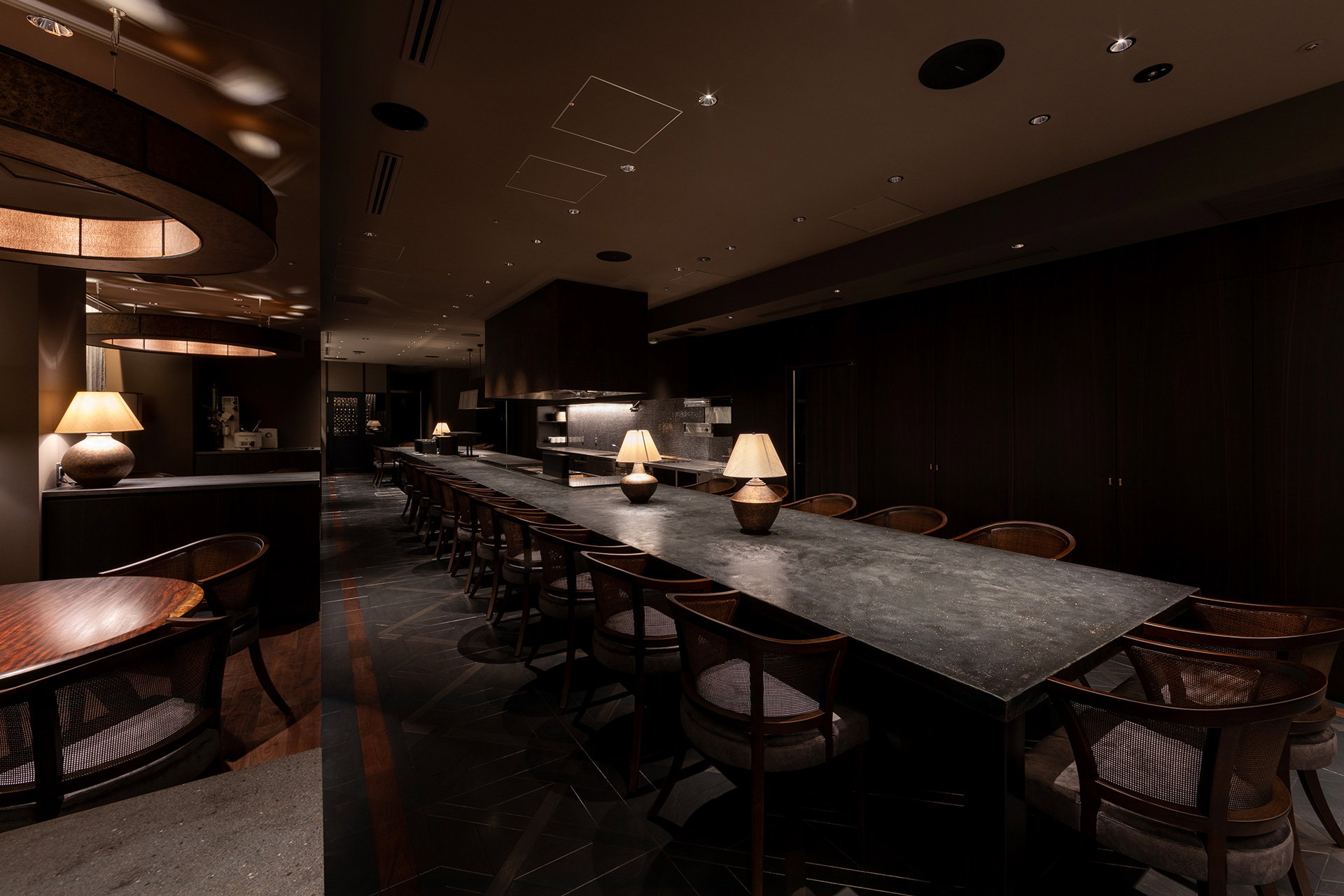
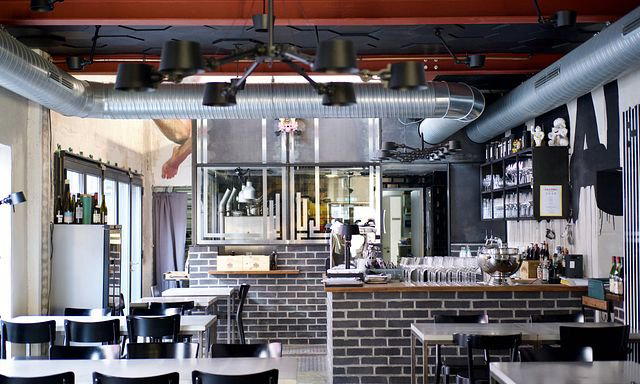
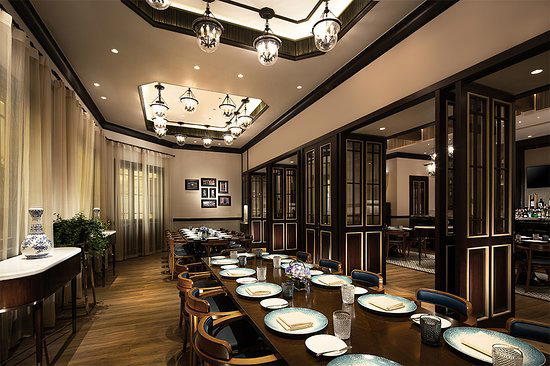
Biriyani Osawa sits below street level in a low-profile Sato Building and presents itself with deliberate restraint. There are no grand gestures of décor or a sprawling menu — the room and service mirror the kitchen’s single-minded attention. The experience reads like a pared-back omakase transplant: focused, quietly confident and technically precise. The kitchen’s choices—sparse oil, exacting grain separation and an emphasis on aromatic clarity—give the place a sophisticated minimalism. It feels less like a bustling South Asian banquet hall and more like a small, calm atelier where one dish receives complete, careful dedication.
Best For
This is a restaurant for diners who prize craft and focus over variety. If you want to assess technique, provenance and the nuances of dum-style biryani, this single-dish format is ideal. It suits solo diners seeking an intense, attentive meal and small, deliberate special-occasion visits where the food is the sole point of attention. The restrained setting and omakase-like logic make it less appropriate for large groups or diners expecting an expansive menu; instead, it rewards those who come to evaluate and savor expertly executed mutton or chicken biryani.
Ordering Tips
There are only two choices on offer: mutton biryani or chicken biryani. Accept the restaurant’s premise and order one of those — the kitchen treats the dish as its entire craft. The review highlights the dum technique and a restrained use of fat, so expect fragrant basmati with separate grains and clarity of spice rather than heavy richness. Because there is no lengthy menu of alternatives, pick based on your protein preference: mutton for a deeper, gamier profile, chicken for a lighter take; both are presented as the singular focus of the meal.
Venue details
Ambiance
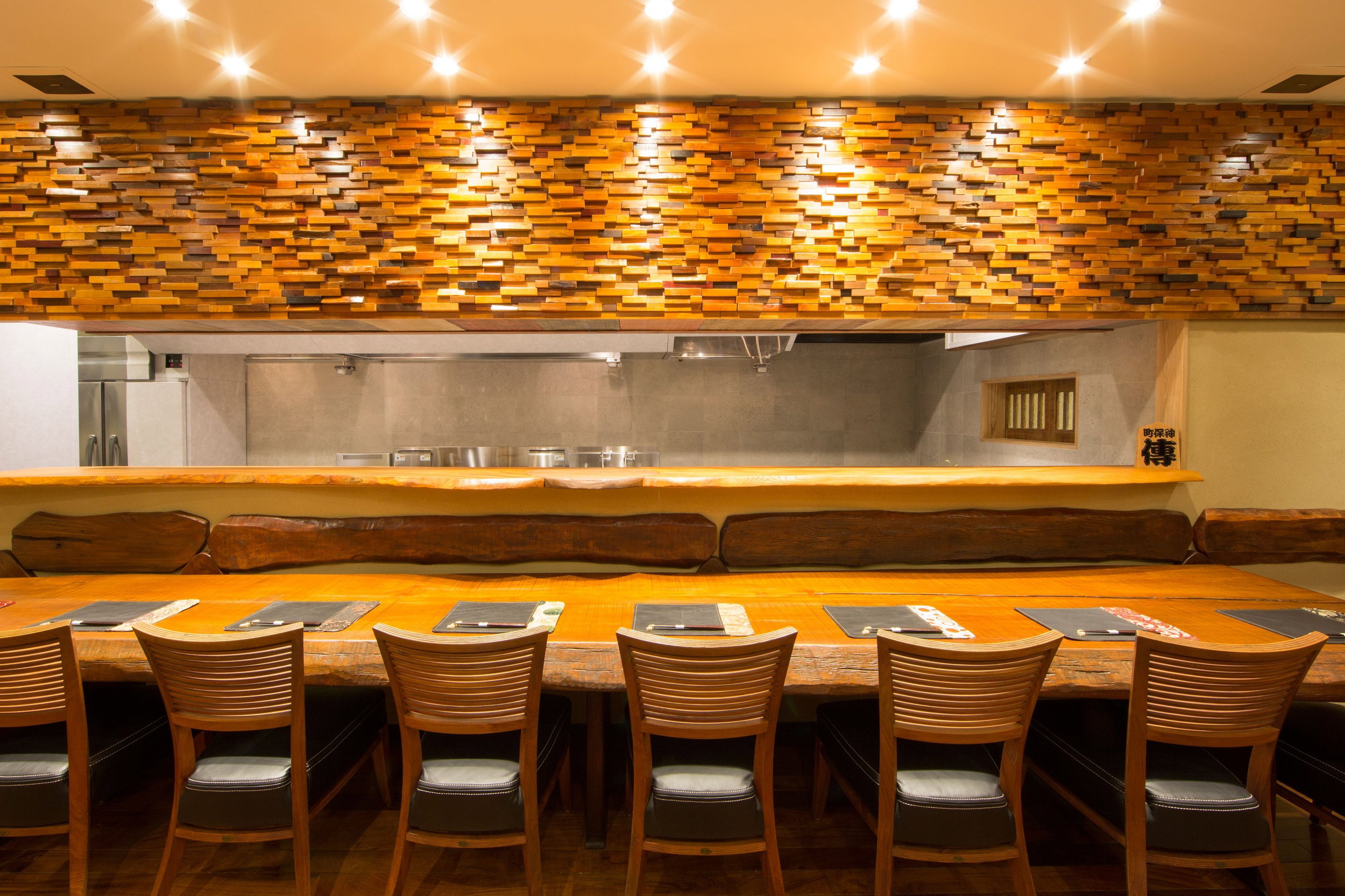
U-shaped counter seating 10 in a basement hideout designed to focus attention on the rising aroma of biryani without conversational distractions.
Tags
Vibe
Best For
Experience
Accessibility
At the Table
- Dress Code
- Smart Casual
- Noise Level
- Quiet
- Service Style
- Upscale Casual
- Meal Pacing
- Standard
- Capacity
- Intimate
Signature Dishes
- Mutton Biryani
- Chicken Biryani
Know before you go
Know Before You Go
- Getting there
- Japan, 〒101-0047 Tokyo, Chiyoda City, Uchikanda, 1 Chome−15−12 Sato Building, B1F
Planning details
Location
Japan, 〒101-0047 Tokyo, Chiyoda City, Uchikanda, 1 Chome−15−12 Sato Building, B1F · Directions
Recognition and awards

Also consider
Also Consider
- Harutaka, Sushi, ¥¥¥¥
- L'Effervescence, French, ¥¥¥¥
- RyuGin, Kaiseki, Japanese, ¥¥¥¥
- HOMMAGE, Innovtive French, French, ¥¥¥¥
- Crony, Innovative, French, ¥¥¥¥
Restaurant context
Biriyani Osawa is not competing with Harutaka, L'Effervescence, RyuGin, HOMMAGE, or Crony, all of which sit at ¥¥¥¥ and deliver multi-course tasting experiences with full service teams. The useful comparison is about what Michelin recognition means at different price tiers. A Plate at ¥ is a stronger value signal than a star at ¥¥¥¥ for a diner whose priority is quality-per-yen rather than occasion dining. If you're planning a Tokyo trip with one serious tasting-menu night, those ¥¥¥¥ venues are the right call for that slot. Biriyani Osawa fills a completely different slot, the high-quality, low-cost, fast-format lunch or early dinner.
Within the Indian restaurant category in Tokyo, Biriyani Osawa's single-dish model makes it easier to recommend with confidence than venues with broader menus where execution is uneven. The Michelin Plate removes the guesswork. For diners who want more variety in their Indian meal, SANTOSHAM and Spice Lab Tokyo offer that range at a higher price. For the biryani specifically, Biriyani Osawa is the most credentialed option in the city at this price tier.
The practical verdict: if you are choosing between Biriyani Osawa and any of the ¥¥¥¥ Tokyo venues for a single meal, the decision comes down to format and budget. A special-occasion dinner belongs at RyuGin or L'Effervescence. A focused, affordable, quality-assured lunch belongs at Biriyani Osawa. The two are not substitutes for each other, they answer different questions.
Explore Tokyo
Around this place
Discover more on Pearl
Unlock the full Biriyani Osawa guide in Pearl, including awards, comparisons, FAQs, planning details, and nearby places.
Compare Biriyani Osawa
| Venue | Cuisine | Price | Booking Difficulty | Awards |
|---|---|---|---|---|
| Biriyani Osawa | Indian | ¥ | Easy | 2026 OAD Casual in Japan Ranked · #462026 Bib Gourmand2025 Michelin Plate |
| Harutaka | Sushi | ¥¥¥¥ | Unknown | 2026 Tabelog Silver · #312026 OAD Top Restaurants in Japan Ranked · #1282026 Michelin 3 Stars2026 La Liste Top RestaurantsTabelog 100 - Sushi - TOKYO - 2025 · #372025 Asia's 50 Best Restaurants · #762025 OAD Top Restaurants in Japan Ranked · #1172025 La Liste Top Restaurants2025 Tabelog Bronze |
| L'Effervescence | French | ¥¥¥¥ | Unknown | 2026 Tabelog Silver · #682026 OAD Top Restaurants in Japan Ranked · #103Star Wine Lists 20262026 Black Pearl 2 Diamond2026 Relais Chateaux Restaurants2026 La Liste Top Restaurants2026 Michelin 3 Stars2025 Asia's 50 Best Restaurants · #692025 OAD Top Restaurants in Japan Ranked · #92 |
| RyuGin | Kaiseki, Japanese | ¥¥¥¥ | Unknown | 2026 OAD Top Restaurants in Japan Ranked · #802026 Tabelog Bronze · #3772026 Michelin 3 Stars2026 La Liste Top RestaurantsTabelog 100 - Japanese cuisine - TOKYO - 2025 · #212025 OAD Top Restaurants in Japan Ranked · #542025 Michelin 3 Stars2025 La Liste Top Restaurants2025 The Best Chef Three Knives |
| HOMMAGE | Innovtive French, French | ¥¥¥¥ | Unknown | 2026 Tabelog Bronze · #1232026 OAD Top Restaurants in Japan Highly Recommended2026 Michelin 2 StarsTabelog 100 - French - TOKYO - 2025 · #762025 Asia's 50 Best Restaurants · #782025 OAD Top Restaurants in Japan Ranked · #1752025 Michelin 2 Stars2025 The Best Chef One Knife2025 La Liste Top Restaurants |
| Crony | Innovative, French | ¥¥¥¥ | Unknown | 2026 Asia's 50 Best Restaurants · #34Star Wine Lists 20262026 OAD Top Restaurants in Japan Recommended2026 Michelin 2 Stars2025 Asia's 50 Best Restaurants · #30Tabelog 100 - French - TOKYO - 2025 · #782025 OAD Top Restaurants in Japan Ranked · #227We're Smart World Top Restaurants 20252025 Michelin 2 Stars |
.png?width=1200&quality=80)













A quick look at how Biriyani Osawa measures up.
FAQ
Frequently Asked Questions
Is Biriyani Osawa good for solo dining?
Yes — the single-dish format makes solo dining straightforward here. You order mutton or chicken biryani, and that's the decision made. The basement setting in Uchikanda is low-key rather than social, which suits a solo visit at the ¥ price point. No need to negotiate a shared menu or commit to a group format.
What should a first-timer know about Biriyani Osawa?
The menu is biryani only — mutton or chicken — so arrive having made that one choice. The kitchen times preparation to finish cooking as guests are seated, which means the dish comes fresh from the pot. It holds a Michelin Plate (2025), which places it in a formal quality tier. The venue is on the basement level (B1F) of the Sato Building at 1 Chome-15-12 Uchikanda, so allow a moment to find it.
Does Biriyani Osawa handle dietary restrictions?
The menu is mutton or chicken biryani, full stop. If you don't eat either, there is no alternative on offer. Vegetarians and those avoiding red meat should note this before booking — there is no documented vegetarian variant in the available record.
What are alternatives to Biriyani Osawa in Tokyo?
For Indian food in Tokyo, the city has a range of options at various price points, but very few hold Michelin recognition. If you want Indian at a higher spend and more courses, look at Delhi-style tasting menus in Shinjuku or Ebisu. For something entirely different in the Michelin-recognised, single-focus format, Harutaka (omakase sushi) or Crony (modern bistro) represent distinct alternatives depending on cuisine preference and budget.
Is Biriyani Osawa worth the price?
At a ¥ price range, this is one of the lower-cost Michelin Plate restaurants in Tokyo. For a single-dish meal where the kitchen times the cook to the moment guests sit down — basmati rice, spices, minimal oil — the value case is clear. It is not a multi-course event, so don't go expecting length; go expecting one dish done with precision.
Is Biriyani Osawa good for a special occasion?
It depends on what the occasion calls for. If the point is a shared, memorable meal that costs very little relative to its Michelin Plate quality, yes. If you need a celebratory atmosphere, private dining, or a long multi-course format, this is the wrong venue. The single-dish format and basement setting in Uchikanda read as low-key rather than celebratory — it's a strong choice for a food-focused occasion, not a milestone dinner.