.png?width=1200&quality=80)
Asakusa Nagami
Japanese · Taitō, Tokyo
Restaurant in Tokyo, Japan
 Book with Pearl
The Read
Shitamachi Kaiseki Discipline
Price
¥¥¥
Dress
Smart Casual
Why go
Asakusa Nagami holds back-to-back Michelin Plates (2024, 2025) and sits at the ¥¥¥ tier — serious Japanese cooking without the booking difficulty of Tokyo's starred rooms. Chef Takumi Nagami's Kyoto-trained restraint shows in a lightly seasoned dashi that lets ingredients lead, and a playful use of Asakusa's own kaminari-okoshi rice puff as frying batter. A strong return-visit choice for anyone who wants precision without the premium price.
About Asakusa Nagami
Asakusa Nagami: Worth Booking?
At the ¥¥¥ price tier, Asakusa Nagami sits in a considered middle ground for Tokyo Japanese dining — serious enough in intent to earn back-to-back Michelin Plates in 2024 and 2025, accessible enough that booking is not the ordeal it is at the city's starred kaiseki rooms. If you've visited once and left wondering whether the precision of the cooking warrants a return, the answer is yes — particularly if you're ready to pay closer attention to what the kitchen is doing technically.
The Cooking: What This Kitchen Does Differently
Chef Takumi Nagami's approach is built around restraint, and that restraint is the technical argument for coming here. The soup stock is deliberately lightly seasoned, a choice that requires far more confidence in sourcing and preparation than the alternative of using seasoning to paper over inconsistencies. It puts the ingredient first and the technique in service of it, a philosophy rooted in the Kyoto training that shaped Nagami's palate. For a diner returning after a first visit, this is the detail worth watching: the dashi is the clearest signal of how much care the kitchen is actually putting in.
The appetiser platter comes in two forms. You can choose between drinking snacks presented on leaves or served inside hollowed-out yuzu fruits. The yuzu presentation is the stronger choice visually and aromatically, and the fragrance of the fruit shapes how you read the flavours of what's inside it. Neither option is gratuitous; both reflect a kitchen that considers presentation as an extension of flavour rather than decoration for its own sake.
Perhaps the most pointed expression of Nagami's connection to Asakusa itself is the use of kaminari-okoshi, the traditional sweet rice puff snack associated with the neighbourhood, as batter for fried items. This is not a novelty. Kaminari-okoshi has been sold near Senso-ji for generations, and using it as a functional cooking element rather than a souvenir reference gives the dish a texture and sweetness that a standard breadcrumb or tempura batter wouldn't produce. For a returning visitor, this is the dish that most clearly explains what the kitchen is trying to say about place.
Atmosphere and When to Go
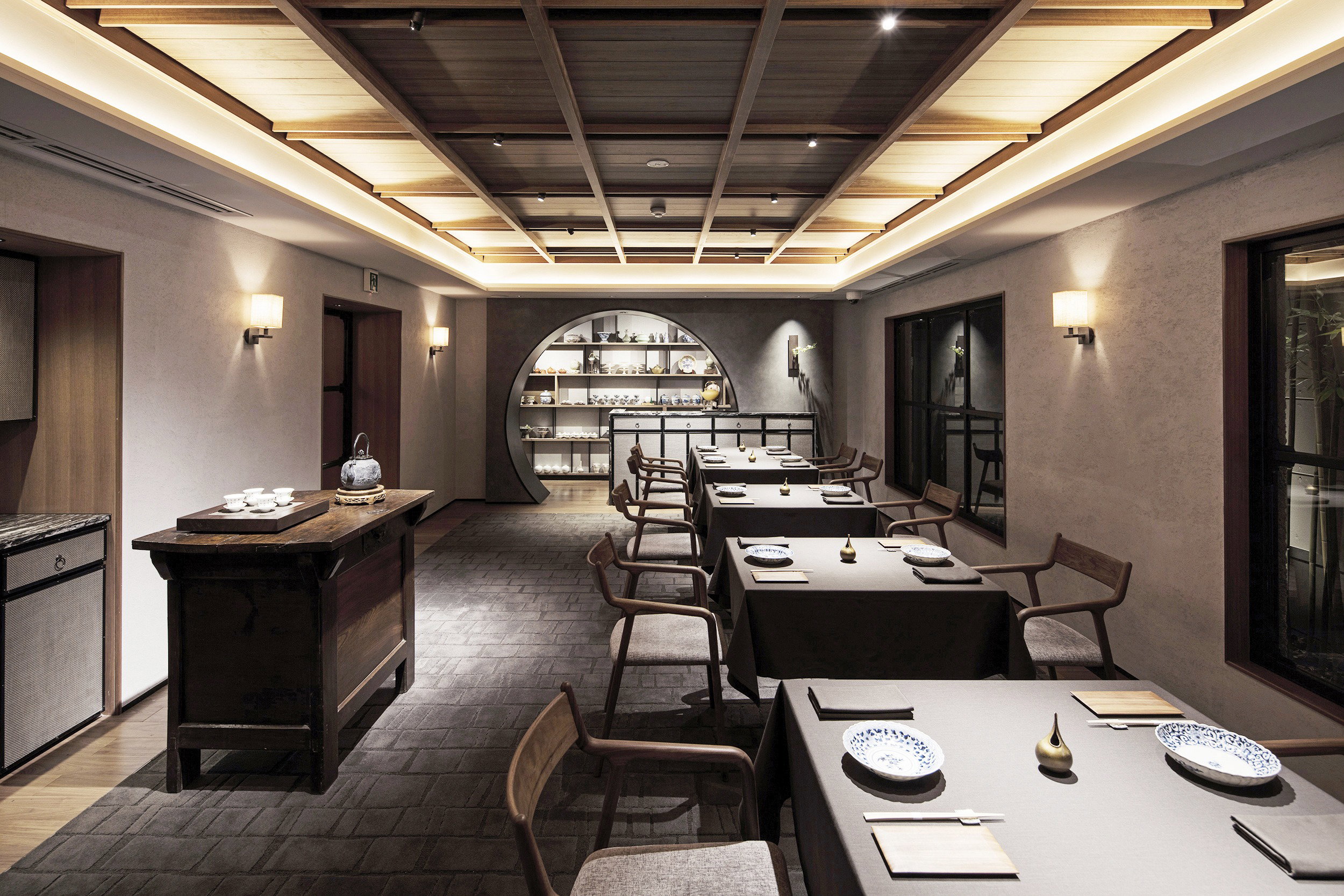
Asakusa carries a different energy from the high-pressure kaiseki rooms of Ginza or Minami-Aoyama. The neighbourhood itself, dense with temples, street stalls, and the particular low-rise texture of older Tokyo, means the approach to the restaurant is part of the experience in a way that's harder to claim in a glass tower. Inside, expect a composed, quieter room rather than the hushed formality of a starred counter. The atmosphere is attentive without being theatrical. If you found the room too formal or too quiet on a first visit, it's worth knowing that Asakusa Nagami reads differently once you're watching the cooking rather than the room, the focus shifts quickly.
That's a good sign for a return visit, you are unlikely to find the kitchen having an off night.
Practical Details
Reservations: Easy to book by Tokyo fine-dining standards, no months-long waitlist, unlike starred kaiseki rooms in the city. Book ahead regardless, as the guest count appears to be small. Budget: ¥¥¥ tier positions this comfortably below Tokyo's ¥¥¥¥ kaiseki rooms; expect a meaningful but not punishing spend for the level of cooking. Location: 4 Chome-43-6 Asakusa, Taito City, deep enough into Asakusa that it rewards arriving with time to walk the neighbourhood. Dress: Smart casual is a safe read for a room of this calibre. Group size: Better suited to two or a small group focused on the food; the cooking rewards attention.
How It Compares
Further Reading
For more Tokyo dining at this level, the Pearl guides to Myojaku, Azabu Kadowaki, Kagurazaka Ishikawa, Ginza Fukuju, and Jingumae Higuchi cover comparable Japanese kitchens across different price tiers and neighbourhoods. The full Tokyo restaurants guide maps the broader category. If you are building a wider Japan trip around this kind of cooking, Pearl also covers Gion Sasaki in Kyoto, Isshisoden Nakamura in Kyoto, HAJIME in Osaka, Kashiwaya Osaka Senriyama, akordu in Nara, Goh in Fukuoka, 1000 in Yokohama, and 6 in Okinawa. For planning the rest of a Tokyo stay: hotels, bars, wineries, and experiences.
Planning details
- Location
- 4 Chome-43-6 Asakusa, Taito City, Tokyo 111-0032, Japan
- Website
- asakusanagami.jp
- Phone
- +81 3-6240-6280
The take
The Take
The Vibe
Asakusa Nagami sits quietly within the dense, old-town cadence of Asakusa, marrying Kyoto-trained restraint with the textured streetscape of shitamachi Tokyo. The kitchen practices kaiseki discipline — season rules the menu, courses arrive in a deliberate sequence and the cooking privileges subtlety over show. That philosophy gives the room an understated, classic formality: elegant rather than flashy, intimate rather than theatrical. Dining here feels like a focused conversation with a kitchen that values lineage and timing, a rare serious mise-en-place in a neighbourhood better known for temples and stalls than high-seasonal tasting menus.
Best For
This is a spot for anyone seeking carefully calibrated, season-led Japanese cooking in a quietly refined setting. It suits date nights and special-occasion dinners where the meal itself is the occasion, and it also works for solo diners who want a composed, course-driven experience. The restaurant sits at a ¥¥¥ price tier, signaling serious intent without the full austerity of top-tier counters; the availability of a Seasonal Omakase Lunch Course also makes a midday visit an excellent way to sample the kitchen’s rhythm without committing to a longer evening sequence.
Ordering Tips
Order one of the omakase offerings to understand the kitchen’s seasonal logic — the menu is constructed to be experienced as a sequence rather than à la carte. The Seasonal Omakase Lunch Course is explicitly offered and is a tidy way to sample the chef’s Kyoto-influenced approach to dashi and restraint; the broader Omakase Course is the fuller expression for an evening visit. Expect flavor profiles that are deliberately muted in service of ingredient clarity, and plan around seasonality: dishes change with what is at its correct moment, so let the chef lead the progression.
Venue details
Ambiance
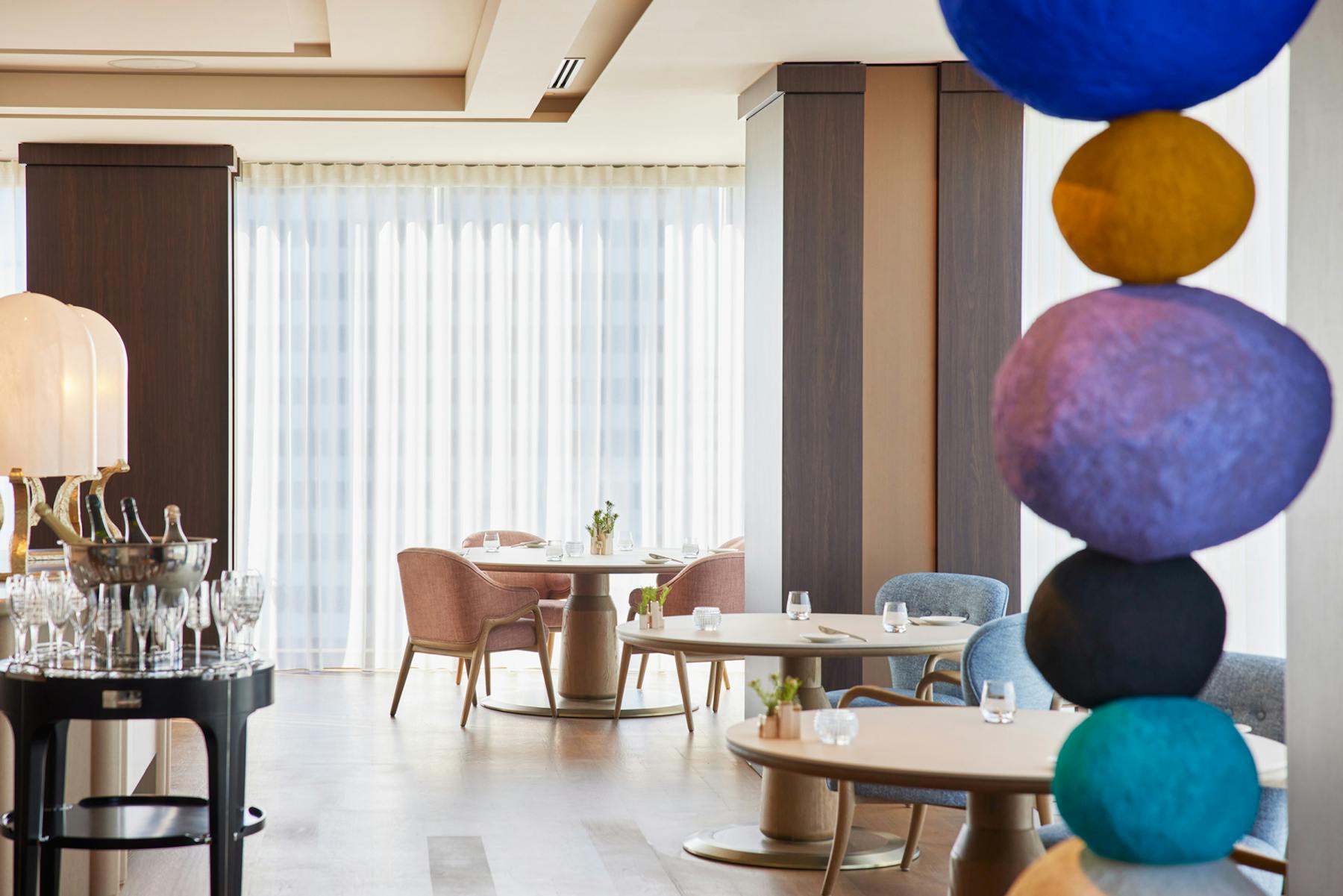
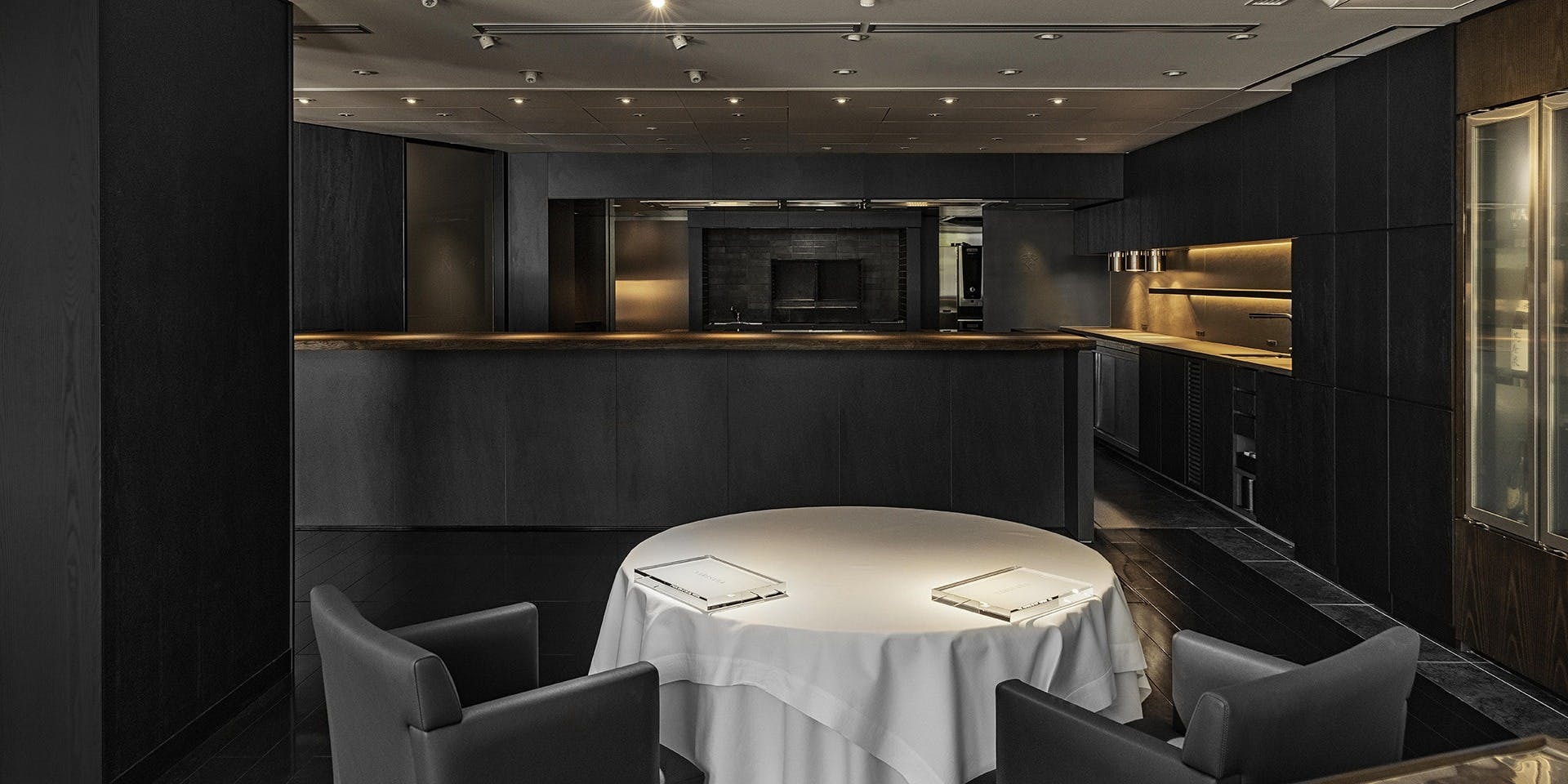
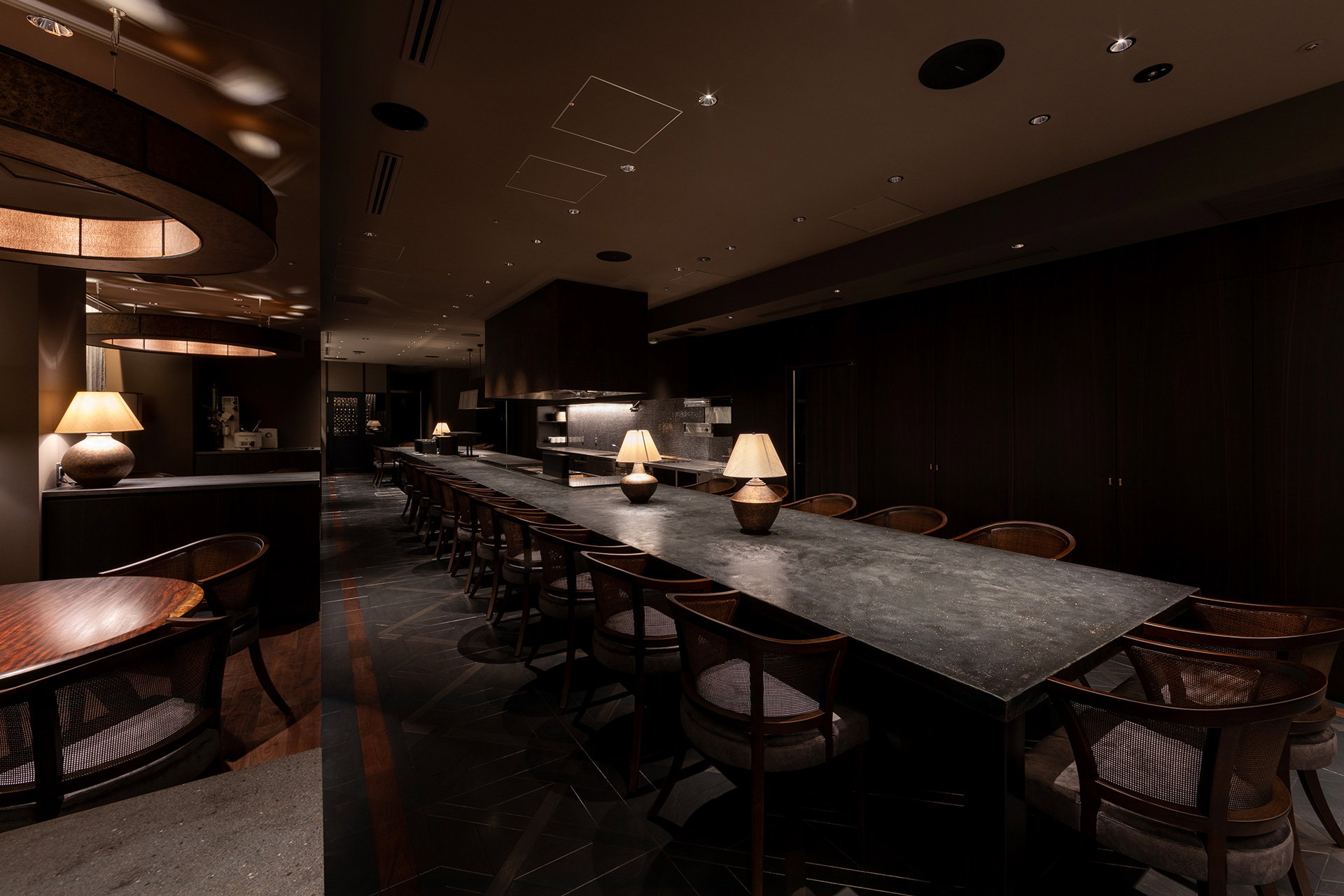
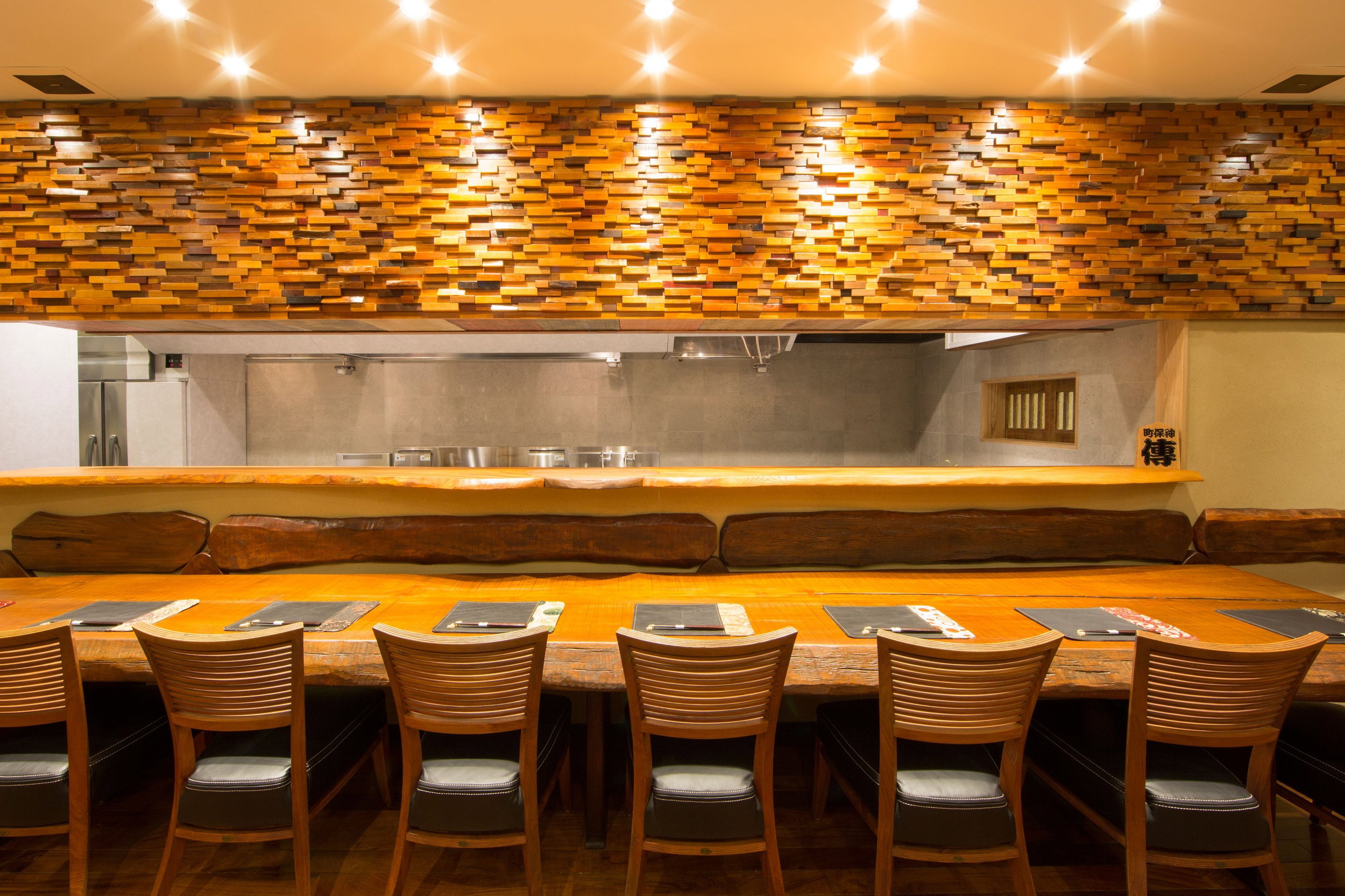
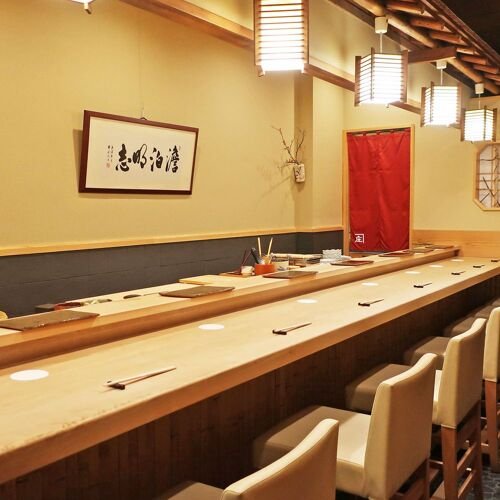
Relaxing and serene counter seating space with tasteful flower arrangements and a calm, elegant atmosphere.
Tags
Vibe
Best For
Experience
Sourcing
At the Table
- Dress Code
- Smart Casual
- Noise Level
- Quiet
- Service Style
- Formal
- Meal Pacing
- Leisurely
- Capacity
- Intimate
Signature Dishes
- Omakase Course
- Seasonal Omakase Lunch Course
Know before you go
Know Before You Go
- Getting there
- 4 Chome-43-6 Asakusa, Taito City, Tokyo 111-0032, Japan
Planning details
Location
Recognition and awards
Also consider
Also Consider
- Harutaka, Sushi, ¥¥¥¥
- RyuGin, Kaiseki, Japanese, ¥¥¥¥
- L'Effervescence, French, ¥¥¥¥
- HOMMAGE, Innovtive French, French, ¥¥¥¥
- Florilège, French, ¥¥¥
Restaurant context
How Asakusa Nagami Compares
Against Tokyo's ¥¥¥¥ Japanese rooms, Asakusa Nagami is the practical choice for diners who want technically credible cooking without the spend or the booking friction. RyuGin operates at a different level of spectacle and price, and if kaiseki as a full ceremonial progression is what you want, that's the booking to make. But Nagami's Michelin Plate recognition signal a kitchen that is performing well within its category, not a consolation prize, but a deliberate choice for a different kind of evening.
The French contingent at ¥¥¥¥, L'Effervescence, HOMMAGE, and at ¥¥¥ with Florilège are a different category decision entirely. If you're comparing on price tier alone, Florilège at ¥¥¥ is a fair peer for value, but the cooking philosophies are distinct enough that the choice comes down to whether you want a Japanese or French kitchen on a given night, not which is objectively better. Harutaka at ¥¥¥¥ is the sushi benchmark if raw fish is the priority, but it's a harder book and a higher spend for a narrower format.
The clearest case for Asakusa Nagami over its peers is the combination of booking ease, neighbourhood context, and a ¥¥¥ price point that doesn't ask you to commit to a ¥¥¥¥ evening to eat at this level of care. If you are splitting a Tokyo trip between one big-spend dinner and one more considered mid-range meal, Nagami is a strong candidate for the second slot.
Explore Tokyo
Around this place
Discover more on Pearl
Unlock the full Asakusa Nagami guide in Pearl, including awards, comparisons, FAQs, planning details, and nearby places.
Compare Asakusa Nagami
| Venue | Cuisine | Price | Booking Difficulty | Awards |
|---|---|---|---|---|
| Asakusa Nagami | Japanese | ¥¥¥ | Easy | 2026 Michelin Plate2025 Michelin Plate2024 Michelin Plate |
| Harutaka | Sushi | ¥¥¥¥ | Unknown | 2026 Tabelog Silver · #312026 OAD Top Restaurants in Japan Ranked · #1282026 Michelin 3 Stars2026 La Liste Top RestaurantsTabelog 100 - Sushi - TOKYO - 2025 · #372025 Asia's 50 Best Restaurants · #762025 OAD Top Restaurants in Japan Ranked · #1172025 La Liste Top Restaurants2025 Tabelog Bronze |
| RyuGin | Kaiseki, Japanese | ¥¥¥¥ | Unknown | 2026 OAD Top Restaurants in Japan Ranked · #802026 Tabelog Bronze · #3772026 Michelin 3 Stars2026 La Liste Top RestaurantsTabelog 100 - Japanese cuisine - TOKYO - 2025 · #212025 OAD Top Restaurants in Japan Ranked · #542025 Michelin 3 Stars2025 La Liste Top Restaurants2025 The Best Chef Three Knives |
| L'Effervescence | French | ¥¥¥¥ | Unknown | 2026 Tabelog Silver · #682026 OAD Top Restaurants in Japan Ranked · #103Star Wine Lists 20262026 Black Pearl 2 Diamond2026 Relais Chateaux Restaurants2026 La Liste Top Restaurants2026 Michelin 3 Stars2025 Asia's 50 Best Restaurants · #692025 OAD Top Restaurants in Japan Ranked · #92 |
| HOMMAGE | Innovtive French, French | ¥¥¥¥ | Unknown | 2026 Tabelog Bronze · #1232026 OAD Top Restaurants in Japan Highly Recommended2026 Michelin 2 StarsTabelog 100 - French - TOKYO - 2025 · #762025 Asia's 50 Best Restaurants · #782025 OAD Top Restaurants in Japan Ranked · #1752025 Michelin 2 Stars2025 The Best Chef One Knife2025 La Liste Top Restaurants |
| Florilège | French | ¥¥¥ | Unknown | 2026 Asia's 50 Best Restaurants · #312026 Tabelog Bronze · #712026 OAD Top Restaurants in Japan Ranked · #1242026 Black Pearl 1 Diamond2026 Michelin 2 Stars2026 La Liste Top Restaurants2025 Asia's 50 Best Restaurants · #172025 World's 50 Best Restaurants · #36Tabelog 100 - French - TOKYO - 2025 · #68 |













How Asakusa Nagami stacks up against the competition.
FAQ
Frequently Asked Questions
Is Asakusa Nagami worth the price at ¥¥¥?
Yes, for what it delivers at the ¥¥¥ tier. Back-to-back Michelin Plates in 2024 and 2025 validate the kitchen's consistency, and the price sits well below starred kaiseki rooms in Ginza or Minami-Aoyama. Chef Takumi Nagami's Kyoto-trained restraint — light soup stocks, seasonal platters served in hollowed yuzu, kaminari-okoshi batter on fried items — gives the meal a clear culinary identity rather than generic fine-dining polish. If you want spectacle and modernist technique, RyuGin is a better match. If you want considered, ingredient-led Japanese cooking without a months-long waitlist, Nagami is a strong case for the money.
How hard is it to get a reservation at Asakusa Nagami?
By Tokyo fine-dining standards, this is one of the easier bookings at its level. Unlike starred kaiseki rooms in the city that require months of advance planning, Nagami does not carry the same waitlist pressure. Book ahead regardless — walk-ins at a ¥¥¥ Japanese restaurant in Asakusa are not a reliable strategy — but a week or two of lead time is typically sufficient outside peak travel periods. That accessibility is part of the value argument here.
What kind of food does Asakusa Nagami serve?
Seasonal Japanese cooking with a clear Kyoto influence. Chef Takumi Nagami trained in Kyoto and brings that discipline to Asakusa: soup stocks are deliberately light so the main ingredients lead, not the seasoning. Appetiser platters come in two formats — drinking snacks with leaf garnishes or snacks served inside hollowed yuzu fruits. A local touch runs through the menu too: kaminari-okoshi, the sweet rice puff associated with Asakusa, is used as a batter for fried dishes. This is not fusion or modernist Japanese — it is restrained, classical cooking with a strong sense of place.
What is the atmosphere like at Asakusa Nagami?
Lower pressure than comparable rooms in Ginza or Minami-Aoyama. Asakusa as a neighbourhood carries a different register — temples, traditional streetscapes, less of the corporate fine-dining formality that defines central Tokyo's restaurant scene. That context shapes the experience at Nagami: the cooking is serious, but the setting is not designed to intimidate. It suits couples and small groups who want a considered Japanese meal without the theatre of a high-profile tasting room.
How does Asakusa Nagami compare to other Tokyo Japanese restaurants at this level?
Nagami sits in a specific position: Michelin-recognised, ¥¥¥ priced, and easier to access than most peers at that standard. Against RyuGin, it is quieter and more traditional. Against Harutaka, it is a different format entirely — this is not a sushi counter. Against L'Effervescence or Florilège, it is the Japanese-cooking alternative for readers who are not looking for French technique. The strongest argument for Nagami over its peers is the combination of culinary seriousness and booking accessibility — a pairing that is genuinely unusual at this level in Tokyo.