


Aroma Fresca
Italian · Chūō, Tokyo
Restaurant in Tokyo, Japan
 Book with Pearl
The Read
Aroma-First Italian
Price
$150–200per person
Chef
Shinji Harada
Dress
Smart Casual
Why go
Shin Harada is an Italian room in Ginza where chef Shinji Harada applies a Japanese seasonal-produce philosophy to Italian technique. At ¥¥¥ with consistent OAD Japan placement across three years, it delivers strong value relative to ¥¥¥¥ peers — but the two-hour dinner window and hard-to-book schedule mean planning ahead is non-negotiable.
About Aroma Fresca
The Verdict
Aroma Fresca earns its Michelin star and its place on the Opinionated About Dining Japan list, but the limited weekly schedule — closed Monday and Sunday, dinner windows of just two hours each evening — means seats are genuinely scarce. This is not a casual drop-in; treat it as a reservation you plan around.
The Room and the Experience
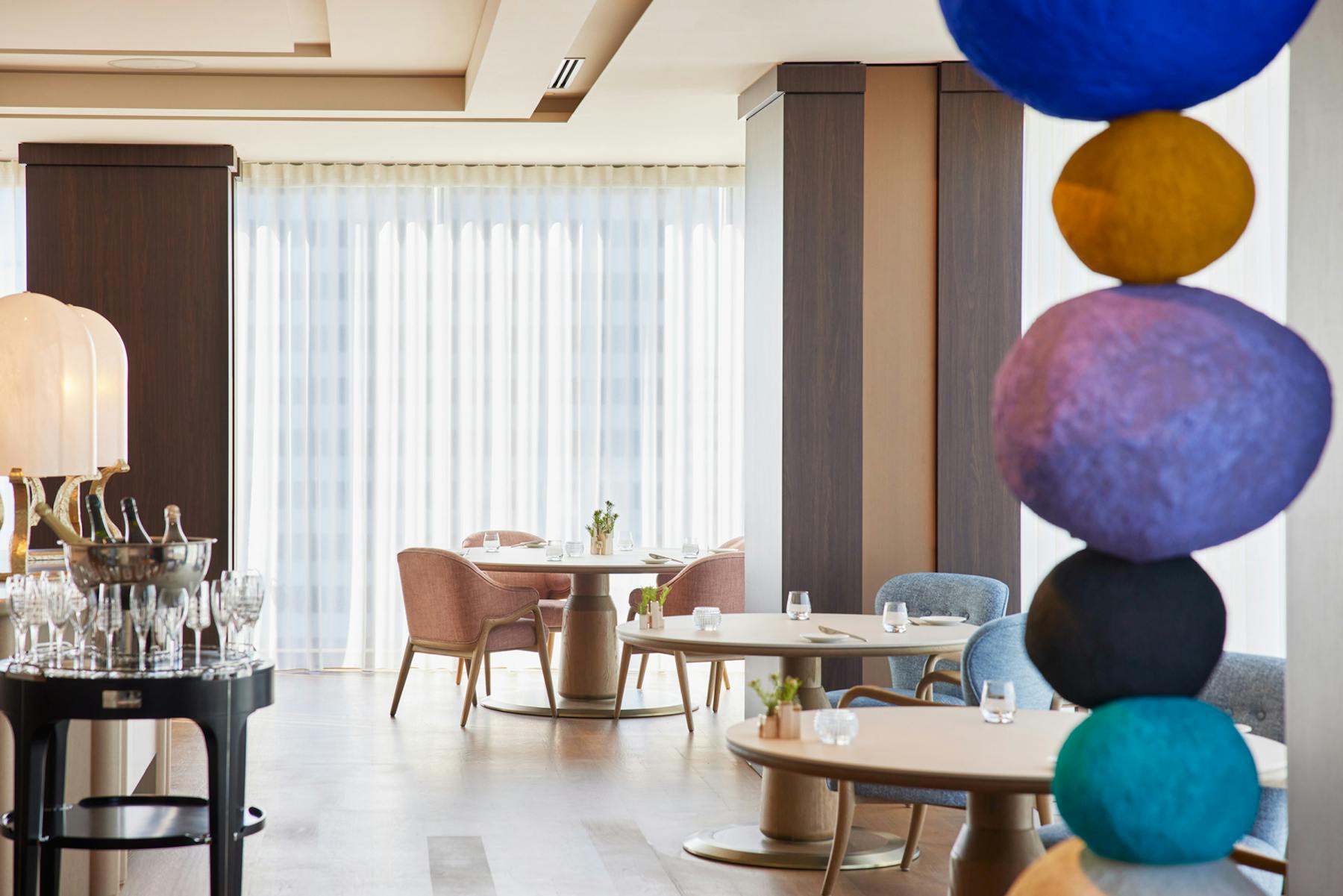
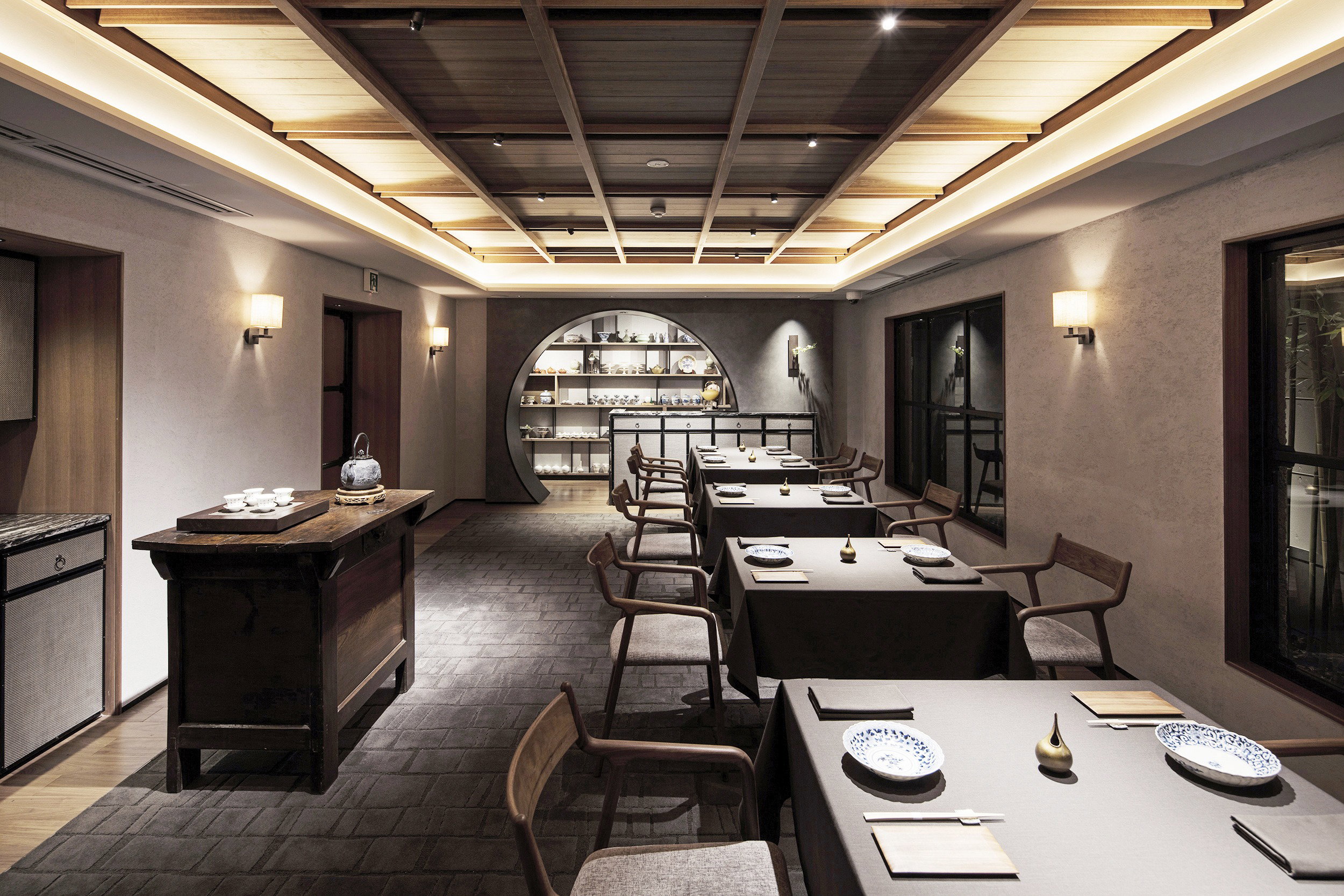
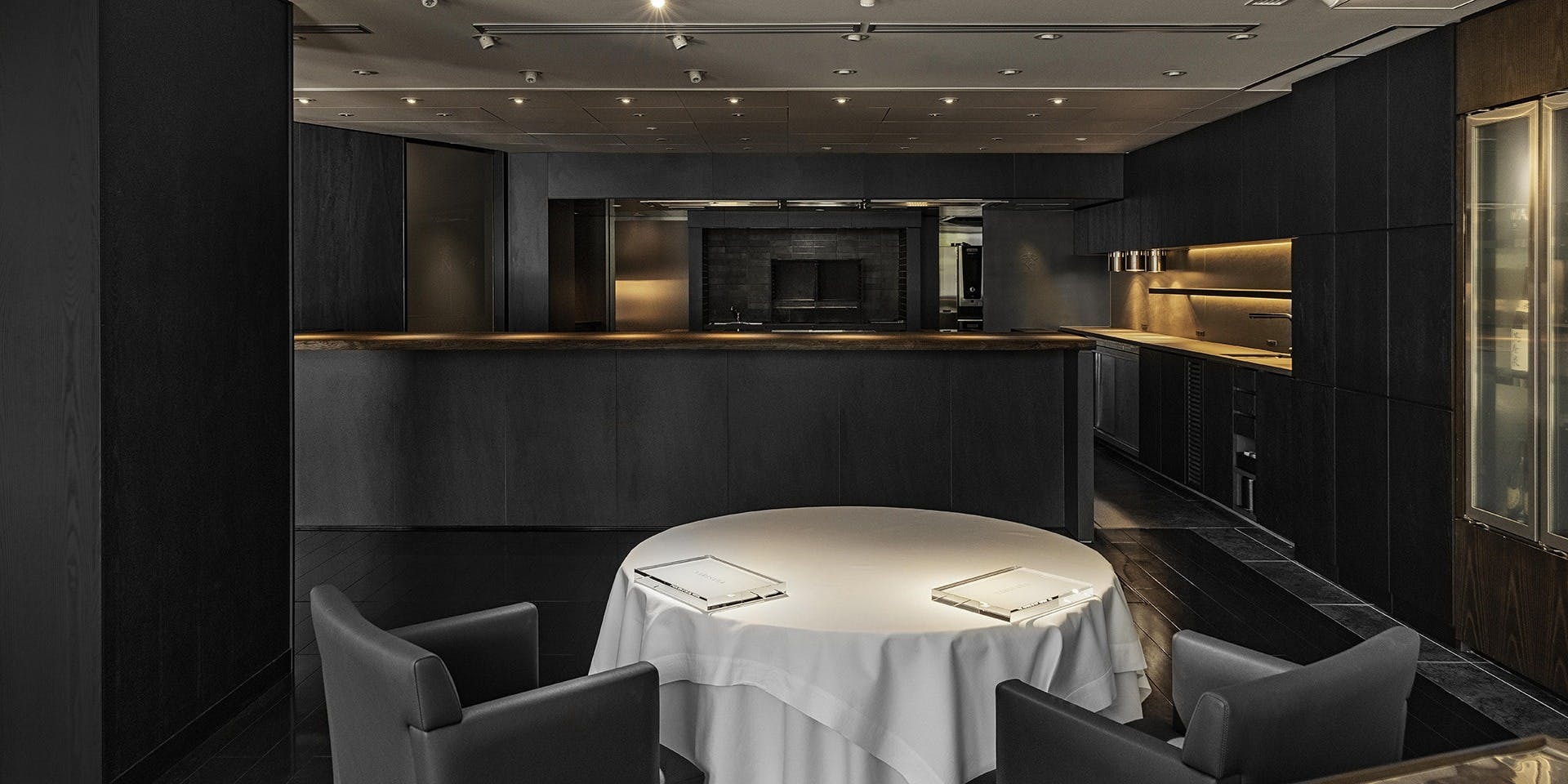
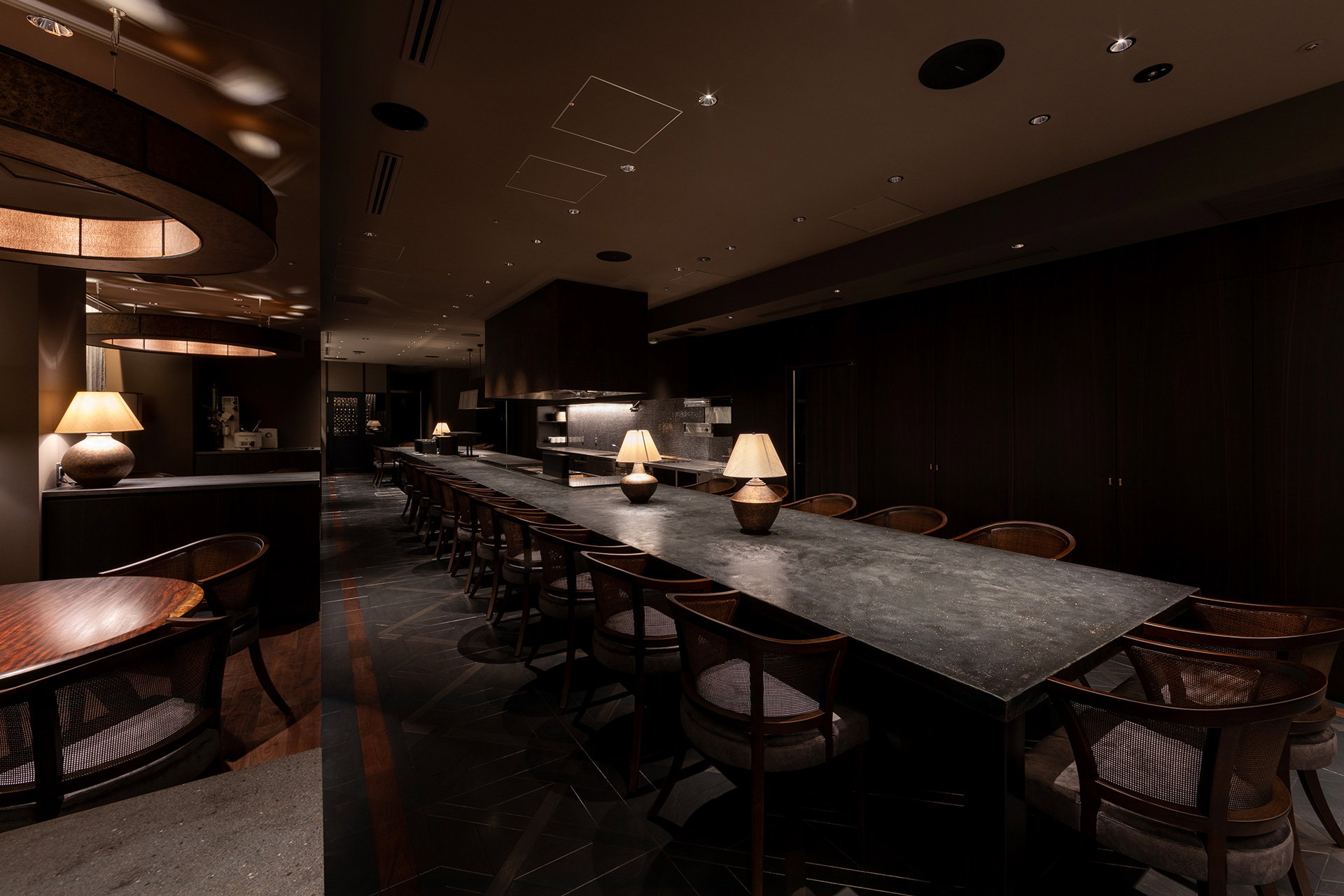
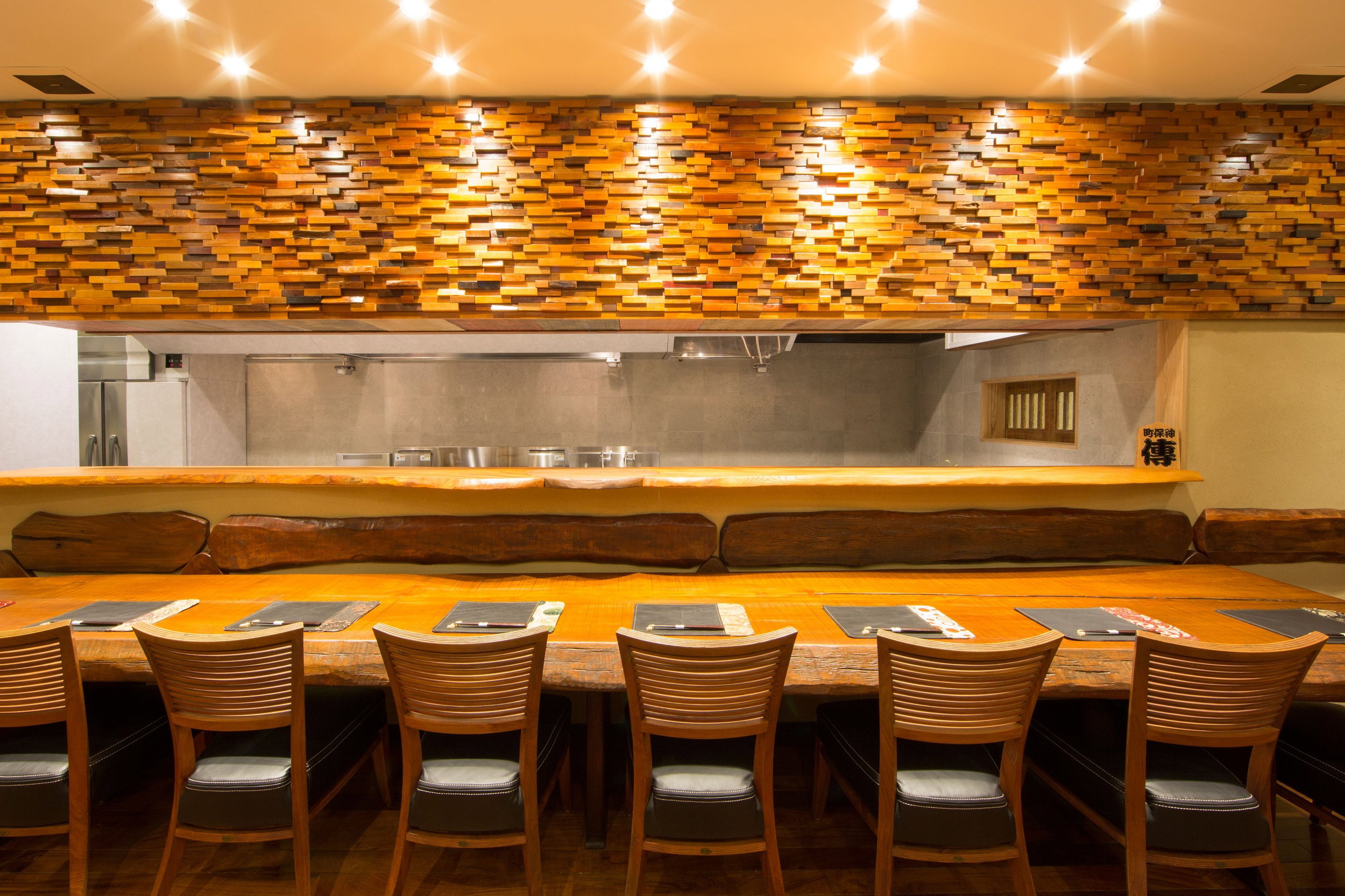
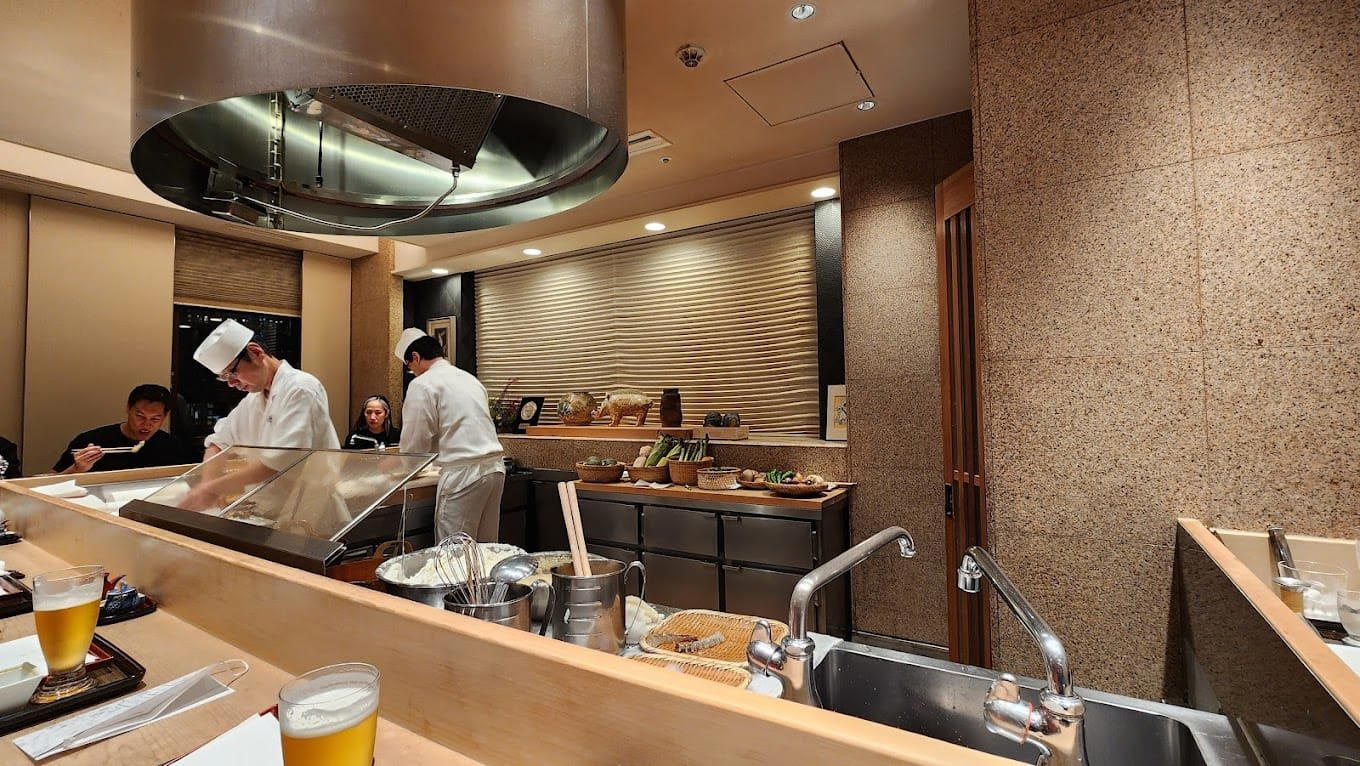
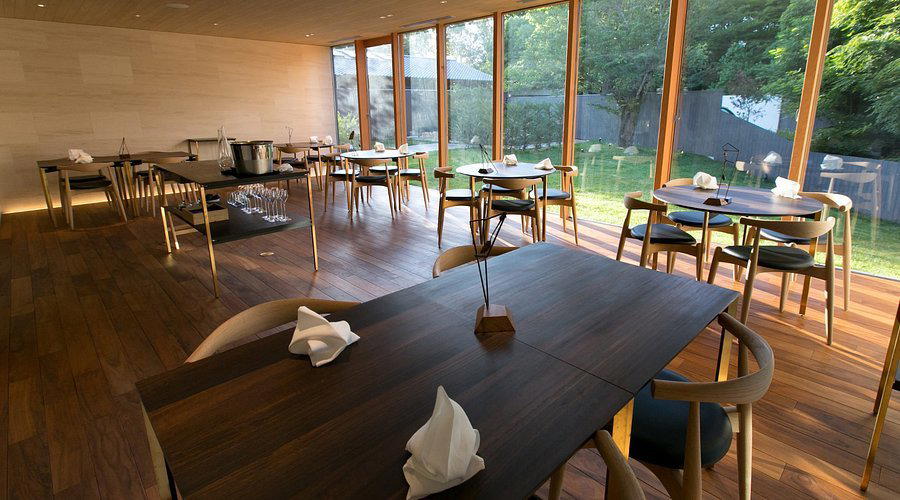
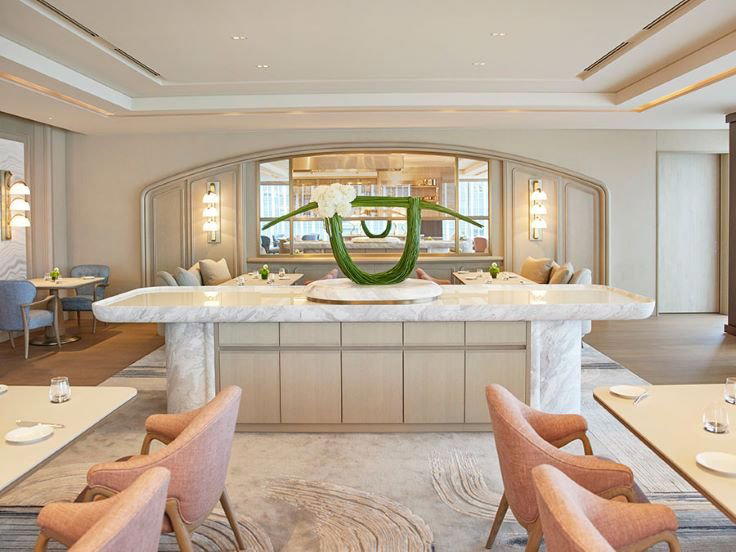
The first thing you notice at Aroma Fresca is the white. The dining room is deliberately spare, walls, surfaces, and light all lean pale, so that nothing competes with what arrives at the table. The second thing you notice is that the tables are set higher than you'd expect. That is intentional. Chef Harada's guiding principle, which he describes as "shortest distance to the ingredients," is not a metaphor: the refined table height physically brings your face closer to the plate, shortening the distance that aroma must travel. For a restaurant named Aroma Fresca, fresh aroma, this is design and philosophy working together rather than independently. It is a detail worth paying attention to on a return visit, because it reframes the sequence of each course before you taste anything.
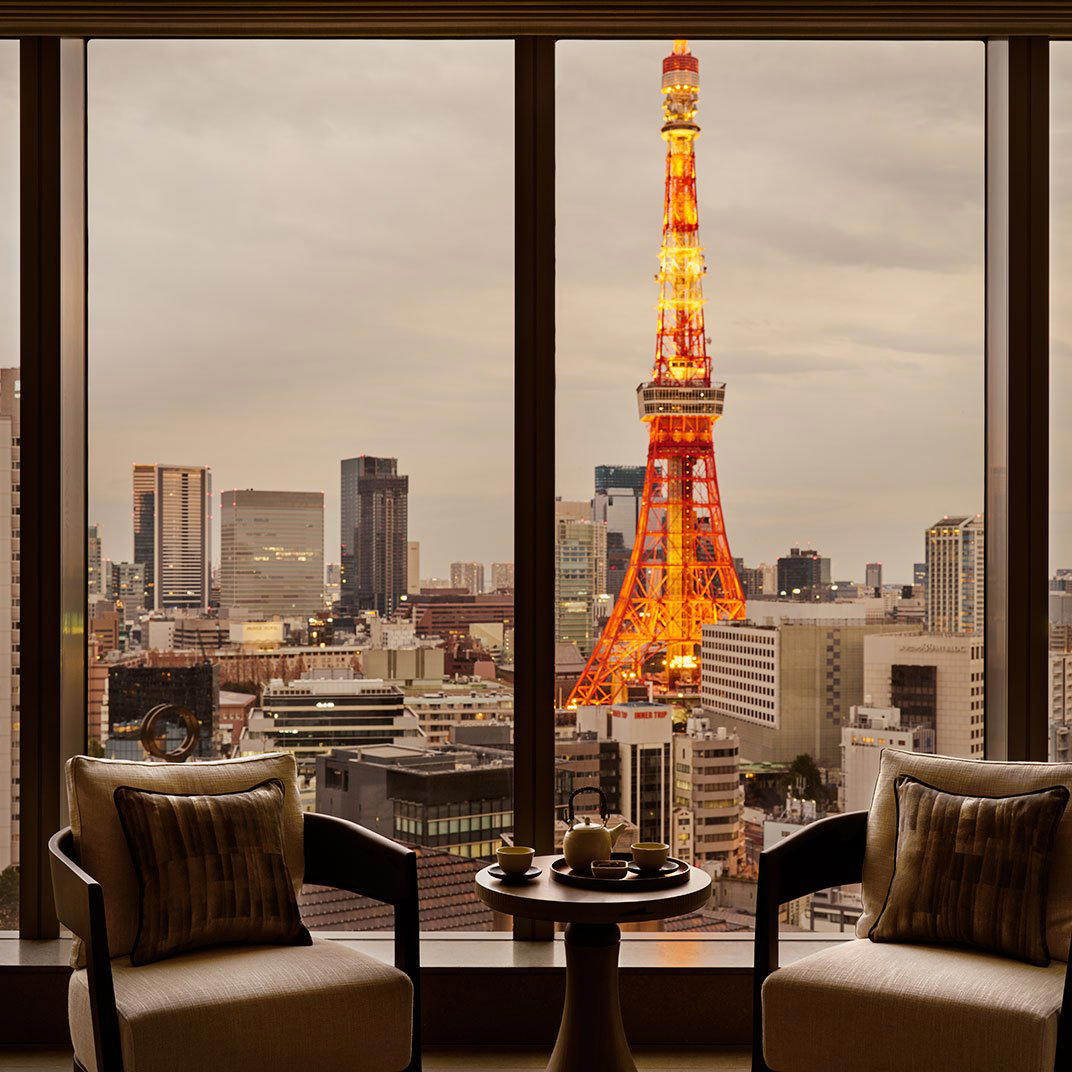
The setting is on the 12th floor of GINZA TRECIOUS in Chuo City, Ginza 2-chome. The Ginza address positions this firmly in Tokyo's high-end dining corridor, alongside other Italian and French rooms that target similar price points. The building's upper-floor placement adds a degree of remove from the street-level energy of Ginza, which suits the room's quiet register.
Chef and Concept
Shinji Harada has built Aroma Fresca around a specific and consistent idea: that Japanese domestic ingredients, handled with Italian technique, produce something distinct from either tradition alone. The "shortest distance to the ingredients" principle applies not just to table height but to sourcing, prioritising producers whose ingredients arrive with enough freshness that minimal intervention is required to express their character. For a returning diner, this means the menu evolves with what's in season, and what you ate on a first visit is unlikely to repeat exactly. That is an argument for coming back, but also a reminder to let the kitchen lead rather than arriving with specific expectations about dishes.
Aroma Fresca has held a Michelin star since at least the 2024 guide and appeared on the Opinionated About Dining Japan list in 2023 (Highly Recommended), 2024 (ranked 298th), and 2025 (ranked 321st). The slight OAD ranking drop between 2024 and 2025 is worth noting, not as a red flag, but as context that the Tokyo Italian field is competitive, and peer restaurants are also performing well. For comparison, Italian rooms in Tokyo at this price tier, including PRISMA, Gucci Osteria da Massimo Bottura Tokyo, Principio, AlCeppo, and ALTER EGO, are all operating at a serious level. Aroma Fresca's consistent multi-year recognition across both Michelin and OAD gives it a track record that newer entrants cannot yet match.
Hours and the Late-Night Question
This is where Aroma Fresca's schedule requires honest assessment. Dinner service runs 5:30–8:30 pm, Tuesday through Saturday. There is no late seating. An 8:30 pm last entry, and likely an earlier last order, means this is not the place you go after a show or a long afternoon in a museum. If your Tokyo evening runs late, Aroma Fresca will not fit. Plan it as the anchor of the evening, not a component of one.
For a returning visitor, the practical implication is that the Wednesday-to-Friday lunch slot (11:30 am–1 pm) may be the most flexible option when dinner reservations are harder to secure. Lunch at a Michelin-starred Italian room in Ginza often represents better value per course than the equivalent dinner, and with a shorter service window the pacing tends to be tighter. If you did dinner on your first visit, lunch is worth trying as a different format of the same kitchen. For broader Tokyo dining context, see our full Tokyo restaurants guide.
Booking
Booking difficulty is rated Hard. The short operating hours, closed weekends, and Michelin recognition combine to make Aroma Fresca one of the more difficult reservations in Tokyo's Italian category. Plan a minimum of three to four weeks in advance for dinner; for a specific date, go further out. No booking method is confirmed in our data, so check the restaurant's current reservation channel directly. Phone number and website are not listed in our records.
Know Before You Go
- Cuisine: Italian, with Japanese domestic ingredients
- Chef: Shinji Harada
- Price: ¥¥¥
- Location: GINZA TRECIOUS 12F, 2-6-5 Ginza, Chuo City, Tokyo
- Hours: Tuesday: dinner 5:30–8:30 pm | Wednesday–Friday: lunch 11:30 am–1 pm, dinner 5:30–8:30 pm | Saturday: lunch 11:30 am–1 pm, dinner 5:30–8:30 pm | Monday and Sunday: closed
- Awards: Michelin 1 Star (2024); OAD Leading Restaurants Japan #321 (2025), #298 (2024), Highly Recommended (2023)
- Booking Difficulty: Hard, reserve 3–4 weeks minimum for dinner
- Late Night: Not suitable, last service ends 8:30 pm
Aroma Fresca in the Wider Japan Context
If you're building an itinerary across Japan and want to compare Aroma Fresca against other highly rated rooms in other cities, the OAD Japan list gives useful reference points. In Osaka, HAJIME operates at the intersection of French technique and Japanese produce at a higher price tier. In Kyoto, Gion Sasaki and cenci (Italian, Kyoto) offer different takes on the Japanese-European synthesis. In Nara, akordu works similar territory. In Fukuoka, Goh is the relevant reference point. For regional Italian comparisons further afield, 8 1/2 Otto e Mezzo Bombana in Hong Kong operates at ¥¥¥¥ and is a useful benchmark for what the category looks like at higher spend. Closer to Tokyo, 1000 in Yokohama and 6 in Okinawa round out the regional picture. For hotels and bars around your Aroma Fresca booking, see our Tokyo hotels guide, our Tokyo bars guide, our Tokyo wineries guide, and our Tokyo experiences guide.
Planning details
- Hours
- Monday: Closed · Tuesday: 5:30–8:30 pm
- Location
- Japan, 〒104-0061 Tokyo, Chuo City, Ginza, 2 Chome−6−5 GINZA TRECIOUS 12F
- Reservations
- Book on Omakase
- Website
- aromafresca-afsa.com
- Phone
- +81 3-3535-6667
The take
The Take
The Vibe
Aroma Fresca presents a restrained, sensory-first elegance. The dining room is deliberately dressed in white to minimize visual distraction and the elevated table is a bold architectural gesture designed to intensify aromatics at the nose. That conceptual clarity—paired with a Michelin-starred approach to Italian cooking—creates an intimate, sophisticated atmosphere where the food is the focal point. The room reads modern and minimalist rather than decorative: service and composition steer attention to the transaction between plate and diner, making the experience feel carefully curated and quietly consequential.
Best For
This is a dinner destination for milestone moments and intimate celebrations. Located on the 12th floor in Ginza’s high-end foreign-cuisine tier, Aroma Fresca suits couples and small parties who want the meal itself to be the memory—think anniversaries, special-occasion dinners, and focused date nights. It’s not a backdrop-driven spot; instead it’s for diners who prioritize concept-driven technique and sensory detail. Expect a paced, formal dining rhythm aligned with fine-dining expectations in Ginza.
Ordering Tips
Signature items highlight the room’s aromatic focus: truffle risotto and seared scallops are natural choices to showcase the kitchen’s work with volatile aromatics, while tomato pasta and steamed conger eel are listed specialties that speak to the menu’s range. Because the room intentionally brings scents closer to the diner, choose dishes with pronounced aromatic components—truffle or herb-forward plates register most vividly at the elevated table.
Venue details
Ambiance
Elegant yet inviting with refined atmosphere suitable for intimate dinners.
Tags
Vibe
Best For
Experience
At the Table
- Dress Code
- Smart Casual
- Noise Level
- Quiet
- Service Style
- Formal
- Meal Pacing
- Leisurely
- Capacity
- Intimate
- Kitchen
- Modern
- Menu Format
- A la carte
- Wine Program
- Curated
- Dietary
- Vegetarian friendly
Signature Dishes
- truffle risotto
- seared scallops
- tomato pasta
- steamed conger eel
Know before you go
Know Before You Go
- Getting there
- Japan, 〒104-0061 Tokyo, Chuo City, Ginza, 2 Chome−6−5 GINZA TRECIOUS 12F
Planning details
Hours
- Monday
- Closed
- Tuesday
- 5:30–8:30 pm
- Wednesday
- 11:30 am–1 pm, 5:30–8:30 pm
- Thursday
- 11:30 am–1 pm, 5:30–8:30 pm
- Friday
- 11:30 am–1 pm, 5:30–8:30 pm
- Saturday
- 11:30 am–1 pm, 5:30–8:30 pm
- Sunday
- Closed
Location
Japan, 〒104-0061 Tokyo, Chuo City, Ginza, 2 Chome−6−5 GINZA TRECIOUS 12F · Directions
Recognition and awards

Also consider
Also Consider
- Harutaka, Sushi, ¥¥¥¥
- L'Effervescence, French, ¥¥¥¥
- RyuGin, Kaiseki, Japanese, ¥¥¥¥
- HOMMAGE, Innovtive French, French, ¥¥¥¥
- Crony, Innovative, French, ¥¥¥¥
Restaurant context
Against the ¥¥¥¥ rooms that dominate Tokyo's fine dining conversation, Aroma Fresca at ¥¥¥ occupies a specific and useful position: Michelin-starred quality at a price point one tier below the top. If you are choosing between Aroma Fresca and RyuGin for a serious Tokyo dinner, the distinction is format and tradition: RyuGin is kaiseki at the top of its category, with a Japanese-rooted structure that Aroma Fresca does not try to replicate. Aroma Fresca is the right choice if Italian technique with Japanese produce is specifically what you want, it is not a substitute for kaiseki, but for its own category it is among the most recognised rooms in the city.
L'Effervescence and HOMMAGE are the French fine dining comparisons at ¥¥¥¥, both offer higher price points with correspondingly more elaborate service and longer menus. If budget is a genuine factor and you want starred-level Italian rather than French, Aroma Fresca at ¥¥¥ is the more practical choice. Crony at ¥¥¥¥ targets a younger, more inventive French profile and is easier to book on shorter notice, worth considering if Aroma Fresca is fully committed when you check.
Harutaka at ¥¥¥¥ is sushi, not Italian, but it sits in the same tier of serious Tokyo reservations with comparable booking difficulty. If your trip allows only one very hard reservation, the choice between Harutaka and Aroma Fresca comes down to format preference: omakase sushi versus Italian tasting. For first-time visitors to Tokyo's top tier, Harutaka is the more distinctively Japanese experience; Aroma Fresca is the better choice if you specifically want to see how a Japanese chef reinterprets an Italian framework with domestic ingredients.
Explore Tokyo
Around this place
Discover more on Pearl
Unlock the full Aroma Fresca guide in Pearl, including awards, comparisons, FAQs, planning details, and nearby places.
Compare Aroma Fresca
| Venue | Cuisine | Price | Awards | Booking Difficulty |
|---|---|---|---|---|
| Aroma Fresca | Italian | ¥¥¥ | 2026 OAD Top Restaurants in Japan Recommended2026 Michelin PlateTabelog 100 - Italian - TOKYO - 2025 · #472025 OAD Top Restaurants in Japan Ranked · #3212024 OAD Top Restaurants in Japan Ranked · #2982024 Michelin 1 Star2023 OAD Top Restaurants in Japan Highly Recommended | Hard |
| Harutaka | Sushi | ¥¥¥¥ | 2026 Tabelog Silver · #312026 OAD Top Restaurants in Japan Ranked · #1282026 Michelin 3 Stars2026 La Liste Top RestaurantsTabelog 100 - Sushi - TOKYO - 2025 · #372025 Asia's 50 Best Restaurants · #762025 OAD Top Restaurants in Japan Ranked · #1172025 La Liste Top Restaurants2025 Tabelog Bronze | Unknown |
| L'Effervescence | French | ¥¥¥¥ | 2026 Tabelog Silver · #682026 OAD Top Restaurants in Japan Ranked · #103Star Wine Lists 20262026 Black Pearl 2 Diamond2026 Relais Chateaux Restaurants2026 La Liste Top Restaurants2026 Michelin 3 Stars2025 Asia's 50 Best Restaurants · #692025 OAD Top Restaurants in Japan Ranked · #92 | Unknown |
| RyuGin | Kaiseki, Japanese | ¥¥¥¥ | 2026 OAD Top Restaurants in Japan Ranked · #802026 Tabelog Bronze · #3772026 Michelin 3 Stars2026 La Liste Top RestaurantsTabelog 100 - Japanese cuisine - TOKYO - 2025 · #212025 OAD Top Restaurants in Japan Ranked · #542025 Michelin 3 Stars2025 La Liste Top Restaurants2025 The Best Chef Three Knives | Unknown |
| HOMMAGE | Innovtive French, French | ¥¥¥¥ | 2026 Tabelog Bronze · #1232026 OAD Top Restaurants in Japan Highly Recommended2026 Michelin 2 StarsTabelog 100 - French - TOKYO - 2025 · #762025 Asia's 50 Best Restaurants · #782025 OAD Top Restaurants in Japan Ranked · #1752025 Michelin 2 Stars2025 The Best Chef One Knife2025 La Liste Top Restaurants | Unknown |
| Crony | Innovative, French | ¥¥¥¥ | 2026 Asia's 50 Best Restaurants · #34Star Wine Lists 20262026 OAD Top Restaurants in Japan Recommended2026 Michelin 2 Stars2025 Asia's 50 Best Restaurants · #30Tabelog 100 - French - TOKYO - 2025 · #782025 OAD Top Restaurants in Japan Ranked · #227We're Smart World Top Restaurants 20252025 Michelin 2 Stars | Unknown |
.png?width=1200&quality=80)












Comparing your options in Tokyo for this tier.
FAQ
Frequently Asked Questions
What should a first-timer know about Aroma Fresca?
Go in knowing the concept before you arrive: this is Italian technique applied to Japanese domestic ingredients, with the dining room and even the table height engineered to bring you closer to the aroma of each dish. Chef Shinji Harada's approach is specific and consistent, not a fusion novelty. The Michelin star and consecutive OAD Japan rankings confirm the kitchen delivers on that promise. First-timers should also note the tight schedule — no Sundays, no Mondays, and dinner ends at 8:30 pm — so plan accordingly.
What should I wear to Aroma Fresca?
The room is deliberately spare and white, and the Michelin-starred setting in Ginza's GINZA TRECIOUS building signals a formal register. Dress on the sharper end of smart — jackets for men are appropriate and consistent with the neighbourhood standard. Avoid casual attire.
Is the tasting menu worth it at Aroma Fresca?
If Harada's 'shortest distance to the ingredients' concept appeals to you, yes. The Michelin 1-star recognition and OAD Japan ranking (currently #321 in 2025, up from highly recommended in 2023) confirm this is a kitchen operating at a consistent level. Compared to Italian fine dining in Europe at equivalent pricing, the Japanese-sourced ingredient angle is the differentiator that justifies the experience rather than just the price.
Is lunch or dinner better at Aroma Fresca?
Lunch runs Wednesday through Saturday, 11:30 am to 1 pm only — that is a very narrow window, which likely means a compressed service. Dinner (5:30–8:30 pm) offers more time and is the format most suited to the full Harada concept. Book dinner if your schedule allows; lunch is a viable option only if you are already in Ginza and can commit to the tight timing.
Is Aroma Fresca worth the price?
At the ¥¥¥ tier with a Michelin star and back-to-back OAD Japan recognition, Aroma Fresca sits at a price point that is consistent with its credentials. It is worth it if you want a Japanese chef's Italian interpretation built around aroma and domestic ingredients — that is a specific proposition, and it is executed at a high level. If you want more conventional Italian fine dining in Tokyo, this is not the room for you; but within its own concept, the price is justified.
How far ahead should I book Aroma Fresca?
Book at least four to six weeks out, ideally further. The combination of Michelin recognition, OAD Japan ranking, and a schedule that excludes Sunday and Monday means available seats are limited each week. Dinner slots on Friday and Saturday are the most competitive. If you have a fixed travel date, treat this as a first-day booking task, not a last-minute option.