.png?width=1200&quality=80)
Arakicho Tatsuya
Japanese · Shinjuku, Tokyo
Restaurant in Tokyo, Japan
 Book with Pearl
The Read
Producer-to-Table Kaiseki
Price
¥¥¥
Dress
Smart Casual
Why go
A Michelin Plate-recognised Japanese counter in Arakicho, Shinjuku, where the chef traces every ingredient back to its producer and finishes meals with a zero-waste rice soup that earns its place as the closing course. At ¥¥¥ pricing, it delivers producer-connected, personally-driven dining well below the ¥¥¥¥ tier — and is easier to book than most Michelin-level venues in Tokyo.
About Arakicho Tatsuya
Verdict: A Michelin-Recognised Counter in Shinjuku That Earns Its Price Tag
Picture this: a quiet residential pocket of Shinjuku City, a ground-floor counter, and a chef who has spent years tracking down the potter who made your bowl. If that level of intentionality sounds worth investigating, Arakicho Tatsuya is worth booking. This is a ¥¥¥ Japanese restaurant in Arakicho that holds a Michelin Plate for 2024 and 2025 — not a star, but a consistent Michelin-level endorsement that places it above the noise of Tokyo's mid-range Japanese dining without demanding ¥¥¥¥ pricing. For food-focused travellers who want a personal, producer-driven meal rather than a theatrical kaiseki production, this is a strong choice.
What Makes This Place Work
The chef at Arakicho Tatsuya operates on a philosophy that is uncommon even by Tokyo standards: direct relationships with food producers, potters, sake breweries, and wineries. He visits them. He knows them. And that context arrives at the table with every course. You are not just eating seasonal Japanese ingredients; you are eating ingredients that the chef has traced back to their source. This is producer-to-table dining with the traceability kept visible rather than treated as a marketing footnote.
The meal concludes with a risotto-like rice soup made with broth from takiawase — a finalé that functions as both a comfort dish and a statement of the chef's zero-waste commitment. Nothing is discarded. Bones, trimmings, and cooking liquids cycle back into something warm and coherent at the end of the meal. For guests used to tasting menus that end with a parade of petit fours, this closing course is a deliberate reframe: nourishing rather than decorative, practical rather than theatrical.
That commitment to waste elimination also reflects in the flavour profile. The cooking here reads as soul-warming rather than technique-showcasing. If you are coming for flashy presentations or ingredient exoticism for its own sake, adjust expectations. The reward here is coherence: each element in a dish exists because it should, not because it can.
Who Should Book This
Arakicho Tatsuya suits a specific diner: someone who finds the producer backstory as compelling as the plating, who appreciates a chef-driven counter where the conversation around food is part of the evening. It is a good fit for solo diners or couples who want a quieter, more intimate setting than Tokyo's high-profile kaiseki rooms. At ¥¥¥ pricing, it sits below the ¥¥¥¥ tier occupied by venues like RyuGin or Kagurazaka Ishikawa, which makes it one of the more accessible Michelin-recognised Japanese options in the city.
For late evenings, Arakicho Tatsuya's intimate counter format means the pace is set by the chef rather than a busy dining room turning tables. Hours are not confirmed in available data, so contact ahead to verify last-seating times, but the style of service and the closing rice course suggest a meal designed to end the evening properly rather than rush you out. If you are looking for a late dinner that delivers something considered rather than just convenient, this warrants the call to confirm availability.
Explorers moving across Japan's dining circuit will find useful parallels here with other producer-focused counter restaurants. Myojaku and Azabu Kadowaki both represent the Tokyo counter tradition at different price points. Outside Tokyo, Gion Sasaki in Kyoto and HAJIME in Osaka operate in comparable territory with different regional ingredient foundations. Arakicho Tatsuya's Shinjuku location and ¥¥¥ pricing make it a practical anchor for a broader Japan itinerary.
Timing and Booking
This is not a venue with mass-market visibility, which works in the booker's favour: securing a seat is genuinely easier here than at the heavily trafficked starred restaurants across Shinjuku and central Tokyo. Booking is rated Easy. That said, the counter format means capacity is limited by design, so booking ahead is still advisable rather than arriving unannounced.
The ideal time to visit is early in the week, when counter restaurants across Tokyo typically have more availability and the chef is fresher in the rhythm of the week. Autumn and spring are the strongest seasons for Japanese produce-driven cooking generally, making those windows worth targeting if your schedule allows. For visitors already planning to cover Ginza Fukuju or Jingumae Higuchi on the same trip, Arakicho Tatsuya completes a coherent tour of Tokyo's mid-to-high Japanese counter scene without duplicating the experience.
Know Before You Go
- Price range: ¥¥¥
- Location: Arakicho, Shinjuku City, Tokyo (ground floor, タウンコート七海 building)
- Awards: Michelin Plate 2024 and 2025
- Booking difficulty: Easy, advance booking still recommended given counter seating
- Format: Counter-style Japanese, chef-driven tasting menu with closing rice course
- Phone/website: Not publicly listed, contact via reservation platform or in person
- Hours: Not confirmed, verify last-seating time before planning a late dinner
- Ideal time to visit: Early in the week; autumn and spring for peak seasonal produce
Elsewhere in Tokyo and Japan
If Arakicho Tatsuya is fully booked or you want to build a broader itinerary, our full Tokyo restaurants guide covers the city's range from counter sushi to French-Japanese hybrids. For accommodation context, our Tokyo hotels guide is worth consulting alongside, and our Tokyo bars guide can complete a late evening that starts at the Arakicho counter. For those extending beyond Tokyo, akordu in Nara, Goh in Fukuoka, and Isshisoden Nakamura in Kyoto each represent the same producer-connected ethos in different regional registers. Kashiwaya Osaka Senriyama, 1000 in Yokohama, and 6 in Okinawa round out a Japan-wide picture of this style of deeply considered Japanese cooking. Our Tokyo wineries guide and Tokyo experiences guide are also worth bookmarking if you are planning a multi-day visit.
Planning details
- Location
- Japan, 〒160-0007 Tokyo, Shinjuku City, Arakicho, タウンコート七海 「タウンコート七海/1F」
- Website
- arakicho.com/shopinfo/%E8%8D%92%E6%9C%A8%E7%94%BA-%E3%81%9F%E3%81%A4%E3%82%84
- Phone
- +81 3-6709-8087
The take
The Take
The Vibe
Arakicho Tatsuya lives quietly off the main Tokyo circuits, the kind of low-key counter room that rewards committed diners. Its unmarked ground-floor presence and small-format seating create a restrained atmosphere where the cooking does the talking: the restaurant sits in the serious ¥¥¥ tier and carries Michelin Plate recognition. The effect is sophisticated rather than showy — polished, attentive service and producer-focused ingredients deliver an elevated Japanese experience without theatrical formality. For visitors who relish understated, highly concentrated dining, the place reads as refined and quietly assured, best appreciated by those who track down Tokyo's lesser-known counters.
Best For
This is primarily an evening destination: the restaurant's position in the higher-price ¥¥¥ band and its Michelin Plate suggest a dinner-first rhythm, well suited to date nights and small special occasions. Seating is compact and often counter-focused, which favors couples or pairs who enjoy watching precise preparation close up. The neighborhood's residential calm and the place's repeat, referred clientele reward planners rather than chance visitors — treat a reservation as part of the outing and expect a focused, intimate meal that highlights seasonal Japanese ingredients.
Ordering Tips
Book well in advance and treat a reservation as essential: the guide notes that 'arriving without a reservation and expecting to be seated is not a realistic plan here.' Expect counter seating and small rooms rather than expansive dining floors. Because the kitchen emphasizes producer-focused cooking and runs at a concentrated scale, arrive prepared to follow the chef's lead and try signature items when offered — the venue is known for focused dishes like Hairy Crab, grilled sea bream and Kumamoto beef. Plan logistics ahead of time; the neighbourhood's low profile makes last‑minute drops unlikely to succeed.
Venue details
Ambiance
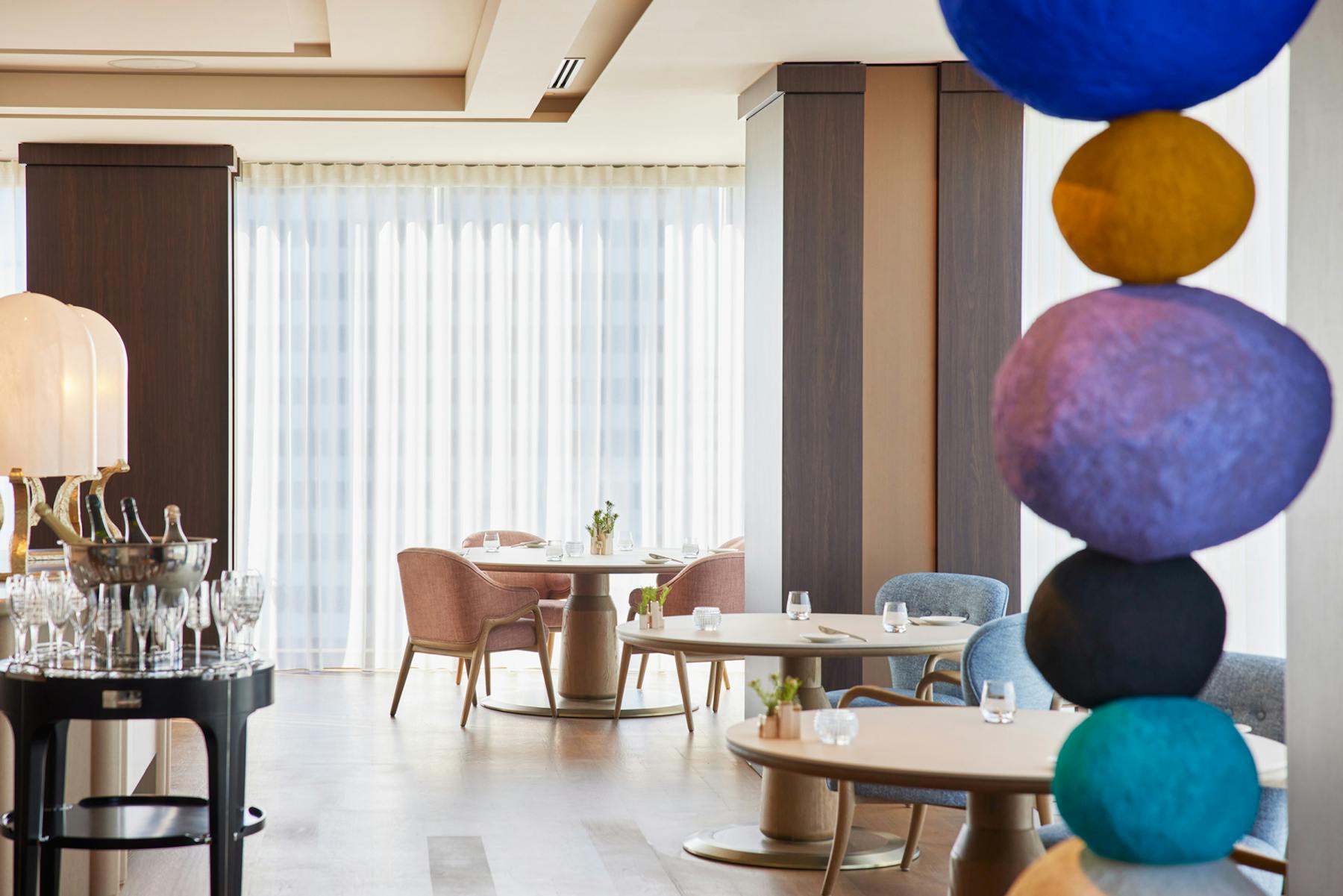
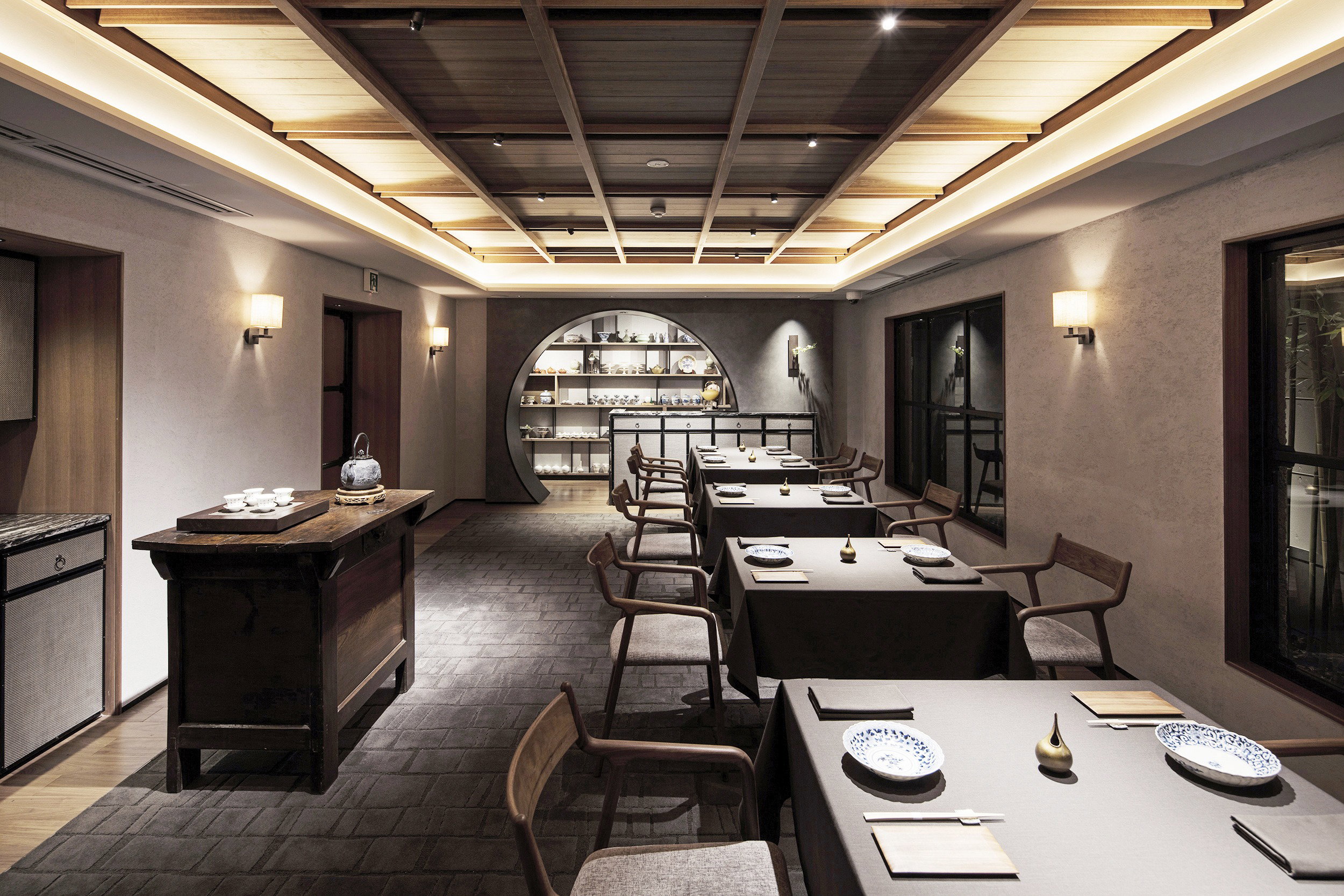
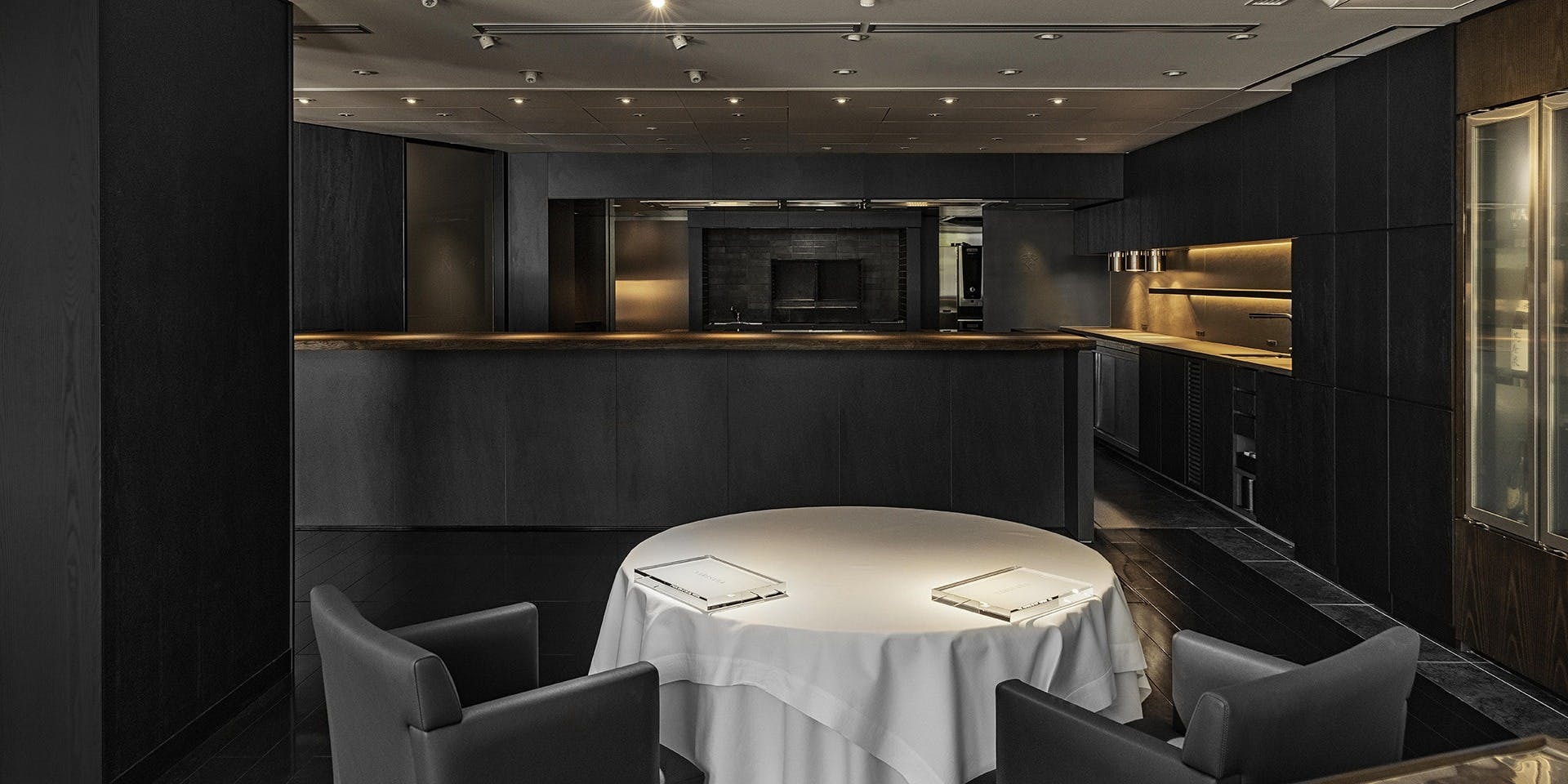
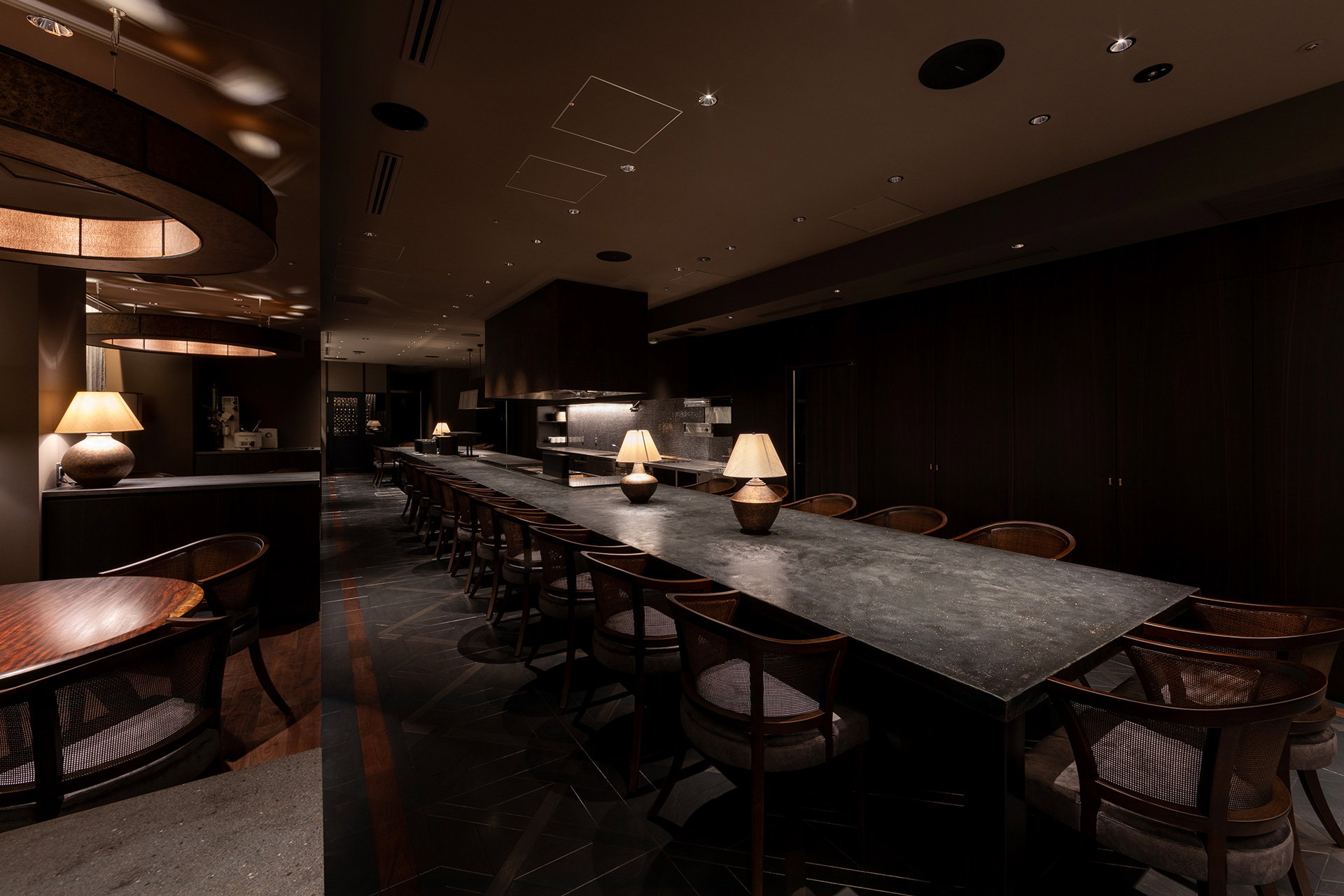
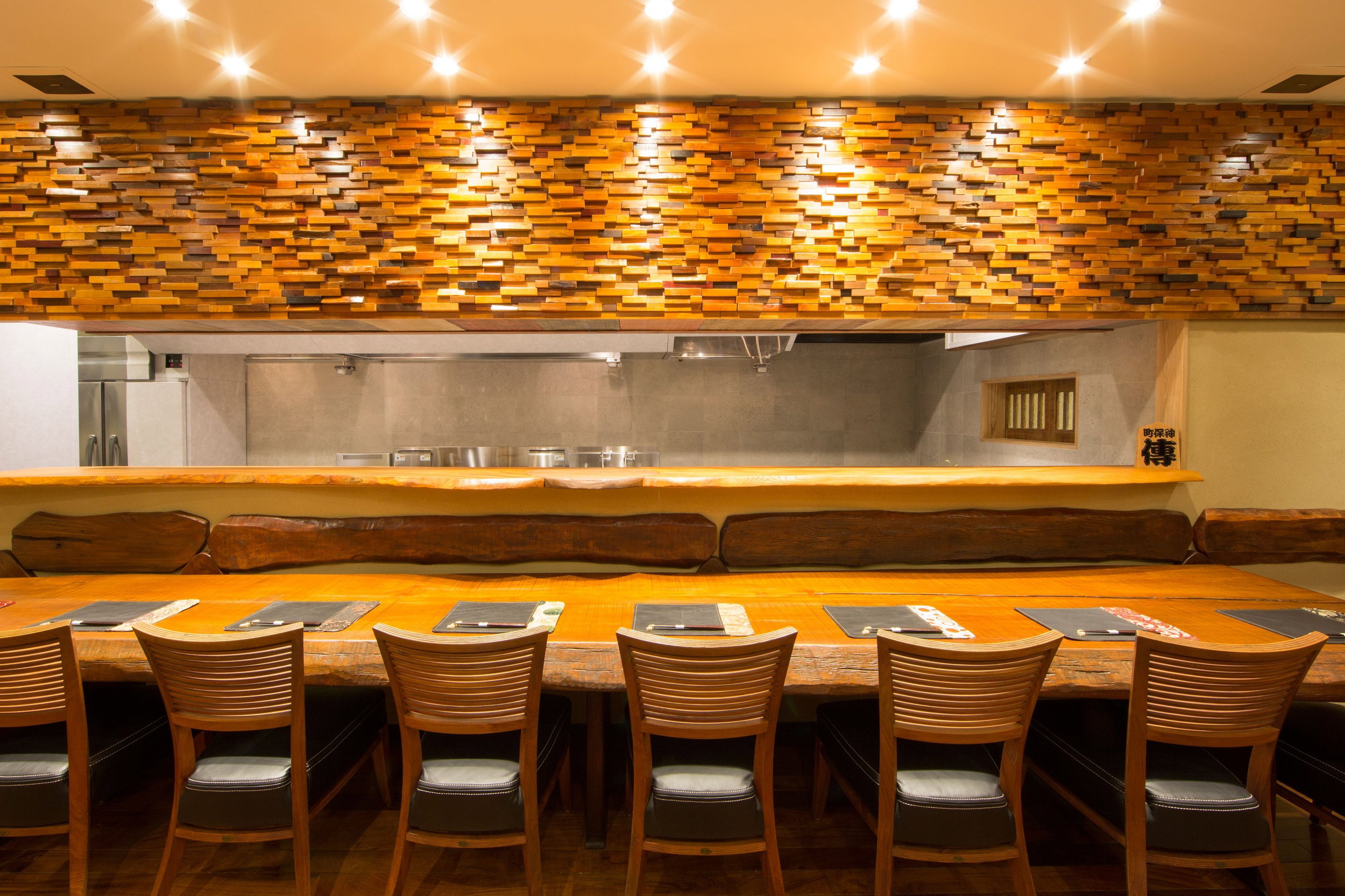
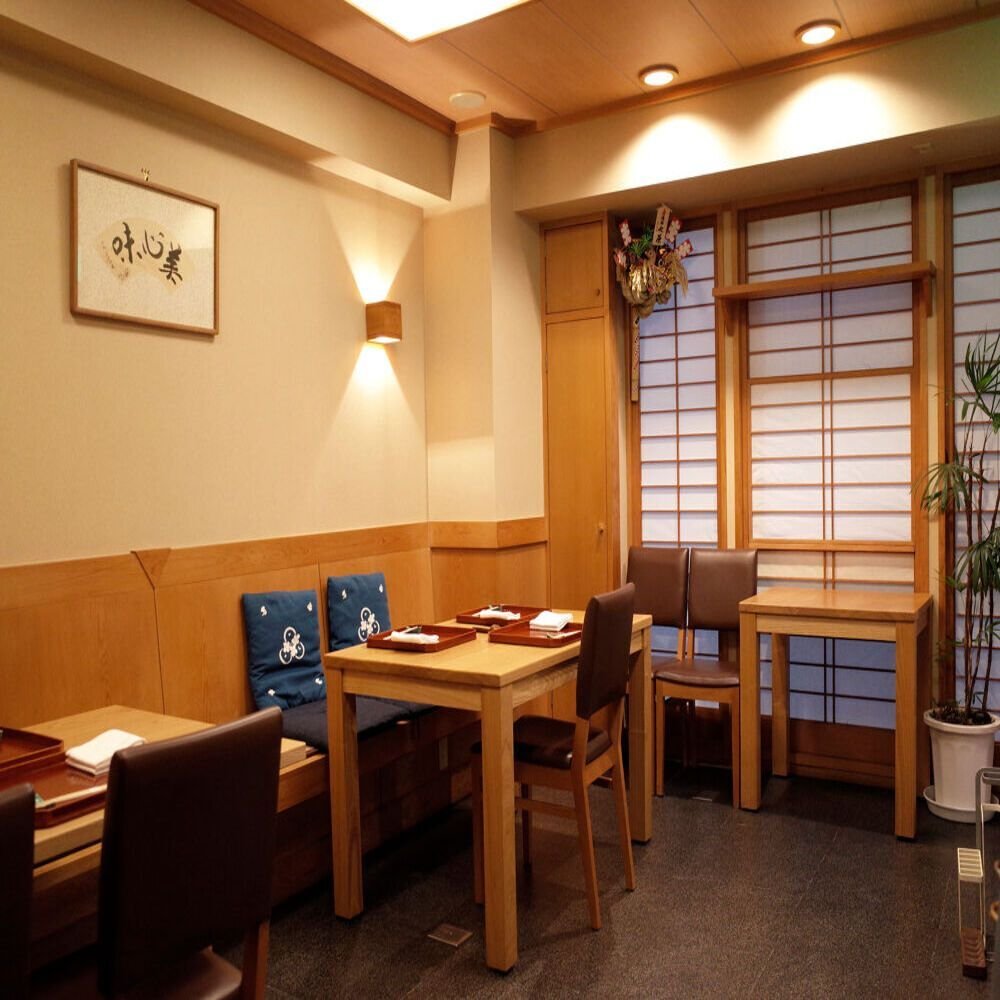
Warm and welcoming with antique Japanese plates in an intimate counter-only setting.
Tags
Vibe
Best For
Experience
Sourcing
At the Table
- Dress Code
- Smart Casual
- Noise Level
- Quiet
- Service Style
- Upscale Casual
- Meal Pacing
- Leisurely
- Capacity
- Intimate
Signature Dishes
- Hairy Crab with Akita Water
- Grilled Sweet Sea Bream
- Kamo Eggplant from Kyoto
- Kumamoto Red Beef Rib Roast
Know before you go
Know Before You Go
- Getting there
- Japan, 〒160-0007 Tokyo, Shinjuku City, Arakicho, タウンコート七海 「タウンコート七海/1F」
Planning details
Location
Japan, 〒160-0007 Tokyo, Shinjuku City, Arakicho, タウンコート七海 「タウンコート七海/1F」 · Directions
arakicho.com/shopinfo/%E8%8D%92%E6%9C%A8%E7%94%BA-%E3%81%9F%E3%81%A4%E3%82%84
Recognition and awards
Also consider
Also Consider
- Harutaka, Sushi, ¥¥¥¥
- RyuGin, Kaiseki, Japanese, ¥¥¥¥
- L'Effervescence, French, ¥¥¥¥
- HOMMAGE, Innovtive French, French, ¥¥¥¥
- Florilège, French, ¥¥¥
Restaurant context
Arakicho Tatsuya sits in the ¥¥¥ band while most of its Michelin-level Tokyo peers operate at ¥¥¥¥. That price gap is meaningful. RyuGin delivers a technically elaborate kaiseki experience with deeper wine and sake pairings, but you are paying substantially more for a more theatrical production. If the ceremony of a high-profile kaiseki room matters to your occasion, RyuGin is the call. If you want Michelin-recognised Japanese cooking with a personal, producer-focused frame and a lower per-head spend, Arakicho Tatsuya is the more rational choice.
Harutaka is the comparison to make if sushi is your format, it operates at ¥¥¥¥ and is one of Tokyo's benchmark counters for precision Edomae technique. Arakicho Tatsuya is not a sushi restaurant, so these venues do not directly compete; choose based on what style of Japanese cooking you want that evening. For French-leaning menus at ¥¥¥¥, both L'Effervescence and HOMMAGE represent Tokyo's French-Japanese intersection at a higher price point and with more complex booking windows. Florilège is the most direct ¥¥¥ peer by price tier, though its French orientation makes it a different meal entirely.
For the explorer who wants depth over spectacle and values the chef's direct producer relationships over a formal kaiseki structure, Arakicho Tatsuya is the easiest to book and the most accessible price point among this peer group. The trade-off is that you are getting a smaller-scale, less visually produced experience than the ¥¥¥¥ rooms offer. That is a reasonable trade for many diners, and a distinct advantage if you are booking on short notice or managing a tighter budget without wanting to drop below the Michelin-recognised tier.
Explore Tokyo
Around this place
Discover more on Pearl
Unlock the full Arakicho Tatsuya guide in Pearl, including awards, comparisons, FAQs, planning details, and nearby places.
Compare Arakicho Tatsuya
| Venue | Awards | Price |
|---|---|---|
| Arakicho Tatsuya | 2026 Michelin Plate2025 Michelin Plate2024 Michelin Plate | ¥¥¥ |
| Harutaka | 2026 Tabelog Silver · #312026 OAD Top Restaurants in Japan Ranked · #1282026 Michelin 3 Stars2026 La Liste Top RestaurantsTabelog 100 - Sushi - TOKYO - 2025 · #372025 Asia's 50 Best Restaurants · #762025 OAD Top Restaurants in Japan Ranked · #1172025 La Liste Top Restaurants2025 Tabelog Bronze | ¥¥¥¥ |
| RyuGin | 2026 OAD Top Restaurants in Japan Ranked · #802026 Tabelog Bronze · #3772026 Michelin 3 Stars2026 La Liste Top RestaurantsTabelog 100 - Japanese cuisine - TOKYO - 2025 · #212025 OAD Top Restaurants in Japan Ranked · #542025 Michelin 3 Stars2025 La Liste Top Restaurants2025 The Best Chef Three Knives | ¥¥¥¥ |
| L'Effervescence | 2026 Tabelog Silver · #682026 OAD Top Restaurants in Japan Ranked · #103Star Wine Lists 20262026 Black Pearl 2 Diamond2026 Relais Chateaux Restaurants2026 La Liste Top Restaurants2026 Michelin 3 Stars2025 Asia's 50 Best Restaurants · #692025 OAD Top Restaurants in Japan Ranked · #92 | ¥¥¥¥ |
| HOMMAGE | 2026 Tabelog Bronze · #1232026 OAD Top Restaurants in Japan Highly Recommended2026 Michelin 2 StarsTabelog 100 - French - TOKYO - 2025 · #762025 Asia's 50 Best Restaurants · #782025 OAD Top Restaurants in Japan Ranked · #1752025 Michelin 2 Stars2025 The Best Chef One Knife2025 La Liste Top Restaurants | ¥¥¥¥ |
| Florilège | 2026 Asia's 50 Best Restaurants · #312026 Tabelog Bronze · #712026 OAD Top Restaurants in Japan Ranked · #1242026 Black Pearl 1 Diamond2026 Michelin 2 Stars2026 La Liste Top Restaurants2025 Asia's 50 Best Restaurants · #172025 World's 50 Best Restaurants · #36Tabelog 100 - French - TOKYO - 2025 · #68 | ¥¥¥ |













Side-by-side comparison to help you decide where to book.
FAQ
Frequently Asked Questions
How far ahead should I book Arakicho Tatsuya?
Book at least three to four weeks out. No website or phone number is publicly listed, so research the current booking channel before you plan your trip.
Is Arakicho Tatsuya worth the price?
At ¥¥¥, it is priced in line with Tokyo's serious counter restaurants and holds a Michelin Plate for 2024 and 2025. The case for the price rests on the chef's direct relationships with producers, potters, and sake breweries — context that shapes the meal rather than decorates it. If you want that layer of provenance woven into the experience, the price is justified. If you just want technically precise food, there are Michelin-starred options in Tokyo at a similar spend.
What should I order at Arakicho Tatsuya?
The menu is chef-driven, so ordering is not the frame. The meal concludes with a risotto-style rice soup made from takiawase broth — a signature zero-waste touch that is worth knowing about going in. Expect the format to be set, with the chef guiding the progression from start to finish.
Is Arakicho Tatsuya good for a special occasion?
Yes, with the right group. This suits a pair or small group where at least one person is genuinely interested in producer relationships and Japanese food culture — the chef actively conveys that backstory as part of the experience. For a celebration that needs atmosphere over substance, or a large group, look elsewhere in Tokyo.
Is the tasting menu worth it at Arakicho Tatsuya?
The Michelin Plate recognition in both 2024 and 2025 supports the case. The format is designed to be educational as well as satisfying — the chef explains the origin of ingredients, crockery, and sake, which adds real value if that interests you. If you want a conventional tasting menu without the producer narrative, Harutaka or Florilège offer stronger culinary credentials at a comparable or higher price point.
What are alternatives to Arakicho Tatsuya in Tokyo?
For a higher-stakes omakase with Michelin star credentials, Harutaka is the counter benchmark in Tokyo. RyuGin offers a modern Japanese tasting menu with more spectacle and international recognition. L'Effervescence and Florilège are the calls if you want French-influenced fine dining rather than a Japanese counter format. HOMMAGE sits closer to Arakicho Tatsuya in spirit — chef-driven, intimate, and focused on craft over volume.