.png?width=1200&quality=80)
Aoyama Ototo
Japanese · Shibuya, Tokyo
Restaurant in Tokyo, Japan
 Book with Pearl
The Read
Salt-Fire Izakaya Precision
Price
$50–100per person
Dress
Smart Casual
Why go
Aoyama Ototo holds Michelin Plate recognition for 2024 and 2025 at ¥¥ pricing — a strong combination in Tokyo's Jingumae neighbourhood. Lunch sets built around char-grilled fish and iron-pot rice are the entry point; evenings open to à la carte grilling with sake and wine. Book a few days ahead for lunch, a week or more for dinner.
About Aoyama Ototo
A 4.4-rated Michelin Plate restaurant at ¥¥ pricing — Aoyama Ototo earns its place as one of Jingumae's most accessible serious dining options
For a first-timer trying to find honest Japanese grilling and rice cooking in the Aoyama-Jingumae corridor without committing to a four-figure omakase, this is a strong answer. The basement address on Jingumae 3-chome puts you in the middle of one of Tokyo's most design-conscious neighbourhoods, but the kitchen's focus is decidedly traditional — char-grilled fish, iron-pot rice, and carefully sourced regional ingredients.
What to Expect: The Room, the Format, the Food
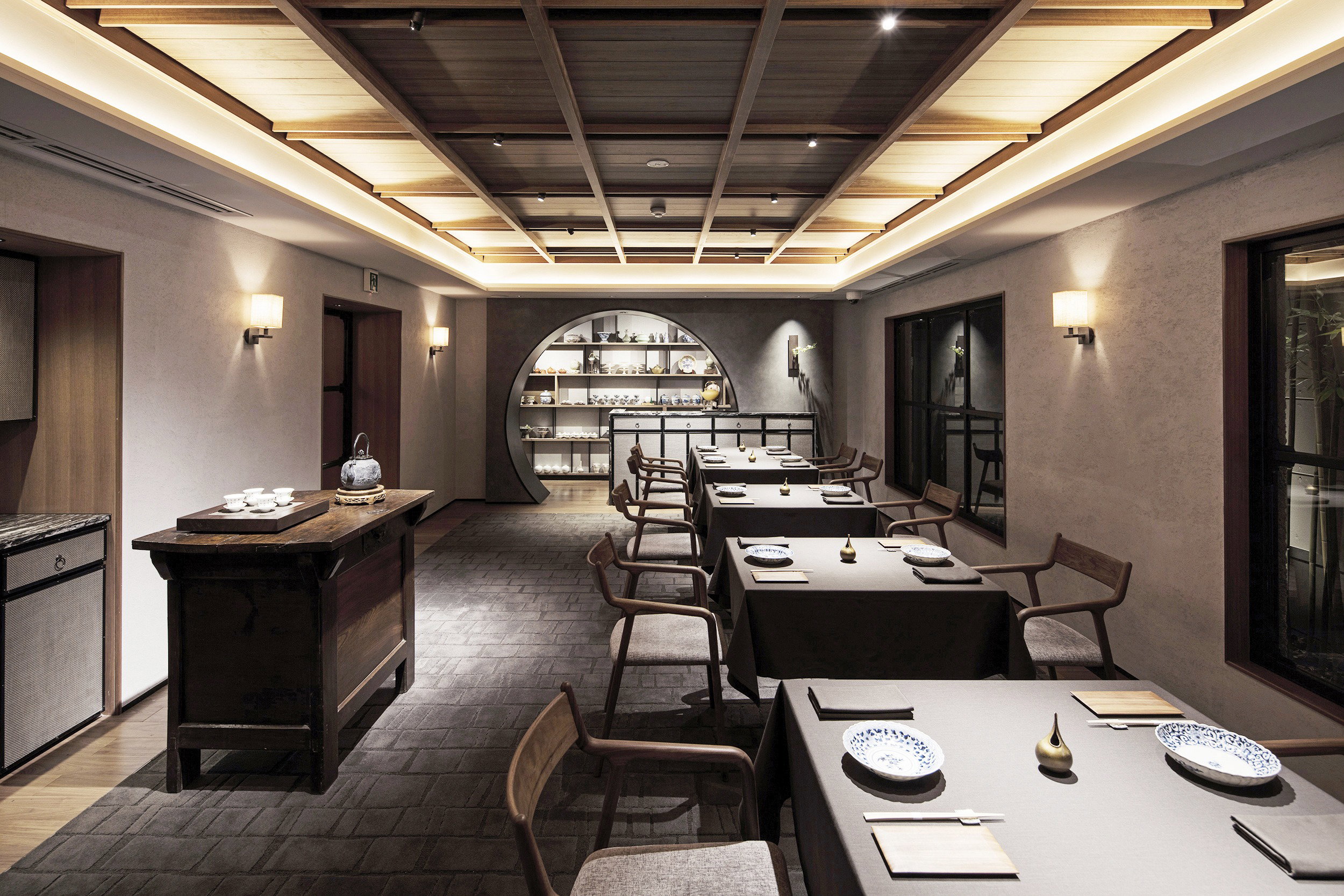
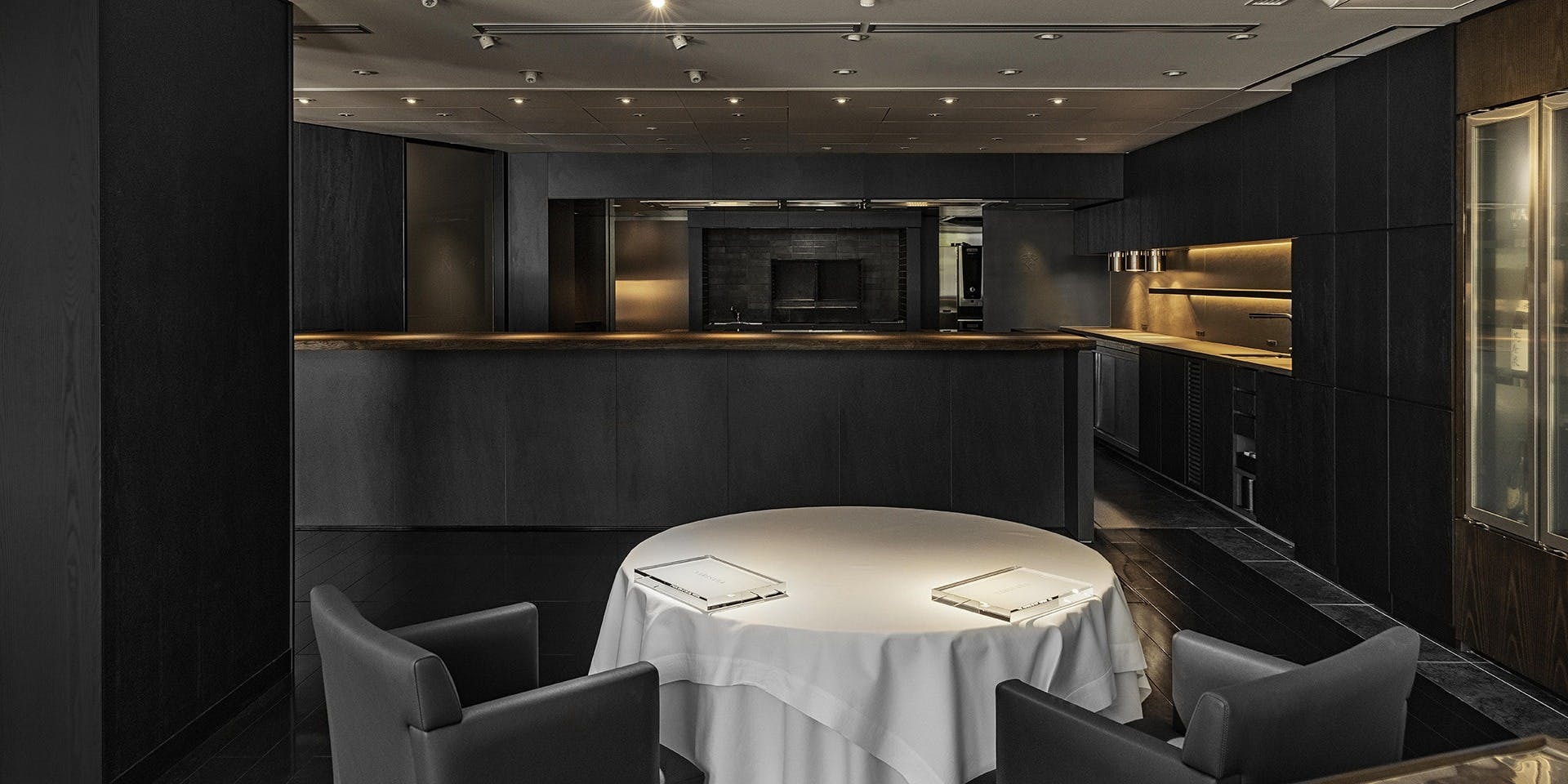
Aoyama Ototo is a basement (B1) restaurant, expect a compact, enclosed dining room rather than a street-level view. The visual focal point here is what arrives at the table: char-grilled fish with the char marks and rendered skin that come from a serious grill setup, rice cooked to order in an iron pot, and pickled Nanko-ume apricots sourced from Wakayama prefecture. The apricots are a detail worth noting for first-timers, they are not a garnish but a considered regional pairing that cuts through rich rice and grilled fish.
Lunch and dinner work differently here, and which one you choose will shape the entire experience. At lunch, the kitchen leads with set menus: salt-grilled mackerel and sablefish saikyo-yaki (white miso-marinated fish, grilled) are the anchors. These are structured, affordable meals with a clear sequence. In the evening, the format opens up considerably, guests select from a range of meats and vegetables to grill, and the à la carte list extends far enough to build a longer, more exploratory session around sake or wine. If you are visiting for the first time and want to understand what the kitchen does leading, the lunch set is the more direct answer. If you want flexibility and a longer evening, the dinner format rewards that approach.
Why This Venue Matters in Jingumae
The Aoyama-Jingumae area is dense with high-concept restaurants, international brands, and multi-course tasting menus aimed at destination diners. Aoyama Ototo operates differently. Its ¥¥ pricing and emphasis on grilled fish, rice, and regional Japanese produce make it a genuine neighbourhood option in an area that does not have many of those. For anyone staying nearby or spending time around Omotesando and Harajuku, it fills a gap that the area's more formal dining options do not: a competent, Michelin-recognised kitchen you can walk into without a month's advance planning or a significant budget commitment. Nearby, Jingumae Higuchi operates in the same neighbourhood with a different register, and both are worth knowing about if you are spending time in this part of Shibuya ward.
For broader context on what Tokyo's Japanese dining scene offers across formats and price points, Myojaku, Azabu Kadowaki, and Kagurazaka Ishikawa represent progressively more formal and expensive options. Ginza Fukuju is another reference point at a higher tier. Aoyama Ototo sits firmly below all of them in price while holding its own on credential.
Ideal time to visit
Lunch is the optimal first visit. The set menus reduce decision-making, keep the bill manageable, and give you a clear read on the kitchen's strengths. Weekday lunches in Tokyo tend to move faster and seat more easily than weekend slots, and at a venue with Michelin recognition at this price point, competition for weekend tables is real. If you are planning an evening visit, arriving earlier in the evening rather than later gives you more time to work through the à la carte list without feeling rushed. The sake and wine pairing format that works well here benefits from a relaxed pace.
Tokyo's restaurant scene rewards early booking even for accessible venues. Given the ¥¥ price point and Michelin Plate status, Aoyama Ototo can fill quickly despite not requiring the weeks-out lead time of the city's top-tier restaurants. Booking a few days ahead for lunch and a week or more ahead for dinner evenings is a sensible baseline. See our full Tokyo restaurants guide for broader planning context, or check our Tokyo hotels guide if you are still arranging a base in the city.
Practical Details
Reservations: Bookable in advance; easy difficulty relative to Tokyo's Michelin tier, book a few days ahead for lunch, a week or more for dinner. Dress: No dress code data available, but the neighbourhood and Michelin Plate context suggest smart-casual is appropriate, avoid resort wear; a neat, put-together look fits the room. Budget: ¥¥ pricing tier; lunch sets offer the most predictable spend, evening à la carte will run higher depending on how far you extend into sake and wine. Location: B1 level, BELL TOWN Aoyama, Jingumae 3-chome, Shibuya, a short walk from Omotesando station. Group size: The format suits couples and small groups; the à la carte evening structure works well for groups of three or four who want to share across the grill menu.
If your Tokyo itinerary extends beyond the city, the same framework of accessible, serious Japanese cooking appears at different registers around Japan: HAJIME in Osaka, Gion Sasaki in Kyoto, akordu in Nara, Goh in Fukuoka, 1000 in Yokohama, 6 in Okinawa, Isshisoden Nakamura in Kyoto, and Kashiwaya Osaka Senriyama are all worth cross-referencing depending on your route. For everything else in Tokyo, our guides to bars, wineries, and experiences cover the full picture.
Planning details
- Location
- Japan, 〒150-0001 Tokyo, Shibuya, Jingumae, 3 Chome−1−28 BELL TOWN 青山 B1
- Reservations
- Book on TableCheck
- Website
- aoyama-ototo.jp
- Phone
- +81 3-6804-1914
The take
The Take
The Vibe
Aoyama Ototo sits below street level in Jingūmae, occupying a modest, neighbourhood-facing room rather than a formal dining stage. The space reads quietly and deliberately: it favors exacting, materially driven cooking over ceremony, and that restraint is reflected in the unpretentious setting. The kitchen's focus on direct charcoal fire and iron-pot rice gives the food a rooted, classic character, while consecutive Michelin Plate citations underline a consistent, high-standard craft. Overall, Ototo feels like a tucked-away, well-kept spot where the emphasis is on honest technique and seasonal ingredients rather than spectacle.
Best For
This restaurant is best experienced in the evening, when its charcoal-grilled fish, iron-pot rice and sashimi selections land with full impact. The room’s quiet, neighbourhood orientation makes it well suited to date nights and special dinners that value meticulous cooking without formal ritual. It also works for business dinners that prefer a composed, low-key atmosphere and assured service. Because the kitchen maintains a steady, high level of execution at approachable prices, Aoyama Ototo is a reliable choice when you want quality Japanese cooking in an intimate, understated setting.
Ordering Tips
Lean into the kitchen’s strengths: order the charcoal-grilled seasonal fish and any charcoal-grilled domestic beef on offer to sample the direct-fire technique, and include rice cooked in the iron pot to complete the experience. A sashimi assortment is also highlighted on the menu and pairs naturally with the other items. Given the restaurant’s focus on seasonal sourcing and simple, precise preparations, prioritize dishes that showcase the fire and rice techniques rather than seeking elaborate tasting sequences.
Venue details
Ambiance
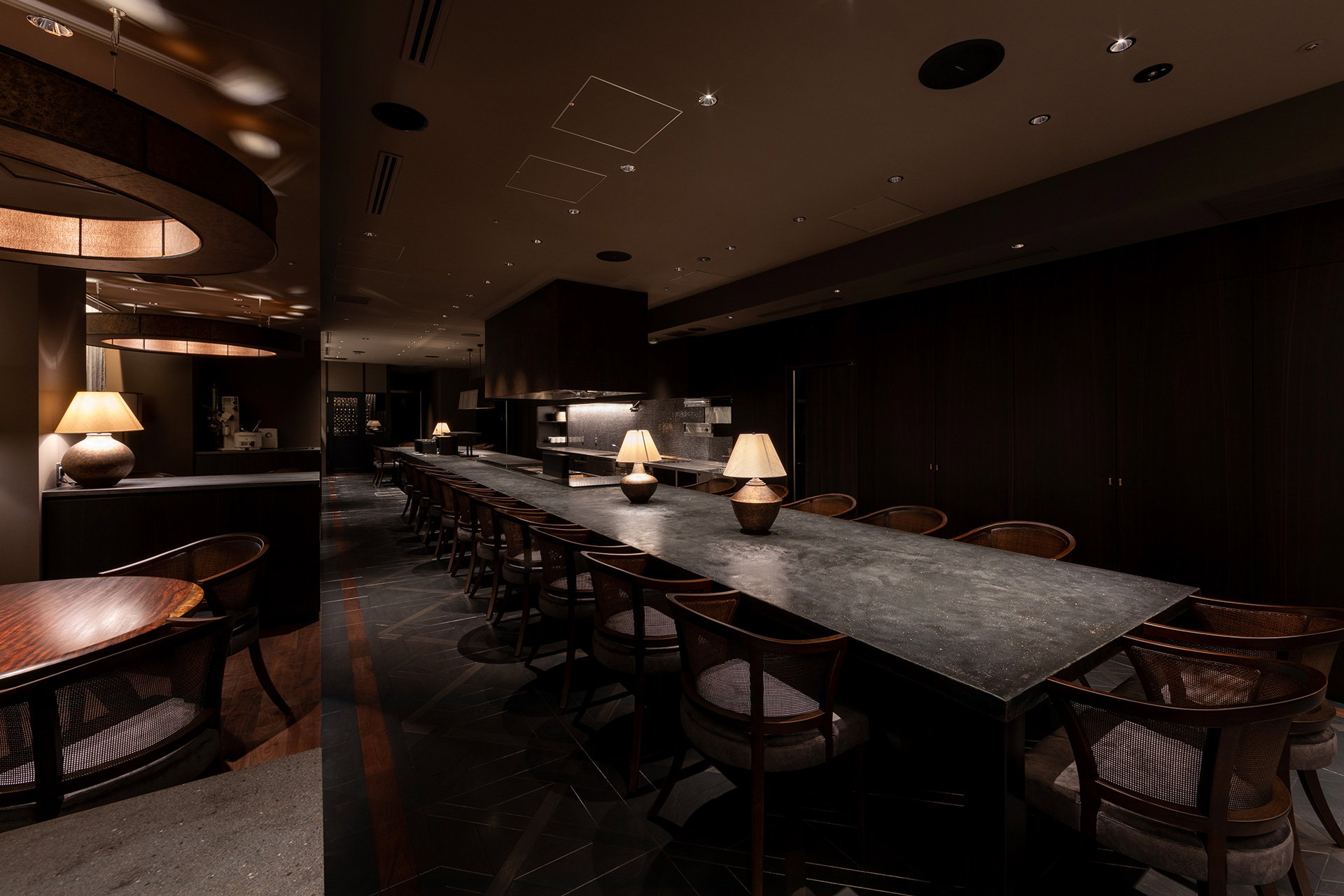
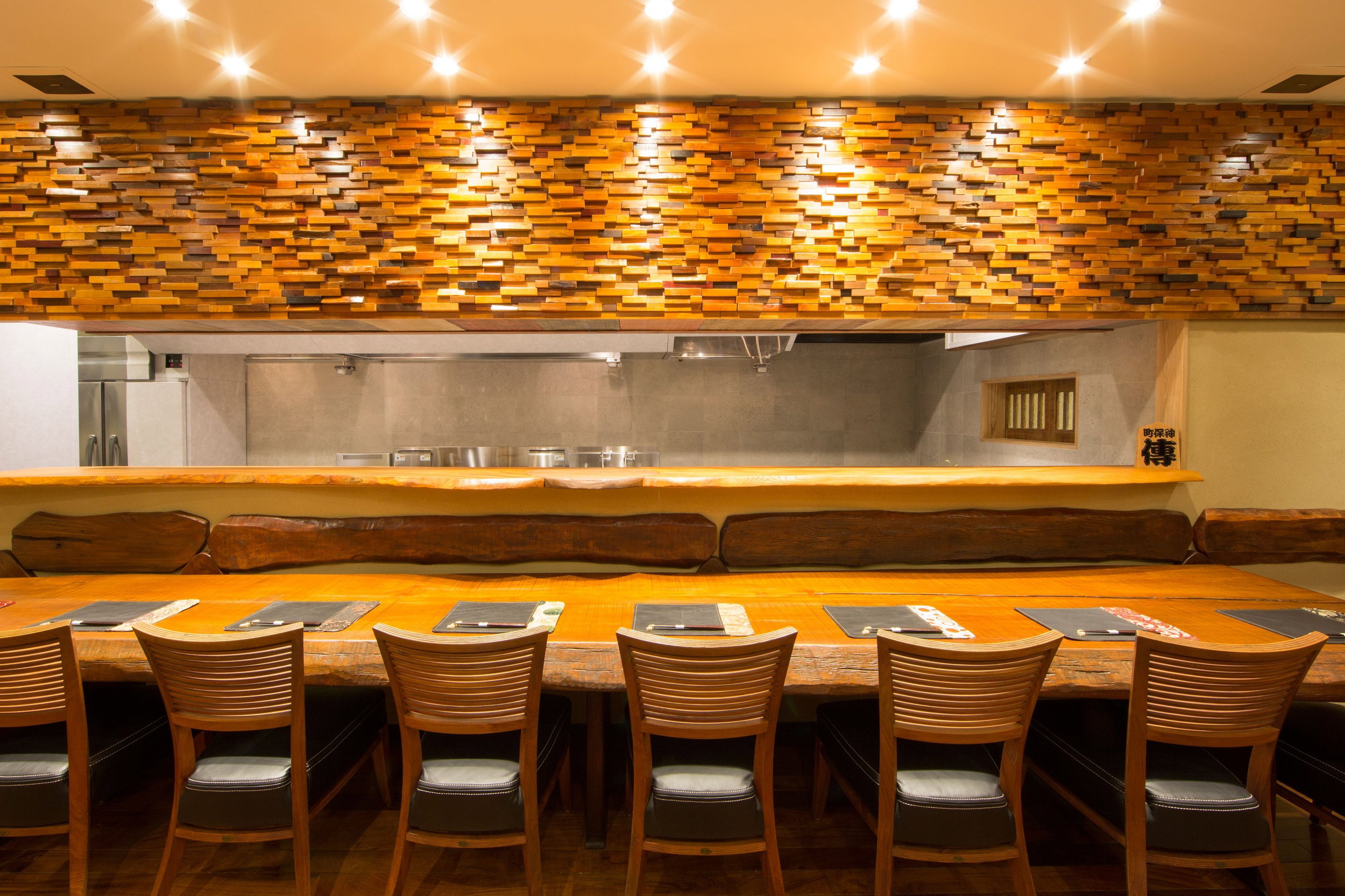
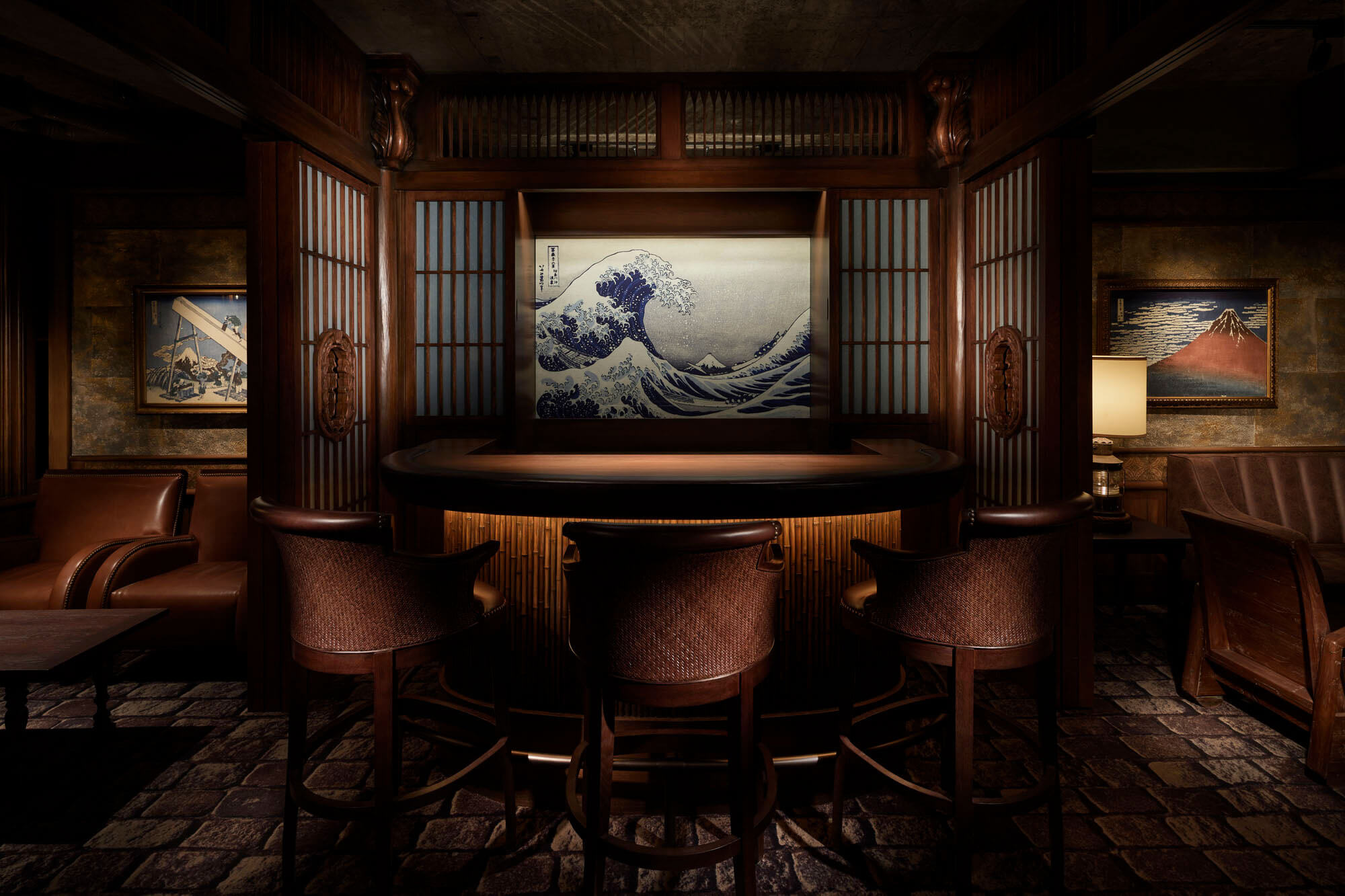
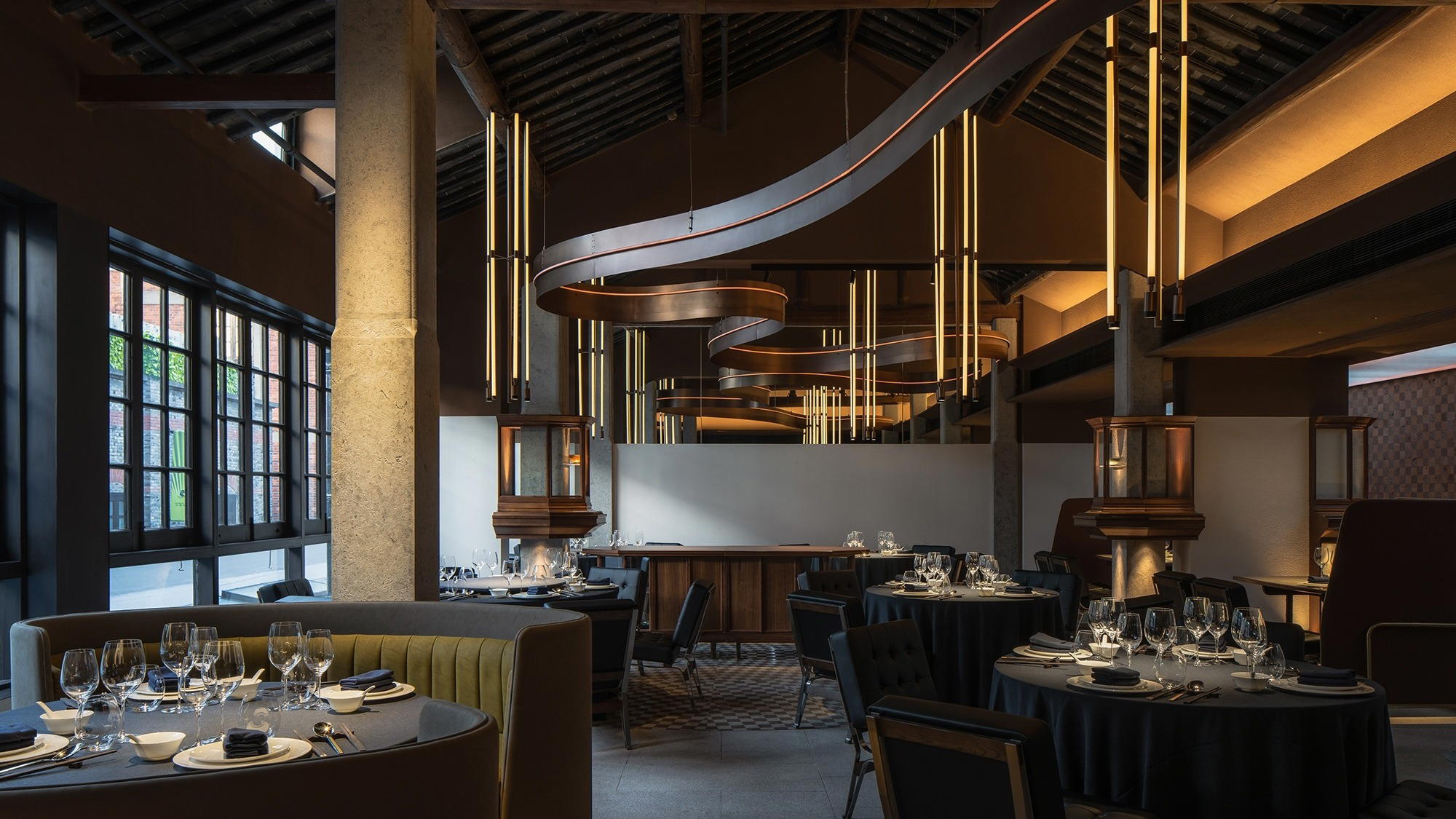
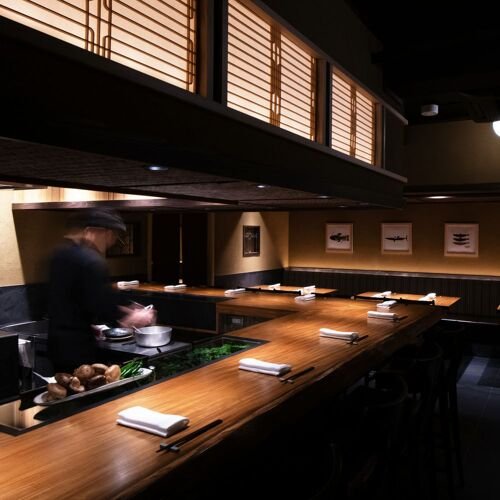
Warm, basement setting with open kitchen counter and table seating; soft lighting with charcoal smoke and clay pot steam creating an intimate, sensory dining experience.
Tags
Vibe
Best For
Experience
Sourcing
Accessibility
At the Table
- Dress Code
- Smart Casual
- Noise Level
- Conversational
- Service Style
- Upscale Casual
- Meal Pacing
- Leisurely
- Capacity
- Small
- Kitchen
- Seasonal
- Menu Format
- Omakase, A la carte, Counter dining, Set menu
- Wine Program
- Curated
- Drinks Focus
- Sake, Wine
- Dietary
- Pescatarian friendly
- Private Dining
- Available
Signature Dishes
- charcoal-grilled seasonal fish
- rice cooked in iron pot
- sashimi assortment
- charcoal-grilled domestic beef
Know before you go
Know Before You Go
- Getting there
- Japan, 〒150-0001 Tokyo, Shibuya, Jingumae, 3 Chome−1−28 BELL TOWN 青山 B1
Planning details
Location
Japan, 〒150-0001 Tokyo, Shibuya, Jingumae, 3 Chome−1−28 BELL TOWN 青山 B1 · Directions
Recognition and awards
Also consider
Also Consider
- Harutaka, Sushi, ¥¥¥¥
- RyuGin, Kaiseki, Japanese, ¥¥¥¥
- L'Effervescence, French, ¥¥¥¥
- HOMMAGE, Innovtive French, French, ¥¥¥¥
- Florilège, French, ¥¥¥
Restaurant context
Aoyama Ototo sits at a different price point from most of its Michelin-recognised peers in Tokyo, and that gap matters for how you should think about where to book. Harutaka and RyuGin are both ¥¥¥¥ operations, RyuGin in particular represents one of Tokyo's most technically ambitious kaiseki experiences, but the commitment in time, cost, and advance booking is substantial. If you are looking for a serious Japanese kitchen without that level of investment, Aoyama Ototo is the practical answer. The Michelin Plate credential is not the same as a star, but it signals kitchen competence that justifies the meal on its own terms.
Florilège operates at ¥¥¥ and represents the strongest value case among the ¥¥¥¥-adjacent French options in Tokyo, but it is a French restaurant and a different format entirely. L'Effervescence and HOMMAGE are both ¥¥¥¥ French; neither competes directly with Aoyama Ototo's grilled-fish-and-rice focus. If your priority is Japanese cooking in an accessible neighbourhood setting with a manageable bill, none of these venues is a closer substitute than Aoyama Ototo at its price tier.
The clearest booking logic: choose Aoyama Ototo when you want a Michelin-recognised Japanese meal without the full ¥¥¥¥ commitment or weeks-out reservation window. Choose RyuGin when the occasion warrants a multi-course kaiseki at the highest level of technical ambition. Choose Florilège if your priority is French cooking at a slightly more accessible price than the full ¥¥¥¥ tier. Aoyama Ototo wins on value and booking ease, it is the right call for a weekday lunch or an informal evening in the Aoyama area.
Explore Tokyo
Around this place
Discover more on Pearl
Unlock the full Aoyama Ototo guide in Pearl, including awards, comparisons, FAQs, planning details, and nearby places.
Compare Aoyama Ototo
| Venue | Price | Booking Difficulty | Awards |
|---|---|---|---|
| Aoyama Ototo | ¥¥ | Easy | 2026 Michelin Plate2025 Michelin Plate2024 Michelin Plate |
| Harutaka | ¥¥¥¥ | Unknown | 2026 Tabelog Silver · #312026 OAD Top Restaurants in Japan Ranked · #1282026 Michelin 3 Stars2026 La Liste Top RestaurantsTabelog 100 - Sushi - TOKYO - 2025 · #372025 Asia's 50 Best Restaurants · #762025 OAD Top Restaurants in Japan Ranked · #1172025 La Liste Top Restaurants2025 Tabelog Bronze |
| RyuGin | ¥¥¥¥ | Unknown | 2026 OAD Top Restaurants in Japan Ranked · #802026 Tabelog Bronze · #3772026 Michelin 3 Stars2026 La Liste Top RestaurantsTabelog 100 - Japanese cuisine - TOKYO - 2025 · #212025 OAD Top Restaurants in Japan Ranked · #542025 Michelin 3 Stars2025 La Liste Top Restaurants2025 The Best Chef Three Knives |
| L'Effervescence | ¥¥¥¥ | Unknown | 2026 Tabelog Silver · #682026 OAD Top Restaurants in Japan Ranked · #103Star Wine Lists 20262026 Black Pearl 2 Diamond2026 Relais Chateaux Restaurants2026 La Liste Top Restaurants2026 Michelin 3 Stars2025 Asia's 50 Best Restaurants · #692025 OAD Top Restaurants in Japan Ranked · #92 |
| HOMMAGE | ¥¥¥¥ | Unknown | 2026 Tabelog Bronze · #1232026 OAD Top Restaurants in Japan Highly Recommended2026 Michelin 2 StarsTabelog 100 - French - TOKYO - 2025 · #762025 Asia's 50 Best Restaurants · #782025 OAD Top Restaurants in Japan Ranked · #1752025 Michelin 2 Stars2025 The Best Chef One Knife2025 La Liste Top Restaurants |
| Florilège | ¥¥¥ | Unknown | 2026 Asia's 50 Best Restaurants · #312026 Tabelog Bronze · #712026 OAD Top Restaurants in Japan Ranked · #1242026 Black Pearl 1 Diamond2026 Michelin 2 Stars2026 La Liste Top Restaurants2025 Asia's 50 Best Restaurants · #172025 World's 50 Best Restaurants · #36Tabelog 100 - French - TOKYO - 2025 · #68 |













Side-by-side comparison to help you decide where to book.
FAQ
Frequently Asked Questions
What should a first-timer know about Aoyama Ototo?
Start with lunch. The set menus — built around salt-grilled mackerel and sablefish saikyo-yaki — keep costs low and give you a direct read on the kitchen's strengths before committing to an evening visit. The restaurant is in a basement (B1 of BELL TOWN 青山 in Jingumae), so don't confuse it for a ground-floor spot. Back-to-back Michelin Plate recognition in 2024 and 2025 confirms the cooking is consistent; the ¥¥ price range means the bar for satisfaction is fair.
What should I wear to Aoyama Ototo?
No dress code is documented for Aoyama Ototo. Given its ¥¥ price point and basement neighbourhood-restaurant format in Jingumae, neat casual is a safe call — clean, presentable clothing without needing to dress for a formal tasting room. Aoyama runs polished but not stiff; overpacking on formality is unnecessary here.
Is the tasting menu worth it at Aoyama Ototo?
Aoyama Ototo does not operate a tasting menu format. Lunch runs as set menus built on grilled fish; evenings shift to à la carte, where guests select meats and vegetables to grill and pair with sake or wine. If you want a multi-course tasting format in this neighbourhood, RyuGin or L'Effervescence are the appropriate alternatives. Aoyama Ototo's strength is flexible, ingredient-led à la carte dining at a price that doesn't require a special-occasion budget.
Is Aoyama Ototo worth the price?
At ¥¥ with Michelin Plate recognition two years running, Aoyama Ototo offers strong value for its category. The cooking — charcoal-grilled fish, iron-pot rice, sablefish saikyo-yaki, and Nanko-ume pickles from the chef's home prefecture of Wakayama — reflects a kitchen with a clear point of view, not a generic crowd-pleaser. For what it charges, it over-delivers relative to most restaurants at this price level in the Aoyama-Jingumae area.
What are alternatives to Aoyama Ototo in Tokyo?
For higher-commitment Japanese dining, Harutaka (omakase sushi) and RyuGin (modern kaiseki) both operate at significantly higher price points with corresponding prestige. L'Effervescence and Florilège are the natural comparisons if French-influenced tasting menus are your format rather than grilled fish and rice. HOMMAGE sits closer to the French fine-dining end. Aoyama Ototo is the right call when you want Michelin-recognised Japanese cooking at a price that allows for sake pairings without a three-figure bill.