.png?width=1200&quality=80)


Alternative
French · Minato, Tokyo
Restaurant in Tokyo, Japan
 Book with Pearl
The Read
Cross-Traditional French Reinterpretation
Price
$100–150per person
Chef
Takayuki Saito
Dress
Smart Casual
Why go
Alternative in Shirokane is a serious French restaurant from chef Takayuki Saito, who builds on classical French technique and layers in Japanese and Chinese culinary elements with deliberate precision. Holding a Michelin Plate in 2024 and 2025 and ranked among Japan's top restaurants by Opinionated About Dining, it delivers technically disciplined cooking at ¥¥¥ — a tier below Tokyo's grand French houses. Open Monday to Saturday for lunch and dinner; booking is currently easy.
About Alternative
Who Should Book Alternative
Alternative in Shirokane is the right call for food-focused diners who want to eat serious French cooking without the ceremony — or the four-digit bill — that Tokyo's top-tier French houses demand. If you are the kind of traveller who reads menus before booking flights and wants to understand what a kitchen is actually doing technically, this is a meal worth scheduling. It is also a practical choice for lunch: the kitchen runs the same hours six days a week, Monday through Saturday, with a midday service from noon to 2 pm and an evening service from 6 to 10:30 pm. Sunday is the one day it closes.
The Kitchen's Technical Premise
Chef Takayuki Saito named this restaurant with intent. Alternative takes its cue from alt-rock, music that resists category, and the same logic applies to the cooking. Saito spent time in France absorbing classical French theory and technique, and that foundation is not decorative. It is the structural core of every plate. What he has done since returning is add elements drawn from Japanese and Chinese culinary traditions, not as fusion garnish but as considered technical decisions about flavour, texture, and seasoning.
This is the point of difference worth paying attention to. French cooking in Tokyo often sits in one of two modes: either strict classical reproduction, or a chef asserting Japanese identity through French vocabulary. Saito's approach is neither. He is working from classical French structure and then asking what Chinese or Japanese technique genuinely improves the outcome. The result is a cuisine that requires you to pay attention, which is exactly what an explorer-type diner is looking for.
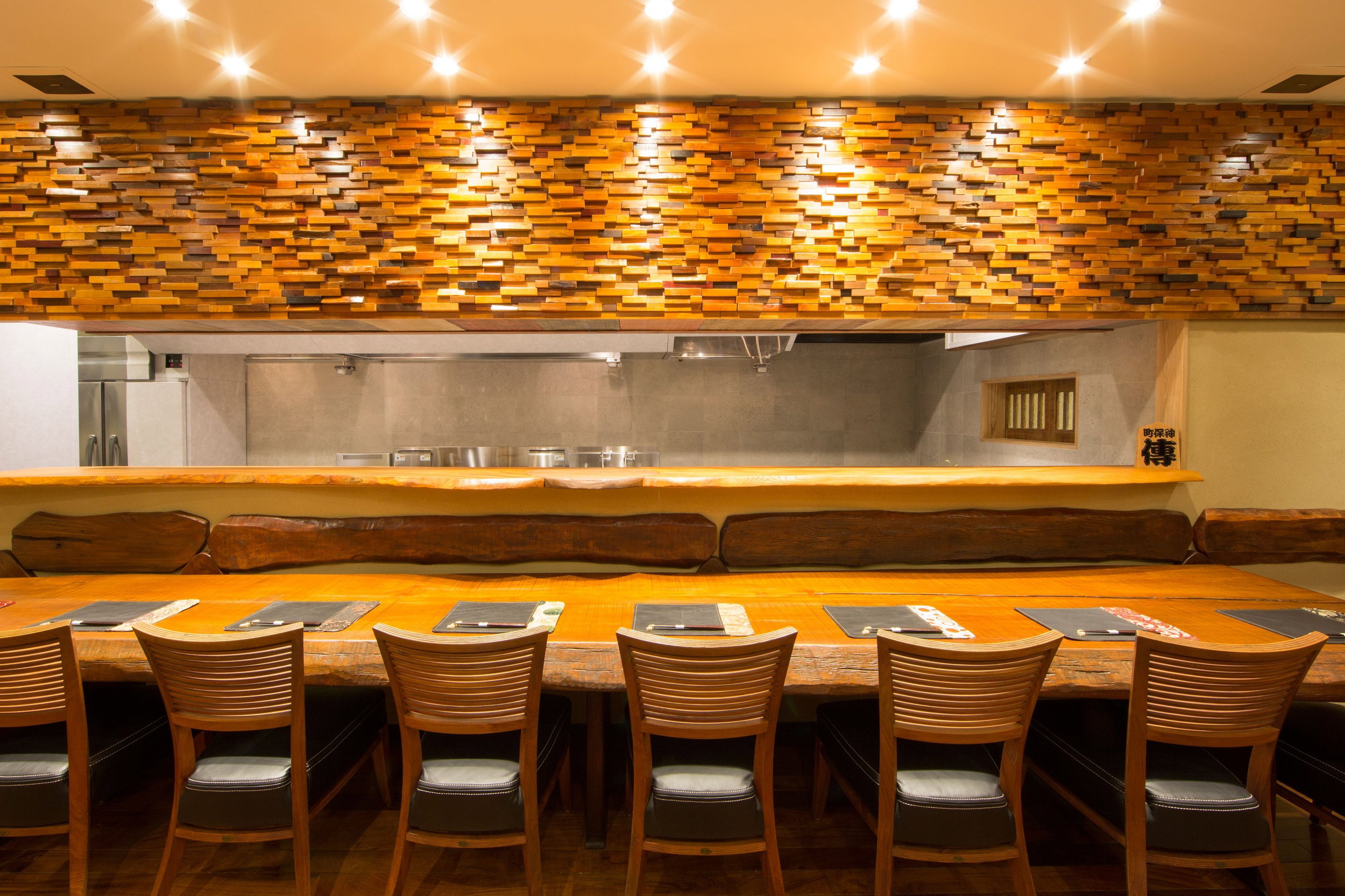
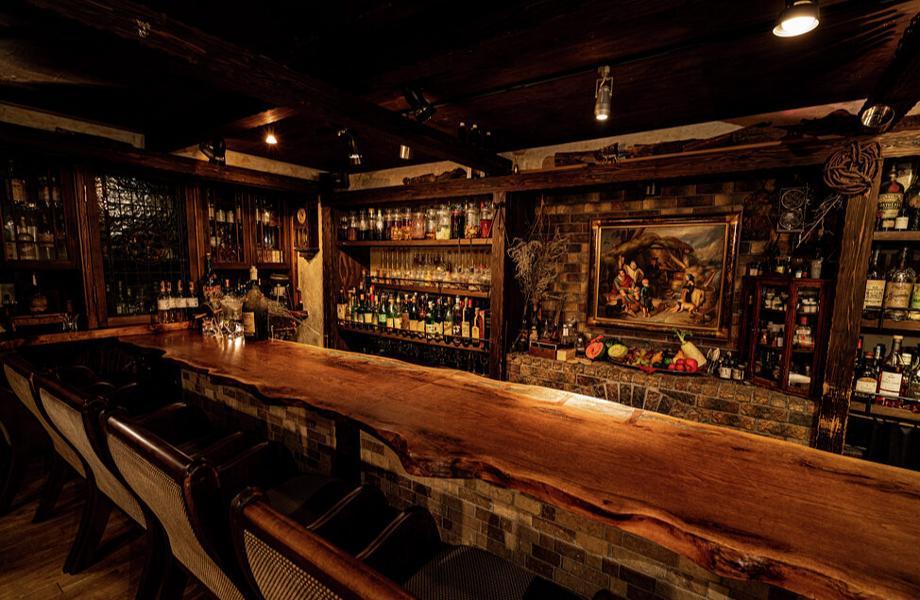
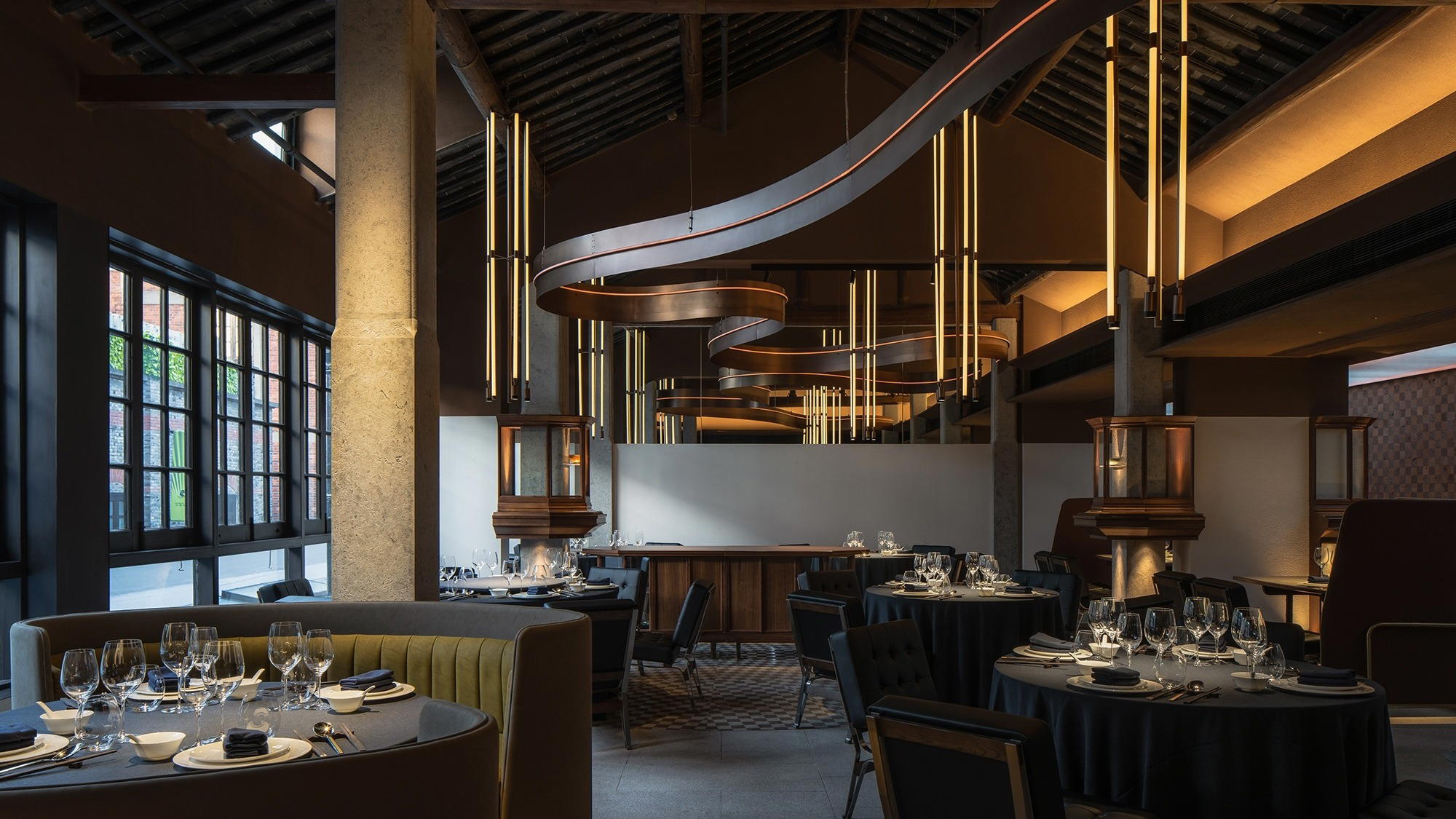
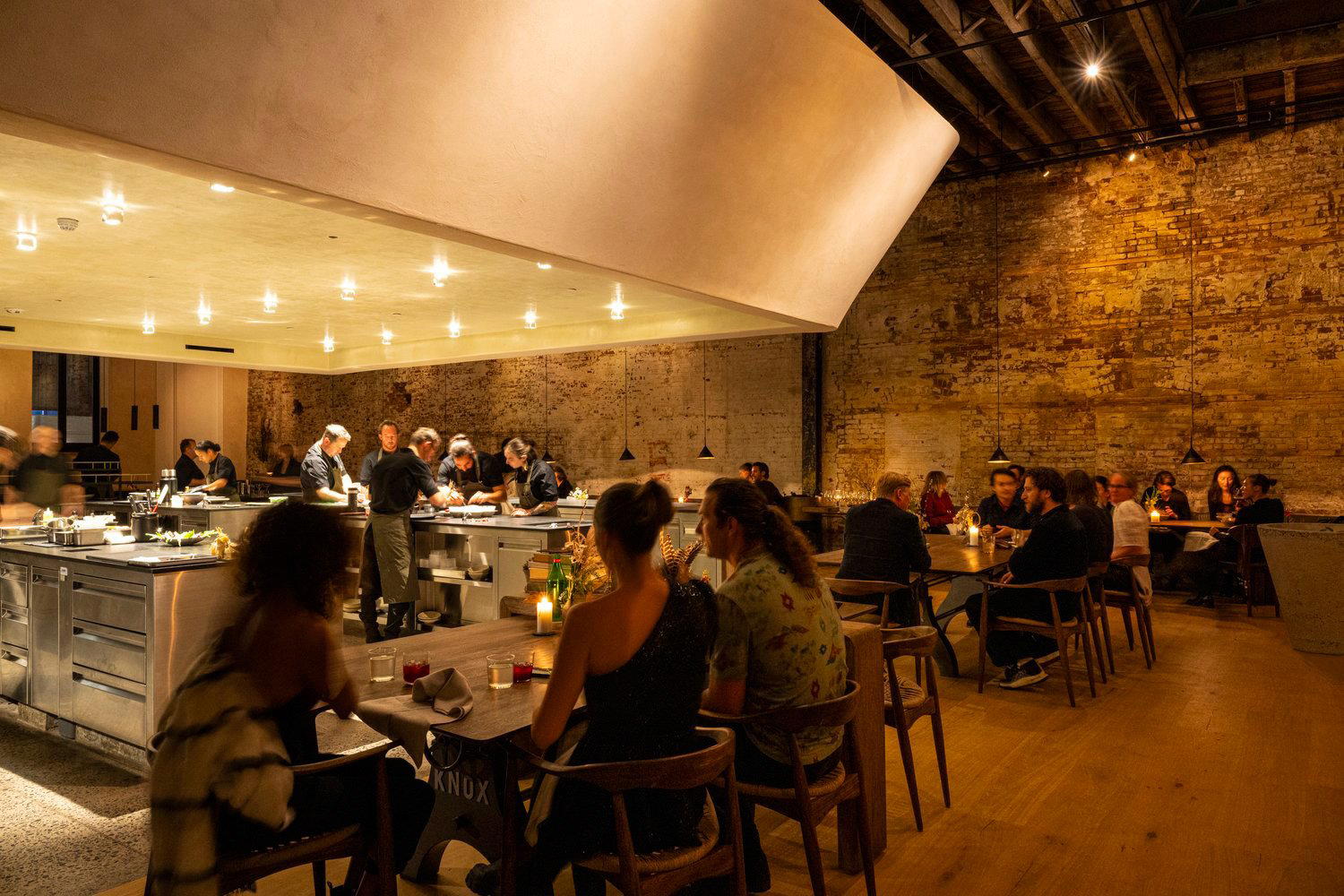
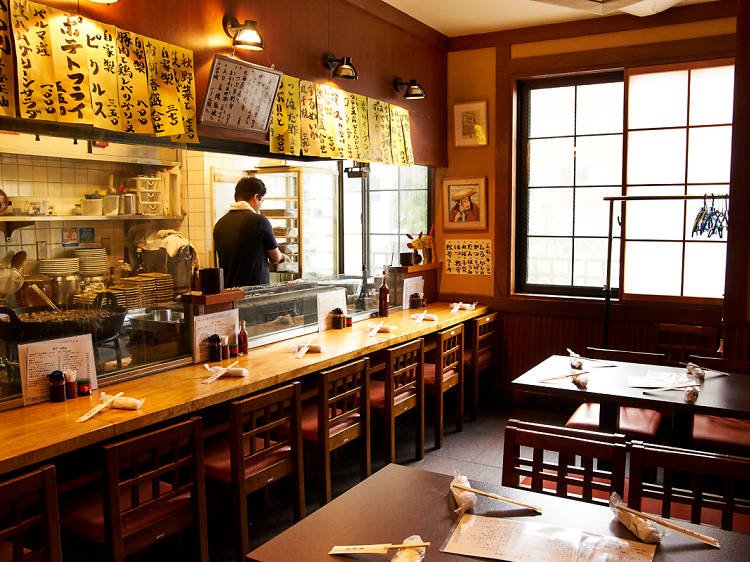
The venue itself reinforces this sensibility. The space occupies what was formerly a neighbourhood workshop in Shirokane, and the industrial bones of the original premises have not been plastered over. The room expresses the same individualism as the menu: it has not been softened into anonymity. For diners who want context, the address, 5 Chome-12-24 T-building 1階, Shirokane, Minato City, puts you in a residential quarter of Minato, away from the tourist corridors and the restaurant-row density of areas like Ginza or Roppongi.
Recognition and Standing
Alternative holds a Michelin Plate in both 2024 and 2025, meaning Michelin inspectors are eating here and recommending it, even if the restaurant has not yet climbed to star level. The Opinionated About Dining ranking adds useful calibration: listed among the leading restaurants in Japan in 2025 (ranked #615) and recommended in 2023, which tracks a trajectory of growing recognition over two years. Taken together, these signals point to a restaurant that is doing something right and is still in the process of building its audience, which usually means it is easier to book now than it will be in two years.
Price and Value
The price range is ¥¥¥, which places Alternative a tier below the ¥¥¥¥ French houses in Tokyo. For the technical ambition on offer, a chef with genuine French formation who is doing something architecturally considered with his cooking, this is meaningful. You are not paying Michelin two-star prices for a restaurant that is producing at that level of seriousness and discipline. If the question is whether the food justifies the spend, the Michelin Plate and the OAD ranking both suggest yes. The comparison that matters: at ¥¥¥¥, L'Effervescence and Sézanne are operating at a higher technical ceiling, but Alternative is not trying to be those restaurants. It is trying to be something different, and at a lower price point, the value equation shifts in its favour.
Booking and Logistics
Booking difficulty is rated Easy, which is worth noting given the venue's recognition trajectory. With no website or phone number listed in available data, the practical approach is to check reservation platforms active in Tokyo (Tableall, Pocket Concierge, or direct walk-in inquiry) or to ask your hotel concierge to assist. Hours are consistent across Monday to Saturday, so scheduling around a Tokyo itinerary is direct. Lunch at noon is the lowest-friction entry point. No dress code data is available, but a ¥¥¥ French restaurant in Minato City warrants smart casual at minimum, in Tokyo's dining culture, most guests will be dressed accordingly without prompting.
For context on the broader Tokyo dining scene, see our full Tokyo restaurants guide. If you are building a trip around serious eating, you may also want to cross-reference HAJIME in Osaka, Gion Sasaki in Kyoto, or akordu in Nara if your itinerary extends beyond Tokyo. For French cooking with a similar cross-cultural ambition in other markets, Les Amis in Singapore and Hotel de Ville Crissier are useful reference points for where the tradition is heading globally.
Other Tokyo French benchmarks worth knowing: ESqUISSE, Florilège, and Château Restaurant Joël Robuchon all operate in the same city and give you a clear sense of where Alternative sits in the hierarchy. For those extending their Japan trip, Goh in Fukuoka, 1000 in Yokohama, and 6 in Okinawa round out a picture of Japan's broader serious-dining scene. Minato City also has options for drinking and staying: see our Tokyo bars guide, our Tokyo hotels guide, our Tokyo wineries guide, and our Tokyo experiences guide for full coverage.
Quick reference: French, ¥¥¥, Shirokane Minato City, Mon–Sat lunch noon–2 pm, dinner 6–10:30 pm, Sunday closed, booking difficulty: Easy.
Planning details
- Hours
- Monday: 12–2 pm, 6–10:30 pm · Tuesday: 12–2 pm, 6–10:30 pm
- Location
- Japan, 〒108-0072 Tokyo, Minato City, Shirokane, 5 Chome−12−24 T-building 1階
- Website
- alternative-tokyo.com
- Phone
- +81 3-5422-7551
The take
The Take
The Vibe
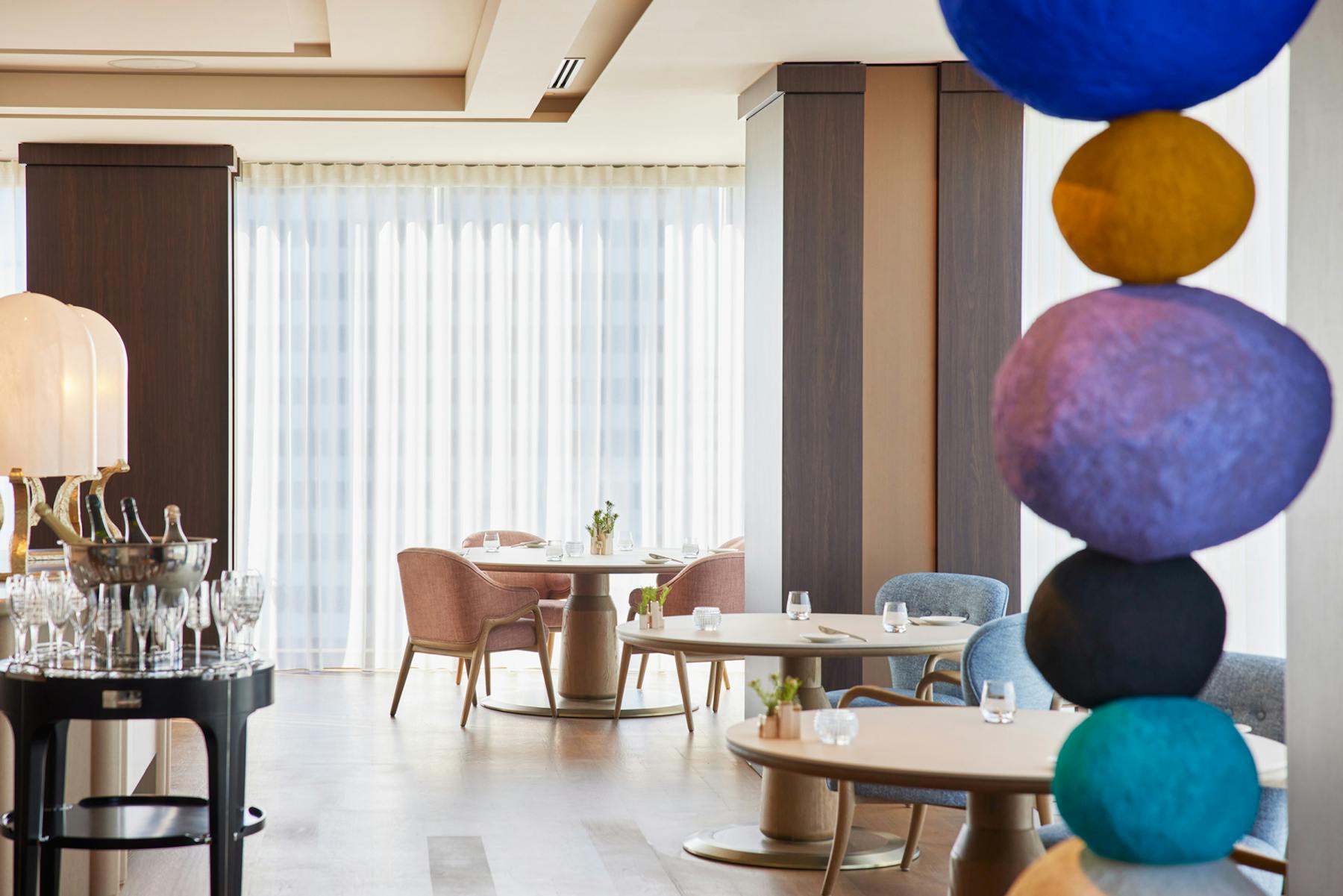
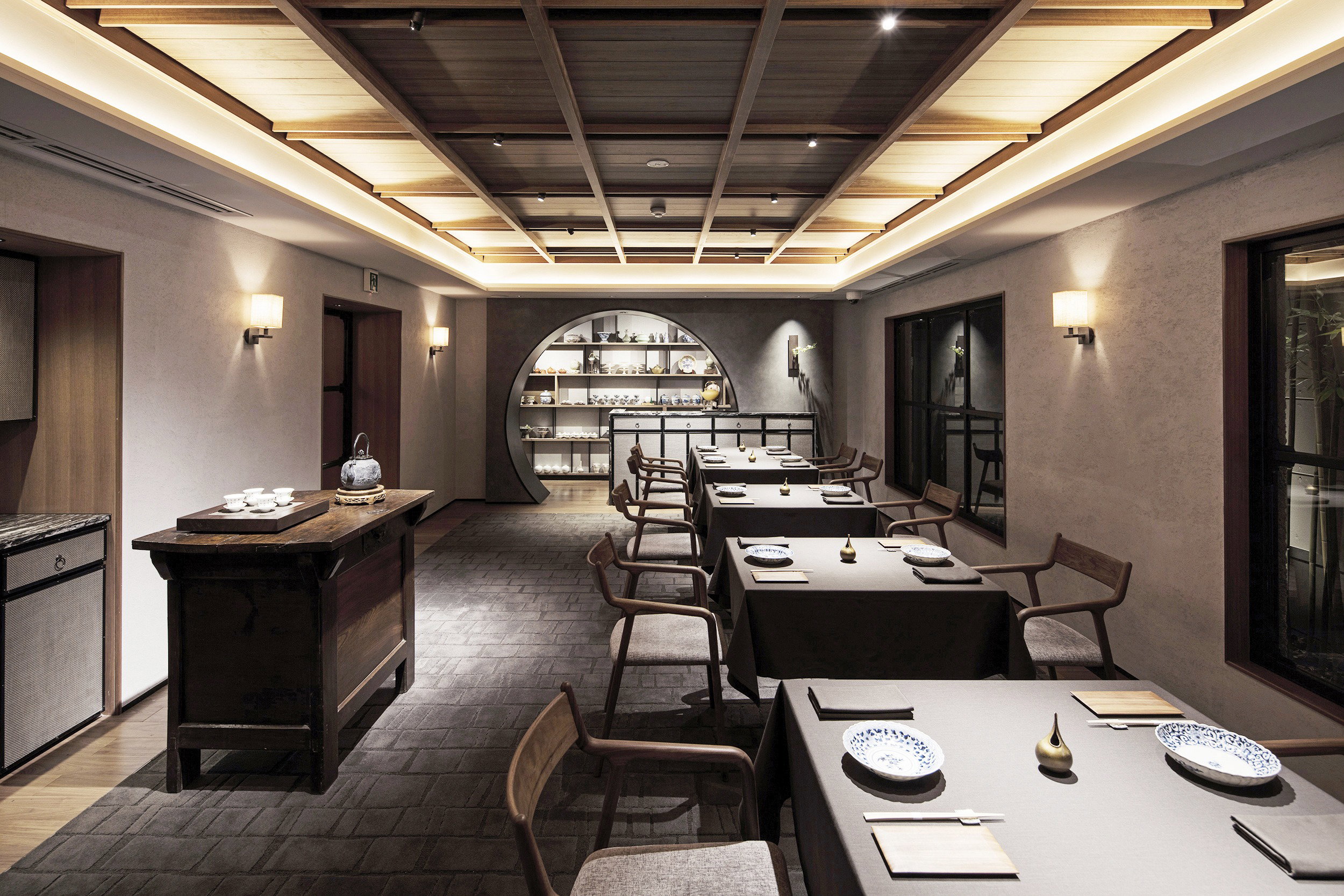
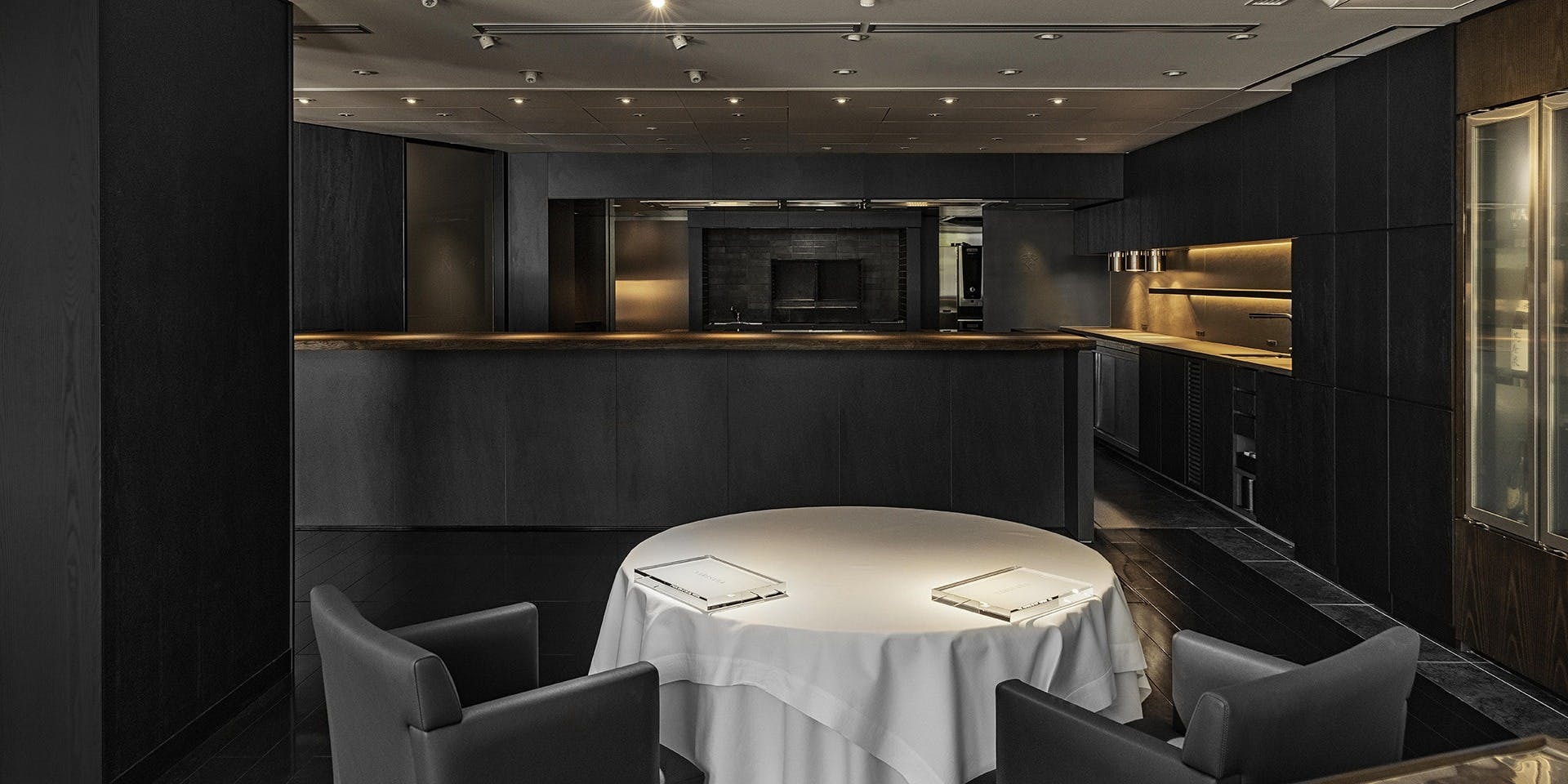
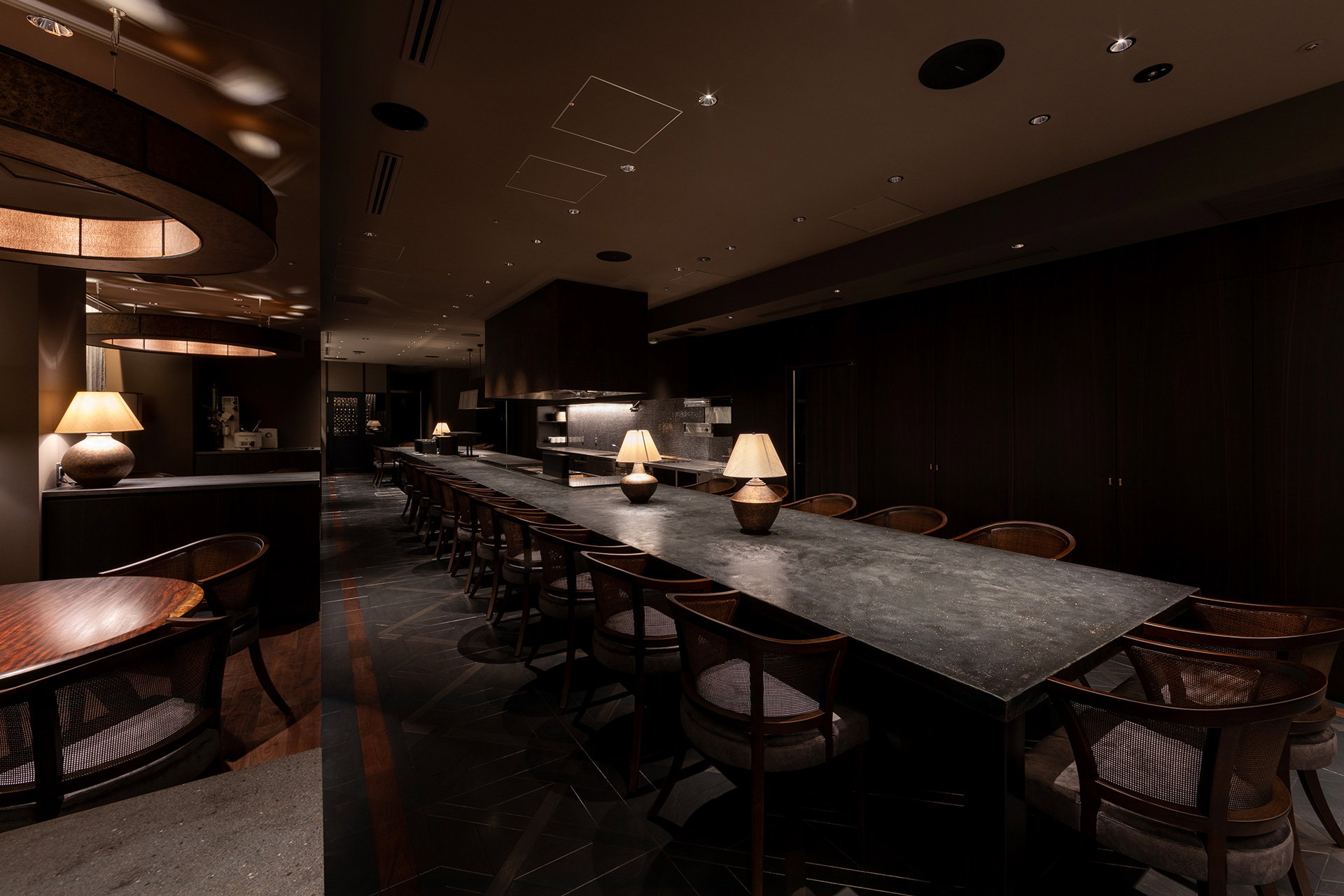
Alternative occupies a compact, low-ceilinged ground floor that used to function as a neighbourhood workshop; the room retains those industrial bones and a functional, craft-driven character. That architectural honesty sits in deliberate contrast with the precision of the cooking, so the experience feels quietly exacting rather than theatrical. Located on a side street in residential Shirokane, the dining room reads as purposefully tucked away: you arrive with intent, settle into an understated space and let the food — restrained, technique-forward and thoughtfully sourced — do the talking.
Best For
This is a destination for diners who value focused, unshowy French cooking in a restrained setting. It suits couples and small parties seeking an intentional evening or lunch away from the bright lights of central dining districts; the restaurant’s quieter residential locale and refined approach make it a good pick for date nights and other special occasions where the meal is the point. Service runs at set lunch and dinner windows during the week, so visits feel planned and deliberate rather than spontaneous.
Ordering Tips
Plan your visit around the restaurant’s set service hours: lunch is served from noon to 2pm and dinner from 6pm to 10:30pm, Tuesday through Saturday, with Monday running the same hours and Sunday closed. The address is on a side street in Shirokane, so reaching it requires purpose; allow extra time for transit and schedule your seat within the stated lunch or dinner windows to avoid disappointment.
Venue details
Ambiance
Relaxing, stylish urban hideout with spacious seating, counter, and intimate atmosphere in a former workshop space.
Tags
Vibe
Best For
Experience
Accessibility
At the Table
- Dress Code
- Smart Casual
- Noise Level
- Quiet
- Service Style
- Upscale Casual
- Meal Pacing
- Leisurely
- Capacity
- Intimate
- Kitchen
- Fusion
- Menu Format
- Tasting menu
- Wine Program
- Curated
- Dietary
- Vegetarian friendly
- Private Dining
- Available
Know before you go
Know Before You Go
- Getting there
- Japan, 〒108-0072 Tokyo, Minato City, Shirokane, 5 Chome−12−24 T-building 1階
Planning details
Hours
- Monday
- 12–2 pm, 6–10:30 pm
- Tuesday
- 12–2 pm, 6–10:30 pm
- Wednesday
- 12–2 pm, 6–10:30 pm
- Thursday
- 12–2 pm, 6–10:30 pm
- Friday
- 12–2 pm, 6–10:30 pm
- Saturday
- 12–2 pm, 6–10:30 pm
- Sunday
- Closed
Location
Japan, 〒108-0072 Tokyo, Minato City, Shirokane, 5 Chome−12−24 T-building 1階 · Directions
Recognition and awards

Also consider
Also Consider
- Harutaka, Sushi, ¥¥¥¥
- L'Effervescence, French, ¥¥¥¥
- RyuGin, Kaiseki, Japanese, ¥¥¥¥
- HOMMAGE, Innovtive French, French, ¥¥¥¥
- Crony, Innovative, French, ¥¥¥¥
Restaurant context
Alternative sits at ¥¥¥, which immediately separates it from every comparison venue here. L'Effervescence and HOMMAGE both operate at ¥¥¥¥ with multiple Michelin stars between them. If technical ceiling and full dining-room production matter most to you, those are the better bookings. But if you want to eat genuinely considered French cooking in Tokyo without the full ¥¥¥¥ commitment, Alternative is the more practical choice, and currently much easier to book than either.
Crony is the closest stylistic peer: innovative French at ¥¥¥¥ in Tokyo, with a similarly chef-driven approach to pushing the cuisine's boundaries. Crony has the edge on recognition and probably on room ambiance; Alternative has the edge on price and, right now, on booking accessibility. RyuGin is a different category entirely, kaiseki rather than French, and is relevant only if you are weighing a Japanese fine-dining experience against a French one at the same price tier. Harutaka, as a sushi counter at ¥¥¥¥, is similarly not a direct substitute but competes for the same evening slot on a Tokyo itinerary.
The decision comes down to budget and intent. For straight value within serious French cooking in Tokyo, Alternative is the call. For the fullest technical expression of the tradition, L'Effervescence remains the benchmark at ¥¥¥¥. For innovative French with more recognition behind it at the same exploratory angle, Crony is the direct upgrade, if you can get a table.
Explore Tokyo
Around this place
Discover more on Pearl
Unlock the full Alternative guide in Pearl, including awards, comparisons, FAQs, planning details, and nearby places.
Compare Alternative
| Venue | Price | Awards |
|---|---|---|
| Alternative | ¥¥¥ | 2026 Michelin Plate2026 OAD Top Restaurants in Japan RecommendedTabelog 100 - French - TOKYO - 2025 · #82025 OAD Top Restaurants in Japan Ranked · #6152025 Michelin Plate2024 Michelin Plate2023 OAD Top Restaurants in Japan Recommended |
| Harutaka | ¥¥¥¥ | 2026 Tabelog Silver · #312026 OAD Top Restaurants in Japan Ranked · #1282026 Michelin 3 Stars2026 La Liste Top RestaurantsTabelog 100 - Sushi - TOKYO - 2025 · #372025 Asia's 50 Best Restaurants · #762025 OAD Top Restaurants in Japan Ranked · #1172025 La Liste Top Restaurants2025 Tabelog Bronze |
| L'Effervescence | ¥¥¥¥ | 2026 Tabelog Silver · #682026 OAD Top Restaurants in Japan Ranked · #103Star Wine Lists 20262026 Black Pearl 2 Diamond2026 Relais Chateaux Restaurants2026 La Liste Top Restaurants2026 Michelin 3 Stars2025 Asia's 50 Best Restaurants · #692025 OAD Top Restaurants in Japan Ranked · #92 |
| RyuGin | ¥¥¥¥ | 2026 OAD Top Restaurants in Japan Ranked · #802026 Tabelog Bronze · #3772026 Michelin 3 Stars2026 La Liste Top RestaurantsTabelog 100 - Japanese cuisine - TOKYO - 2025 · #212025 OAD Top Restaurants in Japan Ranked · #542025 Michelin 3 Stars2025 La Liste Top Restaurants2025 The Best Chef Three Knives |
| HOMMAGE | ¥¥¥¥ | 2026 Tabelog Bronze · #1232026 OAD Top Restaurants in Japan Highly Recommended2026 Michelin 2 StarsTabelog 100 - French - TOKYO - 2025 · #762025 Asia's 50 Best Restaurants · #782025 OAD Top Restaurants in Japan Ranked · #1752025 Michelin 2 Stars2025 The Best Chef One Knife2025 La Liste Top Restaurants |
| Crony | ¥¥¥¥ | 2026 Asia's 50 Best Restaurants · #34Star Wine Lists 20262026 OAD Top Restaurants in Japan Recommended2026 Michelin 2 Stars2025 Asia's 50 Best Restaurants · #30Tabelog 100 - French - TOKYO - 2025 · #782025 OAD Top Restaurants in Japan Ranked · #227We're Smart World Top Restaurants 20252025 Michelin 2 Stars |












Comparing your options in Tokyo for this tier.
FAQ
Frequently Asked Questions
Is Alternative worth the price?
Yes, at ¥¥¥ this is one of the stronger value propositions in Tokyo's French dining tier. You get a Michelin Plate-recognised kitchen applying genuine classical French technique alongside Japanese and Chinese influences — without the ¥¥¥¥ price tag of the city's formal French houses. For the technical ambition on offer, the price holds up.
What should I wear to Alternative?
The restaurant is set in a former workshop space and signals deliberate informality through both its name and concept — alt-rock as a design philosophy rather than white-tablecloth prestige. Smart casual is a reasonable baseline, but this is not a venue where formal dress is the expectation.
What should I order at Alternative?
Specific menu items are not documented here, and chef Takayuki Saito's menu evolves around classical French foundations layered with Japanese and Chinese elements. Your best approach is to go without a fixed agenda and let the kitchen drive — the conceptual premise is built around resisting fixed categories, and the tasting format reflects that.
Is lunch or dinner better at Alternative?
Both services run the same hours structure — 12–2pm and 6–10:30pm Tuesday through Saturday, closed Sunday. Lunch at this price tier in Tokyo typically offers better value per course than dinner; if your schedule allows, lunch is worth considering as the lower-pressure entry point.
What are alternatives to Alternative in Tokyo?
L'Effervescence is the comparison point if you want fully committed French fine dining with more ceremony. HOMMAGE occupies a similar French-with-Japanese-sensibility space but sits higher on the formality scale. Crony is the move if you want a looser, less structured experience at a lower price point. Alternative sits in the middle: serious cooking, less theatre.
Is Alternative good for a special occasion?
Yes, with the right expectations. This is not a grand-gesture room — the converted workshop setting and alt-rock naming philosophy signal intentional anti-ceremony. For a food-focused occasion where the cooking is the point rather than the staging, it works well. If the occasion calls for a formal room and a long wine list, L'Effervescence or RyuGin are better fits.