.png?width=1200&quality=80)
Akebonobashi Kazu
Japanese · Shinjuku, Tokyo
Restaurant in Tokyo, Japan
 Book with Pearl
The Read
Back-Street Seasonal Kaiseki
Dress
Smart Casual
Why go
A Michelin-selected kaiseki counter in a quiet Shinjuku neighbourhood, Akebonobashi Kazu delivers seasonally structured Japanese cuisine at the ¥¥ price point — well below what comparable recognition costs elsewhere in Tokyo. Easy to book, but confirm hours before visiting as contact details are limited.
About Akebonobashi Kazu
The Verdict
If you have already visited one of Tokyo's mid-range kaiseki counters and found yourself wanting more quiet precision and less ceremony, Akebonobashi Kazu is the room to return to. The cooking is structured around kaiseki basics with seasonal adjustments throughout the meal. For a food-focused traveller who already understands the kaiseki format and wants to go deeper without paying ¥¥¥¥ rates, this is a considered choice.
Portrait
Coming back to Akebonobashi Kazu for a second visit changes what you notice. The first time, the kaiseki sequence itself demands your attention: the order of courses, the broth logic, the shift from delicate to substantial. On a return visit, the smaller decisions surface. The charcoal-grilled salted fish course, for instance, is not a showpiece moment but a studied one — the technique is old and the sourcing follows the season. The wanmono, the soup course, uses fishcake that is calibrated to complement rather than compete with the broth. These are not accidental choices. They reflect a kitchen that is working through the kaiseki canon with attention to what each component is supposed to achieve.
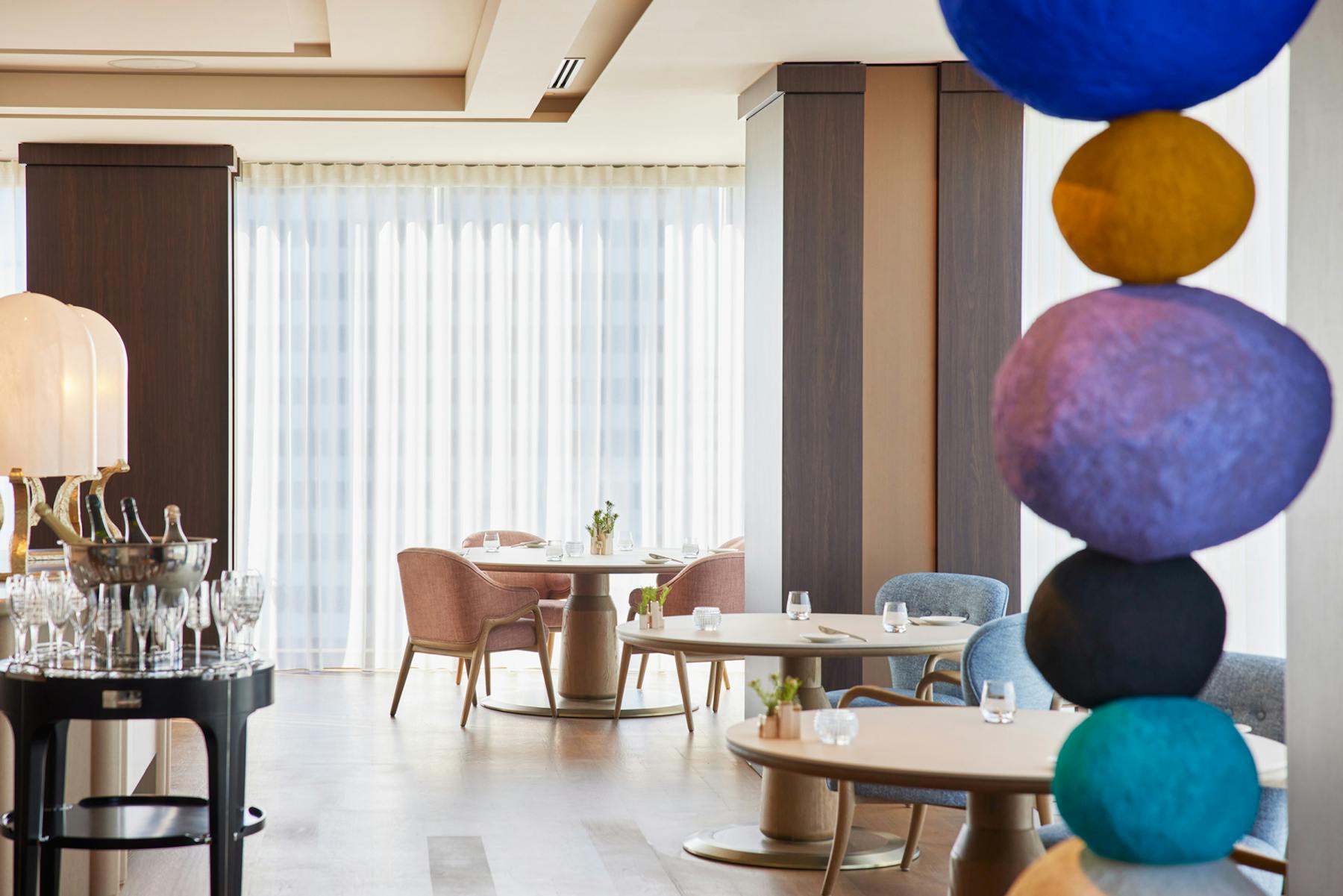
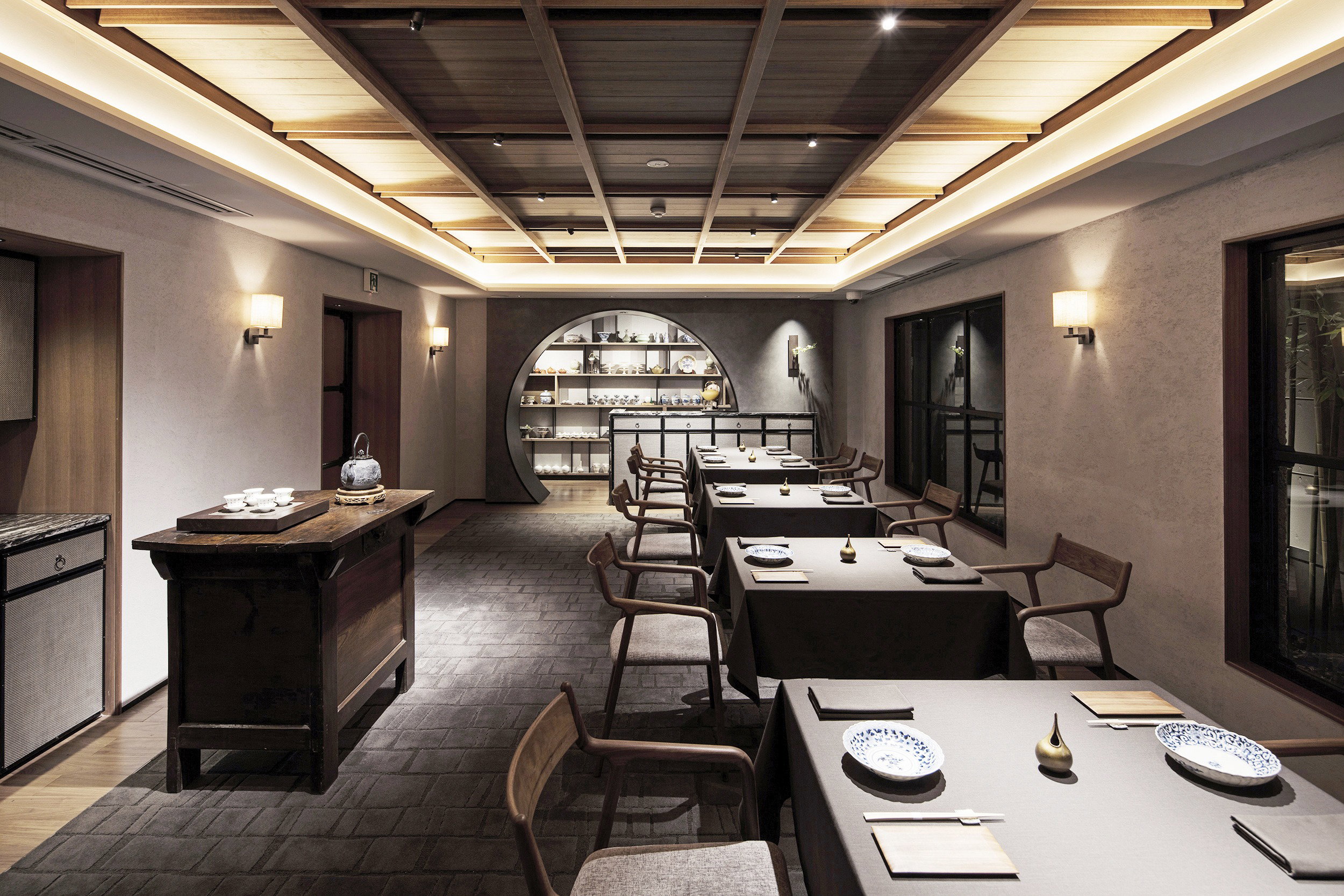
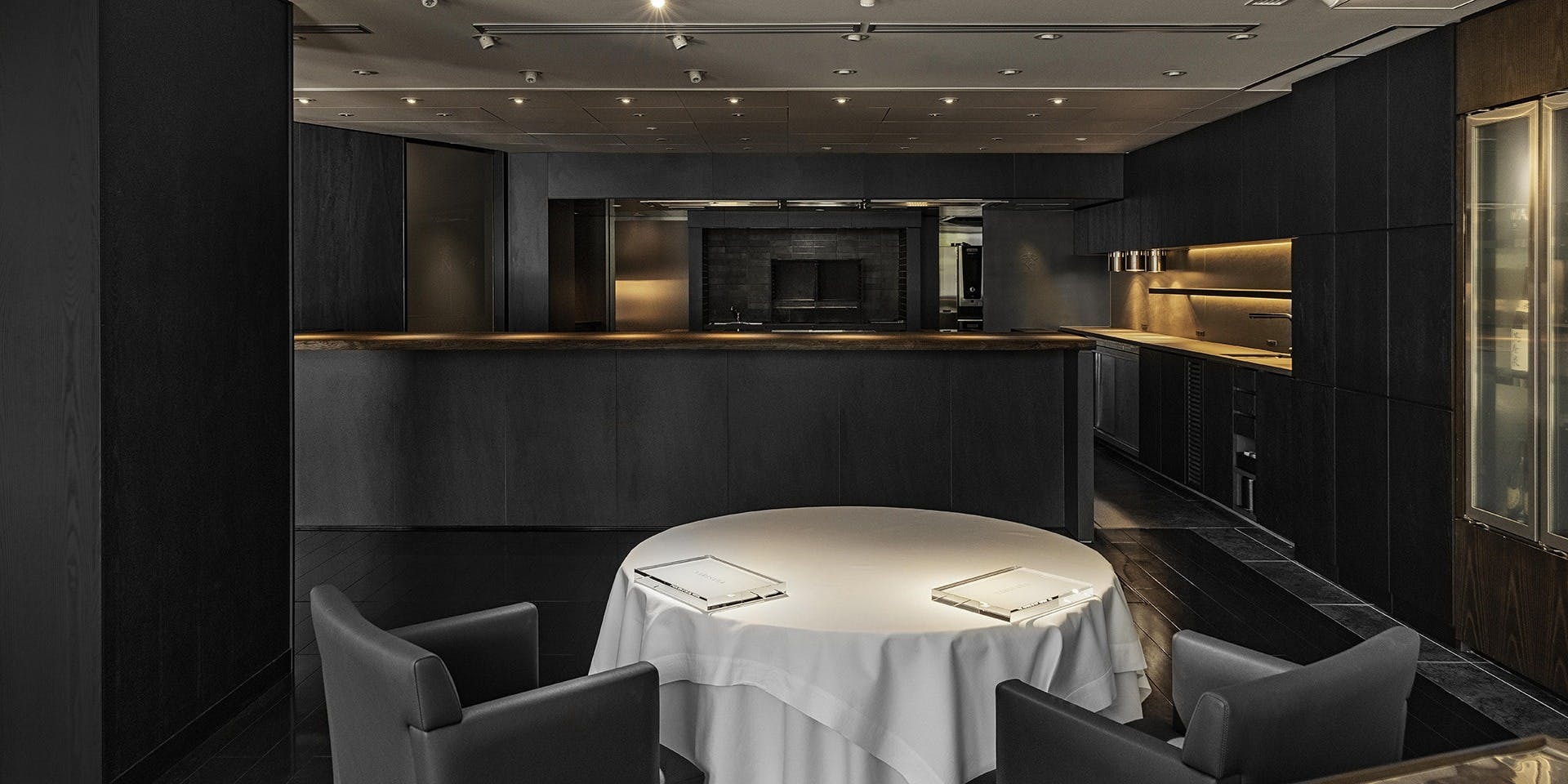
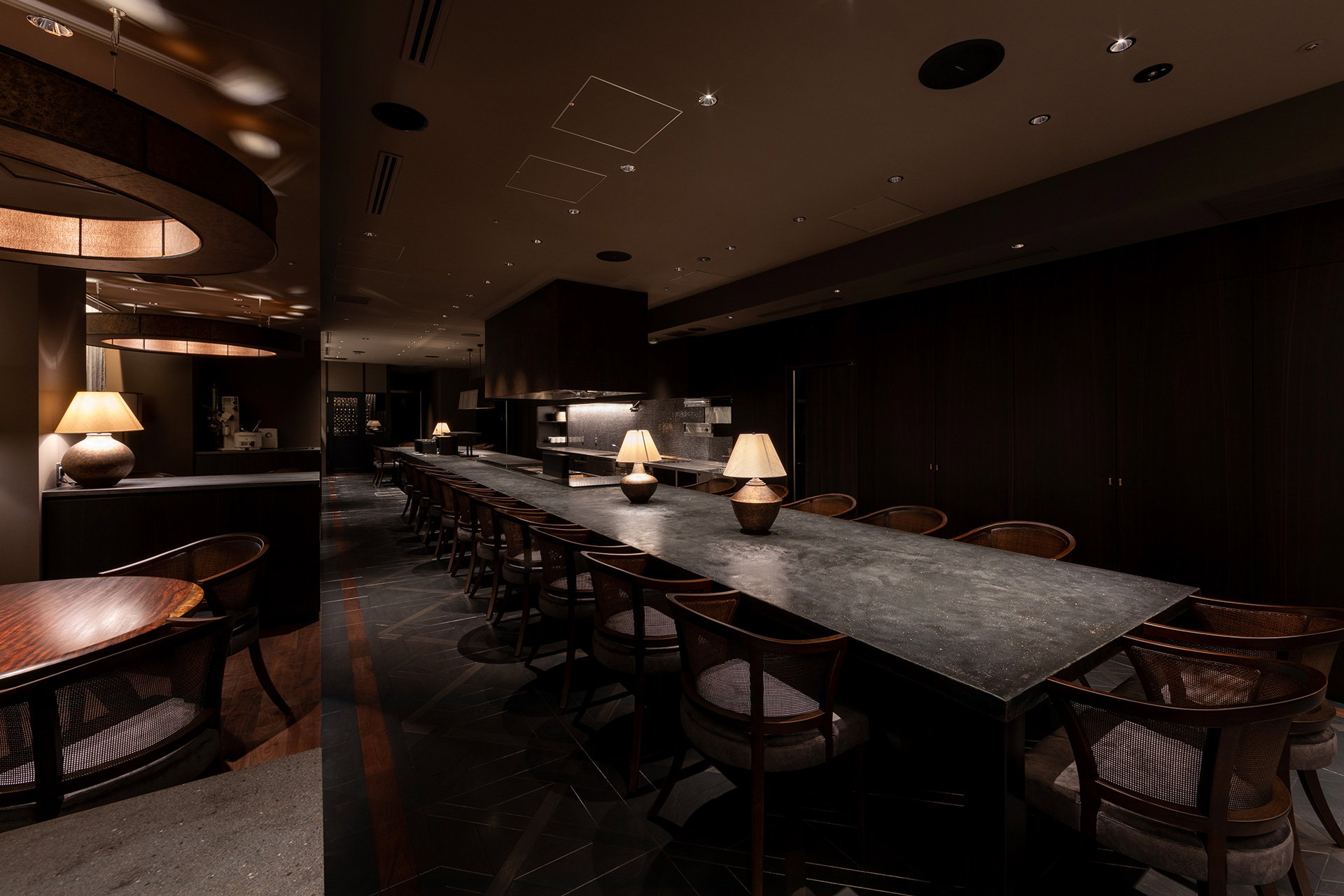
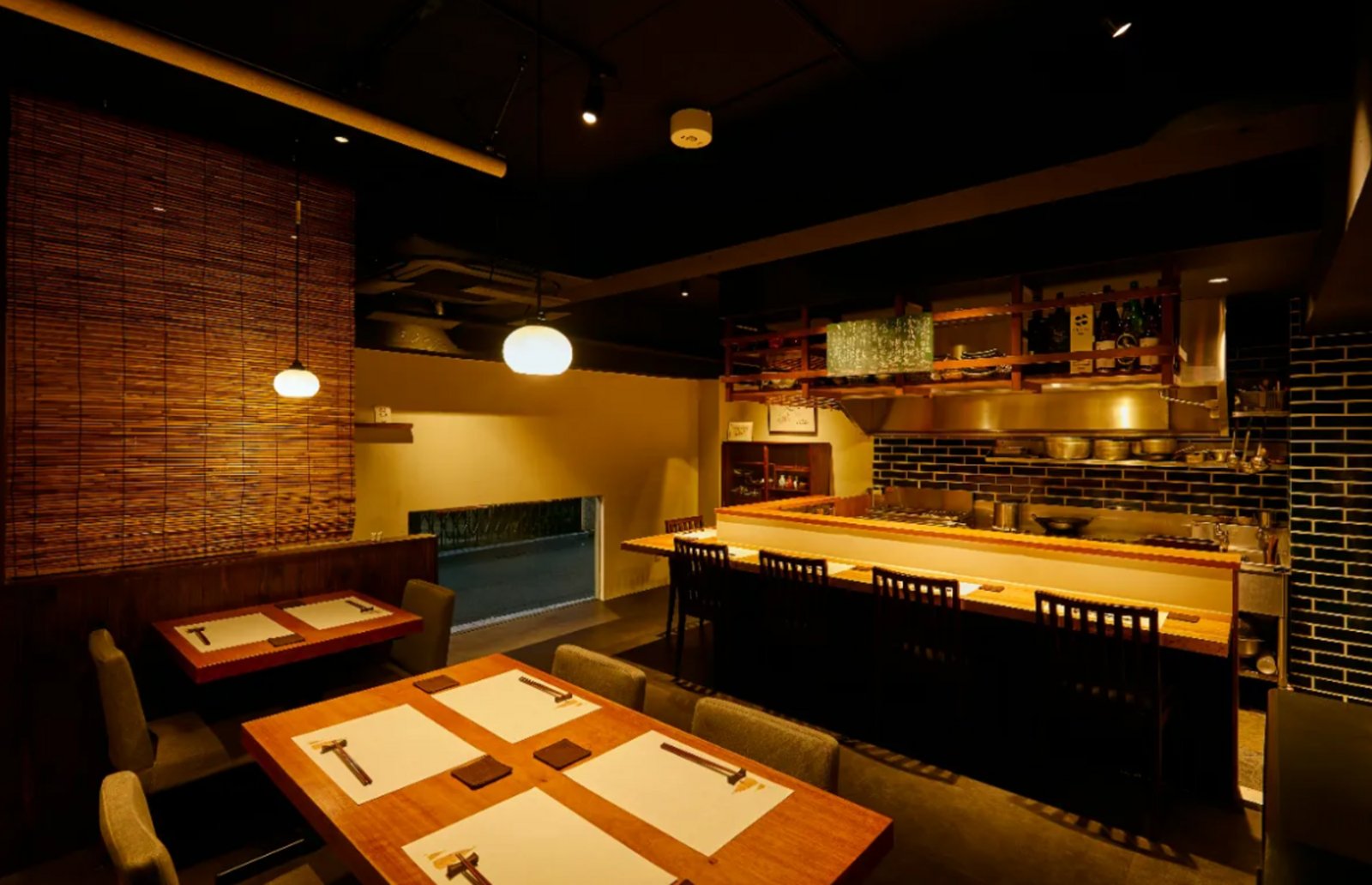
The room sits inside the Espero Building on Arakicho 16-26 in Shinjuku City, a part of Tokyo that moves at a different pace than Ginza or Roppongi. The atmosphere is quieter than either of those neighbourhoods would produce. Dinner service here does not have the background noise of a tourist-facing block or a major hotel dining room. For a conversation-driven meal, that matters. The energy reads as focused rather than social — a room for people who came to eat, not to be seen eating.
The menu's architecture is kaiseki, which means it follows a seasonal logic from start to finish. The takikomi-gohan rice dish that closes the meal is adjusted to reflect what is available, making it a useful marker of where the kitchen's seasonal thinking lands. For a returning visitor, that closing course is often where you notice what has shifted since the last visit. This is not a menu that trades on novelty for its own sake, the chef's stated commitment is to simplicity executed with care, and the Michelin Plate recognition across consecutive years confirms the kitchen is holding that standard consistently.
At the ¥¥ price level, Akebonobashi Kazu occupies a tier where the value case is clearer than it is at higher price points. Kaiseki at the ¥¥¥¥ level in Tokyo, as found at venues like RyuGin, delivers extraordinary depth but also a significant financial commitment. Here, the trade-off is scale and breadth of ingredient, you are not getting the same luxury sourcing, but the structural integrity of the meal, the sequencing and the seasonal coherence, is present. For a food-focused traveller who has already done the top-tier kaiseki experience, this is a sensible next layer to explore. For someone building familiarity with the format across a trip that might also include Kagurazaka Ishikawa or Azabu Kadowaki, Akebonobashi Kazu offers a complementary register: quieter, more contained, and more accessible on price.
The Arakicho address is worth planning around. This is not a neighbourhood with dense dining options nearby, so the meal itself is the event rather than the start of a broader evening. Tokyo explorers who like to build an itinerary around a restaurant rather than the other way around will find that framing natural. For context on what else the city offers at this tier and above, our full Tokyo restaurants guide covers the range, and if you are building a longer Japan itinerary, venues like Gion Sasaki in Kyoto, HAJIME in Osaka, or Kashiwaya Osaka Senriyama present useful comparisons across Japanese fine dining formats.
One structural note for explorers: the kaiseki format at Akebonobashi Kazu is not a brunch or casual drop-in proposition. The meal follows a set sequence, and the kitchen's seasonal orientation means the menu you encounter will reflect the time of year you visit. That seasonal attunement is part of what the Michelin Plate citation specifically flags. Visiting across different seasons, as a returning guest might, gives you a cumulative picture of how the kitchen thinks about ingredient rotation. That kind of depth is exactly what the format is designed to reward. If you are in Tokyo and have already worked through the more prominent kaiseki names, the case for adding Akebonobashi Kazu is built on that accumulated context.
For Tokyo accommodation planning while visiting venues in this part of Shinjuku, our full Tokyo hotels guide is the practical starting point. Bars and further dining options across the city are covered in our full Tokyo bars guide and our full Tokyo experiences guide. For kaiseki comparisons elsewhere in Japan, Isshisoden Nakamura in Kyoto and akordu in Nara are worth knowing about before you finalise your itinerary.
Ratings at a Glance
- Michelin Plate: 2024, 2025
- Price Range: ¥¥
- Cuisine: Japanese kaiseki
Booking
Booking difficulty is rated Easy. Given the ¥¥ price point and a Shinjuku City location that is off the main tourist circuit, Akebonobashi Kazu is more accessible than comparably recognised kaiseki venues in central Tokyo. No website or phone number is currently listed in our data, so the most practical approach is to check with your hotel concierge or use a local reservation platform such as Tableall or Pocket Concierge, both of which cover Michelin-recognised venues in Tokyo. Book at least one to two weeks ahead if you have specific dates in mind.
Know Before You Go
- Address: Espero Building 1F, Arakicho 16-26, Shinjuku City, Tokyo 〒160-0007
- Price Range: ¥¥
- Cuisine: Japanese kaiseki
- Recognition: Michelin Plate 2024 and 2025
- Booking Difficulty: Easy
- Hours: Not available, confirm before visiting
- Phone / Website: Not listed, book via concierge or Pocket Concierge
- Neighbourhood: Arakicho, Shinjuku, quieter than central Ginza or Roppongi
How It Compares
See below for the full comparison table.
Pearl Picks, Also Consider
- Myojaku, Japanese, Tokyo
- Kagurazaka Ishikawa, Kaiseki, Tokyo
- Azabu Kadowaki, Japanese, Tokyo
- Ginza Fukuju, Japanese, Tokyo
- Jingumae Higuchi, Japanese, Tokyo
- Gion Sasaki in Kyoto, Kaiseki, Kyoto
- HAJIME in Osaka, Japanese, Osaka
- Goh in Fukuoka, Japanese, Fukuoka
- 1000 in Yokohama, Japanese, Yokohama
- 6 in Okinawa, Japanese, Okinawa
Planning details
- Location
- Japan, 〒160-0007 Tokyo, Shinjuku City, Arakicho, 16−26 「エスペロビル/1F」
- Reservations
- Book on the venue's website
- Website
- akebonobashikazu.com
- Phone
- +81 3-6882-3683
The take
The Take
The Vibe
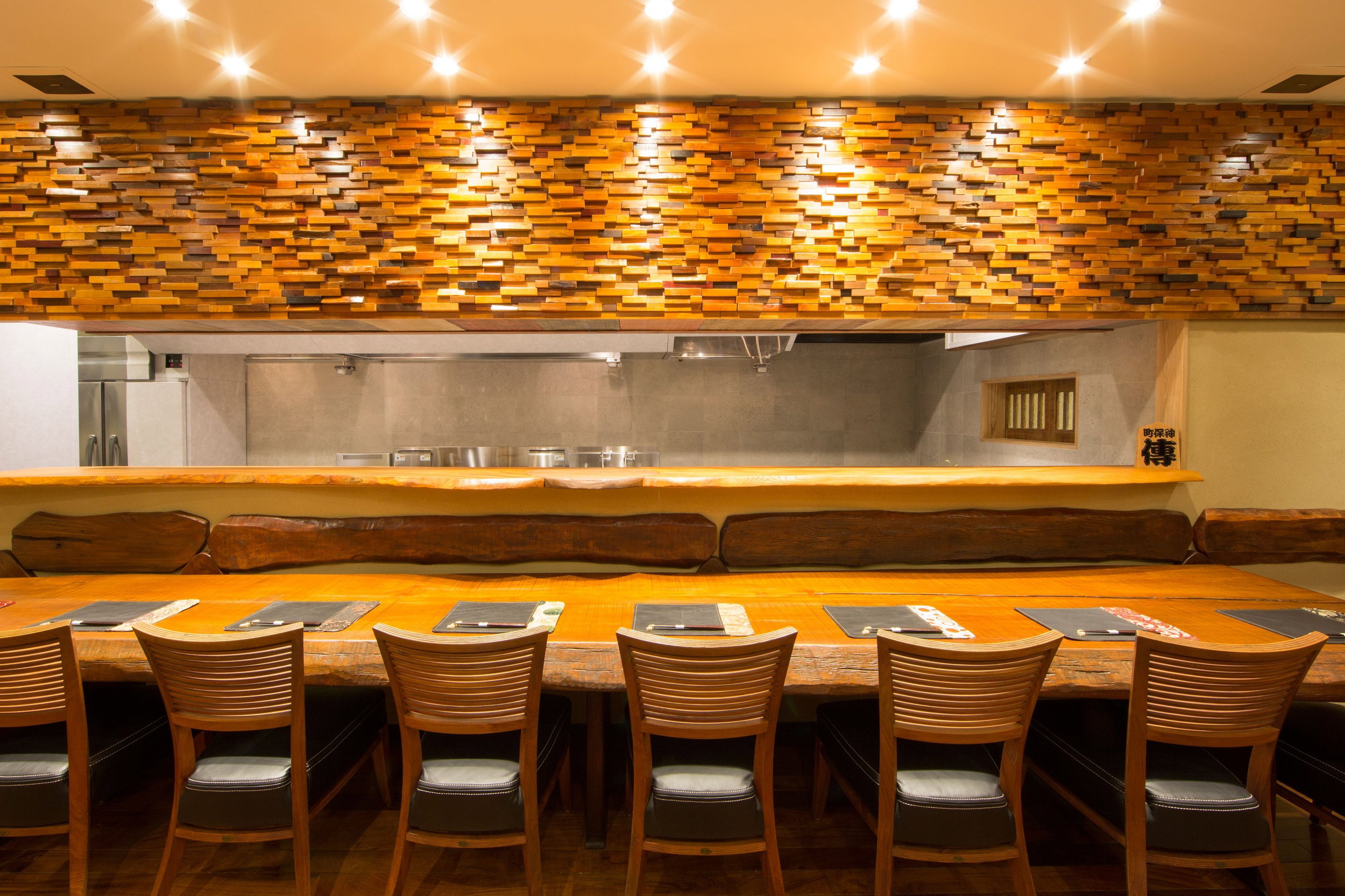
Akebonobashi Kazu sits tucked into a quiet corner of Arakicho, the kind of back-street address that makes Tokyo feel intimate and deliberate. The room is small and contained, and the design favors spare, unostentatious details over architectural spectacle. Rather than signaling ceremony before the first course, the counter-centered layout emphasizes proximity to the kitchen and a measured pace: kaiseki here loses any excess formality and reads as a focused, pared-back expression of seasonal cooking. The overall effect is quietly charming and minimalist, built for attention to the meal rather than the room.
Best For
This is a dinner destination for people who want a kaiseki sequence without the ritualized grandeur of higher-tier houses. The ¥¥ price positioning and compact counter format make it well suited to intimate dinners, quiet date nights, and solo visits where the meal itself is the focus. The kitchen follows the classical kaiseki arc — lighter courses moving toward heartier, grain-based conclusions — so guests arrive expecting a multi-course, evening-focused experience rather than a casual drop-in. It’s a refined, approachable way to taste seasonality in a restrained setting.
Ordering Tips
Treat the meal as a seasonal sequence: the kitchen stages courses from lighter, cleaner plates toward the heartier, grain-based finish. Signature items listed include squid sashimi, wagyu beef and takikomi-gohan — the latter being a natural conclusion to the kaiseki progression. Given the counter-first layout, let the sequence guide your choices rather than a la carte tinkering; the format is built around a paced progression and proximity to the working kitchen, which shapes how the menu is delivered and enjoyed.
Venue details
Ambiance
Warm and understated with a focus on personalized service in a small counter seating setting.
Tags
Vibe
Best For
Experience
At the Table
- Dress Code
- Smart Casual
- Noise Level
- Quiet
- Service Style
- Upscale Casual
- Meal Pacing
- Leisurely
- Capacity
- Intimate
- Kitchen
- Modern
- Menu Format
- Omakase
- Wine Program
- Curated
- Drinks Focus
- Sake
Signature Dishes
- squid sashimi
- wagyu beef
- takikomi-gohan
Know before you go
Know Before You Go
- Getting there
- Japan, 〒160-0007 Tokyo, Shinjuku City, Arakicho, 16−26 「エスペロビル/1F」
Planning details
Location
Japan, 〒160-0007 Tokyo, Shinjuku City, Arakicho, 16−26 「エスペロビル/1F」 · Directions
Recognition and awards
Also consider
Also Consider
- Harutaka, Sushi, ¥¥¥¥
- RyuGin, Kaiseki, Japanese, ¥¥¥¥
- L'Effervescence, French, ¥¥¥¥
- HOMMAGE, Innovtive French, French, ¥¥¥¥
- Florilège, French, ¥¥¥
Restaurant context
Akebonobashi Kazu sits at ¥¥, which immediately separates it from the rest of this comparison set. RyuGin is the benchmark kaiseki experience in Tokyo at ¥¥¥¥, longer, more theatrically presented, and built around luxury sourcing that Akebonobashi Kazu does not attempt to match. If kaiseki is your format and budget is genuinely flexible, RyuGin is the stronger overall experience. But if you want the kaiseki structure, seasonal sequencing, wanmono, charcoal grilling, rice at the close, without spending ¥¥¥¥, Akebonobashi Kazu is the more practical answer, and two consecutive Michelin Plate citations confirm it is executing that structure at a credible level.
Harutaka is a different format entirely, sushi omakase at ¥¥¥¥, so the comparison is more about category than direct competition. Choose Harutaka if sushi is the priority and you want a high-ceremony counter experience. Choose Akebonobashi Kazu if you want a full multi-course Japanese meal with kaiseki sequencing at roughly a quarter of the price. The French options in this set, L'Effervescence, HOMMAGE, and Florilège, are worth knowing about if your Tokyo trip has room for a non-Japanese tasting menu, but they are not substitutes for what Akebonobashi Kazu does. Florilège at ¥¥¥ is the closest price comparison among the French options and is a stronger room for creative cooking, but if Japanese cuisine is the explicit goal, the comparison does not hold.
For a food-focused traveller building a multi-restaurant Tokyo itinerary, the most practical split is: use Akebonobashi Kazu for a mid-week kaiseki meal where you want seasonal Japanese cooking at a sensible price, and reserve one of the ¥¥¥¥ slots in your trip for RyuGin or Harutaka depending on whether kaiseki or sushi is your priority. Akebonobashi Kazu is the easiest to book of the group, which also makes it a low-friction addition to a schedule that already has harder-to-secure reservations elsewhere.
Explore Tokyo
Around this place
Discover more on Pearl
Unlock the full Akebonobashi Kazu guide in Pearl, including awards, comparisons, FAQs, planning details, and nearby places.
Compare Akebonobashi Kazu
| Venue | Price | Booking Difficulty | Awards |
|---|---|---|---|
| Akebonobashi Kazu | ¥¥ | Easy | 2026 Michelin Plate2025 Michelin Plate2024 Michelin Plate |
| Harutaka | ¥¥¥¥ | Unknown | 2026 Tabelog Silver · #312026 OAD Top Restaurants in Japan Ranked · #1282026 Michelin 3 Stars2026 La Liste Top RestaurantsTabelog 100 - Sushi - TOKYO - 2025 · #372025 Asia's 50 Best Restaurants · #762025 OAD Top Restaurants in Japan Ranked · #1172025 La Liste Top Restaurants2025 Tabelog Bronze |
| RyuGin | ¥¥¥¥ | Unknown | 2026 OAD Top Restaurants in Japan Ranked · #802026 Tabelog Bronze · #3772026 Michelin 3 Stars2026 La Liste Top RestaurantsTabelog 100 - Japanese cuisine - TOKYO - 2025 · #212025 OAD Top Restaurants in Japan Ranked · #542025 Michelin 3 Stars2025 La Liste Top Restaurants2025 The Best Chef Three Knives |
| L'Effervescence | ¥¥¥¥ | Unknown | 2026 Tabelog Silver · #682026 OAD Top Restaurants in Japan Ranked · #103Star Wine Lists 20262026 Black Pearl 2 Diamond2026 Relais Chateaux Restaurants2026 La Liste Top Restaurants2026 Michelin 3 Stars2025 Asia's 50 Best Restaurants · #692025 OAD Top Restaurants in Japan Ranked · #92 |
| HOMMAGE | ¥¥¥¥ | Unknown | 2026 Tabelog Bronze · #1232026 OAD Top Restaurants in Japan Highly Recommended2026 Michelin 2 StarsTabelog 100 - French - TOKYO - 2025 · #762025 Asia's 50 Best Restaurants · #782025 OAD Top Restaurants in Japan Ranked · #1752025 Michelin 2 Stars2025 The Best Chef One Knife2025 La Liste Top Restaurants |
| Florilège | ¥¥¥ | Unknown | 2026 Asia's 50 Best Restaurants · #312026 Tabelog Bronze · #712026 OAD Top Restaurants in Japan Ranked · #1242026 Black Pearl 1 Diamond2026 Michelin 2 Stars2026 La Liste Top Restaurants2025 Asia's 50 Best Restaurants · #172025 World's 50 Best Restaurants · #36Tabelog 100 - French - TOKYO - 2025 · #68 |













A quick look at how Akebonobashi Kazu measures up.
FAQ
Frequently Asked Questions
Can I eat at the bar at Akebonobashi Kazu?
Counter seating is the format at most kaiseki restaurants of this scale in Tokyo, and Akebonobashi Kazu fits that mould. Given the intimate Arakicho address and the chef-led service structure, a counter experience is the likely setup. Specific seating configuration details are not in the available record, so confirm directly when booking.
How far ahead should I book Akebonobashi Kazu?
Book at least one to two weeks out. Akebonobashi Kazu carries a Michelin Plate recognition and sits in a quieter Shinjuku City neighbourhood off the main tourist circuit, which keeps demand more manageable than flagship kaiseki destinations like RyuGin or Harutaka. That said, the ¥¥ price point makes it attractive to locals and savvy visitors, so same-week availability is not guaranteed.
Is the tasting menu worth it at Akebonobashi Kazu?
Yes, particularly at the ¥¥ price point. The kaiseki sequence moves through wanmono with fishcake broth, seasonal charcoal-grilled fish, and takikomi-gohan to close — a complete kaiseki arc without the premium pricing of a three-Michelin-star room. If you want a more experimental kaiseki experience, Florilège or L'Effervescence offer a different register, but Akebonobashi Kazu is the stronger call for traditional form at a fair price.
Can Akebonobashi Kazu accommodate groups?
Small groups of two to four are the practical fit for a venue of this type. Kaiseki counters in Tokyo rarely seat large parties, and the Arakicho address suggests an intimate room. Groups of six or more should approach with caution and confirm capacity directly before booking.
Is Akebonobashi Kazu worth the price?
At ¥¥, it is one of the stronger value cases for Michelin-recognised kaiseki in Tokyo. The menu covers the full kaiseki progression — seasonal grilled fish, wanmono, and takikomi-gohan — with genuine attention to detail rather than a simplified set menu. Compared to RyuGin or Harutaka, where prices climb significantly higher, Akebonobashi Kazu gives you a credentialled kaiseki experience without the financial commitment.
What should a first-timer know about Akebonobashi Kazu?
The address in Arakicho, Shinjuku City is not on the tourist trail, so build in time to find it — the Espero Building, 1F is the landmark to look for. The format is traditional kaiseki with creative touches rather than a modernised tasting menu, so come expecting quiet sequence and restraint over theatrical plating. A Michelin Plate in both 2024 and 2025 confirms the kitchen is operating at a consistent standard.
What should I order at Akebonobashi Kazu?
The menu is set kaiseki, so ordering is not the question — the kitchen decides the sequence. The charcoal-grilled seasonal fish and the closing takikomi-gohan are the dishes the venue's own record singles out as signatures. Arrive hungry: kaiseki courses are paced and multiple, and the meal is designed to be eaten in full.