Restaurant in Tokyo, Japan
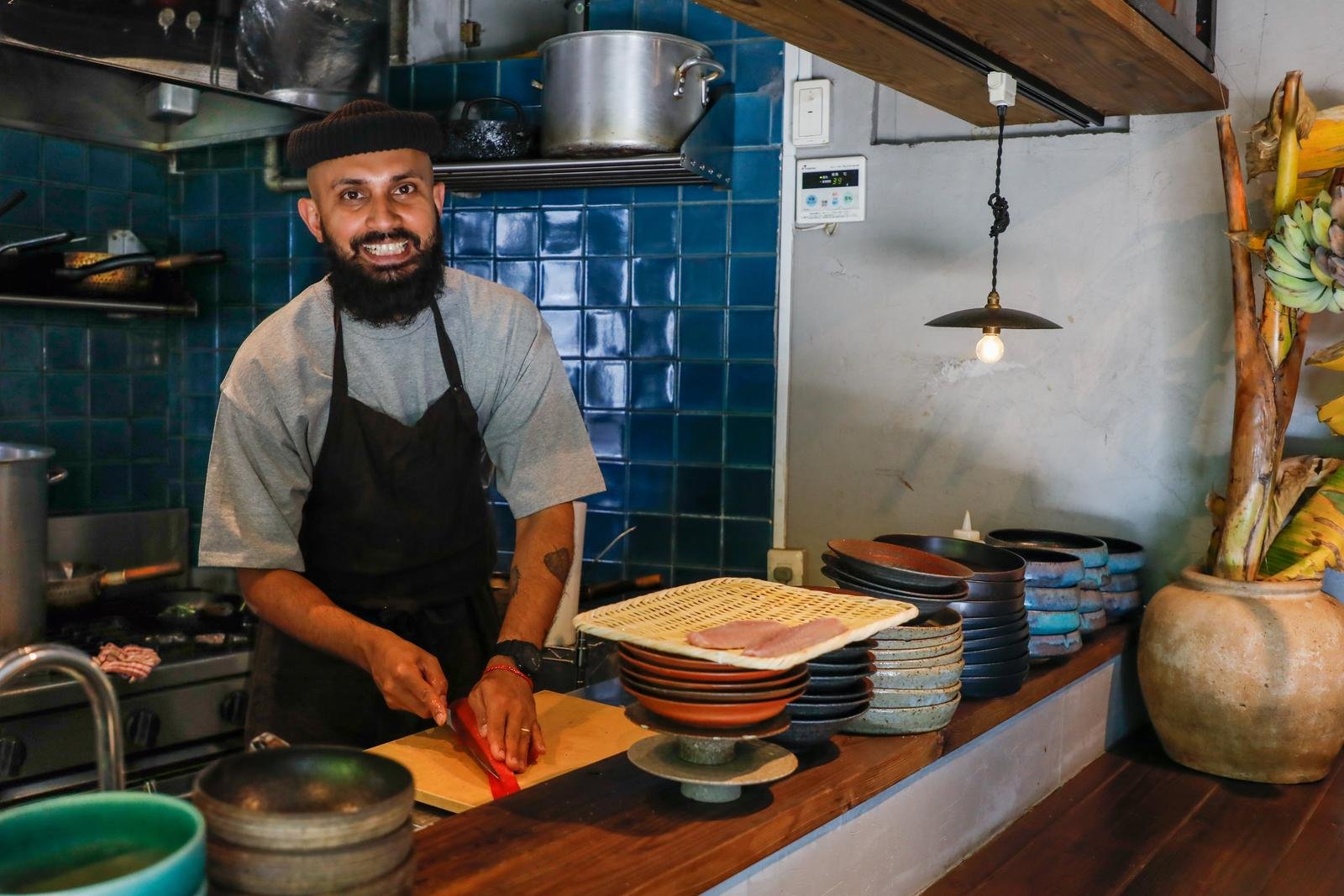
岸 sits in a quiet corner of Jingumae, Shibuya, inside the Japan Architects Association building — an address that signals considered, low-profile dining rather than high-street visibility. Booking is easy, but cuisine type and price are unconfirmed, so verify the format directly before committing an evening. For explorers comfortable with some ambiguity, it is worth investigating; for a guaranteed special-occasion dinner, start with a better-documented Tokyo alternative.
Getting a table at 岸 is easy enough that booking anxiety should not be your reason for hesitation. The harder question is whether the experience delivers once you are there. With almost no public data on price, cuisine type, or awards, this is a venue that keeps a low profile in Jingumae, Shibuya — which, in Tokyo's dining context, can mean a neighbourhood gem operating below the radar or simply a place that has not yet built a trackable reputation. For explorers willing to do some legwork, that ambiguity is part of the appeal. For those who want certainty before committing an evening, lean toward a more documented alternative first.
岸 sits inside the Japan Architects Association JIA building in Jingumae 2-chome, a quiet pocket of Shibuya that sits between the commercial intensity of Omotesando and the residential calm further north. The address places it in one of Tokyo's most design-conscious neighbourhoods, where the physical space often carries as much weight as the menu. Without confirmed seating data, it is reasonable to expect a room that reflects the understated architectural character of its host building — compact, considered, and unlikely to be loud after 10 PM. If intimacy and spatial calm matter to you when choosing a Tokyo dinner, the address itself is a reasonable signal.
Because cuisine type, price range, and chef details are not publicly confirmed in Pearl's database, direct comparisons on food quality are not possible here. What is clear is that the Jingumae location puts 岸 within easy reach of the broader Harajuku and Omotesando dining corridor, where options range from Harutaka at the leading of Tokyo's sushi tier to more approachable neighbourhood spots. If you are building a Tokyo itinerary around dining, cross-reference 岸 against venues where the format and price are confirmed before building your night around it.
On the question of takeout and delivery: Tokyo's higher-end restaurant culture generally does not prioritise off-premise formats, and without specific confirmation that 岸 offers delivery or packaged takeout, assume the experience is designed for in-room dining. If food that travels well is your priority, Tokyo has a developed bento and prepared-food culture that serves that need better than most restaurant kitchens operating at this address tier. Venues like Den have occasionally offered playful takeout formats, but that is the exception in this category, not the rule.
For a fuller picture of what Tokyo's dining scene offers across price points and styles, see our full Tokyo restaurants guide. If you are planning beyond dinner, our Tokyo hotels guide, bars guide, and experiences guide cover the broader trip. Further afield, HAJIME in Osaka, Gion Sasaki in Kyoto, and akordu in Nara are worth adding to a Japan itinerary if you are moving between cities.
Without confirmed cuisine type or price data for 岸, direct like-for-like comparison is not direct. What is useful is framing where it sits geographically and conceptually relative to Tokyo's better-documented options. If you are looking for a confirmed high-end experience in the same Shibuya-adjacent zone, L'Effervescence delivers a French fine-dining format with a strong sustainability-driven kitchen and a well-established reputation. Sézanne offers a similar French anchor with arguably more international recognition. Both are easier to evaluate before booking because the format, price, and reviews are public.
For Japanese formats at the top tier, RyuGin is the kaiseki reference point in Tokyo , technically precise, well-documented, and worth the price for anyone who wants seasonal Japanese cuisine at its most rigorous. Harutaka holds a similar position in sushi. If you want innovation within a Japanese framework at a slightly lower price point, Crony is worth considering for its French-Japanese crossover approach.
The honest advice for 岸 specifically: because booking is easy, there is no urgency to lock it in before you have confirmed what you are getting. Use the lower booking pressure as an advantage , research the current format closer to your travel date, then decide. If you are building a special-occasion dinner itinerary for Tokyo and need certainty now, book one of the documented alternatives above first and keep 岸 as a flexible addition once you have verified the details on the ground.
Keep this venue in your Pearl passport, rate it after you visit, and track it alongside every other place you collect.