.png?width=1200&quality=80)
124. KAGURAZAKA
Yakitori · Shinjuku, Tokyo
Restaurant in Tokyo, Japan
 Book with Pearl
The Read
Structured Yakitori Omakase
Price
¥¥
Dress
Smart Casual
Why go
A Michelin Plate-recognised yakitori omakase counter in Kagurazaka, Tokyo, running at ¥¥ pricing. The structured omakase opens with chicken heart, sequences sake-friendly vegetable and tofu courses through the meal, and closes with chicken broth ramen. One of Tokyo's better-value formally recognised yakitori counters, with Easy booking difficulty. Best for food-focused diners who want counter-seat access to the grill.
About 124. KAGURAZAKA
A Michelin-Recognised Yakitori Counter in Kagurazaka Worth Booking
The meal begins with a single chicken heart skewer. It is not an accident of sequencing — it is a deliberate statement of intent. The deep, rich flavour of that first bite at 124. KAGURAZAKA tells you immediately what kind of counter this is: one that leads with confidence rather than crowd-pleasing approachability. If you are looking for a yakitori omakase that earns its Michelin Plate recognition through considered structure and genuine flavour logic rather than spectacle, this Shinjuku City counter is worth your time.
124. KAGURAZAKA holds Michelin Plate recognition in both 2024 and 2025, placing it firmly within the tier of Tokyo restaurants that reviewers consider technically sound and worth a special trip. At a ¥¥ price range, it represents one of the more accessible entry points into formally recognised yakitori dining in Tokyo — a city where Michelin-acknowledged yakitori counters frequently run ¥¥¥ or higher. That combination of credential and price point is the core reason to book here over less-documented alternatives.
The Omakase Structure: Why the Counter Matters
The omakase format at 124. KAGURAZAKA is structured with deliberate pacing. The chicken heart opening is followed by norimaki, bite-size chicken tenderloin wrapped in nori seaweed, which shifts the register from the intensity of offal to something cleaner and more delicate. Cooked vegetable salads and deep-fried tofu appear across the meal, functioning as palate punctuation between skewer courses rather than as afterthoughts. These vegetable and tofu intervals are worth paying attention to: they vary the tone meaningfully and, crucially, pair well with sake, making beverage pairing a legitimate part of the experience rather than an optional extra.
The meal closes with ramen in chicken broth, served in dragon-pattern bowls with nori. The nostalgic framing is intentional, this is a counter that uses its closing course to create a sense of completion rather than simply ending the meal. For food enthusiasts who read structural narrative into tasting menus, that kind of sequencing signals a kitchen that thinks about the full arc of a sitting, not just individual skewers in isolation.
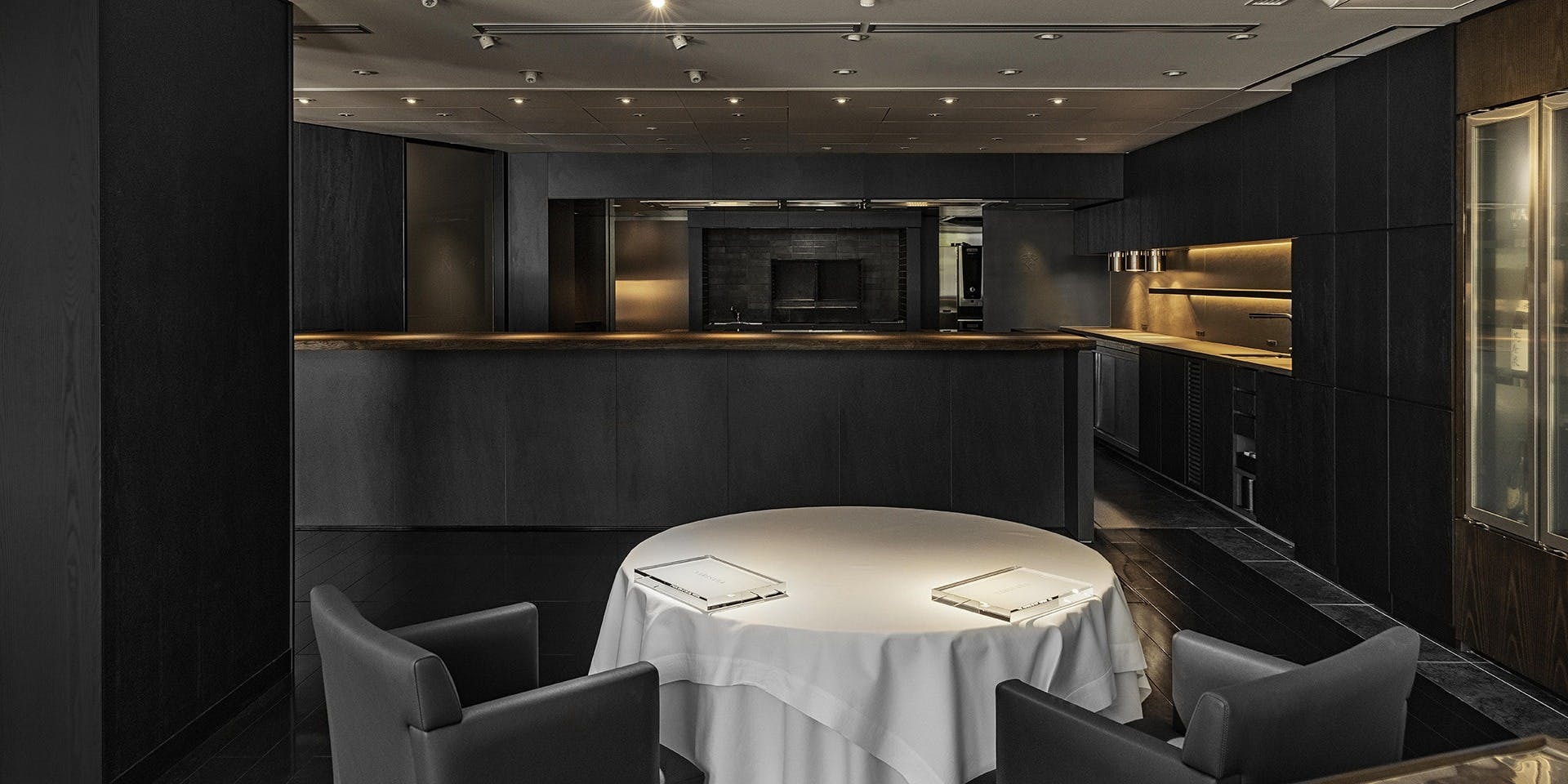
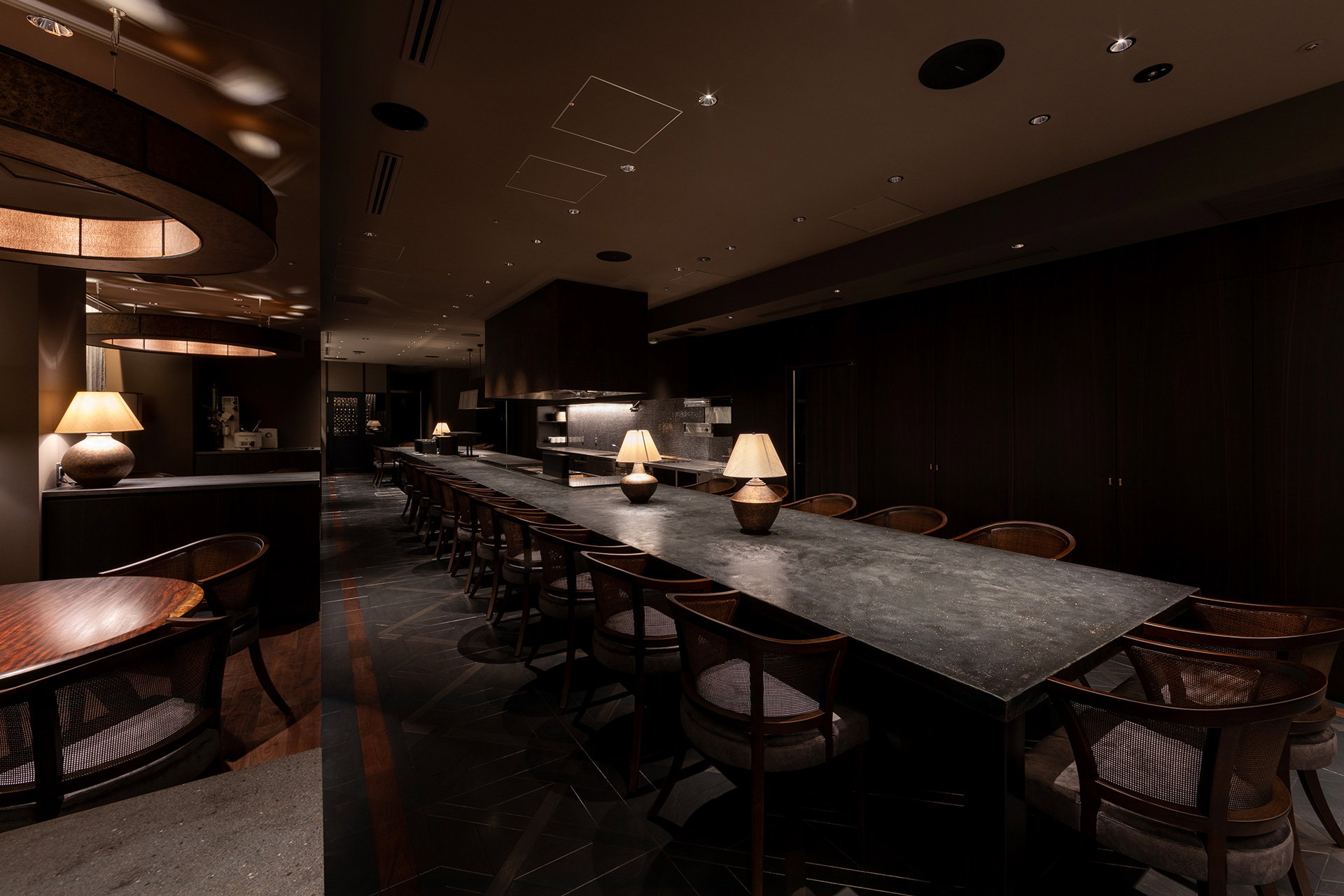
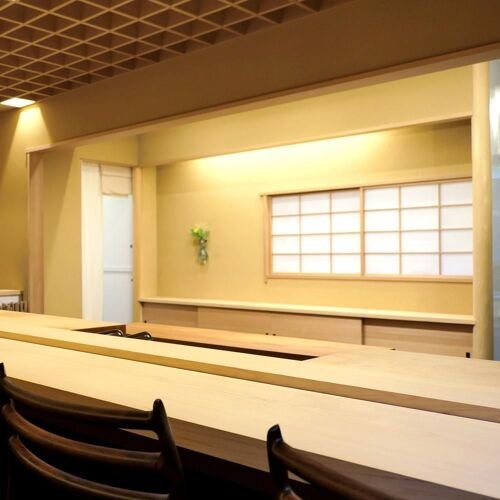
Counter format itself is central to the 124. KAGURAZAKA experience. Sitting directly across from the grill gives you visual access to timing, heat management, and the physical process of yakitori in a way that table seating cannot replicate. This is not incidental atmosphere, it is information. You see what is being prepared, in what order, and at what pace. For a food-focused diner, the counter at a well-run yakitori-ya is the only seat worth taking, and 124. KAGURAZAKA's omakase is built around that format.
The Name, the Address, the Details
Name is a double reference: both the shop's address (Wakamiyacho 12-4, Shinjuku City) and the birthday of a member of staff. That kind of deliberate, personal detail embedded in the brand signals the kind of operation this is, small, considered, and not optimising for scale. The restaurant is located on the third floor of the Fillpark Kagurazaka Wakamiya building, which means first-time visitors should confirm the entrance before arrival, as third-floor counters in Tokyo residential-commercial buildings are easy to walk past.
Kagurazaka as a neighbourhood context matters for timing. The area draws a mix of local regulars and international visitors, particularly in the evenings. It is not a tourist-heavy stretch in the way that Shinjuku station precincts are, which keeps the atmosphere quieter and more neighbourhood-focused. For a counter meal requiring attention and some degree of quiet, Kagurazaka is a better base than the louder yakitori strips around Yurakucho or Shimbashi. If you are planning a broader Tokyo evening, pairing 124. KAGURAZAKA with the area's sake bars and traditional streets makes more sense than combining it with a late-night Shinjuku itinerary.
On booking difficulty: the rating is Easy, which is notable for a Michelin-recognised counter. Book as far in advance as practical, a week to ten days ahead should be sufficient in most cases, but do not treat that as a reason to delay. Counter seats at small Tokyo yakitori-ya fill on short timelines when word spreads, and the absence of a website or listed phone number in current records means the booking channel may be in-person or through a hotel concierge. If you are arriving from outside Tokyo, ask your accommodation to assist.
How 124. KAGURAZAKA Compares in Tokyo's Yakitori Landscape
For yakitori-focused diners building a Tokyo itinerary, the relevant comparisons are within the genre. BIRD LAND in Ginza is the benchmark premium yakitori counter in Tokyo, operating at a higher price point and with a longer reputation. Asagaya BIRD LAND offers a comparable experience in a different neighbourhood. Yakitori Omino, Aramaki, and Chataro are all worth considering depending on your preferred neighbourhood and price tolerance. The case for 124. KAGURAZAKA specifically is the Michelin Plate credentialing at ¥¥ pricing, if recognition matters to your decision and budget is a consideration, this is the counter that makes the most sense at this price tier.
If your Japan trip extends beyond Tokyo, the yakitori category is well-served at Torisaki in Kyoto and Torisho Ishii in Osaka for regional comparisons. For a broader view of Japan's fine dining scene, HAJIME in Osaka, Gion Sasaki in Kyoto, and akordu in Nara represent the upper tier of regional Japanese dining worth planning around. See our full Tokyo restaurants guide for the complete picture, or explore our Tokyo hotels guide, bars guide, and experiences guide to build out the rest of your trip.
Know Before You Go
- Cuisine: Yakitori omakase
- Price range: ¥¥
- Address: Fillpark Kagurazaka Wakamiya 3F, Wakamiyacho 12-4, Shinjuku City, Tokyo
- Awards: Michelin Plate 2024, Michelin Plate 2025
- Booking difficulty: Easy, book 7–10 days ahead; no listed website or phone; try hotel concierge or in-person
- Ideal time to visit: Weekday evenings for the quietest counter experience; Kagurazaka is less crowded mid-week
- Format: Omakase counter; counter seating is the core experience
- Dress code: Not specified; smart casual is appropriate for a Michelin-recognised counter at this price tier
- Sake pairing: The menu is structured with sake pairing in mind, vegetable and tofu courses are sequenced to complement sake orders
FAQ: 124. KAGURAZAKA
- What should a first-timer know about 124. KAGURAZAKA? The restaurant is on the third floor of the Fillpark Kagurazaka Wakamiya building, locate the entrance before your booking time. The format is omakase: no menu choices, and the kitchen controls pacing. The meal opens with chicken heart and closes with chicken broth ramen, so arrive knowing the full run time is part of the experience. At ¥¥ with Michelin Plate recognition, it is one of the better-value formal yakitori options in Tokyo.
- Is the tasting menu worth it at 124. KAGURAZAKA? Yes, at ¥¥ pricing with two consecutive Michelin Plate recognitions. The omakase structure has genuine logic: offal-forward opening, nori-wrapped tenderloin, vegetable and tofu courses designed to pair with sake, and a closing ramen course. That is more considered sequencing than most counters at this price. For a comparable level of structure at BIRD LAND or premium yakitori counters, expect to pay significantly more.
- Is 124. KAGURAZAKA worth the price? At ¥¥, yes. Michelin Plate recognition at this price tier is the core value argument. You are getting a formally recognised omakase counter with deliberate course structure for less than most Tokyo yakitori-ya with equivalent credentials charge. If budget is not a constraint and you want the most celebrated yakitori in Tokyo, BIRD LAND runs higher and has a longer track record, but 124. KAGURAZAKA is the better call on value.
- Is 124. KAGURAZAKA good for a special occasion? It works well for a food-focused occasion where the meal itself is the event, an anniversary dinner for two diners who both eat meat and are interested in yakitori as a format. It is not the right choice if your guest needs vegetarian options or prefers a more formal, white-tablecloth setting. For larger group celebrations, the counter format limits flexibility. Consider RyuGin or L'Effervescence if the occasion demands a grander room.
- Can I eat at the bar at 124. KAGURAZAKA? The omakase format is counter-based, so counter seating is standard rather than optional. This is central to the experience, the counter position gives you direct sight lines to the grill and access to the pacing of the meal as it unfolds. If you prefer table seating at a distance from the kitchen, this counter format may not suit you.
- What should I wear to 124. KAGURAZAKA? No dress code is listed, but smart casual is appropriate. At a Michelin Plate counter in Kagurazaka, overly casual clothing (sportswear, shorts) would be out of place. A clean, neat outfit is sufficient, this is not a black-tie environment, but it is a considered dining room.
- Does 124. KAGURAZAKA handle dietary restrictions? The omakase format is chicken-centric and structured around a fixed sequence, which means significant dietary restrictions (vegetarian, vegan, severe poultry allergies) cannot be accommodated in practice. No specific allergy or dietary policy is listed. Contact the restaurant directly before booking if you have requirements, the kitchen's ability to adapt a structured omakase is limited by design.
- What are alternatives to 124. KAGURAZAKA in Tokyo? For yakitori specifically: BIRD LAND is the premium benchmark at a higher price; Yakitori Omino, Aramaki, and Chataro are strong alternatives depending on location and budget. For a broader Tokyo fine dining comparison, see our full Tokyo restaurants guide. Outside Tokyo, Torisaki in Kyoto and Torisho Ishii in Osaka are the relevant regional yakitori comparisons.
Planning details
- Location
- Japan, 〒162-0827 Tokyo, Shinjuku City, Wakamiyacho, 12-4 フィルパーク神楽坂若宮 3階
- Website
- 124-kagurazaka.com
- Phone
- +81 3-4400-2124
The take
The Take
The Vibe
124. KAGURAZAKA presents yakitori as a carefully staged ritual. It sits on the third floor of a low-key residential building in Kagurazaka, a neighbourhood defined by narrow stone lanes and a geisha-quarter past, which gives the place a quietly historic, tucked-away character. Rather than the standing-bar energy, the kitchen follows a counter-omakase logic—fixed sequence, deliberate pacing and a house philosophy about which cut begins the meal. The result feels measured and refined: small rooms and close counter service produce an intimate, classic dining experience that privileges technique and timing over spectacle.
Best For
This is a spot for focused evening dining. The counter-omakase format and disciplined pacing make it especially appropriate for solo diners who want a seat at the action, and for couples or small parties seeking a quietly special dinner. Given its placement in Kagurazaka’s fine-dining fabric and its Michelin Plate recognitions, it also works for modest celebratory evenings where precision and consistency matter more than flashy production. Reservations at the counter are the clearest way to experience the kitchen’s intent.
Ordering Tips
The kitchen sequences the meal deliberately—treat the service as an omakase and follow the chef’s progression. Expect yakitori presented in a fixed order that highlights different cuts and techniques; the house philosophy determines which skewer opens the sequence. Signature items include chicken heart skewers, fried tofu and Date chicken skewers, and the menu culminates in comforting elements like chicken-broth ramen. Because the format is counter-driven and intimate, leave ordering to the staff and allow for the set rhythm rather than assembling à la carte substitutions.
Venue details
Ambiance
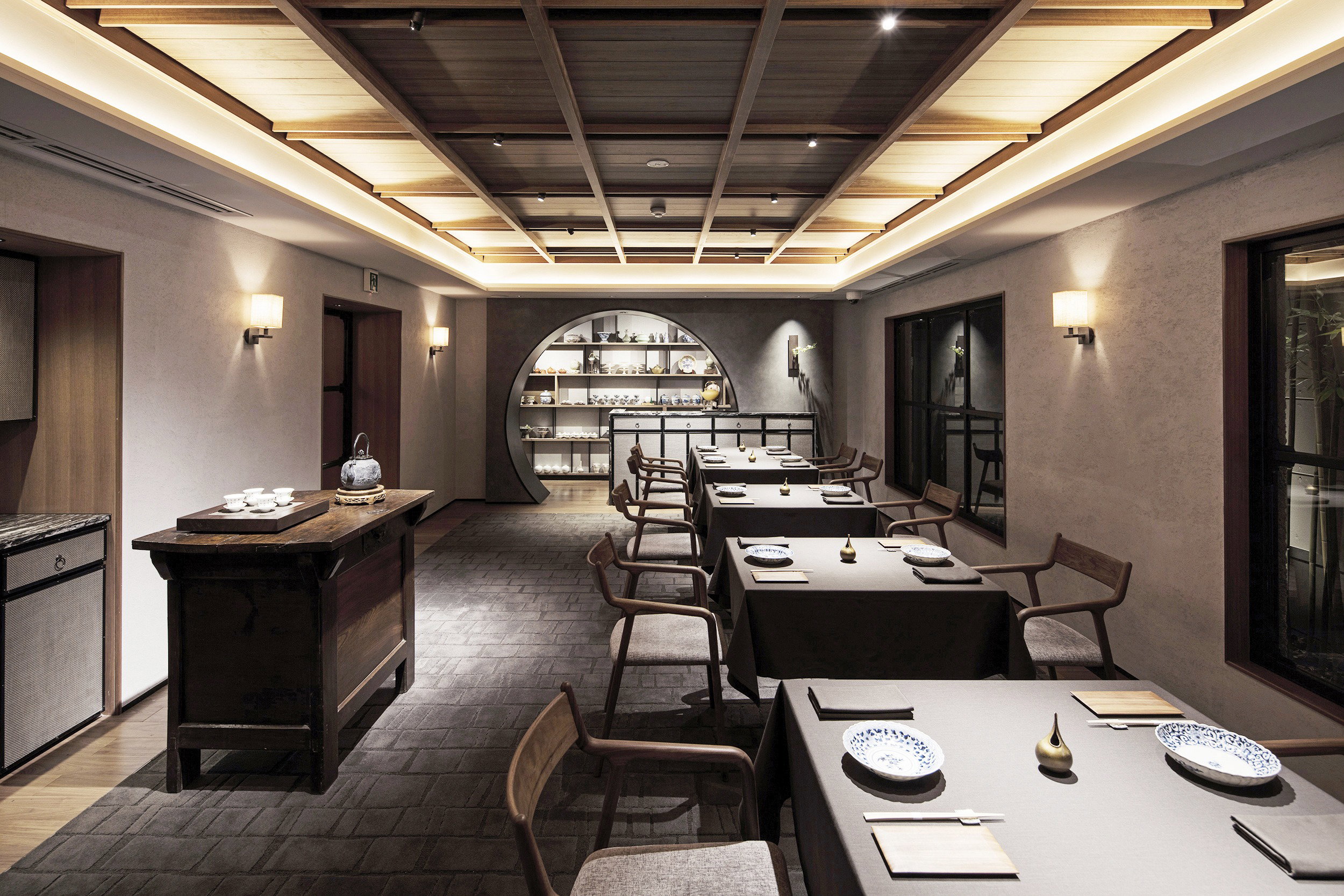
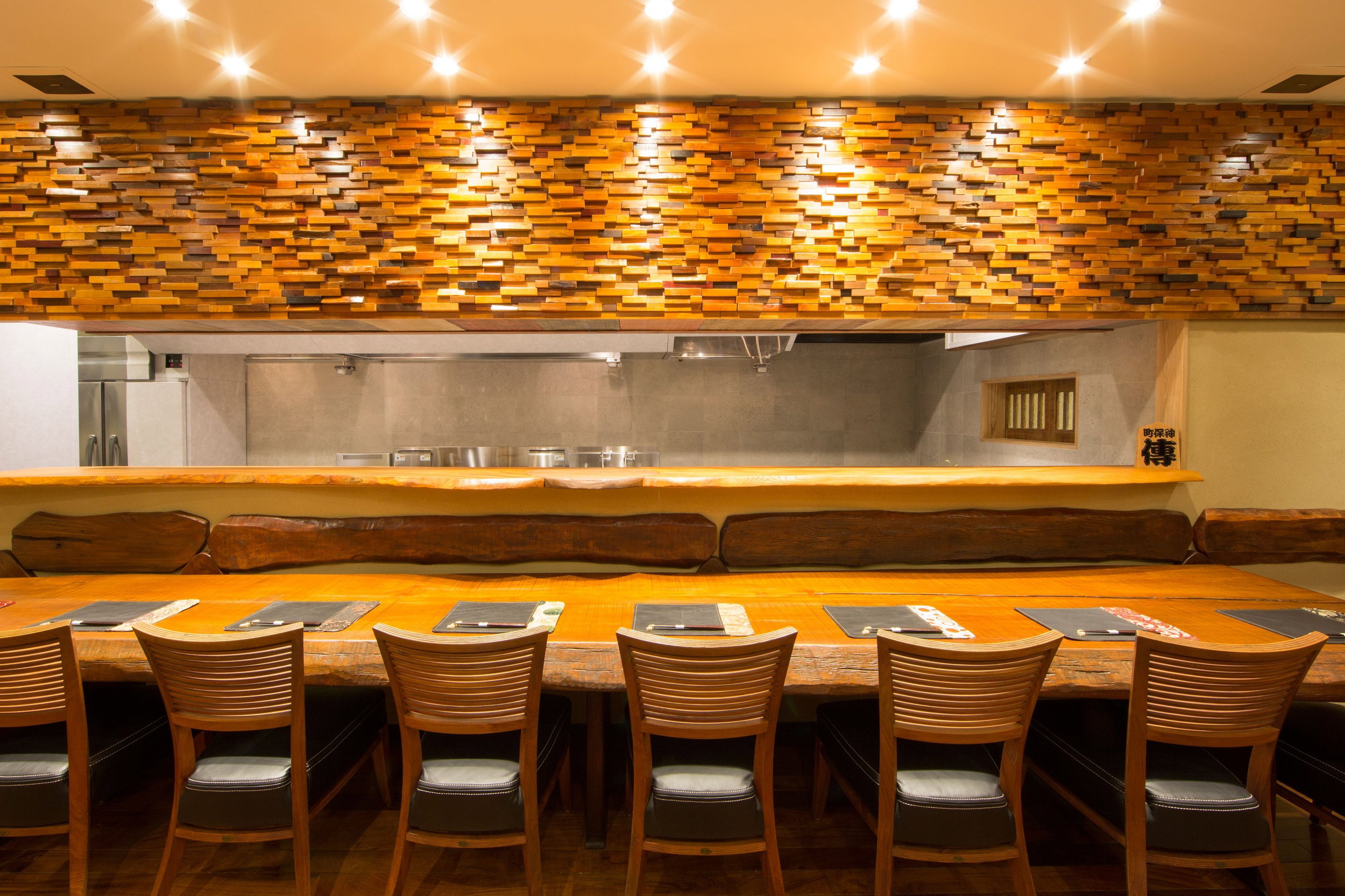
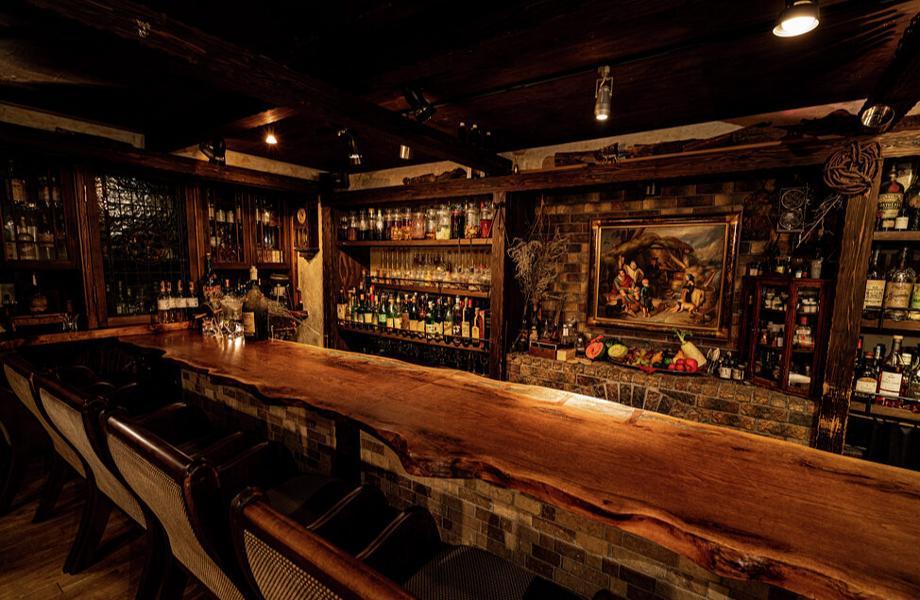
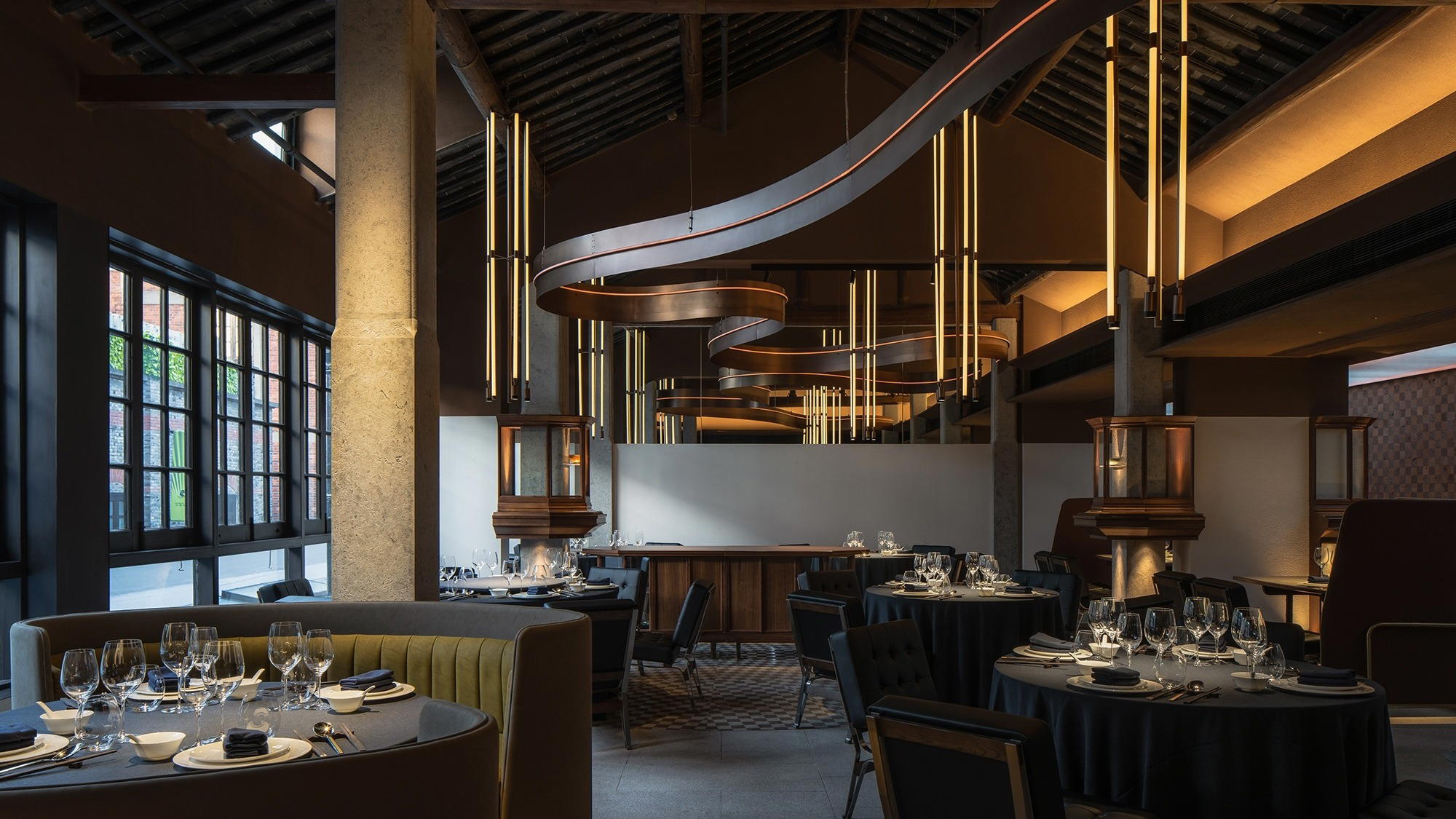
Warm wooden decor and soft lighting create a cozy yet sophisticated atmosphere.
Tags
Vibe
Best For
Experience
Accessibility
At the Table
- Dress Code
- Smart Casual
- Noise Level
- Quiet
- Service Style
- Upscale Casual
- Meal Pacing
- Leisurely
- Capacity
- Intimate
Signature Dishes
- chicken heart skewer
- fried tofu
- Date chicken skewers
- chicken broth ramen
Know before you go
Know Before You Go
- Getting there
- Japan, 〒162-0827 Tokyo, Shinjuku City, Wakamiyacho, 12-4 フィルパーク神楽坂若宮 3階
Planning details
Location
Japan, 〒162-0827 Tokyo, Shinjuku City, Wakamiyacho, 12-4 フィルパーク神楽坂若宮 3階 · Directions
Recognition and awards
Also consider
Also Consider
- Harutaka, Sushi, ¥¥¥¥
- RyuGin, Kaiseki, Japanese, ¥¥¥¥
- L'Effervescence, French, ¥¥¥¥
- HOMMAGE, Innovtive French, French, ¥¥¥¥
- Florilège, French, ¥¥¥
Restaurant context
124. KAGURAZAKA sits in a different category from most of the obvious Tokyo dinner comparisons. Harutaka and RyuGin are both ¥¥¥¥ operations in entirely different genres, sushi omakase and kaiseki respectively, and while both are worth planning a trip around, they answer a different question than 124. KAGURAZAKA does. If your Tokyo evening is specifically about yakitori as a format, the ¥¥¥¥ comparison set is largely irrelevant. The relevant competition is within yakitori, where BIRD LAND remains the highest-credentialed name at a higher price, and where 124. KAGURAZAKA's Michelin Plate recognition at ¥¥ makes it the more accessible formal option.
Florilège at ¥¥¥ and the ¥¥¥¥ French options, L'Effervescence and HOMMAGE, are the right comparisons if you are deciding between yakitori and a French tasting menu for a Tokyo special-occasion dinner. L'Effervescence and HOMMAGE both offer grander rooms and more elaborate service at significantly higher spend. If formality and room scale matter, those counters win. If you want a tightly structured, intimate counter meal where the food itself is the focus and the bill does not require justification to a travelling companion, 124. KAGURAZAKA is the stronger practical choice at its price point.
For diners building a full Tokyo itinerary who want to try multiple restaurant categories, 124. KAGURAZAKA's ¥¥ positioning means it fits alongside a higher-spend booking elsewhere in the trip without breaking the overall budget. Pair it with a ¥¥¥¥ sushi or kaiseki dinner on a separate evening rather than treating it as a substitute. The two experiences answer different questions about Tokyo dining, and at this price, you can do both.
Explore Tokyo
Around this place
Discover more on Pearl
Unlock the full 124. KAGURAZAKA guide in Pearl, including awards, comparisons, FAQs, planning details, and nearby places.
Compare 124. KAGURAZAKA
| Venue | Awards | Price |
|---|---|---|
| 124. KAGURAZAKA | 2026 Michelin Plate2025 Michelin Plate2024 Michelin Plate | ¥¥ |
| Harutaka | 2026 Tabelog Silver · #312026 OAD Top Restaurants in Japan Ranked · #1282026 Michelin 3 Stars2026 La Liste Top RestaurantsTabelog 100 - Sushi - TOKYO - 2025 · #372025 Asia's 50 Best Restaurants · #762025 OAD Top Restaurants in Japan Ranked · #1172025 La Liste Top Restaurants2025 Tabelog Bronze | ¥¥¥¥ |
| RyuGin | 2026 OAD Top Restaurants in Japan Ranked · #802026 Tabelog Bronze · #3772026 Michelin 3 Stars2026 La Liste Top RestaurantsTabelog 100 - Japanese cuisine - TOKYO - 2025 · #212025 OAD Top Restaurants in Japan Ranked · #542025 Michelin 3 Stars2025 La Liste Top Restaurants2025 The Best Chef Three Knives | ¥¥¥¥ |
| L'Effervescence | 2026 Tabelog Silver · #682026 OAD Top Restaurants in Japan Ranked · #103Star Wine Lists 20262026 Black Pearl 2 Diamond2026 Relais Chateaux Restaurants2026 La Liste Top Restaurants2026 Michelin 3 Stars2025 Asia's 50 Best Restaurants · #692025 OAD Top Restaurants in Japan Ranked · #92 | ¥¥¥¥ |
| HOMMAGE | 2026 Tabelog Bronze · #1232026 OAD Top Restaurants in Japan Highly Recommended2026 Michelin 2 StarsTabelog 100 - French - TOKYO - 2025 · #762025 Asia's 50 Best Restaurants · #782025 OAD Top Restaurants in Japan Ranked · #1752025 Michelin 2 Stars2025 The Best Chef One Knife2025 La Liste Top Restaurants | ¥¥¥¥ |
| Florilège | 2026 Asia's 50 Best Restaurants · #312026 Tabelog Bronze · #712026 OAD Top Restaurants in Japan Ranked · #1242026 Black Pearl 1 Diamond2026 Michelin 2 Stars2026 La Liste Top Restaurants2025 Asia's 50 Best Restaurants · #172025 World's 50 Best Restaurants · #36Tabelog 100 - French - TOKYO - 2025 · #68 | ¥¥¥ |













Comparing your options in Tokyo for this tier.
FAQ
Frequently Asked Questions
Can I eat at the bar at 124. KAGURAZAKA?
The venue is a counter-format yakitori spot on the third floor of a Kagurazaka building — the counter is the dining experience, not a secondary option. Sitting at the bar is the standard format here, not an upgrade or alternative. That setup suits solo diners and couples particularly well.
What should I wear to 124. KAGURAZAKA?
The ¥¥ price point and neighbourhood setting suggest a casual-to-neat register rather than formal attire. Kagurazaka is a relaxed, residential dining district; arriving in smart casual clothes is appropriate. Nothing in the venue record indicates a dress code, so avoid overdressing.
Is the tasting menu worth it at 124. KAGURAZAKA?
Yes, if yakitori omakase is the format you want. The meal is structured with deliberate pacing — chicken heart opens, norimaki and cooked vegetable salads vary the tone, and ramen closes — which makes the sequencing part of the point. At ¥¥, it delivers Michelin Plate-recognised quality without the pricing pressure of Tokyo's premium yakitori tier.
Is 124. KAGURAZAKA good for a special occasion?
It works well for a low-key special occasion between two people — the omakase format, the deliberate sequencing, and the Michelin Plate recognition (2024, 2025) give it enough occasion weight without formality. For larger groups or a grander setting, it is less suitable; the counter format is compact and the address is a third-floor walk-up in a residential Kagurazaka block.
Is 124. KAGURAZAKA worth the price?
At ¥¥, yes. Michelin Plate recognition in 2024 and 2025 confirms the kitchen is operating at a consistent standard, and the omakase structure — from chicken heart through to ramen in chicken broth — justifies the format at this price tier. It is not the cheapest yakitori in Tokyo, but it is well below the city's premium yakitori ceiling and delivers a complete, considered meal.
What are alternatives to 124. KAGURAZAKA in Tokyo?
BIRD LAND in Ginza is the benchmark for premium yakitori in Tokyo — higher price, more formal, and harder to book. For a similar neighbourhood-counter feel at a comparable ¥¥ range, explore Kagurazaka's own dining strip, which has several grilled-skewer specialists. If you want to step outside yakitori entirely, Florilège and L'Effervescence offer omakase at a different format and significantly higher price point.