Capoue Ixelles (Boondael)
Ixelles, Ter Kameren
Restaurant in Ter Kameren, Belgium
 Book with Pearl
The Read
Price
$10–20per person
Dress
Casual
Why go
Capoue Ixelles (Boondael) is worth considering when the plan needs to be easy, casual, and close to the Boondael side of Ixelles. Treat it as a convenient local stop rather than a destination restaurant; for a more formal date, business meal, or celebration, compare it with La Truffe Noire, Les Caves d'Alex, or Nonbe Daigaku.
About Capoue Ixelles (Boondael)
Is Capoue Ixelles (Boondael) worth planning around? It can be, if you need a casual Ter Kameren stop and the published opening window fits your day. Treat it as a practical local option rather than an over-planned destination choice.
The draw is straightforward: Capoue Ixelles (Boondael) is listed with casual dress, afternoon hours most days, and later opening on Friday and Saturday. Choose it when that schedule works for a low-ceremony plan; if you need a more defined occasion setting, compare it with the options in the comparison section instead.
Use it for a casual Ter Kameren stop, not an over-specified splurge plan
For planning, keep expectations simple: Capoue Ixelles (Boondael) works best as a casual Ter Kameren option with published hours, not as an over-specified destination-restaurant plan.
Plan around the hours: Monday through Thursday and Sunday are listed as 2–6 PM, while Friday and Saturday are listed as 2–10 PM. If the occasion needs a different tone or a more structured comparison set, you can also look at La Truffe Noire, Les Caves d'Alex, Nonbe Daigaku, L'Improbable, or The White Orchid.
Plan around Ter Kameren, then decide how formal the outing needs to be
For readers comparing options in the area, start with our full Ter Kameren restaurants guide. For Capoue Ixelles (Boondael), the best planning approach is to confirm whether its casual style and opening hours match the outing before building a larger plan around it.
If you are comparing more broadly, keep the decision grounded in the essentials. Capoue Ixelles (Boondael) is a casual-dress option with listed hours; for cuisine, menu format, chef, price point, reservation difficulty, awards, seating style, or drinks program. Use other Ter Kameren dining rooms generically as alternatives when you need a different setting.
Quick reference: casual dress; open Monday–Thursday 2–6 PM, Friday–Saturday 2–10 PM, and Sunday 2–6 PM; best considered as a simple Ter Kameren option when those hours fit.
Planning details
- Location
- Chau. de Boondael 395A, 1050 Ixelles, Belgium
- Website
- capoue.com
- Phone
- +32 495 89 36 59
The take
The Take
The Vibe
Capoue Ixelles in the Boondael stretch reads like a true neighbourhood restaurant: unpretentious, locally anchored and defined more by repeat custom than transient visibility. The write-up emphasizes a shift away from fine-dining formality toward ingredient-led cooking, so the mood is relaxed and focused on the quality of what arrives on the plate. It feels like a hidden gem for locals who appreciate seasonal produce and honest sourcing, a quietly charming spot where familiarity and ingredient integrity set the tone rather than theatrical service or flash.
Best For
This is a place for people who value dependable, ingredient-forward meals in a neighbourhood setting. Families and local groups who return week after week are the core audience, and the restaurant suits casual hangouts and everyday dinners where seasonality and provenance matter. The focus on nearby agricultural and coastal sources means diners who enjoy regional produce and fresh seafood get the most from the menu. It’s less about spectacle and more about reliably good cooking that rewards repeat visits.
Ordering Tips
Pay attention to the menu’s seasonality and sourcing notes from the nearby Ardennes, North Sea, and regional market gardens, and choose dishes that showcase those local ingredients when they appear. Save room for the signature desserts: the salted caramel gelato and the vanilla with caramelized apple crumble are listed as standouts. Approach the meal expecting thoughtful, ingredient-led plates rather than overly formal presentations, and lean into simple preparations that let provenance shine.
Venue details
Ambiance
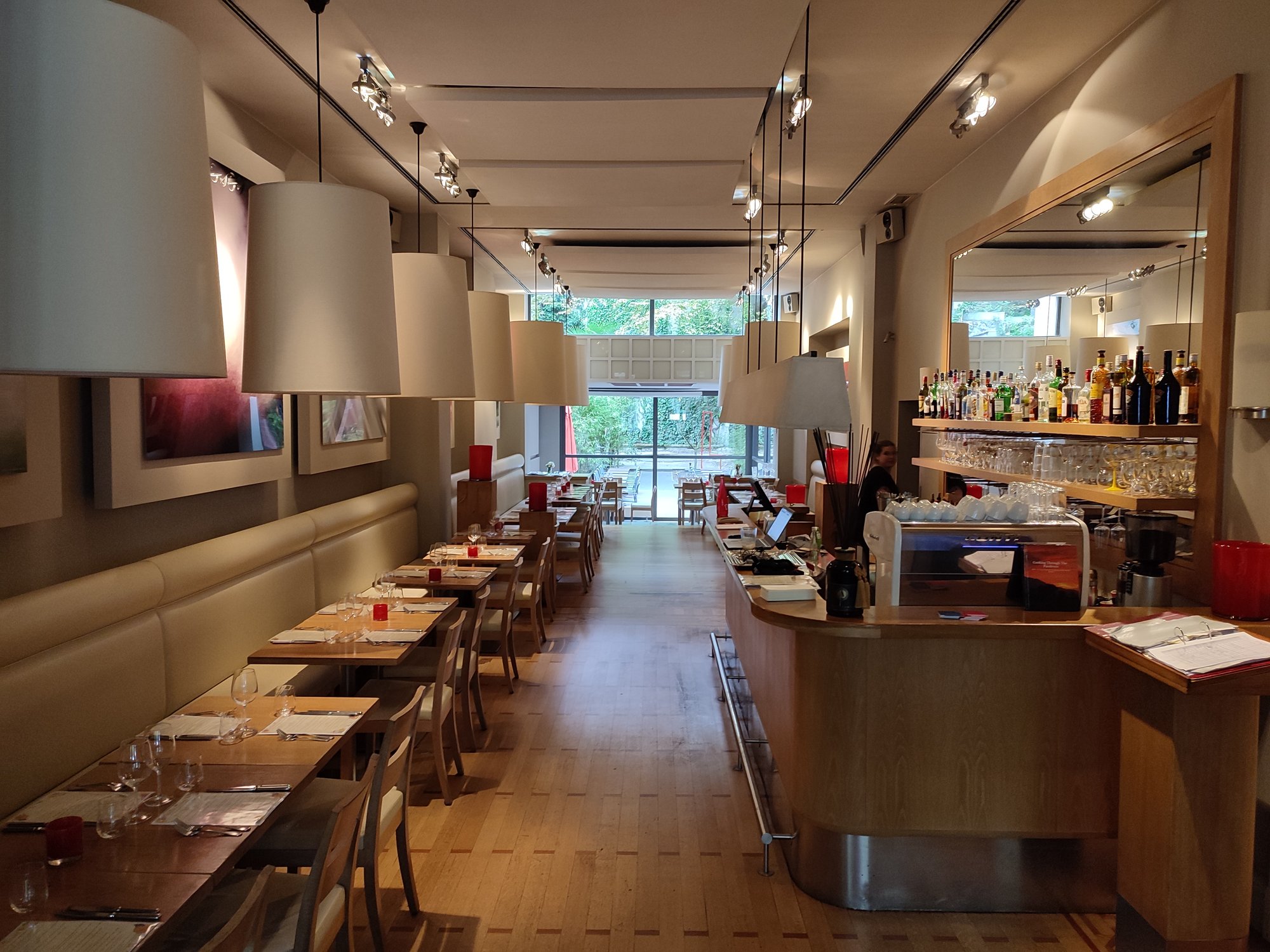
Bright, airy, and cozy spot with friendly service.
Tags
Vibe
Best For
Experience
View
At the Table
- Dress Code
- Casual
- Noise Level
- Quiet
- Service Style
- Casual
- Meal Pacing
- Quick Bite
- Capacity
- Small
- Kitchen
- Traditional
- Menu Format
- A la carte
Signature Dishes
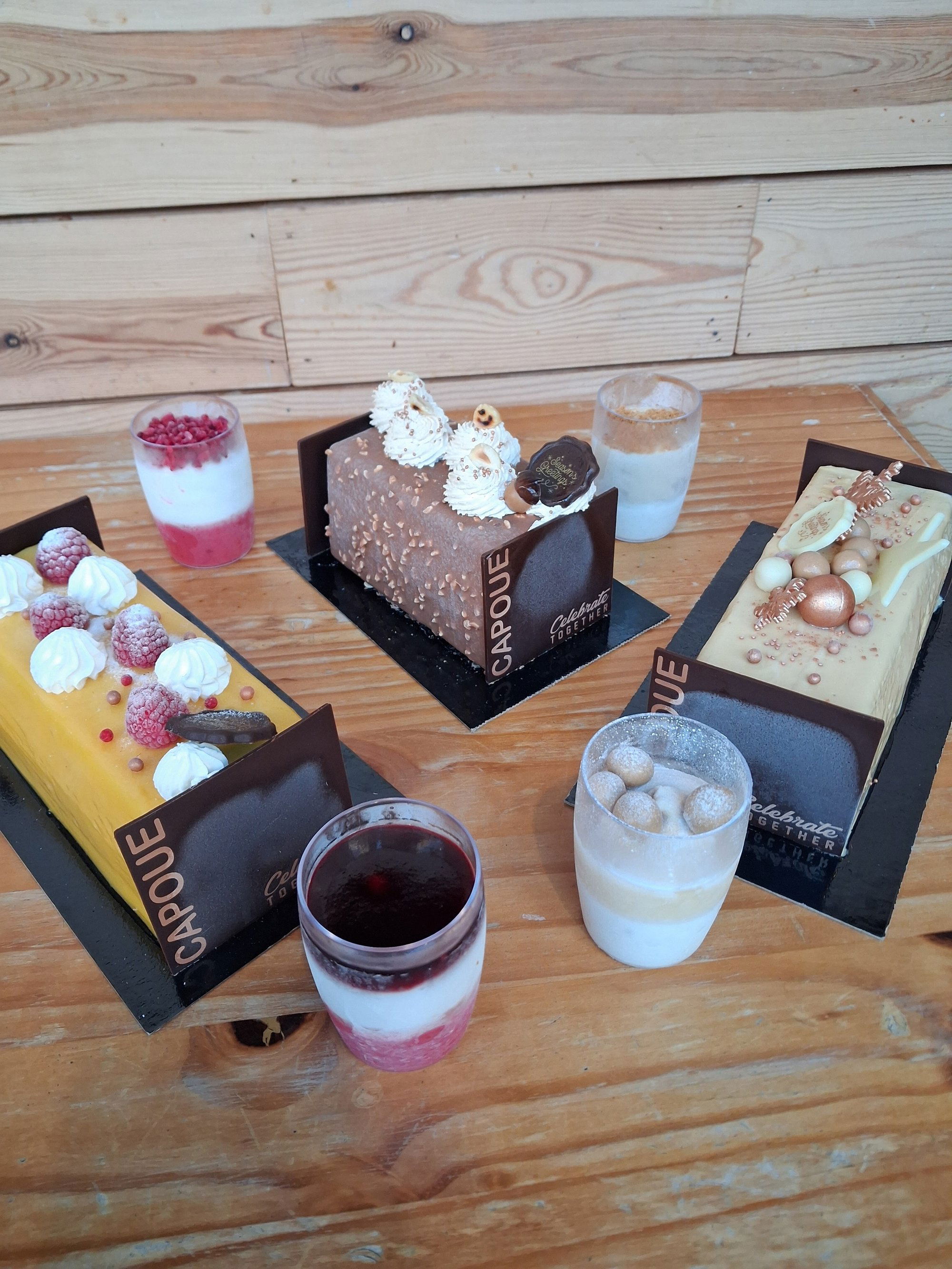
- salted caramel gelato
- vanilla with caramelized apple crumble
Know before you go
Know Before You Go
- Getting there
- Chau. de Boondael 395A, 1050 Ixelles, Belgium
Planning details
Location
Also consider
Also Consider
- The White Orchid, Notable alternative
- Les Caves d'Alex, French, €€€
- Nonbe Daigaku, Japanese, €€€
- L'Improbable, Notable alternative
- La Truffe Noire, French, Classic Cuisine, €€€€
Restaurant context
How Capoue Ixelles (Boondael) compares in Ter Kameren
Choose Capoue Ixelles (Boondael) when ease matters more than ceremony. It has an easy booking profile and works better for a casual plan than for a high-spend dinner. La Truffe Noire is the stronger pick for a formal French occasion, with a €€€€ classic-cuisine positioning that signals a more serious spend and a more traditional dining frame.
Les Caves d'Alex is the more direct French alternative if the group wants a restaurant meal without going to La Truffe Noire's higher price tier. Nonbe Daigaku is the better cross-shop when Japanese cooking is the point of the booking, especially for diners who want the meal to feel more cuisine-led than convenience-led.
The White Orchid and L'Improbable sit in the comparison set with less price and format context, so use them as secondary checks rather than the first decision filter. The practical split is clear: Capoue Ixelles (Boondael) for low-friction local planning, Les Caves d'Alex for French value at €€€, Nonbe Daigaku for Japanese, and La Truffe Noire when the occasion justifies €€€€.
Explore Ter Kameren
Around this place
Discover more on Pearl
Unlock the full Capoue Ixelles (Boondael) guide in Pearl, including awards, comparisons, FAQs, planning details, and nearby places.
Compare Capoue Ixelles (Boondael)
| Venue | Location | Cuisine | Price | Awards |
|---|---|---|---|---|
| Capoue Ixelles (Boondael) | Ter Kameren | , | , | No published awards |
| The White Orchid | Ixelles | , | , | No published awards |
| Les Caves d'Alex | Ixelles | French | €€€ | Star Wine Lists 2026Michelin Guide Belgium & Luxembourg 20262025 Michelin Plate2024 Michelin Plate |
| Nonbe Daigaku | Ixelles | Japanese | €€€ | Michelin Guide Belgium & Luxembourg 20262025 Michelin Plate2024 Michelin Plate |
| L'Improbable | Ixelles | , | , | No published awards |
| La Truffe Noire | Brussels | French, Classic Cuisine | €€€€ | Michelin Guide Belgium & Luxembourg 20262025 OAD Classical in Europe Ranked · #3332025 Michelin Plate2024 OAD Classical in Europe Ranked · #3162024 Michelin Plate2023 OAD Classical in Europe Recommended |


.png?width=1200&quality=80)

How Capoue Ixelles (Boondael) compares with similar nearby venues.
FAQ
Frequently Asked Questions
Is lunch or dinner better at Capoue Ixelles (Boondael)?
The hours make it better to plan by time window than by a standard lunch or dinner label. Capoue Ixelles (Boondael) is listed as open 2–6 PM Monday through Thursday and Sunday, and 2–10 PM on Friday and Saturday. Plan around those windows rather than assuming a typical meal service.
Is Capoue Ixelles (Boondael) good for a special occasion?
Capoue Ixelles (Boondael) may suit a casual occasion if the Ter Kameren location works for you. If you want a more defined occasion setting, compare with La Truffe Noire or other options.