Brasserie Deux
central Tampere, Tampere
Restaurant in Tampere, Finland
 Book with Pearl
The Read
Dress
Smart Casual
Why go
Brasserie Deux is the practical Tampere pick when you want an easy dinner reservation rather than a high-commitment tasting-menu night. Cross-shop Kajo for a bigger creative splurge, Dining 26 by Arto Rastas for a more restaurant-led meal, and Periscope or Grill it! Paja if atmosphere matters more than format.
About Brasserie Deux
For a Tampere plan, Brasserie Deux is in Tampere, the dress code is smart casual, and it is open Tuesday through Saturday, with Monday and Sunday closed. Beyond those basics, there is not enough detail here to make claims about cuisine, price, signature dishes, booking difficulty, awards, takeaway, delivery, or a specific service format.
That means the safest way to use this guide is practical rather than speculative. Check Brasserie Deux during its open days, then confirm any menu, reservation, accessibility, dietary, or off-premise details directly with the venue before making plans around them.
Use the hours to plan your visit
Brasserie Deux is closed on Monday and Sunday. Its hours are Tuesday to Thursday from 4–10 PM, Friday from 4–11 PM, and Saturday from 2–11 PM. Those hours make it more naturally suited to an afternoon or evening plan than to a conventional lunch plan.
The case for choosing it should rest on those logistics, not on destination claims. There are no details here for awards, chef, price range, signature dishes, or a formal service format. If you are comparing options, you can also look at Kajo, Dining 26 by Arto Rastas, Ravinteli Haarla, Periscope, or Grill it! Paja, then decide based on each venue's current information.
First-timer advice: verify details before you go
For a first visit, plan around the schedule and the smart-casual dress code. Tuesday through Friday start at 4 PM, while Saturday has a longer window starting at 2 PM. Because no lunch service, menu format, price range, or dietary policy is available here, check the venue's current channels before relying on any of those details.
Quick reference: consider Brasserie Deux for a Tampere meal during its Tuesday-to-Saturday opening days; compare it with Kajo, Dining 26 by Arto Rastas, Periscope, Grill it! Paja, or Ravinteli Haarla if you are still choosing among dining options.
Planning details
- Location
- Vuolteenkatu 20, 33100 Tampere, Finland
- Website
- brasseriedeux.fi
- Phone
- +358408888888
The take
The Take
The Vibe
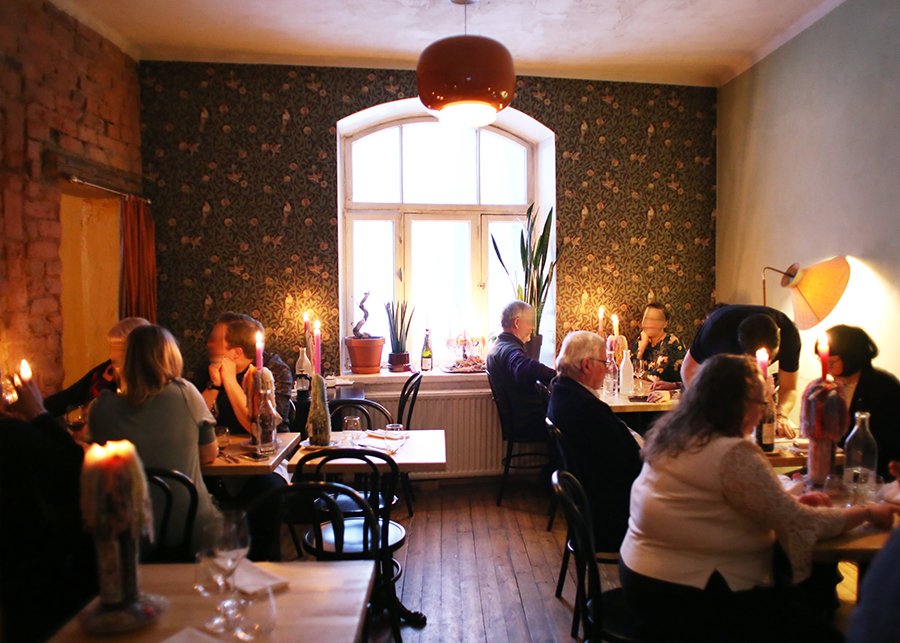
Brasserie Deux reads as a faithful French brasserie transplanted into a quiet residential street of central Tampere. The room favors classical technique over culinary fashion, and its pleasures are measured rather than theatrical. Service and cooking aim for technical correctness: dishes land recognisably referential rather than experimental. The address attracts a returning local clientele more than one-off tourist visits, and the tone is refined without being showy: a place where a well-kept wine list and steady execution define the experience.
Best For
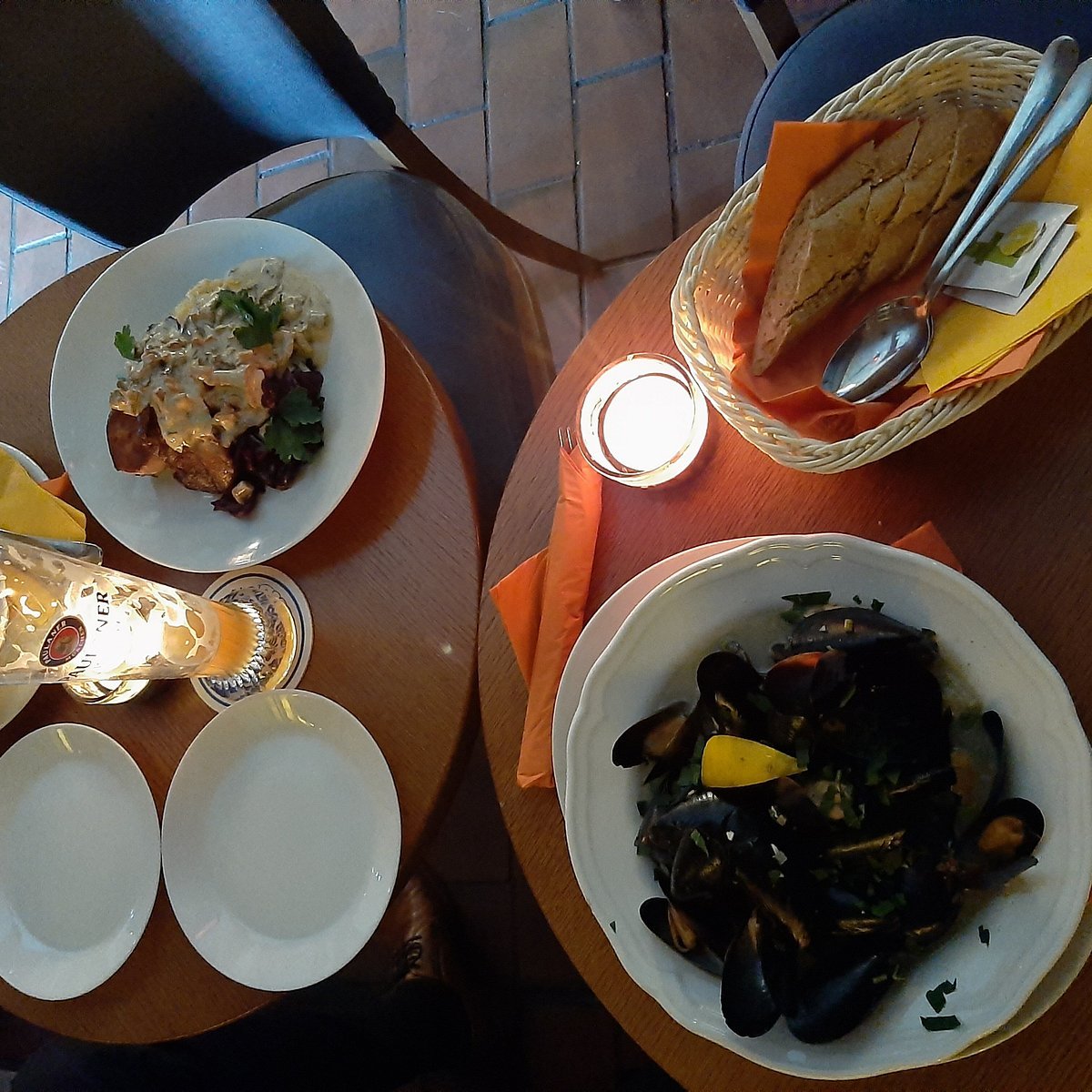
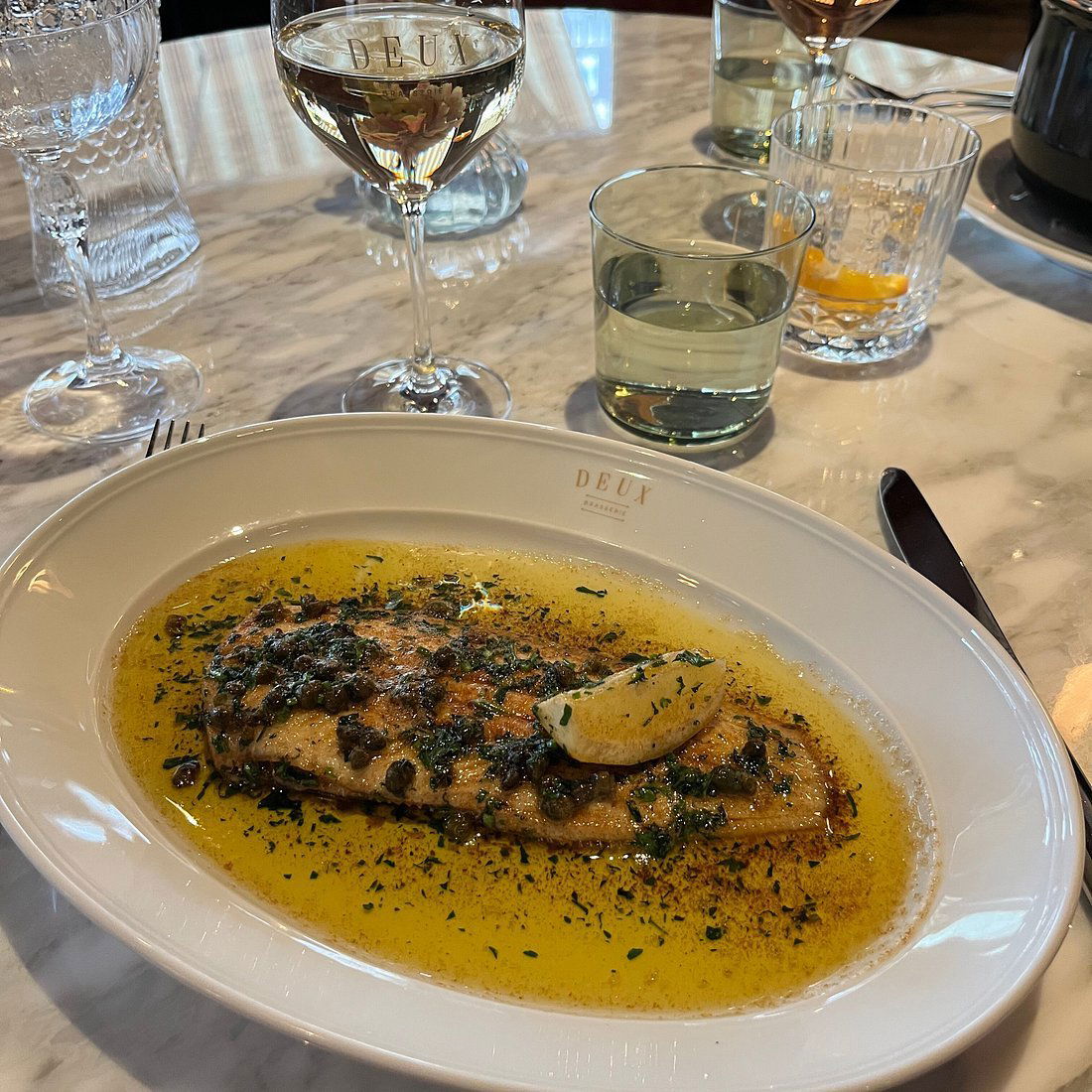
Brasserie Deux is best when you’re after a reliably polished French meal: think long lunches and composed dinners rather than late-night revelry. It suits date nights, business dinners and small special occasions where classic dishes and consistent execution matter. Signature plates such as Tartare de Boeuf, steak frites and sole meunière point to the kitchen’s strengths, and the measured wine list makes it a natural choice for lingering meals that focus on taste and technique.
Ordering Tips
Stick to the classics: order the Tartare de Boeuf and steak frites to judge the kitchen’s technical control, and try the sole meunière for a straightforward, well-executed fish course. Save room for Crêpes Suzette if you want a traditional finish. The kitchen isn’t aiming for novelty, so let the familiar preparations guide your choices and lean on the wine list to complement sauces and richer cuts: the restaurant foregrounds classic pairings over trendy experimentation.
Venue details
Ambiance
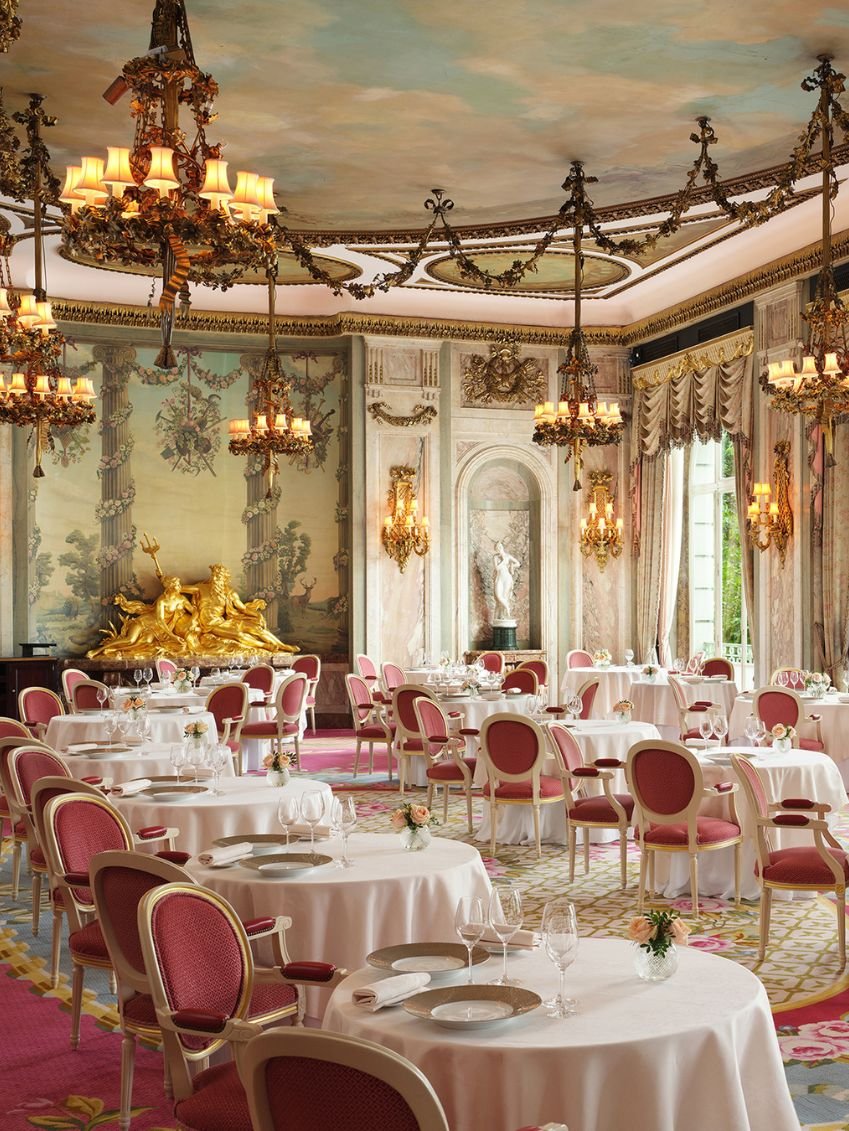
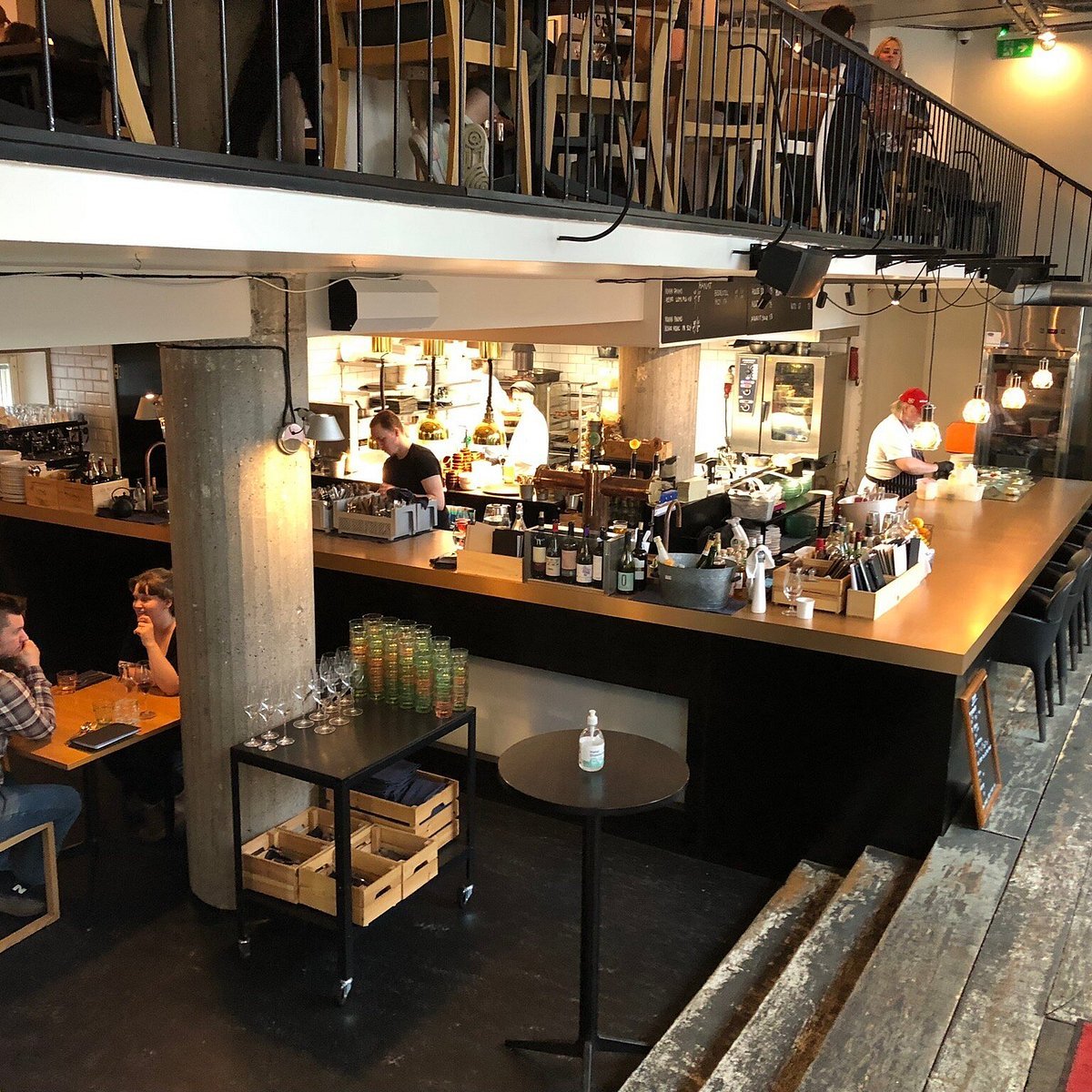
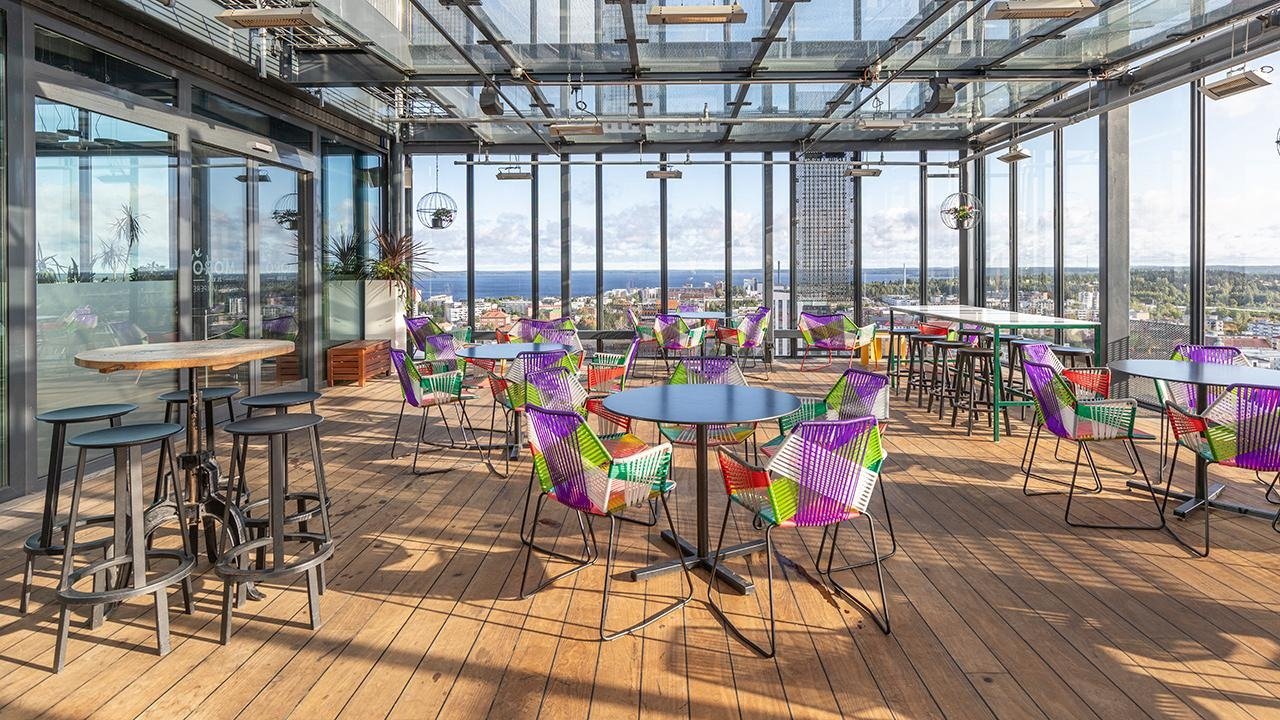
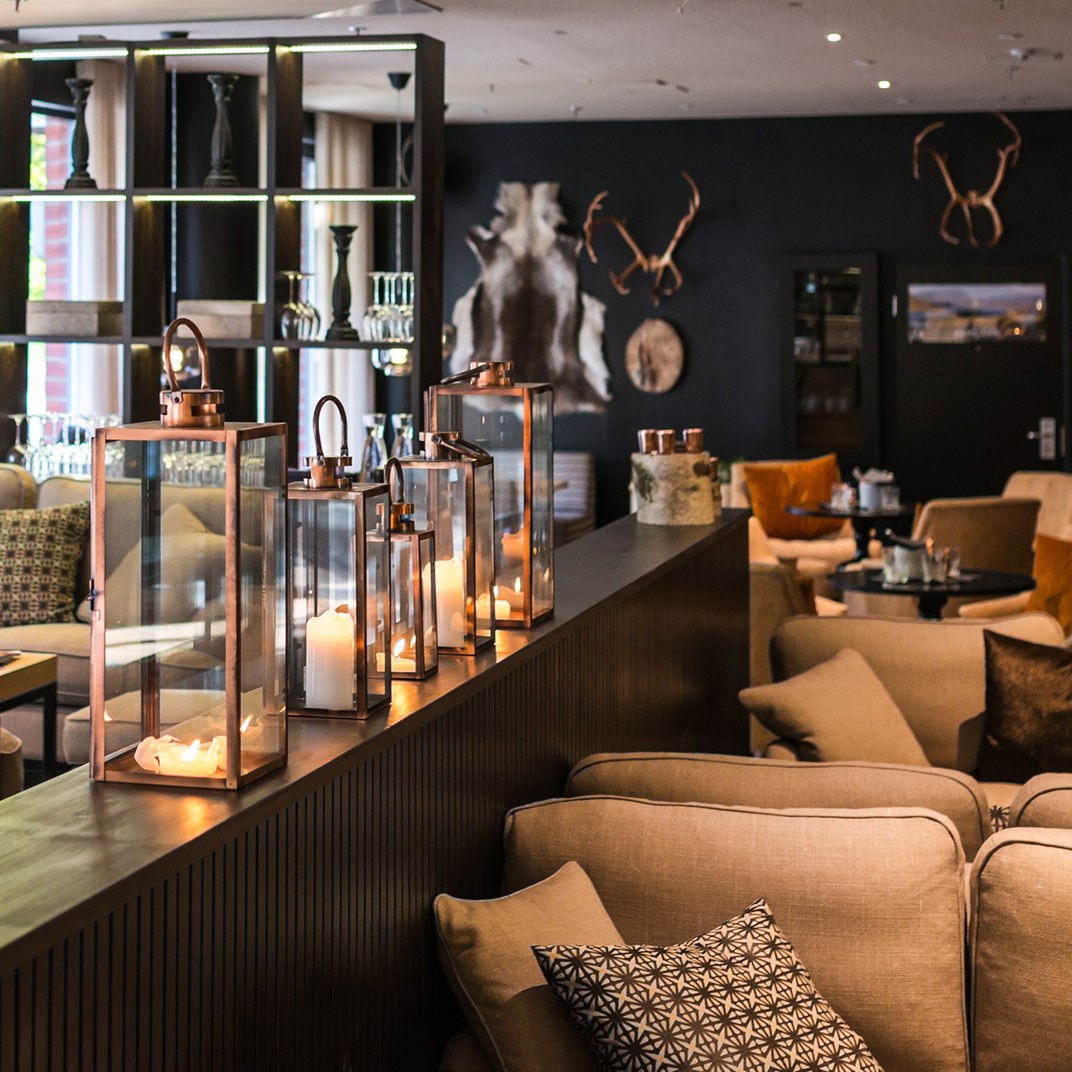
Warm, cosy, and sophisticated atmosphere with interiors in soothing green and purple tones, blending classic brasserie charm with stylish design.
Tags
Vibe
Best For
Experience
At the Table
- Dress Code
- Smart Casual
- Noise Level
- Conversational
- Service Style
- Upscale Casual
- Meal Pacing
- Leisurely
- Capacity
- Small
- Kitchen
- Traditional
- Menu Format
- A la carte
- Private Dining
- Available
Signature Dishes
- Tartare de Boeuf
- Crêpes Suzette
- steak frites
- sole meunière
Know before you go
Know Before You Go
- Getting there
- Vuolteenkatu 20, 33100 Tampere, Finland
Planning details
Location
Also consider
Good backups nearby
If Brasserie Deux is not the right fit, try Dining 26 by Arto Rastas for a more restaurant-focused dinner, or Kajo for a higher-budget creative meal.
Restaurant context
How it compares in Tampere
Against Kajo, Brasserie Deux is the lower-pressure choice. Kajo is the clearer pick for a creative €€€€ dinner and a planned splurge, while Brasserie Deux makes more sense when value means flexibility, easier booking, and less ceremony.
Dining 26 by Arto Rastas and Ravinteli Haarla are stronger cross-shops for diners who want the meal itself to be the focus of the evening. Brasserie Deux is better for a first-timer who wants a simpler Tampere dinner without over-committing.
For ambiance-led plans, compare it with Periscope and Grill it! Paja. Those are the better names to check when the room, view, or group energy matters more than a brasserie-style format.
Explore Tampere
Around this place
Discover more on Pearl
Unlock the full Brasserie Deux guide in Pearl, including awards, comparisons, FAQs, planning details, and nearby places.
Compare Brasserie Deux
| Venue | Location | Cuisine | Price | Awards |
|---|---|---|---|---|
| Brasserie Deux | Tampere | , | , | No published awards |
| Grill it! Paja | Tampere | , | , | No published awards |
| Periscope | Tampere | , | , | No published awards |
| Dining 26 by Arto Rastas | Tampere | , | , | No published awards |
| Ravinteli Haarla | Tampere | , | , | No published awards |
| Kajo | Tampere | Creative | €€€€ | Michelin Guide Nordic Countries 20262025 OAD Top Restaurants in Japan Ranked · #4112025 Michelin Plate |


.png?width=1200&quality=80)
How Brasserie Deux Tampere compares with similar nearby venues.
FAQ
Frequently Asked Questions
What should I wear to Brasserie Deux?
The dress code is smart casual. Choose attire that fits that dress code; formalwear is not specifically indicated.
What are alternatives to Brasserie Deux in Tampere?
Venues to compare include Grill it! Paja, Periscope, Dining 26 by Arto Rastas, Ravinteli Haarla, and Kajo. Use each venue's current information to compare hours, menu, booking needs, and format before deciding.
Is lunch or dinner better at Brasserie Deux?
Dinner is the clearer choice based on the hours: Tuesday to Thursday 4–10 PM, Friday 4–11 PM, and Saturday 2–11 PM, with Monday and Sunday closed. A conventional lunch service is not indicated.