
Yu Kapo
Japanese · Dongguang, Taipei
Restaurant in Taipei, Taiwan
 Book with Pearl
The Read
Songshan Japanese Precision
Price
$$$$
Chef
Masa Chung
Dress
Smart Casual
Why go
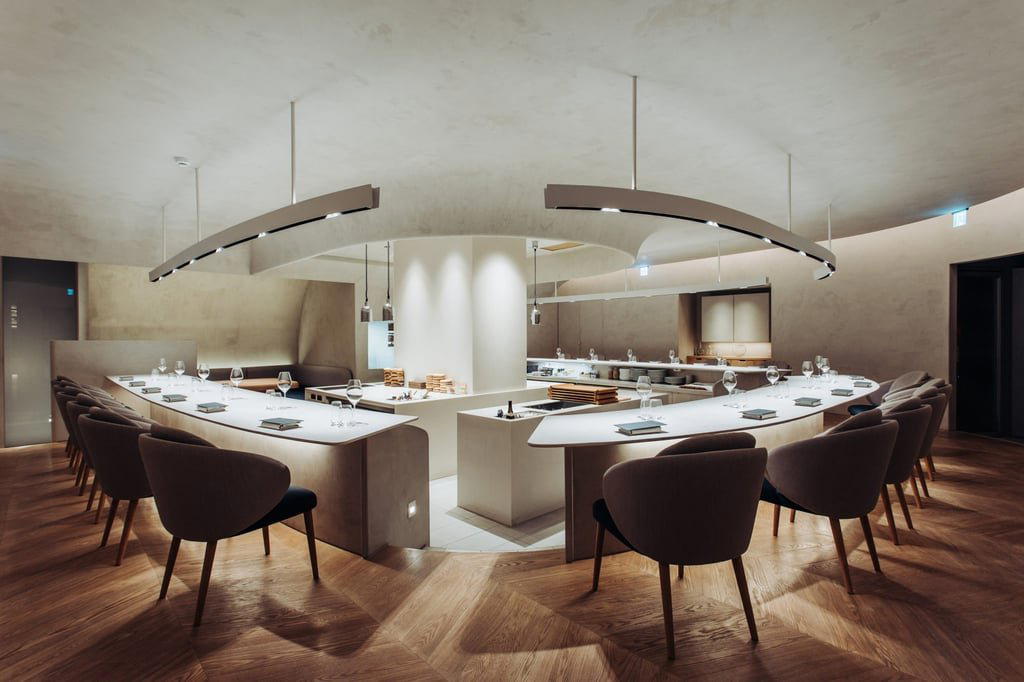
Masa Chung's eight-seat Edomae counter in Songshan holds a Michelin star for technically precise omakase with minimal innovation. Booking opens four to six weeks out and fills fast; the spare room and quiet service suit solo diners or pairs who prioritize execution over atmosphere. At $$$$ pricing, it sits on par with Kiku and AJIMI but offers less flexibility than Wamaki for a similar format.
About Yu Kapo
Yu Kapo is a Japanese restaurant in Taipei from chef-owner Masa Chung. It holds Michelin one star recognition for 2024, sits in the $$$$ price tier, and operates on a limited weekly schedule. For diners comparing premium Japanese options in Taipei, the appeal is straightforward: a chef-led restaurant with Michelin recognition and a narrow set of service days.
The location should be understood simply as Taipei. It belongs in the conversation with other Japanese dining in Taipei, though many specifics that diners often want before booking are not detailed. Details such as seat count, room layout, menu structure, course count, booking window, beverage focus, and atmosphere should be confirmed directly before you commit. If you are choosing between Yu Kapo, Uke, or Ken Anhe, compare the basics first: cuisine, price tier, opening days, and the kind of occasion you are planning.
The Japanese Dining Experience and What to Expect
Yu Kapo is a Japanese restaurant led by Masa Chung, with Michelin one star recognition in 2024. Beyond that, a specific menu format, number of courses, signature dishes, counter configuration, or pacing is not available. Treat it as a premium Japanese booking where the exact experience should be checked through the reservation channel rather than assumed in advance.
Pricing is listed at $$$$, placing Yu Kapo in a premium dining tier in Taipei. It can reasonably be compared with other premium Japanese restaurants such as Kiku, AJIMI, and Wamaki, but value will depend on what matters most to you: Michelin recognition, chef ownership, schedule fit, and your tolerance for a limited set of available service days. Because details such as menu length, drinks, and room format are not specified, avoid judging the price on those assumptions alone.
Who Should Book, and Who Should Look Elsewhere
Yu Kapo is best suited to diners specifically seeking a $$$$ Japanese restaurant in Taipei with Michelin one star recognition. The dress code is smart casual, so plan for a polished but not overly formal meal. If your decision depends on a particular seating style, group setup, celebratory atmosphere, or chef interaction, confirm those details directly before booking.
Dietary accommodation, allergy handling, take-out, delivery, and menu substitutions are not specified. Diners with allergies, dietary restrictions, or strong preferences should ask the restaurant or reservation channel before committing. The safest recommendation is to confirm any essential needs in advance rather than assuming flexibility.
Yu Kapo is open for lunch and dinner Tuesday through Thursday, with hours of 12–2:30 PM and 6–10 PM on those days. It is closed Monday, Friday, Saturday, and Sunday. That schedule makes weekday planning essential, especially for anyone visiting Taipei on a short trip.
Quick reference: Yu Kapo is a Japanese restaurant in Taipei from chef-owner Masa Chung, priced at $$$$, with smart casual dress code and Michelin one star recognition in 2024. Hours are Tuesday to Thursday, 12–2:30 PM and 6–10 PM; closed Monday and Friday through Sunday. See our full Taipei restaurants guide for other premium dining options.
Planning details
- Location
- No. 9-1號, Sanmin Rd, Songshan District, Taipei City, Taiwan 105
- Website
- inline.app/booking/-NTCRH8LpFE3o54UPpzM:inline-live-3/-NTCRHM5u-yDKmVei0f6
- Phone
- +886 2 2503 0303
The take
The Take
The Vibe
Yu Kapo presents a restrained, quietly refined take on Japanese dining in Songshan. The Michelin one-star listing signals a high level of technical precision and seasonal attention, while the neighbourhood’s residential calm keeps the focus on food rather than spectacle. The writing frames the kitchen in relation to Tokyo and Kyoto traditions, so expect a service and menu that privilege discipline and the architecture of a multi-course meal. Signature items such as kamameshi with unagi, Hiroshima oysters, and a seasonal sashimi platter underline a kitchen that prizes provenance and careful execution over flash.
Best For
This is a restaurant for diners who prize traditional rigour and seasonal expression. The one-star standing and emphasis on the architecture of a Japanese meal make it well suited to special evenings—business dinners, date nights and other occasions where focused, attentive cooking matters. Its Songshan location, away from Taipei’s busiest dining corridors, keeps the tone intimate and composed, appealing to guests who value a quieter setting and food that rewards close attention rather than loud conviviality.
Ordering Tips
Lean into the kitchen’s signatures and seasonal offerings. The kamameshi selections (unagi and Hiroshima oyster versions) and the seasonal sashimi platter are highlighted in the venue’s lineup and are good entry points to the restaurant’s approach. Smaller specialties like uni and shiso tempura and the grilled mackerel with citrus showcase textural contrasts and precise seasoning—ask about what’s freshest or seasonal on the day. Because the venue stresses meal architecture and seasonal discipline, follow the kitchen’s pacing and prioritise tasting the dishes it presents as current highlights.
Venue details
Ambiance
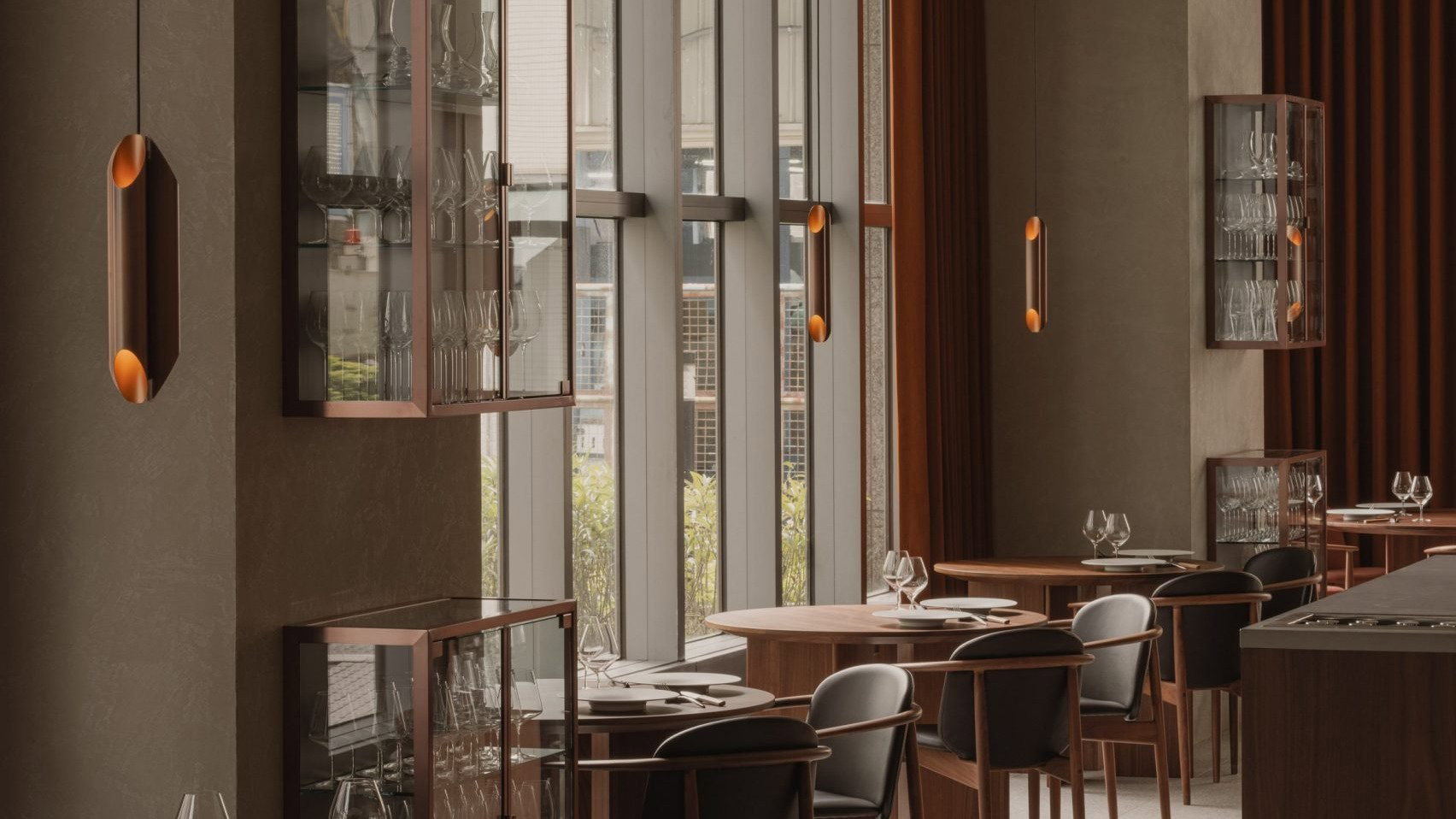
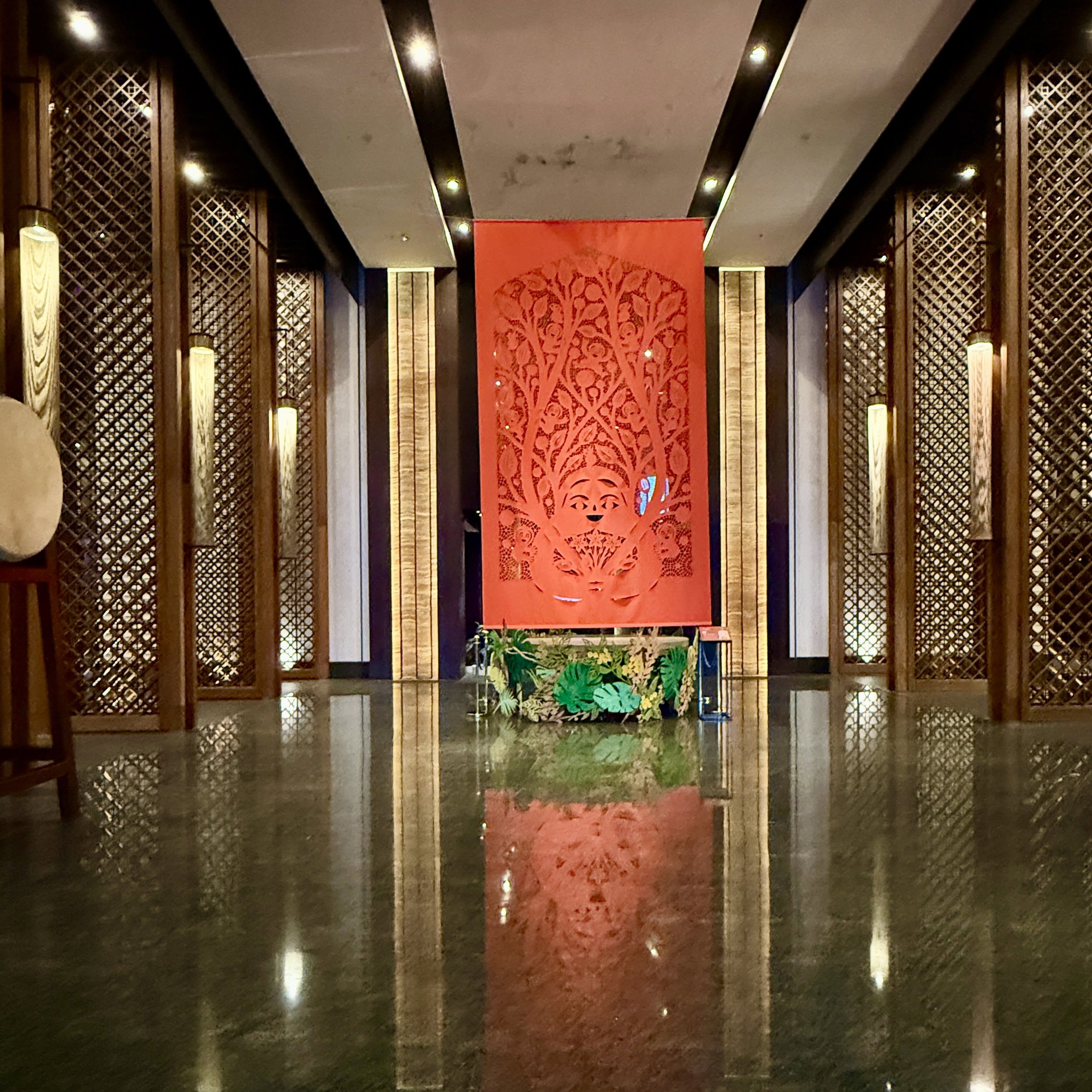
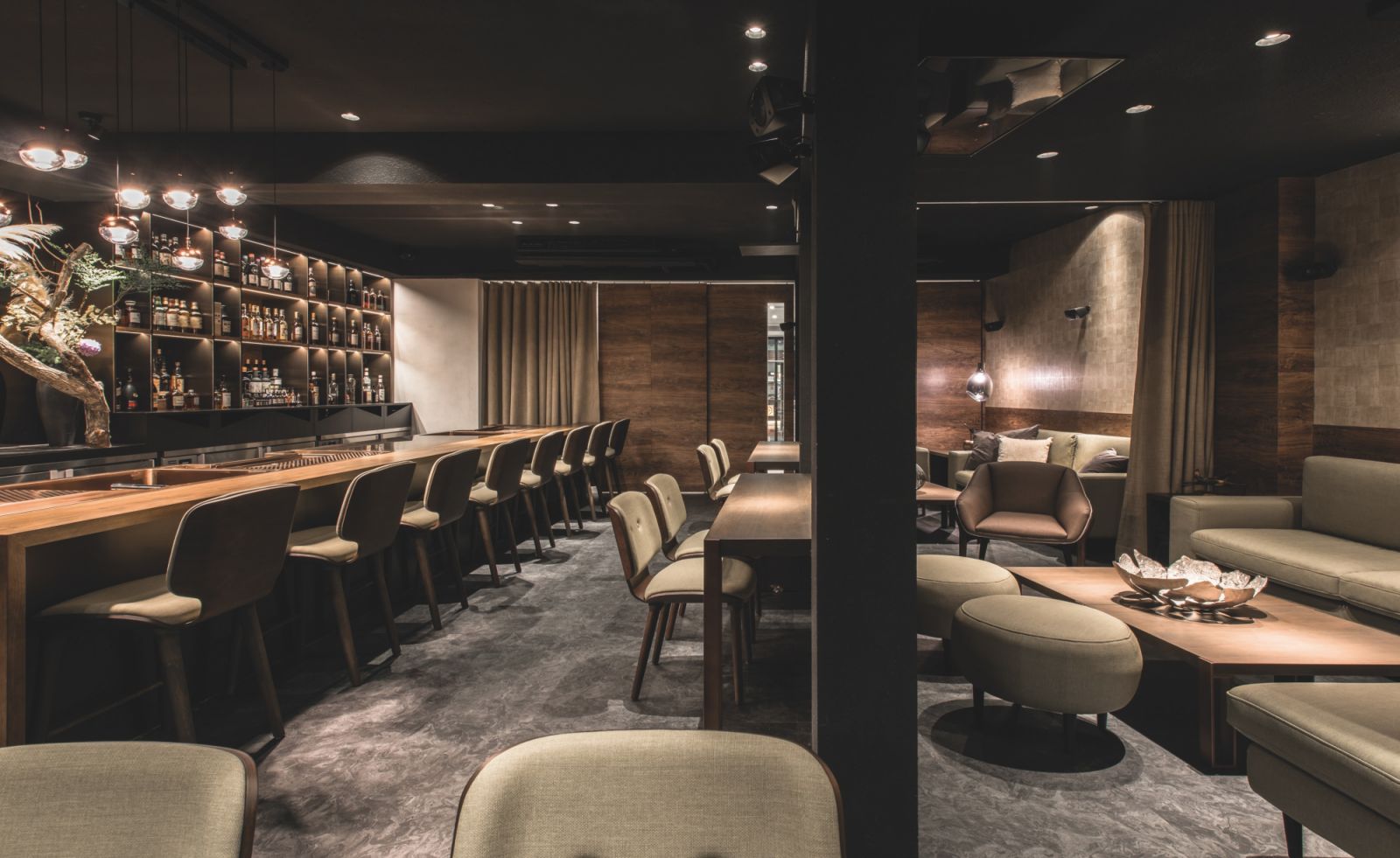
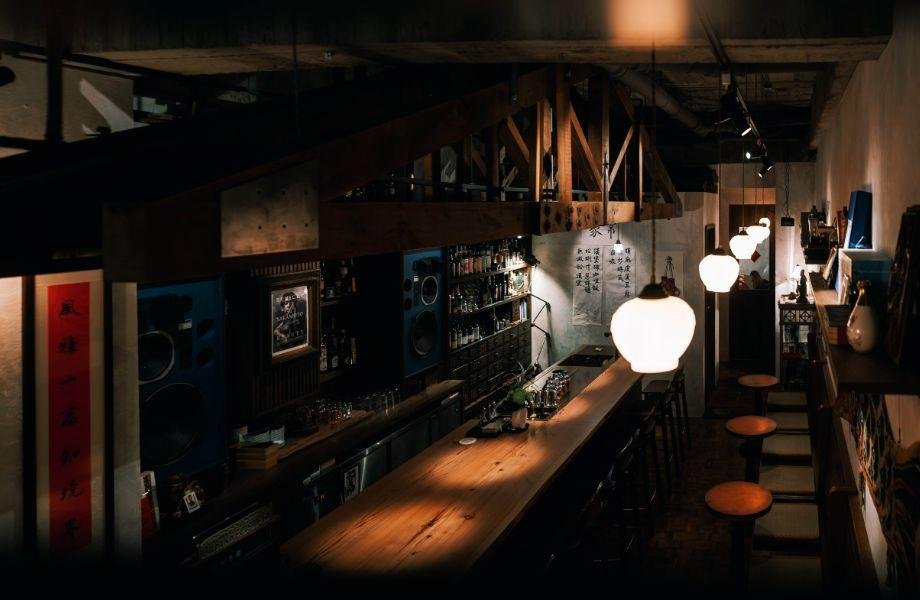
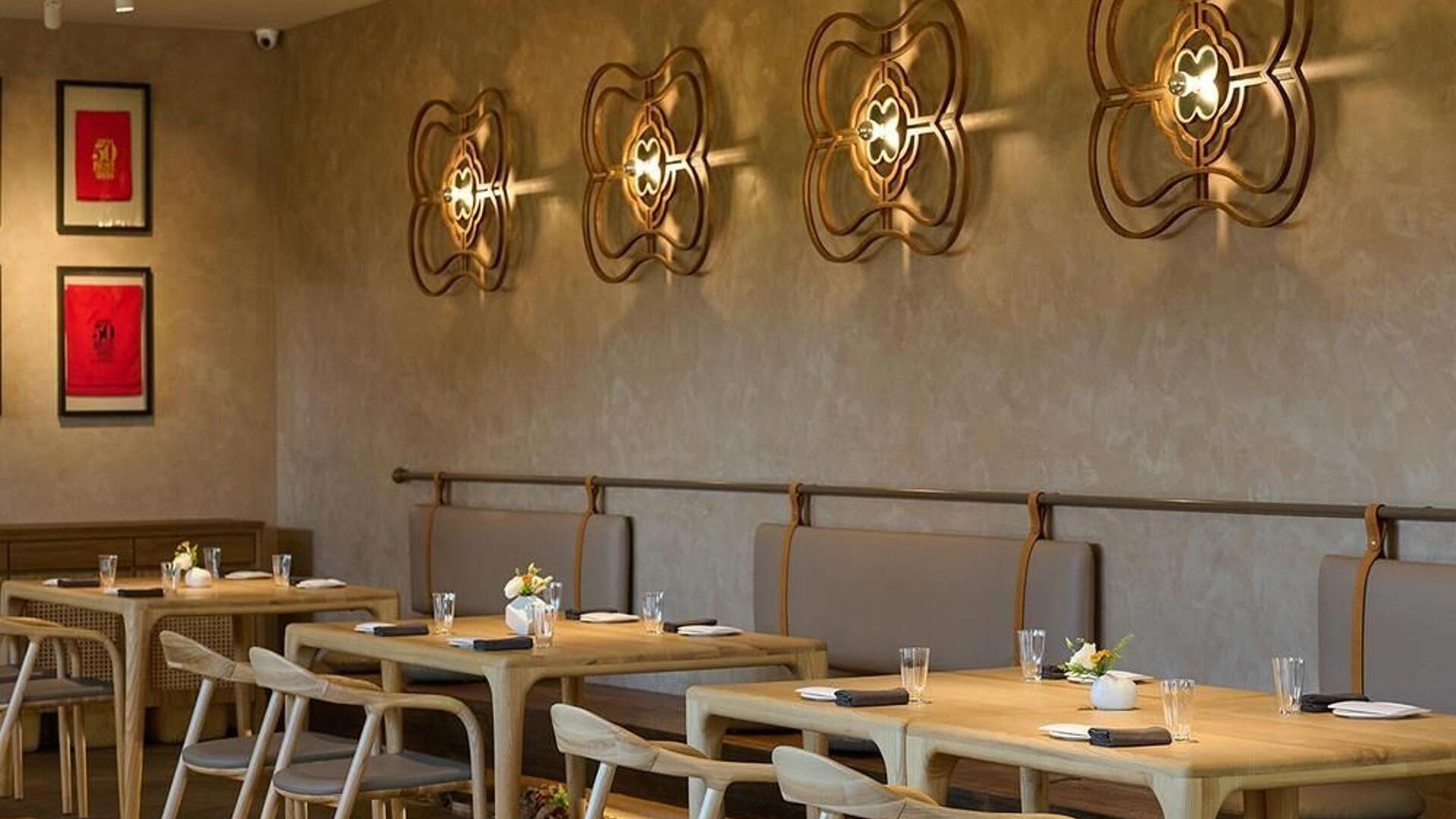
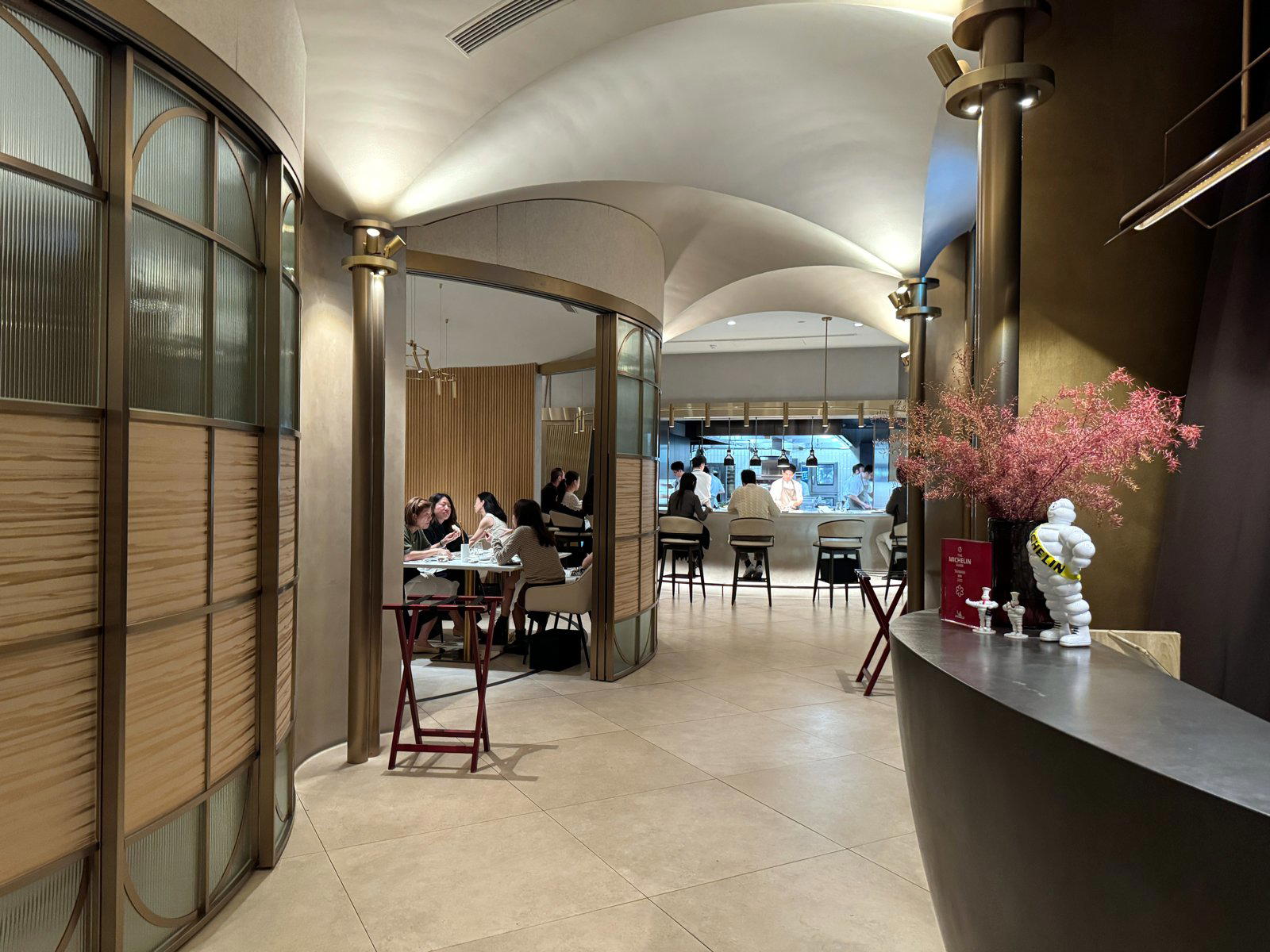
Minimalist luxury with light wood and slate grey tones, hushed atmosphere with soft lighting and whisper-soft sliding doors that signal quiet refinement and contemplative dining.
Tags
Vibe
Best For
Experience
Sourcing
At the Table
- Dress Code
- Smart Casual
- Noise Level
- Quiet
- Service Style
- Omakase Bar
- Meal Pacing
- Extended Experience
- Capacity
- Intimate
Signature Dishes
- Kamameshi with unagi
- Kamameshi with Hiroshima oysters
- Uni and shiso tempura
- Grilled mackerel with citrus
- Seasonal sashimi platter
Know before you go
Know Before You Go
- Getting there
- No. 9-1號, Sanmin Rd, Songshan District, Taipei City, Taiwan 105
Planning details
Location
No. 9-1號, Sanmin Rd, Songshan District, Taipei City, Taiwan 105 · Directions
inline.app/booking/-NTCRH8LpFE3o54UPpzM:inline-live-3/-NTCRHM5u-yDKmVei0f6
Recognition and awards
Restaurant context
Among Taipei's Michelin-starred Japanese counters, Yu Kapo occupies the most austere end of the spectrum. Uke and Ken Anhe both charge similar rates but deliver warmer service and more conversational chefs; if you want technical skill and a host who engages, either is a better pick. Kiku offers a comparable seat count and Michelin recognition with slightly more polished ambiance, though booking is just as competitive. AJIMI runs a longer menu and a more theatrical service cadence at the same price tier, worth the splurge if you value showmanship alongside sushi craft.
For value-conscious diners, Wamaki undercuts Yu Kapo by a full price tier ($$$ versus $$$$) while maintaining strong Edomae fundamentals and easier reservation access. You'll sacrifice the Michelin star and the eight-seat intimacy, but the fish quality and technique are close enough that most diners will leave satisfied, and with a reservation secured in days rather than weeks. If your priority is locking a table without the booking scramble, Wamaki is the pragmatic choice. If you're chasing the star and willing to plan a month-plus ahead, Yu Kapo delivers the technical precision that earned the recognition, but don't expect the experience to exceed what the other $$$$-tier counters offer beyond the prestige itself.
Explore Taipei
Around this place
Discover more on Pearl
Unlock the full Yu Kapo guide in Pearl, including awards, comparisons, FAQs, planning details, and nearby places.
Compare Yu Kapo
| Venue | Location | Cuisine | Awards | Price |
|---|---|---|---|---|
| Yu Kapo | Taipei | Japanese | Michelin Guide Taiwan 20262024 Michelin 1 Star | $$$$ |
| Uke | Taipei | Japanese | No published awards | $$$$ |
| Wamaki | Taipei | Japanese | Michelin Guide Taiwan 20262024 Michelin Plate | $$$ |
| Ken Anhe | Taipei | Japanese | Michelin Guide Taiwan 20262025 Michelin 1 Star2024 Michelin 1 Star | $$$$ |
| Kiku | Taipei | Japanese | Michelin Guide Taiwan 20262025 Michelin Plate2024 Michelin Plate | $$$$ |
| AJIMI | Taipei | Japanese | 2025 Michelin Plate | $$$$ |

.png?width=1200&quality=80)
How Yu Kapo Taipei compares with similar nearby venues.
FAQ
Frequently Asked Questions
Does Yu Kapo handle dietary restrictions?
What should I order at Yu Kapo?
Yu Kapo is a Japanese restaurant led by Masa Chung, but a specific menu format or set of dishes is not specified. Ask through the reservation channel if you need to know what will be served.
Is Yu Kapo good for a special occasion?
Yu Kapo may suit diners looking for a $$$$ Japanese restaurant in Taipei with Michelin one star recognition. If your occasion depends on a particular atmosphere, seating style, or pacing, confirm those details before booking.
Is Yu Kapo worth the price?
Yu Kapo is priced at $$$$ and has Michelin one star recognition for 2024. It is most compelling for diners who value those facts; details such as menu length, beverage program, and service format are not specified.
Can Yu Kapo accommodate groups?
Group accommodation and seating layout are not specified. Contact the restaurant or reservation channel directly before planning a group meal. For diners comparing other premium Japanese options, Wamaki is another venue to consider.