

Sushiyoshi
Sushi, Japanese · Checeng, Taipei
Restaurant in Taipei, Taiwan
 Book with Pearl
The Read
Edomae-Western Omakase
Price
$$$$
Dress
Smart Casual
Why go
Sushiyoshi is the omakase booking to prioritise in Taipei. Founder Hiroki Nakanoue combines Edomae sushi technique with French-influenced ingredients; caviar, truffles; to produce dinner menus that justify the $$$$ price tier. Ranked #227 in OAD's Top Restaurants in Asia (2024). Book the dinner seating; expect a hard reservation several weeks out.
About Sushiyoshi
Verdict
If you have one omakase booking to make in Taipei, Sushiyoshi is the one to make. Founder Hiroki Nakanoue brings training in both Japanese and French culinary traditions to a format that is rooted in Edomae sushi but not restricted by it; caviar, truffles, Western technique appear where they earn their place. The result is a dinner menu that outperforms its $$$$ price tier, a lunch menu that gives you a more accessible entry point into the same kitchen. Book the dinner seating if you can. If you have already been for lunch, the evening is a materially different experience and worth returning for.
About Sushiyoshi
Sushiyoshi sits on a side alley off Zhongxiao East Road Section 4, in Da'an District; one of Taipei's most concentrated pockets of serious dining. The address is deliberately low-profile, the kind of place that does not need foot traffic because its seats are already spoken for weeks in advance.
The format is omakase, which means you are handing the decision-making to the kitchen. That is exactly where Nakanoue's background earns its value. The lunch menu leans heavily on nigiri, precise, clean, technically sound, while the dinner menu is where the kitchen's full range becomes visible. Western ingredients are not novelty additions here; they are used with the same logic and discipline as the fish. If the idea of caviar or truffles appearing in a sushi sequence makes you wary, that hesitation is understandable, but the kitchen's track record of finesse and precision suggests these choices are deliberate and well-executed rather than performative.
For a returning visitor, the practical calculus is clear: if you came for lunch, dinner is the more ambitious and more expensive version of what you experienced, worth the step up. The creativity referenced in OAD's notes about the dinner menu is not just about added ingredients, it reflects a different compositional approach to the meal as a whole. Lunch is focused and satisfying. Dinner is where Sushiyoshi makes its case as one of the stronger omakase rooms in the city.
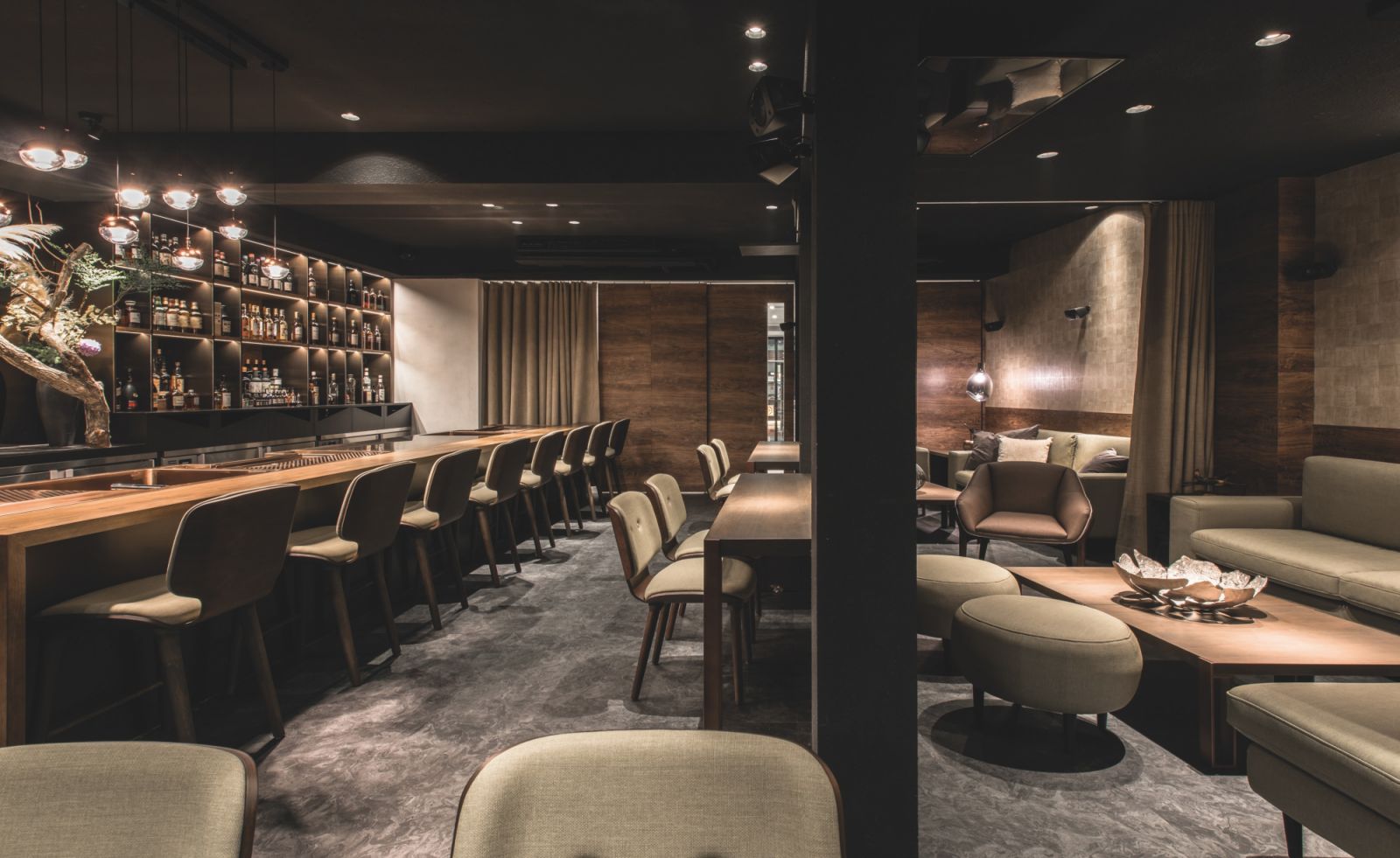
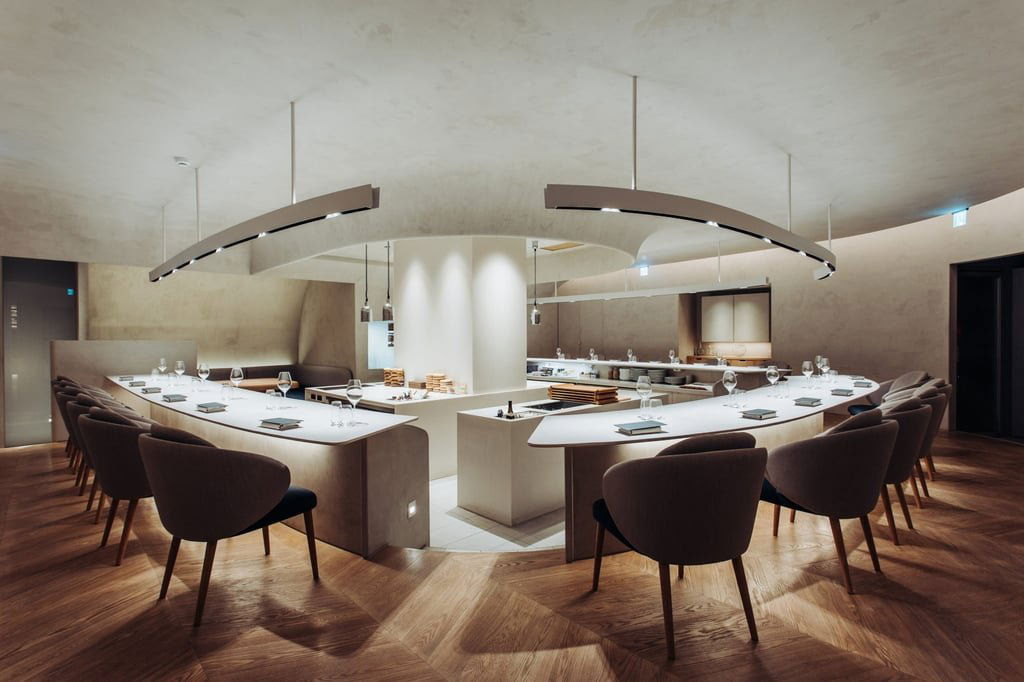
The atmosphere here sits in the register that serious Japanese dining in Taipei tends to favour: composed, quiet, attentive without being stiff. This is not a room where noise builds after 10 PM or where you are competing for the staff's attention. For a meal that runs two to three hours, that ambient calm matters. It is the kind of setting that suits a conversation that deserves space, or an occasion where the food should be the primary focus. If you want energy and volume with your sushi, you are at the wrong address, but if the alternative is a more focused, quieter room, Sushiyoshi is among the better options Taipei has at this price point.
Hours run Tuesday through Saturday, with lunch from 12 PM to 2:30 PM and dinner from 6 PM to 9:30 PM. The restaurant is closed Sunday and Monday. That five-day week and two-seating structure means availability is genuinely limited, booking difficulty at this venue should be treated as hard. Plan several weeks out at minimum, do not assume a cancellation will materialise at short notice for a prime dinner slot.
For context on what this venue represents within a broader Taiwan dining trip, it sits at the premium end of a city that also has strong contemporary European options at logy and French-inflected Taiwanese cooking at Taïrroir. If your trip extends beyond Taipei, JL Studio in Taichung offers a different high-end register, GEN in Kaohsiung works if you are heading south. For international omakase comparison, Masa in New York City and Sushi Masaki Saito in Toronto are the reference points for the same format at comparable price levels, Sushiyoshi holds up well against either in terms of the creative ambition of its omakase construction.
See our full guides to Taipei restaurants, Taipei hotels, Taipei bars, Taipei wineries, and Taipei experiences for broader trip planning.
Know Before You Go
- Price tier: $$$$, budget accordingly for a full omakase dinner
- Hours: Tuesday to Saturday only; lunch 12 PM–2:30 PM, dinner 6 PM–9:30 PM; closed Sunday and Monday
- Booking difficulty: Hard, plan several weeks out minimum for dinner seats
- Format: Omakase only, no à la carte
- Lunch vs. dinner: Lunch is nigiri-focused and more accessible; dinner is the more creative and higher-priced menu, if you have been once for lunch, dinner is the natural next step
- Awards: OAD Leading Restaurants in Asia #227 (2024)
- Location: Da'an District, off Zhongxiao East Road Section 4, low-profile alley address
How It Compares
More to Explore in Taiwan
- JL Studio, Taichung
- GEN, Kaohsiung
- A Cun Beef Soup (Baoan Road), Tainan
- Volando Urai Spring Spa & Resort, Wulai District
- A Gan Yi Taro Balls, New Taipei
- Ang Gu, Hsinchu County
FAQ
Is Sushiyoshi worth the price?
Yes, at the $$$$ tier. The dinner menu in particular delivers a level of creativity and technical precision that is hard to match at this price point in Taipei's omakase field. Lunch is more conservative in scope but still well-executed. If you are weighing Sushiyoshi against other $$$$ venues in Taipei, the OAD Asia ranking (#227, 2024) provides an external reference point for the kitchen's standing, it is not just expensive, it is expensive with a track record.
Is the tasting menu worth it at Sushiyoshi?
The dinner omakase is the stronger case. Nakanoue's background in both Japanese and French culinary traditions is most visible in the evening, where Western ingredients like caviar and truffles appear alongside Edomae sushi technique. The lunch menu works if budget or timing is a constraint, but the dinner menu is where the kitchen's full range is on display. If you can only go once, book dinner.
What should a first-timer know about Sushiyoshi?
Book as far ahead as possible, this is a hard reservation, not a walk-in option. The format is omakase only, so you are committing to the kitchen's menu rather than selecting dishes. The address is a low-profile alley off Zhongxiao East Road Section 4 in Da'an District; allow extra time to find it on your first visit. Dinner is the more ambitious and more expensive menu, so if budget allows, start with dinner rather than lunch. The atmosphere is quiet and composed, this is not a loud or casual space.
What should I order at Sushiyoshi?
The format is omakase, so ordering is not part of the equation, the kitchen decides. What the OAD citation and venue record confirm is that nigiri forms the backbone of lunch, while dinner expands into more creative territory using Edomae technique alongside ingredients like caviar and truffles. If you have a dietary restriction or strong aversion to certain ingredients, communicate this when booking rather than on arrival.
Is Sushiyoshi good for a special occasion?
Yes, with the right expectations. The quiet, focused atmosphere and multi-course omakase format make it well-suited to occasions where the meal is the event, an anniversary, a milestone dinner, or a meaningful first visit to Taipei's fine dining tier. It is less suited to large group celebrations or anything requiring a lively, social room. For two to four people who want the food to carry the occasion, it is one of the stronger calls in Taipei's $$$$ tier.
Can Sushiyoshi accommodate groups?
No specific seat count is available in the venue record, but omakase rooms in this format typically run small, counter seating of eight to sixteen is standard for the category. If you are planning for a party larger than four, contact the venue directly before assuming it can accommodate your group. For larger groups at the $$$$ level in Taipei, Le Palais (Cantonese) may offer more flexible group configurations.
What are alternatives to Sushiyoshi in Taipei?
For the same $$$$ tier but a different format: logy offers modern European and Asian contemporary cooking and is the comparison point if you want tasting-menu ambition without the omakase sushi format. Taïrroir is the call if Taiwanese-French fusion is more appealing than Japanese. L'Atelier de Joël Robuchon Taipei is the easier reservation and the more international-brand option at a similar price point. Molino de Urdániz works if Spanish contemporary is on your radar. None of these directly replace Sushiyoshi's Edomae-meets-French omakase format, but all compete for the same special-occasion booking slot.
Planning details
- Hours
- Monday: closed · Tuesday: 12 PM-2:30 PM 6 PM-9:30 PM
- Location
- No. 12號, Alley 19, Lane 216, Section 4, Zhongxiao E Rd, Da’an District, Taipei City, Taiwan 106
- Website
- facebook.com/sushiyoshitaipei
- Phone
- +886 2 2721 5560
The take
The Take
The Vibe
Sushiyoshi reads like a hidden, highly disciplined craft counter tucked into Da'an. The restaurant leans on Edomae technique—curing, marinating and controlled ageing—so the mood is restrained and exacting rather than loud or showy. Its lane-off-the-main-road address and reliance on word of mouth create a quietly exclusive feel: guests arrive expecting focused, technical cooking delivered with classic restraint. The overall impression is one of refined, low-key intensity—an understated place for diners who prize technique, cadence and the small details that define high-end sushi counters.
Best For
This is a place for committed diners seeking a focused omakase experience—ideal for date nights and other special occasions where quality and attention to detail matter. The counter format and the restaurant’s positioning at the top of the local price band mean guests come prepared to sit through a paced sequence of pieces and to let the chef lead. It suits people who appreciate disciplined Edomae technique and the subtle interplay of rice, seasoning and fish rather than a casual or rushed meal.
Ordering Tips
Expect a set, counter-led progression and plan ahead: the restaurant fills seats by reputation and waitlists rather than walk-ins, so book early. Once seated, follow the chef’s pacing—Edomae sushi depends on rice temperature, seasoning and sequence, so asking for substitutions or rushing the service undermines the experience. Bring a willingness to be guided by the chef and to savour each piece in order; that commitment is central to what Sushiyoshi is offering.
Venue details
Ambiance
Elegant and inviting intimate setting with tranquil alley location and skilled chef interactions.
Tags
Vibe
Best For
Experience
At the Table
- Dress Code
- Smart Casual
- Noise Level
- Quiet
- Service Style
- Omakase Bar
- Meal Pacing
- Leisurely
- Capacity
- Intimate
Planning details
Hours
- Monday
- closed
- Tuesday
- 12 PM-2:30 PM 6 PM-9:30 PM
- Wednesday
- 12 PM-2:30 PM 6 PM-9:30 PM
- Thursday
- 12 PM-2:30 PM 6 PM-9:30 PM
- Friday
- 12 PM-2:30 PM 6 PM-9:30 PM
- Saturday
- 12 PM-2:30 PM 6 PM-9:30 PM
- Sunday
- closed
Location
No. 12號, Alley 19, Lane 216, Section 4, Zhongxiao E Rd, Da’an District, Taipei City, Taiwan 106 · Directions
Recognition and awards

Also consider
Also Consider
- logy; Modern European, Asian Contemporary, $$$$
- Le Palais; Cantonese, $$$$
- Taïrroir; Taiwanese/French, Taiwanese contemporary, $$$$
- Mudan Tempura; Tempura, $$$$
- de nuit; French Contemporary, $$$$
Restaurant context
At the $$$$ tier in Taipei, Sushiyoshi's closest competitors are not other sushi rooms; they are the city's tasting-menu restaurants in other formats. logy is the most direct comparison in terms of creative ambition: it operates in the modern European and Asian contemporary register, holds stronger award recognition, may be a better fit if you want technical cooking without committing to an omakase sushi format. If you are choosing between the two for a single special-occasion booking, Sushiyoshi is the call for sushi specifically; logy is the call for broader contemporary fine dining. Both are hard to book.
Taïrroir brings a different proposition; Taiwanese ingredients filtered through French technique; and works if you want a sense of local culinary identity alongside the $$$$ commitment. Le Palais is the strongest option if Cantonese cooking is in scope; it also tends to offer more flexibility for groups than a small omakase counter. For a more relaxed entry point into Taipei's premium Japanese tier, Mudan Tempura covers the tempura format at the same price level and is worth pairing with Sushiyoshi across a multi-day trip rather than treating them as substitutes.
de nuit rounds out the French Contemporary options in the city and is worth a look if a more conventional European tasting menu suits your preference. Of all the $$$$ venues in Taipei, Sushiyoshi is the most specialised; it does one format and does it with documented precision. If omakase sushi is what you are after, there is no reason to look elsewhere in the city first.
Explore Taipei
Around this place
Discover more on Pearl
Unlock the full Sushiyoshi guide in Pearl, including awards, comparisons, FAQs, planning details, and nearby places.
Compare Sushiyoshi
| Venue | Cuisine | Price | Awards | Booking Difficulty |
|---|---|---|---|---|
| Sushiyoshi | Sushi, Japanese | $$$$ | Michelin Guide Taiwan 20262025 Michelin 1 Star2024 OAD Top Restaurants in Asia Ranked · #2272024 Michelin 1 Star | Hard |
| logy | Modern European, Asian Contemporary | $$$$ | 2026 Asia's 50 Best Restaurants · #222026 OAD Top Restaurants in Asia Ranked · #22Michelin Guide Taiwan 2026Star Wine Lists 20262026 Conde Nast Traveler Hot List Restaurants2026 Black Pearl 1 Diamond2026 La Liste Top Restaurants2025 Asia's 50 Best Restaurants · #262025 OAD Top Restaurants in Asia Ranked · #32 | Unknown |
| Le Palais | Cantonese | $$$$ | 2026 OAD Top Restaurants in Asia Ranked · #128Michelin Guide Taiwan 20262026 La Liste Top Restaurants2025 OAD Top Restaurants in Asia Ranked · #1212025 La Liste Top Restaurants2025 Michelin 3 Stars2024 OAD Top Restaurants in Asia Ranked · #1782024 Michelin 3 Stars2023 OAD Top Restaurants in Asia Ranked · #140 | Unknown |
| Taïrroir | Taiwanese/French, Taiwanese contemporary | $$$$ | 2026 OAD Top Restaurants in Asia Ranked · #132Michelin Guide Taiwan 20262026 La Liste Top Restaurants2025 OAD Top Restaurants in Asia Ranked · #128Tatler Best Restaurants Asia-Pacific 20252025 Michelin 3 Stars2025 La Liste Top Restaurants2024 OAD Top Restaurants in Asia Ranked · #842024 Michelin 3 Stars | Unknown |
| Mudan Tempura | Tempura | $$$$ | Michelin Guide Taiwan 20262026 OAD Top Restaurants in Asia Recommended2026 La Liste Top Restaurants2025 OAD Top Restaurants in Asia Ranked · #2842025 Michelin 2 Stars2024 OAD Top Restaurants in Asia Ranked · #288 | Unknown |
| de nuit | French Contemporary | $$$$ | Michelin Guide Taiwan 2026Star Wine Lists 20262026 OAD Top Restaurants in Asia Recommended2025 The Best Chef One Knife2025 Michelin 1 Star2024 Michelin 1 Star | Unknown |










What to weigh when choosing between Sushiyoshi and alternatives.
FAQ
Frequently Asked Questions
What are alternatives to Sushiyoshi in Taipei?
For a different format at a similar price point, Mudan Tempura is the counter to consider if you want precision Japanese cooking without the omakase sushi structure. Taïrroir is the better choice if you want a Taiwanese-French tasting menu rather than sushi. de nuit and logy both offer creative tasting menus at $$$$, but neither brings Sushiyoshi's specific Edomae-meets-French approach. If budget is a factor, none of these peers come in meaningfully cheaper at the dinner level.
What should a first-timer know about Sushiyoshi?
Sushiyoshi is omakase-only, so you eat what the kitchen sends; there is no à la carte option to fall back on. The venue is tucked into Alley 19 off Lane 216, Zhongxiao East Road Section 4 in Da'an District, which means you should map the address before you arrive rather than assume it is street-visible. The dinner menu is where founder Hiroki Nakanoue's Franco-Japanese creativity is most fully expressed; if budget allows, prioritise an evening booking over lunch.
Is Sushiyoshi worth the price?
At $$$$, Sushiyoshi earns its price at dinner, where the kitchen combines Edomae sushi traditions with Western ingredients like caviar and truffle in a way that Michelin-trained kitchens in Tokyo rarely attempt. Opinionated About Dining ranked it No. 227 among Asia's top restaurants in 2024, which places it in credible company. Lunch is a lower-price entry point but the menu tilts more heavily toward straightforward nigiri, so the premium format is less fully realised.
What should I order at Sushiyoshi?
There is no ordering at Sushiyoshi; the kitchen runs an omakase format, meaning the chef decides the menu. Hiroki Nakanoue's menus work within Edomae sushi traditions and incorporate Western ingredients including caviar and truffle. The dinner menu gives the kitchen the most room to show that range, so if you are coming once, book dinner.
Is the tasting menu worth it at Sushiyoshi?
The dinner omakase is the version worth booking. According to the venue's Michelin-linked recognition, the lunch menu leans heavily on nigiri and the kitchen's creativity is constrained at that price tier. The dinner menu is where Nakanoue's French-Japanese synthesis is most coherent. If you are paying $$$$ for a single meal in Taipei, dinner at Sushiyoshi is a stronger value proposition than lunch.
Is Sushiyoshi good for a special occasion?
Yes, dinner at Sushiyoshi works well for a special occasion; the counter format, the $$$$ price point, the Franco-Japanese omakase structure all signal a deliberate, occasion-worthy meal rather than a casual dinner. Sushiyoshi is closed Monday and Sunday, so plan accordingly. For a milestone that calls for a more theatrical room, Taïrroir or Le Palais may offer a grander physical setting, but Sushiyoshi wins on the quality of the food itself.