
Sushi Kajin
Sushi · Zhongji, Taipei
Restaurant in Taipei, Taiwan
 Book with Pearl
The Read
Toyosu-Sourced Edomae Precision
Price
$$$$
Dress
Smart Casual
Why go
Sushi Kajin is Taipei's benchmark edomae sushi counter, backed by a Michelin Plate (2025), nearly 30 years of technique, and fish sourced directly from Tokyo's Toyosu Market. At $$$$, it is one of the city's harder reservations to secure — plan several weeks ahead. The cypress counter and lacquerware-lit room set a focused, intimate tone suited to diners who take the format seriously.
About Sushi Kajin
Verdict
If you're weighing Sushi Kajin against Tokyo imports like Harutaka or the omakase circuit in Hong Kong at Sushi Shikon, Kajin is the stronger argument for staying in Taipei. With nearly 30 years of edomae technique behind it, a Michelin Plate for 2025, and fish sourced directly from Tokyo's Toyosu Market, this is the benchmark for serious sushi in the city. Book it for a special occasion, or whenever you want to understand what Taipei's top-tier sushi counter actually looks like. It is hard to get into, and it is priced at $$$$, but the case for the spend is real.
The Space
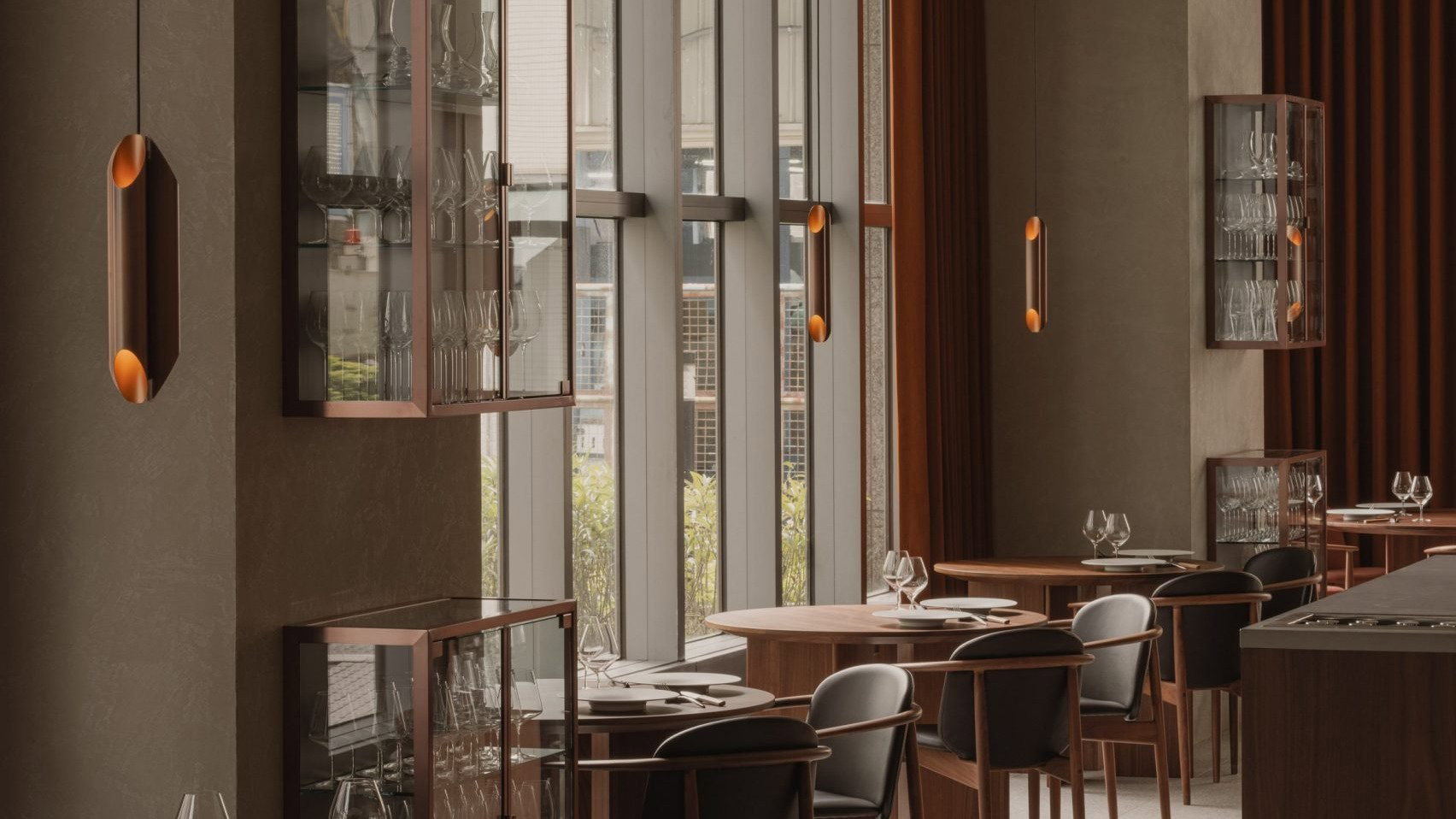
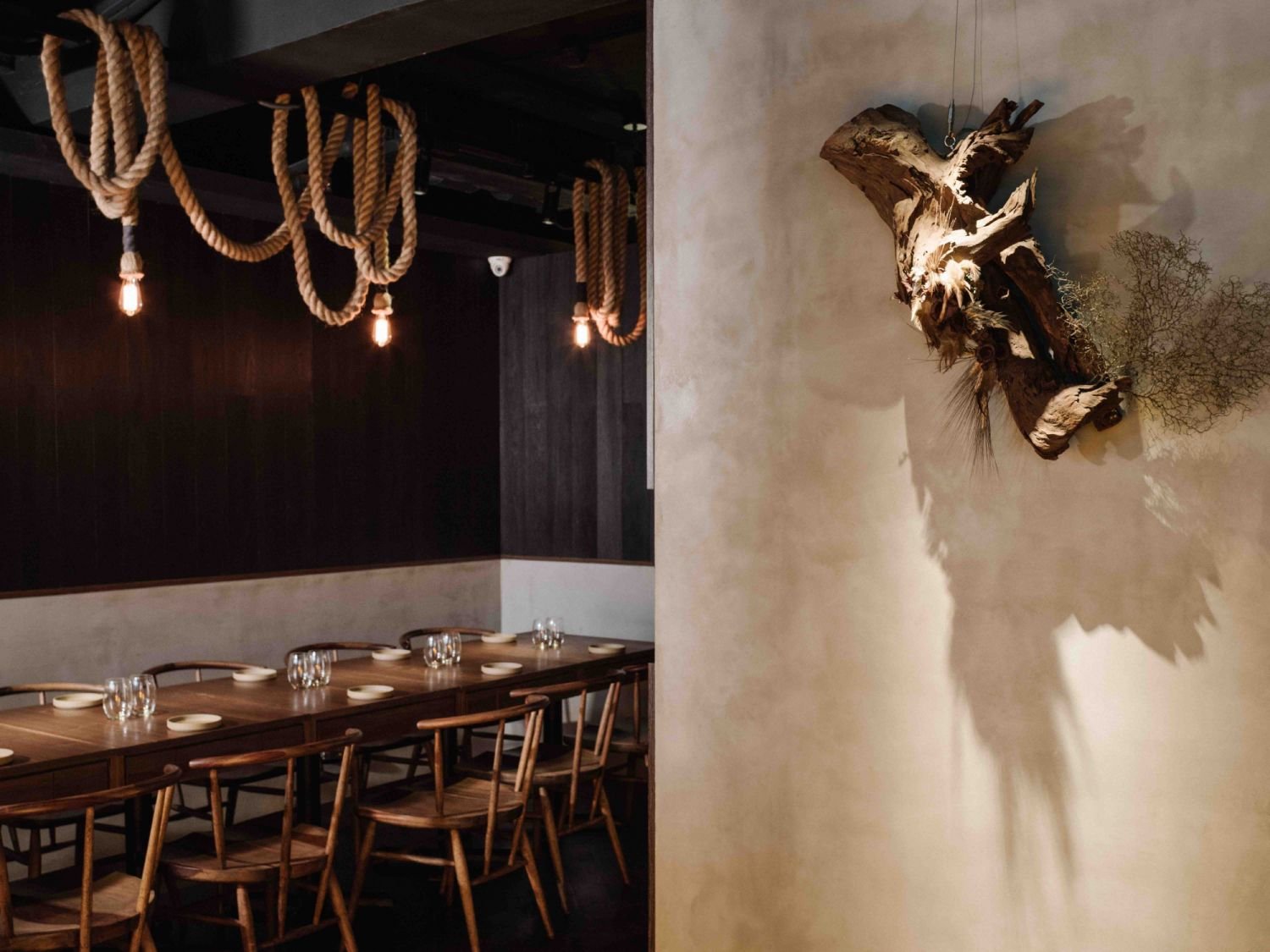
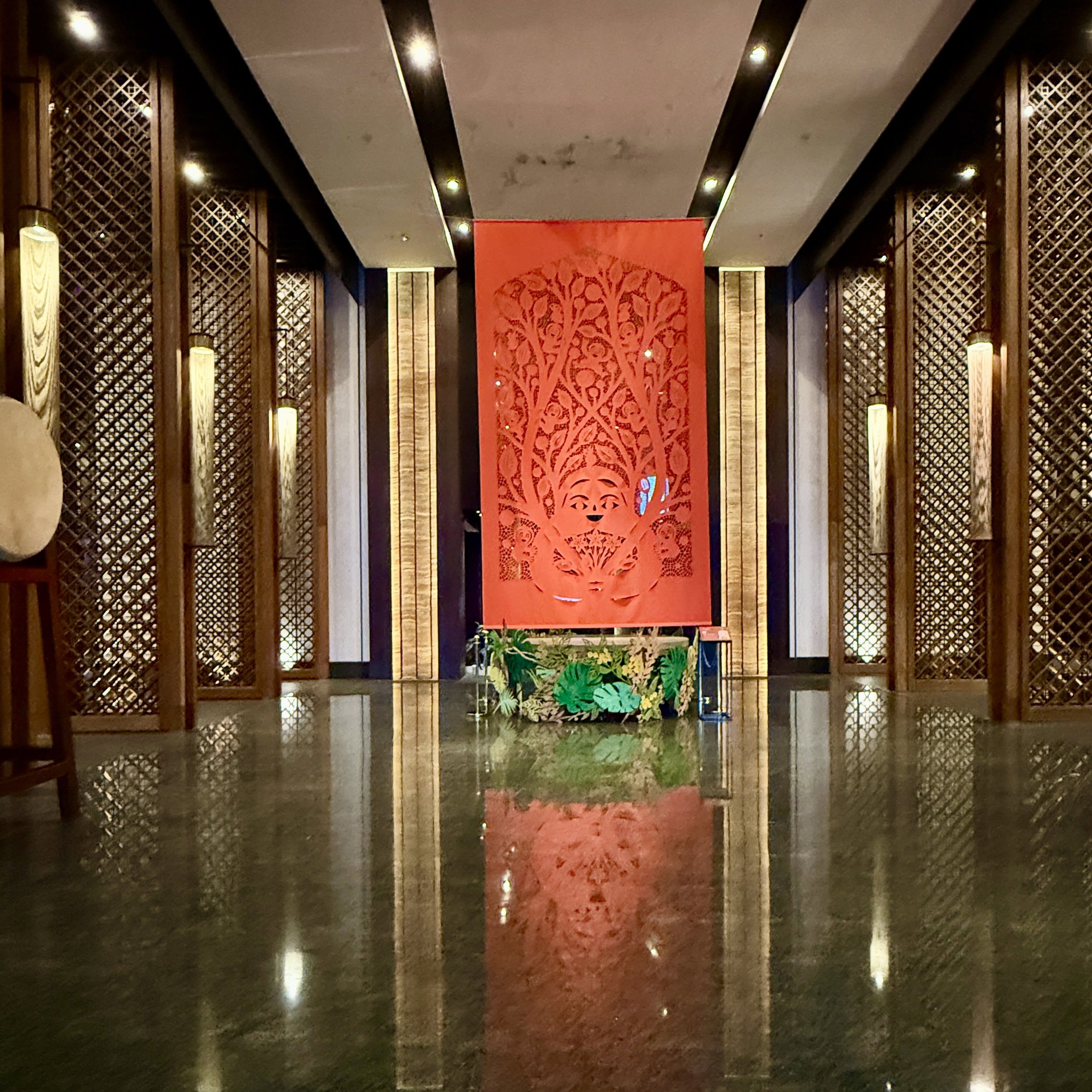
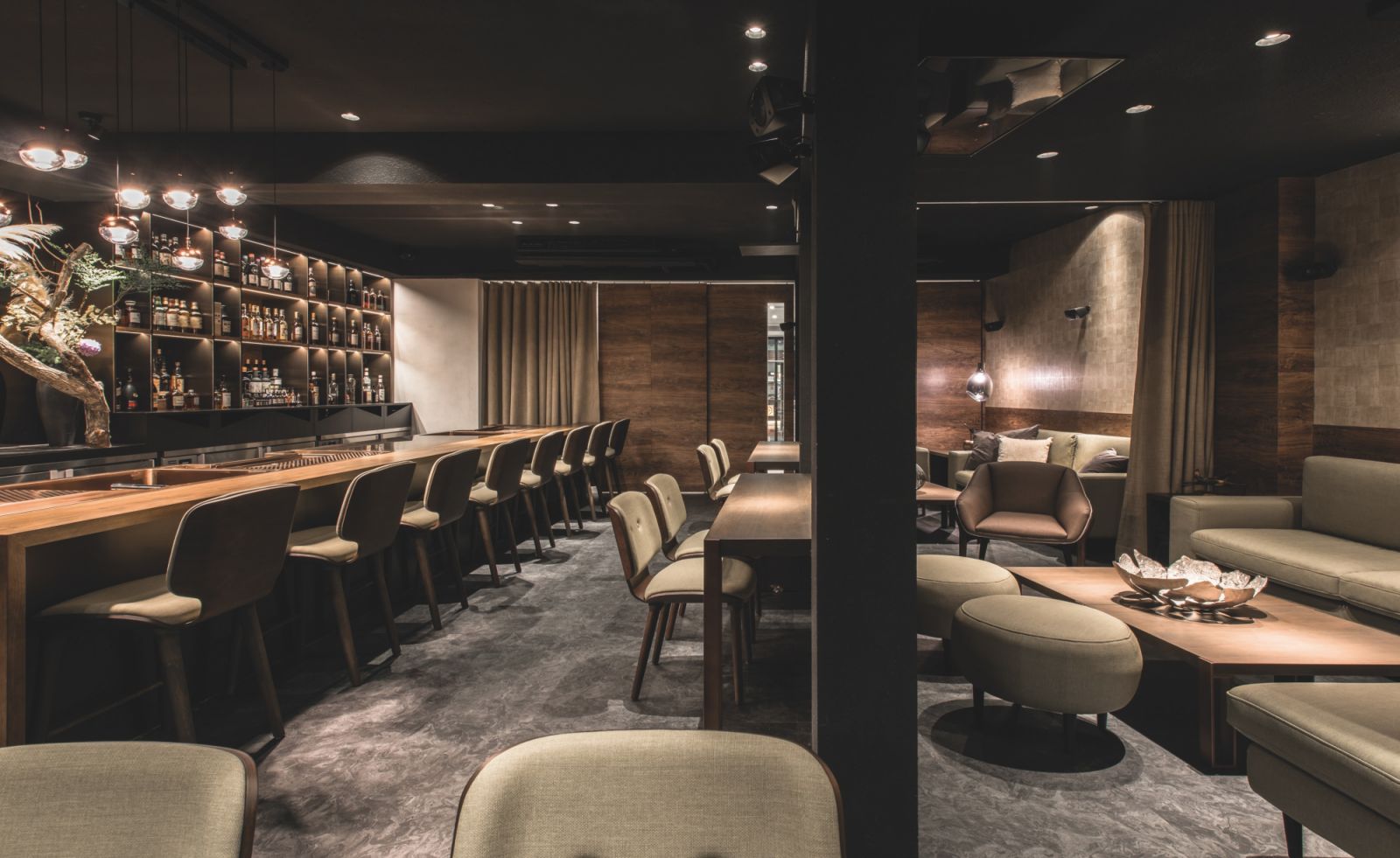
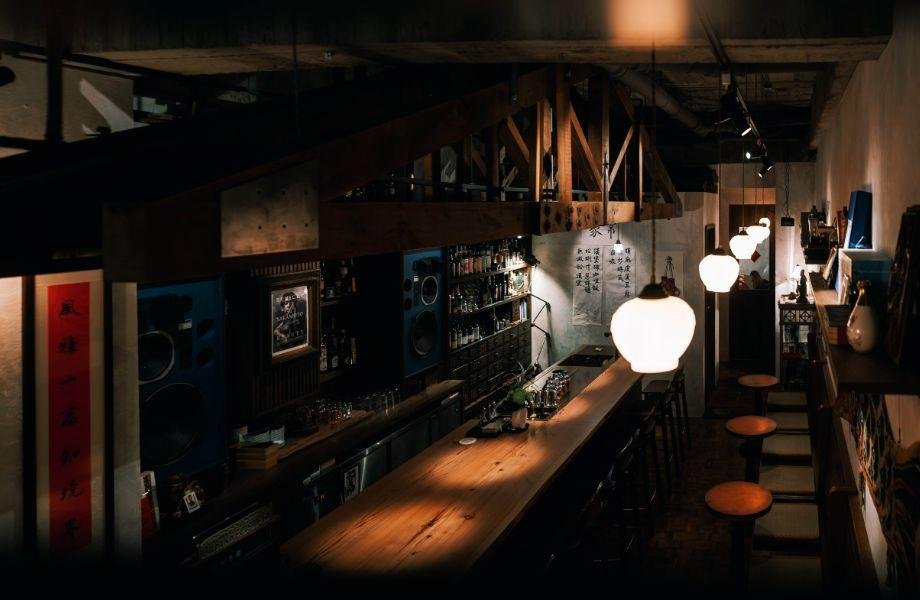
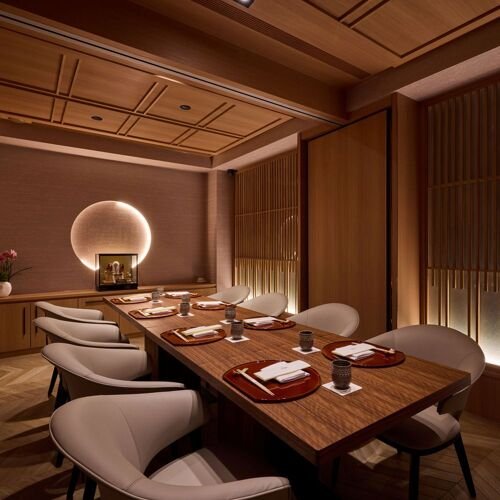
The physical setting at Sushi Kajin does considerable work before the first piece of fish arrives. A Taiwanese cypress counter anchors the room, bringing warmth and a faint aromatic quality to the air without competing with the food. Japanese lacquerware and restrained lighting complete the picture: this is a counter built for focus. Seating is intimate — the format draws you into direct conversation with the chef's movements rather than the ambient noise of a larger dining room. If you've sat at a well-run omakase counter in Tokyo, Kajin's spatial logic will feel immediately familiar. If you haven't, the layout makes the format easy to read: you are here to watch, to taste, and to pay attention. The room is not designed for groups who want to talk across a table; it is designed for diners who want to be present.
The Food
The kitchen works strictly in the edomae tradition, meaning the craft lives in preparation rather than spectacle. Fish arrives from Toyosu Market in Tokyo — not a local substitute, not a seasonal approximation, but the actual supply chain that underpins serious sushi in Japan. The head chef has been doing this for close to three decades, and the result is a practitioner who has developed strong opinions about every variable in the process: how long each fish should age, how the rice should be seasoned, how the vinegar blend should shift across different cuts. These are not small details. In edomae sushi, rice temperature and seasoning account for a significant portion of whether a piece works or doesn't, and Kajin's meticulous approach to both sets it apart from newer entrants in Taipei's sushi scene.
Right now, in spring and early summer, the kohada, a type of gizzard shad marinated in salt and vinegar, is at its finest here. The Michelin assessors noted it specifically in the 2025 recognition, and it is the dish that most clearly demonstrates the chef's depth. Kohada is technically demanding: it requires precise salt and vinegar timing, and the result should be clean and bright without being sharp. If you're visiting during this window, it is the piece to pay attention to. The broader omakase sequence reflects the same discipline across every course.
Booking and Practical Details
Getting a seat at Sushi Kajin is genuinely difficult. Pearl rates the booking difficulty as hard, which at this price point and with Michelin recognition in play means you should plan several weeks in advance at minimum. There is no website or phone number currently listed in our data, so the most reliable path is through your hotel concierge if you're staying at a property with strong local relationships, this is exactly the kind of reservation where a good concierge earns their keep. Alternatively, third-party reservation platforms that cover Taipei's fine dining circuit are worth checking. Walk-in availability is unlikely.
Sushi Kajin is located at No. 28, Jilin Road, Zhongshan District, a central Taipei address that puts it within reach of most hotel bases in the city. The price tier sits at $$$$, consistent with Tokyo-trained omakase counters of comparable standing. If you're building a broader Taipei dining itinerary, our full Taipei restaurants guide covers the wider field, and our Taipei hotels guide can help you find accommodation positioned for this part of the city. For after-dinner options, the Taipei bars guide is a useful next step.
In the Wider Taiwan Context
Kajin sits at the top of Taipei's Japanese fine dining category, but if you're spending time across Taiwan rather than just the capital, the dining picture broadens considerably. JL Studio in Taichung offers a very different register, Southeast Asian-inflected tasting menus with Michelin recognition of its own. GEN in Kaohsiung is worth factoring in if your itinerary extends south. For something grounded in local Taiwanese culinary tradition, A Cun Beef Soup in Tainan and A Gan Yi Taro Balls in New Taipei represent the other end of the quality-to-price spectrum. Explore the Taipei experiences guide and Taipei wineries guide for adjacent planning. Ang Gu in Hsinchu County and Volando Urai Spring Spa and Resort round out the day-trip dining options from the capital.
Taipei Sushi Alternatives
If Kajin is fully booked, Taipei has a handful of counters worth considering. Sushi Akira and Sushi Ryu both operate at the serious end of the city's omakase circuit. Qi 27 (Sushi 27) is a useful alternative if you want a counter with a slightly different register. Kitcho and Sasa round out the city's top-tier Japanese options. None of these replicate Kajin's specific combination of Toyosu sourcing, near-30-year technique depth, and Michelin Plate recognition, but they are the right places to look if your dates don't align.
What should a first-timer know about Sushi Kajin?
Come with an understanding of the omakase format: you eat what the chef serves, in the order it arrives. There is no a la carte menu. At $$$$ per head in Taipei's most serious sushi category, this is not a casual drop-in, it is a structured tasting experience built around the chef's sequence. Booking well in advance is non-negotiable given the Michelin Plate recognition and limited seating. If you have never sat at an edomae counter before, Kajin is a high-quality introduction, but the format rewards diners who arrive curious and unhurried rather than those expecting a conventional restaurant experience.
Does Sushi Kajin handle dietary restrictions?
The omakase format at counters like Kajin is, by design, not easily adapted for significant dietary restrictions. The chef constructs the sequence around the fish and the day's catch, and substitutions can compromise the integrity of the progression. If you have allergies or restrictions, contact the venue directly before booking, which, given the absence of a publicly listed phone or website in our current data, is leading handled through your hotel concierge or the platform you use to reserve. Be specific and ask early; a serious counter will tell you honestly whether they can accommodate you rather than improvise on the night.
What should I wear to Sushi Kajin?
Smart casual is the appropriate register. The $$$$ price point and the intimate cypress counter set a considered tone, and the room's design suggests diners who have dressed for the occasion rather than stopped by between other plans. You don't need a jacket, but the space does not reward very casual clothing. Think of it the way you would approach a high-end omakase counter in Tokyo: clean, simple, and unlikely to make the chef feel underdressed by comparison.
Is Sushi Kajin good for a special occasion?
Yes, and it is one of the stronger arguments in Taipei for this purpose specifically. The intimate counter format, the Michelin Plate recognition, the depth of technique from a chef with nearly three decades of experience, and the Toyosu Market sourcing all combine to make a meal feel genuinely significant rather than just expensive. If the occasion calls for something that will hold up to scrutiny from a serious diner, Kajin delivers. It is harder to book than most of Taipei's special-occasion options, so treat the reservation lead time as part of the planning, not an afterthought.
Is the tasting menu worth it at Sushi Kajin?
At $$$$, you are paying for two things: access to fish flown in from Toyosu Market and the accumulated judgment of a chef with close to 30 years in this specific format. Both are real. If you are comparing the spend to other $$$$ options in Taipei, Kajin's depth of technique in a single discipline makes the value case more direct than a tasting menu that spreads across cuisines.
What are alternatives to Sushi Kajin in Taipei?
For sushi specifically, Sushi Akira, Sushi Ryu, and Qi 27 are the counters to consider at a comparable tier. If you want to stay in the $$$$ bracket but shift format entirely, Taïrroir offers Taiwanese-French tasting menus with stronger Michelin credentials, and logy delivers modern European-Asian work that is arguably easier to book. Mudan Tempura is the right call if you want a Japanese counter experience with tempura rather than sushi as the through-line. None of these replace what Kajin does with edomae technique specifically, but they are the peer group worth knowing.
Planning details
- Location
- No. 28號, Jilin Rd, Zhongshan District, Taipei City, Taiwan 10491
- Website
- sushi-kajin.com
- Phone
- +886 2 2581 8999
The take
The Take
The Vibe
Sushi Kajin presents the counter as the room's raison d'être: a Taiwanese cypress surface and Japanese lacquerware set a restrained, purposeful stage where light stays low and focus remains on the chef's work. The writing frames the space in edomae terms — tight, legible, and discipline-driven — so guests encounter a quiet, measured environment that privileges technique and ingredient over theatrical fuss. Material choices and a pared-back presentation register the restaurant as a design-aware, classic sushi counter that references Tokyo traditions while using local timber to calibrate tone and warmth.
Best For
This is for diners who want a concentrated edomae experience: people who appreciate the choreography of a chef at a counter, and who read provenance and precision as part of the meal. It suits solo diners and small parties who prefer to watch technique and sequencing up close, as well as guests treating sushi as a serious tasting rather than a casual meal. The emphasis on Toyosu sourcing and tight counter service also makes it relevant to business dinners and special-occasion bookings where ingredient quality and discipline matter.
Ordering Tips
Treat the counter as the guiding frame: allow the chef's sequencing to dictate the pace of the meal so temperature and progression are legible. Prioritize pieces that signal the kitchen's Toyosu sourcing and high-end focus — signature items like Hokkaido hairy crab nigiri, ootoro, warayaki kanpachi, sea urchin and grilled surf clam are representative of the programme. Because the room is organized around the counter, lean into nigiri and chef-led selections rather than à la carte experimentation; the space is designed to make technique and ingredient provenance central to the experience.
Venue details
Ambiance
Serene and refined with a soothing hinoki cypress wood aroma, spacious counter seating with warm lighting, and meticulous attention to detail in every element from tableware to plating.
Tags
Vibe
Best For
Experience
Sourcing
At the Table
- Dress Code
- Smart Casual
- Noise Level
- Quiet
- Service Style
- Omakase Bar
- Meal Pacing
- Extended Experience
- Capacity
- Intimate
Signature Dishes
- Hokkaido hairy crab nigiri
- Ootoro (fatty tuna belly)
- Warayaki kanpachi (straw-grilled amberjack)
- Sea urchin
- Grilled surf clam
Know before you go
Know Before You Go
- Getting there
- No. 28號, Jilin Rd, Zhongshan District, Taipei City, Taiwan 10491
Planning details
Location
No. 28號, Jilin Rd, Zhongshan District, Taipei City, Taiwan 10491 · Directions
Recognition and awards
Also consider
Also Consider
- logy, Modern European, Asian Contemporary, $$$$
- Le Palais, Cantonese, $$$$
- Taïrroir, Taiwanese/French, Taiwanese contemporary, $$$$
- Mudan Tempura, Tempura, $$$$
- de nuit, French Contemporary, $$$$
Restaurant context
At the $$$$ tier in Taipei, Sushi Kajin competes for the same special-occasion budget as logy, Taïrroir, and Le Palais, but it operates in a different register. Kajin is a single-discipline counter: edomae sushi, executed with close to three decades of accumulated precision. If you want the deepest possible focus on one Japanese craft tradition and you're willing to work for the reservation, Kajin is the correct choice. Taïrroir and logy both carry stronger Michelin credentials on paper, Taïrroir in particular has accumulated significant star recognition for its Taiwanese-French format, and either is more accessible to book. The trade-off is format: those are tasting menus that span cuisines and techniques, where Kajin is a counter built around one chef's mastery of one tradition.
Mudan Tempura offers the closest structural parallel to Kajin among Taipei's Japanese fine dining options: a single-technique counter at $$$$ with serious sourcing behind it. The choice between them comes down to preference, sushi versus tempura as a format, and the specific depth each chef brings to their craft. For Cantonese at the same price tier, Le Palais carries significant prestige and is more readily bookable than Kajin, though the two are not direct competitors in any useful sense. de nuit rounds out Taipei's $$$$ French contemporary options for diners whose preference runs toward European tasting menu formats.
The practical verdict: if the occasion is a serious sushi dinner and you're prepared to plan ahead, book Kajin. If you want a broader tasting menu with more booking flexibility and higher Michelin name recognition, Taïrroir or logy are the stronger alternatives. If Kajin is unavailable, move to Sushi Akira or Sushi Ryu before leaving the sushi category entirely.
Explore Taipei
Around this place
Discover more on Pearl
Unlock the full Sushi Kajin guide in Pearl, including awards, comparisons, FAQs, planning details, and nearby places.
Compare Sushi Kajin
| Venue | Price | Booking Difficulty | Awards |
|---|---|---|---|
| Sushi Kajin | $$$$ | Hard | Michelin Guide Taiwan 20262025 Michelin 1 Star2025 Michelin Plate |
| logy | $$$$ | Unknown | 2026 Asia's 50 Best Restaurants · #222026 OAD Top Restaurants in Asia Ranked · #22Michelin Guide Taiwan 2026Star Wine Lists 20262026 Conde Nast Traveler Hot List Restaurants2026 Black Pearl 1 Diamond2026 La Liste Top Restaurants2025 Asia's 50 Best Restaurants · #262025 OAD Top Restaurants in Asia Ranked · #32 |
| Le Palais | $$$$ | Unknown | 2026 OAD Top Restaurants in Asia Ranked · #128Michelin Guide Taiwan 20262026 La Liste Top Restaurants2025 OAD Top Restaurants in Asia Ranked · #1212025 La Liste Top Restaurants2025 Michelin 3 Stars2024 OAD Top Restaurants in Asia Ranked · #1782024 Michelin 3 Stars2023 OAD Top Restaurants in Asia Ranked · #140 |
| Taïrroir | $$$$ | Unknown | 2026 OAD Top Restaurants in Asia Ranked · #132Michelin Guide Taiwan 20262026 La Liste Top Restaurants2025 OAD Top Restaurants in Asia Ranked · #128Tatler Best Restaurants Asia-Pacific 20252025 Michelin 3 Stars2025 La Liste Top Restaurants2024 OAD Top Restaurants in Asia Ranked · #842024 Michelin 3 Stars |
| Mudan Tempura | $$$$ | Unknown | Michelin Guide Taiwan 20262026 OAD Top Restaurants in Asia Recommended2026 La Liste Top Restaurants2025 OAD Top Restaurants in Asia Ranked · #2842025 Michelin 2 Stars2024 OAD Top Restaurants in Asia Ranked · #288 |
| de nuit | $$$$ | Unknown | Michelin Guide Taiwan 2026Star Wine Lists 20262026 OAD Top Restaurants in Asia Recommended2025 The Best Chef One Knife2025 Michelin 1 Star2024 Michelin 1 Star |

.png?width=1200&quality=80)










Key differences to consider before you reserve.
FAQ
Frequently Asked Questions
What should a first-timer know about Sushi Kajin?
Come prepared for a traditional edomae counter experience: fish aged for flavour, rice and vinegar blends tuned by a chef with nearly 30 years of experience, and no tableside theatre. Sushi Kajin holds a Michelin Plate (2025) and prices sit at $$$$, so this is a deliberate occasion booking, not a casual drop-in. Securing a seat is genuinely difficult, so plan well in advance.
What should I wear to Sushi Kajin?
The setting — Taiwanese cypress counter, Japanese lacquerware, warm lighting — signals a considered, formal-leaning atmosphere. Dressing neatly is appropriate; think business casual at minimum. There is no evidence of a strict dress code in available data, but arriving underdressed at a $$$$ Michelin-recognised counter would be conspicuous.
Is Sushi Kajin good for a special occasion?
Yes, this is one of the stronger cases for it in Taipei. The counter format, the $$$$ price point, and the Michelin Plate recognition all frame it as a destination booking rather than a regular dinner. The intimate setting makes it more suitable for two people than a larger group — if you're planning a celebration for four or more, confirm whether the counter can accommodate your party before booking.
Is the tasting menu worth it at Sushi Kajin?
At $$$$, Sushi Kajin asks for serious money by Taipei standards, and the case for spending it rests on a clear proposition: nearly 30 years of edomae craft, fish flown from Toyosu, and a chef who controls every variable down to the rice vinegar blend. If that level of precision is what you're paying for, it delivers. If you want a more flexible or social format, the value equation shifts — a multi-course restaurant like Taïrroir may suit you better at a comparable price.
What are alternatives to Sushi Kajin in Taipei?
Sushi Akira and Sushi Ryu both operate at the serious end of Taipei's sushi scene and are worth considering if Kajin is fully booked. For a different format entirely at a similar spend, Taïrroir offers Taiwanese-inflected fine dining with stronger availability. If you're open to stepping outside the sushi category, Le Palais and logy both represent Taipei's upper tier of the dining options.