
Restaurant in Tokyo, Japan
Sushi Miura
440Pearl PointsAccessible ¥¥¥ omakase, easy to book.

About Sushi Miura
Sushi Miura is a Michelin Plate-recognized omakase counter in Akasaka offering a Kyoto-influenced opening before moving to sushi — with a technically distinctive rice blend that serious diners will notice. At the ¥¥¥ price tier with easy booking, it delivers more craft than most counters at this level. Book one to two weeks out; counter seating only.
Verdict: A Michelin-Recognized Omakase in Akasaka Worth Booking at the ¥¥¥ Price Point
At the ¥¥¥ price tier, Sushi Miura sits in a comfortable position for Tokyo omakase: meaningful enough to feel like a considered meal, accessible enough that it doesn't require the months-in-advance planning that ¥¥¥¥ counters like Harutaka or Sukiyabashi Jiro Roppongiten demand. A Michelin Plate recognition in 2024 confirms it clears a quality threshold worth your time. If you want technically grounded omakase sushi with a Kyoto-cuisine influence, and you're in Akasaka, this is the booking to make.
The Counter Experience
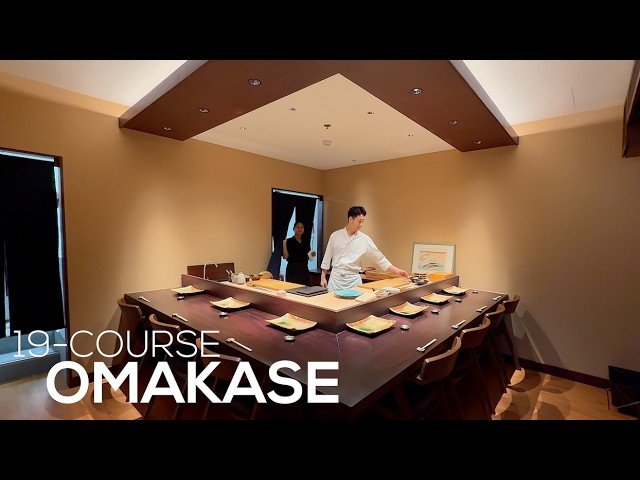
The atmosphere at Sushi Miura is quiet and focused. This is a counter restaurant in the traditional mold: the energy is low, conversation stays measured, and the room orients entirely around what's happening in front of you. The ambient sound is the soft rhythm of the chef working, not background music or chatter. For a food-focused guest who wants to pay attention to the meal, that restraint is an asset. If you're after a livelier evening, this counter won't deliver it — consider a different format for that.
The room itself is in a ground-floor unit in Akasaka's Fortune Mallet building on Chome 6-19-46, a residential-leaning part of the neighbourhood rather than its commercial centre. Akasaka as a whole occupies an interesting position in Tokyo's dining map: it sits between the corporate intensity of Roppongi and the quieter affluence of Aoyama, drawing a mix of business diners and food-focused locals who want serious cooking without the premium-district surcharge. Sushi Miura fits that profile directly. It's not a destination-district restaurant performing for foreign visitors; it reads more like a neighbourhood counter that happens to have earned Michelin attention.
Calligraphy on the wall is worth noting not for atmosphere but for what it signals about the cooking approach. The piece, given by the chef's mentor from his Kyoto training, reads 'Jikishin' — a Zen term meaning 'true heart', an exhortation to stay undistracted and maintain a pure spirit. At a counter this small, that philosophy shapes what lands in front of you: the menu is not built around novelty or show. It is built around precision and honesty of ingredient. That's the lens through which to assess the meal.
What the Omakase Delivers
Set menu opens with dishes reflecting Kyoto cuisine training before moving to sushi, a structure that distinguishes Sushi Miura from counters that go straight to nigiri. The Kyoto-influenced opening courses tend toward seasonal precision: references in Michelin's own recognition cite young pepper leaves with bamboo shoot and sweetfish smoked in pine needles as examples of the seasonal register. Those specific dishes may vary, but they signal the cooking's sensibility: technique-forward, seasonally anchored, not given to elaborate garnishes.
Sushi rice is a point of genuine technical interest. The blend uses rice from both the current year's and the previous year's harvests, producing a texture and a lingering sweetness that differs from counters working with a single-vintage rice. This isn't a detail you'd necessarily notice without knowing to look for it, but it explains why the rice at Miura feels distinct, and it's the kind of foundational craft decision that separates a serious counter from one that merely has good fish.
Since the menu is omakase, you are eating what the chef judges to be right for the season and the supply available. This is standard at this level, but worth stating plainly if you're newer to the format: there is no à la carte, and substitution requests are not typically part of the structure. For a guest who wants control over what they order, Sushi Kanesaka or Edomae Sushi Hanabusa may suit better depending on their format.
Akasaka as a Dining Base
If you're structuring a Tokyo eating trip around Sushi Miura, Akasaka is a functional and underrated base. It has good transport links, proximity to the Ark Hills dining cluster, and none of the tourist congestion of Shinjuku or the premium-district pricing of Ginza. Beyond Sushi Miura, Hiroo Ishizaka is nearby for a different register of Japanese cooking. For a broader view of what Tokyo's restaurants offer across neighbourhoods and price tiers, see our full Tokyo restaurants guide. If you're visiting from outside Japan, you may also want our Tokyo hotels guide and our Tokyo bars guide to complete the trip.
Beyond Tokyo, the wider Japan sushi and fine-dining circuit is worth mapping if this kind of meal interests you. HAJIME in Osaka and Gion Sasaki in Kyoto both operate at comparable or higher levels of ambition. For sushi specifically at similar quality abroad, Sushi Shikon in Hong Kong and Shoukouwa in Singapore represent the export of Tokyo counter culture to other Asian cities, useful reference points if you're building a regional trip. Other notable Japan options across the price range include akordu in Nara, Goh in Fukuoka, 1000 in Yokohama, and 6 in Okinawa.
Practical Details
Reservations: Booking difficulty is rated Easy, you do not need to plan months in advance, which is a real advantage over ¥¥¥¥ omakase counters in Tokyo. That said, counter seats are limited, so booking at least one to two weeks ahead is sensible for specific dates. Format: Omakase only, no à la carte. Budget: ¥¥¥ price tier; exact per-head cost is not published, but this tier in Tokyo typically runs ¥15,000–¥30,000 per person depending on beverage selection. Location: Ground floor, 6 Chome-19-46, Akasaka, Minato City, accessible from Akasaka or Tameike-Sanno stations. Google rating: 4.4 from 95 reviews. Awards: Michelin Plate, 2024. Dress: Smart casual is appropriate for this price tier; no published dress code, but the counter's quiet atmosphere suggests avoiding overly casual clothing.
How It Compares
Frequently Asked Questions
Can Sushi Miura accommodate groups?
Sushi Miura is a traditional counter restaurant in Akasaka, which limits group size — counters of this format typically seat fewer than 12. It works well for two people or a small party of three or four, but larger groups should look elsewhere. If a private dining format matters to your group, Tokyo has dedicated omakase rooms better suited to that need.
Can I eat at the bar at Sushi Miura?
Yes — the counter is the entire experience at Sushi Miura. This is not a restaurant with a separate bar section; the counter seat is where the omakase is served, and it is the format the chef has built the restaurant around. If you prefer table seating, this counter-only format may not suit you.
How far ahead should I book Sushi Miura?
Booking difficulty is rated Easy, which means you do not need to plan months out the way you would for Tokyo's ¥¥¥¥ counters. A week or two of lead time should be sufficient in most cases, though weekend seats fill faster. That accessibility is a genuine advantage at the ¥¥¥ price point.
Is Sushi Miura worth the price?
At ¥¥¥, Sushi Miura sits at a price tier where the value case is clear: you get a Michelin Plate-recognized omakase with a Kyoto-trained chef, without the booking difficulty or cost of Tokyo's top-tier counters. If you want a considered, focused sushi meal without committing to ¥¥¥¥ spend, this is a reasonable choice. For visitors who want the most technically demanding omakase in the city, the ¥¥¥¥ tier will feel more appropriate.
Is Sushi Miura good for a special occasion?
It is a workable choice for a low-key special occasion — the counter is quiet and focused, and the omakase format gives the meal a natural sense of occasion. The Michelin Plate recognition and the philosophical framing of the space (the calligraphy reading 'Jikishin', or 'true heart', gifted by the chef's mentor) add weight without theatrics. For a milestone that calls for more ceremony or a private room, a ¥¥¥¥ counter would be a stronger fit.
Is the tasting menu worth it at Sushi Miura?
The omakase at Sushi Miura is structured to show the chef's range: it opens with dishes reflecting Kyoto cuisine training before moving to sushi, which distinguishes it from counters that go straight to nigiri. The rice, blended from current and previous harvests for a lingering sweetness, is a deliberate technical choice rather than a default. At ¥¥¥, that level of intention is worth the format.
What are alternatives to Sushi Miura in Tokyo?
Harutaka in Ginza is the obvious step up if you want a more technically demanding nigiri-focused counter at a higher price point. For something entirely different at a similar spend, RyuGin offers kaiseki-influenced Japanese cooking rather than sushi. Within the ¥¥¥ omakase tier, Sushi Miura's Kyoto-cuisine opening and accessible booking make it a practical first choice over counters with longer wait times and less structural interest.
Location
Japan, 〒107-0052 Tokyo, Minato City, Akasaka, 6 Chome−19−46 フォーチュンマレット赤坂 1階
Tokyo, Japan
Compare Sushi Miura
| Venue | Awards | Price |
|---|---|---|
| Sushi Miura | ¥¥¥ | |
| Harutaka | Michelin 3 Star, World's 50 Best | ¥¥¥¥ |
| L'Effervescence | Michelin 3 Star, World's 50 Best | ¥¥¥¥ |
| RyuGin | Michelin 3 Star, World's 50 Best | ¥¥¥¥ |
| HOMMAGE | Michelin 2 Star, World's 50 Best | ¥¥¥¥ |
| Crony | Michelin 2 Star, World's 50 Best | ¥¥¥¥ |
Comparing your options in Tokyo for this tier.
Also Consider
- Harutaka, Sushi, ¥¥¥¥
- L'Effervescence, French, ¥¥¥¥
- RyuGin, Kaiseki, Japanese, ¥¥¥¥
- HOMMAGE, Innovtive French, French, ¥¥¥¥
- Crony, Innovative, French, ¥¥¥¥
Sushi Miura's most direct peer comparison is with Tokyo's other ¥¥¥ omakase counters, where the cooking is serious but the price and booking friction haven't reached the ceiling. Against ¥¥¥¥ peers like Harutaka, Miura is the easier, more accessible booking, Harutaka demands more lead time, costs more per head, and operates at a higher intensity of prestige. If budget is a consideration or you haven't planned far enough in advance for Harutaka, Miura is a sensible alternative that still carries Michelin recognition.
Compared to non-sushi ¥¥¥¥ options in the comparison set, the choice depends on format preference. L'Effervescence and HOMMAGE are French-influenced and operate at a higher price tier with a completely different register of cooking, relevant if you're deciding how to allocate a special-occasion dinner between Japanese and Western formats. RyuGin offers kaiseki at ¥¥¥¥ and is the right call if you want the most technically ambitious Japanese cooking available in Tokyo at any price. Crony sits in the innovative French category and appeals to a different diner profile entirely.
For a guest who specifically wants sushi omakase and is deciding between tiers: Sushi Miura is the practical choice if you want quality-validated, seasonally grounded counter sushi without committing to the highest price bracket or the hardest-to-get reservation. If budget is not a constraint and the experience needs to be at the absolute top of Tokyo's sushi range, move up to Harutaka or Sukiyabashi Jiro Roppongiten and book accordingly.
Recognized By

Explore Tokyo
Save or rate Sushi Miura on Pearl
Keep this venue in your Pearl passport, rate it after you visit, and track it alongside every other place you collect.