
Auberge Chez Guth
Creative · Steige
Restaurant in Steige, France
 Book with Pearl
The Read
Foraged Alsatian Creativity
Price
$50–100per person
Dress
Smart Casual
Why go
Auberge Chez Guth holds a Michelin star (2025) in a stone farmhouse inn deep in the Alsatian Villé valley, making it the only serious creative kitchen in Steige. Chef Yannick Guth cooks with foraged herbs, lake fish, and regional game in a format that outperforms its rural setting. At €€€, it's worth the detour for food-focused travellers driving through Alsace.
About Auberge Chez Guth
A Michelin-recognised creative kitchen in an Alsatian farmhouse inn: with very limited hours
Auberge Chez Guth earns a Michelin Plate (2024) in one of the least obvious settings for serious creative cooking in France: a converted farmhouse in the upper reaches of Steige, a village deep in the Villé valley of Alsace. The dining room is open just four days a week for lunch and two evenings a week, with service windows as narrow as 90 minutes. If your schedule doesn't align, you don't eat here: so if you're planning a visit, build your itinerary around the kitchen's hours, not the other way around.
For food-focused travellers driving through Alsace or based in Strasbourg for a few days, this is one of the most credible arguments for leaving the city. The nearest Michelin-recognised peer in the region, Au Crocodile in Strasbourg, operates in a very different register, urban, formal, built for business dining. Chez Guth is the opposite: rural, intimate, and shaped by its specific geography. That contrast is worth understanding before you book.
The Space
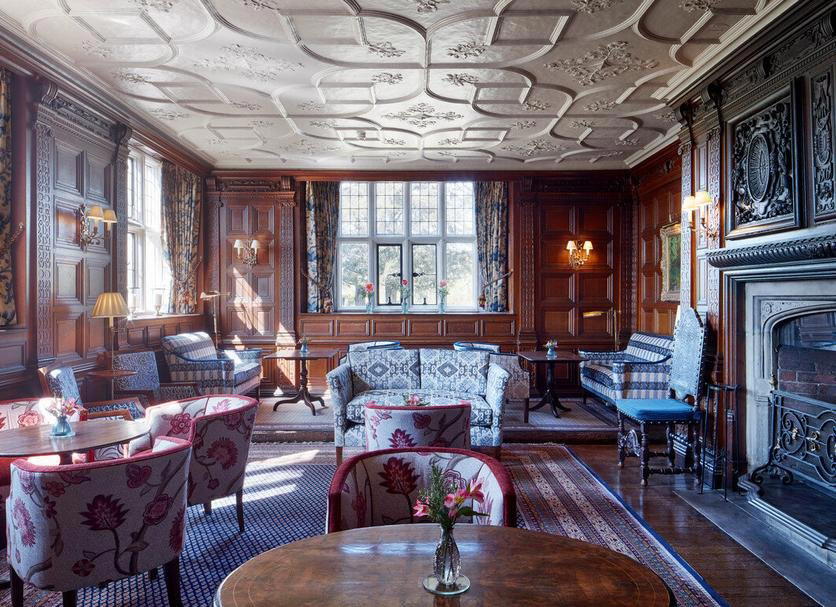
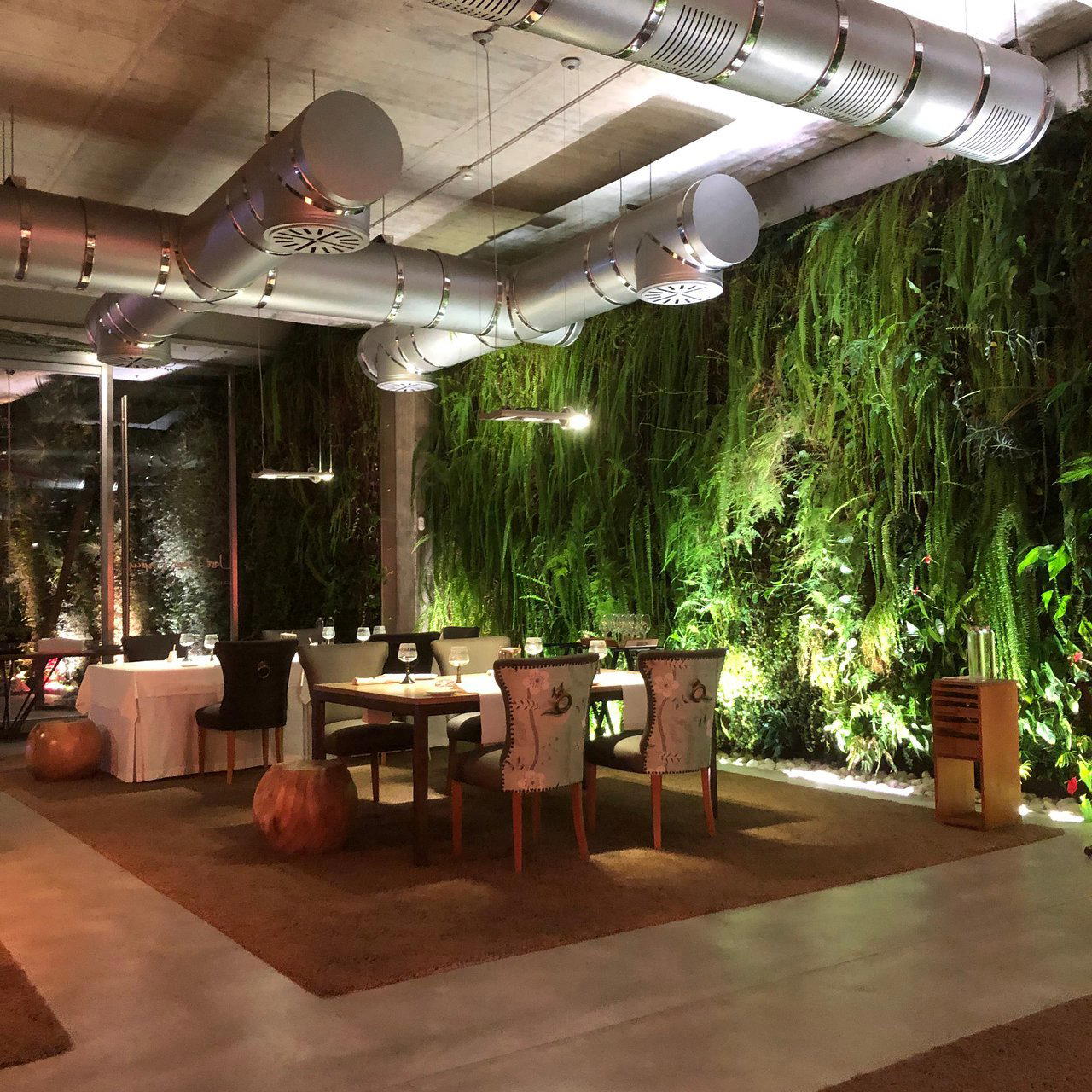
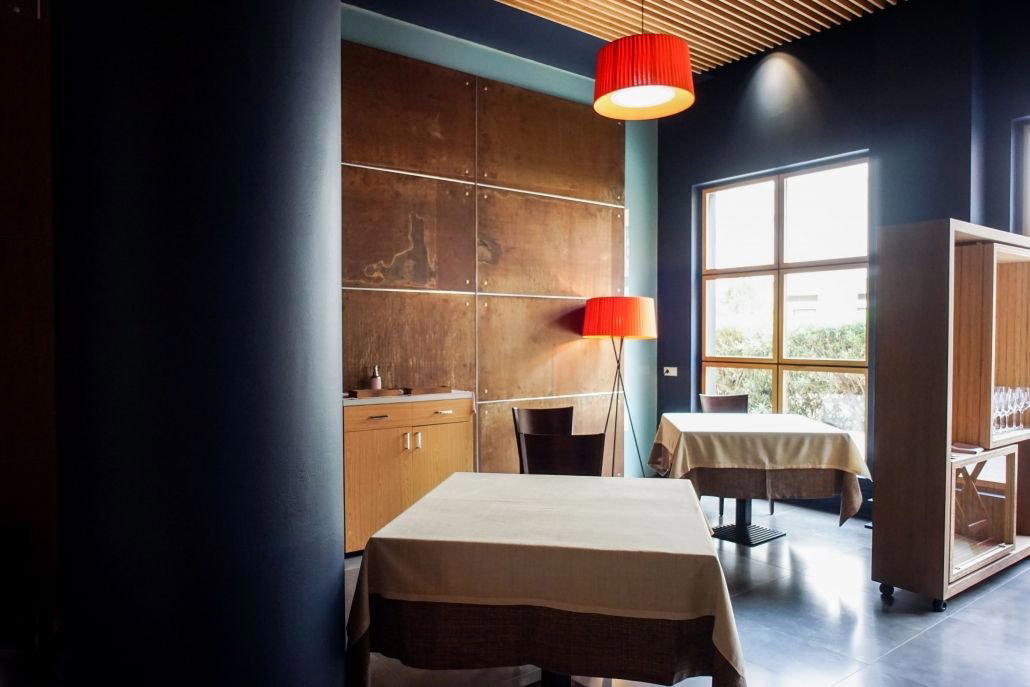
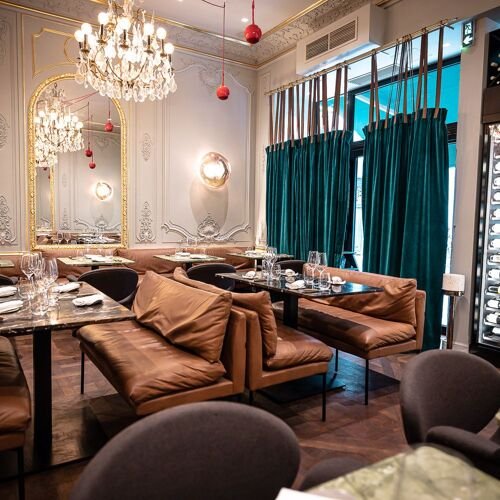
The setting is a stone farmhouse inn at the top of the village, positioned above the rolling pasture and forested hillsides of the Villé valley. Inside, the room reads as a traditional Alsatian auberge, low ceilings, rural texture, the kind of space that absorbs sound rather than amplifying it. A terrace looks out over the valley and is used for pre-dinner drinks and coffee, which extends the meal comfortably beyond the table. The spatial experience is defined by scale: this is a small room in a small village, and the cooking is calibrated to that context. Don't arrive expecting a sleek dining room; the farmhouse character is part of the proposition, and it works because the food justifies the detour.
The Cooking
Chef Yannick Guth runs a creative menu built around hyper-local sourcing, herbs and flowers picked personally, fish drawn from the nearby lake (pike, zander, whitefish), and a wider palate of Alsatian ingredients. The Michelin description references dishes like whitefish in seaweed with chickpea rouille, and cromesquis of pheasant with mountain lovage, parsley, and mushrooms. These aren't decorative flourishes; they reflect a kitchen that uses local knowledge as a technical ingredient. The approach is labelled creative for good reason: combinations can surprise, and the ambition pushes past what you'd expect from a village inn.
The lakeside fish element is particularly worth noting. The Villé valley sits near a cluster of small Vosges lakes, and cooking with pike and zander isn't common at this level of technique outside the region. If you eat regularly at urban creative tasting menus in Paris or Lyon, the ingredient sourcing here will feel genuinely different rather than decoratively rustic. For context on what high-end French cooking can look like when it's rooted in a specific landscape, compare the approach to Mirazur in Menton or Bras in Laguiole, both chefs work from a strong sense of place, and Guth is operating in that tradition at a smaller, more accessible scale.
Why This Venue Matters to Steige
Steige is not a dining destination. It has no hotel cluster, no second restaurant pulling visitors, and no infrastructure around culinary tourism. What it has is this farmhouse kitchen, and that's the entire argument for the village appearing on any serious traveller's map of Alsace. For the Villé valley specifically, there's nothing comparable. If creative cooking in rural Alsace is something you want to experience, this is where you go. See our full Steige restaurants guide for broader context, and our Steige hotels guide if you're planning an overnight stay.
Regional Context
Alsace has a strong tradition of destination dining rooted in rural auberges. The most famous example in the region is Auberge de l'Ill in Illhaeusern, which operates at a three-star level in a similarly pastoral setting. Chez Guth is not in that conversation technically, but it shares the format: a farmhouse inn, a chef with strong local identity, and a kitchen that takes the terroir seriously. For visitors building a route through eastern France, pairing Chez Guth with a visit to Assiette Champenoise in Reims or Flocons de Sel in Megève gives a useful cross-section of what serious French regional cooking looks like outside Paris. Also worth considering on an extended France circuit: Troisgros in Ouches, Auberge du Vieux Puits in Fontjoncouse, or AM par Alexandre Mazzia in Marseille for a different register of French creative cooking.
Practical Details
Reservations: Booking is rated easy, call or visit to arrange, but confirm well in advance if travelling specifically for this meal, as the narrow service windows mean available slots go quickly. Hours: Wednesday lunch (12–1:15 PM) and dinner (7–8:30 PM); Thursday and Friday lunch (12–1:30 PM); Friday dinner (7–8:30 PM); Saturday lunch and dinner; Sunday lunch only. Monday and Tuesday closed. Price range: €€€, mid-to-upper tier for the region, and given the Michelin recognition and sourcing quality, it represents fair value. Dress: No formal dress code listed; rural auberge setting suggests smart-casual is appropriate and comfortable. Getting there: Steige is in the Villé valley of the Bas-Rhin department, a car is necessary; Strasbourg is the nearest major city and the logical base. Consult our Steige experiences guide for what else to do in the valley, and our Steige bars guide and Steige wineries guide for pre- or post-dinner options.
Planning details
- Hours
- Monday: closed · Tuesday: closed
- Location
- 5A rue du bas des monts, 67220 Steige, France
- Reservations
- Book on Zenchef
- Website
- auberge-chez-guth.fr
- Phone
- +33 3 88 58 12 05
The take
The Take
The Vibe
Auberge Chez Guth reads like a classic Vosges farmhouse brought to life as a quietly accomplished regional restaurant. The setting, an historic farmhouse inn in the upper Villé valley surrounded by forested hills, gives the place a scenic, small‑town intimacy. The kitchen’s rooted sourcing, with the chef harvesting herbs and flowers from the immediate terrain and relying on freshwater fish from the local lake, keeps the atmosphere grounded and unostentatious. Serious cooking communicates a strong sense of place with a low-key, welcoming presence.
Best For
This auberge suits diners looking for a thoughtful, intimate meal that showcases terroir rather than trends. It is an apt choice for date nights and special occasions that favor quiet refinement and regional authenticity: guests come from the valley and beyond specifically to experience food driven by local ingredients. The pace and scale of the kitchen feel measured and deliberate, so the restaurant is best for people who appreciate composed, ingredient‑forward plates and a relaxed, scenic setting in the Vosges.
Ordering Tips
Order with the local sourcing in mind: the menu is shaped by what the land and lake supply. Auberge Chez Guth serves freshwater fish such as pike, zander and whitefish, including a whitefish preparation with seaweed and chickpea rouille. Plates that highlight herbs, flowers and seasonal produce picked by the chef are likely representative of the restaurant’s strengths. Expect a menu that changes with availability; choose dishes that read most specifically of the valley to get the clearest sense of the auberge’s culinary identity.
Venue details
Ambiance
Warm and cozy atmosphere in a redesigned old farmhouse with a fireplace, blending rustic charm and upscale elegance.
Tags
Vibe
Best For
Experience
Sourcing
View
At the Table
- Dress Code
- Smart Casual
- Noise Level
- Quiet
- Service Style
- Formal
- Meal Pacing
- Leisurely
- Capacity
- Intimate
- Kitchen
- Seasonal
- Menu Format
- Tasting menu
- Outdoor Seating
- Yes
Know before you go
Know Before You Go
- Getting there
- 5A rue du bas des monts, 67220 Steige, France
Planning details
Hours
- Monday
- closed
- Tuesday
- closed
- Wednesday
- 12 PM-1:15 PM 7 PM-8:30 PM
- Thursday
- 12 PM-1:30 PM
- Friday
- 12 PM-1:30 PM 7 PM-8:30 PM
- Saturday
- 12 PM-1:30 PM 7 PM-8:30 PM
- Sunday
- 12 PM-1:30 PM
Location
5A rue du bas des monts, 67220 Steige, France · Directions
Recognition and awards
Also consider
Also Consider
- Alléno Paris au Pavillon Ledoyen: Creative, €€€€
- Kei: Contemporary French, Modern Cuisine, €€€€
- L'Ambroisie: French, Classic Cuisine, €€€€
- Le Cinq - Four Seasons Hôtel George V: French, Modern Cuisine, €€€€
- Mirazur: Modern French, Creative, €€€€
Restaurant context
Auberge Chez Guth operates at €€€ with a Michelin Plate: a full price tier below the comparison set of Alléno Paris au Pavillon Ledoyen, Kei, L'Ambroisie, Le Cinq, and Mirazur, all of which sit at €€€€ with multiple Michelin stars. That price difference matters: at Chez Guth you're paying for a Michelin-recognised creative kitchen without the multi-star premium. If your priority is maximising technical ambition per euro spent, and you're already travelling through Alsace, Chez Guth is the stronger value argument than any of these Paris-based alternatives.
For sheer cooking ambition and global recognition, none of these Paris peers are comparable choices if you're already in the Villé valley: they're a different trip entirely. But if you're building a France itinerary around serious creative tables and weighing where to allocate your highest-spend nights, the €€€€ bracket at Mirazur (Mediterranean setting, produce-led) or Alléno (haute technique in a grand Parisian pavilion) offers a different and more technically demanding experience than what Chez Guth delivers. The honest comparison is this: Chez Guth wins on charm, locality, and value; the starred Paris competition wins on ambition and execution ceiling.
On booking difficulty, Chez Guth is the easiest of this group by a significant margin. Getting a table at L'Ambroisie or Alléno requires planning weeks to months in advance; Chez Guth is rated easy to book. If spontaneity is part of your travel style, or if a last-minute Alsace trip comes together quickly, that accessibility is a genuine advantage. The constraint here isn't availability: it's the limited operating hours (four days for lunch, two evenings). Work around those, and the table is yours.
Explore Steige
Around this place
Discover more on Pearl
Unlock the full Auberge Chez Guth guide in Pearl, including awards, comparisons, FAQs, planning details, and nearby places.
Compare Auberge Chez Guth
| Venue | Cuisine | Awards | Booking Difficulty |
|---|---|---|---|
| Auberge Chez Guth | Creative | Michelin Guide France & Monaco 20262025 Michelin 1 Star2024 Michelin Plate | Easy |
| Alléno Paris au Pavillon Ledoyen | Creative | 2026 OAD Classical in Europe Ranked · #35Michelin Guide France & Monaco 20262026 La Liste Top Restaurants2025 OAD Classical in Europe Ranked · #342025 The Best Chef Three Knives2025 Gault & Millau Exceptional Restaurant2025 Michelin 3 Stars2024 OAD Classical in Europe Ranked · #342024 World's 50 Best Restaurants · #79 | Unknown |
| Kei | Contemporary French, Modern Cuisine | 2026 OAD Classical in Europe Ranked · #29Michelin Guide France & Monaco 20262026 Les Grandes Tables du Monde Members2026 La Liste Top Restaurants2026 Falstaff Restaurant Guide2025 OAD Classical in Europe Ranked · #262025 Michelin 3 Stars2025 Gault & Millau Prestige Restaurant2025 La Liste Top Restaurants | Unknown |
| L'Ambroisie | French, Classic Cuisine | 2026 OAD Classical in Europe Ranked · #10Michelin Guide France & Monaco 20262026 La Liste Top Restaurants2026 Falstaff Restaurant Guide2025 Michelin 3 Stars2025 La Liste Top Restaurants2024 OAD Classical in Europe Ranked · #102024 Michelin 3 Stars2023 OAD Classical in Europe Ranked · #11 | Unknown |
| Le Cinq - Four Seasons Hôtel George V | French, Modern Cuisine | No published awards | Unknown |
| Mirazur | Modern French, Creative | 2026 OAD Top Restaurants in Europe Ranked · #422026 Relais Chateaux RestaurantsMichelin Guide France & Monaco 20262026 Les Grandes Tables du Monde Members2026 La Liste Top Restaurants2025 OAD Top Restaurants in Europe Ranked · #68We're Smart World Top Restaurants 20252025 Michelin 3 Stars2025 The Best Chef Three Knives | Unknown |

.png?width=1200&quality=80)










A quick look at how Auberge Chez Guth measures up.
FAQ
Frequently Asked Questions
What should I wear to Auberge Chez Guth?
The setting is a converted farmhouse inn in a small village, not a formal city dining room. Neat, presentable clothing fits the tone: think country-smart rather than black-tie. The Michelin Plate (2024) signals serious cooking, but the rural Alsatian context keeps the atmosphere relaxed. Overdressing would be out of place here.
Is Auberge Chez Guth worth the price?
At €€€ pricing, this is a reasonable spend for what you get: a Michelin Plate (2024) kitchen where the chef personally sources herbs, flowers, and local lake fish to build a genuinely creative menu. There is no comparable restaurant in Steige itself, and finding this level of cooking in a village this size anywhere in France is unusual. If you are already in the Villé valley region, the value case is clear. If you are travelling specifically for the meal, factor in that the nearest accommodation and infrastructure are limited: plan accordingly.
What are alternatives to Auberge Chez Guth in Steige?
There are no documented restaurant alternatives within Steige itself: this is the only serious dining option in the village. For comparable rural Alsatian auberge cooking at a higher tier, Auberge de l'Ill in Illhaeusern (a three-Michelin-star benchmark in the region) is the most referenced point of comparison. If you want creative cooking closer to a city with more dining options and infrastructure around it, Strasbourg is the practical alternative base.
Can Auberge Chez Guth accommodate groups?
Group capacity specifics are not documented, but the farmhouse inn format and the narrow weekly service windows (six sittings across five days, with lunch service ending at 1:15–1:30 PM) strongly suggest limited covers per service. Groups should contact the venue well in advance, confirm availability, and be realistic about the fact that this is a small, chef-driven operation rather than a high-volume restaurant. Flexibility on date is an advantage when booking for four or more.