



Sabi Omakase Stavanger
Sushi · Stavanger city center area, Stavanger
Restaurant in Stavanger, Norway
 Book with Pearl
The Read
Nordic Omakase Precision
Price
$200–300per person
Dress
Smart Casual
Why go
Sabi Omakase holds a Michelin star and back-to-back La Liste and OAD Europe rankings: making it the strongest case for a special occasion dinner in Stavanger. Chef Laurent Cherchi runs a focused omakase format at €€€€ pricing that justifies the cost for serious diners. Book four to six weeks out at minimum; this is not a last-minute venue.
About Sabi Omakase Stavanger
Verdict: Book It, But Know What You're Getting Into
The most common assumption about Sabi Omakase is that it's a Japanese import that happens to be located in Norway. It isn't. This is a Michelin-starred omakase counter in Stavanger: a city better known for oil industry wealth than serious sushi, that has built a legitimate international reputation on its own terms. A 2025 Michelin star, back-to-back appearances on La Liste's leading restaurant rankings (83pts in 2025, 81pts in 2026), and a #234 ranking on Opinionated About Dining's Europe list confirm this is not a regional novelty. If you're planning a special occasion meal in Stavanger, this should be your first call, ahead of RE-NAA, ahead of anything else in the city.
One more misconception worth clearing up before you book: Sabi Omakase does not lend itself to takeout or delivery. This is counter dining built around the ritual of watching each piece prepared, the precise temperature of rice, the sequencing of flavours across a multi-course progression. The experience exists in the room. Anyone considering this as a convenience option is looking at the wrong venue entirely, and wasting the kitchen's considerable skill in the process.
The Case for Booking
Stavanger sits at an interesting intersection for a venue like this. The city's oil wealth means there's genuine local demand for serious fine dining, and that demand has supported K2, BELLIES, and the two-Michelin-starred RE-NAA alongside Sabi. But omakase at this level of credential is a rarer find outside of major capitals. For context: the Norwegian venues sharing La Liste and OAD rankings with Sabi include Maaemo in Oslo, FAGN in Trondheim, and Under in Lindesnes. Sabi is operating at that national tier from a regional base, which is worth acknowledging when you're weighing the price.
Chef Laurent Cherchi leads the kitchen. The venue's sustained award trajectory across 2024, 2025, and 2026 suggests consistency rather than a single strong year, a meaningful signal for a format like omakase, where the chef's presence and discipline directly determine the quality of each service. Guests are coming back, and they're sending people.
As a special occasion venue, Sabi Omakase offers the kind of focused, immersive format that works well for anniversaries, significant birthdays, or high-stakes dinners where the evening itself needs to carry weight. The omakase structure removes the friction of menu decisions and puts the entire experience in the kitchen's hands, which, given the credential level here, is exactly where you want it. For comparison, if you're travelling through Norway and weighing where to spend your one serious dinner, Sabi competes directly with Gaptrast in Bergen and Iris in Rosendal as destinations worth building a trip around.
Booking: Act Early
This is a hard venue to book, and the format tells you why. Omakase counters are small by design, the intimacy of the experience depends on it. Every seat matters, and at €€€€ pricing with award recognition driving demand, availability moves fast.
Book at minimum four to six weeks out for a standard Friday or Saturday dinner. If you're targeting a specific date, an anniversary, a birthday, New Year's Eve, work on three months' notice and expect that even that may require flexibility on your part. Don't approach this as a walk-in venue or a last-minute option. The booking window is part of the commitment the format asks of you, and venues that require this level of advance planning reward the preparation with a service quality that can't be replicated on demand.
For the broader Stavanger dining scene, including venues that are easier to secure on shorter notice, see our full Stavanger restaurants guide. If you're building a full trip around the visit, our Stavanger hotels guide, bars guide, and experiences guide cover the surrounding city in detail.
Global Sushi Context
It helps to position Sabi against the broader omakase tier internationally. Japanese-trained omakase at Michelin level, think Harutaka in Tokyo or Sushi Shikon in Hong Kong, sets the benchmark for what the format can deliver at its highest expression. Sabi is not making that claim, and it doesn't need to. What it offers is serious, awarded omakase in a Scandinavian context, with an OAD Europe ranking that puts it ahead of many better-known addresses in cities that attract far more fine dining attention. That's a meaningful position to hold, and it's the clearest signal of whether the price is justified: it is, particularly if you're already in Stavanger or planning a visit to southwest Norway.
For wider Norwegian fine dining context, see also Boen Gård in Tveit and Hermetikken in Stavanger, which represent different points on the regional dining spectrum. And if you're exploring wine and local producers alongside your dining itinerary, our Stavanger wineries guide is worth a look.
Planning details
- Hours
- Monday: Closed · Tuesday: Closed
- Location
- Pedersgata 38a, 4013 Stavanger, Norway
- Website
- omakase.no
- Phone
- +47 92 54 37 81
The take
The Take
The Vibe
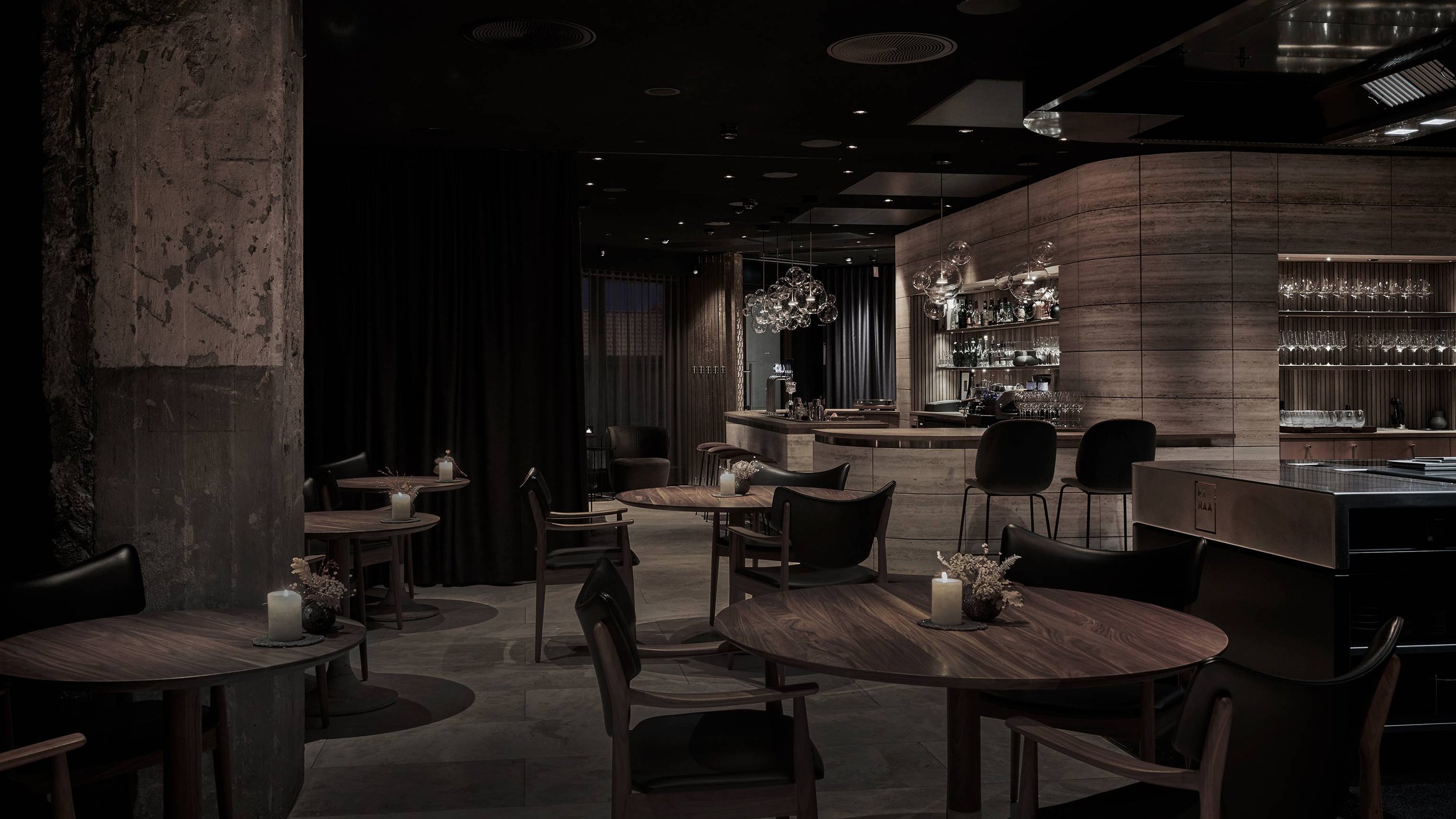
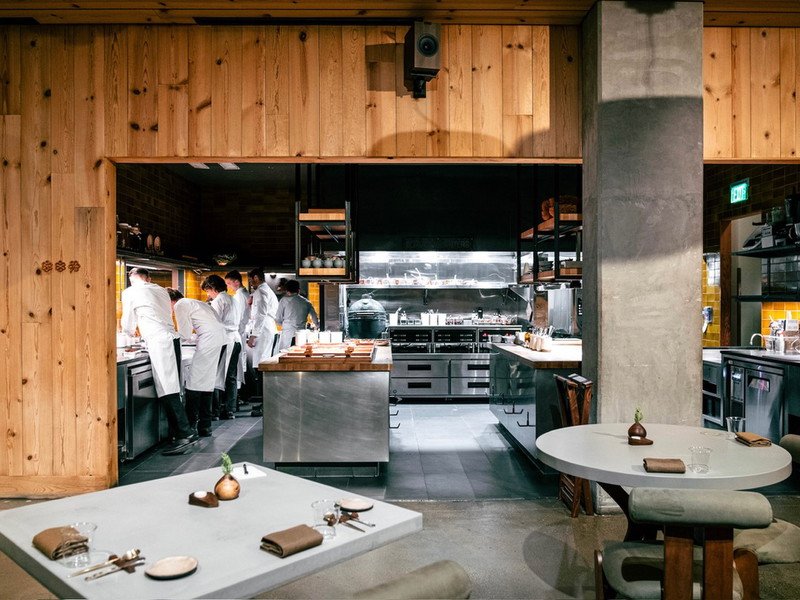
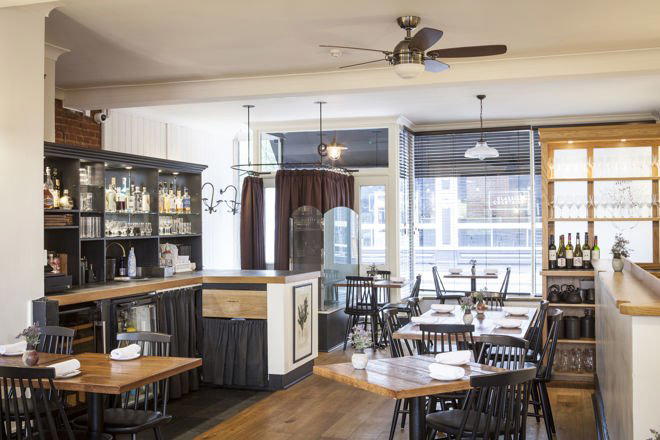
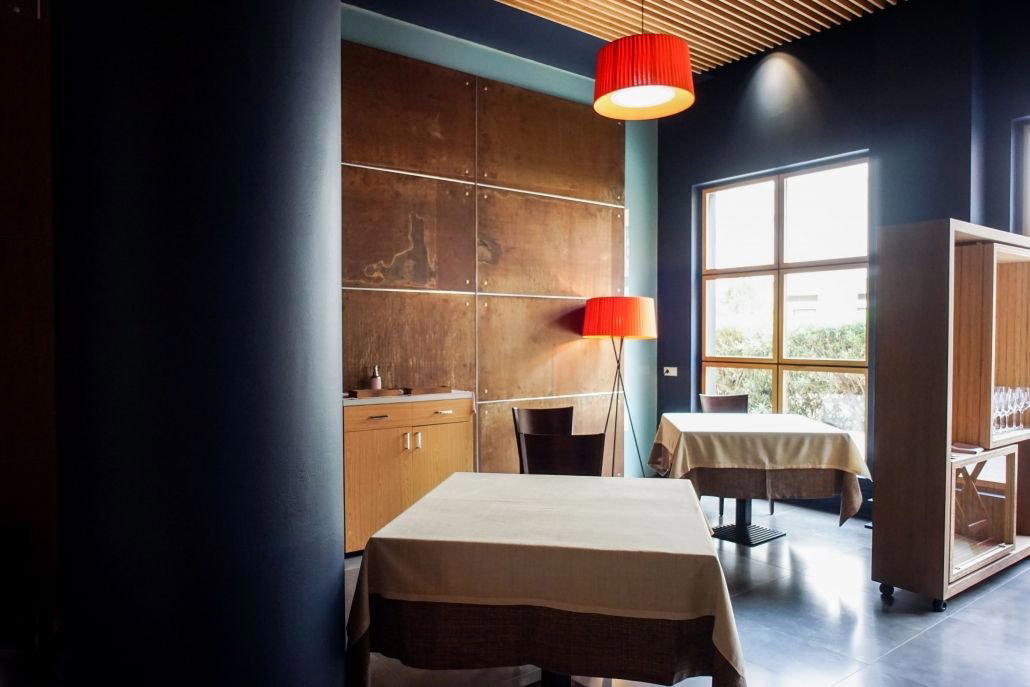
Sabi Omakase feels deliberately restrained and highly focused. The room gives little away, the exterior on a low-key residential-commercial street mirrors the interior’s quiet economy of design, and the entire experience revolves around a single long counter. The emphasis is on craft and precision: pacing, temperature and sequence are handed to the chef, and that chef-led authority produces an atmosphere of calm concentration. The restaurant’s Michelin-level ambitions and uncompromising format make it feel like a discreet, minimalist treasure within Stavanger’s broader fine-dining scene.
Best For
This is an occasion-driven destination for diners who want a fully chef-led evening: it excels for date nights, special occasions and celebrations where guests want to be guided course by course. The counter format favors small parties and solo diners who want close-up access to technique and timing; it rewards people who appreciate a formal tasting ritual rather than a la carte choices. Large groups and anyone seeking a casual, order-from-menu night are less well served here: this is about attention, tempo and the chef’s judgment.
Ordering Tips
There is no menu and no option to pick or rearrange courses: the omakase contract is explicit. The chef determines sequence, temperature and tempo, so diners should arrive ready to receive the progression as presented rather than to customize. Pay attention to the rhythm of service and trust the kitchen’s choices: the experience depends on that trust. Because the format leaves little room for negotiation, guests who require specific accommodations should confirm those needs ahead of time; otherwise, surrendering the agenda is the best way to enjoy the meal.
Venue details
Ambiance
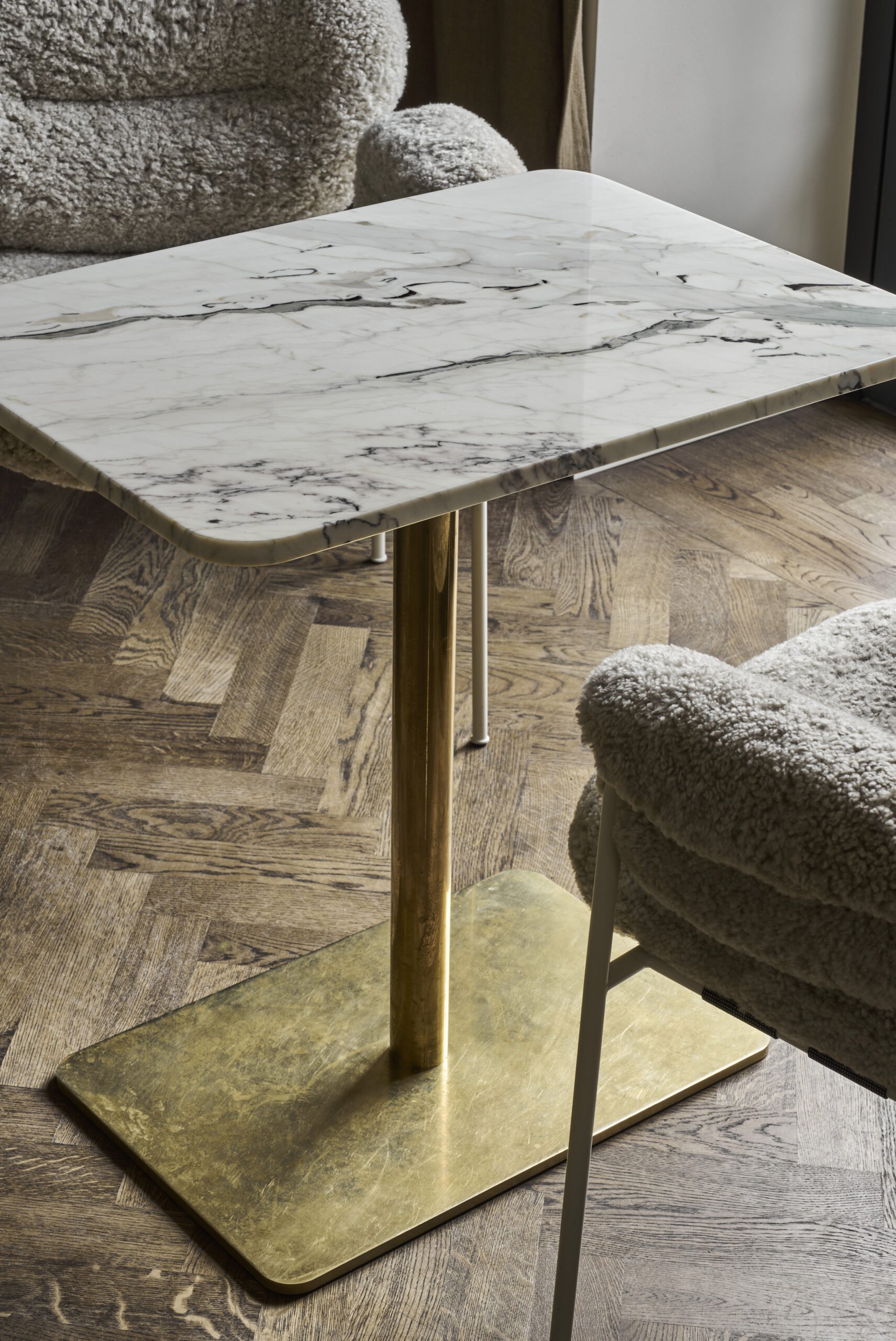
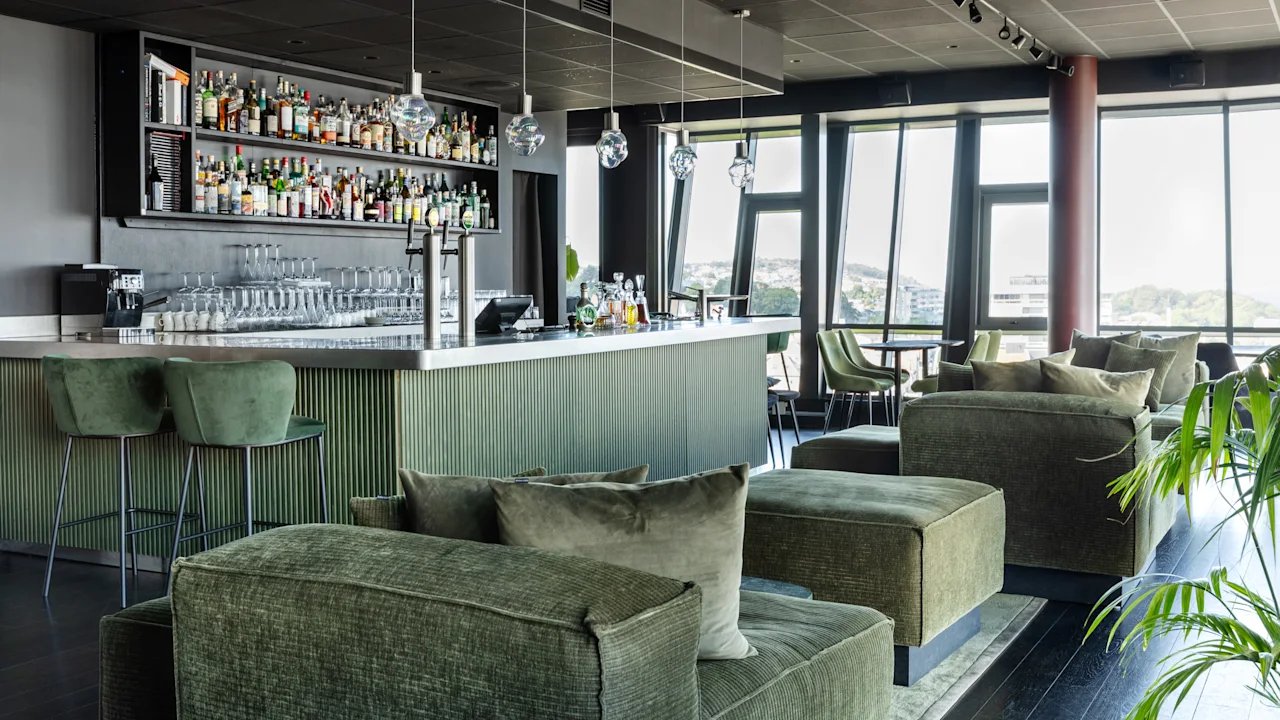
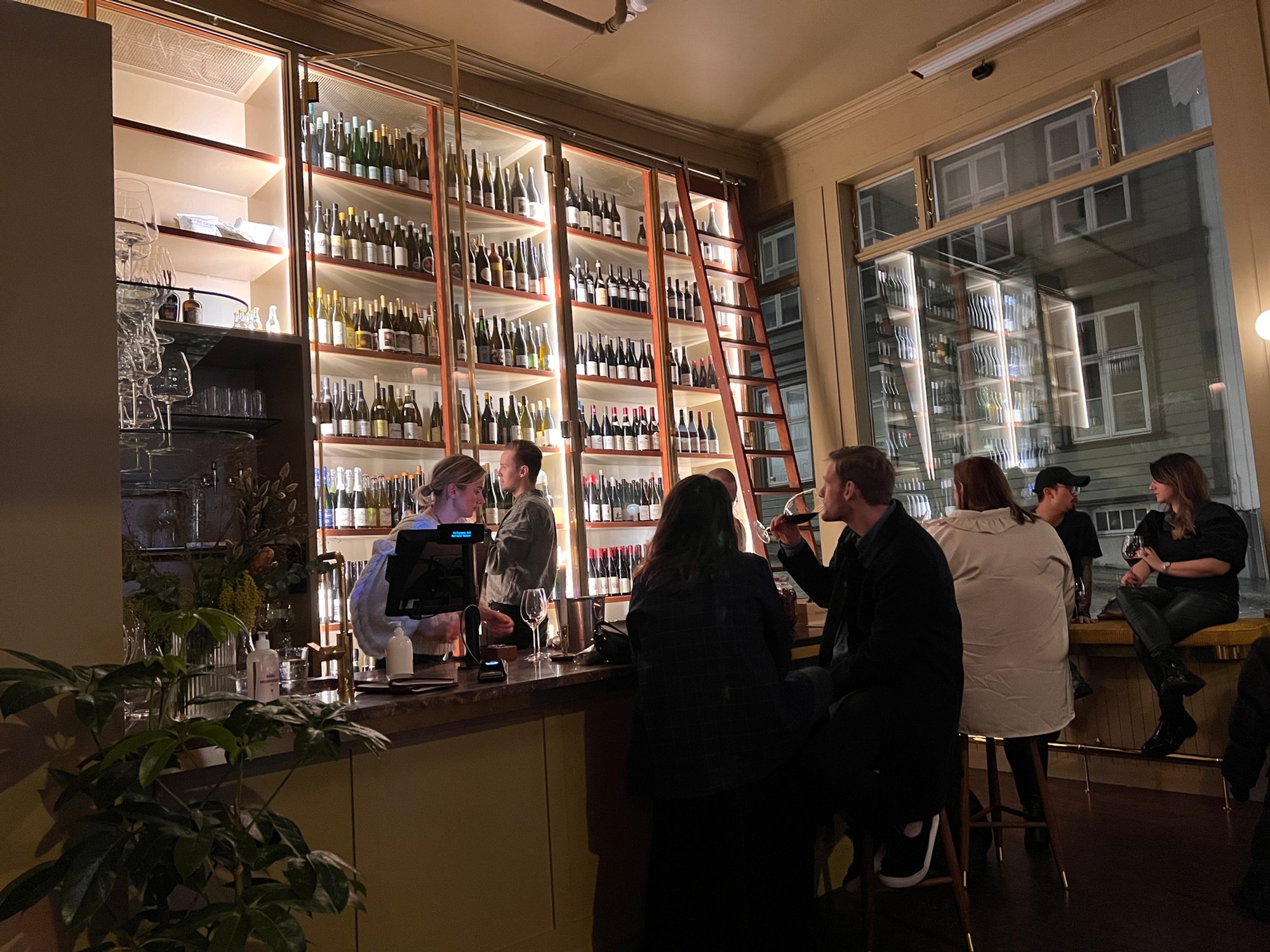
Intimate counter setting with cozy yet sophisticated atmosphere; minimalist design focused on the chef's craft with no distractions from live music or outdoor elements; warm, personalized service enhances the refined dining journey.
Tags
Vibe
Best For
Experience
Sourcing
At the Table
- Dress Code
- Smart Casual
- Noise Level
- Quiet
- Service Style
- Omakase Bar
- Meal Pacing
- Extended Experience
- Capacity
- Intimate
- Kitchen
- Fusion
- Menu Format
- Omakase, Counter dining, Tasting menu
- Wine Program
- Deep wine list
- Drinks Focus
- Wine pairing, Sake
- Dietary
- Pescatarian friendly, Allergy accommodating
Signature Dishes
7 itemsKnow before you go
Know Before You Go
- Getting there
- Pedersgata 38a, 4013 Stavanger, Norway
Planning details
Hours
- Monday
- Closed
- Tuesday
- Closed
- Wednesday
- 7 PM–12 AM
- Thursday
- 7 PM–12 AM
- Friday
- 7 PM–12 AM
- Saturday
- 7 PM–12 AM
- Sunday
- Closed
Location
Recognition and awards



Restaurant context
For a special occasion dinner in Stavanger, the real decision is between Sabi Omakase and RE-NAA. RE-NAA holds two Michelin stars and operates a New Nordic tasting menu format: it's the more decorated address and arguably the city's flagship fine dining destination. Sabi sits one star below RE-NAA on the Michelin scale but competes closely on OAD Europe rankings, and the omakase format offers a distinctly different experience: more intimate, more counter-focused, and built around a single culinary tradition rather than a regional larder. If the choice is about prestige alone, RE-NAA wins. If the format matters, and for sushi lovers, it should, Sabi is the more considered pick.
K2 is the practical alternative at €€€ pricing: a step down in award profile but meaningfully easier to book and more accessible for groups or guests who find a full omakase commitment too structured. BELLIES serves a plant-based tasting menu at a similar price tier to K2 and is worth considering for mixed groups with dietary requirements that would complicate a sushi counter. A. Idsøe Grill & berkel offers a completely different register, more casual, more accessible, and is a reasonable choice if the occasion doesn't require the full fine dining weight of either Sabi or RE-NAA.
The practical split for most diners: book Sabi if you want the omakase experience and are happy to commit to the format and price. Book RE-NAA if two Michelin stars and a Nordic tasting menu format better fit your occasion. Use K2 or BELLIES if budget or booking availability is a factor. Sabi is the hardest of the group to secure: the seat count is small, demand is real, and the award recognition has driven up competition for reservations. For a full view of Stavanger dining options across price tiers, see our complete Stavanger restaurants guide.
Explore Stavanger
Around this place
Discover more on Pearl
Unlock the full Sabi Omakase Stavanger guide in Pearl, including awards, comparisons, FAQs, planning details, and nearby places.
Compare Sabi Omakase Stavanger
| Venue | Location | Cuisine | Awards | Price |
|---|---|---|---|---|
| Sabi Omakase Stavanger | Stavanger | Sushi | Michelin Guide Nordic Countries 20262026 White Guide Nordic Restaurants - Global Masters Level2026 La Liste Top Restaurants2025 OAD Top Restaurants in Europe Ranked · #2342025 Michelin 1 Star2025 La Liste Top Restaurants2024 OAD Top Restaurants in Europe Ranked · #2422024 Michelin 1 Star2023 OAD Top New Restaurants in Europe Highly Recommended | €€€€ |
| RE-NAA | Stavanger | New Nordic, Creative | Star Wine Lists 2026 · #12026 OAD Top Restaurants in Europe Ranked · #135Michelin Guide Nordic Countries 20262026 White Guide Nordic Restaurants - Global Masters Level2026 Les Grandes Tables du Monde Members2026 La Liste Top Restaurants2026 Falstaff Restaurant Guide2025 OAD Top Restaurants in Europe Ranked · #1522025 Michelin 3 Stars | €€€€ |
| K2 | Stavanger | Modern Cuisine | Star Wine Lists 2026Michelin Guide Nordic Countries 20262026 Falstaff Restaurant Guide2025 Michelin 1 Star2024 Michelin 1 Star | €€€ |
| BELLIES | Stavanger | Vegan | Michelin Guide Nordic Countries 20262025 Michelin Plate2024 Michelin Plate | €€€ |
| Bravo | Stavanger | Norwegian | Michelin Guide Nordic Countries 20262025 Michelin Plate | €€ |
| A. Idsøe Grill & berkel | Stavanger | No published awards |





.png?width=1200&quality=80)
How Sabi Omakase Stavanger compares with similar nearby venues.
FAQ
Frequently Asked Questions
Is Sabi Omakase Stavanger good for solo dining?
Yes: omakase counters are among the most solo-friendly formats in fine dining. Sabi's counter setup at Pedersgata 38a places solo diners directly in front of the chef, which is the intended experience. A Michelin 1 Star at this price tier (€€€€) is easier to justify solo than at a table-service restaurant where two covers are the assumed unit.
Does Sabi Omakase Stavanger handle dietary restrictions?
Contact Sabi directly before booking to flag restrictions: omakase by nature is a chef-led fixed sequence, and substitutions at Michelin level require advance notice to execute well. Severe shellfish or fish allergies are genuinely difficult to accommodate in a sushi omakase format, so be candid when you enquire. Do not assume restrictions will be resolved on the night.
Is Sabi Omakase Stavanger worth the price?
At €€€€ with a Michelin 1 Star, a 2025 La Liste score of 83 points, and an OAD Europe ranking of #234, Sabi sits in a credentialed tier that justifies the spend: provided omakase is the format you want. If you prefer a la carte flexibility or a more informal meal, the price-to-format fit won't be there. For serious sushi in Norway, nothing in Stavanger comes close to this level of recognition.
What should a first-timer know about Sabi Omakase Stavanger?
Omakase means the chef decides: you eat what is served in the order it arrives, and the counter is the whole experience. Book as early as possible; small counters at Michelin-starred venues fill weeks out. At €€€€, this is a committed evening, not a drop-in dinner. First-timers should arrive without strong menu expectations and trust the sequence.
What are alternatives to Sabi Omakase Stavanger in Stavanger?
RE-NAA is the natural comparison at the top of Stavanger's fine dining tier: it holds Michelin recognition and takes a Nordic rather than Japanese approach. For something less formal and less expensive, BELLIES and Bravo offer strong local cooking without the omakase commitment. K2 and A. Idsøe Grill & berkel round out the serious end of the market for those who want a full table-service format.
Is the tasting menu worth it at Sabi Omakase Stavanger?
The tasting menu is the only menu: that is what omakase means. Given the Michelin 1 Star and consistent OAD Europe rankings in 2024 and 2025, the format delivers at the price point for guests who accept the chef-led structure. If you want to select individual dishes or control pacing independently, this format is not the right fit.
Is Sabi Omakase Stavanger good for a special occasion?
Yes, and the format suits it well. An omakase counter is inherently occasion-driven: there is a clear arc to the meal and direct chef interaction that makes it feel considered rather than routine. The Michelin 1 Star credential gives it weight as a choice. Keep the group small; counter seating is not suited to large parties, and the experience works best for two or a few people.