
Šug
Regional Cuisine · near Pazar, Split
Restaurant in Split, Croatia
 Book with Pearl
The Read
Dalmatian Regional Precision
Price
€€€
Dress
Smart Casual
Why go
Šug earned back-to-back Michelin Plates (2024-2025) for regional Dalmatian cooking at the €€€ level, lighter and less tourist-facing than most Split Plate holders. Open 8 a.m. to midnight Monday through Saturday, it runs as an all-day café-restaurant with flexible timing. The food doesn't travel — dine in or skip it.
About Šug
Šug is a regional-cuisine restaurant in Split with a €€€ price tier and Michelin Plate recognition for 2024 and 2025. It is open Monday through Saturday from 8 a.m. to midnight, with Sunday closed. Keep the expectations straightforward: this is a smart-casual Split restaurant with Michelin-noted regional cooking.
The Room and the Timing
Šug is listed as open Monday through Saturday from 8 a.m. to midnight and closed on Sunday. Those hours make it easier to plan around than venues with narrower service windows, and the restaurant is suited to a polished but not formal meal in Split. Dress code is smart casual, so plan accordingly.
Regional Cuisine Without the Museum Treatment
The cuisine category is Regional Cuisine, and the price category is €€€. Šug also holds Michelin Plate recognition for 2024 and 2025, which is the clearest quality signal available here. Specific dishes, ingredient sourcing, portion sizes, wine pairings, and per-person spend beyond the €€€ tier are not specified, so the safest expectation is a regional-cuisine meal in Split at a premium-casual price level.
Takeout and Delivery, Where It Breaks Down
There is no takeout or delivery information for Šug. If off-premise dining is essential, confirm directly with the restaurant before planning around it. Šug is best treated as a restaurant in Split rather than as a confirmed takeaway or delivery choice.
How It Stacks Up
Within the comparison set, Šug is the Split option with Regional Cuisine, a €€€ price tier, smart-casual dress, and Michelin Plate recognition in 2024 and 2025. Konoba Griblja is another comparable venue to consider, while Gostilna Vovko, Restavracija Grad Otočec, Waldinger, and Wine Vault Restaurant - Levante Edition are useful broader references rather than proof of anything specific about Šug’s menu or service. For deeper dives into the Split scene, see our full Split restaurants guide, our full Split hotels guide, our full Split bars guide, and our full Split wineries guide.
Quick reference: Michelin Plate 2024 and 2025, Regional Cuisine, €€€ price tier, smart-casual dress code, open 8 a.m.–midnight Monday–Saturday, closed Sunday, located in Split.
Planning details
- Location
- Ul. Tolstojeva 1a, 21000, Split, Croatia
- Website
- sug.hr
- Phone
- +385 99 458 8994
The take
The Take
The Vibe
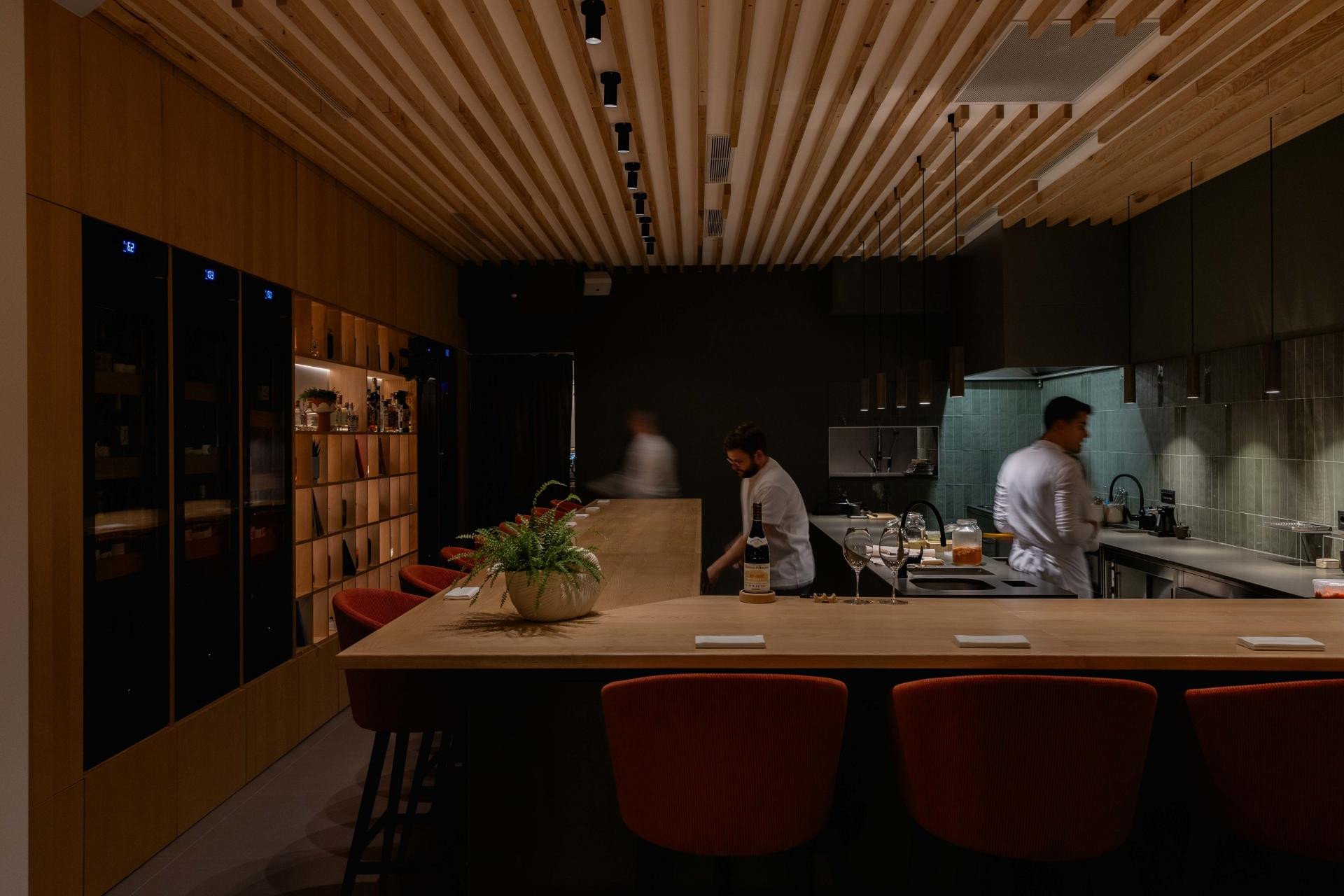
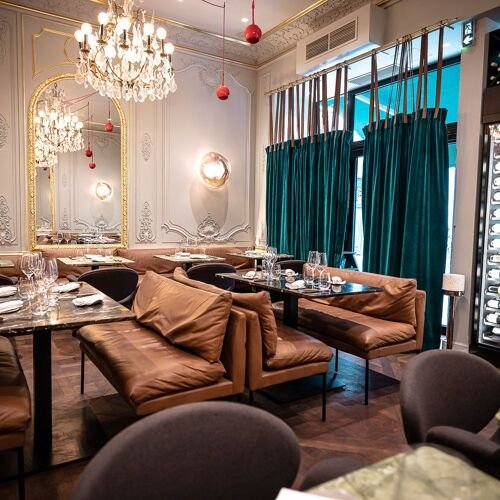
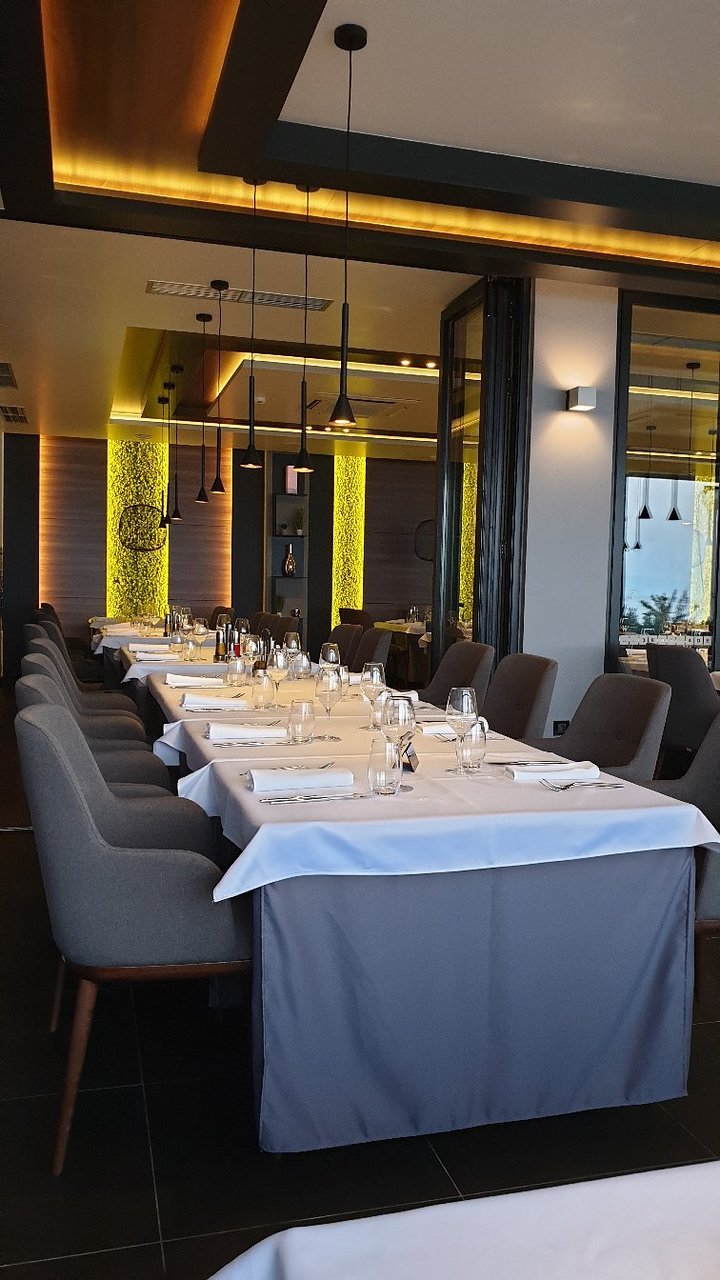
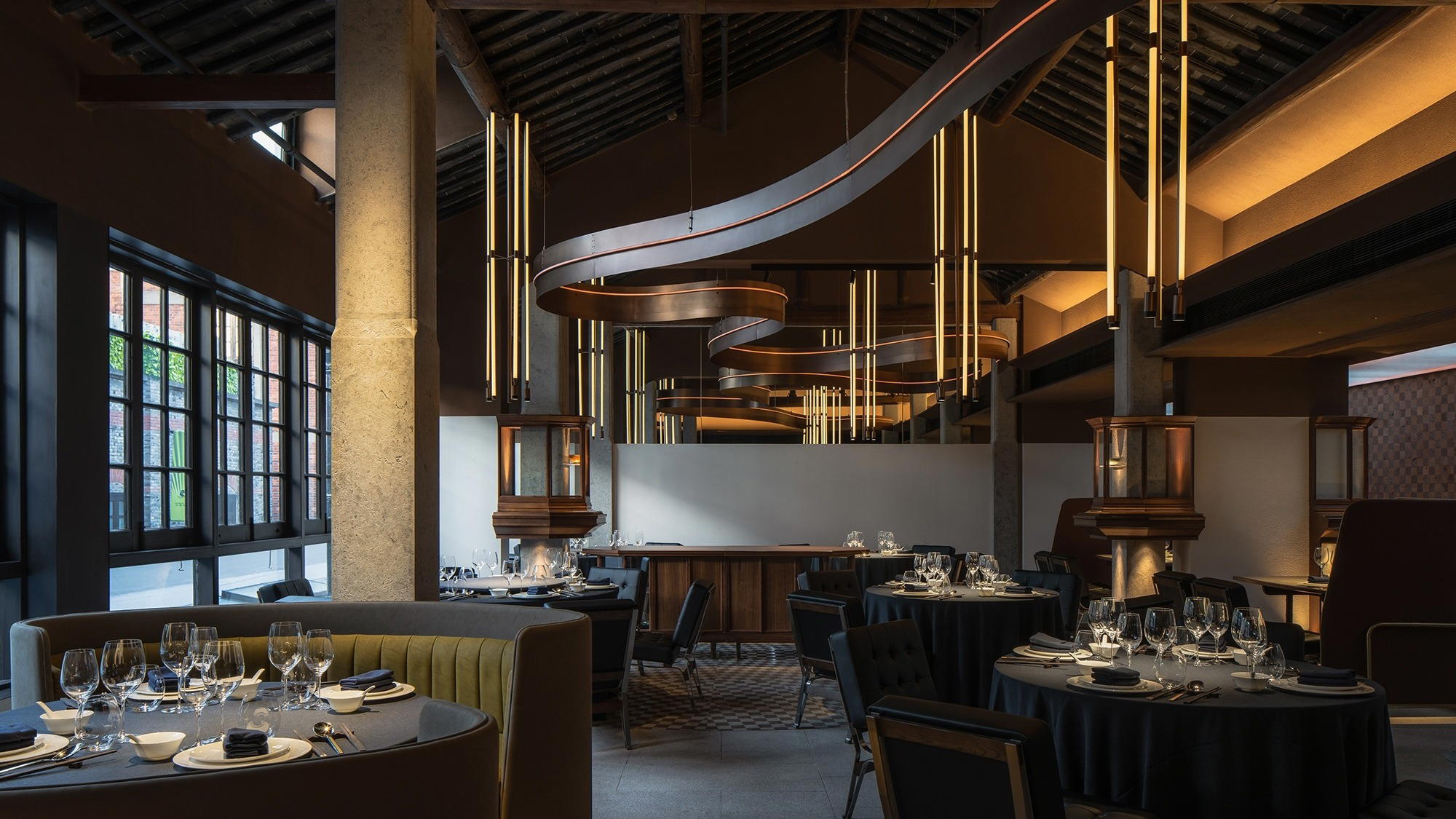
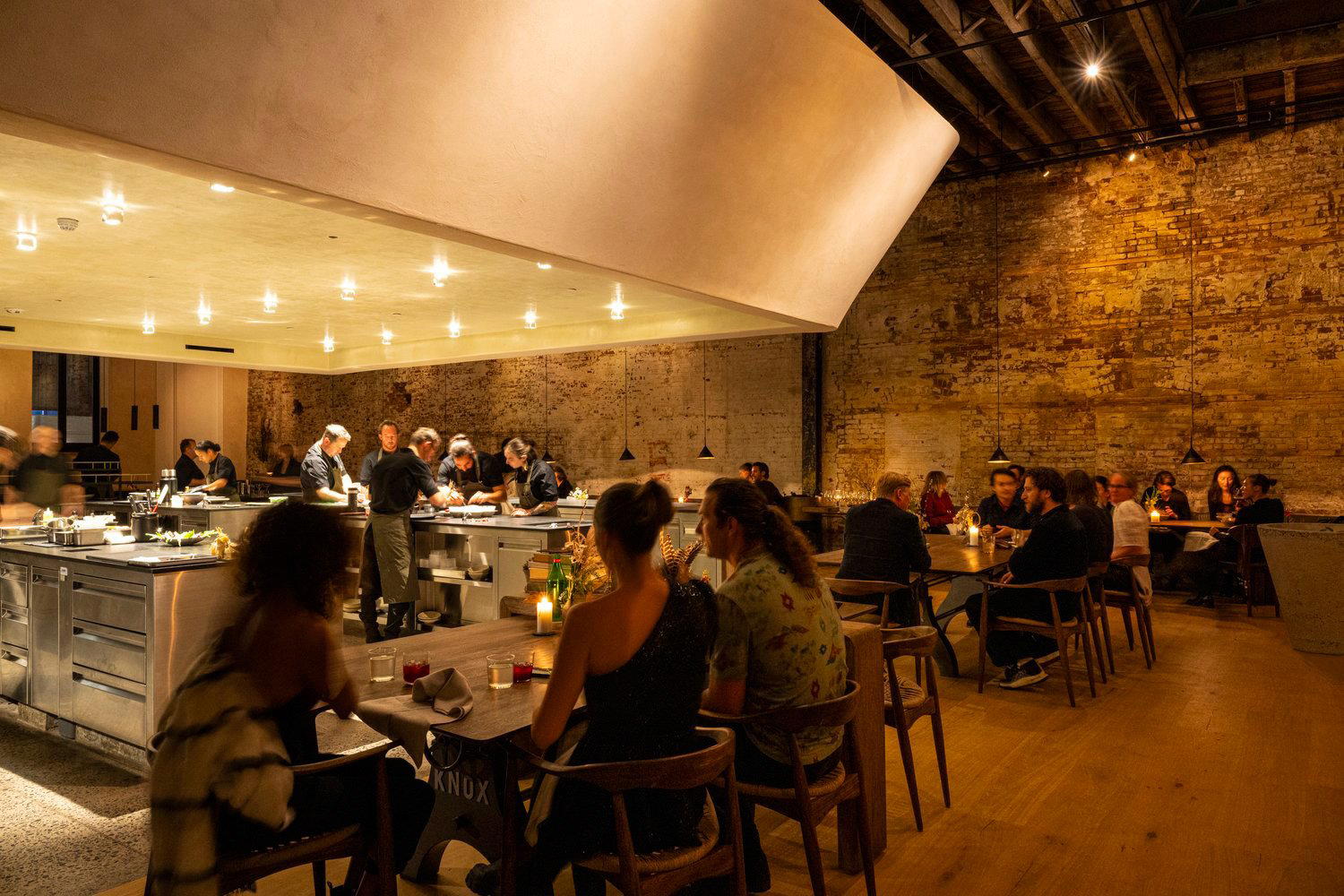
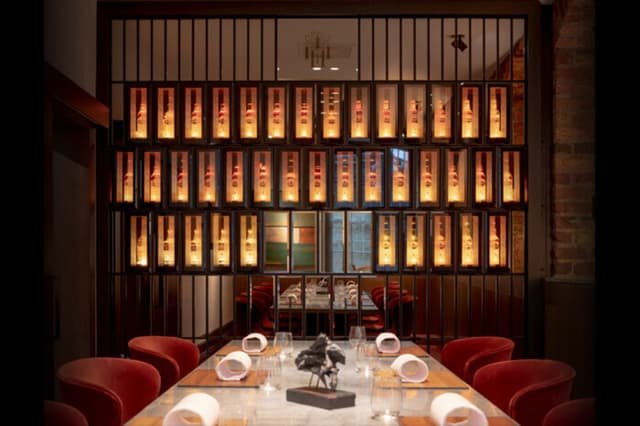
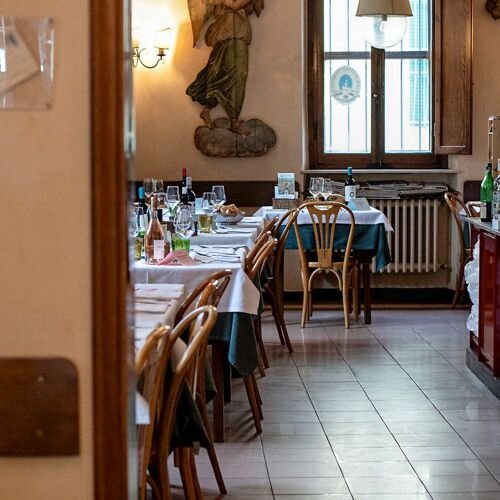
Šug presents an intentionally restrained, quietly confident presence just beyond Split’s most touristed lanes. The dining room reads as refined rather than flashy: the writing emphasizes discretion — the building 'does not announce itself' — and the consecutive Michelin Plate listings underline a serious, practiced approach to regional Dalmatian cooking. The restaurant feels like a polished, sophisticated find for visitors who prefer focused food and low-key surroundings over theatrical presentation. Its understated manner and attention to craft make Šug feel like a measured, quietly excellent alternative to the louder, summer-facing spots closer to the palace.
Best For
Šug suits diners who are seeking thoughtful regional cooking in a calmer part of Split. The consecutive Michelin Plate recognitions mark it as a place people choose for notable meals rather than quick tourist turns, so it works well for small celebrations, date nights and business dinners where a quieter atmosphere and reliable technique matter. Located just outside the busiest palace precinct, it attracts guests who want to escape the busiest corridors while still sampling Adriatic and Dalmatian tradition rendered with care.
Ordering Tips
Focus your order on the restaurant’s regional specialties: Pjat Šug, Tećada and the Pasticada with gnocchi are highlighted as signature items. Given Šug’s consecutive Michelin Plate mentions, expect dishes that emphasize local techniques and flavors; prioritize the listed signature plates to get a clear sense of the kitchen’s strengths. The description centers on Δalmatian regional cooking, so ordering those house specialties offers the most direct route to understanding what has earned the restaurant its critical attention.
Venue details
Ambiance
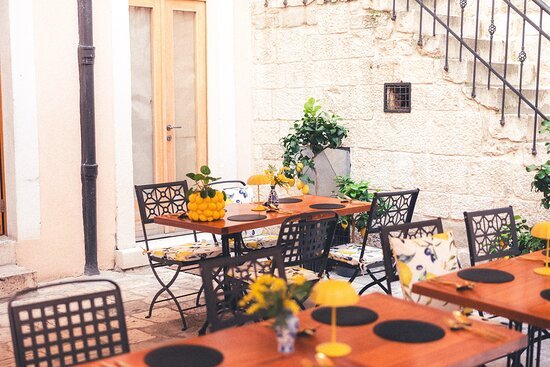
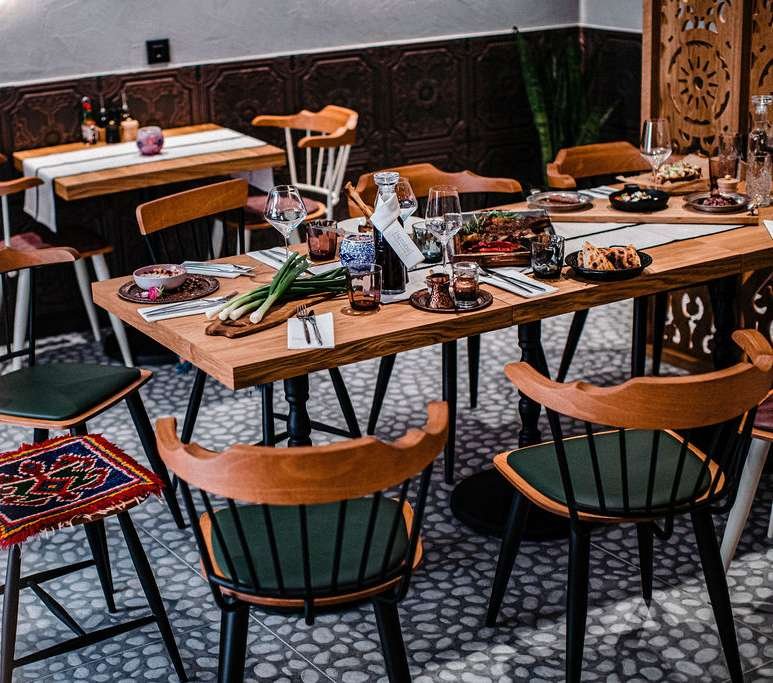
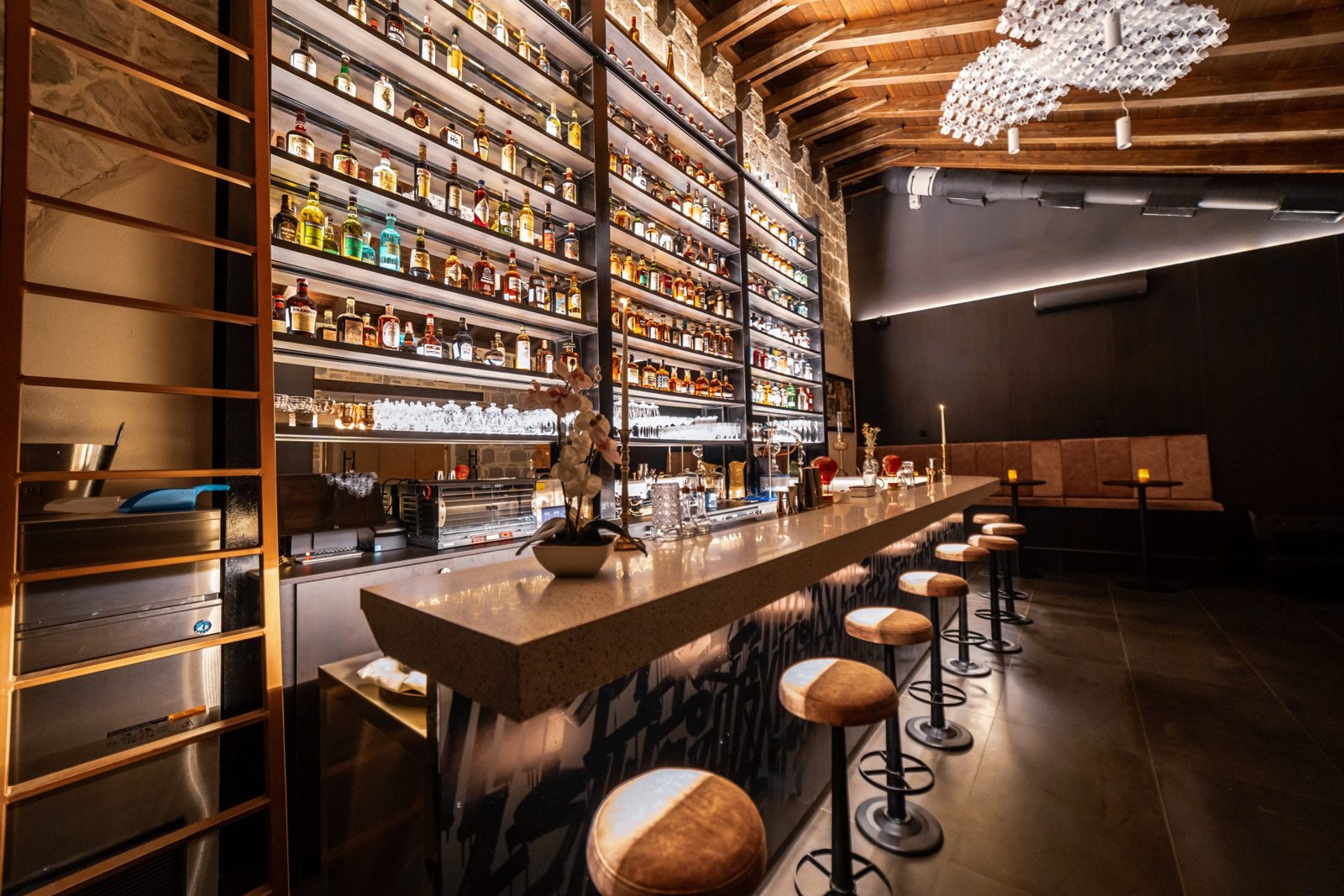
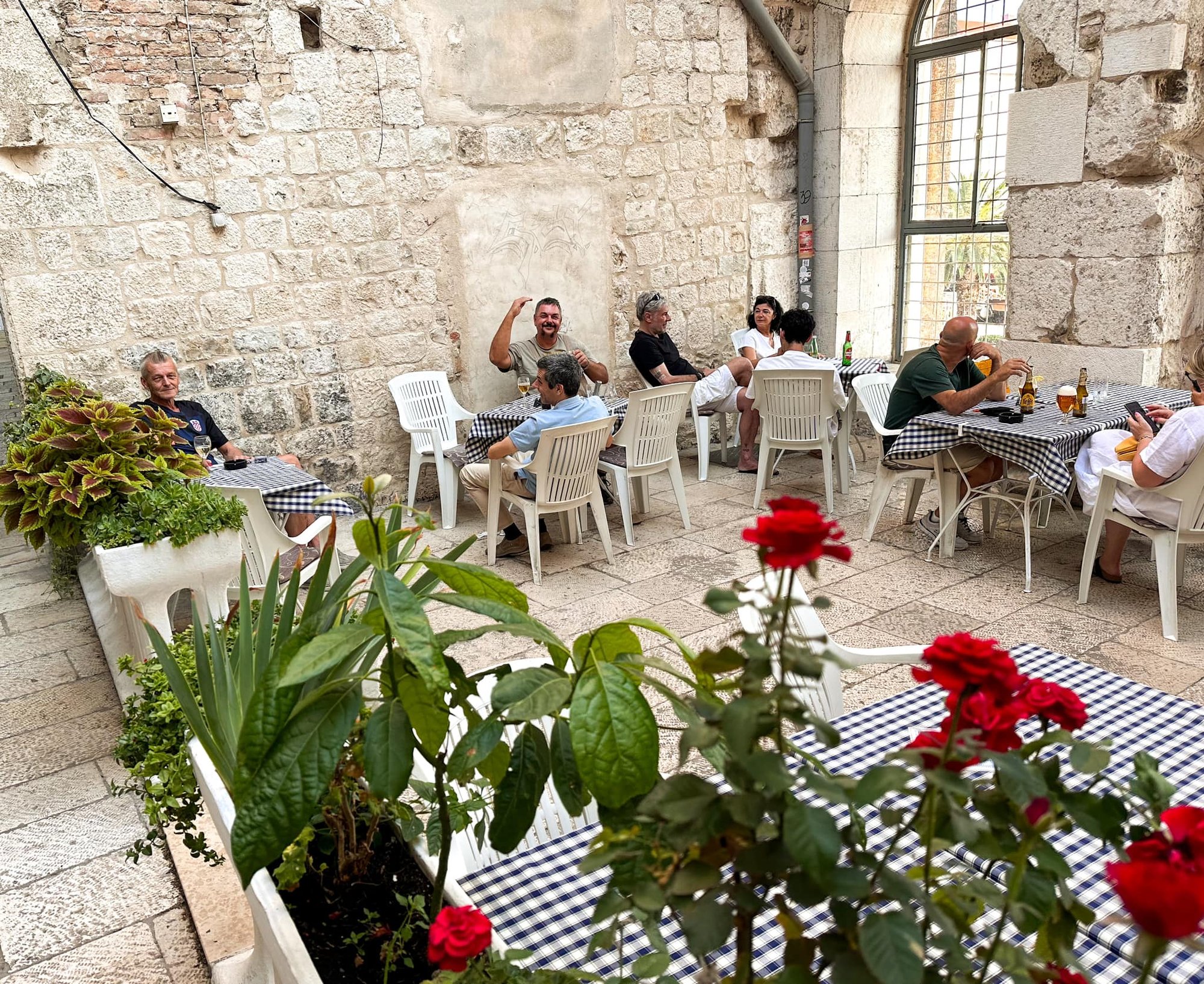
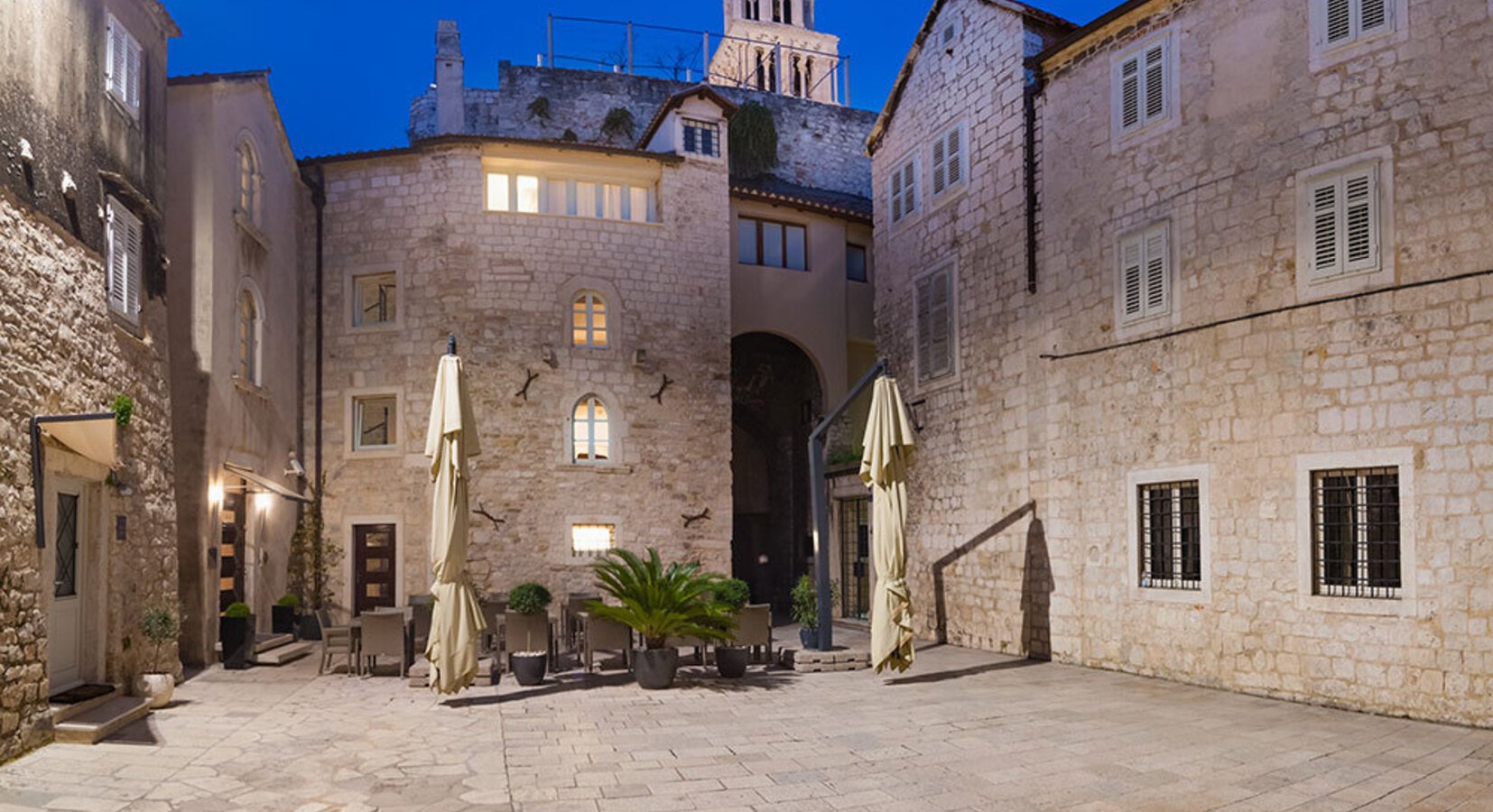
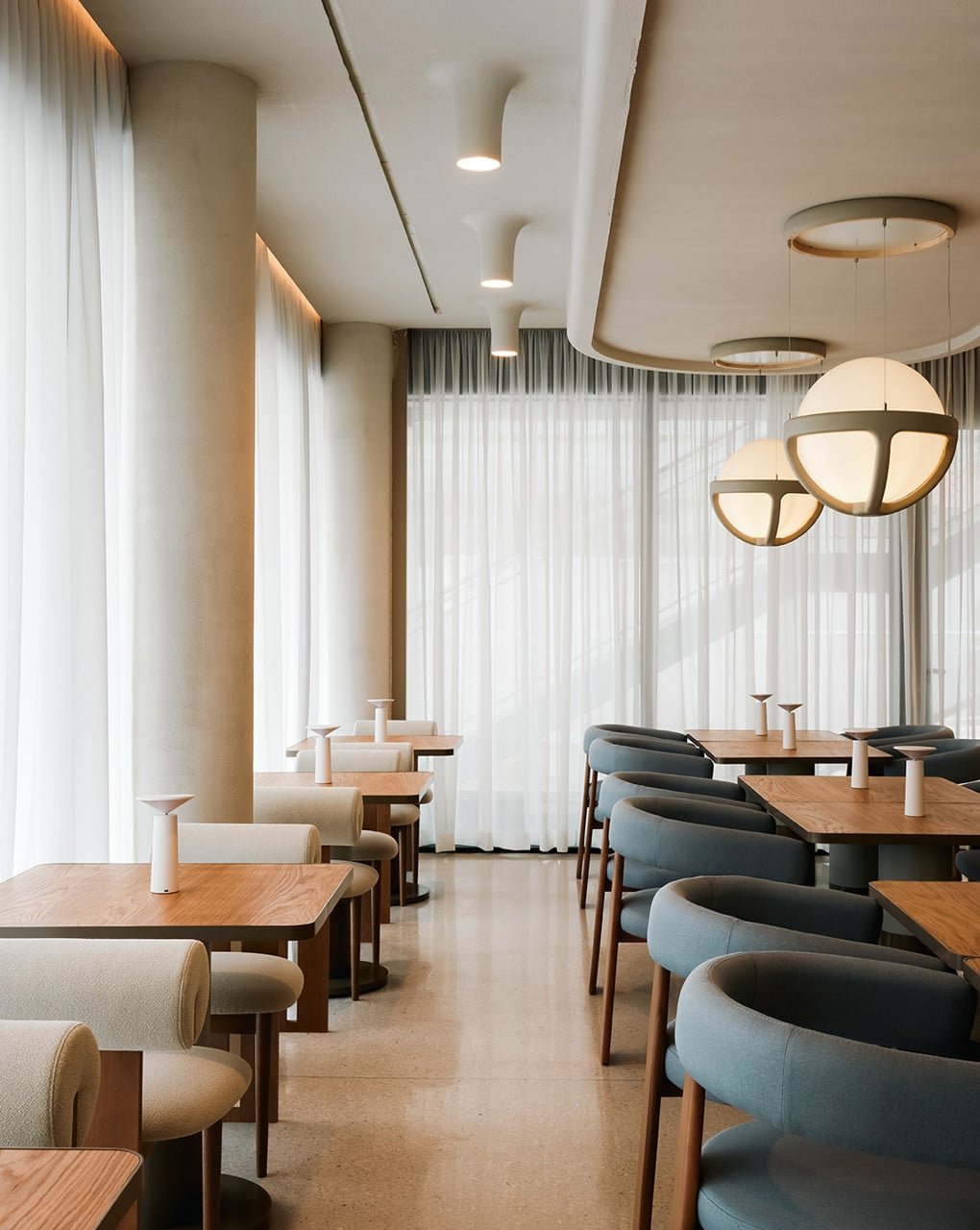
Informal, attractive, relaxing with a simple interior, pleasant warm atmosphere, and cozy courtyard outdoor space in summer.
Tags
Vibe
Best For
Experience
Sourcing
At the Table
- Dress Code
- Smart Casual
- Noise Level
- Quiet
- Service Style
- Upscale Casual
- Meal Pacing
- Standard
- Capacity
- Small
Signature Dishes
- Pjat Šug
- Tećada
- Pasticada with gnocchi
Know before you go
Know Before You Go
- Getting there
- Ul. Tolstojeva 1a, 21000, Split, Croatia
Planning details
Location
Recognition and awards
Also consider
Also Consider
- Konoba Griblja, Regional Cuisine, €€€
- Gostilna Vovko, Regional Cuisine, €€
- Wine Vault Restaurant - Levante Edition, Regional Cuisine, €€€€
- Restavracija Grad Otočec, Regional Cuisine, €€€
- Waldinger, Regional Cuisine, €€
Restaurant context
At €€€, Šug and Konoba Griblja anchor the mid-tier Michelin Plate bracket in Croatia's regional-cuisine field, but Šug runs longer hours (8 a.m.–midnight vs. traditional lunch-and-dinner windows) and books more easily, making it the better choice for explorers with irregular schedules. Konoba Griblja leans heavier into traditional preparations and serves larger portions, worth the detour if you want the folklore experience. Gostilna Vovko undercuts both at €€ with rustic, hearty cooking, best value if you're counting euros and don't need the Plate credential. At the top end, Wine Vault Restaurant - Levante Edition charges €€€€ and delivers a more polished, wine-forward experience with deeper cellar access; worth the premium if pairing matters more than price.
Restavracija Grad Otočec sits at €€€ like Šug but adds castle-setting drama and a more formal service cadence, splurge-worthy for special occasions, overkill for weekday lunch. Waldinger offers the easiest booking and lowest price (€€) but lacks Michelin recognition and the ingredient sourcing precision Šug maintains. If you're prioritizing flexibility and consistent quality over setting or folkloric flair, Šug is the practical first choice. If you want maximum value and don't mind rougher edges, Gostilna Vovko or Waldinger make more sense. For a special-occasion splurge, Wine Vault or Grad Otočec justify their premiums with cellar depth and setting, respectively.
Explore Split
Around this place
Discover more on Pearl
Unlock the full Šug guide in Pearl, including awards, comparisons, FAQs, planning details, and nearby places.
Compare Šug
| Venue | Location | Cuisine | Awards | Price |
|---|---|---|---|---|
| Šug | Split | Regional Cuisine | Michelin Guide Croatia 20262026 Michelin Plate2025 Michelin Plate2024 Michelin Plate | €€€ |
| Konoba Griblja | Sukošan | Regional Cuisine | Michelin Guide Croatia 20262026 Michelin Plate2025 Michelin Plate | €€€ |
| Gostilna Vovko | Brusnice | Regional Cuisine | Michelin Guide Slovenia 20262026 Michelin Plate2025 Michelin Plate2024 Michelin Plate | €€ |
| Wine Vault Restaurant - Levante Edition | Rovinj | Regional Cuisine | 2025 Michelin Plate2024 Michelin Plate | €€€€ |
| Restavracija Grad Otočec | Otočec na Krki | Regional Cuisine | Michelin Guide Slovenia 20262026 Michelin Plate2025 Michelin Plate2024 Michelin Plate | €€€ |
| Waldinger | Osijek | Regional Cuisine | Michelin Guide Croatia 20262026 Michelin Plate2025 Michelin Plate2024 Michelin Plate | €€ |
.png?width=1200&quality=80)
How Šug Split compares with similar nearby venues.
FAQ
Frequently Asked Questions
Is the tasting menu worth it at Šug?
A tasting menu is not listed for Šug. The confirmed facts are Regional Cuisine, a €€€ price tier, smart-casual dress, and Michelin Plate recognition for 2024 and 2025. If a tasting menu matters to your decision, confirm directly with the restaurant before booking.
Is Šug good for solo dining?
Solo-dining suitability is not specifically listed. Šug is a smart-casual, €€€ regional-cuisine restaurant in Split with broad Monday-to-Saturday hours and Michelin Plate recognition for 2024 and 2025.
Can I eat at the bar at Šug?
Is lunch or dinner better at Šug?
The hours are 8 a.m. to midnight Monday through Saturday, with Sunday closed. A distinct lunch or dinner format is not listed, so choose a time that fits your schedule and confirm availability directly if timing is important.
Is Šug worth the price?
Šug is listed at the €€€ price tier and holds Michelin Plate recognition for 2024 and 2025. That makes it a credible premium regional-cuisine choice in Split, though specific dishes, menu format, and per-person totals are not specified.