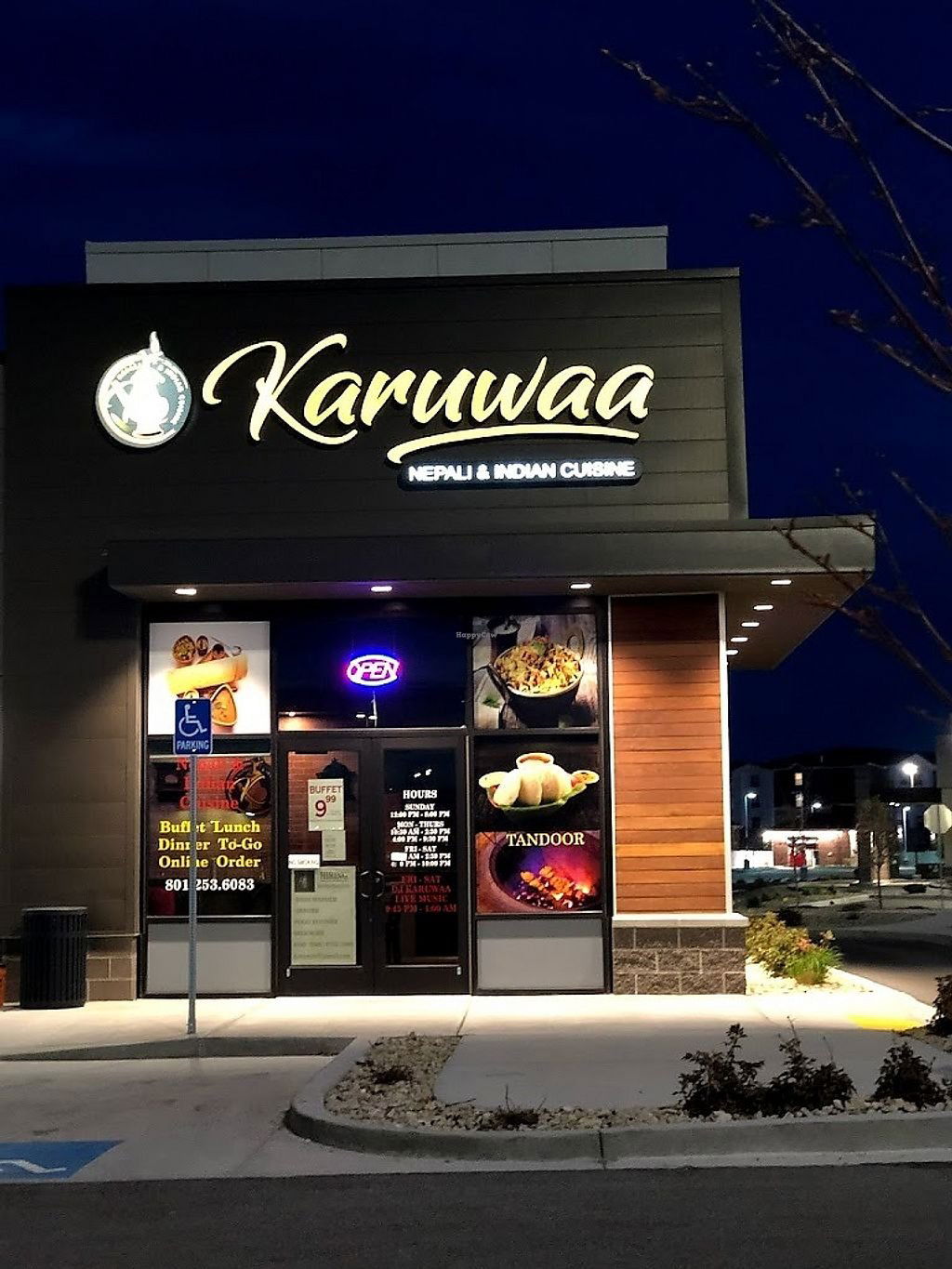
Karuwaa Nepali & Indian Cuisine
Daybreak, South Jordan
Restaurant in South Jordan, United States
 Book with Pearl
The Read
Dress
Business Casual
Why go
Karuwaa Nepali & Indian Cuisine is a practical South Jordan pick when the craving is specific and the plan is low-friction. It makes the most sense for casual dine-in or takeout, especially for groups that want shareable South Asian flavors rather than a formal occasion room.
About Karuwaa Nepali & Indian Cuisine
Karuwaa Nepali & Indian Cuisine is a South Jordan option when the plan is built around the venue itself rather than a highly documented dining format. It is in South Jordan, lists daily hours, and the dress code is business casual.
The decision is mostly about fit. If the group is comparing nearby options, consider checking current details for The Wild Rose and other restaurants directly. Porch Restaurant may also be worth considering. For other dining in and around the area, keep the comparison general unless you are checking directly with each venue for current menus, service details, and availability.
Use it when the schedule matters and the group wants a direct South Jordan meal
Karuwaa Nepali & Indian Cuisine lists broad daily hours: Monday through Thursday from 11 AM to 10 PM, Friday and Saturday from 11 AM to 10:30 PM, and Sunday from 11 AM to 10 PM. That makes it useful to consider when timing is the main constraint and the group wants a restaurant with evening availability throughout the week.
Before building a plan around specific menu items, service formats, delivery options, prices, seating capacity, or dietary accommodations, check the venue directly. Karuwaa Nepali & Indian Cuisine is a South Jordan restaurant with daily hours and a business-casual dress code.
Where it fits in a South Jordan shortlist
Diners comparing options should treat Karuwaa Nepali & Indian Cuisine as one possible restaurant choice in South Jordan and confirm the details that matter for the specific outing. For a broader local scan, use our full South Jordan restaurants guide, then cross-check plans with our South Jordan bars guide, hotels guide, wineries guide, and experiences guide.
Bottom line: consider Karuwaa Nepali & Indian Cuisine when a South Jordan restaurant with daily hours and business-casual expectations fits the plan. If the night calls for comparing more options, look at venues such as The Wild Rose, Porch Restaurant, Saffron Valley- Riverton, Garage Grill Herriman, Megaplex, or other nearby venues, and confirm current details directly before you go.
Planning details
- Location
- 5462 W Daybreak Pkwy, South Jordan, UT 84009
- Website
- karuwaa.com
- Phone
- +18012536083
The take
The Take
The Vibe
Karuwaa presents a focused, neighborhood take on two highland cuisines, framing Nepali and northern Indian traditions against the Wasatch Front. The writing emphasizes technique and ingredient logic more than spectacle, so the room reads as earnest and quietly distinctive rather than theatrical. The kitchen’s insistence on holding both slow, accumulative Nepali preparations and the reduction‑driven sauces of Indian cooking gives the place a thoughtful, workmanlike charm. In Daybreak’s largely American casual corridor, Karuwaa arrives as a deliberately particular option—rooted, approachable, and quietly defined by its mountain provenance and ingredient rigor.
Best For
Karuwaa is best for neighborhood diners and families who want a steadier, more authentic encounter with South Asian cooking than typical suburban options. The menu’s dual focus rewards shared meals and sampling—diners who appreciate ingredient‑led preparations and contrasts between Nepali dal bhat and sauce‑based Indian mains get the most out of a visit. Because the restaurant positions itself away from Salt Lake City’s cluster of Indian spots, it also serves Daybreak locals looking for consistent, homey flavors rather than a late‑night or high‑spectacle destination.
Ordering Tips
Order to compare: pair a Nepali staple such as dal bhat with a saucier Indian favorite like Chicken Tikka Masala or Butter Chicken and split a Garlic Naan so everyone can taste both techniques. The menu stresses sourcing and contrasting approaches—dal bhat represents a slow, cumulative home‑cooking logic, while the Indian repertoire often relies on concentrated sauce reductions—so choose at least one dish from each side of the menu to appreciate the kitchen’s range. Portions and signature items make this setup ideal for sharing and communal tasting.
Venue details
Ambiance
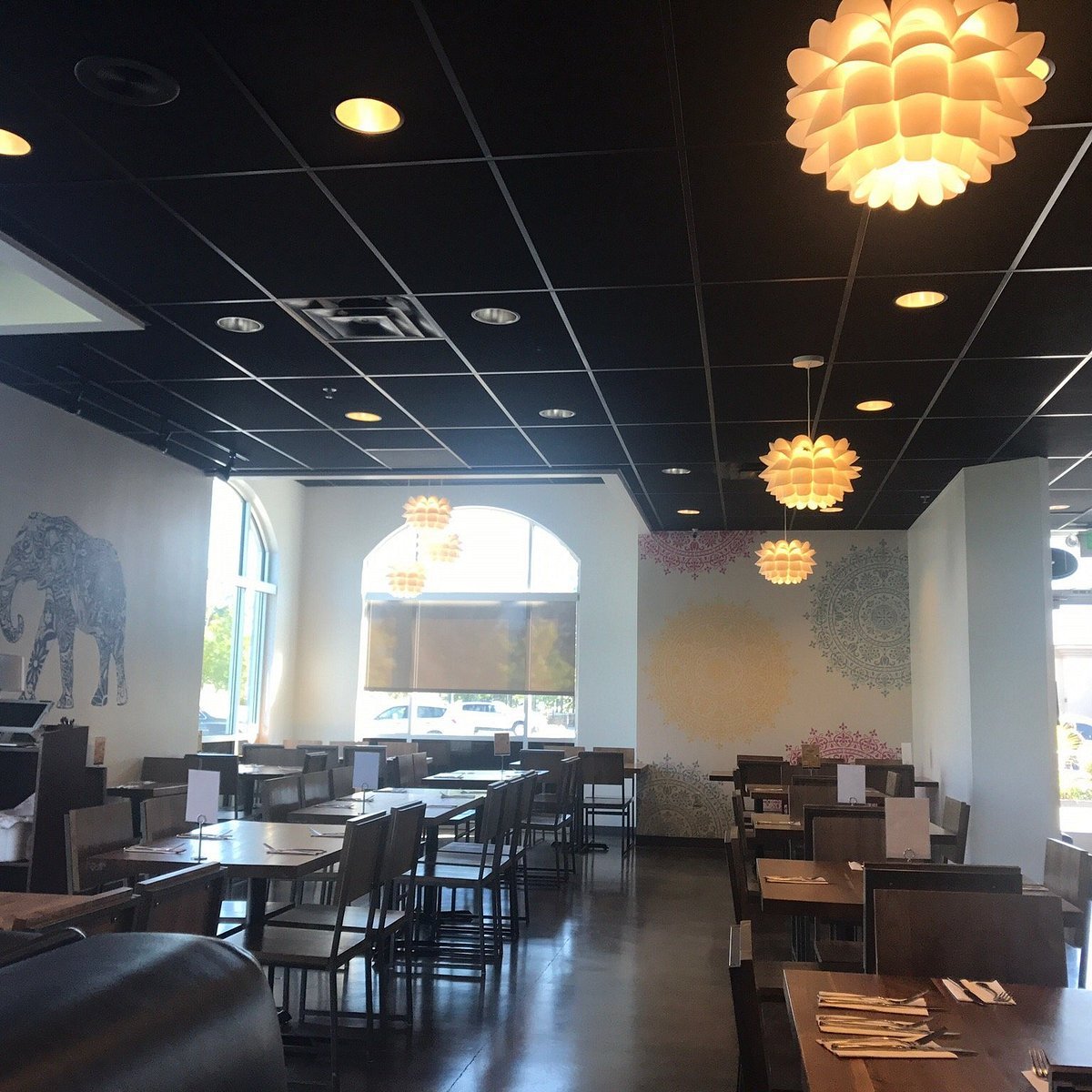
Casual and inviting atmosphere with calming decor and soft Indian music, perfect for conversation.
Tags
Vibe
Best For
Accessibility
At the Table
- Dress Code
- Business Casual
- Noise Level
- Conversational
- Service Style
- Casual
- Meal Pacing
- Standard
- Capacity
- Medium
Signature Dishes
- Chicken Tikka Masala
- Garlic Naan
- Butter Chicken
Know before you go
Know Before You Go
- Getting there
- 5462 W Daybreak Pkwy, South Jordan, UT 84009
Planning details
Location
Also consider
Also Consider
- Megaplex, Notable alternative
- Garage Grill Herriman, Notable alternative
- Porch Restaurant, Notable alternative
- The Wild Rose, Notable alternative
- Saffron Valley- Riverton, Notable alternative
Restaurant context
How it compares in South Jordan
Choose Karuwaa Nepali & Indian Cuisine when cuisine is the deciding factor. Compared with Porch Restaurant or The Wild Rose, it is the more targeted choice for Nepali and Indian flavors, while those peers make more sense when the group wants a broader American-style dinner or a more occasion-led room.
Saffron Valley- Riverton is the closest cross-shop for a South Asian meal outside South Jordan. Pick Karuwaa if staying in South Jordan matters; look to Saffron Valley- Riverton if the group is already nearer Riverton or wants to compare another Indian-focused option. Garage Grill Herriman is a different kind of night entirely, better for diners prioritizing a casual grill format over spice and shared curries.
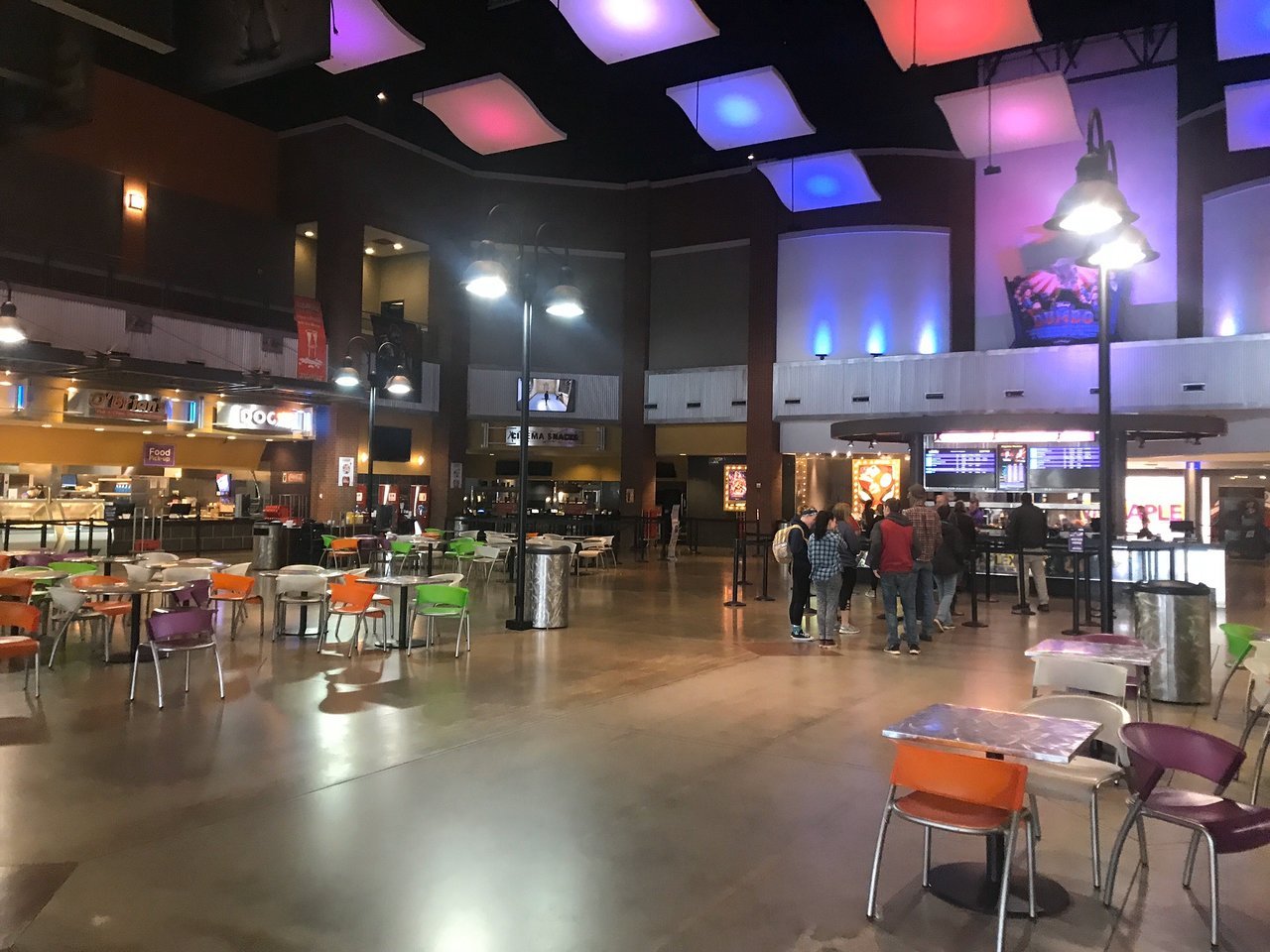
Megaplex belongs in the comparison only if the evening is built around entertainment first and food second. For a meal-led plan, Karuwaa is the cleaner pick; for a movie-centered outing, Megaplex solves a different problem.
Explore South Jordan
Around this place
Discover more on Pearl
Unlock the full Karuwaa Nepali & Indian Cuisine guide in Pearl, including awards, comparisons, FAQs, planning details, and nearby places.
Compare Karuwaa Nepali & Indian Cuisine
| Venue | Location | Awards |
|---|---|---|
| Karuwaa Nepali & Indian Cuisine | South Jordan | No published awards |
| Megaplex | South Jordan | No published awards |
| Garage Grill Herriman | Herriman | No published awards |
| Porch Restaurant | South Jordan | No published awards |
| The Wild Rose | South Jordan | No published awards |
| Saffron Valley- Riverton | Riverton | No published awards |
How Karuwaa Nepali & Indian Cuisine in South Jordan compares with similar nearby venues.
FAQ
Frequently Asked Questions
What are alternatives to Karuwaa Nepali & Indian Cuisine nearby?
The Wild Rose and Porch Restaurant are options to consider. Saffron Valley- Riverton, Garage Grill Herriman, and Megaplex can also be useful comparisons depending on the kind of outing you are planning. Confirm current details directly with each venue.
What should I order at Karuwaa Nepali & Indian Cuisine?
Check the current menu directly with Karuwaa Nepali & Indian Cuisine before deciding what to order. Hours are 11 AM to 10 PM Monday through Thursday, 11 AM to 10:30 PM Friday and Saturday, and 11 AM to 10 PM Sunday.
Is Karuwaa Nepali & Indian Cuisine good for a special occasion?
That depends on the occasion. The dress code is business casual, but details such as room style, seating capacity, reservations, and special-event service should be confirmed. If the outing depends on specific occasion details, compare current information directly with Karuwaa Nepali & Indian Cuisine and other venues such as The Wild Rose or Porch Restaurant.