
Yonggeumok
Chueotang · 평창동, Seoul
Restaurant in Seoul, South Korea
 Book with Pearl
The Read
Single-Bowl Specialist
Why go
Yonggeumok is a Michelin Bib Gourmand-recognised chueotang specialist in Seoul's Jongno District, earning back-to-back awards in 2024 and 2025. At the ₩ price tier, it delivers traditional Korean loach soup at a quality level that few restaurants at this price can match in the city. Book it as a low-cost, high-confidence introduction to classical Korean cooking.
About Yonggeumok
Verdict
If you are visiting Seoul for the first time and want to understand what Korean food looks like before restaurant culture absorbed French technique and fine-dining theatre, Yonggeumok is one of the clearest answers in the city. The price tier is ₩, meaning you are eating Michelin-recognised food at a fraction of what comparable prestige costs elsewhere in Seoul. Book it without overthinking.
What Yonggeumok Is
Chueotang is a loach fish soup that sits at the older, more austere end of Korean culinary tradition. It is not the kind of dish that travels easily to international menus or gets photographed at tasting counters. That relative invisibility is part of why Yonggeumok matters: the Bib Gourmand recognition signals that Michelin's inspectors found something worth flagging at a price point that most visitors to Seoul would consider accessible, not ceremonial. For a first-timer, this is a useful frame. You are not booking a special-occasion restaurant. You are booking a place where the cooking has been consistent and serious enough to earn recognition twice running.
The restaurant is located at 41-2 Jahamun-ro in Jongno District, one of Seoul's older central neighbourhoods. Jongno sits near Gyeongbokgung Palace and carries a different register from the restaurant-dense corridors of Gangnam or Itaewon. If you are staying near the palace or the Bukchon Hanok Village area, Yonggeumok is a natural fit for lunch or dinner without a long transit. If you are based further south, factor in the journey: Jongno is reachable by metro but not a short walk from most hotel clusters in Gangnam-gu.
The Cooking and What to Expect
Chueotang is a broth-centred dish. Loach — a small freshwater fish — is simmered until the flesh fully breaks down into the liquid, producing a dense, earthy soup that is typically seasoned with doenjang (fermented soybean paste) and finished with perilla or other aromatics. The kitchen smell at a traditional chueotang house is particular: fermented depth from the paste, a faint mineral character from the fish, and the warm opacity of a broth that has been cooking for hours. This is not a delicate or decorative cuisine. It is restorative and direct.
Chef Han Jeong-ja leads the kitchen. Beyond that name, the venue database does not provide biographical detail, and Pearl does not fill those gaps. What the two consecutive Bib Gourmand awards do confirm is that the cooking has met Michelin's standard for notable quality at a good value price point in both 2024 and 2025. That kind of back-to-back recognition at the ₩ tier is meaningful: it suggests the kitchen is not coasting on a single strong year.
On the Drinks Side
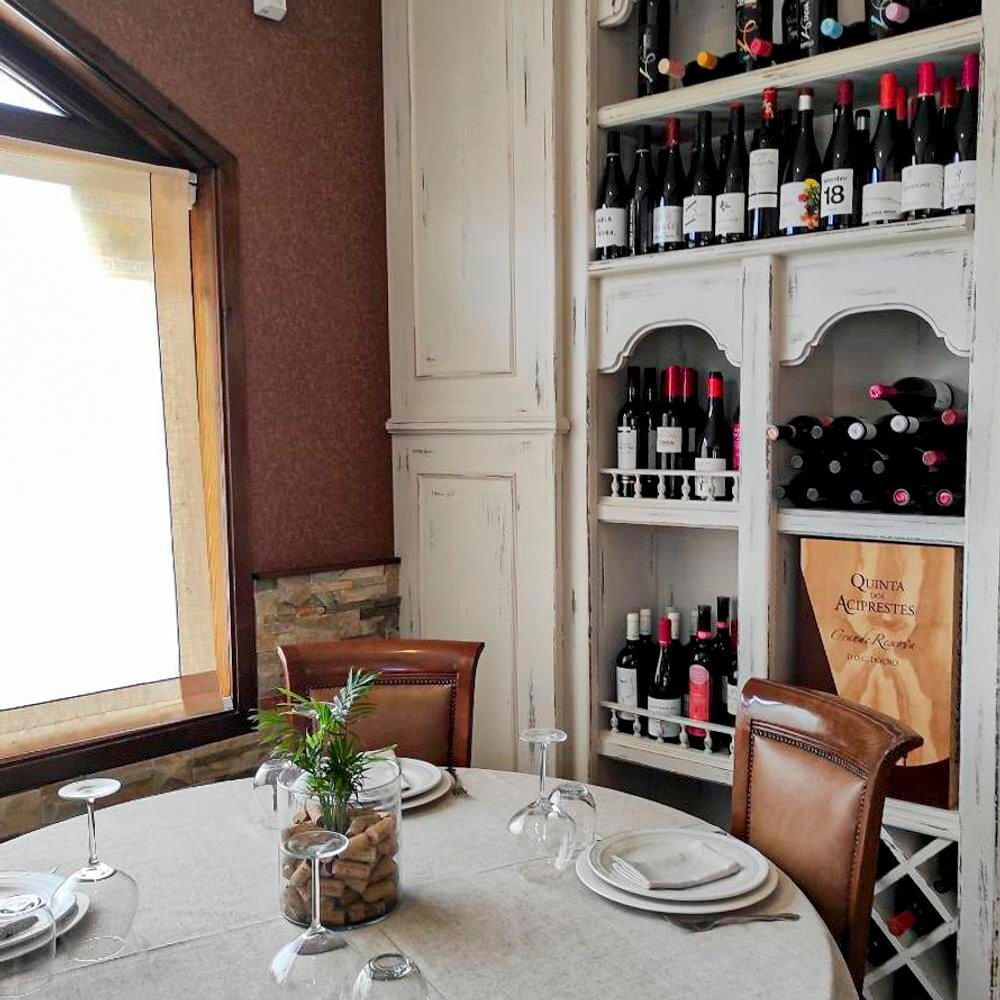
The venue record does not specify a drinks or wine program. This is worth noting clearly for a first-timer: chueotang restaurants in Korea typically pair with makgeolli (unfiltered rice wine) or soju rather than a curated beverage list. If drinks depth is a priority in your decision, Yonggeumok is unlikely to be the venue that satisfies it. The case for booking is built entirely on the food and the value proposition, not on beverage pairing. If you want a Seoul experience where the drink program has comparable ambition to the kitchen, venues like Mingles or Jungsik operate at a different tier and with different intent.
Booking and Logistics
Booking difficulty is rated Easy. Phone number and website are not available in the venue record, so direct online booking is not confirmed. In practice, traditional restaurants in Jongno at this price point often accept walk-ins or can be reached through Naver Reservations, which handles a significant share of Korean restaurant bookings. If you are visiting from outside Korea and do not read Korean, asking your hotel concierge to call ahead is the most reliable approach. Do not assume walk-in availability during peak lunch hours on weekends: Bib Gourmand recognition in Seoul drives local traffic, not just tourist visits.
Quick reference: Jongno District, Seoul | ₩ price tier | Michelin Bib Gourmand 2024 and 2025 | Booking: Easy, concierge-assisted recommended for non-Korean speakers.
Who Should Book
Yonggeumok is the right call if you want to eat something distinctly Korean at a price that leaves room in your Seoul dining budget for a higher-tier meal elsewhere. Pair it with a dinner booking at Kwonsooksoo or Soigné and you have a day that covers both ends of the Seoul food spectrum without overlap. It is also worth considering if you have already done the tasting-menu circuit on a previous trip and want to find what sits underneath that layer.
It is not the right choice if you are looking for a long, composed meal with wine pairing, an English-language menu, or a room designed for a celebration dinner. For those occasions, look elsewhere in our full Seoul restaurants guide. For context on where to stay nearby, see our Seoul hotels guide. If you are planning a broader Korea trip, Mori in Busan and Baegyangsa Temple in Jangseong-gun offer entirely different registers of Korean food worth knowing about.
For Korean food comparisons beyond Seoul, Atomix in New York City shows how Korean culinary tradition translates at the very best of the fine-dining market, which makes the contrast with a ₩ Bib Gourmand specialist like Yonggeumok instructive: both are serious, and the gap in price does not map simply onto a gap in value.
Pearl Picks Nearby
- alla prima, Innovative, Seoul
- 권숙수 - Kwon Sook Soo, Gangnam-gu
- Double T Dining, Gangneung
- Market Café, Incheon
- 더 플라잉 호그 - The Flying Hog, Seogwipo
See also: Seoul bars guide | Seoul wineries guide | Seoul experiences guide
Planning details
- Location
- 41-2 Jahamun-ro, Jongno District, Seoul, South Korea
- Phone
- +82 2-777-4749
The take
The Take
The Vibe
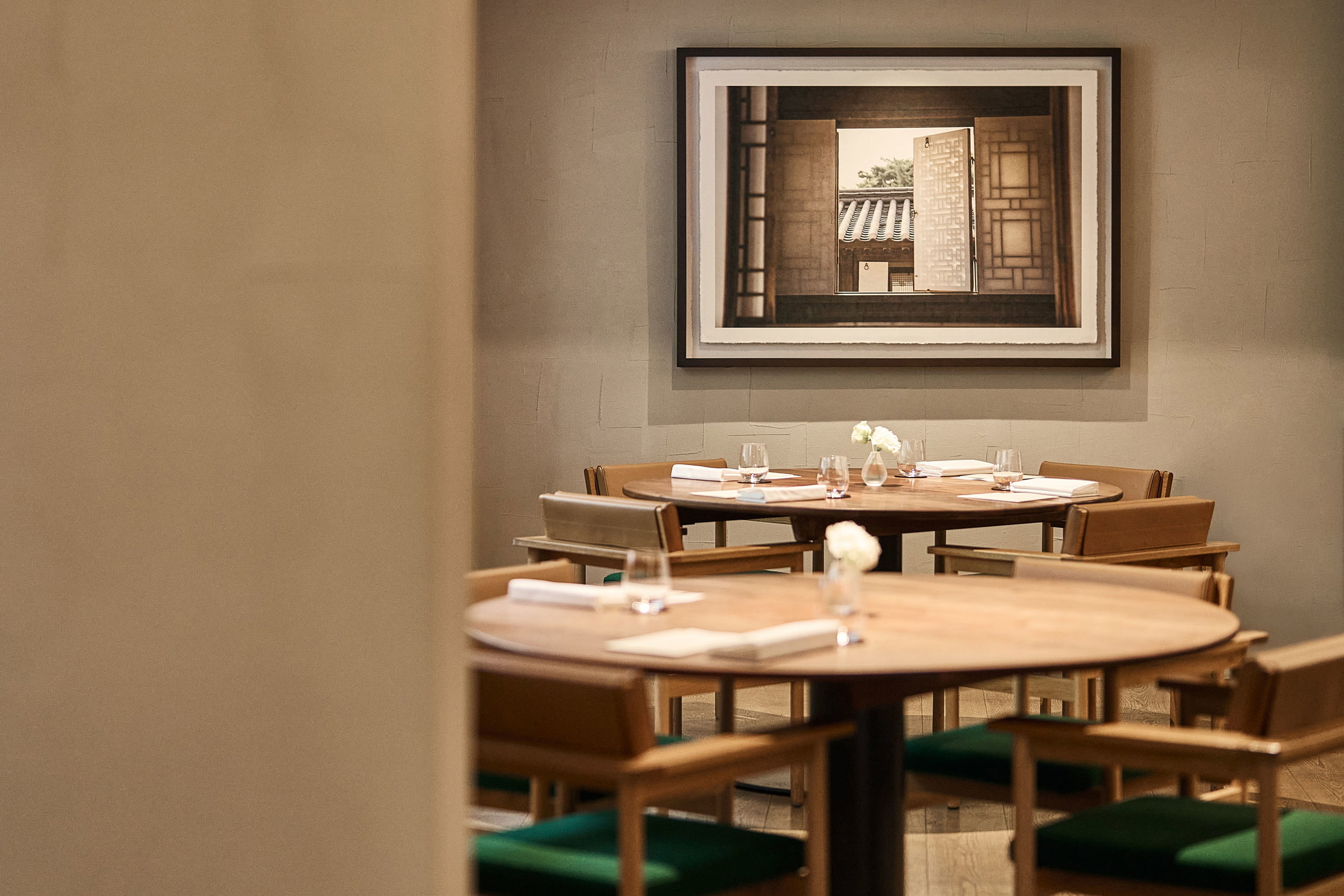
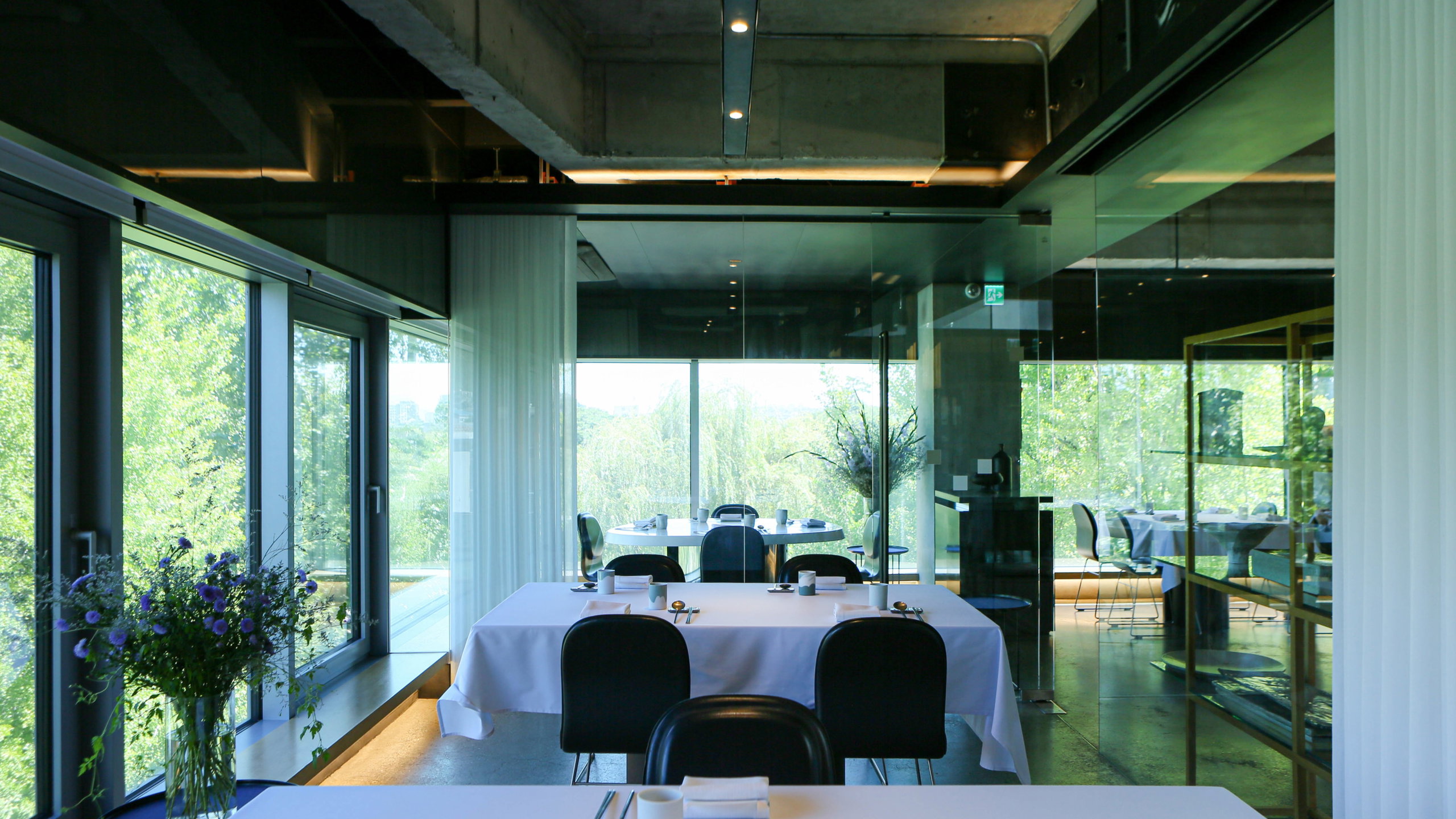
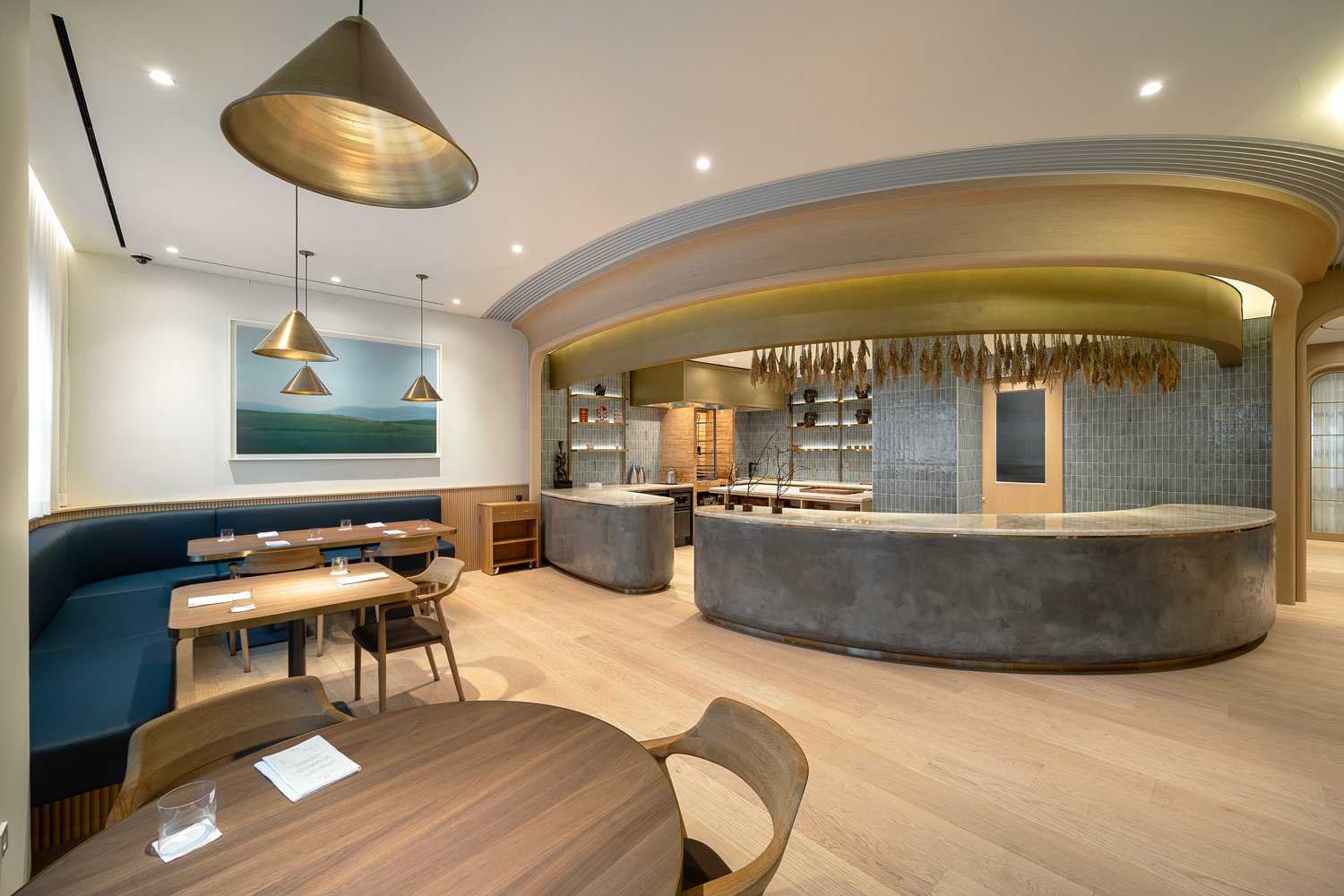
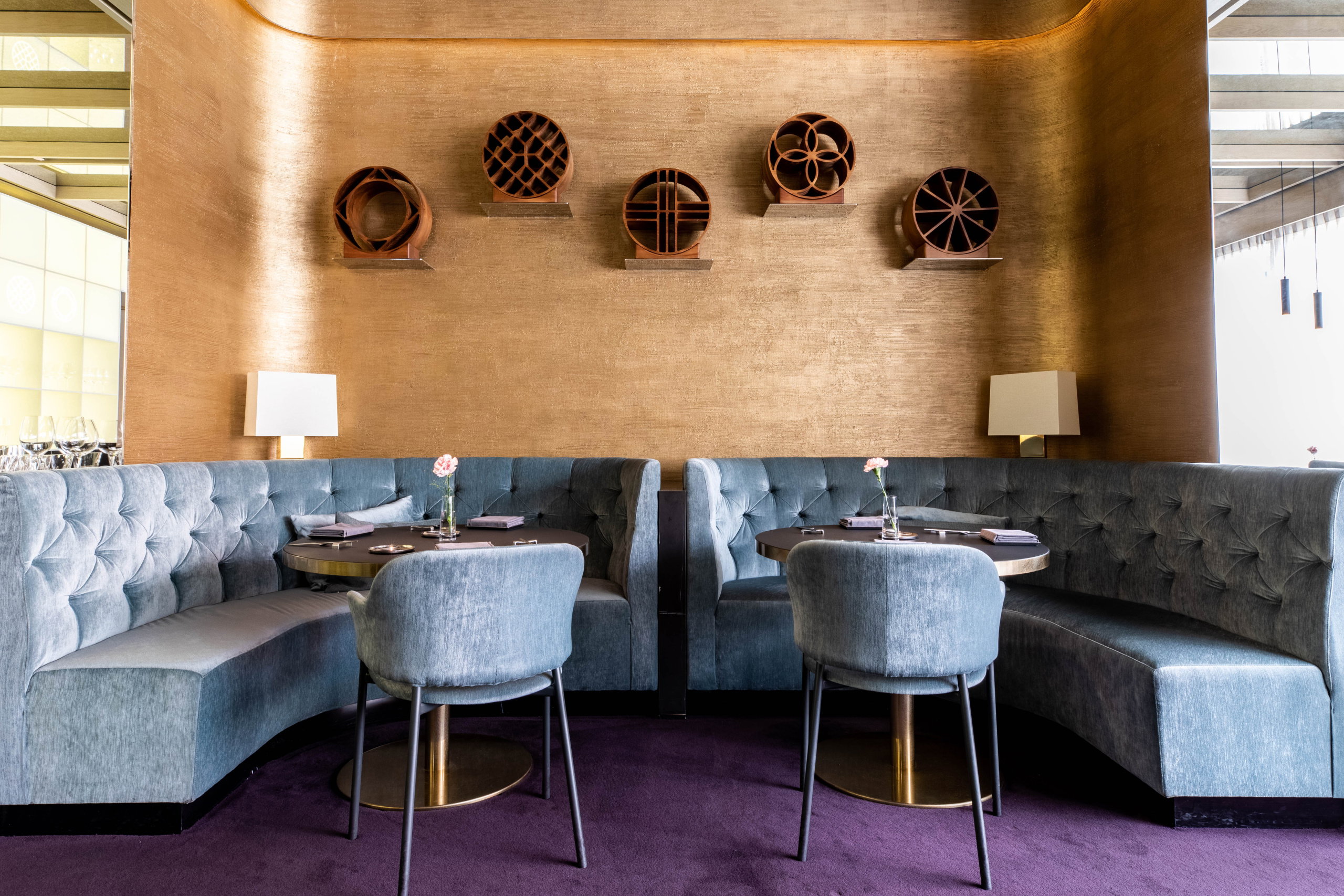
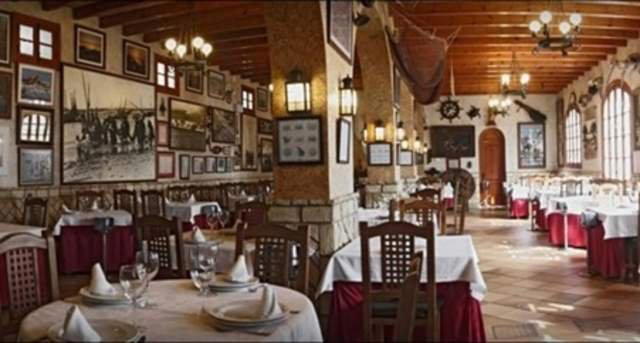
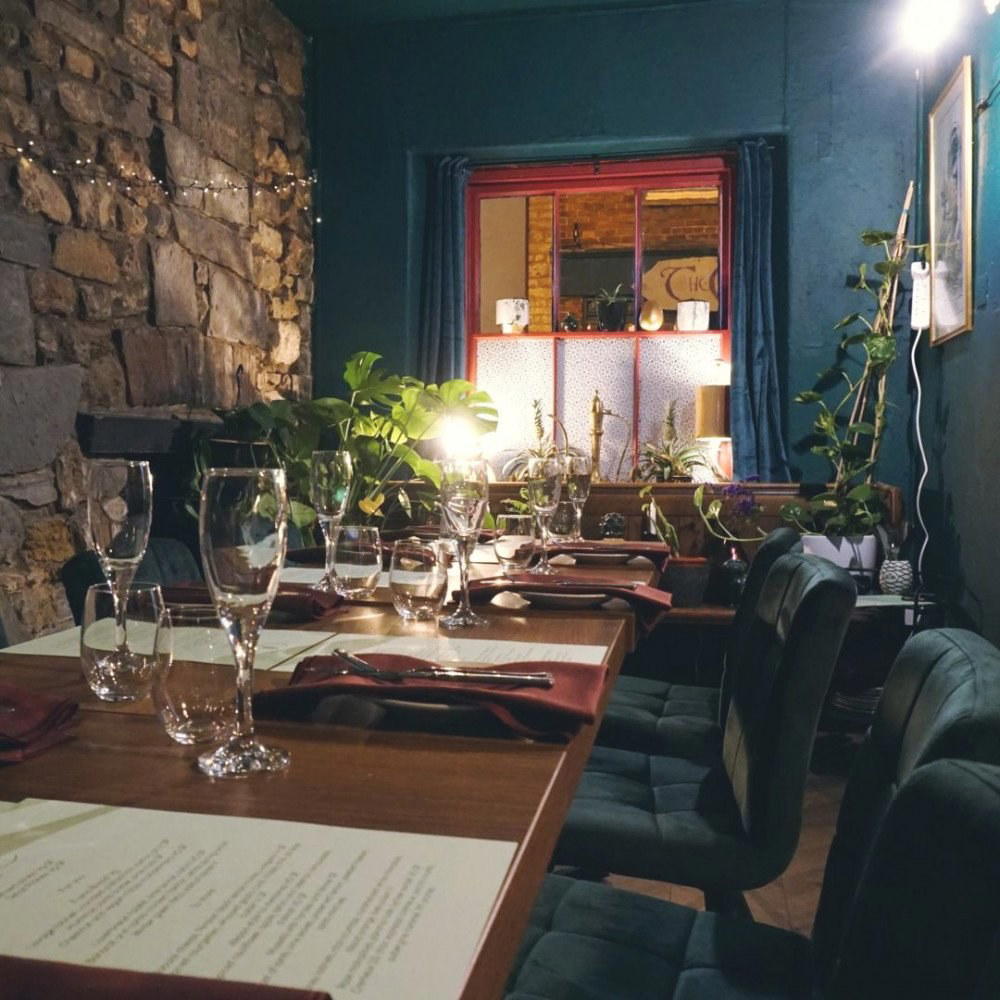
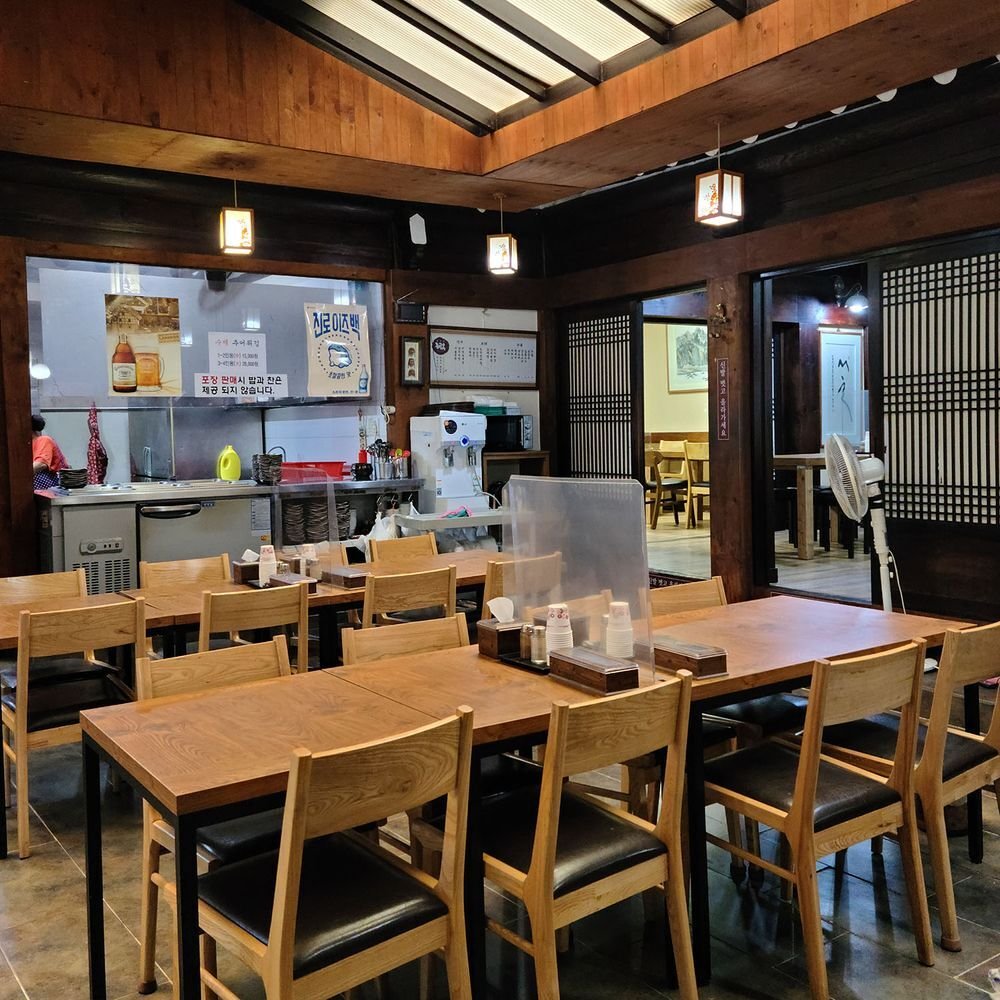
Yonggeumok sits in old Seoul’s Jongno neighborhood, a spot where hanok lanes and civic history shape the streetscape. The dining room is intentionally unadorned — the fit-out is secondary and everything exists to showcase a single, ancestral dish. The atmosphere reads traditional and quietly focused rather than theatrical: this is a place of nourishment and utility, where restorative cooking takes precedence over presentation. The experience feels rooted and classic, aimed at diners who come for the depth and provenance of the food rather than for contemporary design or fine-dining fanfare.
Best For
This restaurant is best for diners seeking an authentic, unfussy bowl of chueotang — a warming, protein-rich loach soup that reads as medicinal and ancestral. It suits budget-conscious visitors and locals who value a single-dish specialist over multi-course tasting menus, and it’s especially appropriate for solo diners or small, informal groups looking for straightforward, restorative fare. Yonggeumok contrasts with Seoul’s high-end dining scene; it’s a destination for people interested in traditional Korean comfort and nourishment rather than contemporary culinary theatrics.
Ordering Tips
Order the house chueotang: the write-up makes clear this is the draw and the reason to visit. Expect a broth developed from simmered loach that breaks down into a dense, nourishing soup; the dish can include doenjang and ground spices in varying ratios depending on the house style. Don’t come looking for photogenic plating — the appeal is nutritional logic and ancestral flavor. It’s particularly satisfying on chilly days and is presented as an affordable, repetition-ready meal rather than part of a multi-course tasting.
Venue details
Ambiance
Traditional, longstanding, and comforting, with a classic neighborhood-restaurant atmosphere.
Tags
Vibe
Best For
Experience
At the Table
- Noise Level
- Conversational
- Meal Pacing
- Standard
- Capacity
- Small
- Kitchen
- Traditional
- Menu Format
- A la carte
- Opened
- 1932
Signature Dishes
- chueotang
- Seoul-style chueotang
Know before you go
Know Before You Go
- Getting there
- 41-2 Jahamun-ro, Jongno District, Seoul, South Korea
Planning details
Location
41-2 Jahamun-ro, Jongno District, Seoul, South Korea · Directions
Recognition and awards
Also consider
Also Consider
- Solbam, Contemporary, ₩₩₩₩
- Onjium, Korean, ₩₩₩₩
- 7th Door, Korean, Contemporary, ₩₩₩₩
- L'Amitié, French, ₩₩₩
- Zero Complex, Korean-French, Innovative, ₩₩₩₩
Restaurant context
Yonggeumok and the ₩₩₩₩ tier in Seoul are solving for different things. Onjium and 7th Door both offer Korean culinary heritage at a much higher price and with considerably more ceremony: multi-course formats, considered plating, and rooms designed for a long evening. If your Seoul dining budget is limited and you want at least one meal that reflects serious Korean cooking without a high spend, Yonggeumok is the clearer call. If budget is not the constraint and you want the full composed experience, Onjium is the more instructive comparison for Korean culinary tradition at depth.
Solbam and Zero Complex sit at the contemporary and fusion end of the Seoul spectrum, both at ₩₩₩₩. Neither overlaps with what Yonggeumok does. If you are building a Seoul itinerary across multiple meals, Yonggeumok at lunch and Solbam or Zero Complex at dinner is a combination that covers traditional and contemporary registers without repetition. L'Amitié at ₩₩₩ is the closest in price positioning to Yonggeumok among the comparison set, but it is a French restaurant, the comparison is purely financial, not experiential.
For booking difficulty, Yonggeumok is rated Easy, which puts it ahead of most ₩₩₩₩ venues in Seoul where reservations require more lead time and, in some cases, Korean-language booking systems. If spontaneous or short-notice planning is part of your trip, Yonggeumok is a more practical choice than the fine-dining alternatives. The trade-off is format: you are getting a single-focus traditional dish, not a multi-course progression. Know which you want before deciding.
Explore Seoul
Around this place
Discover more on Pearl
Unlock the full Yonggeumok guide in Pearl, including awards, comparisons, FAQs, planning details, and nearby places.
Compare Yonggeumok
| Venue | Cuisine | Awards | Booking Difficulty |
|---|---|---|---|
| Yonggeumok | Chueotang | Michelin Guide Seoul & Busan 20262025 Michelin Bib Gourmand2024 Michelin Bib Gourmand | Easy |
| Solbam | Contemporary | 2026 Asia's 50 Best Restaurants · #552026 Wine Spectator Best of Award of Excellence2026 OAD Top Restaurants in Asia RecommendedMichelin Guide Seoul & Busan 20262026 La Liste Top Restaurants2025 Asia's 50 Best Restaurants · #552025 OAD Top Restaurants in Asia Ranked · #277Tatler Best Restaurants Asia-Pacific 20252025 Wine Spectator Best of Award of Excellence | Unknown |
| Onjium | Korean | 2026 Asia's 50 Best Restaurants · #142026 OAD Top Restaurants in Asia Ranked · #852026 La Liste Top RestaurantsMichelin Guide Seoul & Busan 20262026 Wine Spectator Best of Award of Excellence2025 Asia's 50 Best Restaurants · #102025 World's 50 Best Restaurants · #572025 OAD Top Restaurants in Asia Ranked · #1342025 La Liste Top Restaurants | Unknown |
| 7th Door | Korean, Contemporary | 2026 Asia's 50 Best Restaurants · #492026 OAD Top Restaurants in Asia Ranked · #842026 Black Pearl 1 DiamondMichelin Guide Seoul & Busan 20262026 La Liste Top Restaurants2025 Asia's 50 Best Restaurants · #232025 Michelin 1 Star2025 La Liste Top Restaurants2024 OAD Top Restaurants in Asia Ranked · #192 | Unknown |
| L'Amitié | French | 2026 La Liste Top Restaurants2025 La Liste Top Restaurants2025 Michelin 1 Star2024 Michelin 1 Star | Unknown |
| Zero Complex | Korean-French, Innovative | Star Wine Lists 20262026 OAD Top Restaurants in Asia Recommended2026 La Liste Top Restaurants2025 OAD Top Restaurants in Asia Ranked · #1992025 La Liste Top Restaurants2025 Michelin 1 Star2025 The Best Chef One Knife2024 OAD Top Restaurants in Asia Ranked · #2792024 Michelin 1 Star | Unknown |









What to weigh when choosing between Yonggeumok and alternatives.
FAQ
Frequently Asked Questions
What should a first-timer know about Yonggeumok?
Yonggeumok specialises in chueotang — a traditional Korean loach fish soup where the fish is simmered until it dissolves into a dense, mineral broth. It is not a crowd-pleasing introduction to Korean food; it is a specific, acquired dish. If you want something distinctly pre-modern Korean at a budget price point (₩), this is worth knowing about. If you are not sure you like strong, earthy broths, start with a half-portion or go in informed.
Is Yonggeumok good for a special occasion?
Not in the conventional sense. Yonggeumok holds a Michelin Bib Gourmand (2024 and 2025), which signals quality, not occasion dining. The price range is ₩ — this is a working-lunch register, not a celebratory dinner venue. If your special occasion is about eating something historically significant and genuinely Korean rather than impressing someone with a room, it fits. For a celebratory meal with atmosphere and ceremony, Onjium or 7th Door would be better choices.
Is the tasting menu worth it at Yonggeumok?
Yonggeumok is a single-dish specialist focused on chueotang — there is no tasting menu format at play here. You come for the soup, not a progression of courses. At ₩ pricing with back-to-back Michelin Bib Gourmand recognition, the value case is straightforward for what it is.
Can I eat at the bar at Yonggeumok?
Traditional chueotang restaurants in Korea are not bar-seating venues in the Western sense — counter or bar service is not a standard feature of this format. Yonggeumok's record does not confirm bar seating. Expect table-based service in a low-key dining room.
Is Yonggeumok worth the price?
Yes, clearly. At ₩ pricing with two consecutive Michelin Bib Gourmand awards (2024 and 2025), Yonggeumok delivers one of Seoul's better value propositions. The Bib Gourmand is specifically awarded for good food at a reasonable price, so the cost-to-quality ratio is the point. If chueotang is what you are eating, there is no meaningful reason to pay more elsewhere for a less recognised version.
What are alternatives to Yonggeumok in Seoul?
It depends on what you are after. For traditional Korean cuisine with more ceremony and a higher price point, Onjium is the comparison that makes sense. For contemporary Korean fine dining, 7th Door or Zero Complex are worth considering. Solbam sits closer to the Korean snack and comfort food register if you want to stay casual. L'Amitié takes a French-Korean direction and occupies a different category entirely. None of them serve chueotang — if that specific dish is the goal, Yonggeumok has no direct peer on this list.