
Yangyang Memil Makguksu
Memil-guksu · 반포본동, Seoul
Restaurant in Seoul, South Korea
 Book with Pearl
The Read
Cold Buckwheat Precision
Why go
A Michelin Bib Gourmand-recognised buckwheat noodle specialist in Seocho-gu, Seoul, with consecutive awards in 2024 and 2025. At ₩ pricing, this is one of the most cost-efficient Michelin-acknowledged meals in the city. Walk-in friendly, casual format, and best visited at weekday lunch for the shortest wait.
About Yangyang Memil Makguksu
Verdict
Yangyang Memil Makguksu is not a destination restaurant in the way Seoul's ₩₩₩₩ tasting-menu circuit is. It is something more useful: a Michelin Bib Gourmand-recognised noodle specialist in Seocho-gu that delivers serious quality at prices low enough that you can eat here twice in a week without reconsidering your travel budget. If you came once and ordered safe, come back and treat it the way a regular would: this is a kitchen that rewards repetition.
What Yangyang Memil Makguksu Actually Is
The first thing to correct: a Michelin nod at the ₩ price tier is not a signal that this place has been dressed up for tourists or priced above its category. Bib Gourmand exists precisely to flag venues where the ratio of quality to cost is doing something that most restaurants at higher price points cannot match. Yangyang Memil Makguksu has held that recognition in both 2024 and 2025: consecutive years of validation that this is not a fluke or a catch-all listing.
The focus is memil-guksu: buckwheat noodles, a Korean preparation that runs from cold makguksu (mixed noodles) to naengmyeon-adjacent cold broth formats. Buckwheat noodles are nutritionally dense, lower in gluten than wheat, and carry a slightly earthy, subtly bitter flavour profile that functions as a clean counterpoint to whatever accompanies them. The taste is grounding rather than rich, this is food built for clarity, not for layered excess. If you are arriving from a run of heavy Korean barbecue meals or multi-course dinners, a bowl here resets the palate in a way that Seoul's more elaborate kitchens are not designed to do.
Address is 10 Donggwang-ro 15-gil, Seocho-gu, a residential-feeling side street in a part of Seoul where locals eat, not where restaurants perform for visitors. Seocho-gu is south of the Han River, close to Gangnam, and walkable from several subway lines. This is not the kind of venue that appears on hotel concierge lists alongside Mingles or alla prima, which is part of why it is still easy to book.
Timing and When to Go
Cold buckwheat noodles are a warm-weather dish by tradition, and the window from late spring through early autumn is when makguksu is at its most logical. In July and August, when Seoul runs hot and humid, a cold noodle lunch here is a more practical choice than fighting for a table at a fully air-conditioned contemporary restaurant where the booking lead time runs to weeks. That said, the venue's Bib Gourmand recognition applies year-round, and there is no reason to skip it in cooler months if you are in the neighbourhood.
For a first return visit, midweek lunch is the call. Crowds are thinner, service is less stretched, and you get the dish in its most focused context. Weekend lunch draws a more local neighbourhood crowd, that is not a reason to avoid it, but it does mean accounting for a short wait.
How to Eat Here as a Regular
If your first visit was an orientation, order the standard makguksu, get a feel for the room, the second visit is where the kitchen makes more sense. The core discipline of this kind of specialist venue is depth within a narrow range: different preparations of buckwheat noodles, variations in temperature and broth, optional additions that regulars build into a habitual order. Without confirmed menu data it would be irresponsible to name specific dishes, but the pattern of Korean memil specialists is consistent enough to say: push past the most obvious order and ask what the kitchen's most popular secondary dish is. Seoul noodle shops at this level usually have one preparation that regulars default to that does not appear first on the menu board.
Practically: no booking is required for most visits given the casual format and easy booking difficulty classification. Walk-in is the standard approach. The ₩ price tier means a full meal here, noodles, any sides, a drink, should land well under ₩20,000 per person, possibly under ₩15,000 depending on what you order. That kind of pricing, alongside two years of consecutive Bib Gourmand recognition, is what separates this from the dozens of similar-looking noodle shops in the same neighbourhood. For comparison, the same Michelin credentialing process that awards three stars to Kwon Sook Soo in Gangnam-gu is the same process that gives Yangyang its Bib Gourmand, different tiers, same evaluative rigour.
If you are building a wider Seoul food itinerary, this fits cleanly alongside more ambitious restaurants. Use it as a lunch anchor on a day when dinner is at something heavier, a day structured around Seoryung or Mijin for dinner works well with a light buckwheat lunch here. For visitors exploring beyond Seoul, the same principle of seeking out Michelin-recognised specialists applies elsewhere in Korea, from Mori in Busan to Baegyangsa Temple in Jangseong-gun. Pearl's full Seoul restaurants guide covers the wider city picture, including hotels, bars, wineries, and experiences if you are planning a full trip.
The Bottom Line
Yangyang Memil Makguksu is the kind of place that makes Seoul's food scene function at a level that cities like New York, where even Le Bernardin or Atomix exist in a different economic register, cannot fully replicate. A Michelin-recognised specialist at ₩ pricing, easy to walk into, focused on a single cuisine category it has clearly mastered. Book it on a warm day, go back on a weekday, and order past the obvious first choice.
How It Compares
Planning details
- Location
- 10 Donggwang-ro 15-gil, Seocho District, Seoul, South Korea
- Website
- yangyangkuksu.modoo.at
- Phone
- +82 2-3482-3738
The take
The Take
The Vibe
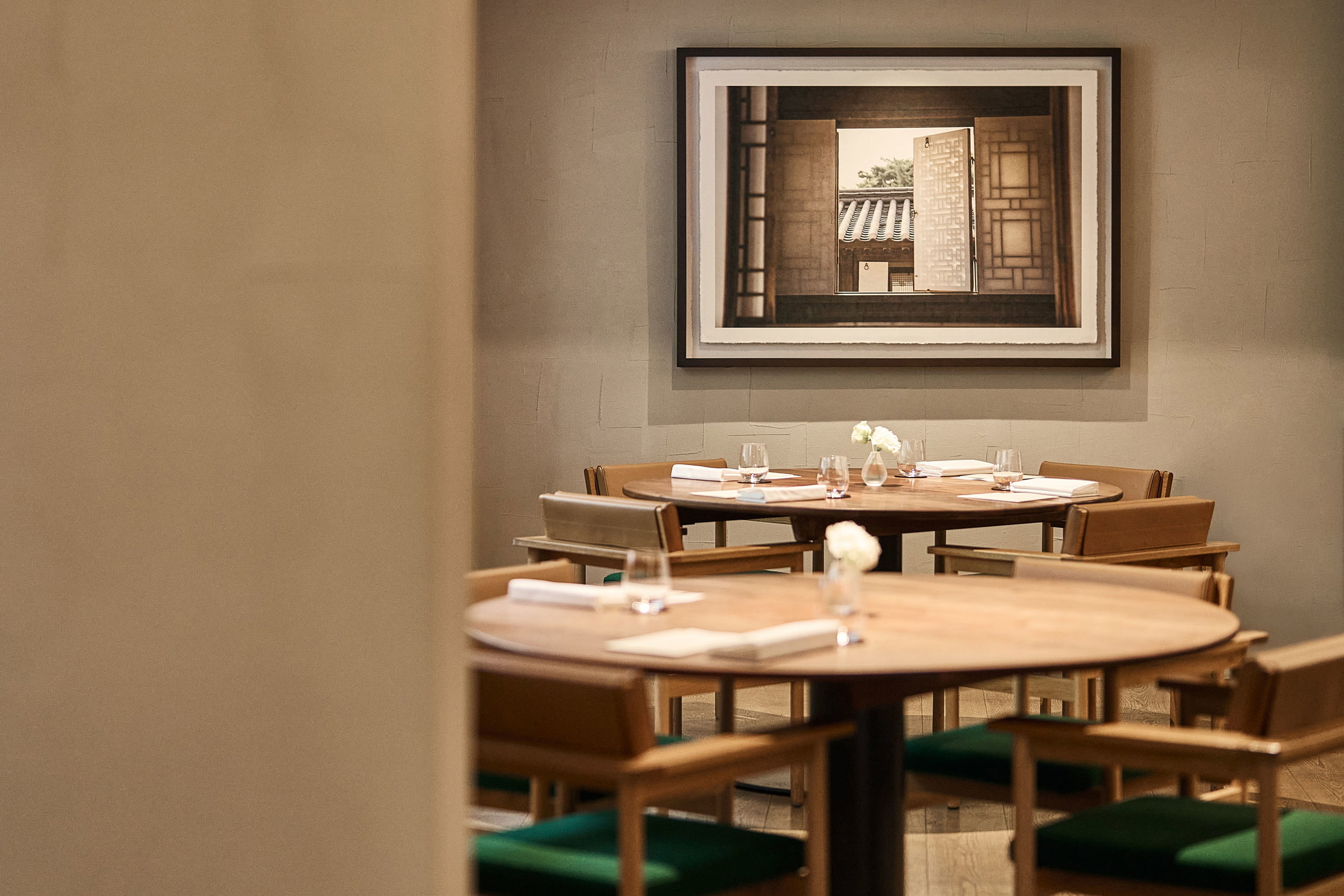
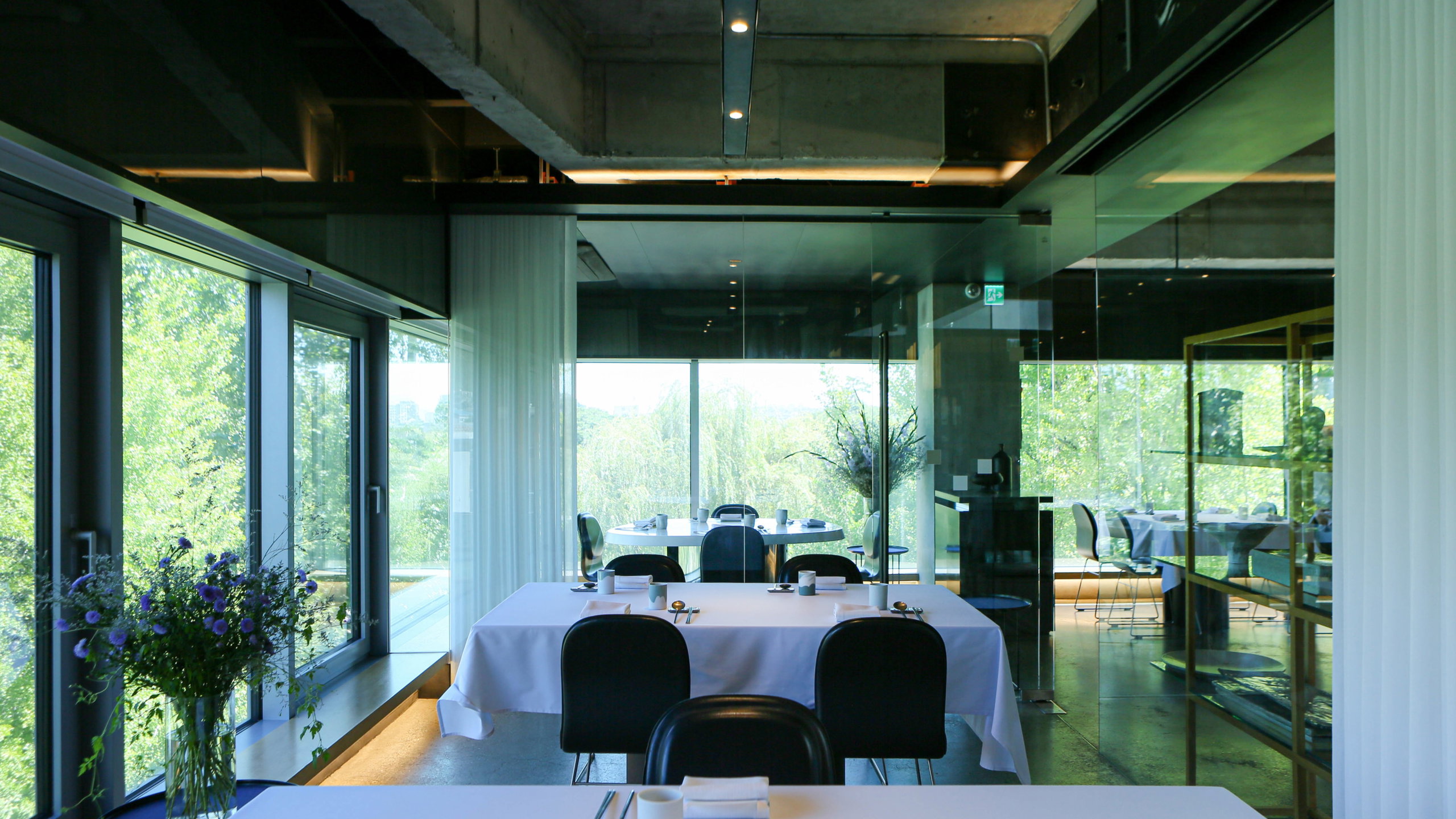
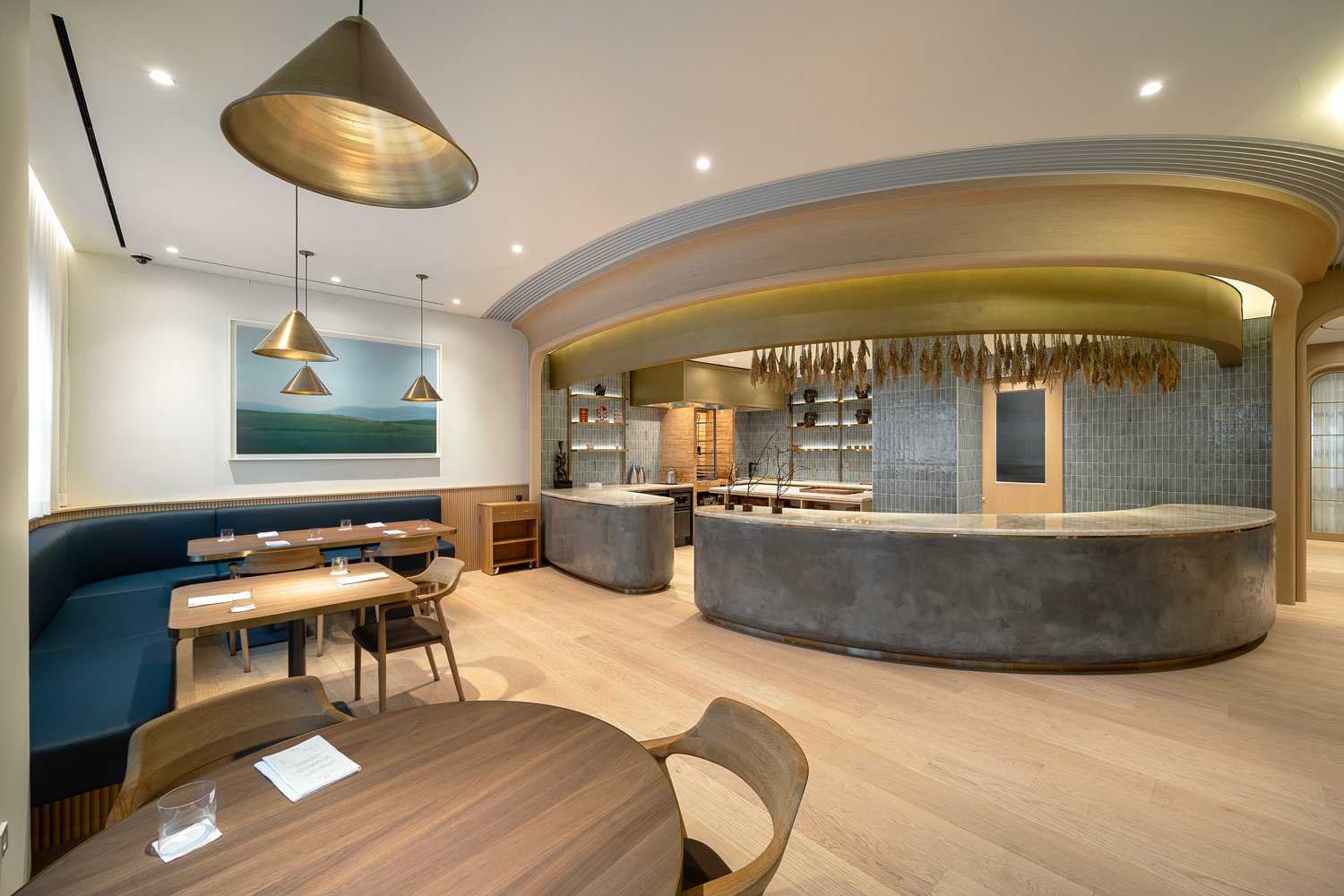
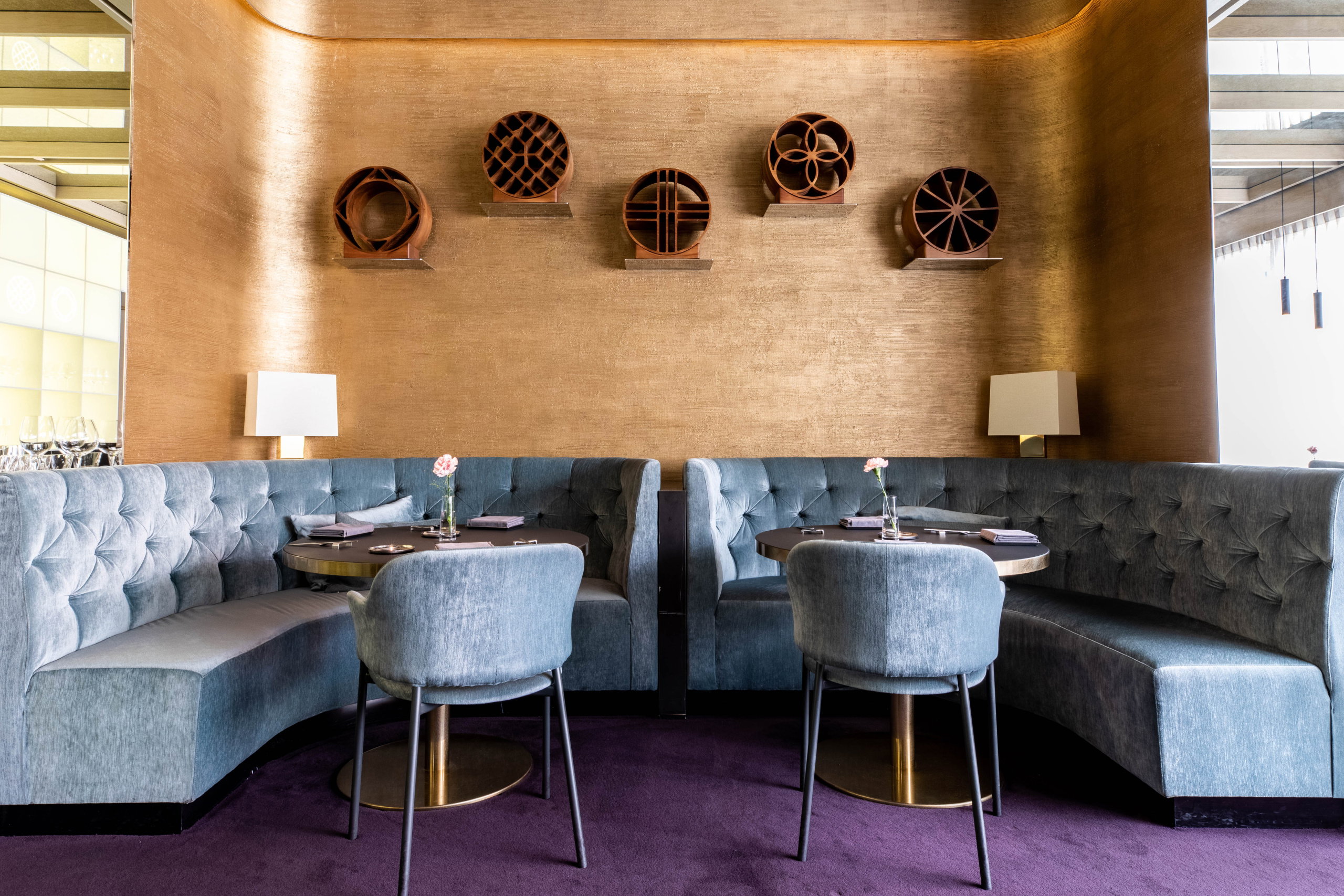
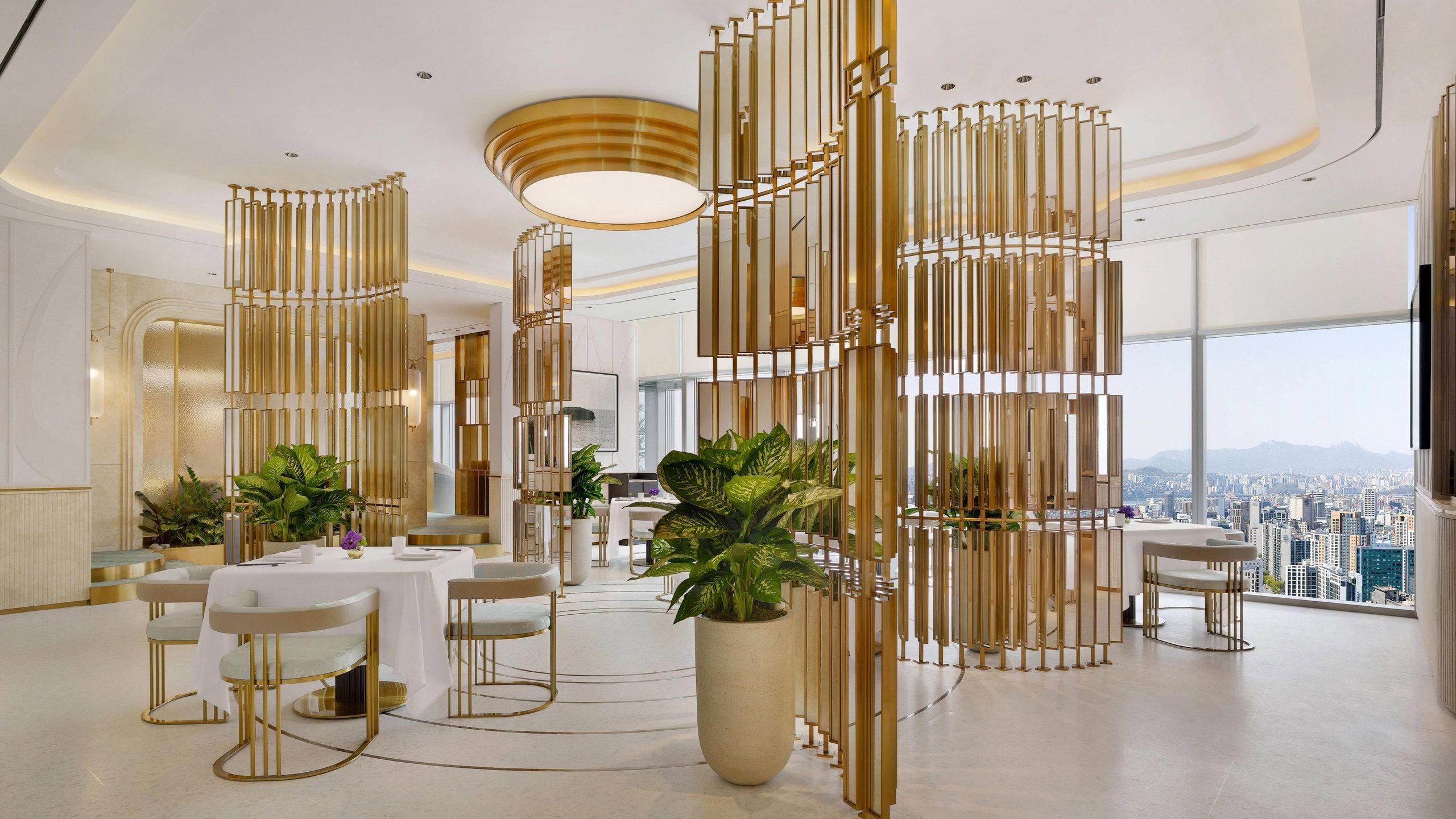
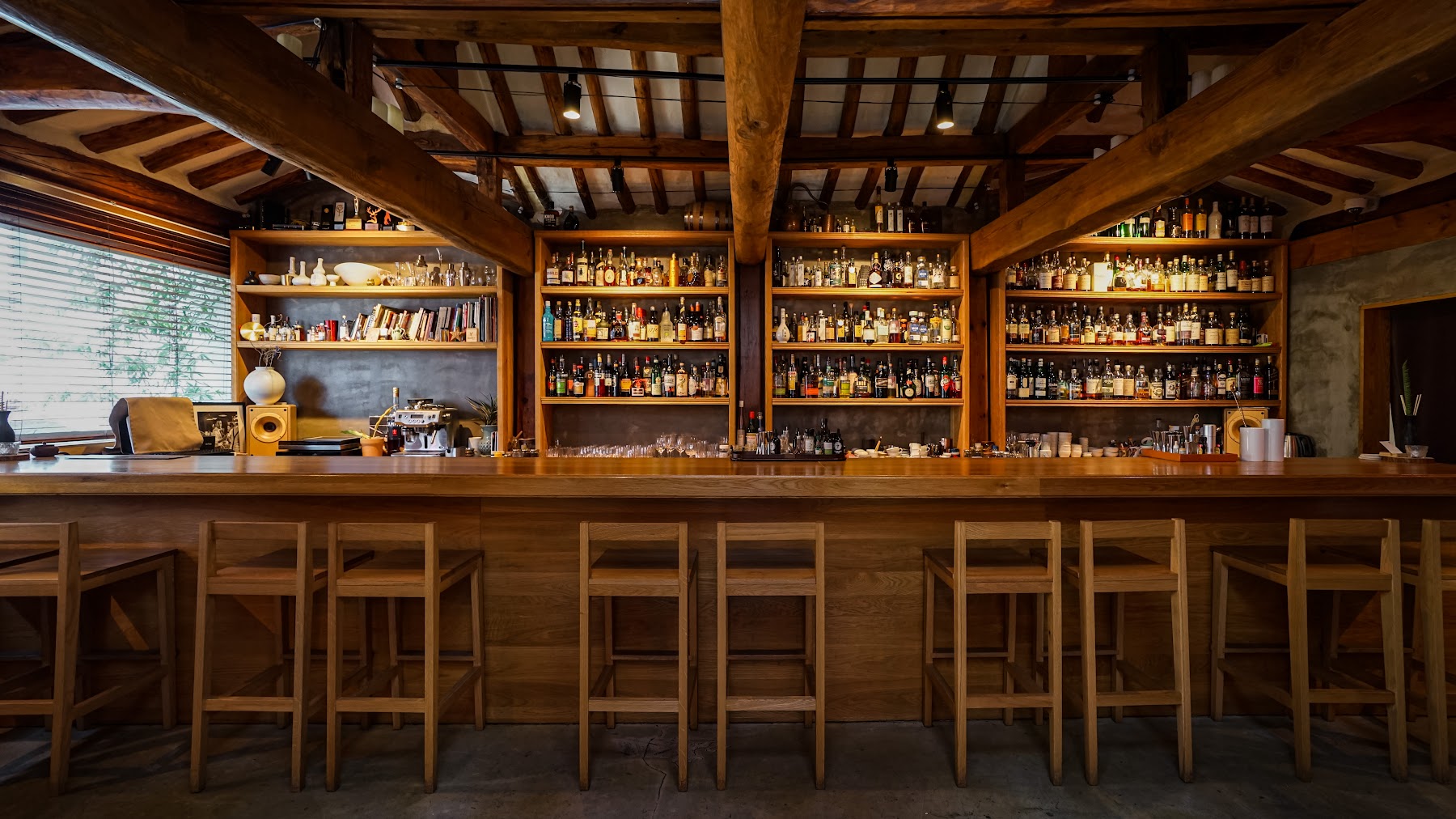
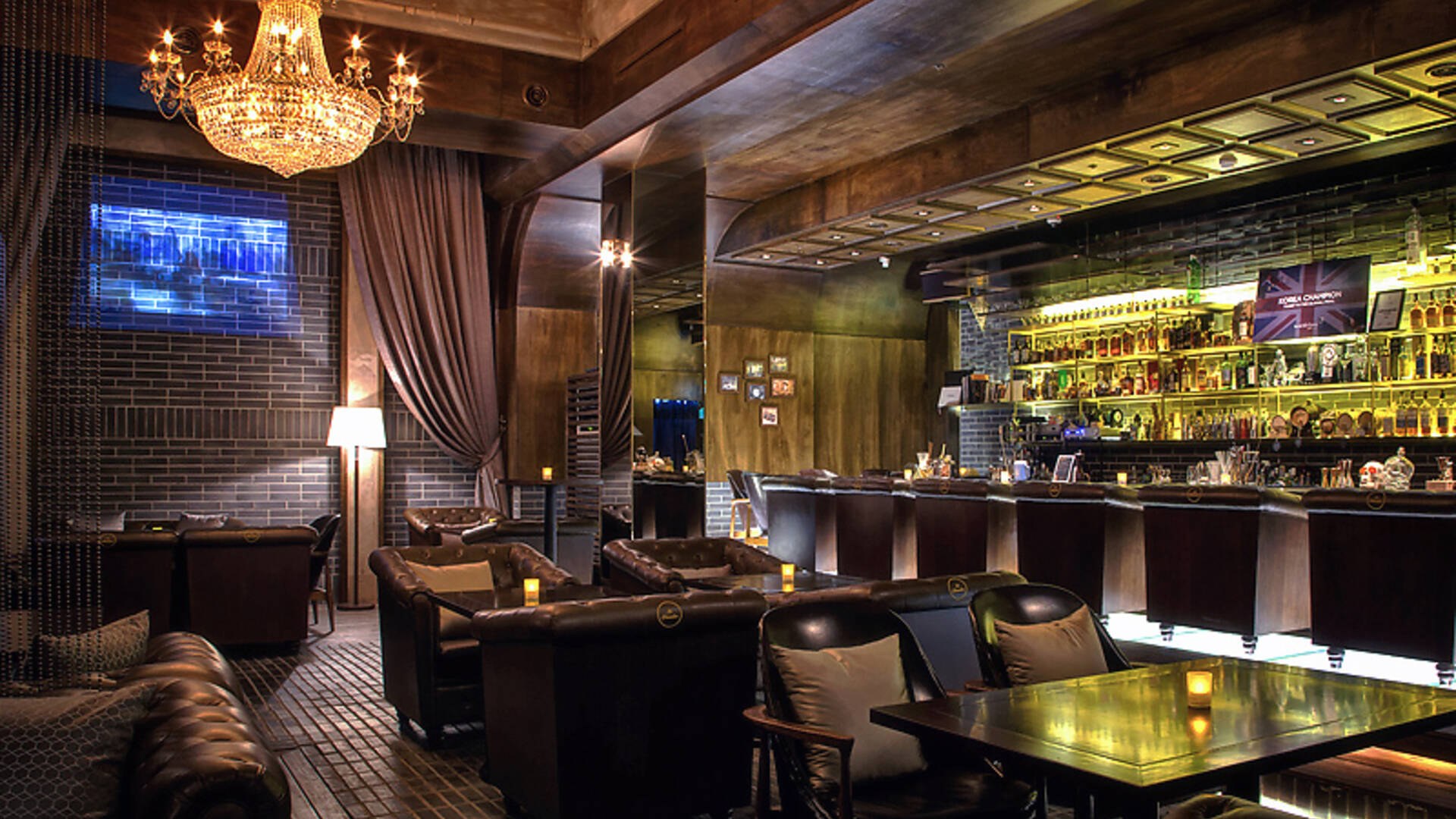
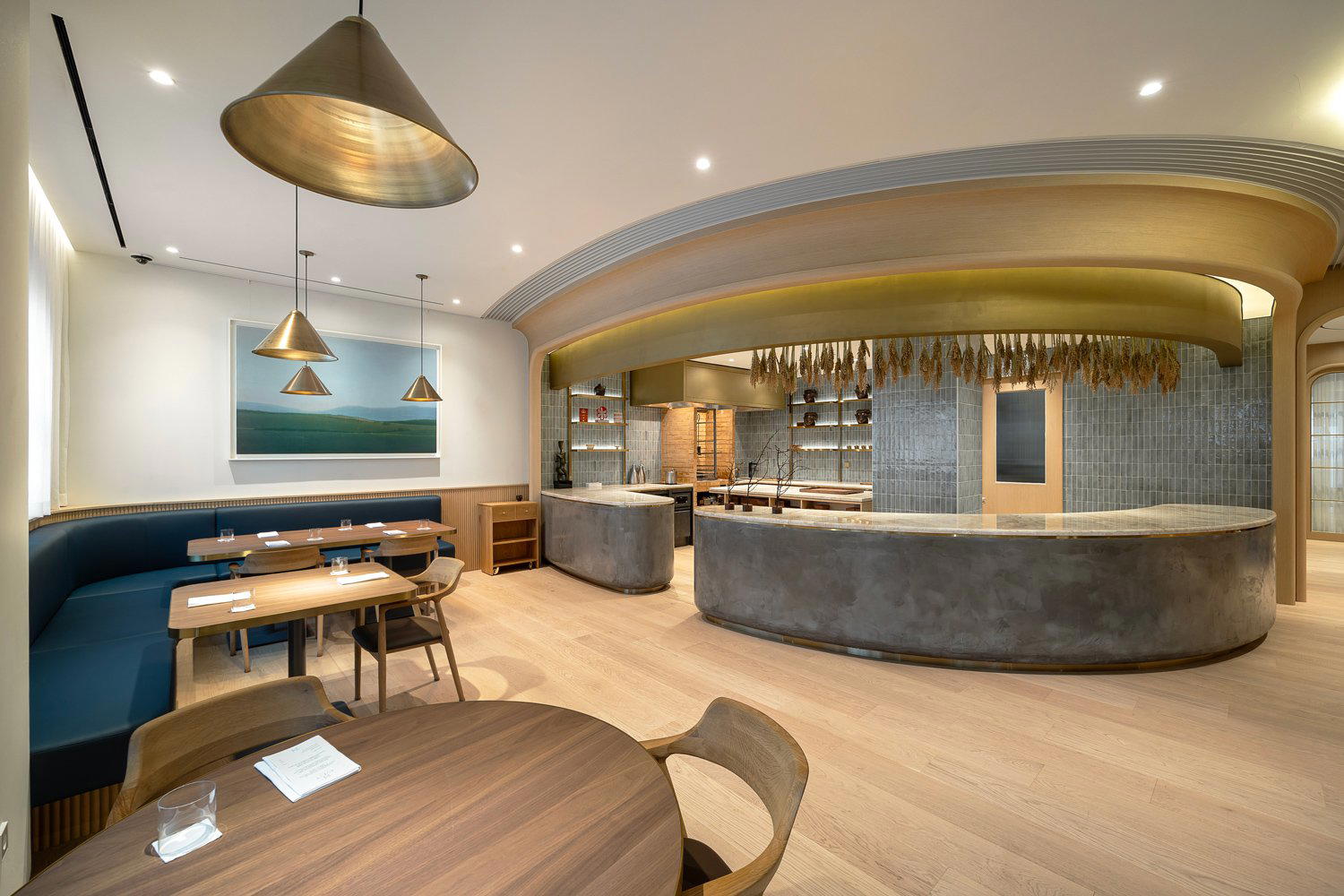
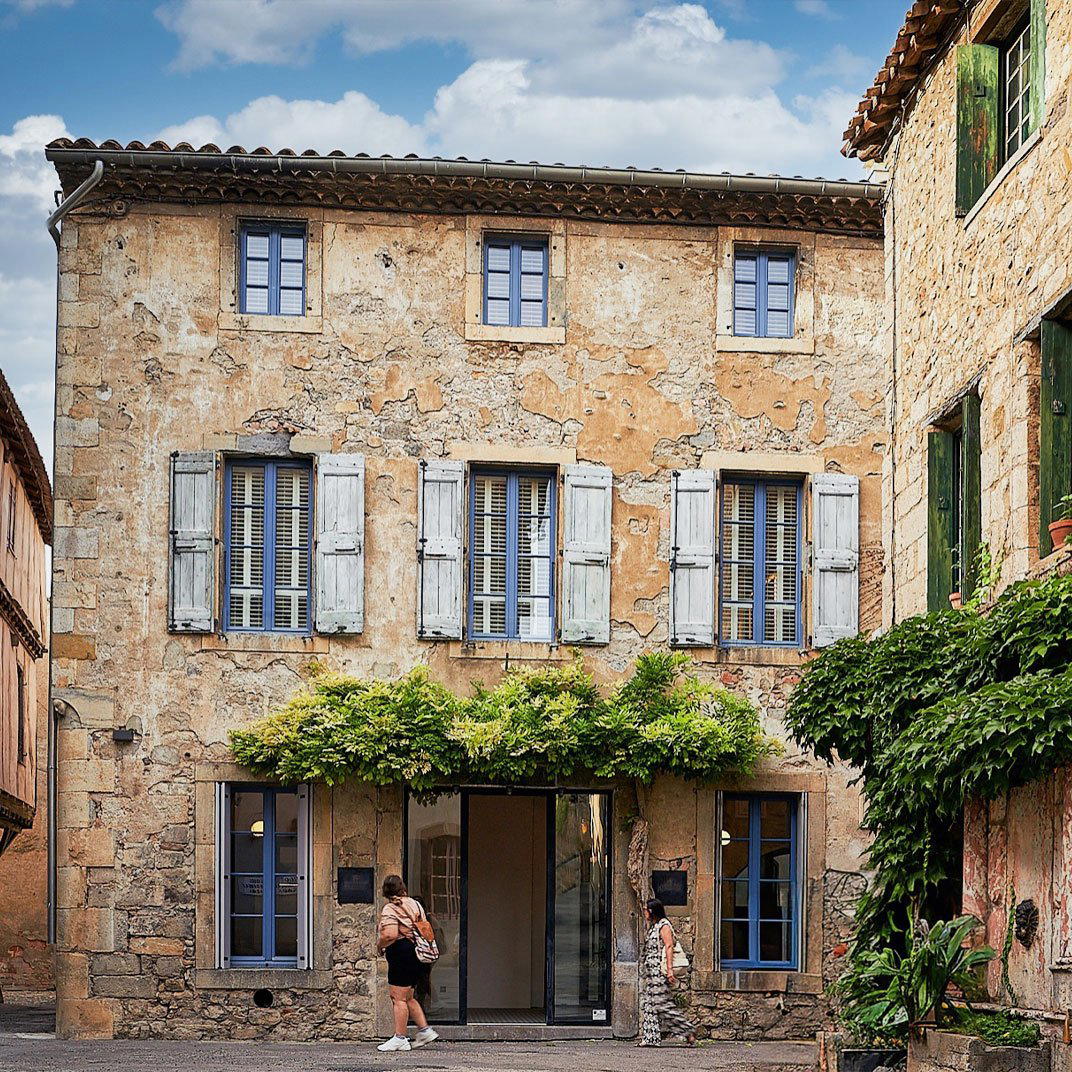
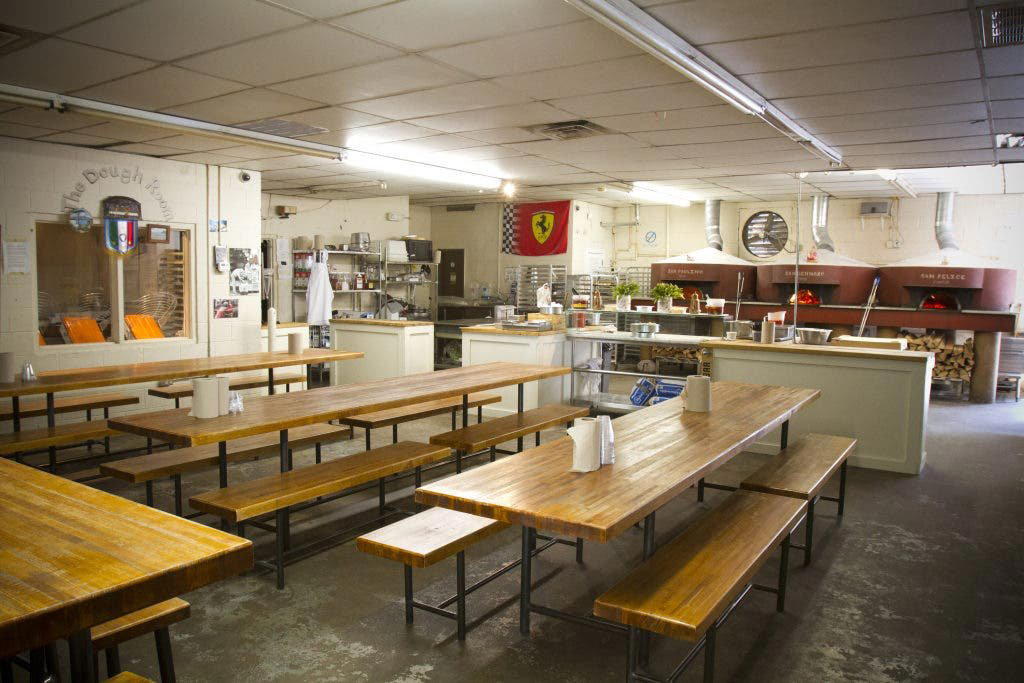
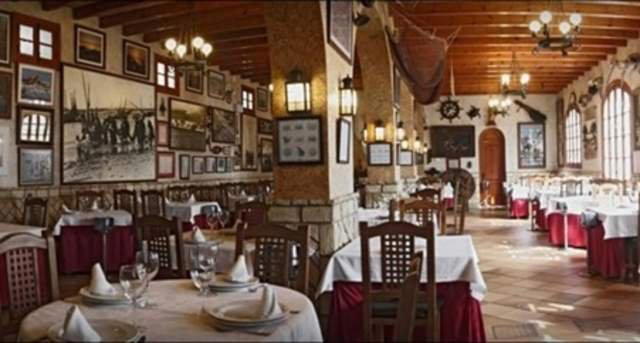
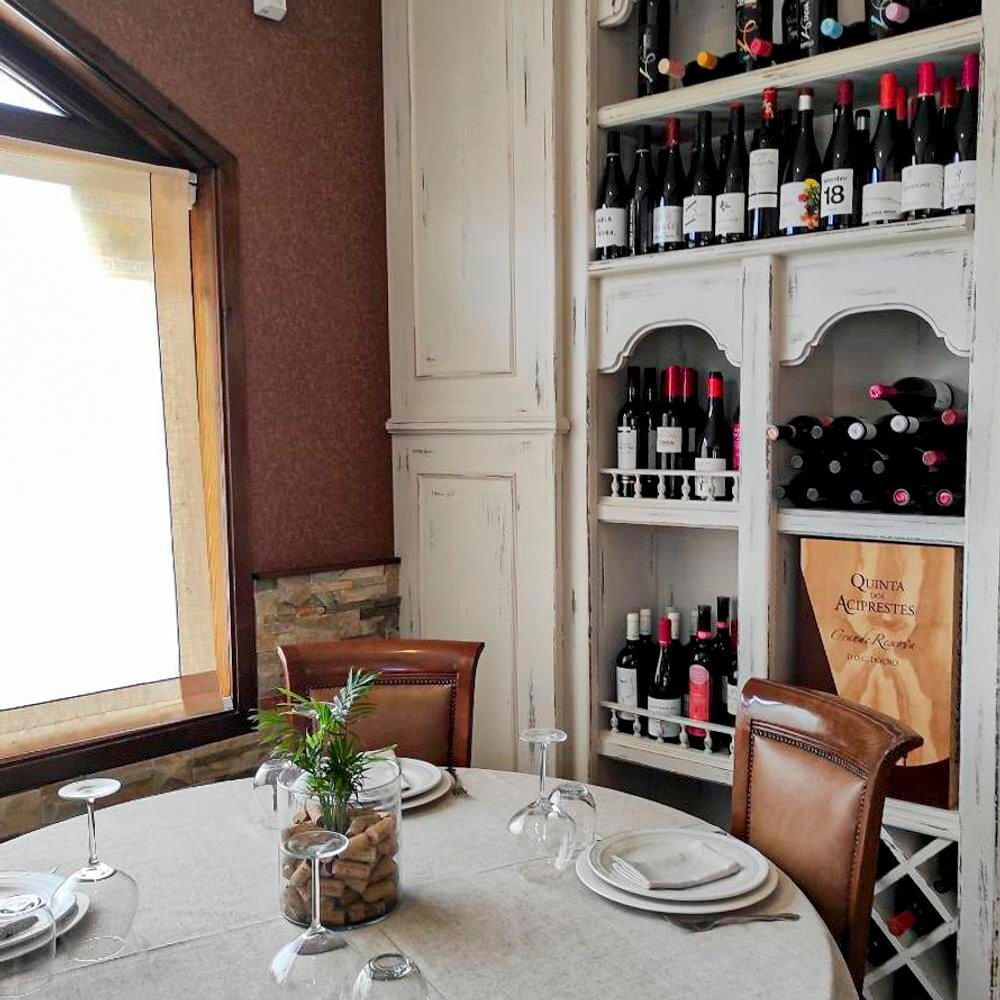
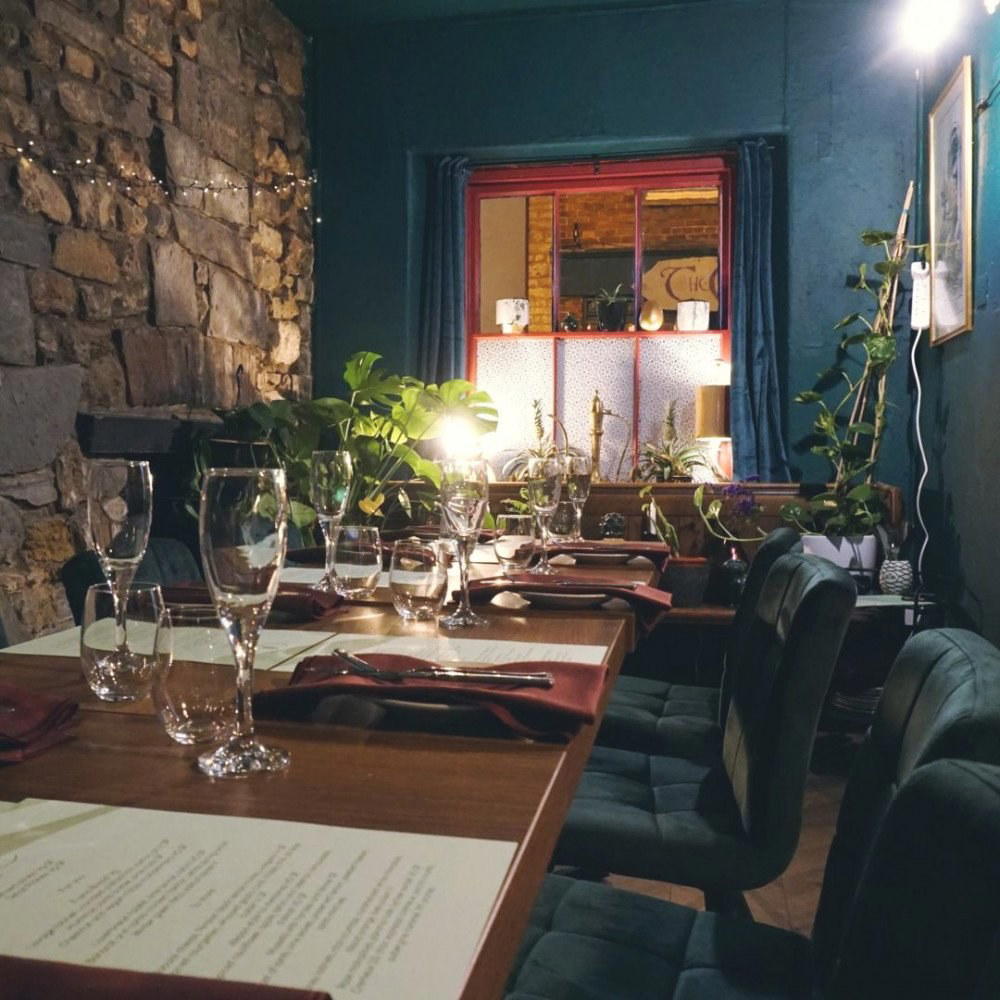
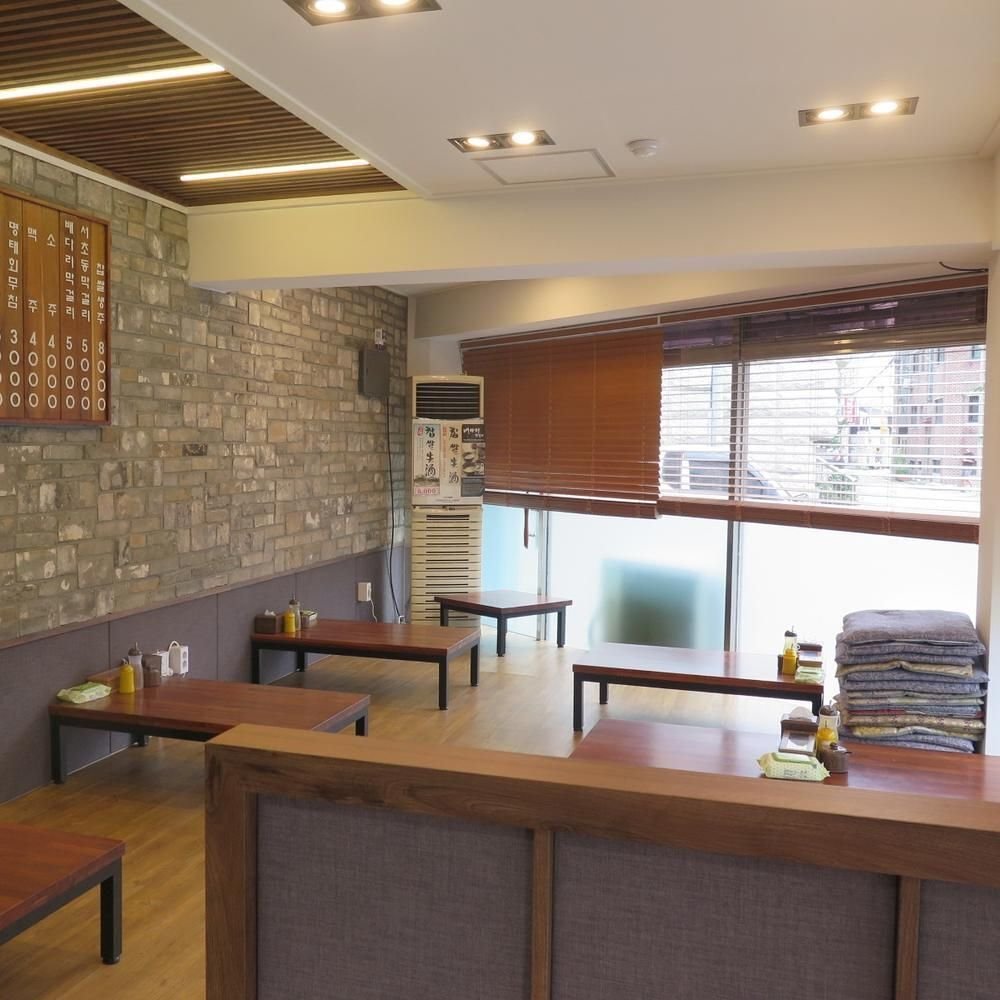
Yangyang Memil Makguksu presents a restrained, focused character rather than showroom style. The dining rooms are arranged around a kitchen that has committed to a narrow brief, and the restaurant reads as the product of repetition and refinement. That discipline gives the place a quietly instructive tone: the interior and service exist to support a single culinary purpose rather than to make design statements. Regulars and first-time diners alike move through the space with a sense of purpose. The overall feeling is classic and unflashy, a cozy, modest setting where craft and consistency take center stage.
Best For
This is a specialist spot that rewards visitors who come for the dish it does best. Michelin's Bib Gourmand nod and repeated recognition underline consistent quality at accessible prices, so the restaurant suits casual meals rather than formal night-outs. It fits well for local regulars, solo diners and small groups who want straightforward, expertly executed memil makguksu. Because the operation is built around a tight brief, buckwheat cold mixed noodles, expect a concise menu and steady standards; the emphasis is on the food itself rather than a multi-course dining ritual.
Ordering Tips
Yangyang Memil Makguksu is about a single regional specialty: memil (buckwheat) makguksu (cold mixed noodles). The name itself signals the focal point, and the profile notes that many regulars already know what they'll order before they sit down. Take that as guidance: let the house specialty be your starting point. The restaurant's Bib Gourmand status also signals good value and consistent preparation, so follow local cues and order the signature buckwheat noodle dish rather than looking for an expansive menu of alternatives.
Venue details
Ambiance
A modest, simple noodle shop with a rustic and authentic local atmosphere focused on traditional Korean comfort food rather than polished formality.
Tags
Vibe
Best For
Experience
At the Table
- Service Style
- Casual
- Meal Pacing
- Quick Bite
- Capacity
- Small
- Kitchen
- Traditional
- Menu Format
- A la carte
Signature Dishes
- Gangwon-do-style cold buckwheat noodles
- Spicy buckwheat noodles with homemade kimchi
Know before you go
Know Before You Go
- Getting there
- 10 Donggwang-ro 15-gil, Seocho District, Seoul, South Korea
Planning details
Location
10 Donggwang-ro 15-gil, Seocho District, Seoul, South Korea · Directions
Recognition and awards
Also consider
Also Consider
- Solbam: Contemporary, ₩₩₩₩
- Onjium: Korean, ₩₩₩₩
- 7th Door: Korean, Contemporary, ₩₩₩₩
- L'Amitié: French, ₩₩₩
- Zero Complex: Korean-French, Innovative, ₩₩₩₩
Restaurant context
Yangyang Memil Makguksu operates in a completely different tier from most of Seoul's recognised dining rooms. The comparison venues here Solbam, Onjium, 7th Door, Zero Complex, and L'Amitié: are all ₩₩₩₩ or ₩₩₩ rooms where a meal runs to multiples of what you will spend here. That is not a knock on those venues; they are operating in a different category entirely. The practical question for most visitors is whether to use Yangyang as a contrast meal within a broader itinerary rather than as a direct alternative to tasting-menu dining.
Among the ₩₩₩₩ Korean contemporary rooms, Onjium is the most research-intensive booking in Seoul's traditional Korean space, requiring significant advance planning and a clearer sense of what you want from a formal Korean culinary experience. 7th Door and Zero Complex both sit at ₩₩₩₩ and demand more lead time to book than Yangyang will ever require. If your Seoul schedule is tight and you have already committed a dinner to one of those rooms, Yangyang is the logical weekday lunch to balance it: high-credential, low-cost, zero booking friction.
L'Amitié at ₩₩₩ is the closest in price to Yangyang among the named comparisons, but it is still a tier above and French rather than Korean. For value density, meaning Michelin recognition per won spent, Yangyang wins outright in this comparison set. It is the correct choice when your priority is eating well without a reservation and without spending ₩₩₩₩, and the wrong choice when occasion, setting, or service depth are part of what you are paying for.
Explore Seoul
Around this place
Discover more on Pearl
Unlock the full Yangyang Memil Makguksu guide in Pearl, including awards, comparisons, FAQs, planning details, and nearby places.
Compare Yangyang Memil Makguksu
| Venue | Cuisine | Price | Booking Difficulty | Awards |
|---|---|---|---|---|
| Yangyang Memil Makguksu | Memil-guksu | ₩ | Easy | Michelin Guide Seoul & Busan 20262025 Michelin Bib Gourmand2024 Michelin Bib Gourmand |
| Solbam | Contemporary | ₩₩₩₩ | Unknown | 2026 Asia's 50 Best Restaurants · #552026 Wine Spectator Best of Award of Excellence2026 OAD Top Restaurants in Asia RecommendedMichelin Guide Seoul & Busan 20262026 La Liste Top Restaurants2025 Asia's 50 Best Restaurants · #552025 OAD Top Restaurants in Asia Ranked · #277Tatler Best Restaurants Asia-Pacific 20252025 Wine Spectator Best of Award of Excellence |
| Onjium | Korean | ₩₩₩₩ | Unknown | 2026 Asia's 50 Best Restaurants · #142026 OAD Top Restaurants in Asia Ranked · #852026 La Liste Top RestaurantsMichelin Guide Seoul & Busan 20262026 Wine Spectator Best of Award of Excellence2025 Asia's 50 Best Restaurants · #102025 World's 50 Best Restaurants · #572025 OAD Top Restaurants in Asia Ranked · #1342025 La Liste Top Restaurants |
| 7th Door | Korean, Contemporary | ₩₩₩₩ | Unknown | 2026 Asia's 50 Best Restaurants · #492026 OAD Top Restaurants in Asia Ranked · #842026 Black Pearl 1 DiamondMichelin Guide Seoul & Busan 20262026 La Liste Top Restaurants2025 Asia's 50 Best Restaurants · #232025 Michelin 1 Star2025 La Liste Top Restaurants2024 OAD Top Restaurants in Asia Ranked · #192 |
| L'Amitié | French | ₩₩₩ | Unknown | 2026 La Liste Top Restaurants2025 La Liste Top Restaurants2025 Michelin 1 Star2024 Michelin 1 Star |
| Zero Complex | Korean-French, Innovative | ₩₩₩₩ | Unknown | Star Wine Lists 20262026 OAD Top Restaurants in Asia Recommended2026 La Liste Top Restaurants2025 OAD Top Restaurants in Asia Ranked · #1992025 La Liste Top Restaurants2025 Michelin 1 Star2025 The Best Chef One Knife2024 OAD Top Restaurants in Asia Ranked · #2792024 Michelin 1 Star |









How Yangyang Memil Makguksu stacks up against the competition.
FAQ
Frequently Asked Questions
Is Yangyang Memil Makguksu good for solo dining?
Yes, and arguably the format suits solo diners best. Cold buckwheat noodle spots in Seoul typically operate with counter seating or small tables, and at the ₩ price tier there's no pressure to pad a bill. You're ordering one bowl and eating it: no awkward group dynamics required.
Is Yangyang Memil Makguksu good for a special occasion?
Not in the conventional sense. The Michelin Bib Gourmand (2024 and 2025) signals consistent quality, not ceremony: so if your occasion calls for a tasting menu, a private room, or bottle service, this is the wrong venue. Where it works is a 'we found something real' meal: low cost, high quality, and a story worth telling.
Is Yangyang Memil Makguksu worth the price?
At the ₩ price tier, it's one of the stronger value cases in Seoul dining. Two consecutive Michelin Bib Gourmand awards confirm the kitchen is operating above what the price tag would predict. Cold buckwheat noodles this carefully made would cost multiples of this in Tokyo or New York.
Can I eat at the bar at Yangyang Memil Makguksu?
No bar seating is documented. Traditional Korean noodle restaurants at this price point typically offer table or counter seating rather than a bar setup. Arrive early if you're concerned about wait times, particularly during peak lunch hours.
Does Yangyang Memil Makguksu handle dietary restrictions?
The menu centers on buckwheat noodles, which are naturally gluten-reduced but not gluten-free. The kitchen specializes in a narrow format, so substitutions are unlikely to be accommodated with the flexibility you'd find at a broader-menu restaurant. If you have severe allergies, confirm directly before visiting, as no contact details are listed in Pearl's database.
Is the tasting menu worth it at Yangyang Memil Makguksu?
There is no tasting menu here. Yangyang Memil Makguksu is a specialist noodle restaurant operating at the ₩ tier: the format is a single-dish or short-order meal, not a multi-course progression. For tasting menus in Seoul, look at Onjium or 7th Door instead.
What are alternatives to Yangyang Memil Makguksu in Seoul?
For traditional Korean cuisine at a higher price point and more formal setting, Onjium is the reference. For a contemporary Korean tasting menu, 7th Door or L'Amitié are the relevant comparisons. Zero Complex covers natural wine and modern small plates. None of these are direct substitutes: Yangyang Memil Makguksu is a specialist at a price nobody else in its category is matching with equivalent awards recognition.