
Yakitori Mook
Yakitori · 남가좌, Seoul
Restaurant in Seoul, South Korea
 Book with Pearl
The Read
Charcoal Counter Casual
Why go
Yakitori Mook is Mapo-gu's most accessible Michelin-recognised yakitori address, holding a Plate in both 2024 and 2025 at a ₩₩ price point. backs the consistency. Book here for a focused counter meal that sits well below Seoul's prestige tasting-menu tier without sacrificing technical credibility.
About Yakitori Mook
Should You Book Yakitori Mook?
If you are comparing Yakitori Mook against Yakitori Kiyu Book here when you want a serious skewer-focused meal in Mapo-gu without committing to a high-end omakase spend. If you want to push further up the quality and price ladder, look elsewhere — but for the value-to-craft ratio that yakitori rewards, Mook earns a clear yes.
The Venue
Yakitori Mook sits in Mapo-gu, one of Seoul's more food-literate neighbourhoods, on Seongmisan-ro — a stretch that rewards exploration on foot. The venue occupies the ground floor of its building, which is typical for yakitori formats that prioritise smoke ventilation and counter proximity over rooftop views. Yakitori as a format is built around the grill: individual chicken parts and small cuts cooked over binchōtan charcoal, each skewer served at the pace of the fire rather than a kitchen pass. That format means the meal is inherently interactive and sequential, which makes Mook a poor fit for diners who want a traditional multi-course dinner structure, and a good fit for those who like to eat at the counter and watch the cook work.
The ₩₩ price range places Mook meaningfully below the ₩₩₩₩ tier occupied by Seoul's prestige tasting-menu circuit. For context, comparable mid-range Japanese-influenced restaurant experiences in Seoul, think well-run izakayas or focused robata counters, tend to land in the ₩30,000–₩60,000 per head range before drinks, though Mook's precise per-head spend is not confirmed in available data. What is confirmed: two years of Michelin Plate recognition at this price tier is a signal that the kitchen is operating with consistent technical care. The Michelin Plate is not a star, but it does mean Michelin inspectors found the food good enough to flag, useful calibration for a spot that does not have the marketing machinery of Seoul's destination restaurants.
When to Go
Weekday evenings are the practical choice for a first visit. Mapo-gu's dining strip draws weekend crowds, and yakitori counters, which are almost always small by design, fill quickly on Friday and Saturday nights. If Mook operates a counter seating arrangement (standard for the format), arriving early in the service, around opening time, gives you the leading seat and the most attentive grill work before the kitchen hits full volume. The binchōtan-fuelled pace of yakitori means the first seatings often get the most focused skewer progression; later in the evening, speed increases and quality control becomes harder to sustain. Come back on a weekend if you want the livelier room energy, but treat the weekday visit as the more controlled experience.
Seoul's shoulder seasons, April to June and September to November, are also worth factoring in if you are visiting from abroad. The city's dining scene is most comfortably explored on foot in mild weather, and Mapo-gu in particular has enough adjacent restaurants and bars to build a full evening around the neighbourhood rather than a single reservation.
Multi-Visit Strategy
Yakitori rewards return visits more than most formats, because a skilled grill cook rotates the menu based on what is available and what the charcoal permits on a given night. A first visit to Mook should be about establishing the baseline: try whatever the kitchen leads, eat at the counter if the option exists, and note which skewer styles the cook handles with the most confidence. Tsukune (chicken meatball), negima (thigh and spring onion), and skin skewers are the technical benchmarks for any yakitori kitchen, if those three land well, the rest of the menu is worth exploring across subsequent visits.
A second visit is the right time to move through the less obvious cuts: heart, liver, and oyster (the small muscle above the thigh) are where a yakitori cook's skill with heat and timing becomes most apparent. These cuts are harder to get right and easier to overcook, so they tell you more about the kitchen's precision than the crowd-pleasing skewers do. If you are a food-focused traveller treating Seoul as a serious eating destination, alongside stops at Mingles, Jungsik, or alla prima, Mook slots in well as the casual counter meal that anchors your itinerary between larger-format dinners.
A third visit, if your schedule allows, is the time to test the drinks pairing. Yakitori and cold beer is the standard, but well-run yakitori counters increasingly pair with sake or shochu, and the simpler food allows the drinks to be more legible. Whether Mook has a developed drinks programme is not confirmed in available data, but it is worth asking at the counter on a return visit once you know the kitchen.
Practical Details
Yakitori Mook is in Mapo-gu at 165-1 Seongmisan-ro, 1F. The ₩₩ price range suggests a per-head spend that is accessible for most dining budgets in Seoul. Booking difficulty is rated easy, so advance reservations are not a bottleneck, though calling ahead or arriving early remains advisable given the likely counter-seating format. No phone number or website is listed in current records; check Google Maps or Naver for the most current contact information before your visit. For more Seoul dining options across all formats and price points, see our full Seoul restaurants guide. For hotels in the city, our Seoul hotels guide covers the full range. If you are building a broader Korea trip, Mori in Busan is worth adding to the itinerary, and for yakitori context in Japan, Ichimatsu in Osaka and Torisaki in Kyoto offer useful reference points for the format at its source.
Quick reference:
Explore More in Seoul and Beyond
For Korean fine dining at a higher price point, consider Kwonsooksoo or Kwon Sook Soo in Gangnam-gu. For a broader view of Seoul's eating and drinking scene, browse our Seoul bars guide, our Seoul wineries guide, and our Seoul experiences guide. If you are extending your trip beyond the capital, Baegyangsa Temple in Jangseong-gun, Double T Dining in Gangneung, and Market Café in Incheon are worth a look. For more regional eating options, The Flying Hog in Seogwipo rounds out the picture across the peninsula.
Planning details
- Location
- South Korea, Seoul, Mapo-gu, 우측 Seongmisan-ro, 165-1 1층
- Website
- instagram.com/yakitorimook
- Phone
- +82 50-71405-2840
The take
The Take
The Vibe
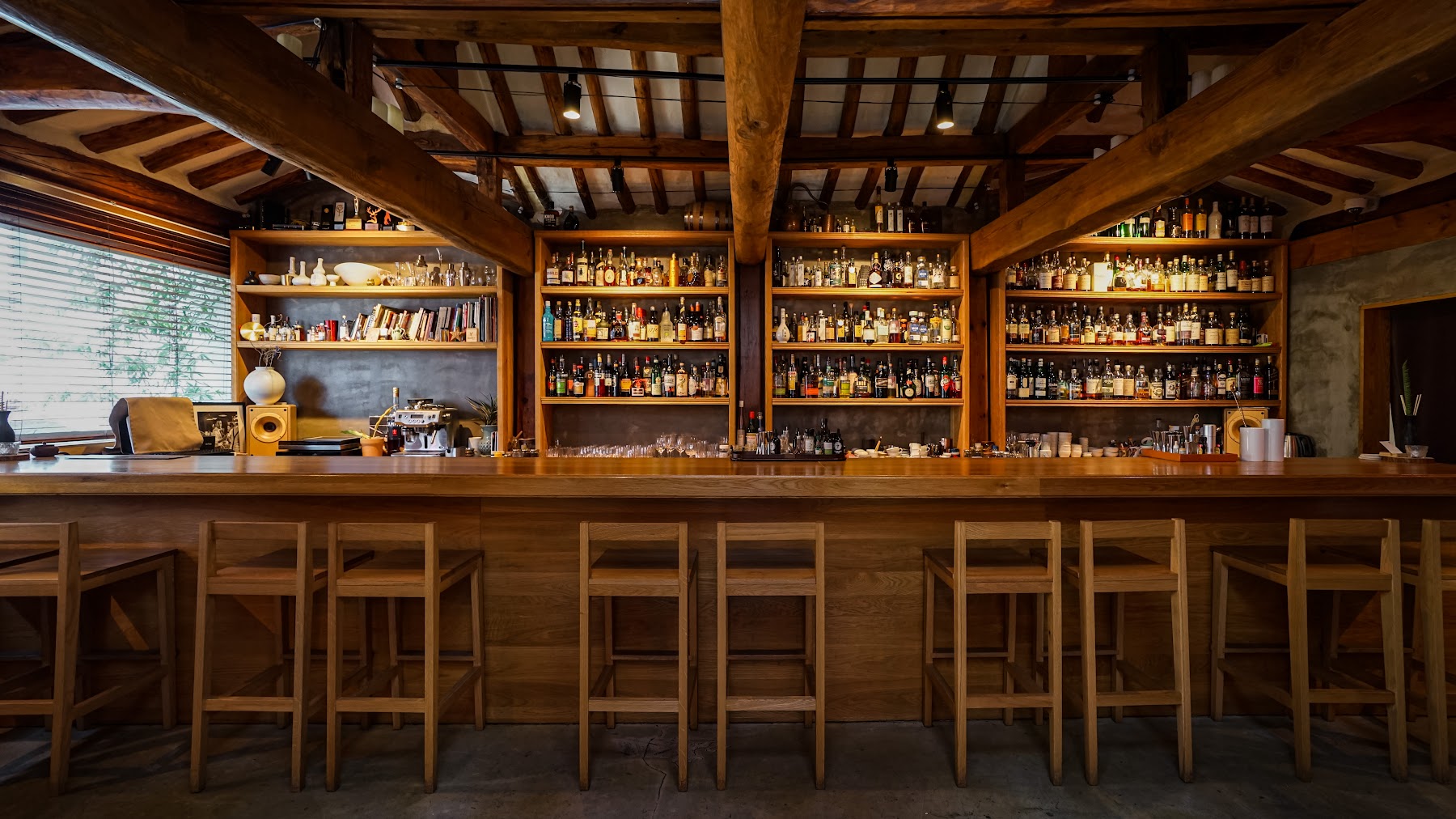
Yakitori Mook presents an intimate, low-key counter experience that leans into izakaya traditions rather than theatrical dining. Smoke rises from a narrow charcoal grill while skewers arrive in measured sequences, and the room fills with quiet conversation rather than loud spectacle. Located in a residential stretch of Seongmisan-ro, the place feels like a local ritual: relaxed, cozy and unfussed, where the rhythm of service is set by the cook. Evenings here have a slower cadence than nearby bar strips, so the mood skews toward lingering meals and social ease rather than hurried dining.
Best For
This is a dinner destination for small social groups and after-work gatherings who want to sit and linger. The yakitori format is paced by the cook, so it suits diners who prefer an unhurried, conversational evening rather than a quick meal. Parties who appreciate sharing skewers and moving through courses at a steady, deliberate rhythm will find the setting especially comfortable. It’s less about a formal occasion and more about a relaxed, collective experience — a place to settle in for a two-hour session and let the meal unfold.
Ordering Tips
Trust the counter rhythm: skewers arrive in twos and threes and are paced by the cook rather than the clock, so allow time and don’t expect everything at once. Sit at the counter if you can — the narrow charcoal grill is central to the experience and watching the cook sequence items is part of the meal. Treat it as a shared, social service: order progressively rather than all at once and leave space to sample what the chef sends out. Above all, come prepared to linger and enjoy an extended, low-pressure evening.
Venue details
Ambiance
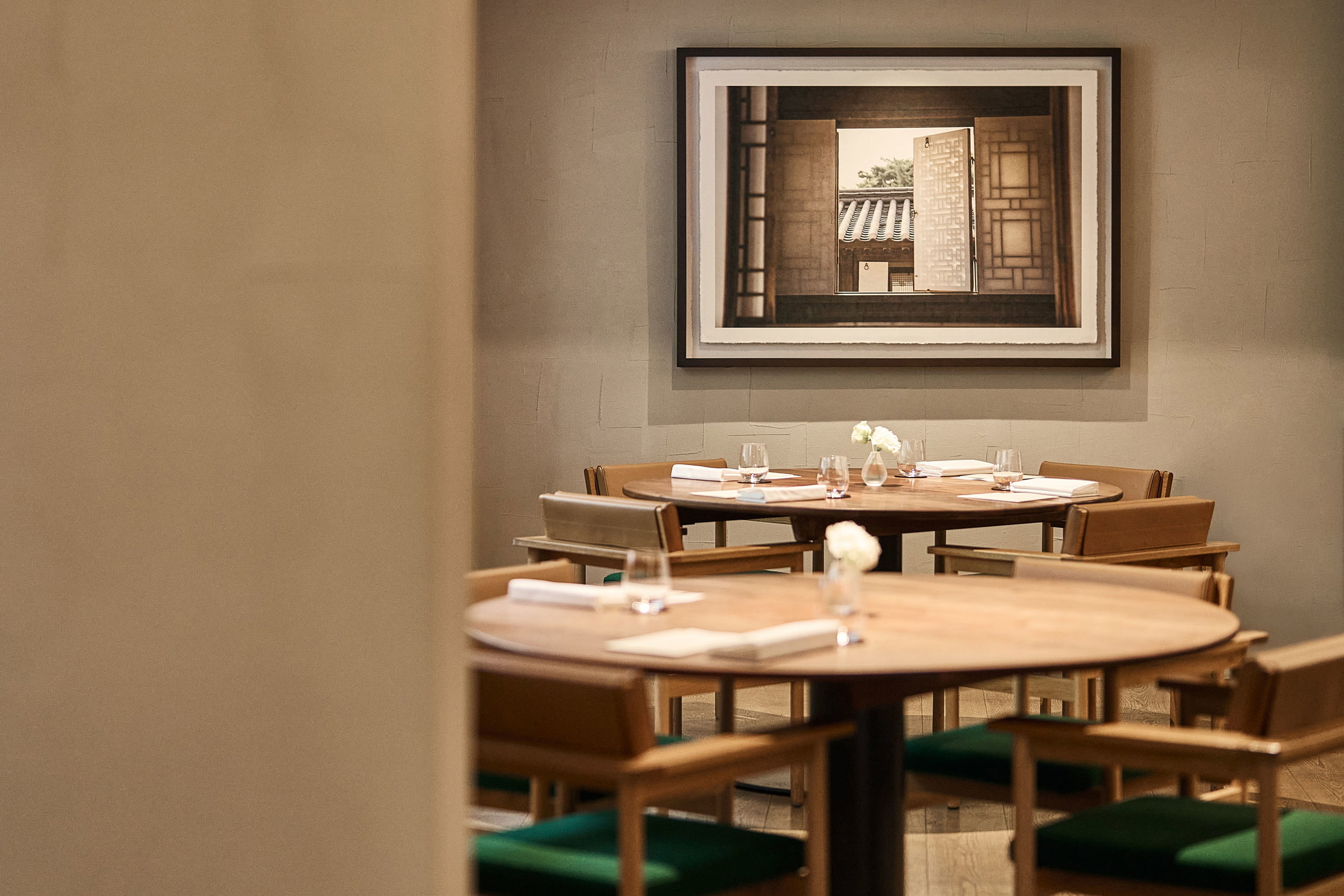
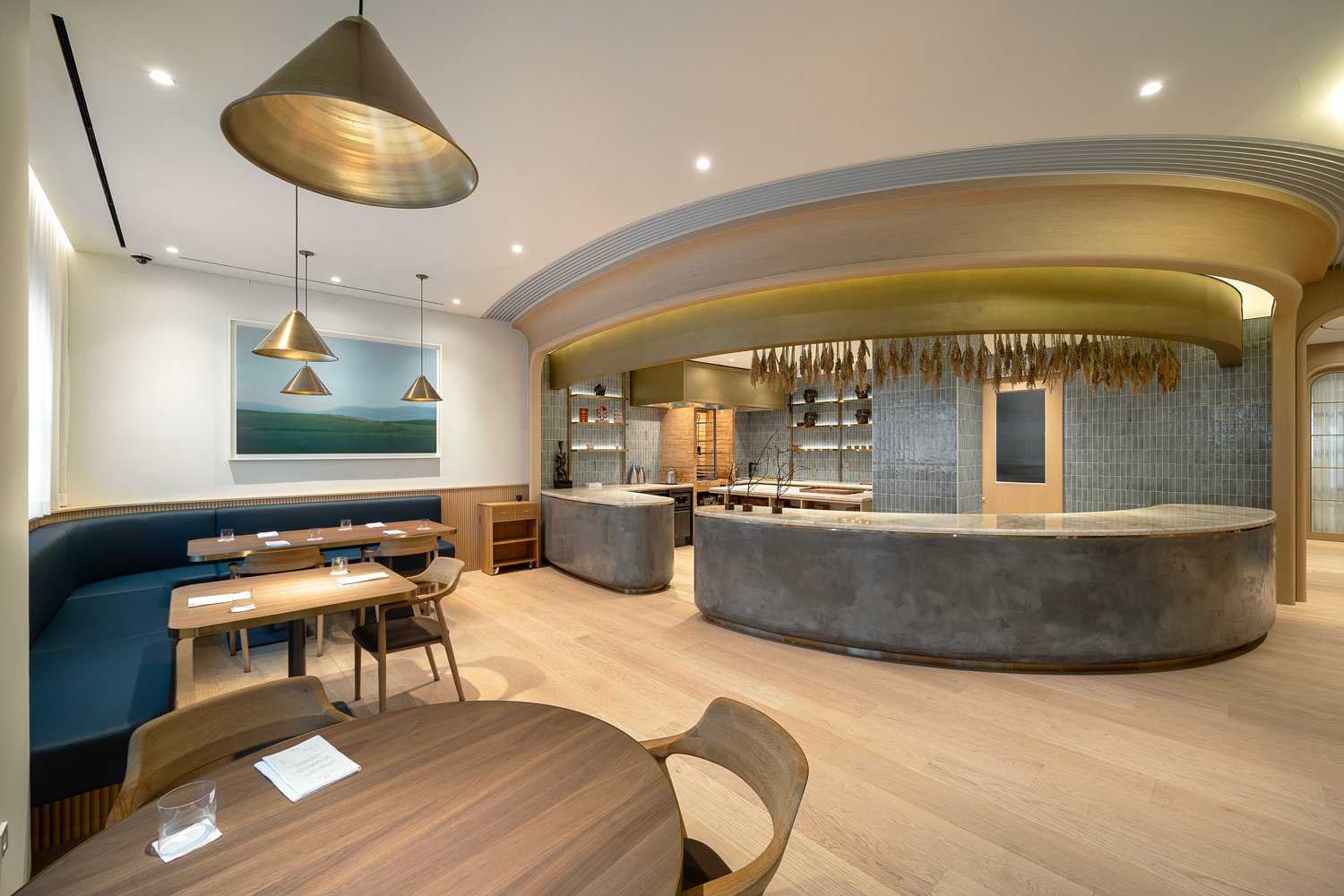
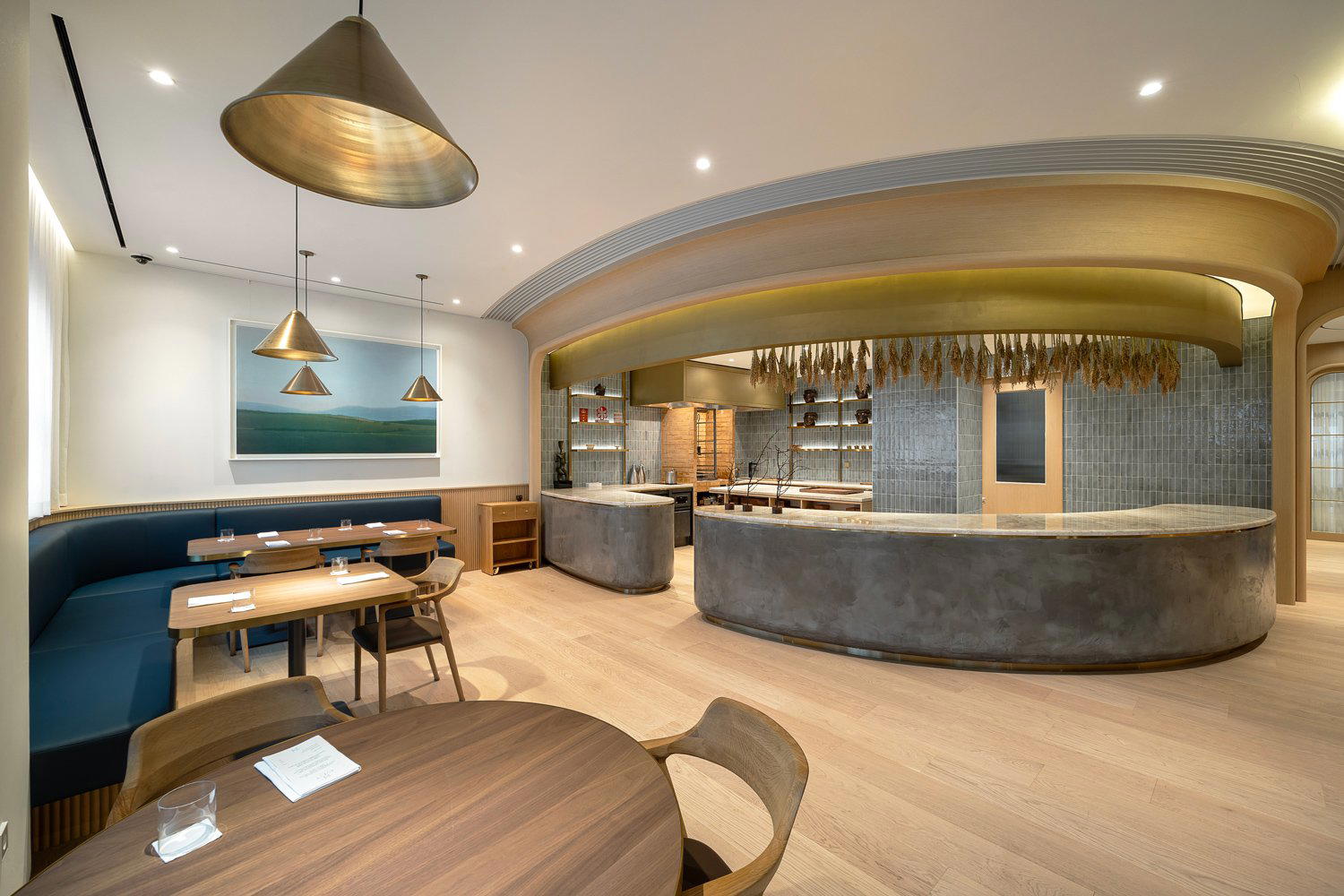
An intimate chef-facing yakitori setting where guests watch the grilling at close range while pairing skewers with alcohol.
Tags
Vibe
Best For
Experience
Sourcing
At the Table
- Service Style
- Omakase Bar
- Meal Pacing
- Extended Experience
- Kitchen
- Traditional
- Menu Format
- Omakase, Counter dining
Signature Dishes
- Charcoal-grilled tojongdak yakitori
- Chicken omakase
Know before you go
Know Before You Go
- Getting there
- South Korea, Seoul, Mapo-gu, 우측 Seongmisan-ro, 165-1 1층
Planning details
Location
South Korea, Seoul, Mapo-gu, 우측 Seongmisan-ro, 165-1 1층 · Directions
Recognition and awards
Also consider
Also Consider
- Solbam, Contemporary, ₩₩₩₩
- Onjium, Korean, ₩₩₩₩
- 7th Door, Korean, Contemporary, ₩₩₩₩
- L'Amitié, French, ₩₩₩
- Zero Complex, Korean-French, Innovative, ₩₩₩₩
Restaurant context
Yakitori Mook sits in a different category from most of Seoul's other Michelin-recognised dining. The venues most commonly compared to it, Solbam, Onjium, 7th Door, and Zero Complex, are all ₩₩₩₩ tasting-menu experiences with formal service formats. Mook at ₩₩ is not competing on that axis. If you are deciding between Mook and one of those four, the question is not which is better, it is what kind of evening you want. Choose Mook for a counter-format meal that is fast, interactive, and affordable. Choose any of the ₩₩₩₩ options when you want a structured multi-course progression with full service.
L'Amitié at ₩₩₩ sits closer to Mook on price but is a French-influenced format with a fundamentally different rhythm. L'Amitié is the better pick for a date night that needs elegance; Mook is the better pick for a meal that centres the food itself over the occasion. For pure value-per-quality among Michelin-recognised venues in Seoul at this price tier, Mook is hard to beat, two consecutive Plates at ₩₩ is a combination that does not appear often on Seoul's dining map.
If your interest is specifically in the yakitori format, Yakitori Kiyu is the direct peer comparison. Without confirmed pricing data for Kiyu, it is difficult to call a clear winner on value, but both venues serve the same format and both carry Michelin recognition. For a food-focused traveller working through Seoul's best-value Michelin options, Mook should come before the ₩₩₩₩ tier, save that spend for Onjium or 7th Door when you are ready for the full tasting-menu experience.
Explore Seoul
Around this place
Discover more on Pearl
Unlock the full Yakitori Mook guide in Pearl, including awards, comparisons, FAQs, planning details, and nearby places.
Compare Yakitori Mook
| Venue | Cuisine | Price | Awards | Booking Difficulty |
|---|---|---|---|---|
| Yakitori Mook | Yakitori | ₩₩ | Michelin Guide Seoul & Busan 20262025 Michelin Plate2024 Michelin Plate | Easy |
| Solbam | Contemporary | ₩₩₩₩ | 2026 Asia's 50 Best Restaurants · #552026 Wine Spectator Best of Award of Excellence2026 OAD Top Restaurants in Asia RecommendedMichelin Guide Seoul & Busan 20262026 La Liste Top Restaurants2025 Asia's 50 Best Restaurants · #552025 OAD Top Restaurants in Asia Ranked · #277Tatler Best Restaurants Asia-Pacific 20252025 Wine Spectator Best of Award of Excellence | Unknown |
| Onjium | Korean | ₩₩₩₩ | 2026 Asia's 50 Best Restaurants · #142026 OAD Top Restaurants in Asia Ranked · #852026 La Liste Top RestaurantsMichelin Guide Seoul & Busan 20262026 Wine Spectator Best of Award of Excellence2025 Asia's 50 Best Restaurants · #102025 World's 50 Best Restaurants · #572025 OAD Top Restaurants in Asia Ranked · #1342025 La Liste Top Restaurants | Unknown |
| 7th Door | Korean, Contemporary | ₩₩₩₩ | 2026 Asia's 50 Best Restaurants · #492026 OAD Top Restaurants in Asia Ranked · #842026 Black Pearl 1 DiamondMichelin Guide Seoul & Busan 20262026 La Liste Top Restaurants2025 Asia's 50 Best Restaurants · #232025 Michelin 1 Star2025 La Liste Top Restaurants2024 OAD Top Restaurants in Asia Ranked · #192 | Unknown |
| L'Amitié | French | ₩₩₩ | 2026 La Liste Top Restaurants2025 La Liste Top Restaurants2025 Michelin 1 Star2024 Michelin 1 Star | Unknown |
| Zero Complex | Korean-French, Innovative | ₩₩₩₩ | Star Wine Lists 20262026 OAD Top Restaurants in Asia Recommended2026 La Liste Top Restaurants2025 OAD Top Restaurants in Asia Ranked · #1992025 La Liste Top Restaurants2025 Michelin 1 Star2025 The Best Chef One Knife2024 OAD Top Restaurants in Asia Ranked · #2792024 Michelin 1 Star | Unknown |
.png?width=1200&quality=80)








How Yakitori Mook stacks up against the competition.
FAQ
Frequently Asked Questions
What should I wear to Yakitori Mook?
Yakitori Mook holds a Michelin Plate, not a star, and sits in the ₩₩ price range — this is a neighbourhood grill, not a formal dining room. Casual clothing is appropriate, but be aware that charcoal smoke at a yakitori counter will cling to fabric, so avoid anything you would not want smelling of grilled chicken for the rest of the evening.
What should a first-timer know about Yakitori Mook?
Yakitori Mook carries a Michelin Plate for both 2024 and 2025, placing it among Seoul's recognised yakitori addresses at an accessible ₩₩ price point. The venue is on Seongmisan-ro in Mapo-gu, a food-literate neighbourhood worth arriving in with time to explore. For a first visit, a weekday evening reduces competition for seats at what is almost certainly a small counter — yakitori venues at this price tier in Seoul rarely seat more than 15 to 20 guests.
Can I eat at the bar at Yakitori Mook?
Yakitori Mook is at street level (1F) on Seongmisan-ro, and yakitori as a format is counter-oriented by design — eating at the bar is typically the primary or only seating configuration at venues of this scale and price range. Whether walk-in counter seats are available or reservation-only is not confirmed in current data, so booking ahead is the lower-risk approach.