
.png?width=1200&quality=80)
Tim Ho Wan
Dim Sum · Samseong-dong, Seoul
Restaurant in Seoul, South Korea
 Book with Pearl
The Read
Cantonese Classics, Street-Food Pricing
Price
$10–20per person
Chef
Mak Kwai Pui & Leung Fai Keung
Dress
Casual
Why go
Tim Ho Wan brings Hong Kong-style dim sum to Gangnam with more critical credentials than its price suggests: a Michelin Plate, an OAD Top 100 Asia ranking, and ₩ pricing that undercuts almost every other recognised restaurant in the district. It's the right call for a casual, well-executed meal: not for occasions that need a longer table and a higher spend.
About Tim Ho Wan
The Verdict
Picture this: you're in Gangnam, surrounded by Seoul's parade of high-concept tasting menus and fusion omakase counters, and you walk past a dim sum restaurant with a Michelin Plate, an Opinionated About Dining Top 100 Asia ranking, and a price tag that sits comfortably at the low end of the city's dining spectrum. That's Tim Ho Wan in a single image. The answer to whether you should book is yes: with one condition: you need to know what Tim Ho Wan is and what it isn't. It is a disciplined, Hong Kong-style dim sum operation that has earned serious critical recognition at a price point that makes almost every other credentialed restaurant in Seoul look expensive. It is not a special-occasion splurge or a destination for long, leisurely multi-course meals. Book it when you want precise, well-executed dim sum without the financial commitment that most of Seoul's recognised dining rooms demand.
Why Tim Ho Wan Works in Seoul
Tim Ho Wan's original Hong Kong outpost became one of the first street-level dim sum restaurants to receive a Michelin star, and the Seoul location has continued to carry that standard into a different market. The Gangnam address at 30 Bongeunsa-ro 86-gil puts it in a district better known for Korean fine dining and contemporary restaurants like Jungsik and Mingles, which makes the contrast sharper and the value proposition more obvious. In a neighbourhood where ₩₩₩₩ is the default register, Tim Ho Wan operates at ₩: the most accessible price tier in the city.
The 2025 Michelin Plate and consecutive Opinionated About Dining Asia rankings (ranked #74 in 2025, up slightly on its #79 position in 2024) confirm that the kitchen isn't coasting. For a regular who has been once, that consistency is the main reason to return: Tim Ho Wan is reliable in a way that experimental or seasonal menus can't always be. If the dim sum worked on your first visit, it will work on your second.
The Dim Sum Format and Who It Suits
Dim sum is an inherently social format, dishes arrive in small portions, meals are built around sharing, and the rhythm of ordering and eating is collaborative. Tim Ho Wan is a strong choice for groups of two to four, where sharing a range of dishes makes the most sense. Solo diners can manage the format, but the portion structure means you'll either under-order or end up with more food than you need; the counter-style seating that some Tim Ho Wan locations use can help with this, though specific seating details for this Seoul branch aren't confirmed in our data. If you're dining alone in Seoul and want something at this price point, Goobok Mandu is worth considering as a solo-friendly Korean alternative in a comparable register.
For a special occasion, Tim Ho Wan is the wrong call. The format, price tier, and atmosphere are calibrated for casual, efficient meals rather than long celebratory dinners. If occasion dining is the goal, Kwonsooksoo or alla prima are better matches. Tim Ho Wan's real occasion is the everyday one: a quick, satisfying lunch or an early dinner when you want something well-executed without a long reservation lead time or a significant spend.
On Takeout and Off-Premise Dining
Dim sum as a format has a complicated relationship with takeout. The category's leading dishes, steamed dumplings, rice noodle rolls, har gow, are at their peak in the minutes after they leave the kitchen. Steam dissipates, wrappers tighten or turn gummy, and the textural contrast between a delicate skin and a hot filling collapses quickly in transit. Tim Ho Wan's baked items, which the brand is known for from its Hong Kong origins, travel better than steamed dishes: baked goods hold their texture longer and reheat more reliably. If you're considering off-premise options, the baked items are the safer bet; steamed dim sum from any restaurant, Tim Ho Wan included, is leading consumed immediately. This isn't a venue whose food is designed for delivery, it's a venue whose food rewards eating in the room, promptly, as it arrives at the table. Factor that into your decision if you're weighing a takeout order against a sit-down visit.
Booking and Logistics
Booking Tim Ho Wan is rated Easy. Given the price tier and the casual format, this is not a restaurant that requires weeks of advance planning, and walk-in availability is plausible at off-peak times. The Gangnam location at 30 Bongeunsa-ro 86-gil, Gangnam-gu is direct to reach within the district. Specific hours aren't confirmed in our current data, so check directly before visiting, particularly around public holidays. Dress code expectations at a ₩-tier dim sum restaurant are minimal, smart casual or even casual is appropriate. There is no tasting menu format here; Tim Ho Wan operates on an à la carte ordering model, which means you control the spend and the pace of the meal. The absence of a set menu is a feature, not a gap: you can eat lightly and inexpensively, or order broadly and still pay less than you would at almost any other critically recognised restaurant in the city. For more on where to eat, drink, and stay in the city, see our full Seoul restaurants guide, our full Seoul hotels guide, our full Seoul bars guide, and our full Seoul experiences guide.
Planning details
- Location
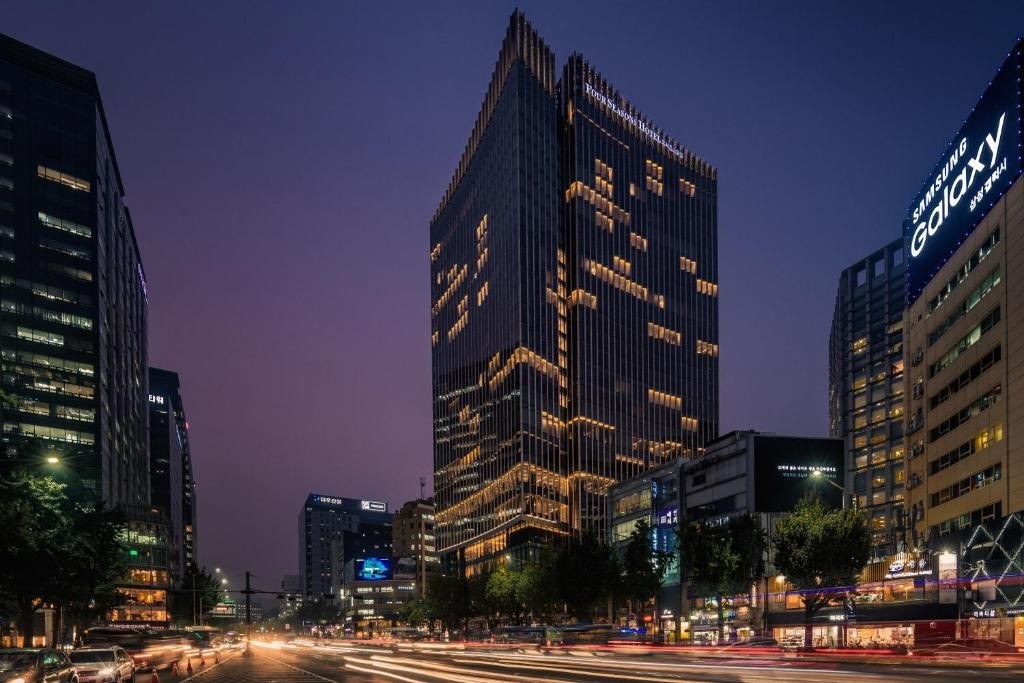
- 30 Bongeunsa-ro 86-gil, Gangnam-gu, Seoul, 06165, South Korea
- Website
- timhowanusa.com
- Phone
- +82 2-6207-3082
The take
The Take
The Vibe
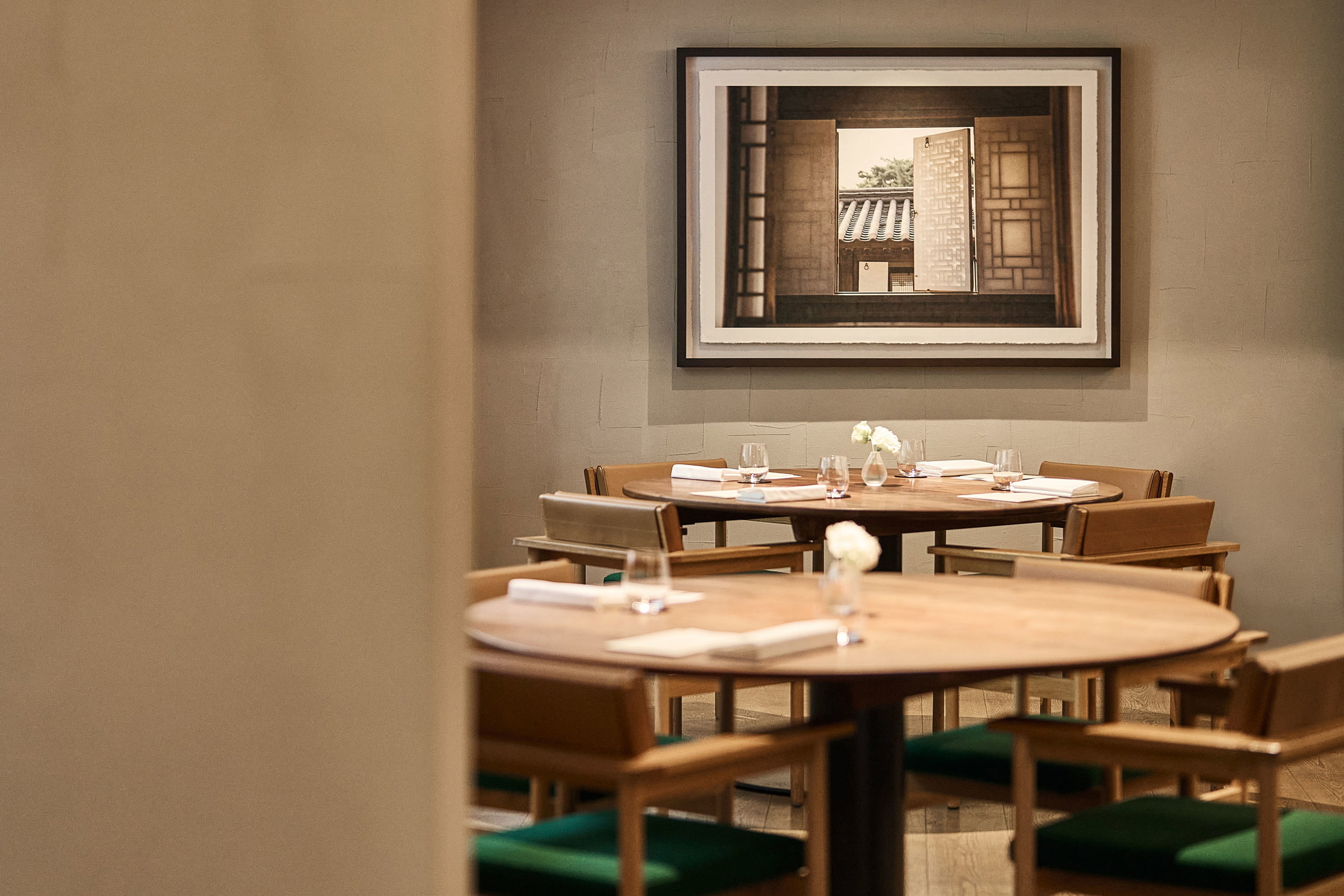
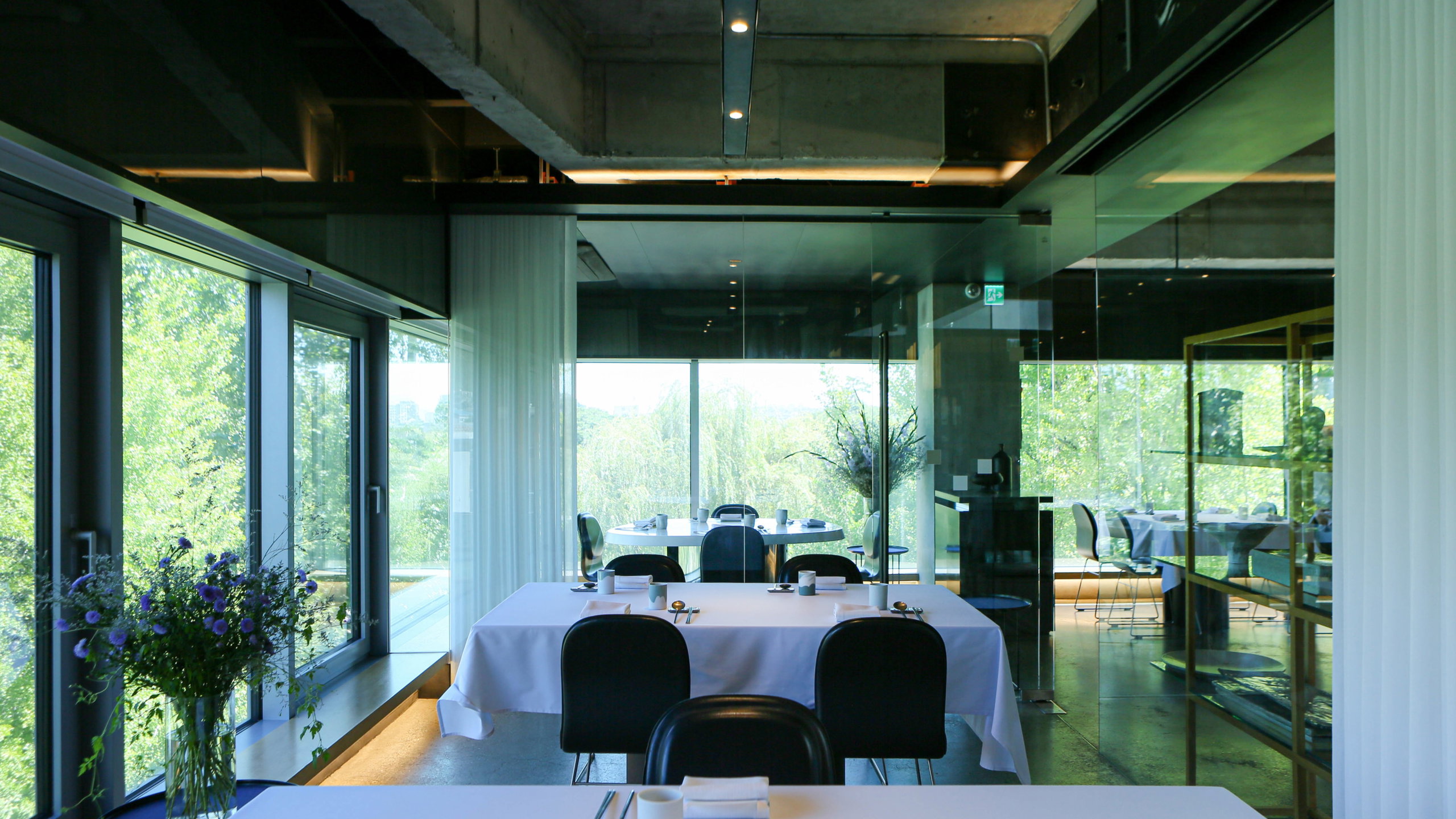
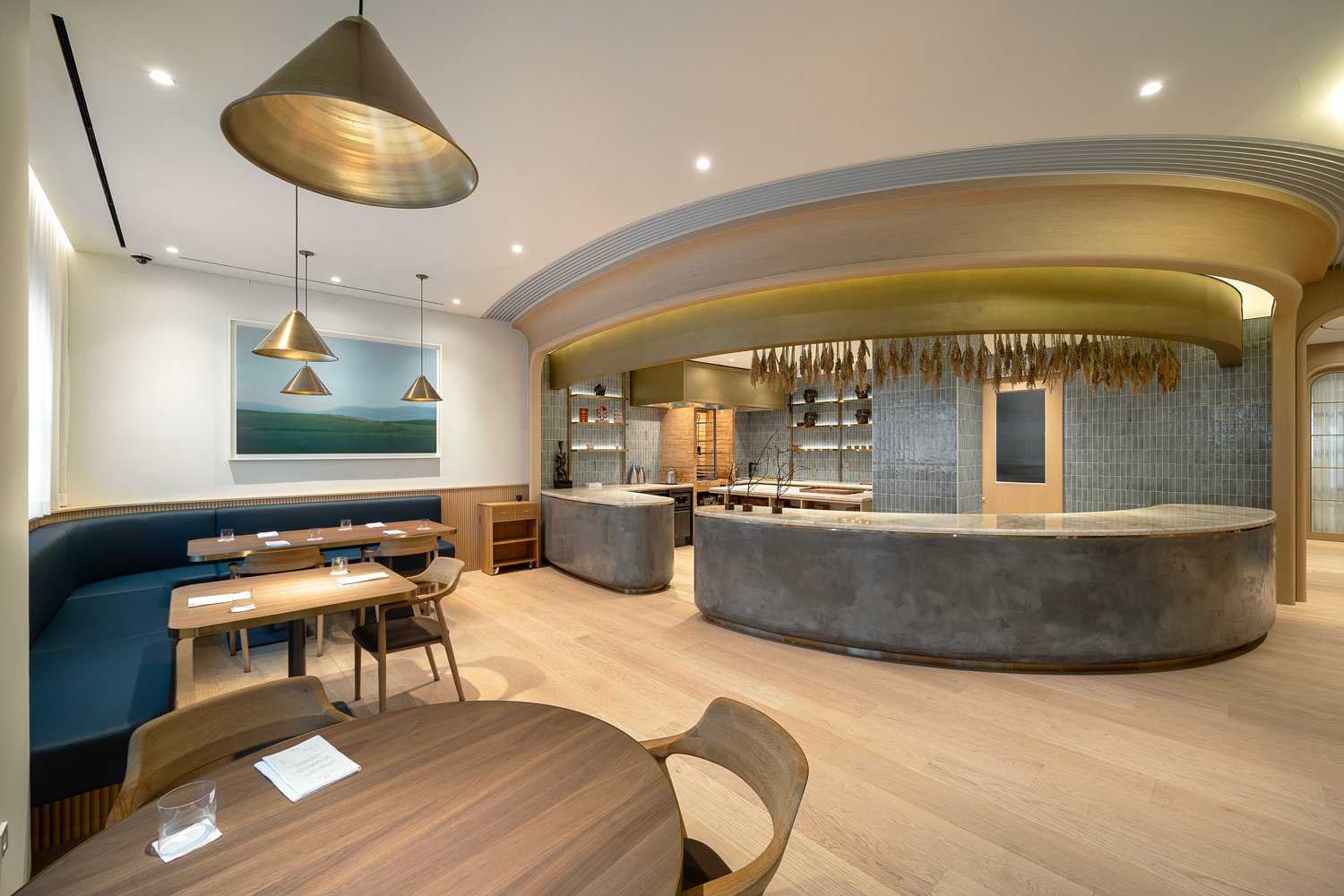
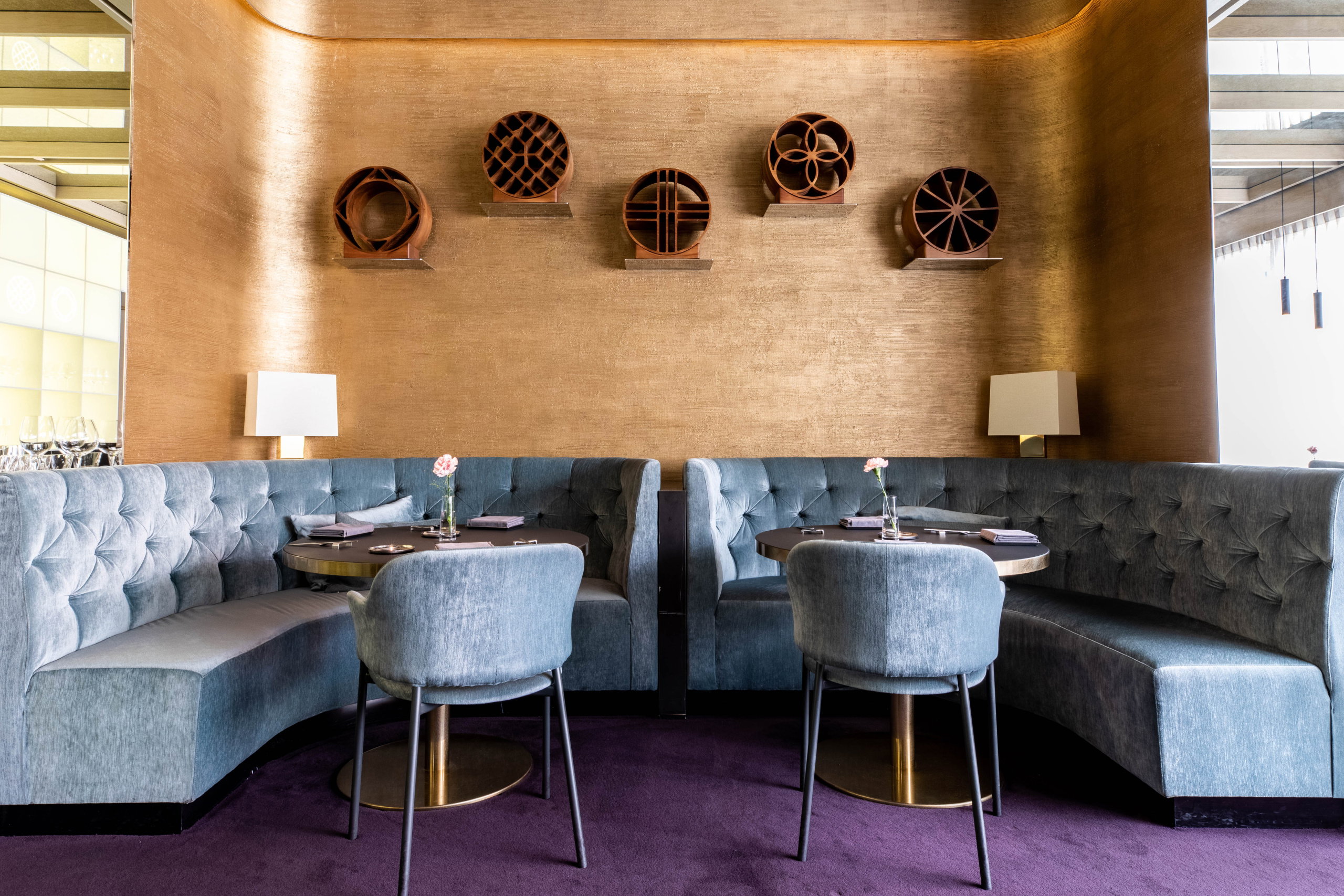
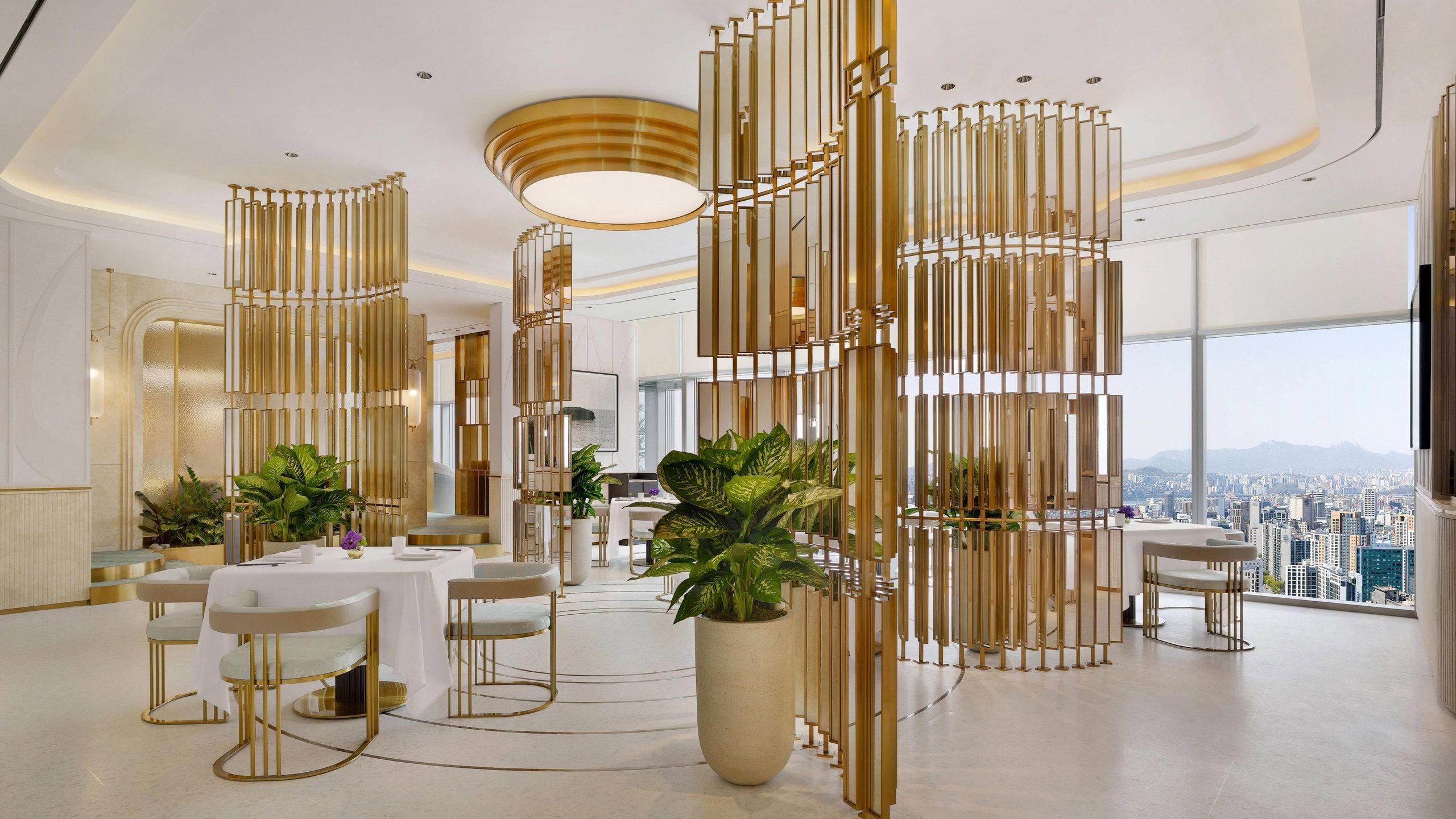
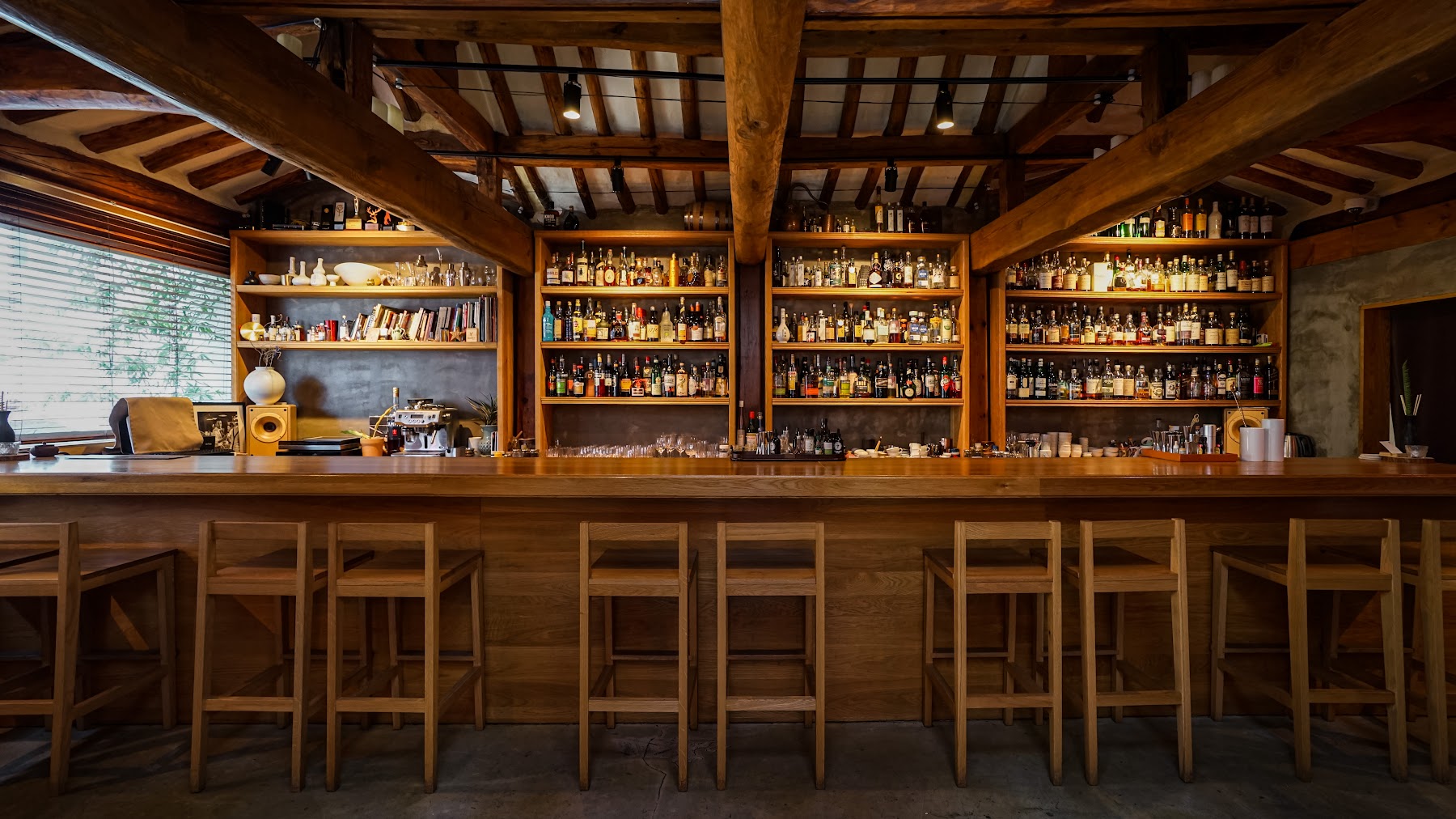
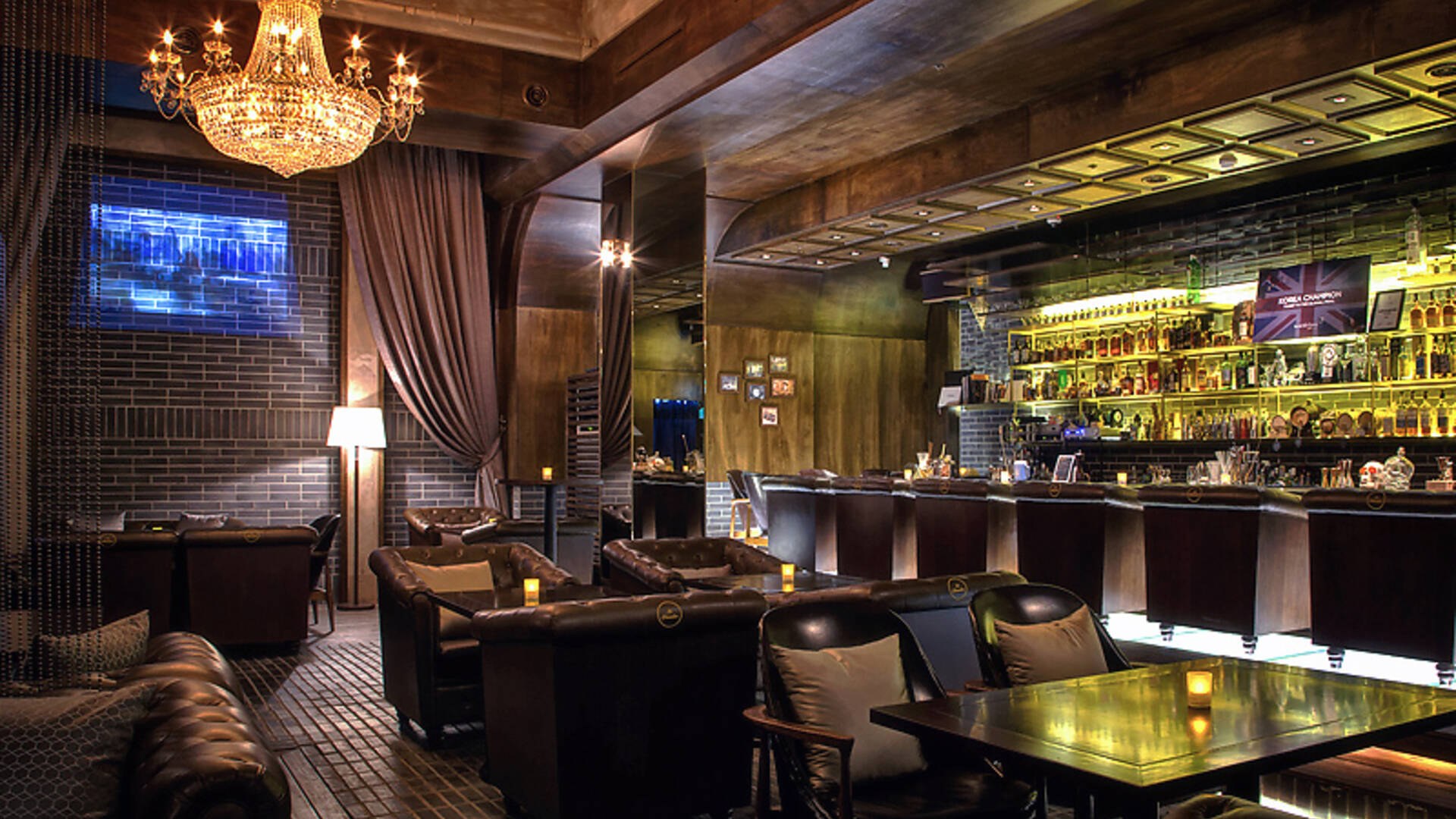
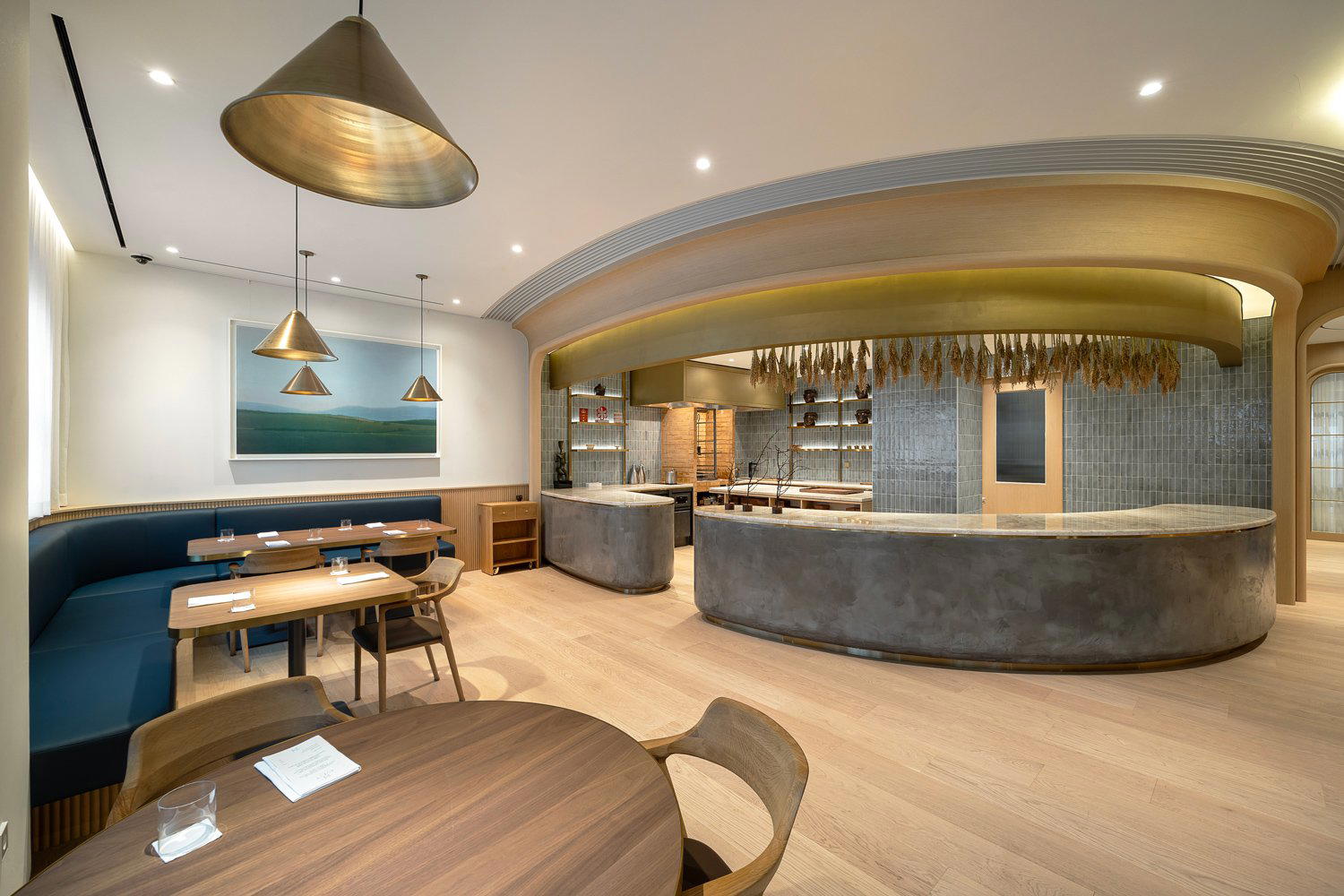
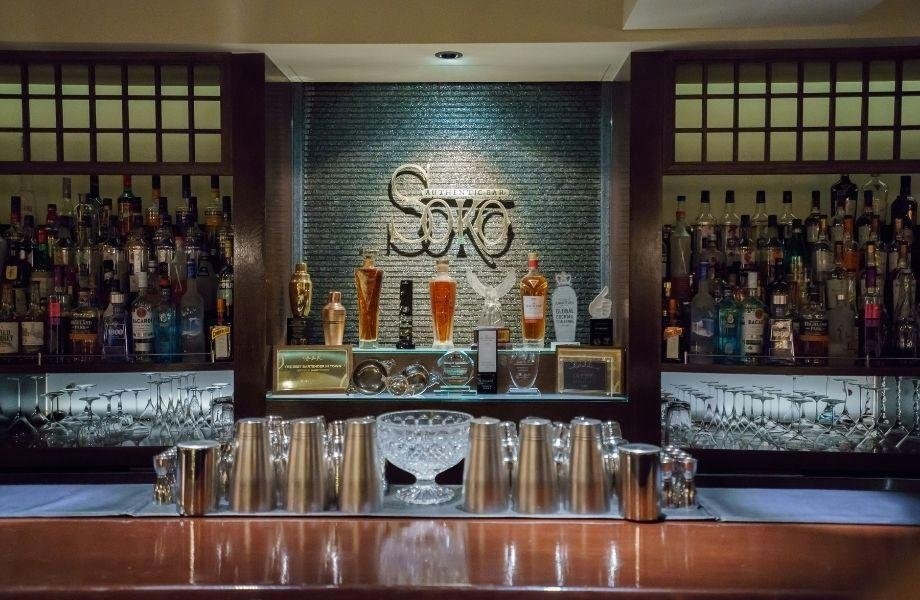
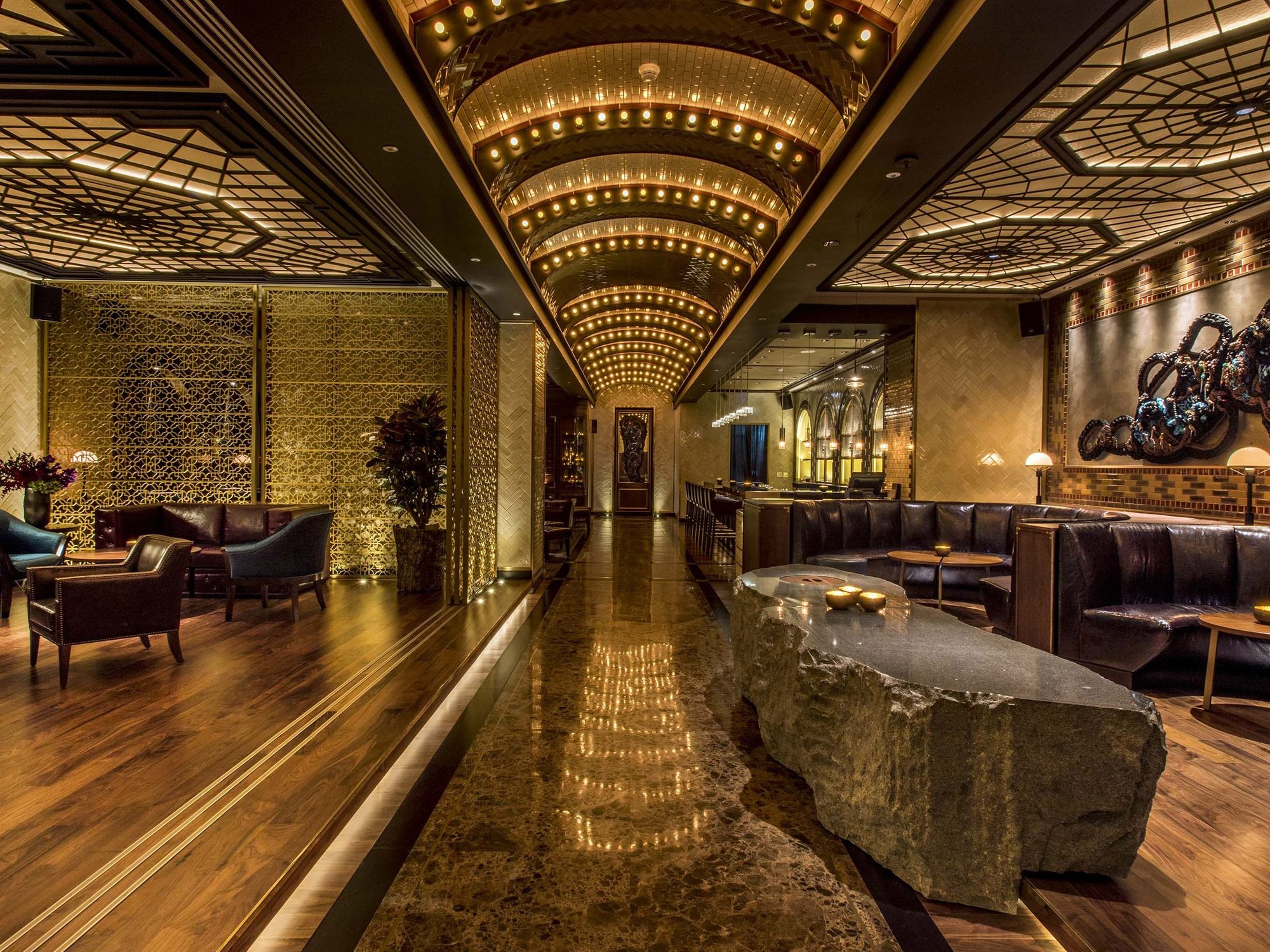
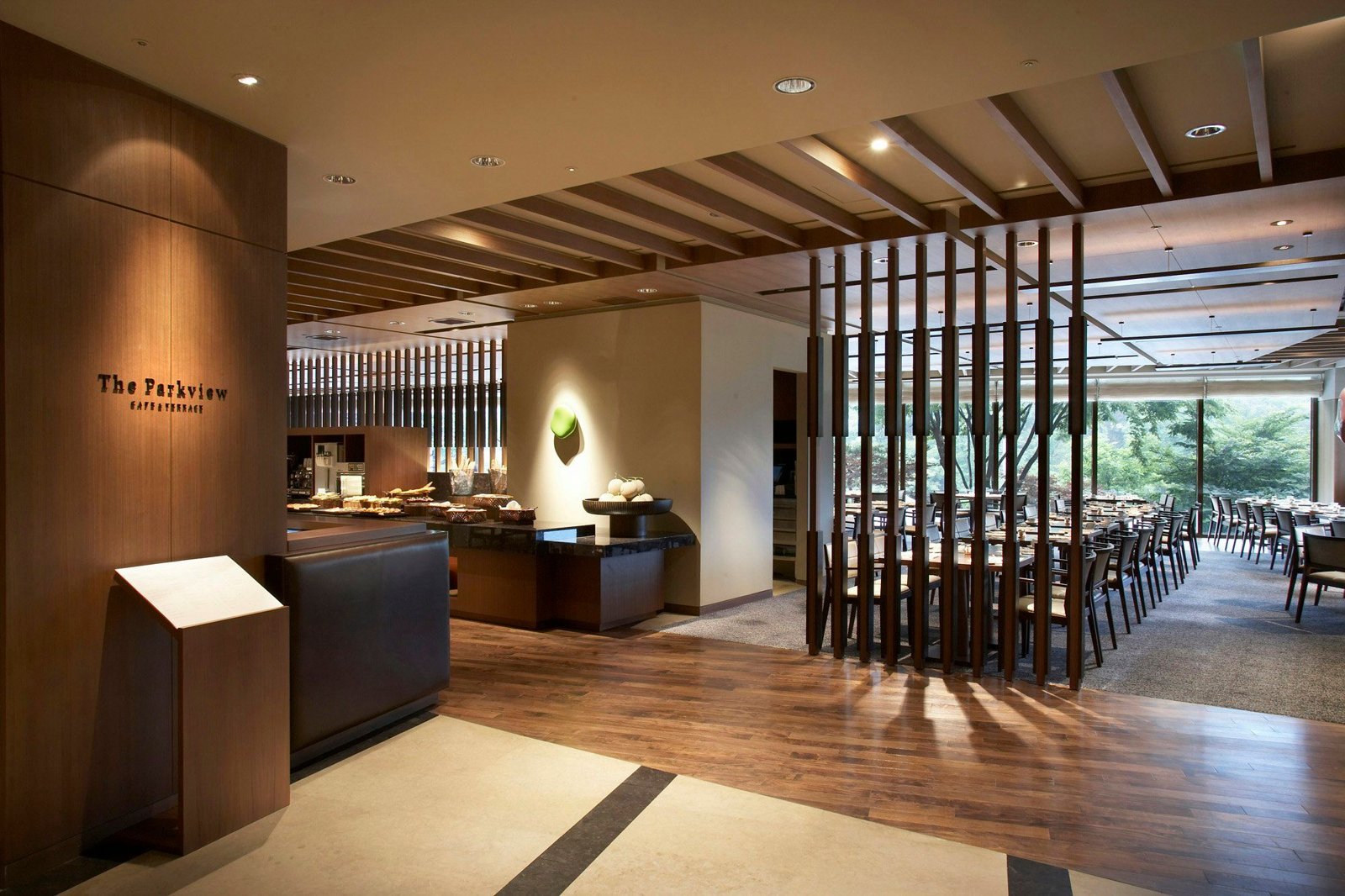
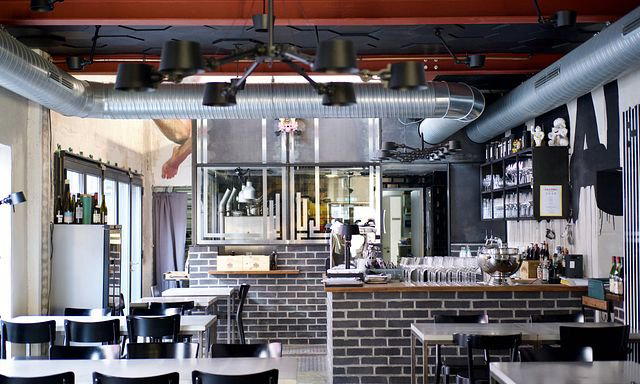
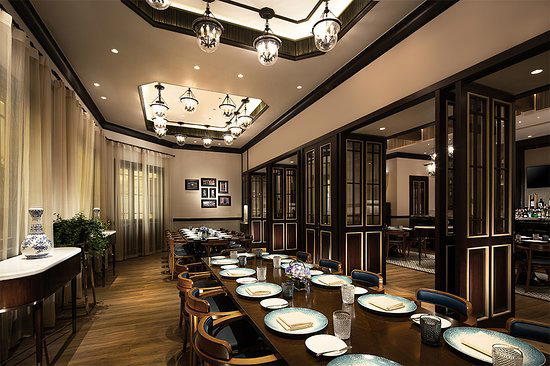
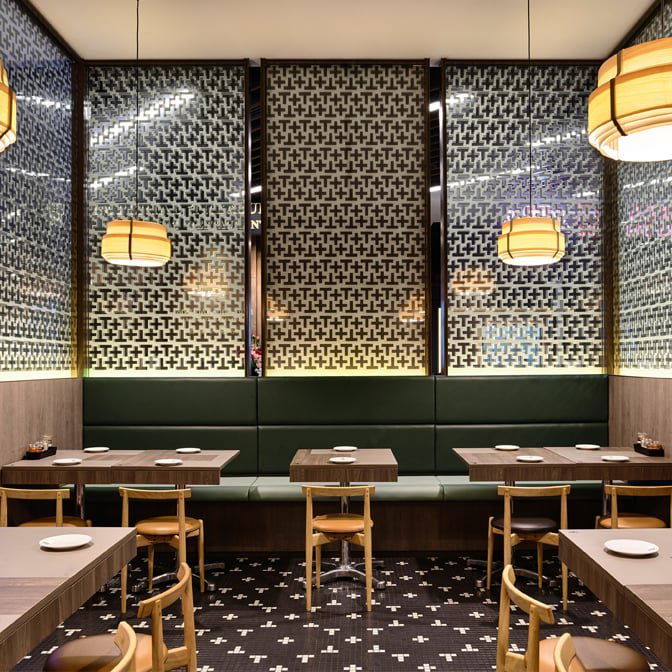
Tim Ho Wan in Gangnam reads like a working Cantonese teahouse dropped into a neighborhood of high-end tasting rooms. The interior makes no design grand gesture; instead it leans into the practical pleasures of dim sum: the clatter and rhythm of carts, the hiss of bamboo steamers and a straightforward room that welcomes both quick solo meals and family tables. That deliberate plainness feels like a stance: affordable, uncontrived and technically assured. The result is an unpretentious, cozy atmosphere that prioritizes food and accessibility over ceremony, offering a lively yet relaxed counterpoint to the district’s formality.
Best For
This Tim Ho Wan is best for unfussy, communal dim sum occasions: solo lunches when you want a quick, well-executed meal and family or small-group visits where plates are shared. Its location in Gangnam makes it an economical alternative to the neighborhood’s pricier tasting houses, so it works well for casual meetups, weekday midday visits and group dinners where the priority is variety and value. Expect a steady, approachable service rhythm and a dining experience focused on technique and familiar Cantonese favorites rather than decorative trappings.
Ordering Tips
Stick to the dim sum essentials and share across the table: the signature Baked BBQ Pork Buns are a clear must, and the Steamed Shrimp Dumplings (Har Gow) and Steamed Pork and Shrimp Dumplings (Siu Mai) showcase the kitchen’s technical consistency. Because the format favors multiple small plates and cart or tray service, plan to order a handful of items to taste a range of textures. The venue’s 'street-food price' positioning means you can sample broadly without overspending: bring companions to make the most of the variety.
Venue details
Ambiance
Large, bright dining room with efficient, brisk service and a lively atmosphere that fills up steadily.
Tags
Vibe
Best For
Experience
At the Table
- Dress Code
- Casual
- Noise Level
- Conversational
- Service Style
- Casual
- Meal Pacing
- Quick Bite
- Capacity
- Large
- Kitchen
- Traditional
- Menu Format
- A la carte, Small plates
- Dietary
- Vegetarian friendly
Signature Dishes
- Baked BBQ Pork Buns
- Steamed Shrimp Dumplings (Har Gow)
- Steamed Pork and Shrimp Dumplings (Siu Mai)
Know before you go
Know Before You Go
- Getting there
- 30 Bongeunsa-ro 86-gil, Gangnam-gu, Seoul, 06165, South Korea
Planning details
Location
30 Bongeunsa-ro 86-gil, Gangnam-gu, Seoul, 06165, South Korea · Directions
Recognition and awards

Also consider
Also Consider
- Solbam: Contemporary, ₩₩₩₩
- Onjium: Korean, ₩₩₩₩
- 7th Door: Korean, Contemporary, ₩₩₩₩
- L'Amitié: French, ₩₩₩
- Zero Complex: Korean-French, Innovative, ₩₩₩₩
Restaurant context
Tim Ho Wan occupies a different tier from most of Seoul's critically recognised dining rooms, and that's the point. Solbam, Onjium, 7th Door, and Zero Complex are all operating at ₩₩₩₩: the top price tier in the city. Tim Ho Wan operates at ₩. That's not a slight against any of those restaurants; they each offer something Tim Ho Wan doesn't, including long tasting menus, occasion-ready settings, and deep exploration of Korean or Korean-French cuisine. But if you want a critically endorsed meal without the financial commitment, Tim Ho Wan is in a category of its own in Seoul for dim sum.
L'Amitié is the closest peer in terms of price tier at ₩₩₩, offering French cuisine at a more accessible price than the ₩₩₩₩ set. If you're deciding between the two, the choice is format: French bistro-style dining versus Hong Kong dim sum. Both represent good value relative to Seoul's fine-dining register. Tim Ho Wan wins on pure accessibility and booking ease; L'Amitié is the stronger call if you want a more structured meal with a clear occasion feel.
For diners who have already worked through Seoul's Korean fine-dining options and want something outside that category, Tim Ho Wan is the logical next stop. It doesn't compete with Jungsik or Mingles on ambition or occasion suitability: but it's not trying to. The comparison that matters is within its own format: among dim sum options in Seoul, Tim Ho Wan is the most decorated, and the ₩ price point means the decision to book should be easy.
Explore Seoul
Around this place
Discover more on Pearl
Unlock the full Tim Ho Wan guide in Pearl, including awards, comparisons, FAQs, planning details, and nearby places.
Compare Tim Ho Wan
| Venue | Cuisine | Awards | Booking Difficulty |
|---|---|---|---|
| Tim Ho Wan | Dim Sum | 2025 OAD Casual in Asia Ranked · #742025 OAD Casual in North America Ranked · #5882025 Michelin Plate2024 OAD Casual in Asia Ranked · #792024 OAD Casual in North America Ranked · #3852024 Michelin Plate2023 OAD Casual in Asia Ranked · #612023 OAD Casual in North America Recommended | Easy |
| Solbam | Contemporary | 2026 Asia's 50 Best Restaurants · #552026 Wine Spectator Best of Award of Excellence2026 OAD Top Restaurants in Asia RecommendedMichelin Guide Seoul & Busan 20262026 La Liste Top Restaurants2025 Asia's 50 Best Restaurants · #552025 OAD Top Restaurants in Asia Ranked · #277Tatler Best Restaurants Asia-Pacific 20252025 Wine Spectator Best of Award of Excellence | Unknown |
| Onjium | Korean | 2026 Asia's 50 Best Restaurants · #142026 OAD Top Restaurants in Asia Ranked · #852026 La Liste Top RestaurantsMichelin Guide Seoul & Busan 20262026 Wine Spectator Best of Award of Excellence2025 Asia's 50 Best Restaurants · #102025 World's 50 Best Restaurants · #572025 OAD Top Restaurants in Asia Ranked · #1342025 La Liste Top Restaurants | Unknown |
| 7th Door | Korean, Contemporary | 2026 Asia's 50 Best Restaurants · #492026 OAD Top Restaurants in Asia Ranked · #842026 Black Pearl 1 DiamondMichelin Guide Seoul & Busan 20262026 La Liste Top Restaurants2025 Asia's 50 Best Restaurants · #232025 Michelin 1 Star2025 La Liste Top Restaurants2024 OAD Top Restaurants in Asia Ranked · #192 | Unknown |
| L'Amitié | French | 2026 La Liste Top Restaurants2025 La Liste Top Restaurants2025 Michelin 1 Star2024 Michelin 1 Star | Unknown |
| Zero Complex | Korean-French, Innovative | Star Wine Lists 20262026 OAD Top Restaurants in Asia Recommended2026 La Liste Top Restaurants2025 OAD Top Restaurants in Asia Ranked · #1992025 La Liste Top Restaurants2025 Michelin 1 Star2025 The Best Chef One Knife2024 OAD Top Restaurants in Asia Ranked · #2792024 Michelin 1 Star | Unknown |








Key differences to consider before you reserve.
FAQ
Frequently Asked Questions
Is Tim Ho Wan worth the price?
At ₩ pricing with an OAD Asia Casual ranking of #74 (2025) and a Michelin Plate, Tim Ho Wan is one of the stronger value propositions in Seoul's dining scene. You are getting a Hong Kong dim sum pedigree, the original outlet earned a Michelin star, at a price point well below what most comparable casual restaurants charge in Gangnam. If dim sum is your format, the value case is straightforward.
Can I eat at the bar at Tim Ho Wan?
Bar seating is not documented in the available venue record for the Seoul location. Tim Ho Wan's casual format and table-service dim sum structure typically means counter or communal seating options vary by outlet: confirm with the restaurant directly before arriving with that expectation.
What are alternatives to Tim Ho Wan in Seoul?
Tim Ho Wan is the clearest answer for affordable, award-recognised dim sum in Gangnam. For a step up in formality and price, Onjium offers serious Korean culinary craft in a very different register. If you want contemporary fine dining rather than casual sharing plates, 7th Door or L'Amitié serve different needs entirely. Tim Ho Wan sits apart from those options on format and price.
What should a first-timer know about Tim Ho Wan?
Dim sum is a sharing format: order broadly across steamed, baked, and fried categories rather than treating it like a single-dish meal. Booking is rated Easy, so you do not need to plan weeks ahead, but arriving at peak lunch hours without a reservation at a popular Gangnam address can still mean a wait. The founders, Mak Kwai Pui and Leung Fai Keung, built the brand around accessible pricing and consistent execution, so the menu rewards straightforward ordering.
Is Tim Ho Wan good for solo dining?
Workable, but not the format's strength. Dim sum is built around sharing multiple small dishes, so solo diners get a narrower cross-section of the menu without overspending. That said, at ₩ pricing the financial cost of ordering a few dishes alone is low, and the casual atmosphere means solo diners are not out of place. For solo meals where the full format shines, bring one other person.
Is Tim Ho Wan good for a special occasion?
Not the obvious choice. Tim Ho Wan is a casual, affordable dim sum restaurant with a Michelin Plate: it reads as a strong everyday or lunch option rather than a celebration venue. For a special occasion in Seoul, you would likely want somewhere with a more formal setting. Tim Ho Wan's value is in its accessible quality, not atmosphere or occasion-dressing.
Is the tasting menu worth it at Tim Ho Wan?
Tim Ho Wan does not operate a tasting menu format. The restaurant runs a traditional dim sum ordering structure where dishes are selected individually or from a set menu. That format suits groups who want flexibility in how much they order and spend, rather than a fixed progression.