


The Green Table
French Contemporary · 가회동, Seoul
Restaurant in Seoul, South Korea
 Book with Pearl
The Read
Vegetable-Forward French-Korean
Price
$100–150per person
Dress
Smart Casual
Why go
The Green Table is one of Seoul's more accessible fine dining options: Michelin Plate-recognised, La Liste-listed, and priced at ₩₩₩ in a city where comparable quality often costs more. Chef Kim Eunhee's French-Korean cooking foregrounds vegetables, herbs, and flowers with notable delicacy. Easier to book than most peers, and worth returning to for the counter experience.
About The Green Table
Verdict: Worth booking, and easier to get into than most of Seoul's fine dining scene
Getting a table at The Green Table is, by Seoul fine dining standards, surprisingly manageable. While restaurants at the ₩₩₩₩ tier like 7th Door or Zero Complex can require weeks of advance planning, The Green Table sits at the ₩₩₩ price point with a booking difficulty rated Easy: meaning you can often secure a seat without the usual sprint to the reservations page. That accessibility, combined with two consecutive Michelin Plate recognitions (2024 and 2025) and consistent La Liste scores of 77–77.5 points across 2025 and 2026, makes it one of the more rational choices for a serious meal in Jongno-gu. If you have been once and are considering a return, the answer is yes: and this time, try to position yourself at or near the counter if the layout allows.
The Space: Fifth Floor, Arario
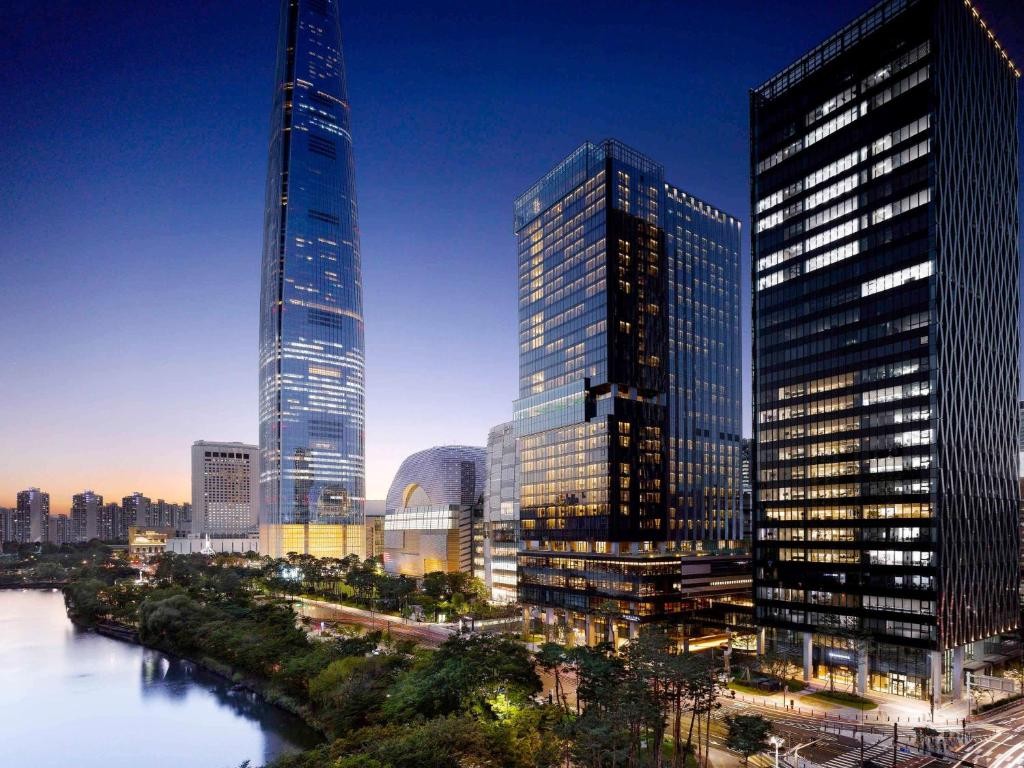
The restaurant occupies the fifth floor of Arario Space, a contemporary arts complex on Yulgok-ro in Jongno-gu. That address matters. Jongno-gu sits adjacent to Gyeongbokgung Palace and Bukchon Hanok Village, which gives the neighbourhood a different register from the sleeker, newer dining corridors in Gangnam or Itaewon. Coming here feels more considered, the kind of dinner you plan around a walk through the old city rather than a club reservation afterward.
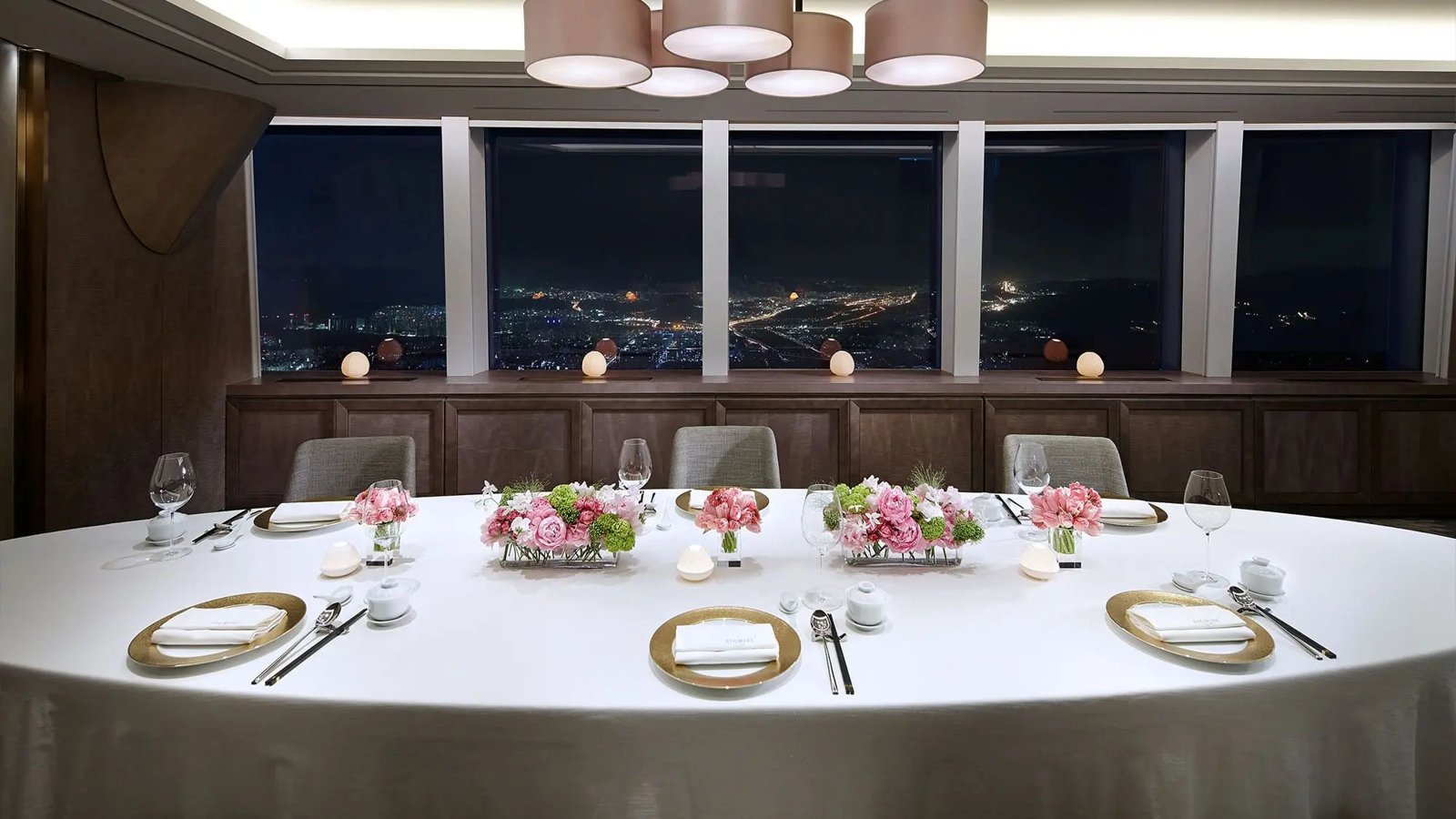
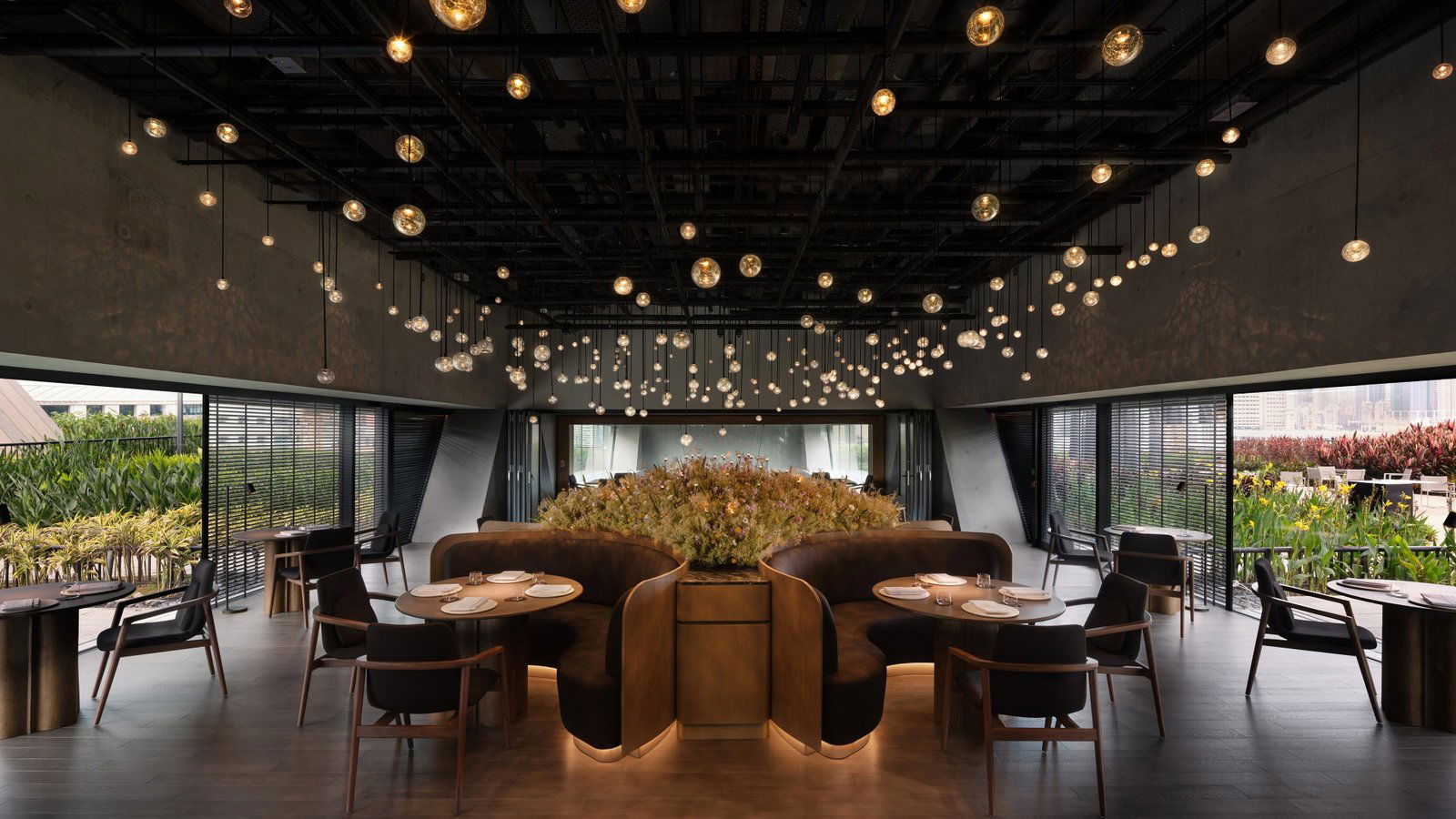
The Arario building context shapes the experience before you sit down. Contemporary art venues in Seoul tend toward clean volumes and restrained material palettes, and that framing carries into the dining room. The fifth-floor position means natural light during lunch service and a degree of separation from street-level noise, both factors worth knowing if you are choosing between a weekend lunch and an evening sitting. For a return visit specifically, lunch on a weekday gives you the room in a calmer state and, if the spatial framing around vegetables and herbs is as deliberate as La Liste's notes suggest, daylight service lets you read the plate more clearly.
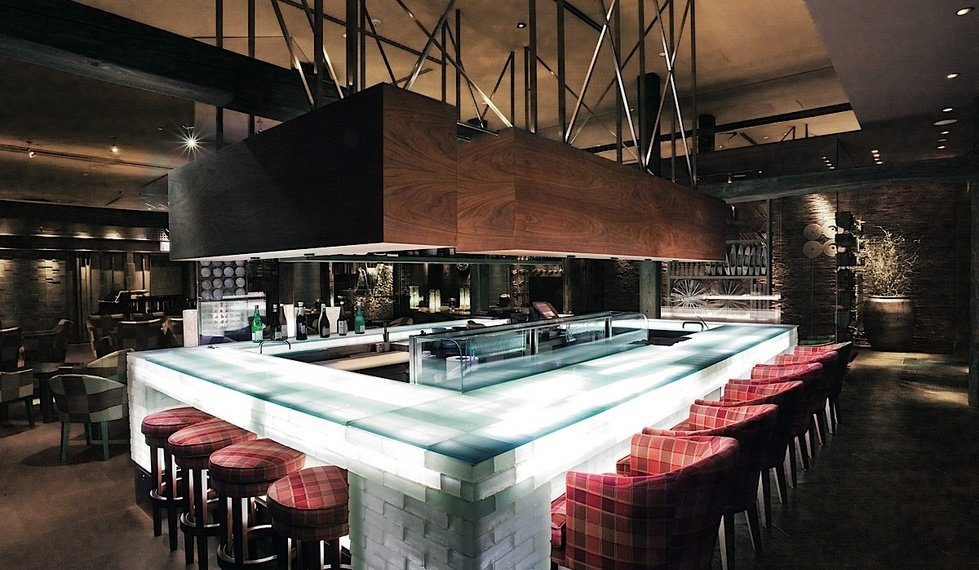
The Counter Angle
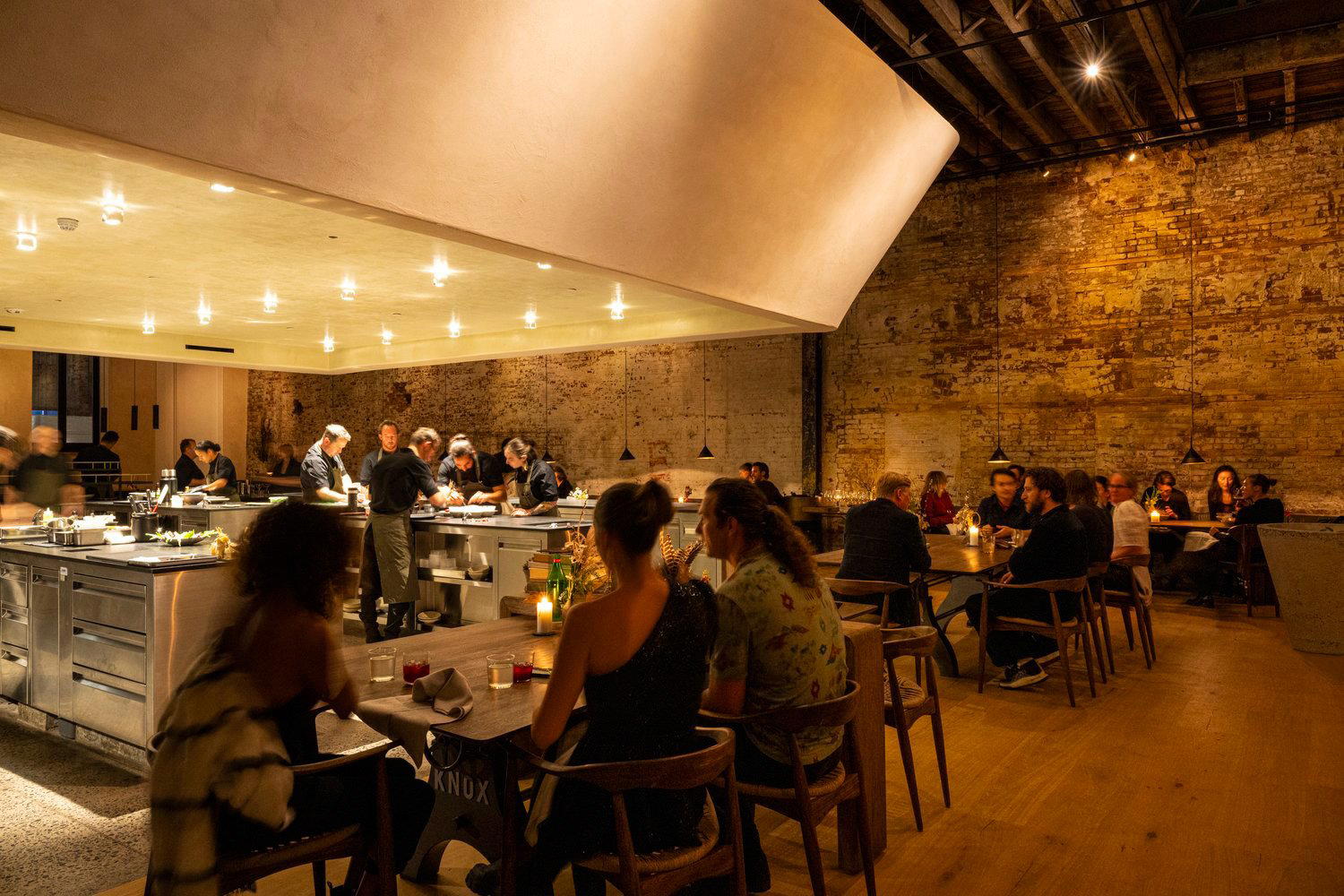
La Liste's 2026 assessment notes that Chef Kim Eunhee works with vegetables, herbs, and flowers with a degree of precision they describe as a "feminine touch", sometimes building dishes that are entirely plant-based. For a return visitor, this is the most important thing to understand about how the meal is structured. The cooking is French-Korean in orientation, rooted in classical French technique but consistently pulled toward lighter, more herbaceous territory. If you sat through the menu once and found the vegetable work more interesting than the protein courses, that instinct is worth following: request a counter or pass-side seat if one is available so you can watch the plating sequences. At a restaurant where herbs and flowers are compositional rather than decorative, proximity to the kitchen changes what you notice.
The editorial angle here is practical: counter seating at venues where the visual detail of the plate is part of the value proposition is not just a preference, it is the better version of the same meal. If you are advising a friend who has eaten here once and is going back, tell them to ask for the counter. La Liste specifically calls out the delicacy of the execution; you see that more clearly from two metres than from across a full dining room.
Chef and Creative Direction
Chef Raphael Duntoye is the listed chef; Chef Kim Eunhee works with vegetables and brings an overall sensory register to the menu. The La Liste note also flags what it frames as a missed opportunity: given the name The Green Table and the obvious fluency with plant-forward cooking, the absence of a dedicated vegetarian or plant-only menu format is notable. For guests who came primarily for the vegetable courses, this is worth knowing, the menu is not fully plant-based, and if that matters to your group, clarify at booking.
Price and Value
At ₩₩₩, The Green Table prices below most of its Michelin-recognised peers in Seoul. Mingles, Jungsik, and Kwonsooksoo all sit at higher price tiers with deeper award stacks. The Green Table's Michelin Plate (rather than a star) reflects that it is a serious restaurant without reaching the very top tier of technical ambition or service formality. That is not a criticism, it is a useful calibration. You are paying for precise, delicate cooking in a considered space, not for a three-hour ceremony. For a solo diner or a couple who wants a genuine fine dining experience in Seoul without the full ₩₩₩₩ commitment, this is a sound choice. Compare it to L'Amitié at the same price tier if French cooking in Seoul is your focus, both are worth knowing about, and the difference in register (classic French vs. French-Korean with a vegetable emphasis) will drive your preference.
Timing Recommendation
A weekday lunch is the optimal visit for most diner profiles. The room will be quieter, the light better for the plate work, and the booking easier. If you are visiting Seoul in spring or autumn, when herbs and edible flowers are at their most varied in Korean markets, the seasonal produce argument for those windows is reasonable. The cooking foregrounds vegetables and botanicals as primary elements, so timing your visit around Seoul's produce seasons is a logical consideration.
For a broader picture of where The Green Table fits in the city's dining calendar, see our full Seoul restaurants guide. If you are planning a longer stay, our Seoul hotels guide, bars guide, and experiences guide cover the surrounding context. For French Contemporary cooking elsewhere in Asia, Odette in Singapore and Amber in Hong Kong are the regional reference points at a higher award level. Within Korea, Mori in Busan and alla prima in Seoul are worth knowing for different reasons, alla prima in particular if you want innovative Korean-adjacent cooking in the same city.
Quick Reference
The Green Table, 5F Arario Space, 83 Yulgok-ro, Jongno-gu, Seoul. Price tier: ₩₩₩. Booking difficulty: Easy. Awards: Michelin Plate 2024–2025; La Liste 77–77.5pts (2025–2026). Leading timing: weekday lunch.
Planning details
- Location
- 5F Arario Space, 83 Yulgok-ro, Jongno-gu, Seoul, 03058, South Korea
- Website
- thegreentable.co.kr
- Phone
- +82 2-591-2672
The take
The Take
The Vibe
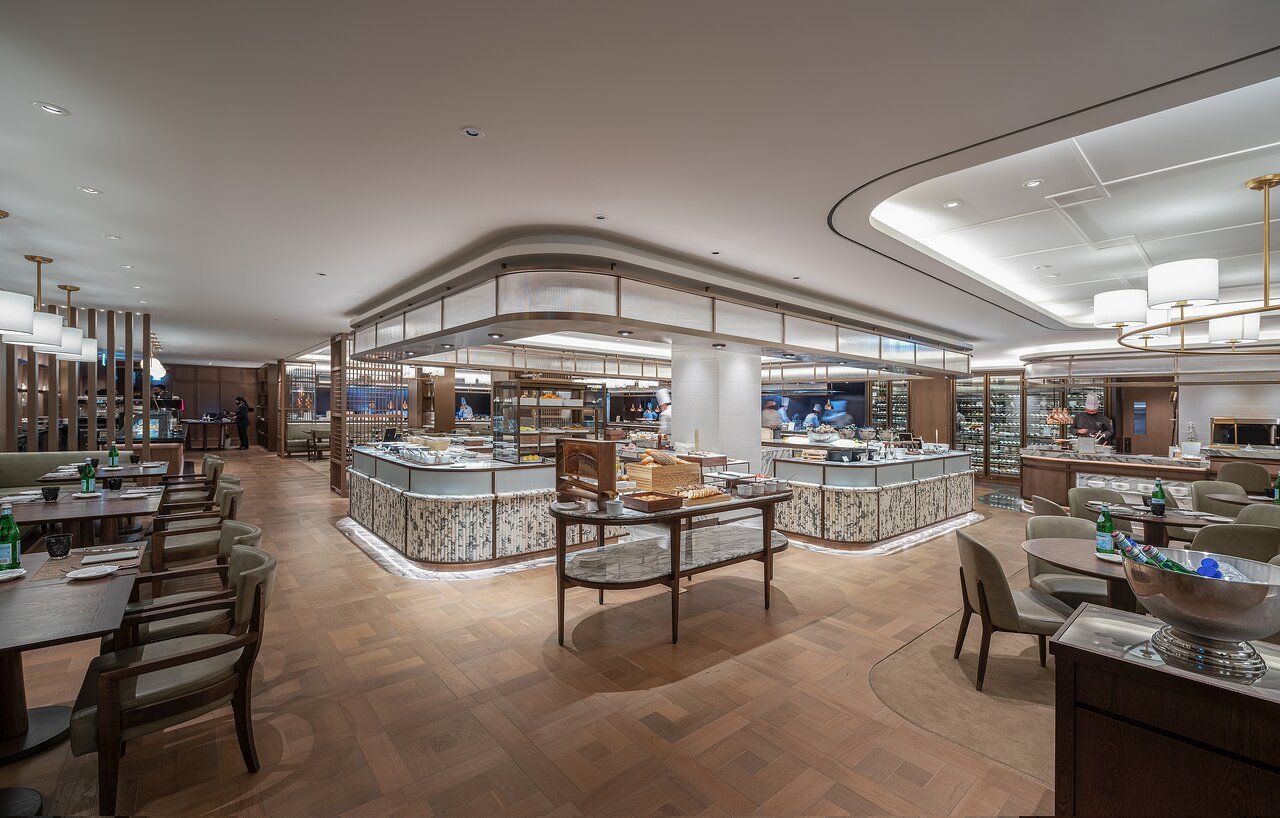
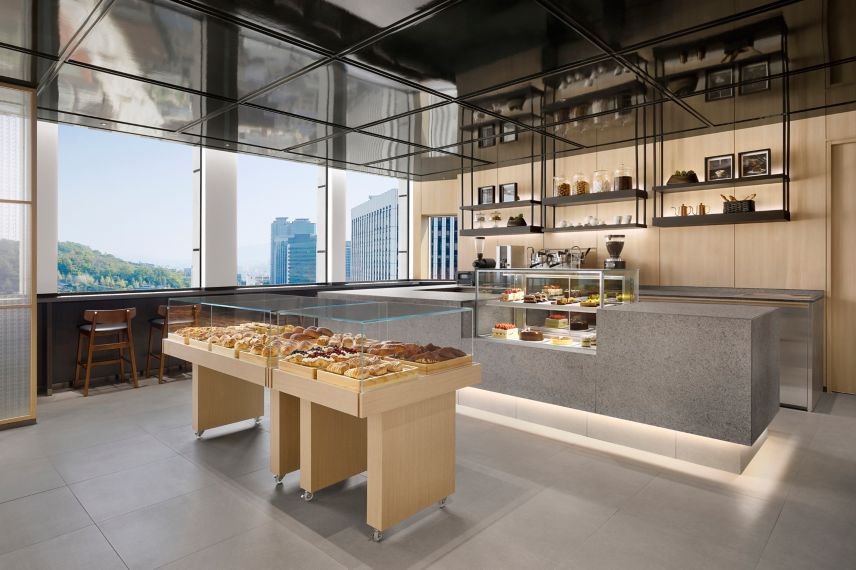
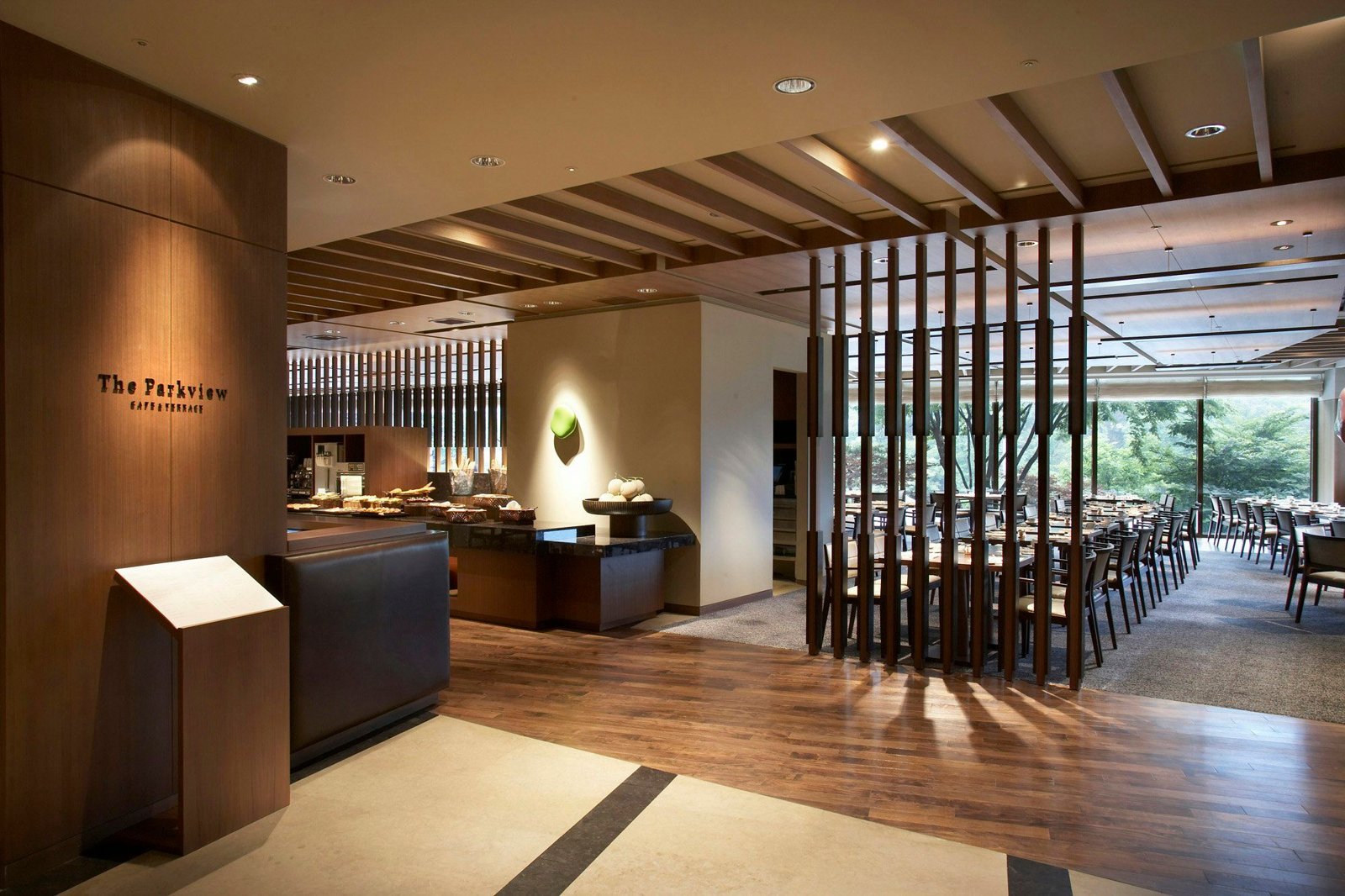
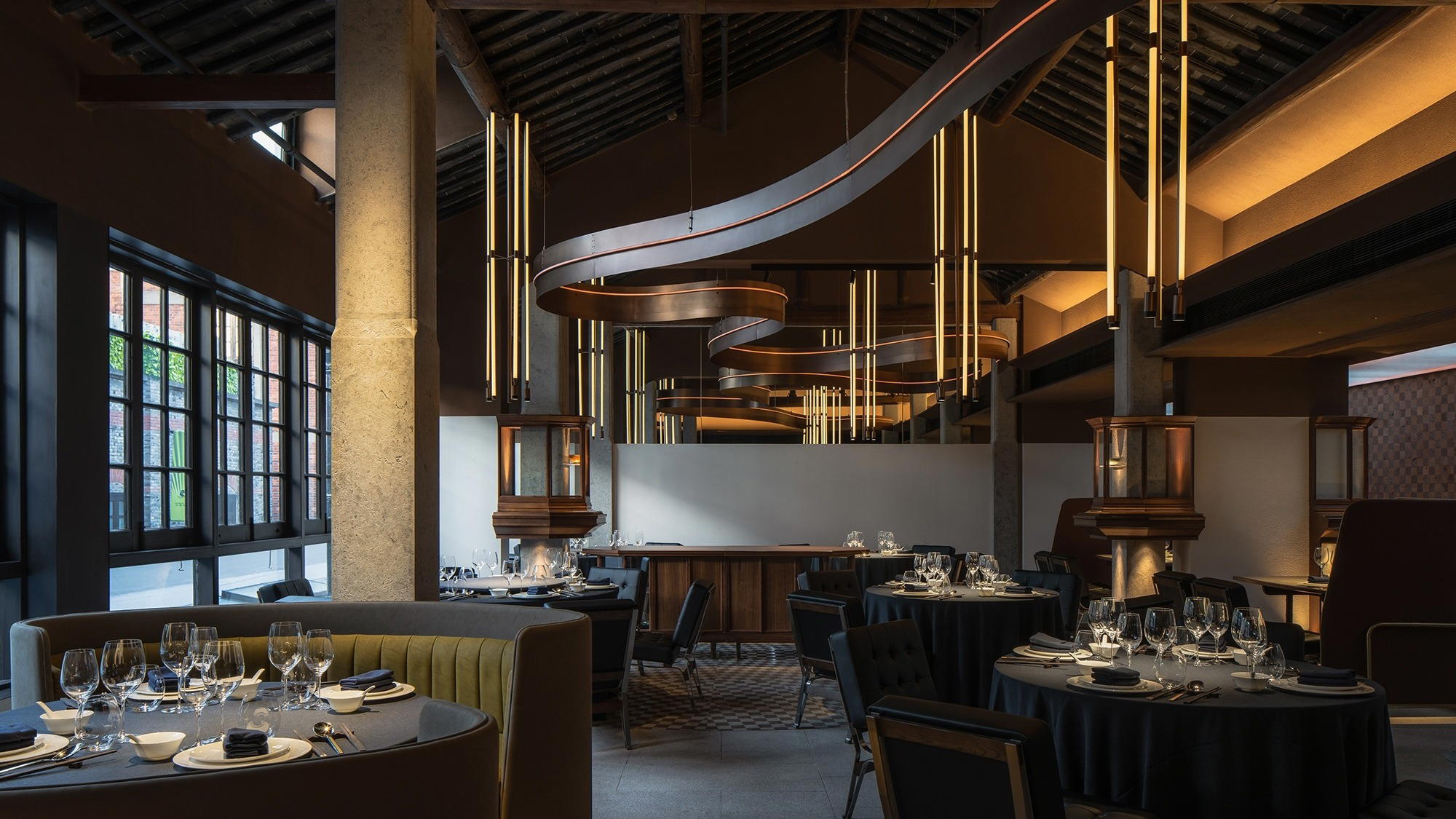
The Green Table presents a restrained, contemporary fine-dining atmosphere that leans toward quiet refinement rather than theatricality. Housed on the fifth floor of Arario Space, the room arrives already framed by art and institutional seriousness, so the setting reads more like a composed gallery than a buzzy restaurant. Service follows the logic of French multi-course structure but with Korean ingredient logic and seasonal sensitivity, producing a calm, modern dining environment where vegetables, herbs and flowers frequently take center stage. The overall effect is a composed, contemplative experience for diners who prefer precision and coherence over exuberant spectacle.
Best For
This is primarily a dinner destination built around a tightened prix fixe sequence, making it well suited to attentive meals that prioritize course-to-course coherence. The restaurant’s formal multi-course service, measured pace, and art-filled setting make it a good fit for date nights and special occasions, and the restrained, institutional tone also suits business dinners where composure and focus matter. Because the kitchen emphasizes seasonal produce and pared-back sequencing rather than a long tasting parade, the dining experience rewards guests who appreciate refined, vegetable-forward plates and deliberate pacing at the table.
Ordering Tips
Expect a concentrated prix fixe multi-course sequence rather than an expansive tasting menu: the kitchen intentionally tightens course count to concentrate energy on fewer, well-resolved plates. Menu notes and outside recognition call out vegetables, herbs and flowers as recurring elements, so be prepared for vegetable-forward compositions alongside richer interludes. The Green Table sits at a ₩₩₩ price point and has earned La Liste scores and Michelin Plate recognition, which signals precision over opulence. Highlighted dishes to watch for from venue briefs include Truffle Risotto and Ginseng Chicken Soup; approach the meal anticipating coherence and seasonal focus rather than maximal ingredient extravagance.
Venue details
Ambiance
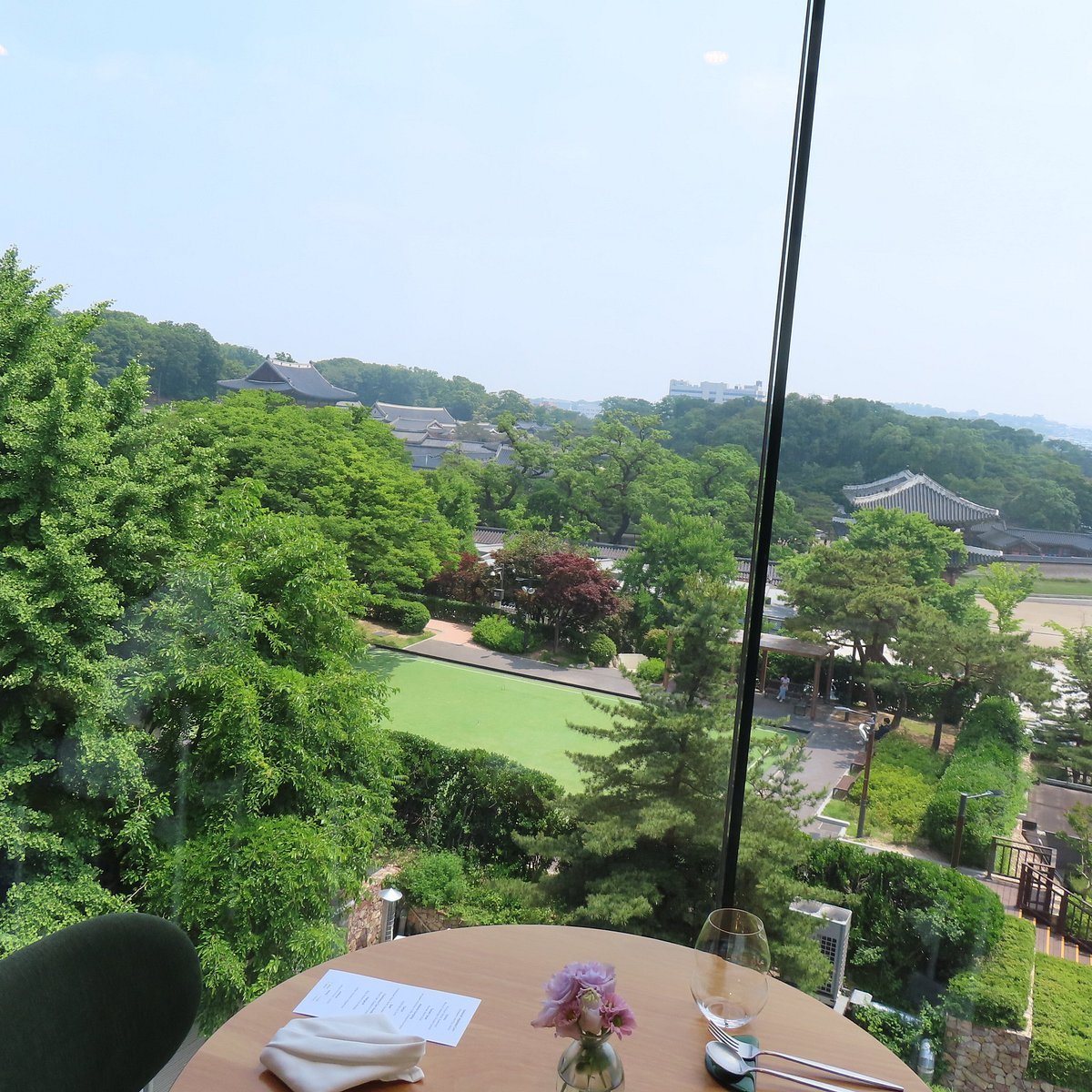
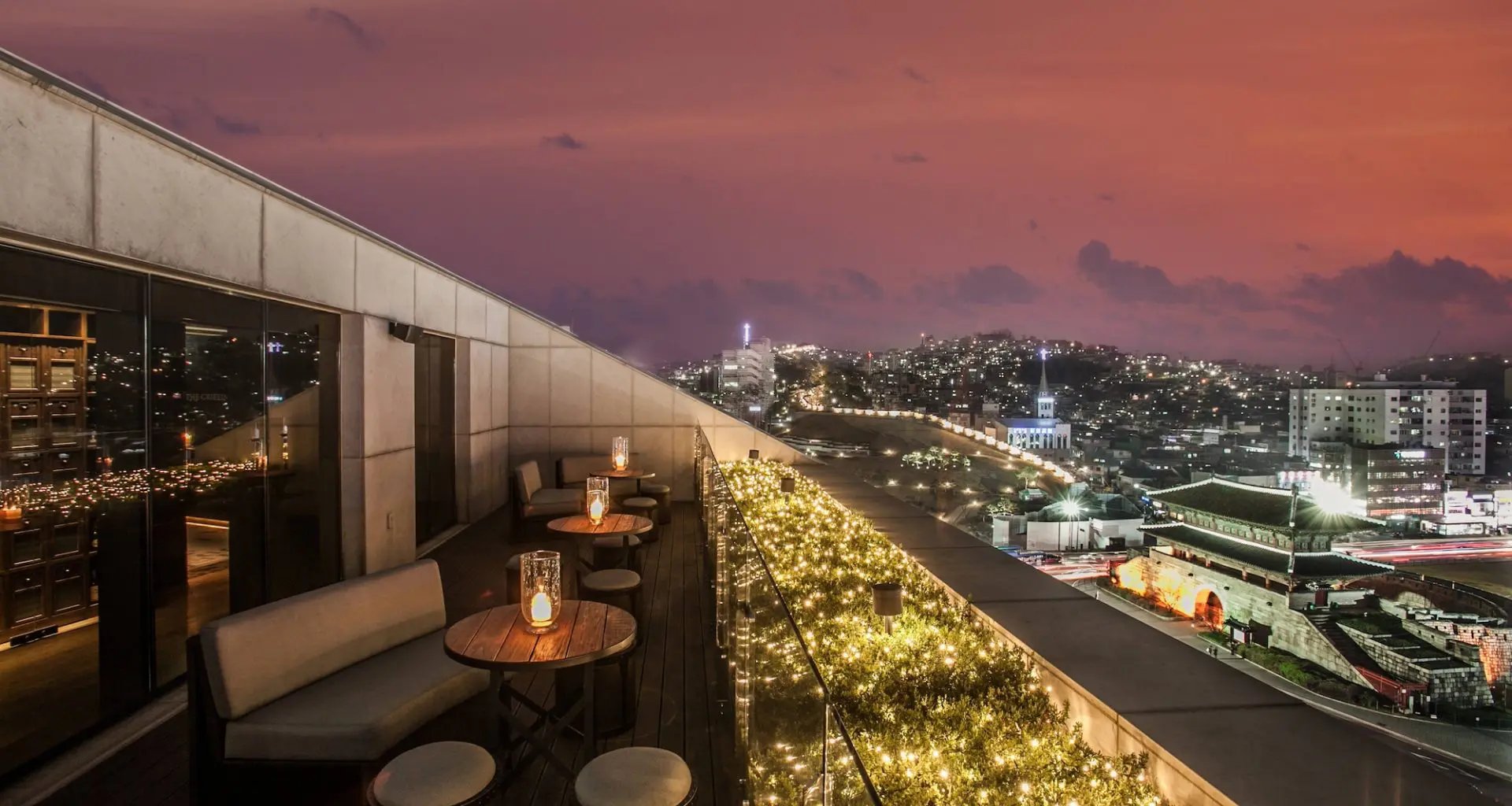
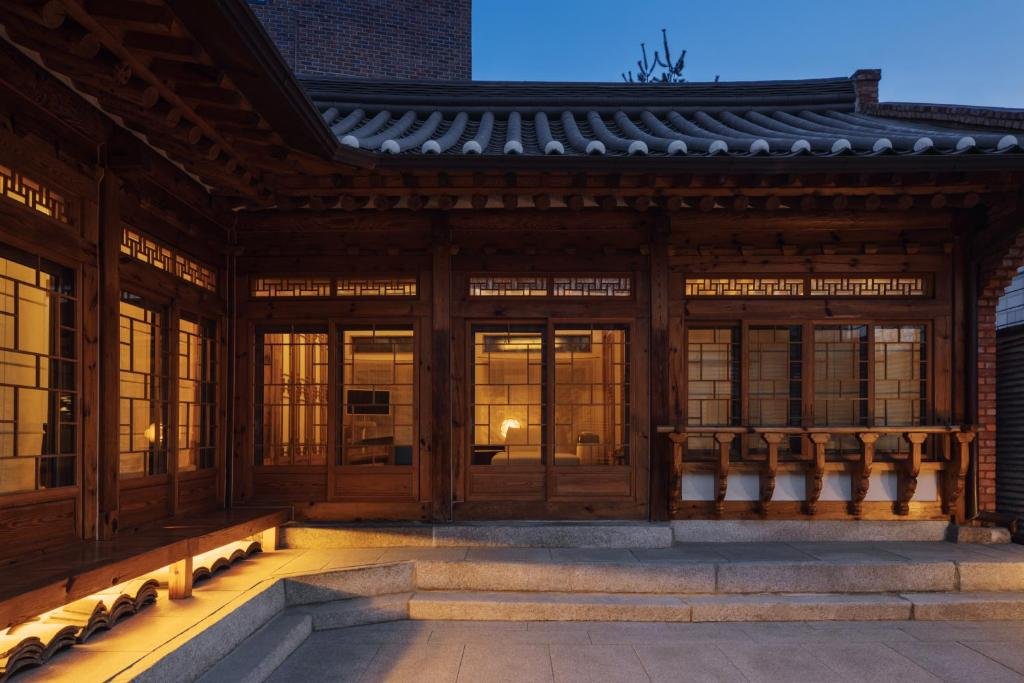
Calming and elegant with an ever-changing view of palace grounds, enhanced by modern elegance and traditional Korean elements.
Tags
Vibe
Best For
Sourcing
View
At the Table
- Dress Code
- Smart Casual
- Noise Level
- Quiet
- Service Style
- Upscale Casual
- Meal Pacing
- Leisurely
- Capacity
- Small
- Kitchen
- Farm-to-table
- Menu Format
- A la carte
- Dietary
- Vegetarian friendly
Signature Dishes
- Truffle Risotto
- Ginseng Chicken Soup
Know before you go
Know Before You Go
- Getting there
- 5F Arario Space, 83 Yulgok-ro, Jongno-gu, Seoul, 03058, South Korea
Planning details
Location
5F Arario Space, 83 Yulgok-ro, Jongno-gu, Seoul, 03058, South Korea · Directions

Also consider
Also Consider
- Solbam: Contemporary, ₩₩₩₩
- Onjium: Korean, ₩₩₩₩
- 7th Door: Korean, Contemporary, ₩₩₩₩
- L'Amitié: French, ₩₩₩
- Zero Complex: Korean-French, Innovative, ₩₩₩₩
Restaurant context
At ₩₩₩, The Green Table prices below the cluster of ₩₩₩₩ restaurants that dominate Seoul's fine dining conversation. If your primary interest is Korean cuisine with serious technique, Onjium is the more complete choice, its Korean culinary scholarship runs deeper, but you will pay more and book harder. 7th Door sits in a similar contemporary Korean register at ₩₩₩₩ and is noticeably more difficult to secure. For the price gap alone, The Green Table makes sense if your agenda is French-inflected cooking rather than a strictly Korean menu.
The closest direct comparison at the same price tier is L'Amitié, also French at ₩₩₩. The meaningful difference is emphasis: L'Amitié leans into classical French form, while The Green Table bends toward Korean botanical ingredients and a lighter, more vegetable-forward plate. If the plant-forward angle appeals, The Green Table wins that comparison. If you want a more recognisably French experience, L'Amitié is the better fit.
For diners weighing The Green Table against the ₩₩₩₩ tier Solbam or Zero Complex specifically: the honest answer is that those restaurants offer more technical ambition and a fuller fine dining ceremony. The Green Table does not try to compete on those terms. It is the right choice when you want a precise, well-considered meal without the full commitment of a two-hour tasting marathon at a premium price. Book Solbam or Zero Complex for a special occasion splurge; book The Green Table when you want quality without the production.
Explore Seoul
Around this place
Discover more on Pearl
Unlock the full The Green Table guide in Pearl, including awards, comparisons, FAQs, planning details, and nearby places.
Compare The Green Table
| Venue | Price | Awards |
|---|---|---|
| The Green Table | ₩₩₩ | Michelin Guide Seoul & Busan 20262026 La Liste Top RestaurantsWe're Smart World Top Restaurants 20252025 La Liste Top Restaurants2025 Michelin Plate2024 Michelin Plate |
| Solbam | ₩₩₩₩ | 2026 Asia's 50 Best Restaurants · #552026 Wine Spectator Best of Award of Excellence2026 OAD Top Restaurants in Asia RecommendedMichelin Guide Seoul & Busan 20262026 La Liste Top Restaurants2025 Asia's 50 Best Restaurants · #552025 OAD Top Restaurants in Asia Ranked · #277Tatler Best Restaurants Asia-Pacific 20252025 Wine Spectator Best of Award of Excellence |
| Onjium | ₩₩₩₩ | 2026 Asia's 50 Best Restaurants · #142026 OAD Top Restaurants in Asia Ranked · #852026 La Liste Top RestaurantsMichelin Guide Seoul & Busan 20262026 Wine Spectator Best of Award of Excellence2025 Asia's 50 Best Restaurants · #102025 World's 50 Best Restaurants · #572025 OAD Top Restaurants in Asia Ranked · #1342025 La Liste Top Restaurants |
| 7th Door | ₩₩₩₩ | 2026 Asia's 50 Best Restaurants · #492026 OAD Top Restaurants in Asia Ranked · #842026 Black Pearl 1 DiamondMichelin Guide Seoul & Busan 20262026 La Liste Top Restaurants2025 Asia's 50 Best Restaurants · #232025 Michelin 1 Star2025 La Liste Top Restaurants2024 OAD Top Restaurants in Asia Ranked · #192 |
| L'Amitié | ₩₩₩ | 2026 La Liste Top Restaurants2025 La Liste Top Restaurants2025 Michelin 1 Star2024 Michelin 1 Star |
| Zero Complex | ₩₩₩₩ | Star Wine Lists 20262026 OAD Top Restaurants in Asia Recommended2026 La Liste Top Restaurants2025 OAD Top Restaurants in Asia Ranked · #1992025 La Liste Top Restaurants2025 Michelin 1 Star2025 The Best Chef One Knife2024 OAD Top Restaurants in Asia Ranked · #2792024 Michelin 1 Star |
.png?width=1200&quality=80)







How The Green Table stacks up against the competition.
FAQ
Frequently Asked Questions
What should I wear to The Green Table?
The restaurant sits inside Arario Space, a contemporary arts complex: the setting is polished but not a formal hotel dining room. A neat, put-together look fits: think elevated casual or business casual rather than black tie. At the ₩₩₩ price tier, overly casual clothing would feel out of step with the room.
Is the tasting menu worth it at The Green Table?
At ₩₩₩, it prices below comparable Michelin-recognised peers in Seoul such as Mingles or Kwonsooksoo, which makes the value case straightforward if French-Korean cuisine is your format. La Liste has scored it at 77–77.5 points across two consecutive years, signalling consistency. If you want something purely Korean in tradition, Onjium is a stronger fit at a similar tier.
Is The Green Table good for solo dining?
The fifth-floor Arario Space setting and the kitchen's focus on detailed plate work make it a workable solo option: the meal gives you something to engage with rather than just a social backdrop. Booking as a solo diner at ₩₩₩ is generally easier than at Seoul's four-tier restaurants, where counter seats fill quickly. Confirm counter or bar seating availability when reserving.
What are alternatives to The Green Table in Seoul?
For a higher-stakes French-Korean experience, L'Amitié sits at a comparable positioning but with a different creative direction. If you want traditional Korean craft over French technique, Onjium is the clearer alternative. For those who prefer a full vegetable-forward menu, something La Liste notes The Green Table stops short of, Zero Complex is worth considering. 7th Door and Solbam both operate at higher price tiers and present a more demanding booking process.