.png?width=1200&quality=80)
Teppan
Teppanyaki · 이태원동, Seoul
Restaurant in Seoul, South Korea
 Book with Pearl
The Read
Full-Griddle Teppanyaki
Price
₩₩₩
Dress
Smart Casual
Why go
A Michelin Plate teppanyaki counter in the Grand Hyatt Seoul with Namsan Mountain views and a full griddle-only menu — from appetisers to desserts. At ₩₩₩, it's the right booking for travellers who want live-fire theatre and a formal hotel dining experience. For Korean cuisine exploration, redirect your spend to the city's tasting-menu circuit.
About Teppan
Verdict: A Michelin-recognised teppanyaki counter in the Grand Hyatt Seoul that earns its ₩₩₩ price tag — if live-fire theatre and a Namsan Mountain view are what you're after
Teppan sits in the basement of the Grand Hyatt Seoul on Sowol-ro and carries a 2024 Michelin Plate — the guide's acknowledgment that cooking and ingredients are of good quality. At ₩₩₩ pricing, it sits one tier below the city's heavy-hitting tasting-menu destinations, which makes it a reasonable call for diners who want a formal, performance-driven meal without committing to a full multi-course omakase spend. The counter-forward format and floor-to-ceiling windows facing Namsan Mountain give the room a distinct physical identity. Whether that identity justifies the price depends almost entirely on how much you value the live-cooking spectacle relative to what you put on your plate.
The Space
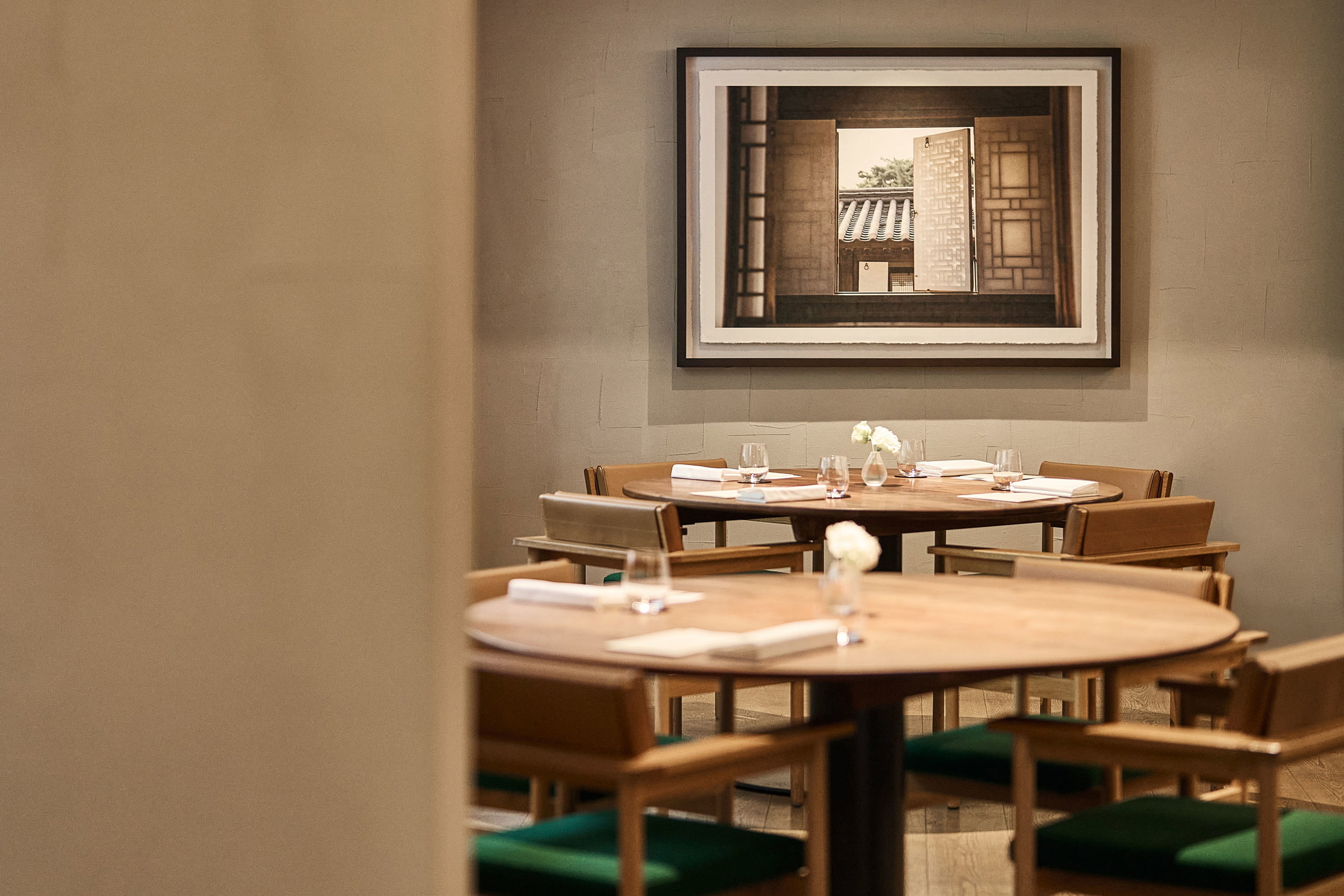
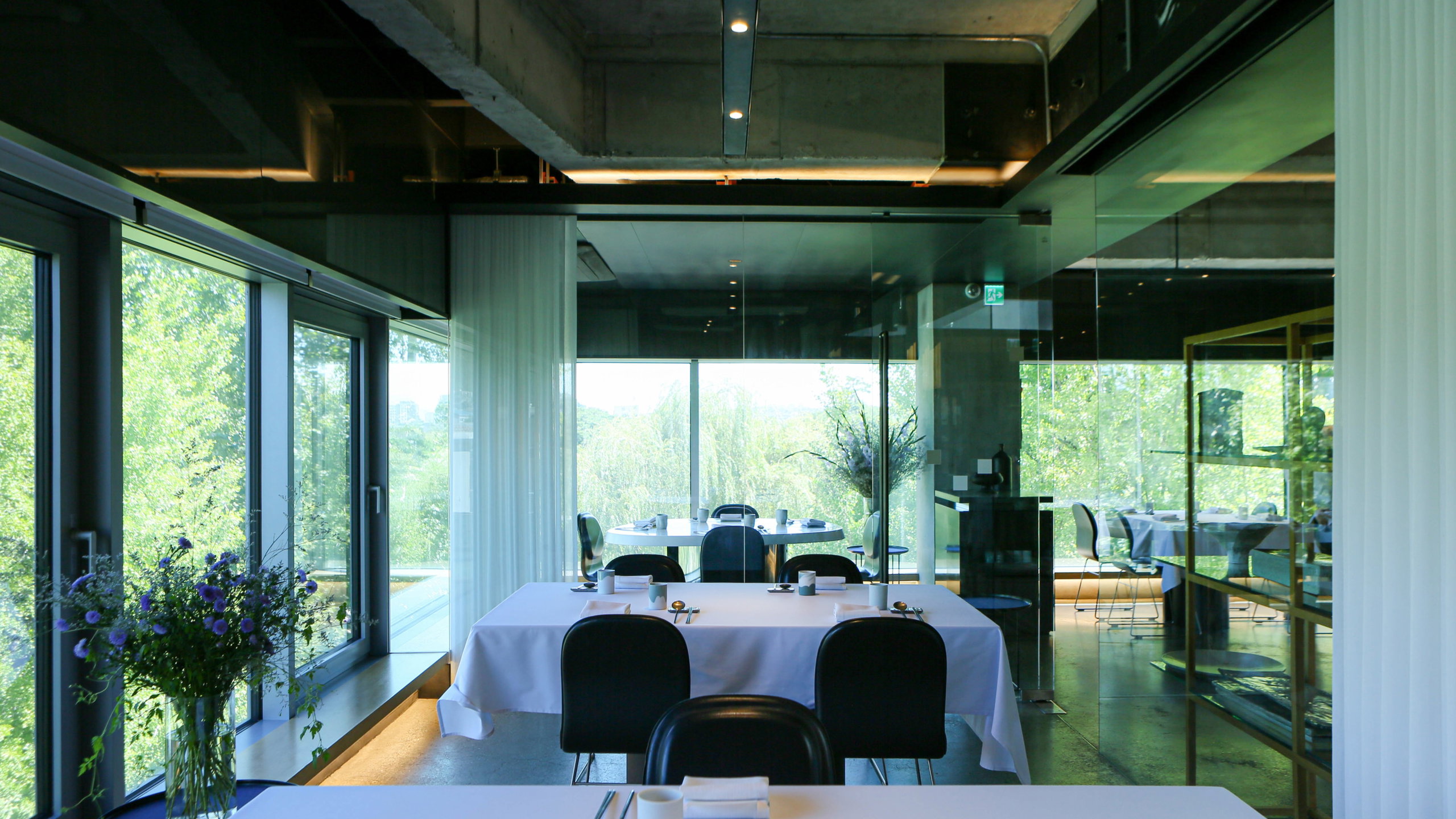
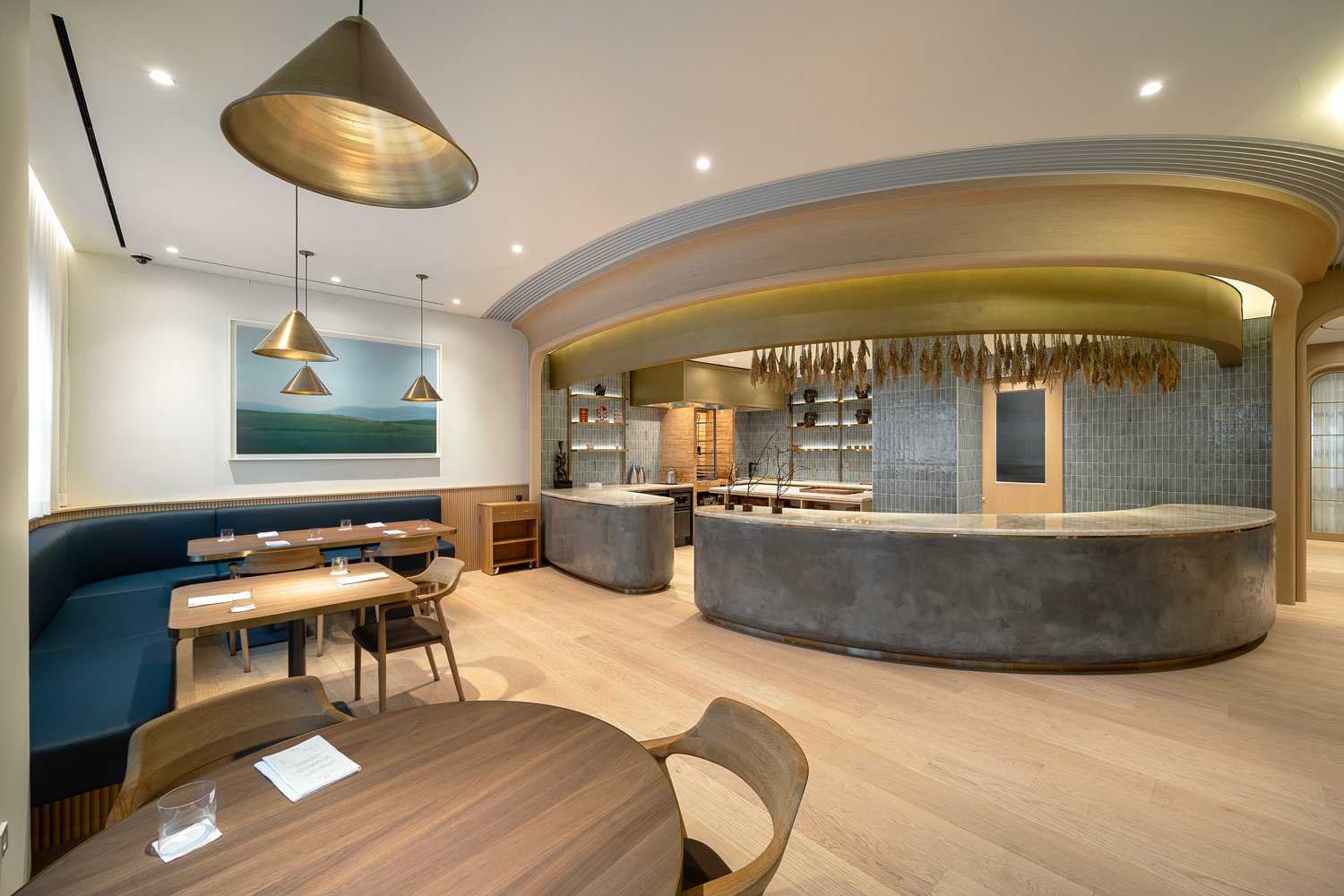
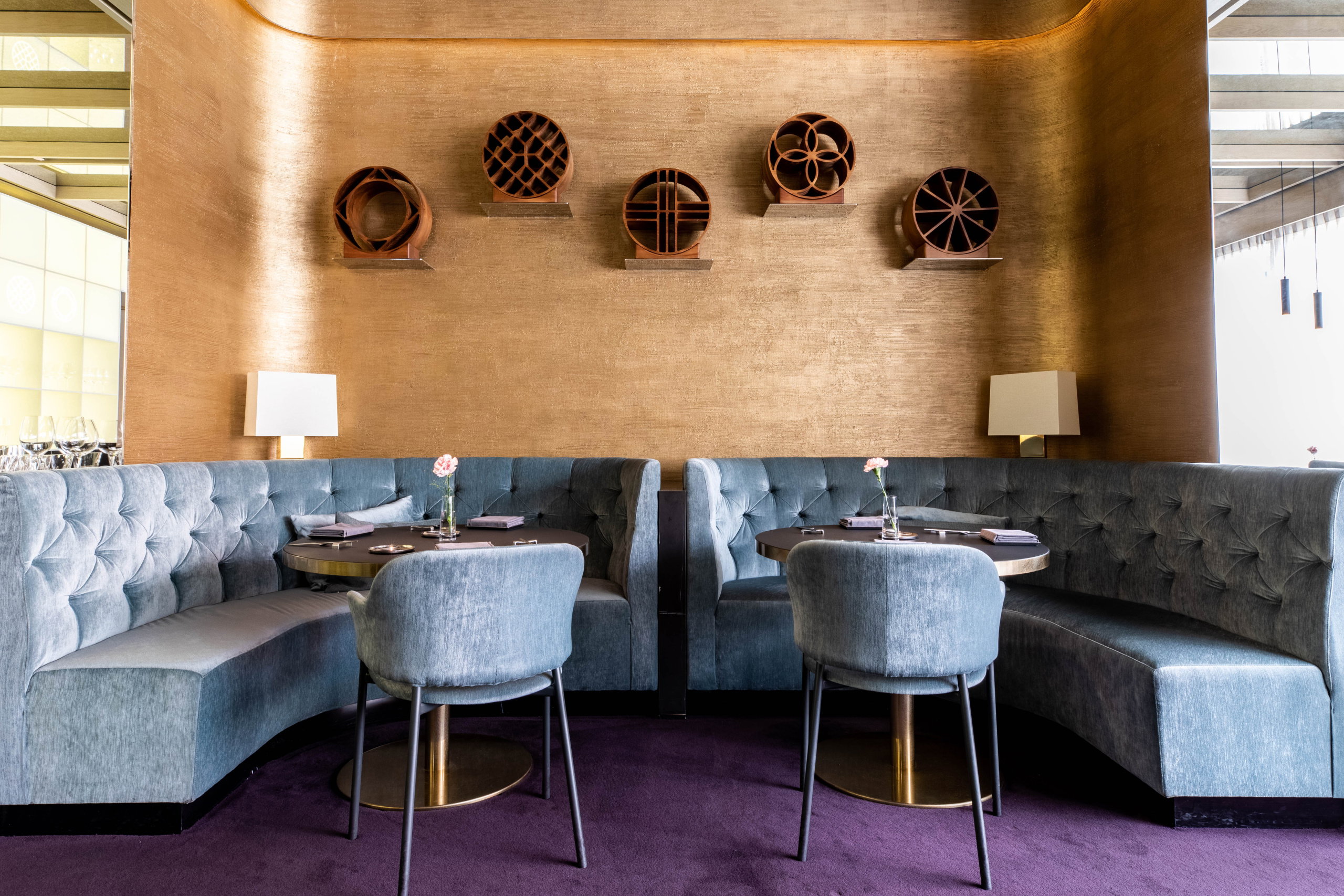
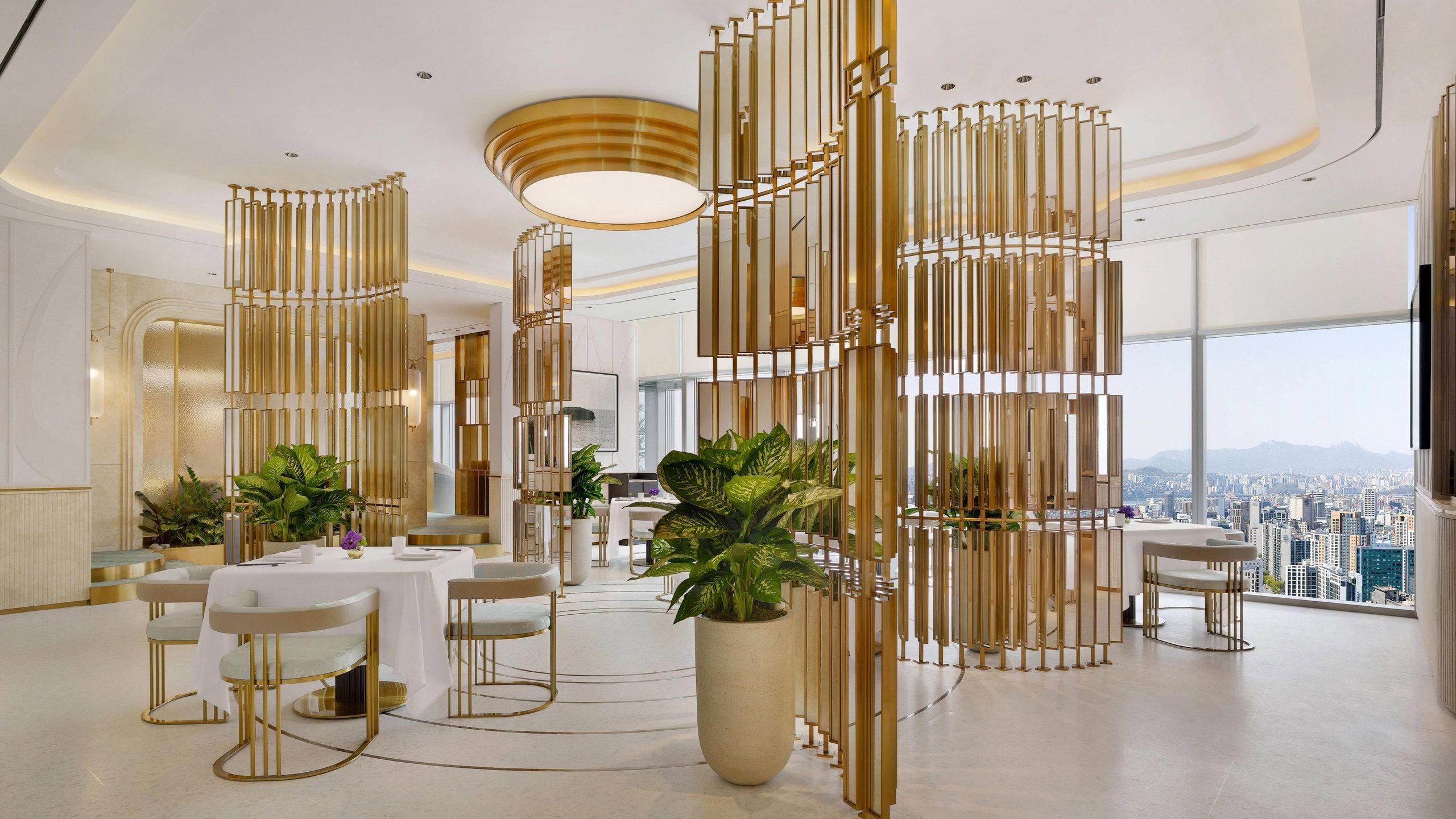
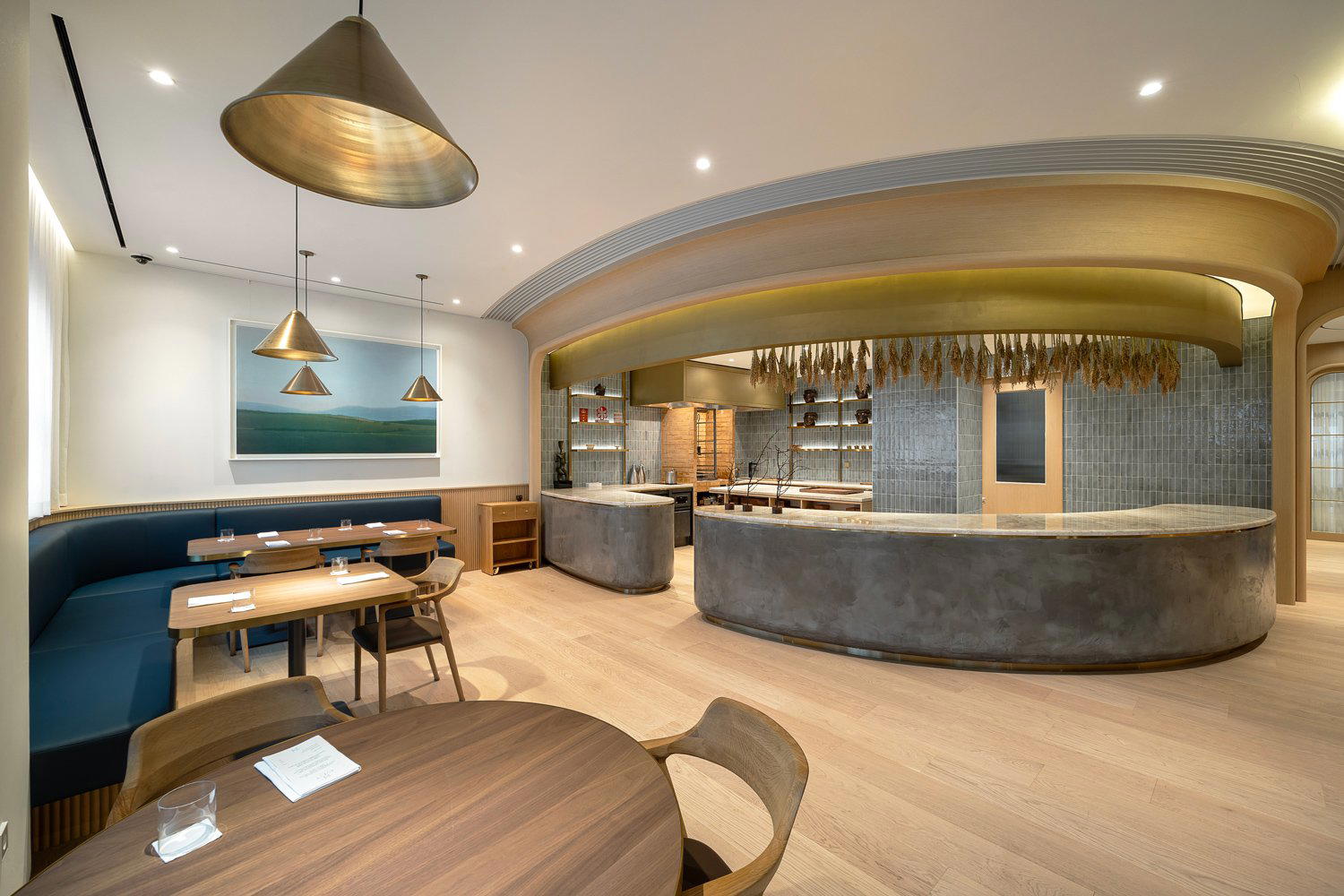
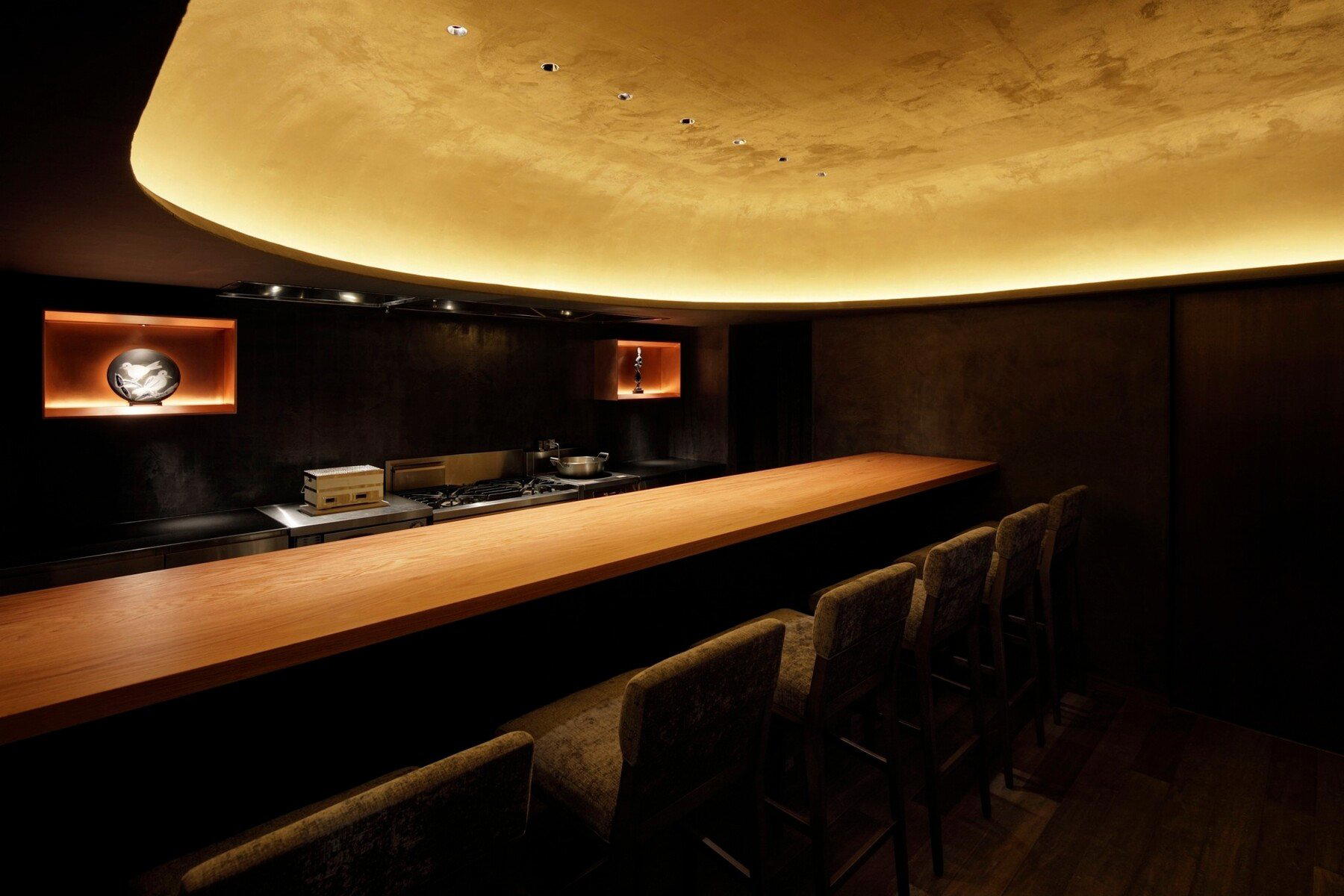
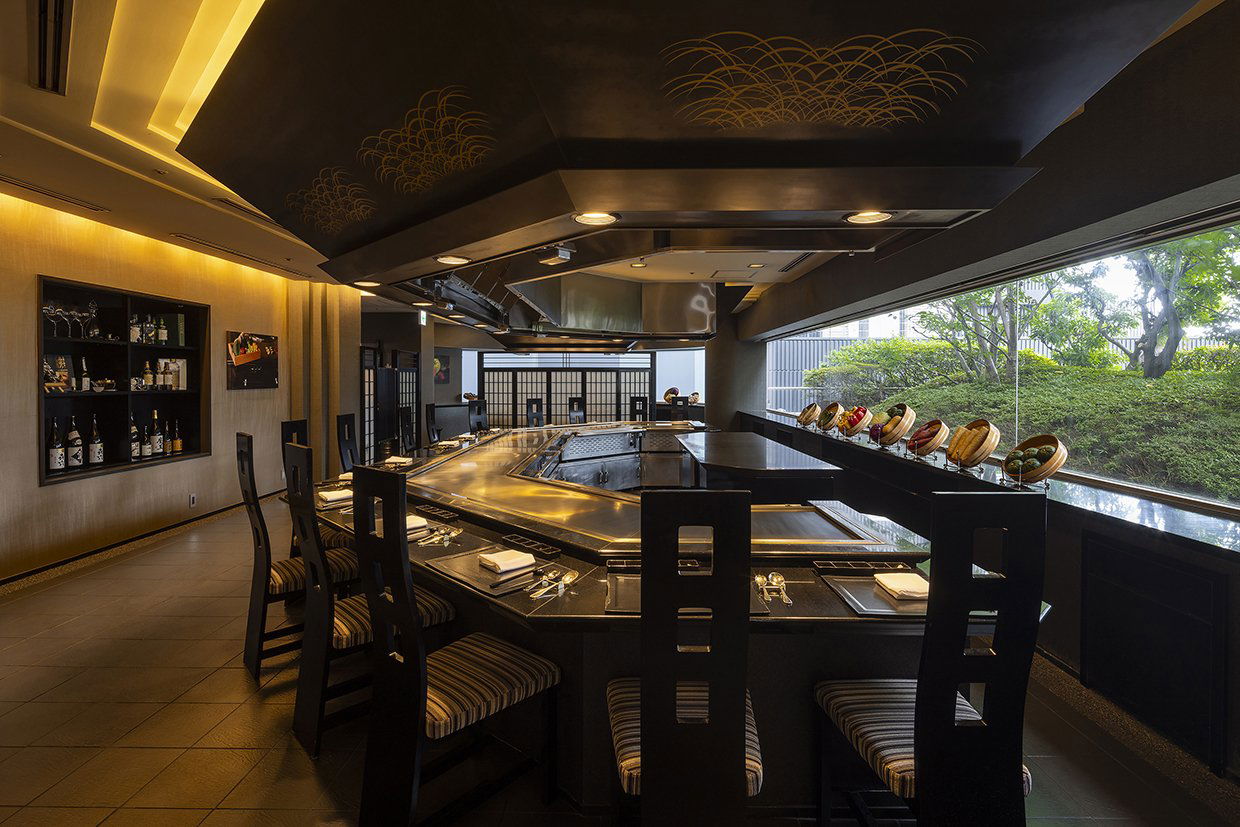
The room is built around the cooking theatre. Flat-surface iron griddles run behind the bar counter, keeping the preparation visible and immediate. Guests at the counter face their chef directly; the wide windows behind pull the eye toward Namsan, particularly effective at night when the mountain's lighting reflects across the glass. The layout favours small parties and solo diners who want proximity to the action. The basement position within the Grand Hyatt's gourmet alley means the entrance requires navigating into the hotel, but the corridor is well-signed and the room itself reads as a self-contained destination once you're inside. Spatial intimacy is the defining feature here, it is not a large-format dining room, which keeps the experience focused.
What's on the Griddle
The menu runs across fresh seafood and meats, and the format commits fully to the iron griddle: appetisers and desserts are also prepared on the flat surface, not just the mains. That consistency is a distinguishing detail, this is not a grill restaurant that uses teppan as a centrepiece trick for protein courses. The fire shows are part of the service rhythm. From a practical standpoint, the teppanyaki format means your food arrives sequentially, cooked in front of you, which changes the pacing of a meal compared with a kitchen-plated restaurant. Plan for a longer sitting than you might at a comparably priced à la carte venue.
On the Question of Takeout and Delivery
Teppan is a counter-dining concept where the cooking surface, the chef's technique, and the spatial context, including that Namsan view, are central to the value proposition. The editorial angle here is worth stating plainly: teppanyaki does not translate to off-premise dining. The entire point of the format is that you watch the food being cooked, and the fire shows are a live event. Even setting aside the practical reality that griddle-cooked seafood and meats lose quality quickly once plated and packaged, there is no meaningful teppan experience outside the room. If you are looking for a Seoul restaurant where delivery or takeout makes sense, this is not it. Teppan is specifically worth booking for the in-room experience. For diners who travel to Seoul regularly and want to explore what the broader Korean dining scene offers off-premise, the city's banchan-led neighbourhood restaurants and Korean BBQ spots serve that function far better.
Who Should Book
Teppan suits food-focused travellers staying in Yongsan or Itaewon who want a structured, performance-driven dinner without climbing to the ₩₩₩₩ tier. It also works well for solo diners: the counter seating removes the awkwardness of a table-for-one and puts you directly in the action. Couples who want a theatrical dining experience with a view, and don't need a natural-wine list or a Korean tasting menu narrative, will find it sits well. It is a less obvious fit for large groups, where the counter format creates distance from some diners and the sequential cooking pace can feel disjointed across a bigger party.
How to Book
Booking difficulty is rated Easy. As a hotel restaurant within the Grand Hyatt Seoul, reservations are typically accessible without the extended lead times required at the city's destination tasting-menu venues. Walk-in availability is plausible, particularly for the counter, but securing a window-facing seat benefits from a reservation. Contact the Grand Hyatt Seoul directly to reserve; no independent booking page is listed in current data.
Practical Details
| Detail | Teppan | Hibana by Koki (Hanoi) | Ishigaki Yoshida (Tokyo) |
|---|---|---|---|
| Cuisine | Teppanyaki | Teppanyaki | Teppanyaki |
| Price tier | ₩₩₩ | Mid-high (Hanoi) | High (Tokyo) |
| Award | Michelin Plate 2024 | See Pearl listing | See Pearl listing |
| Setting | Hotel basement counter, Namsan view | Hotel restaurant, Hanoi | Tokyo standalone |
| Booking difficulty | Easy | See Pearl listing | See Pearl listing |
For teppanyaki comparisons beyond Seoul, see Hibana by Koki in Hanoi and Ishigaki Yoshida in Tokyo.
Seoul Context
Seoul's fine-dining tier is dense with Korean tasting menus and French-influenced contemporary cooking. Teppan occupies a different category from venues like Mingles, Jungsik, or Kwonsooksoo, which all operate with Korean culinary identity at the centre. It also reads differently from the innovative formats at alla prima or Soigné. Teppan's value is in format specificity: if you want teppanyaki done at a recognised standard in a hotel setting with a notable view, it is a clear choice. If your Seoul dining priority is exploring Korean cuisine's current creative range, redirect your booking spend toward the tasting-menu circuit. Our full Seoul restaurants guide covers that range in full. For broader trip planning, see also our Seoul hotels guide, Seoul bars guide, Seoul wineries guide, and Seoul experiences guide.
If you're exploring other dining destinations in South Korea, Mori in Busan and Double T Dining in Gangneung offer strong regional options worth considering alongside Seoul bookings.
FAQ
What are alternatives to Teppan in Seoul?
- For teppanyaki specifically, Teppan is one of the few Michelin-recognised options in Seoul at the ₩₩₩ tier. If you want a different format at a similar price point, L'Amitié (French, ₩₩₩) covers the hotel-restaurant, formal-dining bracket from a different angle. For contemporary Korean at the ₩₩₩₩ tier, Onjium and 7th Door are the stronger choices if your goal is engaging with Korean culinary identity rather than Japanese-origin live-fire cooking.
Is Teppan worth the price?
- At ₩₩₩, Teppan holds a Michelin Plate (2024), which confirms consistent quality at this price level. It is worth it if the teppanyaki format, counter seating, live cooking, fire shows, Namsan view, is what you're specifically after. If you're spending at the ₩₩₩ level and the format is secondary to you, redirect to a Korean-cuisine venue where the same spend buys you a more distinctive Seoul-specific meal.
Does Teppan handle dietary restrictions?
- No phone or website is listed in current data, so direct confirmation is required. As a Grand Hyatt hotel restaurant, the kitchen is generally equipped to handle common dietary requirements, but teppanyaki menus built around fresh seafood and meat require advance notice for significant restrictions. Contact the Grand Hyatt Seoul directly before booking if dietary accommodation is a factor.
What should a first-timer know about Teppan?
- The experience is built around the counter. Sitting at the bar gives you the closest view of the cooking and the fire shows; request it when booking. The meal will run longer than a standard à la carte dinner given the sequential teppanyaki format. The Namsan view is most effective in the evening. Dress code is not specified in current data, but as a Grand Hyatt hotel restaurant at the ₩₩₩ tier, smart casual is a safe assumption. The Michelin Plate signals a floor of quality, not a ceiling, go with realistic expectations for a hotel teppanyaki concept rather than a destination chef's table.
Is Teppan good for solo dining?
- Yes, counter seating at a teppanyaki restaurant is one of the better solo dining formats available. You sit facing the chef, the cooking keeps the experience engaging, and there is no awkwardness associated with a single-occupancy table. At ₩₩₩ pricing the solo spend is manageable relative to Seoul's ₩₩₩₩ tasting-menu circuit. Solo diners who want a higher level of culinary ambition should look at Soigné or alla prima instead, both of which offer counter or chef's-table formats at different price and format points.
Part of
Grand Hyatt40 locations on PearlPlanning details
- Location
- B1F, Grand Hyatt Hotel, 322 Sowol-ro, Yongsan-gu, Seoul, 04347, South Korea
- Website
- hyatt.com/grand-hyatt/seoul/selgh/dining/teppan
- Phone
- +8227998272
The take
The Take
The Vibe
Teppan stages teppanyaki as theatre: the iron griddle doubles as a performance surface and chefs cook visibly behind the counter, turning technique and live fire into the main event. The room sits inside the Grand Hyatt Seoul but looks outward—wide windows frame Namsan Mountain, so the interior spectacle and the green ridgeline beyond the glass play off each other. The effect is refined and restrained rather than raucous; the place reads as a sophisticated, classic expression of hotel teppanyaki where culinary craft and the view are in dialogue.
Best For
This is a venue built for evenings when the meal itself is the occasion. The counter-side theatre and the framed view of Namsan make Teppan a natural fit for date nights and special celebrations, where watching the cook’s technique is part of the entertainment. The hotel setting and fine-dining lineage also suit milestone dinners or any moment when guests want a memorable, performance-driven experience paired with a scenic backdrop.
Ordering Tips
Book a counter seat so you can watch the chefs at work—staff and seating are arranged so the griddle is visible from the first seat to the last. The menu runs from appetizers through desserts with every course produced on the flat-surface grill, so consider ordering a full multi-course experience to witness the technique across the entire meal. Prioritize the kitchen’s signatures—Wagyu beef and hanwoo steak—since protein-focused preparation is the format’s strength.
Venue details
Ambiance
Warm and inviting with wide windows providing scenic mountain views and an interactive atmosphere centered around the open grill counter.
Tags
Vibe
Best For
Experience
View
At the Table
- Dress Code
- Smart Casual
- Noise Level
- Lively
- Service Style
- Upscale Casual
- Meal Pacing
- Leisurely
- Capacity
- Small
Signature Dishes
- Wagyu beef
- hanwoo steak
Know before you go
Know Before You Go
- Getting there
- B1F, Grand Hyatt Hotel, 322 Sowol-ro, Yongsan-gu, Seoul, 04347, South Korea
Planning details
Location
B1F, Grand Hyatt Hotel, 322 Sowol-ro, Yongsan-gu, Seoul, 04347, South Korea · Directions
Recognition and awards
Also consider
Also Consider
- 7th Door, Korean, Contemporary, ₩₩₩₩
- Solbam, Contemporary, ₩₩₩₩
- Onjium, Korean, ₩₩₩₩
- L'Amitié, French, ₩₩₩
- Zero Complex, Korean-French, Innovative, ₩₩₩₩
Restaurant context
Teppan sits at ₩₩₩ and holds a 2024 Michelin Plate, which puts it in a different category from most of its Seoul comparisons. 7th Door, Solbam, Onjium, and Zero Complex all operate at ₩₩₩₩ with tasting-menu formats centred on Korean or Korean-French culinary identity. If your Seoul dining priority is engaging with the city's contemporary fine-dining scene, those venues are a better fit and worth the additional spend. Teppan's case rests on format specificity: it is a teppanyaki counter, and the experience does not overlap with what those restaurants offer.
The closest direct comparison on price is L'Amitié (French, ₩₩₩), which targets a similar spend level with a different culinary tradition. Between the two, the choice comes down to what format you want: a French dining room or a live-fire counter with a mountain view. Neither is strictly better, they serve different purposes. Teppan is easier to book than the ₩₩₩₩ tier venues, which often require reservations weeks in advance. If you're planning a last-minute upscale dinner in Yongsan, Teppan is the most accessible option in its price range.
For diners building a Seoul itinerary across multiple nights, Teppan works well as a secondary booking alongside one of the ₩₩₩₩ Korean tasting-menu venues. Book Onjium or 7th Door for your Korean cuisine priority night, and consider Teppan for a night where the counter format and the Grand Hyatt setting fit the mood. That combination gives you range without doubling up on similar experiences.
Explore Seoul
Around this place
Discover more on Pearl
Unlock the full Teppan guide in Pearl, including awards, comparisons, FAQs, planning details, and nearby places.
Compare Teppan
| Venue | Price | Awards |
|---|---|---|
| Teppan | ₩₩₩ | 2025 Michelin Plate2024 Michelin Plate |
| 7th Door | ₩₩₩₩ | 2026 Asia's 50 Best Restaurants · #492026 OAD Top Restaurants in Asia Ranked · #842026 Black Pearl 1 DiamondMichelin Guide Seoul & Busan 20262026 La Liste Top Restaurants2025 Asia's 50 Best Restaurants · #232025 Michelin 1 Star2025 La Liste Top Restaurants2024 OAD Top Restaurants in Asia Ranked · #192 |
| Solbam | ₩₩₩₩ | 2026 Asia's 50 Best Restaurants · #552026 Wine Spectator Best of Award of Excellence2026 OAD Top Restaurants in Asia RecommendedMichelin Guide Seoul & Busan 20262026 La Liste Top Restaurants2025 Asia's 50 Best Restaurants · #552025 OAD Top Restaurants in Asia Ranked · #277Tatler Best Restaurants Asia-Pacific 20252025 Wine Spectator Best of Award of Excellence |
| Onjium | ₩₩₩₩ | 2026 Asia's 50 Best Restaurants · #142026 OAD Top Restaurants in Asia Ranked · #852026 La Liste Top RestaurantsMichelin Guide Seoul & Busan 20262026 Wine Spectator Best of Award of Excellence2025 Asia's 50 Best Restaurants · #102025 World's 50 Best Restaurants · #572025 OAD Top Restaurants in Asia Ranked · #1342025 La Liste Top Restaurants |
| L'Amitié | ₩₩₩ | 2026 La Liste Top Restaurants2025 La Liste Top Restaurants2025 Michelin 1 Star2024 Michelin 1 Star |
| Zero Complex | ₩₩₩₩ | Star Wine Lists 20262026 OAD Top Restaurants in Asia Recommended2026 La Liste Top Restaurants2025 OAD Top Restaurants in Asia Ranked · #1992025 La Liste Top Restaurants2025 Michelin 1 Star2025 The Best Chef One Knife2024 OAD Top Restaurants in Asia Ranked · #2792024 Michelin 1 Star |









Comparing your options in Seoul for this tier.
FAQ
Frequently Asked Questions
What are alternatives to Teppan in Seoul?
Teppan sits in its own lane as a dedicated teppanyaki counter, so direct format comparisons are limited. For Korean tasting menus at a similar price tier, Onjium is the sharper choice. For contemporary fine dining with a more creative edge, L'Amitié or Zero Complex are worth considering. If you want something more casual and neighbourhood-driven, Solbam offers a different register entirely. Teppan's specific case — live-fire theatre, Namsan views, hotel-restaurant accessibility — doesn't have a direct Seoul equivalent.
Is Teppan worth the price?
At ₩₩₩, Teppan holds a 2024 Michelin Plate, which signals solid cooking rather than destination-level ambition. The value case is strongest if you want structured counter dining with performance cooking and a Namsan Mountain view, without committing to a ₩₩₩₩ tasting-menu format. If you're primarily after cuisine depth or creative Korean cooking, the same spend at Onjium or a contemporary Seoul tasting menu likely delivers more on that axis.
Does Teppan handle dietary restrictions?
The venue database does not include specific dietary accommodation details. The menu centres on fresh seafood and meats prepared on an iron griddle, which means the core format is protein-heavy. Guests with significant dietary restrictions should contact the Grand Hyatt Seoul directly before booking, as the teppanyaki format has limited flexibility by design.
What should a first-timer know about Teppan?
Teppan is a counter-dining format: you sit at the bar and watch chefs prepare everything — including appetisers and desserts — on flat-surface iron griddles in front of you. The Namsan Mountain view through the wide windows is part of the room's appeal, so an evening booking makes more of it. As a Grand Hyatt Seoul restaurant with a 2024 Michelin Plate, booking is relatively accessible without the extended lead times required at Seoul's top tasting-menu destinations.
Is Teppan good for solo dining?
Yes, it's one of the more solo-friendly options at the ₩₩₩ tier in Seoul. The counter format means solo diners aren't seated at an undersized table — you're positioned at the griddle bar, which is the best seat in the room regardless of party size. The live cooking theatre also means the experience doesn't depend on conversation to hold attention.