
Sushi Matsumoto
₩₩₩₩ · Sushi · 압구정동, Seoul
Restaurant in Seoul, South Korea
 Book with Pearl
The Read
Edo-Mae Transmission
Price
$100–150per person
Dress
Smart Casual
Why go
Sushi Matsumoto in Gangnam is Seoul's most straightforward case for orthodox Japanese sushiya dining: a tsumami-to-nigiri progression built around flavor sequencing and faithful technique, with knowledgeable counter service to match. At the ₩₩₩₩ tier, it is the right booking for a special occasion when you want reliability over experimentation. Book Monday through Saturday; closed Sunday.
About Sushi Matsumoto
Should You Book Sushi Matsumoto?
If you have been before, the reason to return is the same as the reason you went the first time: Sushi Matsumoto does not drift. Chef Matsumoto Mizuho's commitment to reproducing mainland Japanese sushi technique in Gangnam holds steady across visits, which is rarer than it sounds in a city where restaurants frequently chase whatever format is generating buzz. The tsumami progression and the natural cadence of nigiri flavors remain the spine of the meal — and that consistency is the point. Book if you want a sushiya that prioritizes fidelity over novelty. Look elsewhere if you want Korean-inflected experimentation or a tasting menu built around local produce.
The Case for Sushi Matsumoto in Gangnam
Sushi Matsumoto sits on Dosan-daero 75-gil in Gangnam-gu, a pocket of Seoul where high-end dining operates at a different register than the city's more tourist-facing corridors. The address matters for a specific reason: Gangnam diners are fluent in Japanese fine dining, which means the room sets a higher baseline expectation than you'd find at a Japanese restaurant positioned for novelty-seekers. Matsumoto meets that expectation by treating authenticity as its operating principle rather than its marketing angle.
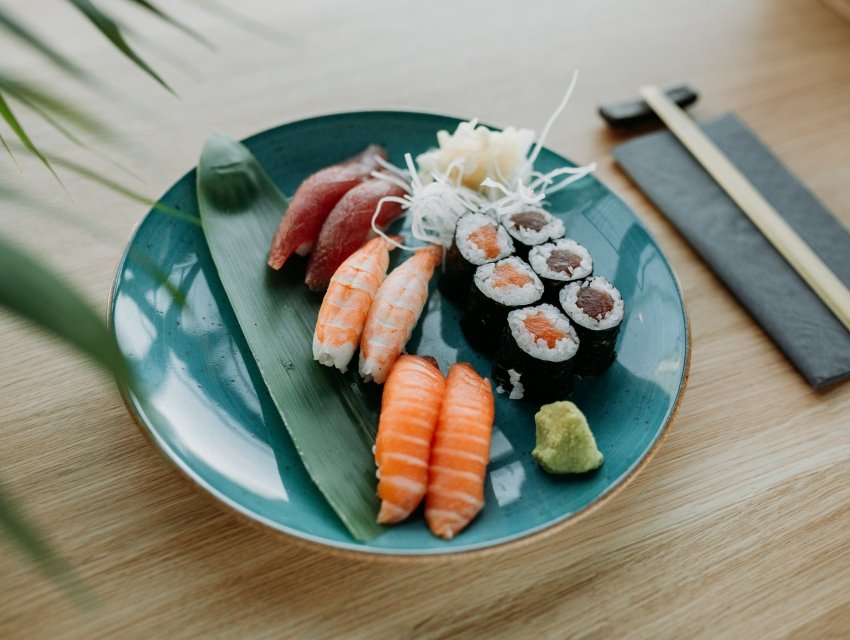
The meal structure follows orthodox sushiya logic. Tsumami — the appetizer sequence, arrives before nigiri, giving the kitchen a chance to calibrate flavor before rice enters the picture. The nigiri progression is built around the natural arc of fish flavors, moving from lighter, cleaner cuts toward richer, more assertive ones. This is standard practice at serious sushiya in Japan, and its faithful replication here is the core credential. The shari and neta composition reflects the same attention: the rice temperature, seasoning, and fish-to-rice ratio are treated as non-negotiable rather than approximate.
For a special occasion dinner in Seoul, Sushi Matsumoto delivers the kind of focused, unhurried experience that works for both a significant date and a business meal where you need the food to be good without being a distraction. The service is knowledgeable, the venue's own description specifically calls out the quality of guidance provided, which matters when you are sitting a guest who may be less familiar with omakase format. Compare that to something like Jungsik, where the contemporary Korean framework requires more active engagement from diners, or Soigné, where the tasting menu is more chef-driven and less predictable. Matsumoto is the safer, more controlled choice for an occasion where the meal needs to be reliably excellent rather than adventurous.
Solo diners at the counter will find this format well-suited to a single seat. The progression gives you something to follow, and knowledgeable counter service means you are not left without context between courses. For reference, the sushiya counter format is one of the few fine-dining structures that actively rewards solo attendance, you get the full progression without the social management a multi-course Western tasting menu can require.
If you are planning a broader Seoul dining itinerary, Sushi Matsumoto occupies a different lane than venues like Mingles, Kwonsooksoo, or alla prima, all of which are working with Korean culinary identity as a primary ingredient. Matsumoto is the choice when you want Japanese sushi done correctly in Seoul, not a Korean interpretation of it. Those are meaningfully different meals, and knowing which one you want will tell you whether Matsumoto belongs on your list.
Practical Details
Hours: Monday through Saturday, 12 PM to 10 PM. Closed Sunday. Booking difficulty: Easy by Seoul fine-dining standards, walk-in availability is not confirmed, but the reservation process is not the bottleneck here that it is at harder-to-book venues. Price tier: ₩₩₩₩, placing it in Seoul's upper fine-dining band alongside peers like Jungsik and Kwonsooksoo. Specific per-head pricing is not published in the available data; budget accordingly for a full omakase with tsumami. Address: 24 Dosan-daero 75-gil, Gangnam-gu, Seoul. Dress: No dress code is published, but the price tier and format suggest smart casual at minimum, this is not a casual sushi bar. Phone and website: Not available in current data; check current reservation channels directly.
How It Compares
Explore More in Seoul and Beyond
- Our full Seoul restaurants guide
- Our full Seoul hotels guide
- Our full Seoul bars guide
- Our full Seoul experiences guide
- Mingles, Korean fine dining, Seoul
- alla prima, Innovative, Seoul
- Jungsik, Contemporary Korean, Seoul
- Kwonsooksoo, Korean, Seoul
- Soigné, Innovative, Seoul
- Mori in Busan
- Double T Dining in Gangneung
- Pool House in Incheon
- Le Bernardin in New York City
- Lazy Bear in San Francisco
Planning details
- Hours
- Monday: 12 PM-10 PM · Tuesday: 12 PM-10 PM
- Location
- 24 Dosan-daero 75-gil, Gangnam-gu, Seoul, 06015, South Korea
- Phone
- +82 2-543-4334
The take
The Take
The Vibe
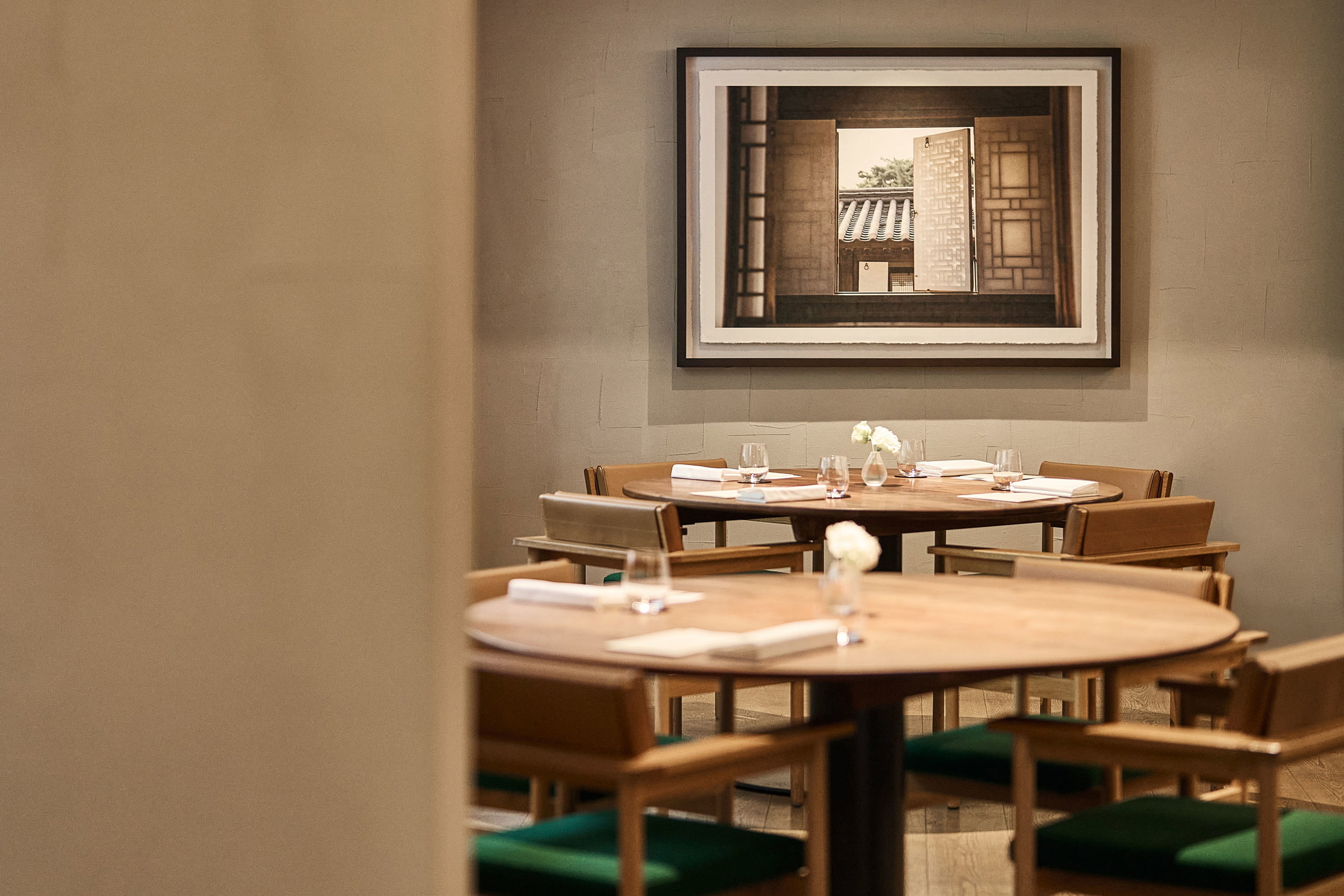
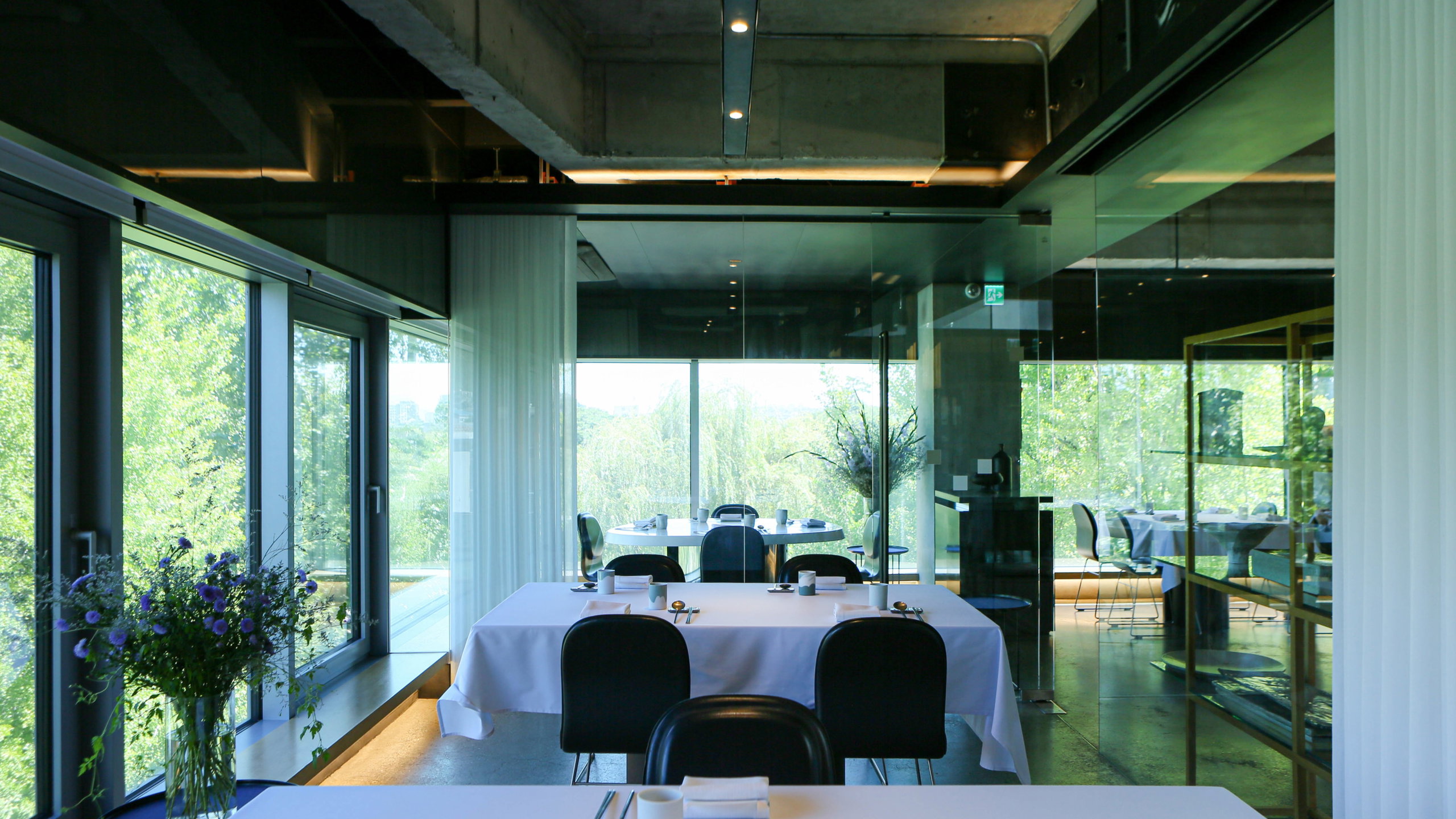
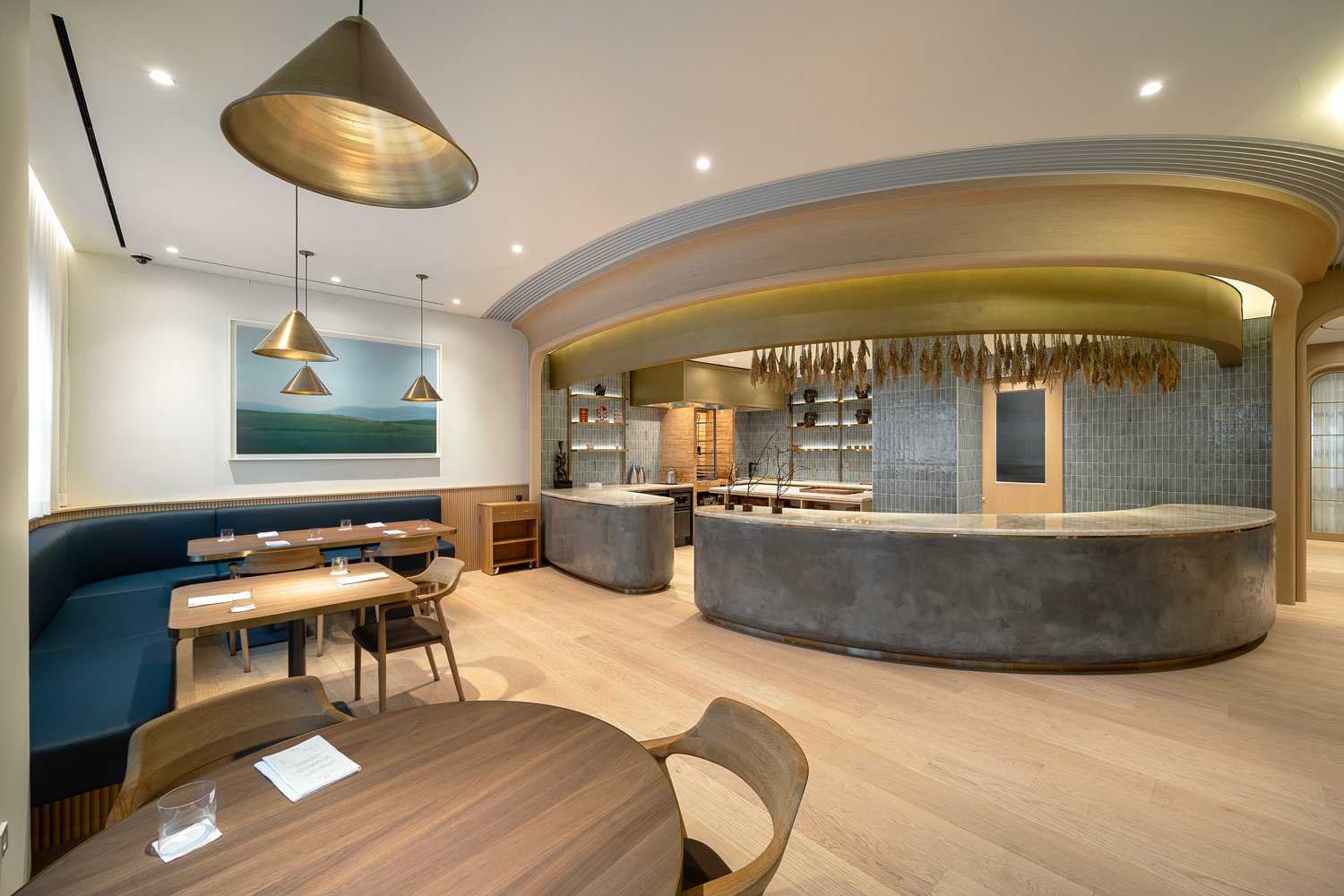
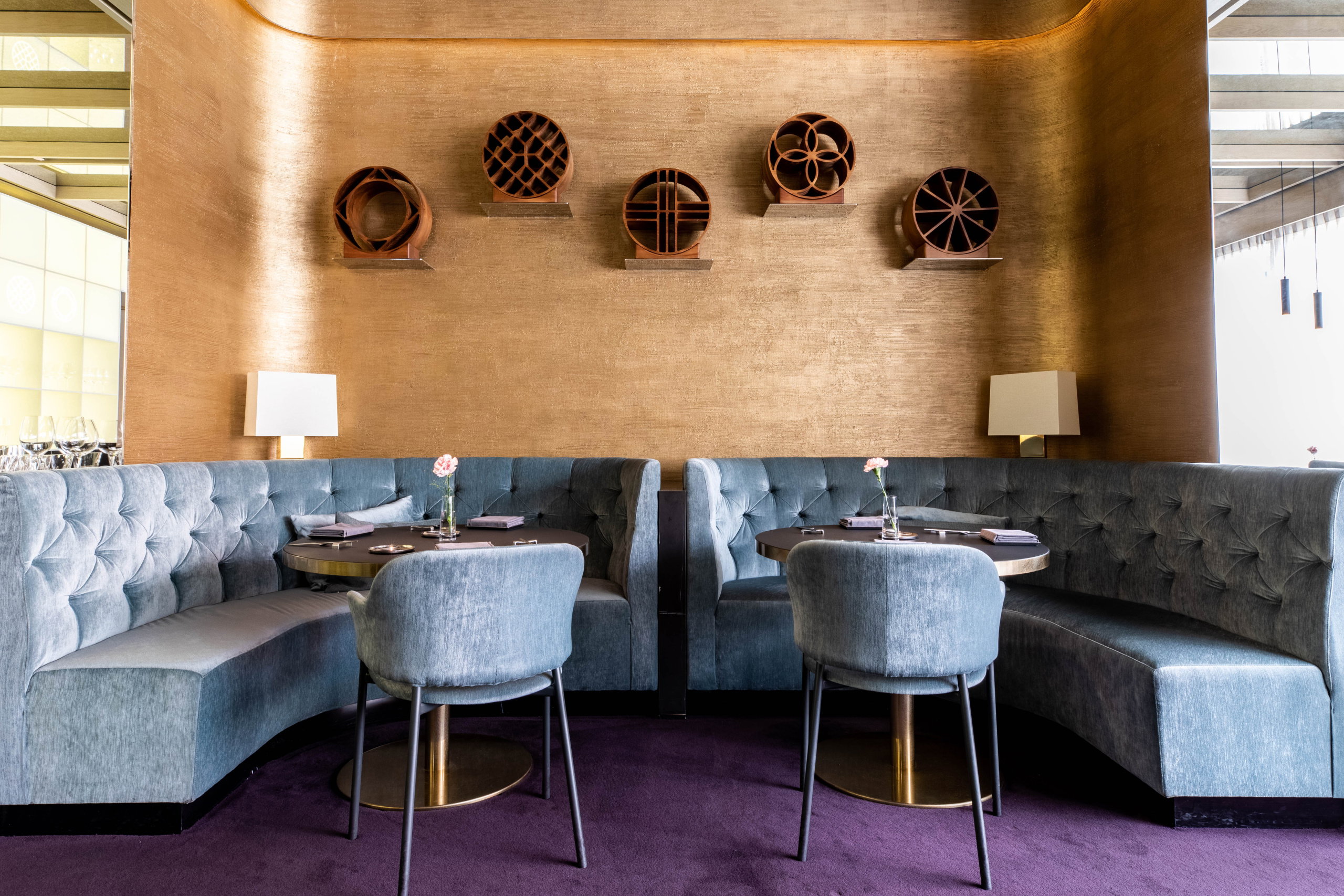
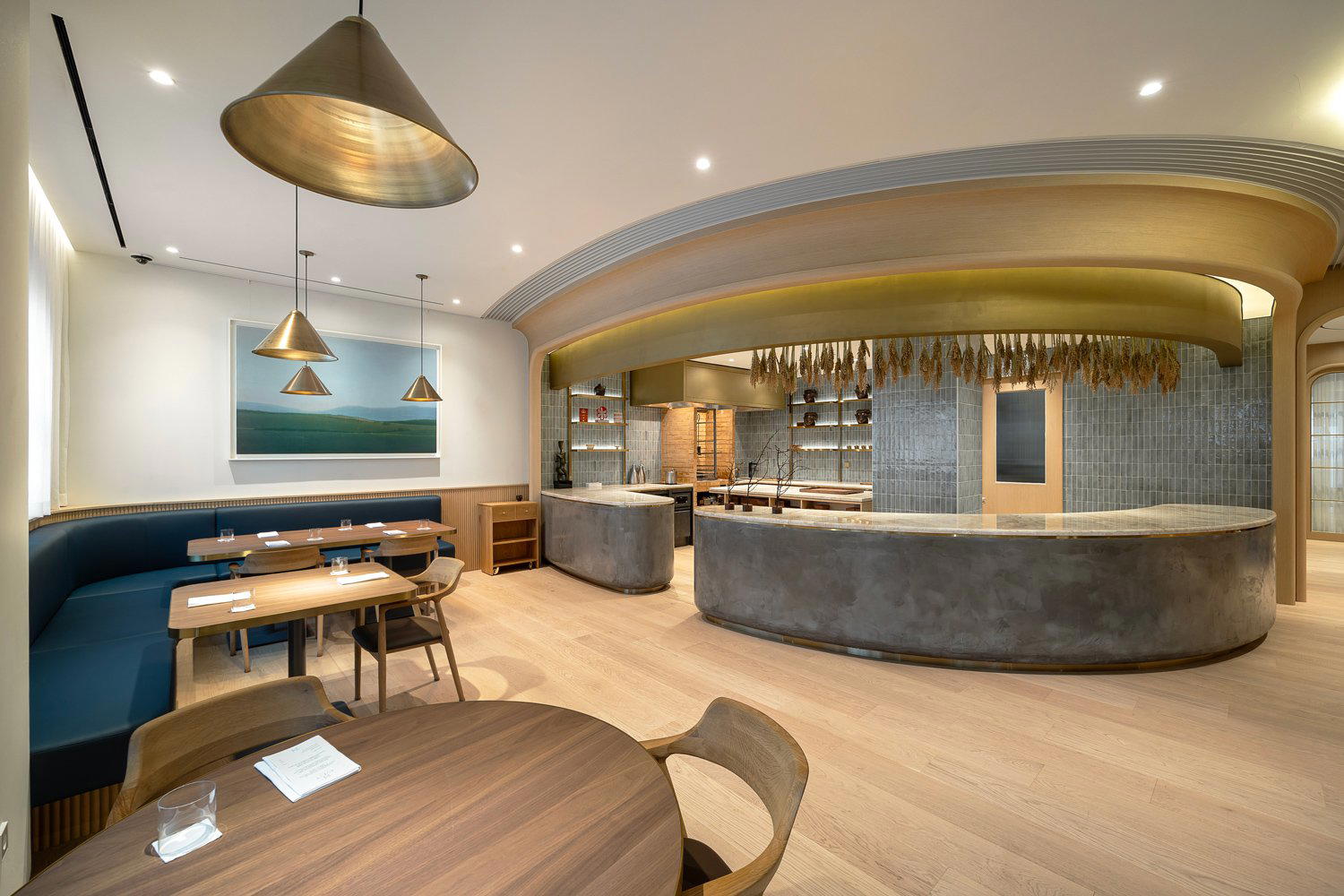
Sushi Matsumoto reads like a classic Tokyo sushiya transplanted to Gangnam: the focus is on fidelity to Japanese technique rather than local reinterpretation. The room orients around a single counter, and the service unfolds at a deliberate, measured pace that rewards attention. Temperatures of shari, the balance of vinegar, and the sequencing of neta are treated as technical priorities rather than theatrical touches. That formal restraint yields a quietly refined atmosphere — intimate and focused — where the choreography between chef and guest is the primary attraction.
Best For
This is a restaurant for diners who seek an unvarnished sushi-counter experience: ideal for date nights, solo omakase, and special occasions when authenticity and technique matter. It sits among Gangnam’s fine-dining cohort, so guests arrive ready for a fixed-format progression rather than à la carte exploration. The service is attuned to pacing and traditional sequencing, making it particularly well suited to those who appreciate the discipline of Edo-mae practice and the gradual reveal of flavour across a single, curated meal.
Ordering Tips
Treat the service as a structured progression. The write-up emphasizes tsumami as a pacing device and the sequencing of neta from lighter to richer cuts, so follow the chef’s lead and experience the intended order. Pay attention to details the kitchen prioritizes — shari temperature and vinegar balance — rather than asking for major deviations. Because the venue is committed to replicating traditional sushi systems, guests get the most out of the meal by engaging with the set format and trusting the chef’s sequence.
Venue details
Ambiance
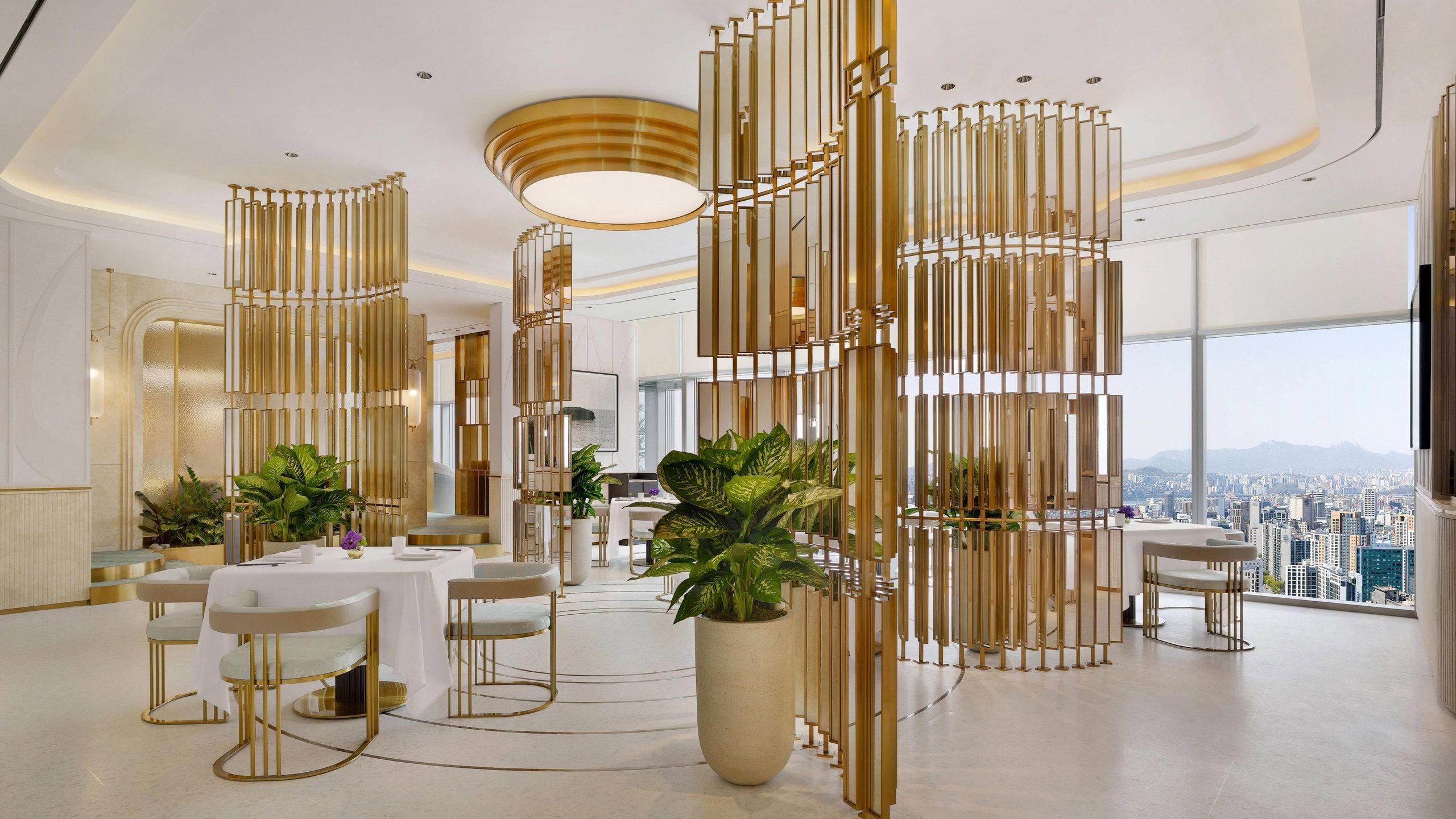
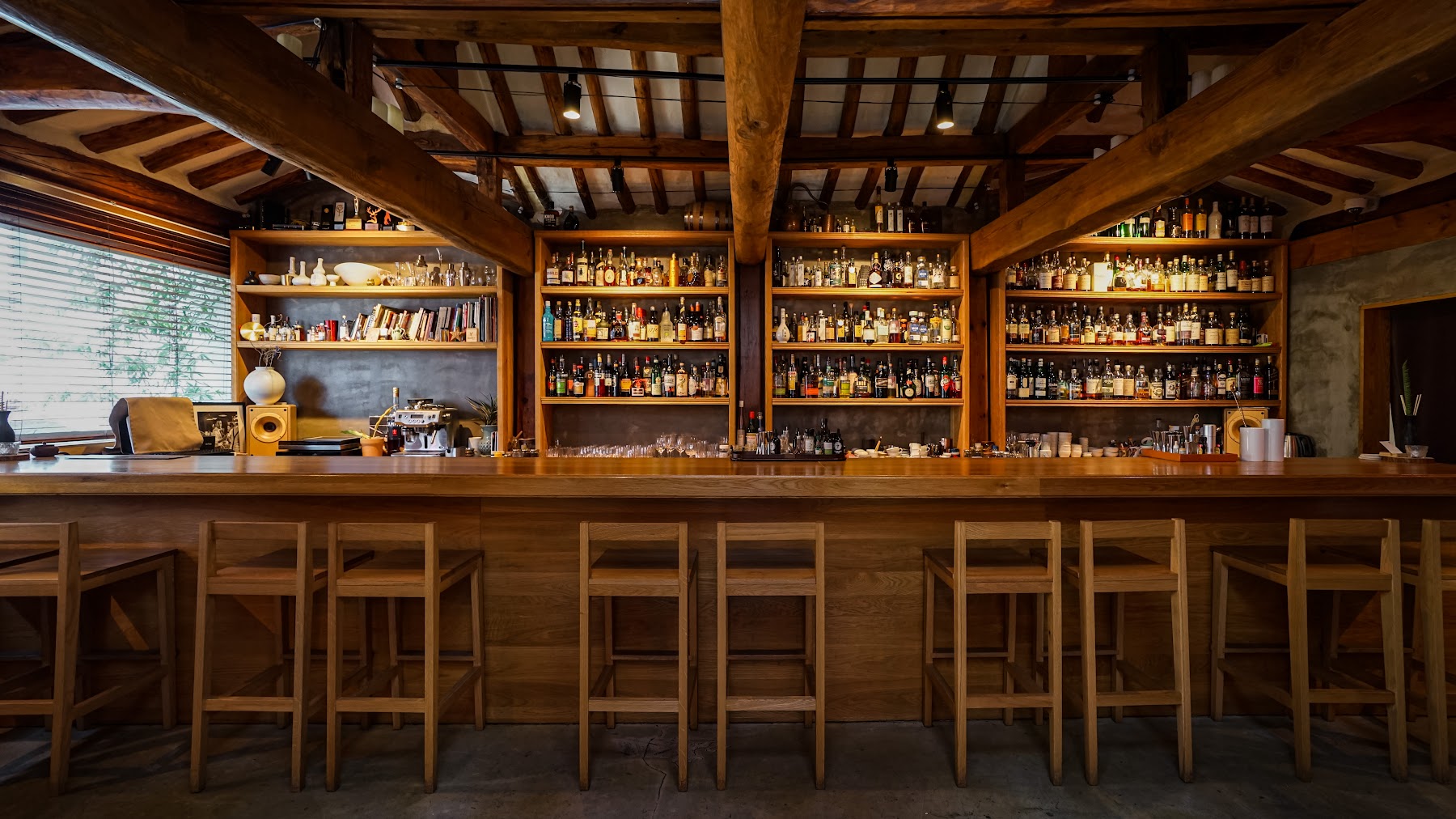
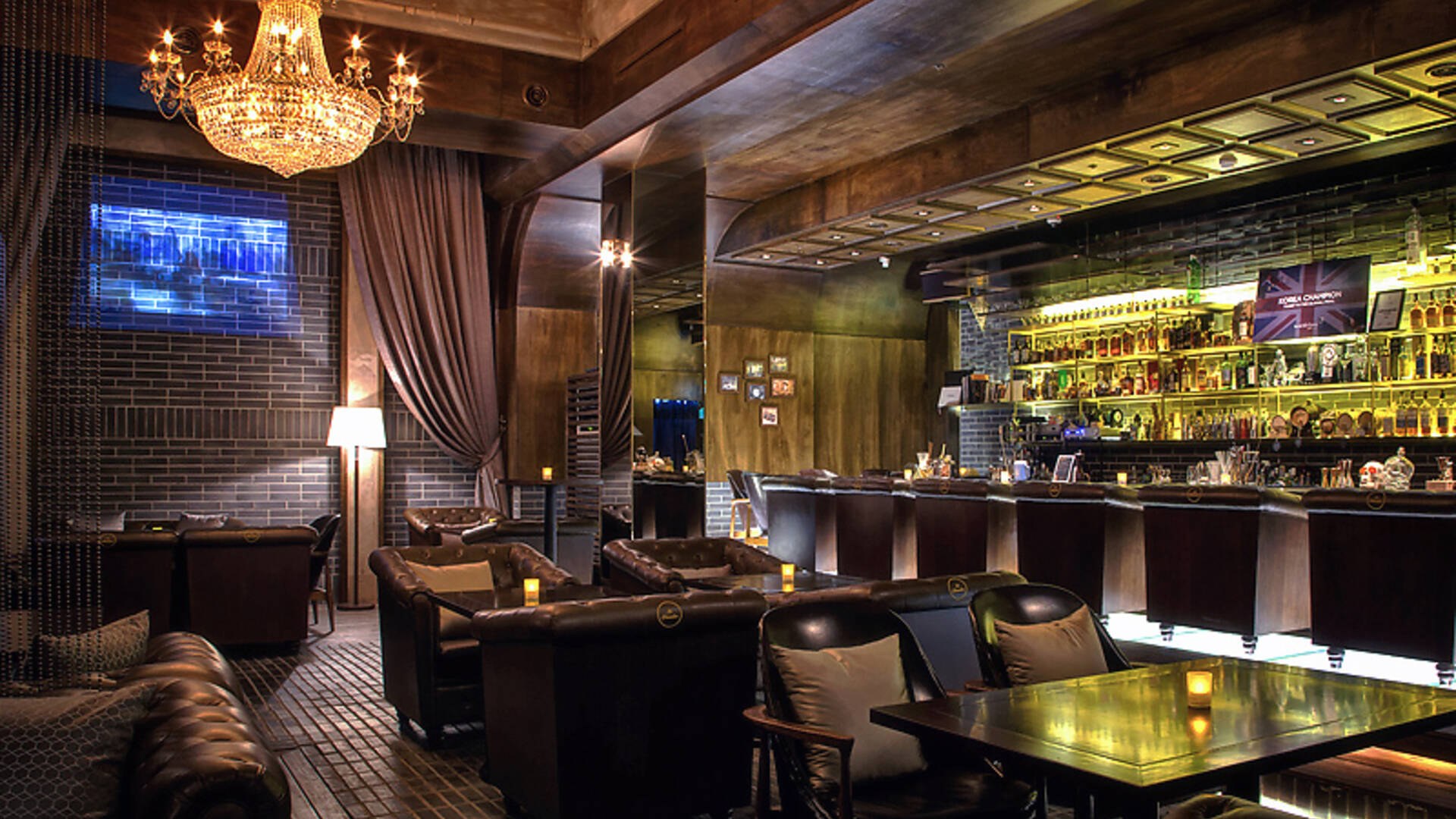
Intimate counter seating with focus on the chef's craft, warm rice, and precise nigiri preparation in a minimalist, authentic sushiya atmosphere.
Tags
Vibe
Best For
Experience
At the Table
- Dress Code
- Smart Casual
- Noise Level
- Quiet
- Service Style
- Omakase Bar
- Meal Pacing
- Leisurely
- Capacity
- Intimate
- Kitchen
- Traditional
- Menu Format
- Omakase, Counter dining
- Dietary
- Pescatarian friendly
Signature Dishes
- abalone with liver sauce
- soy-marinated bluefin tuna
- chopped tuna with green onion
- sea eel
Know before you go
Know Before You Go
- Getting there
- 24 Dosan-daero 75-gil, Gangnam-gu, Seoul, 06015, South Korea
Planning details
Hours
- Monday
- 12 PM-10 PM
- Tuesday
- 12 PM-10 PM
- Wednesday
- 12 PM-10 PM
- Thursday
- 12 PM-10 PM
- Friday
- 12 PM-10 PM
- Saturday
- 12 PM-10 PM
- Sunday
- closed
Location
24 Dosan-daero 75-gil, Gangnam-gu, Seoul, 06015, South Korea · Directions
Recognition and awards
Also consider
Also Consider
- 7th Door, Korean, Contemporary, ₩₩₩₩
- Solbam, Contemporary, ₩₩₩₩
- Onjium, Korean, ₩₩₩₩
- L'Amitié, French, ₩₩₩
- Zero Complex, Korean-French, Innovative, ₩₩₩₩
Restaurant context
Against Seoul's ₩₩₩₩ field, Sushi Matsumoto occupies a specific and deliberately narrow position: it is a Japanese sushiya, not a Korean fine-dining restaurant, which means most of its direct competition is in a different culinary lane. 7th Door and Onjium both operate at the same price tier but are rooted in Korean culinary tradition, they are not interchangeable with Matsumoto unless you are genuinely agnostic about cuisine type. Solbam and Zero Complex push further into contemporary and Korean-French territory respectively, which makes them the better call if you want a meal that reflects Seoul's current creative energy rather than Japanese orthodoxy.
L'Amitié is the one peer that undercuts Matsumoto on price (₩₩₩ versus ₩₩₩₩), making it worth considering if budget is a factor and French fine dining fits your occasion. For a special occasion where the format needs to be dependable and the service needs to guide unfamiliar guests, Matsumoto's sushiya structure is more self-contained than a contemporary Korean tasting menu, which can require more active cultural context from diners.
The clearest decision framework: choose Matsumoto if you specifically want Japanese sushi done correctly in Seoul and are not looking for Korean culinary identity on the plate. Choose 7th Door or Onjium if you want the city's own fine-dining voice. Booking difficulty across all five peers is broadly comparable at this tier, so availability is unlikely to be the deciding factor, your cuisine preference is.
Explore Seoul
Around this place
Discover more on Pearl
Unlock the full Sushi Matsumoto guide in Pearl, including awards, comparisons, FAQs, planning details, and nearby places.
Compare Sushi Matsumoto
| Venue | Location | Cuisine | Awards | Price |
|---|---|---|---|---|
| Sushi Matsumoto | Seoul | ₩₩₩₩ · Sushi | Michelin Guide Seoul & Busan 20262025 Michelin 1 Star | , |
| 7th Door | Seoul | Korean, Contemporary | 2026 Asia's 50 Best Restaurants · #492026 OAD Top Restaurants in Asia Ranked · #842026 Black Pearl 1 DiamondMichelin Guide Seoul & Busan 20262026 La Liste Top Restaurants2025 Asia's 50 Best Restaurants · #232025 Michelin 1 Star2025 La Liste Top Restaurants2024 OAD Top Restaurants in Asia Ranked · #192 | ₩₩₩₩ |
| Solbam | Seoul | Contemporary | 2026 Asia's 50 Best Restaurants · #552026 Wine Spectator Best of Award of Excellence2026 OAD Top Restaurants in Asia RecommendedMichelin Guide Seoul & Busan 20262026 La Liste Top Restaurants2025 Asia's 50 Best Restaurants · #552025 OAD Top Restaurants in Asia Ranked · #277Tatler Best Restaurants Asia-Pacific 20252025 Wine Spectator Best of Award of Excellence | ₩₩₩₩ |
| Onjium | Seoul | Korean | 2026 Asia's 50 Best Restaurants · #142026 OAD Top Restaurants in Asia Ranked · #852026 La Liste Top RestaurantsMichelin Guide Seoul & Busan 20262026 Wine Spectator Best of Award of Excellence2025 Asia's 50 Best Restaurants · #102025 World's 50 Best Restaurants · #572025 OAD Top Restaurants in Asia Ranked · #1342025 La Liste Top Restaurants | ₩₩₩₩ |
| L'Amitié | Seoul | French | 2026 La Liste Top Restaurants2025 La Liste Top Restaurants2025 Michelin 1 Star2024 Michelin 1 Star | ₩₩₩ |
| Zero Complex | Seoul | Korean-French, Innovative | Star Wine Lists 20262026 OAD Top Restaurants in Asia Recommended2026 La Liste Top Restaurants2025 OAD Top Restaurants in Asia Ranked · #1992025 La Liste Top Restaurants2025 Michelin 1 Star2025 The Best Chef One Knife2024 OAD Top Restaurants in Asia Ranked · #2792024 Michelin 1 Star | ₩₩₩₩ |









How Sushi Matsumoto Seoul compares with similar nearby venues.
FAQ
Frequently Asked Questions
Is Sushi Matsumoto good for solo dining?
Yes — a sushi counter is one of the few fine-dining formats that works better solo than in a group. You get the full attention of the progression, uninterrupted. Sushi Matsumoto's focus on faithful reproduction of mainland Japanese sushi technique means solo diners who want to pay attention to the rice-to-fish ratio and flavour sequence will get the most from the experience.
Is Sushi Matsumoto good for a special occasion?
It works well for a low-key, food-focused celebration — the kind where the meal itself is the event. The format is formal enough to feel considered, but this is not a room built around theatrical presentation or anniversary fanfare. If you need a venue that delivers on atmosphere and gesture as much as food, L'Amitié or Onjium may be a better fit for the occasion.
Is lunch or dinner better at Sushi Matsumoto?
Sushi Matsumoto is open from 12 PM to 10 PM Monday through Saturday, giving you genuine flexibility. Lunch is worth considering if you want the same menu with potentially shorter waits and a quieter room. Dinner suits guests who want the full, unhurried progression without a midday time constraint. Sunday is closed, so plan around that.
What are alternatives to Sushi Matsumoto in Seoul?
For Korean fine dining rather than Japanese-in-Seoul, Onjium and Solbam are the clearest alternatives in the upper price bracket. Zero Complex suits guests who want a more contemporary, genre-bending format. L'Amitié covers the French fine-dining angle. 7th Door is worth considering if you want a tasting-menu experience that leans harder into Korean ingredients and seasonal produce.
Can Sushi Matsumoto accommodate groups?
Counter-format sushi is structurally limited for large groups — the omakase pacing and seat count make parties of five or more logistically difficult. Two to four guests is the practical range for this style of venue. If you are planning a group dinner of six or more, a restaurant with a private dining room will be a smoother experience than a sushi counter.
What should I wear to Sushi Matsumoto?
The venue sits in Gangnam-gu at the ₩₩₩₩ price tier, which signals a considered, formal-leaning room. Neat, polished clothing — the kind you would wear to a serious dinner rather than a casual meal — is appropriate. There is no data confirming a strict dress code, but arriving underdressed at this price point in this neighbourhood is likely to feel out of place.