
Seoryung
Memil-guksu · 소공동, Seoul
Restaurant in Seoul, South Korea
 Book with Pearl
The Read
Buckwheat Noodle Precision
Price
$10–20per person
Chef
Jeong Jong-mun
Dress
Casual
Why go
Seoryung is Seoul's clearest recommendation for serious <em>memil-guksu</em> (buckwheat noodles) at an accessible price. Easy to book, ₩-tier pricing, and a focused ingredient-led menu make it a practical priority for food-focused visitors to Jung-gu.
About Seoryung
Verdict: A Bib Gourmand buckwheat noodle specialist that earns its repeat visits
Seoryung is easy to book and genuinely worth the effort. This Jung-gu address has earned back-to-back Michelin Bib Gourmand recognition in 2024 and 2025, which in Seoul's noodle category is a meaningful credential, the Bib signals exceptional quality at a price that won't strain a budget set at ₩ per head. If you are looking for serious memil-guksu (buckwheat noodles) in central Seoul and want the assurance of independent verification behind the bowl, Seoryung is the clearest answer in its category. For those who want to explore comparable noodle-focused spots, Yurimmyeon and Yangyang Memil Makguksu offer useful points of comparison, but Seoryung's consecutive Bib recognition sets it apart in the field.
What Seoryung Is
Seoryung is a specialist restaurant focused on memil-guksu, the Korean buckwheat noodle tradition that draws on the same grain family as Japanese soba but follows its own preparation logic. Chef Jeong Jong-mun runs the kitchen at 10 Sowol-ro in Jung-gu, one of Seoul's more grounded central neighbourhoods, away from the high-gloss dining corridors of Gangnam or the tasting-menu circuit in Jongno. The address puts Seoryung close enough to the city's core to make it accessible for most itineraries, and the ₩ price tier means it fits without planning around a special-occasion budget.
The editorial angle worth understanding here is sourcing. Memil, buckwheat, is an ingredient where provenance matters significantly. Korean buckwheat has a distinct earthy, slightly bitter aromatic character, and the quality of the grain determines whether the finished noodle has structural integrity and depth or turns limp and generic. Restaurants working at this level in Seoul tend to be deliberate about where their buckwheat comes from, because the grain's natural oils oxidise quickly and inferior or poorly stored stock produces a flat result. The aroma of freshly prepared buckwheat noodles is one of the clearest quality signals in this category: a faint nuttiness, a clean earthiness, nothing stale. At a venue earning consecutive Bib recognition, the sourcing discipline is implied, the Michelin inspectors are tasting this repeatedly, across visits, across seasons.
For the food-focused traveller who wants depth rather than novelty, Seoryung represents a direct line into one of Korea's older noodle traditions without the mediation of a tasting-menu format or a prix-fixe commitment. This is a place where the ingredient is the point. Compare that to somewhere like Mingles, which operates in the contemporary Korean fine-dining register at a far higher price tier, or alla prima, which approaches Korean ingredients through an innovative lens. Seoryung does the opposite: it narrows the focus and goes deep on a single tradition.
A useful parallel for international visitors: this is closer in spirit to a dedicated soba specialist in Tokyo than to a general Korean restaurant. The analogy to something like Le Bernardin's fish-focused discipline or Atomix's ingredient-led Korean tasting approach is structural rather than stylistic, Seoryung's commitment to a single ingredient category is where the seriousness shows.
It is a more useful data point than a single high-end review at this price level.
Seoul has a number of strong noodle options at the Bib Gourmand tier, and you will find useful alternatives through Mijin and, for those travelling beyond the capital, Mori in Busan offers a different regional register. But within central Seoul for memil-guksu specifically, Seoryung's combination of track record, price point, and accessibility makes it the most practical recommendation.
Know Before You Go
- Address: 10 Sowol-ro, Jung-gu, Seoul, 04527, South Korea
- Cuisine: Memil-guksu (buckwheat noodles)
- Price tier: ₩, budget-friendly, no special-occasion spend required
- Awards: Michelin Bib Gourmand 2024 and 2025
- Booking difficulty: Easy, no significant lead time required
- Chef: Jeong Jong-mun
- Leading for: Solo diners, food-focused travellers, noodle tradition seekers
- Dress code: Not specified, casual appropriate for the price tier
- Phone / website: Not listed, check arrival logistics in advance
How It Compares
See the full comparison below. Seoryung sits at a completely different price tier from the ₩₩₩₩ venues in its peer set, which is the most immediate practical distinction. Solbam, Onjium, 7th Door, and Zero Complex are all operating in the tasting-menu or fine-dining register where a meal costs several times what Seoryung charges. L'Amitié at ₩₩₩ sits closer but is a French-format restaurant with a different occasion profile. If your Seoul dining budget is limited and you want quality, Seoryung is the clearest value recommendation in this peer group. If you want contemporary Korean cuisine at a higher price point, 7th Door or Onjium is the direction to go.
Explore More in Seoul
For a broader view of dining, drinking, and staying in Seoul, see our guides: Seoul restaurants, Seoul hotels, Seoul bars, Seoul wineries, and Seoul experiences. If you are travelling further, Baegyangsa Temple in Jangseong-gun, Kwon Sook Soo in Gangnam-gu, The Flying Hog in Seogwipo, Double T Dining in Gangneung, and Market Café in Incheon are worth noting for multi-city itineraries.
Planning details
- Location
- 10 Sowol-ro, Jung-gu, Seoul, 04527, South Korea
- Phone
- +82 2-318-8766
The take
The Take
The Vibe
Seoryung reads as a quietly confident neighborhood specialist: it sits on Sowol-ro beneath Namsan and deliberately eschews spectacle in favor of a single-minded devotion to memil-guksu, the buckwheat noodle tradition. The restaurant's positioning — a step removed from the bustle of Myeongdong and Itaewon — reinforces a low-key, refined presence. That restraint is bolstered by recognition on the Michelin Bib Gourmand list for consecutive years, a marker of consistent, value-focused cooking rather than flash. Guests find a calm, tradition-forward atmosphere where technique and ingredient clarity take center stage.
Best For
Seoryung is best for diners seeking an authentic, ingredient-driven noodle experience rather than an extravagant tasting-menu evening. It suits locals and visitors who appreciate regional Korean traditions — families and groups who enjoy focused, hearty dishes, as well as solo diners looking for an accessible, reliably good meal. The restaurant's approachable price tier and concentration on memil-guksu mean it works well for lunch or dinner and for anyone who prioritizes craftsmanship and consistency over culinary spectacle.
Ordering Tips
Stick to the house specialties: try the Seoryung Sunmyeon (Pure Buckwheat Noodles) to sample the kitchen's core expertise, and order the Bibim Sunmyeon or Perilla Oil Sunmyeon for contrasting flavor profiles. For heartier options, the Korean Beef Sirloin Bulgogi and Jeyuk (Braised Pork Jowl) are listed signatures, and Mandoo (steamed dumplings) make a natural accompaniment. The restaurant's two-year Bib Gourmand recognition signals dependable cooking and good value, so prioritizing the signature memil-guksu dishes is a reliable way to experience what Seoryung does best.
Venue details
Ambiance
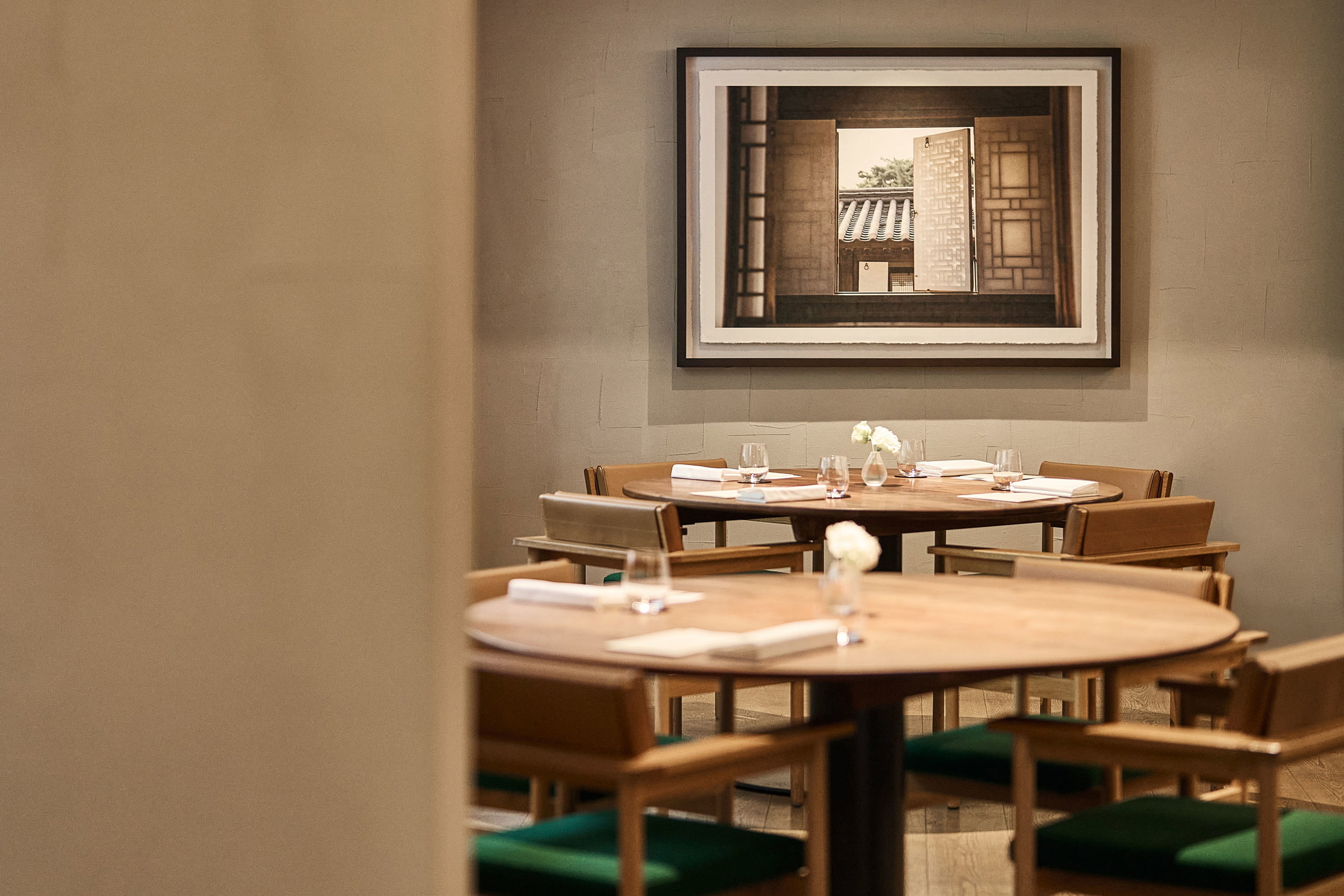
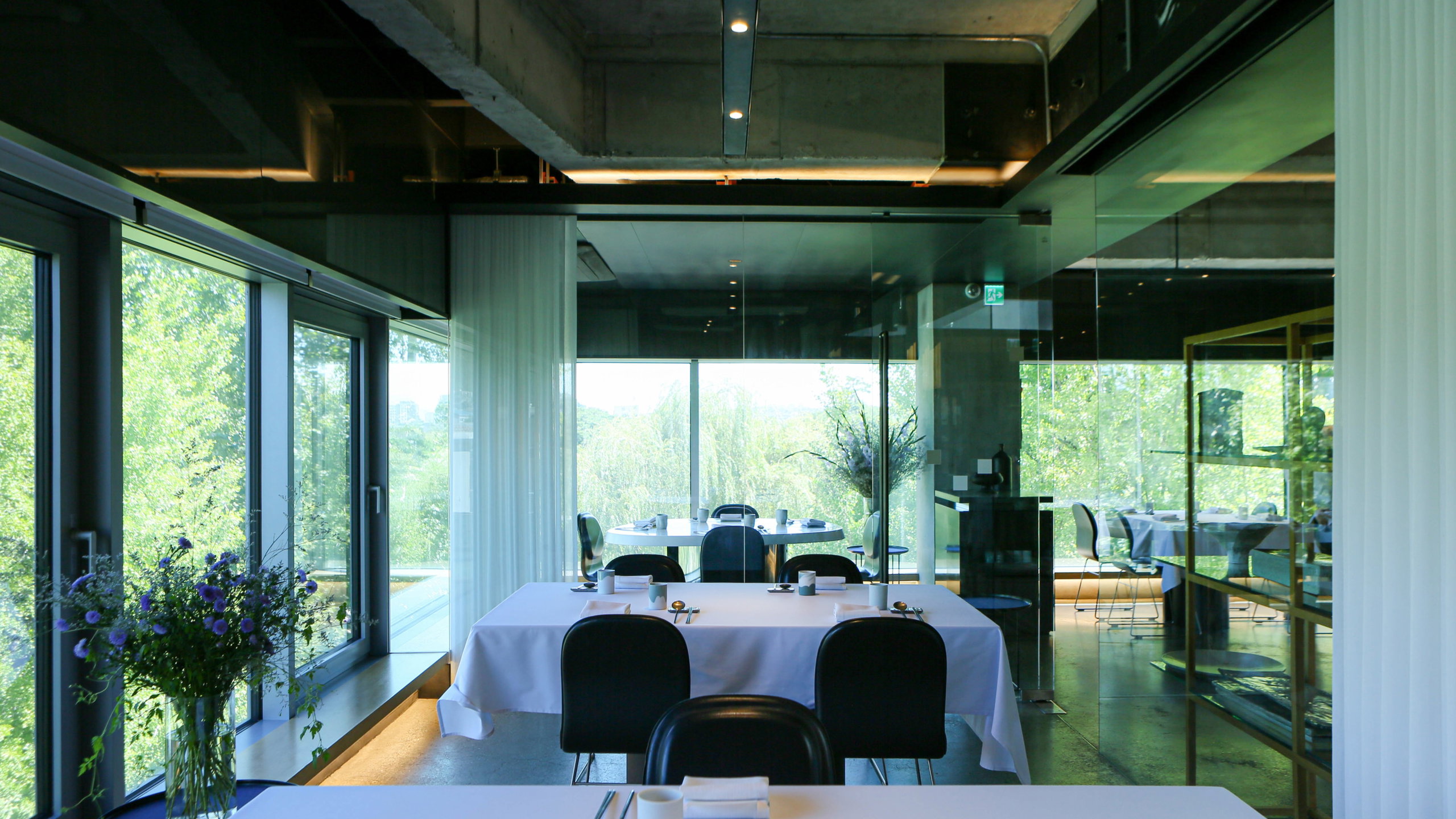
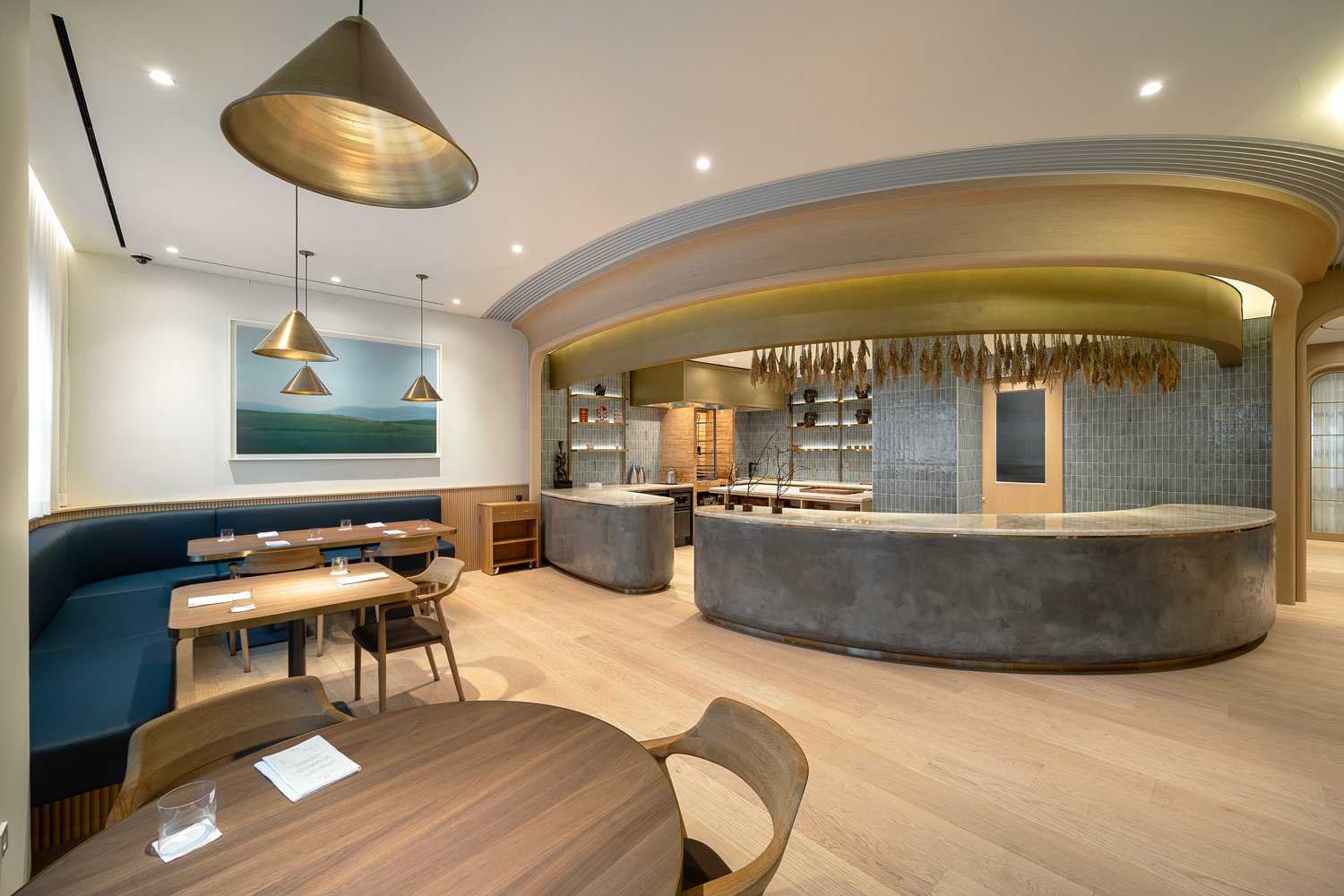
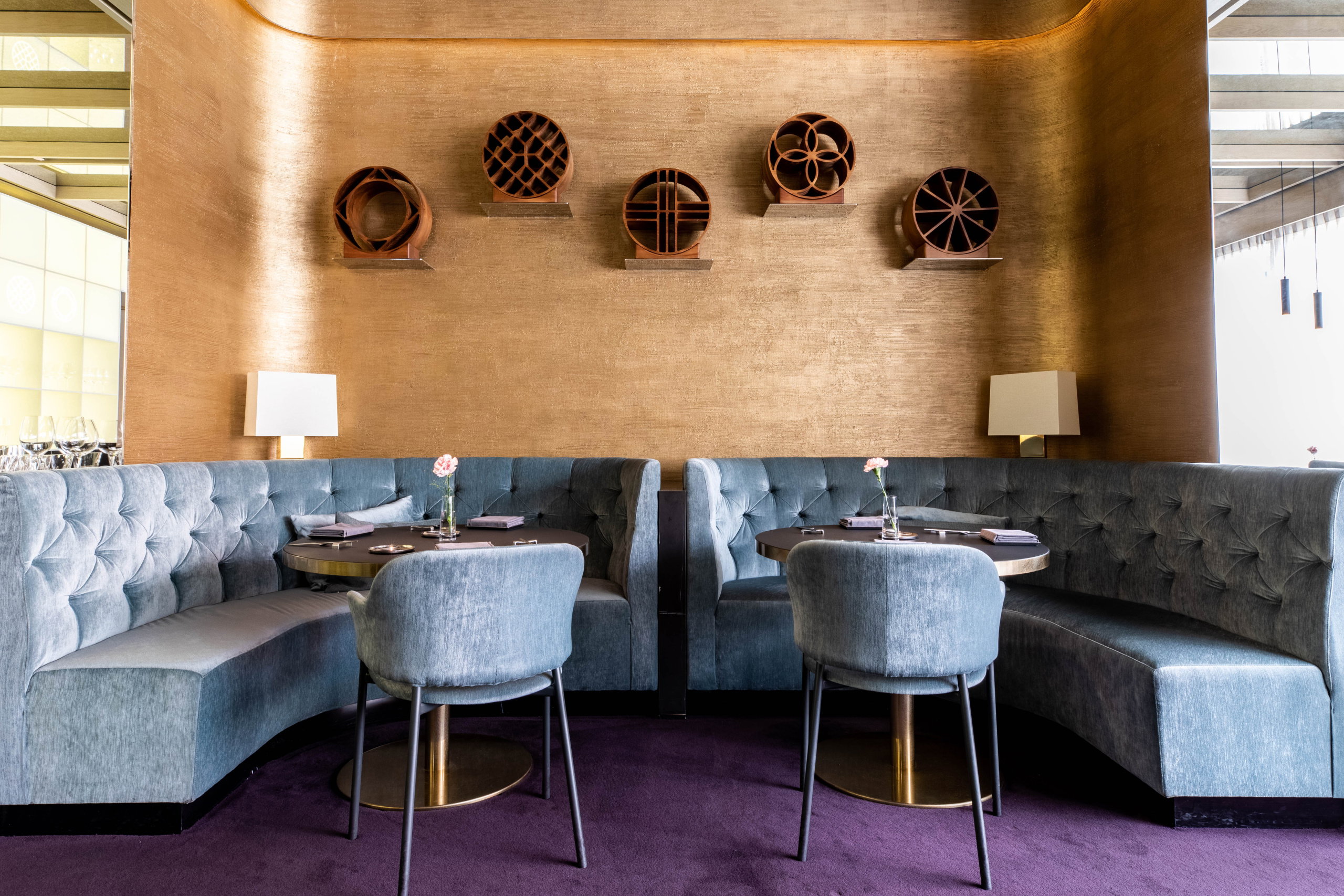
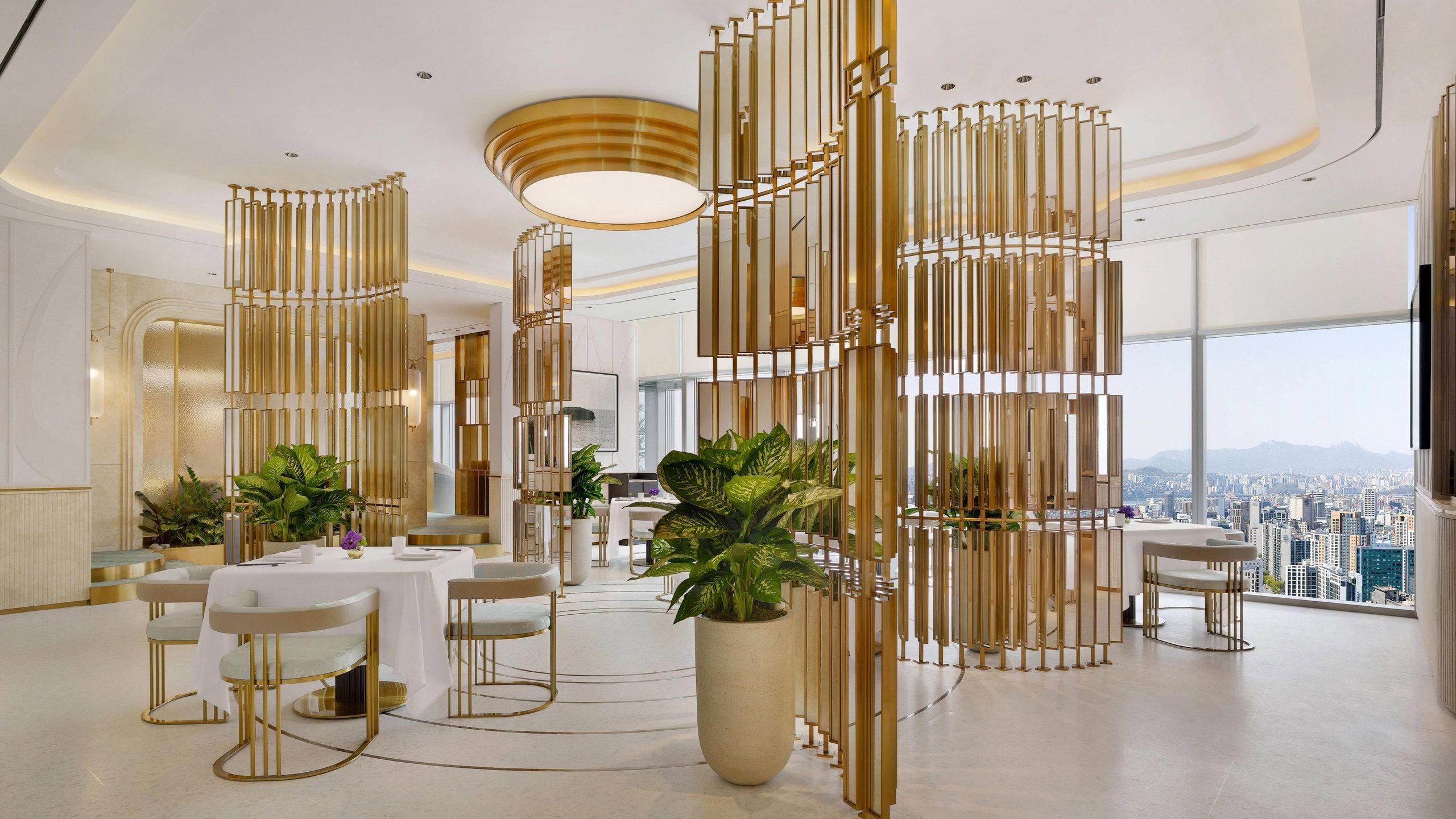
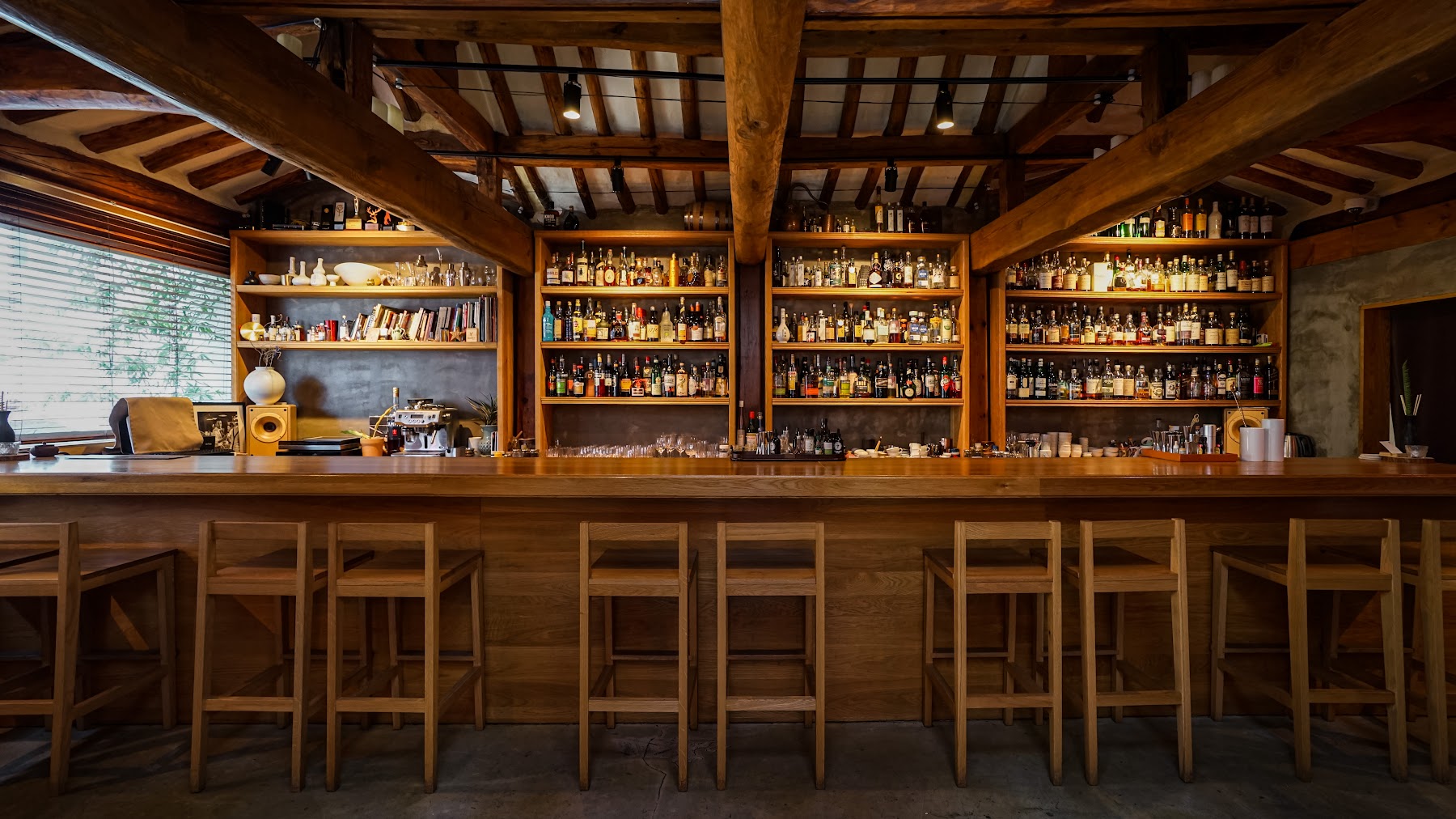
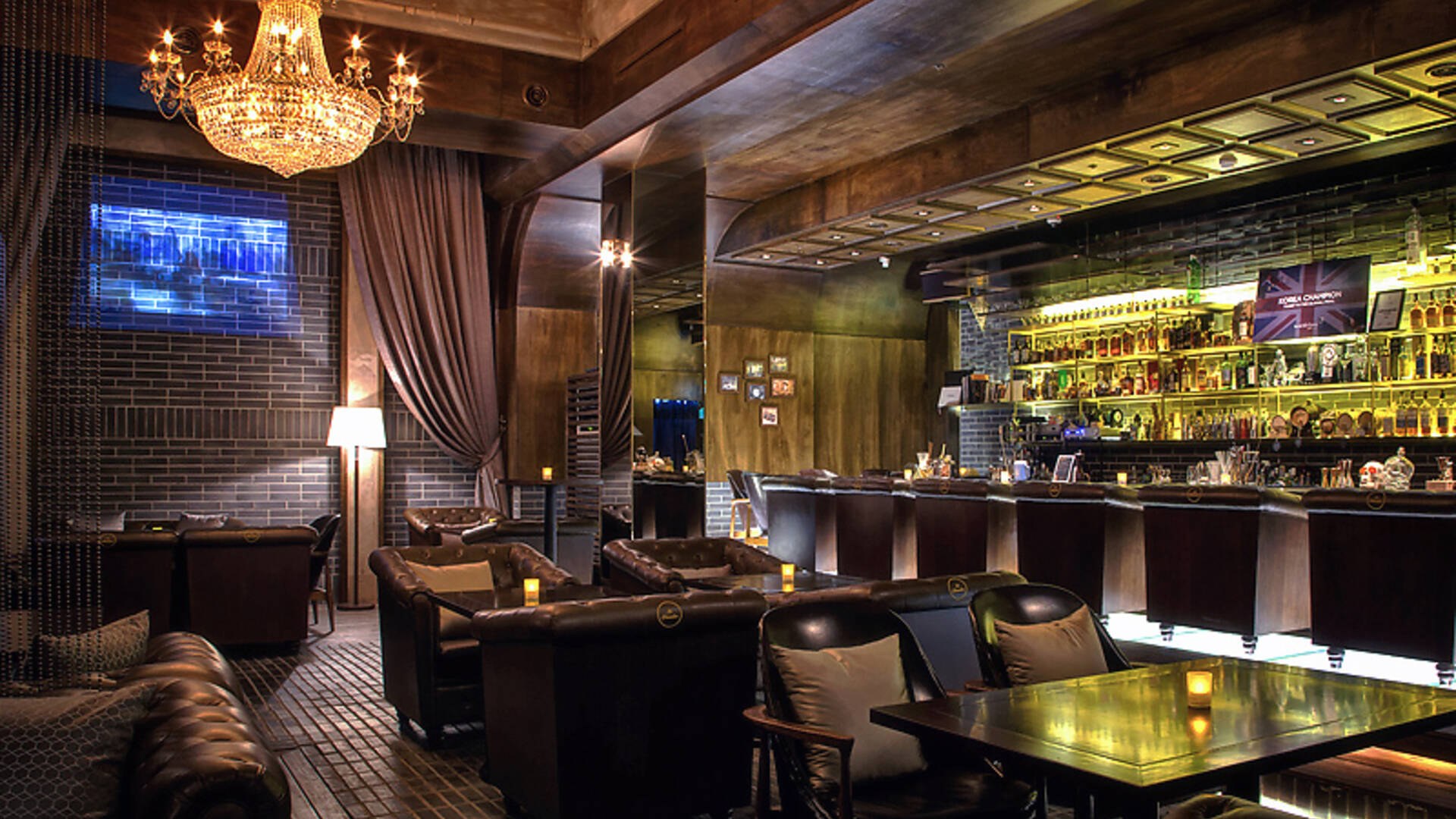
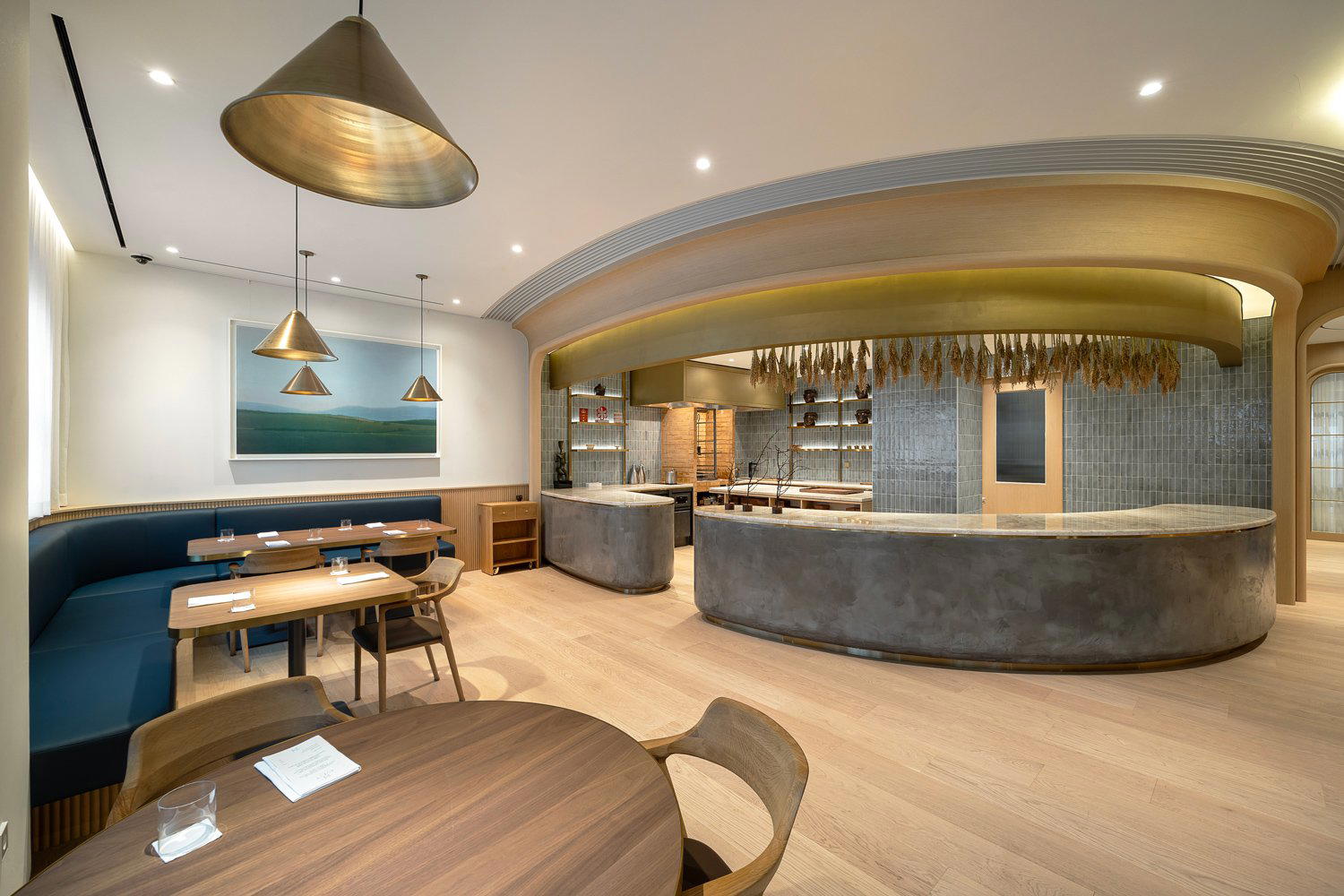
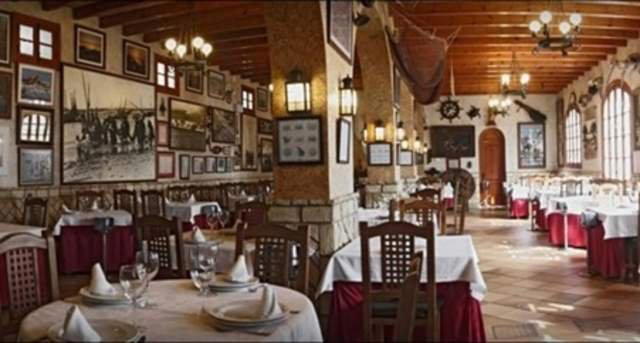
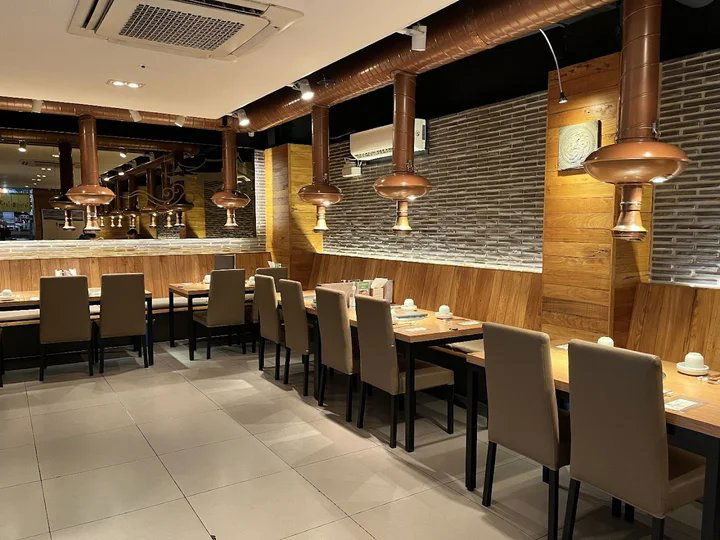
Modern, clean interior balancing contemporary design with traditional Korean aesthetics; peaceful and sophisticated yet casual, with a cozy vibe that feels both refined and welcoming.
Tags
Vibe
Best For
Experience
Sourcing
Accessibility
At the Table
- Dress Code
- Casual
- Noise Level
- Lively
- Service Style
- Upscale Casual
- Meal Pacing
- Standard
- Capacity
- Small
- Kitchen
- Traditional
- Menu Format
- A la carte, Family style
- Dietary
- Vegetarian friendly, Allergy accommodating
Signature Dishes
- Seoryung Sunmyeon (Pure Buckwheat Noodles)
- Bibim Sunmyeon
- Perilla Oil Sunmyeon
- Korean Beef Sirloin Bulgogi
- Jeyuk (Braised Pork Jowl)
- Mandoo (Steamed Dumplings)
Know before you go
Know Before You Go
- Getting there
- 10 Sowol-ro, Jung-gu, Seoul, 04527, South Korea
Planning details
Location
10 Sowol-ro, Jung-gu, Seoul, 04527, South Korea · Directions
Recognition and awards
Also consider
Also Consider
- Solbam, Contemporary, ₩₩₩₩
- Onjium, Korean, ₩₩₩₩
- 7th Door, Korean, Contemporary, ₩₩₩₩
- L'Amitié, French, ₩₩₩
- Zero Complex, Korean-French, Innovative, ₩₩₩₩
Restaurant context
The most immediate comparison point is price. Solbam, Onjium, 7th Door, and Zero Complex all sit at ₩₩₩₩, meaning a meal at any of them will cost several multiples of what Seoryung charges. For pure value against independent quality verification, Seoryung wins outright: two consecutive Bib Gourmands at a ₩ price point is a combination none of the ₩₩₩₩ peers can claim at this tier. If budget is a factor in your Seoul dining plan, Seoryung should be the first booking you confirm.
L'Amitié at ₩₩₩ is the closest in spend, but it runs a French format with a different occasion profile entirely, better suited to a longer dinner with wine than a focused noodle lunch. 7th Door and Onjium are the right choices when the occasion calls for contemporary Korean tasting menus with ceremony, a longer commitment, and a budget to match. Zero Complex at ₩₩₩₩ suits diners who want the Korean-French crossover format rather than a traditional grain-focused experience.
The practical recommendation: if you are building a balanced Seoul dining itinerary, book Seoryung for a standalone lunch and allocate one evening to either Onjium or 7th Door for the full tasting-menu experience. The two formats complement rather than duplicate each other. Trying to replicate Seoryung's specific noodle focus at the fine-dining tier is not straightforward, it occupies its lane without direct competition from the ₩₩₩₩ set.
Explore Seoul
Around this place
Discover more on Pearl
Unlock the full Seoryung guide in Pearl, including awards, comparisons, FAQs, planning details, and nearby places.
Compare Seoryung
| Venue | Price | Awards |
|---|---|---|
| Seoryung | ₩ | Michelin Guide Seoul & Busan 20262025 Michelin Bib Gourmand2024 Michelin Bib Gourmand |
| Solbam | ₩₩₩₩ | 2026 Asia's 50 Best Restaurants · #552026 Wine Spectator Best of Award of Excellence2026 OAD Top Restaurants in Asia RecommendedMichelin Guide Seoul & Busan 20262026 La Liste Top Restaurants2025 Asia's 50 Best Restaurants · #552025 OAD Top Restaurants in Asia Ranked · #277Tatler Best Restaurants Asia-Pacific 20252025 Wine Spectator Best of Award of Excellence |
| Onjium | ₩₩₩₩ | 2026 Asia's 50 Best Restaurants · #142026 OAD Top Restaurants in Asia Ranked · #852026 La Liste Top RestaurantsMichelin Guide Seoul & Busan 20262026 Wine Spectator Best of Award of Excellence2025 Asia's 50 Best Restaurants · #102025 World's 50 Best Restaurants · #572025 OAD Top Restaurants in Asia Ranked · #1342025 La Liste Top Restaurants |
| 7th Door | ₩₩₩₩ | 2026 Asia's 50 Best Restaurants · #492026 OAD Top Restaurants in Asia Ranked · #842026 Black Pearl 1 DiamondMichelin Guide Seoul & Busan 20262026 La Liste Top Restaurants2025 Asia's 50 Best Restaurants · #232025 Michelin 1 Star2025 La Liste Top Restaurants2024 OAD Top Restaurants in Asia Ranked · #192 |
| L'Amitié | ₩₩₩ | 2026 La Liste Top Restaurants2025 La Liste Top Restaurants2025 Michelin 1 Star2024 Michelin 1 Star |
| Zero Complex | ₩₩₩₩ | Star Wine Lists 20262026 OAD Top Restaurants in Asia Recommended2026 La Liste Top Restaurants2025 OAD Top Restaurants in Asia Ranked · #1992025 La Liste Top Restaurants2025 Michelin 1 Star2025 The Best Chef One Knife2024 OAD Top Restaurants in Asia Ranked · #2792024 Michelin 1 Star |









Key differences to consider before you reserve.
FAQ
Frequently Asked Questions
Does Seoryung handle dietary restrictions?
Buckwheat noodles are the core of what Seoryung does, which is a narrow menu by design. Buckwheat is naturally gluten-reduced but not gluten-free, and the menu is not suited to diners who cannot eat noodles or grain-based dishes. If you have specific allergen concerns, call ahead, the format is specialist enough that substitutions are unlikely.
Is Seoryung good for solo dining?
Yes, and it's one of the stronger solo options in Seoul at this price tier. A focused noodle menu at ₩ pricing means no awkward minimum spends, and the format doesn't require a group to make sense of the meal. The Bib Gourmand recognition confirms quality without the ceremony that makes solo dining feel odd at higher-end venues.
What are alternatives to Seoryung in Seoul?
For a completely different price and format, Onjium and 7th Door represent the fine-dining end of Seoul's Korean cuisine spectrum. If you want another Bib Gourmand-calibre experience with strong value, look at other recognised spots on Seoul's Bib list rather than trading up to ₩₩₩₩ venues. Seoryung is the right choice when the specific appeal is buckwheat noodles at an accessible price.
Is Seoryung good for a special occasion?
Only if the occasion calls for a low-key, food-first meal rather than an event. Seoryung's back-to-back Michelin Bib Gourmand credentials give it credibility, but the ₩ price point and specialist noodle format mean the setting is casual, not celebratory. For a milestone dinner, Onjium or L'Amitié would be a better fit. Seoryung works well as a deliberate, considered choice, not as a backdrop.