

Sanro
Japanese · 압구정동, Seoul
Restaurant in Seoul, South Korea
 Book with Pearl
The Read
Ingredient-Forward Kaiseki
Chef
Yoo Sung-yup
Dress
Smart Casual
Why go
Sanro is a Michelin Plate-recognised Japanese restaurant in Seoul's Gangnam District, holding a La Liste score of 77 points in both 2025 and 2026. At ₩₩₩₩, it is one of the most credentialed Japanese options in the neighbourhood that remains genuinely easy to book. A strong choice for a special occasion dinner where technique matters and a quieter, more focused room is the point.
About Sanro
Should You Book Sanro?
Getting a table at Sanro is easier than at many of Seoul's top-tier Japanese restaurants, which makes it one of the more accessible ₩₩₩₩ options in Gangnam right now. That booking reality matters: you are not fighting a three-month waitlist to eat here, but the recognition attached to this address, consecutive Michelin Plates in 2024 and 2025, plus a La Liste score of 77 points in both 2025 and 2026, signals a kitchen that has earned its place in the city's serious dining conversation. If you are planning a special occasion meal and want Japanese cuisine at the higher end of Seoul's price range without the reservation stress of a Michelin-starred counter, Sanro deserves a hard look.
The Restaurant
Sanro sits on the second floor of a Dosan-daero address in the Gangnam District, putting it in one of Seoul's densest concentrations of destination dining. Chef Yoo Sung-yup runs the kitchen, and the venue's consistent La Liste positioning over two consecutive years, a list that evaluates both technical quality and the overall experience, suggests a stable, repeatable level of execution rather than a flash-in-the-pan opening. For a diner deciding between this and newer, trendier options in the neighbourhood, that consistency is a meaningful signal.
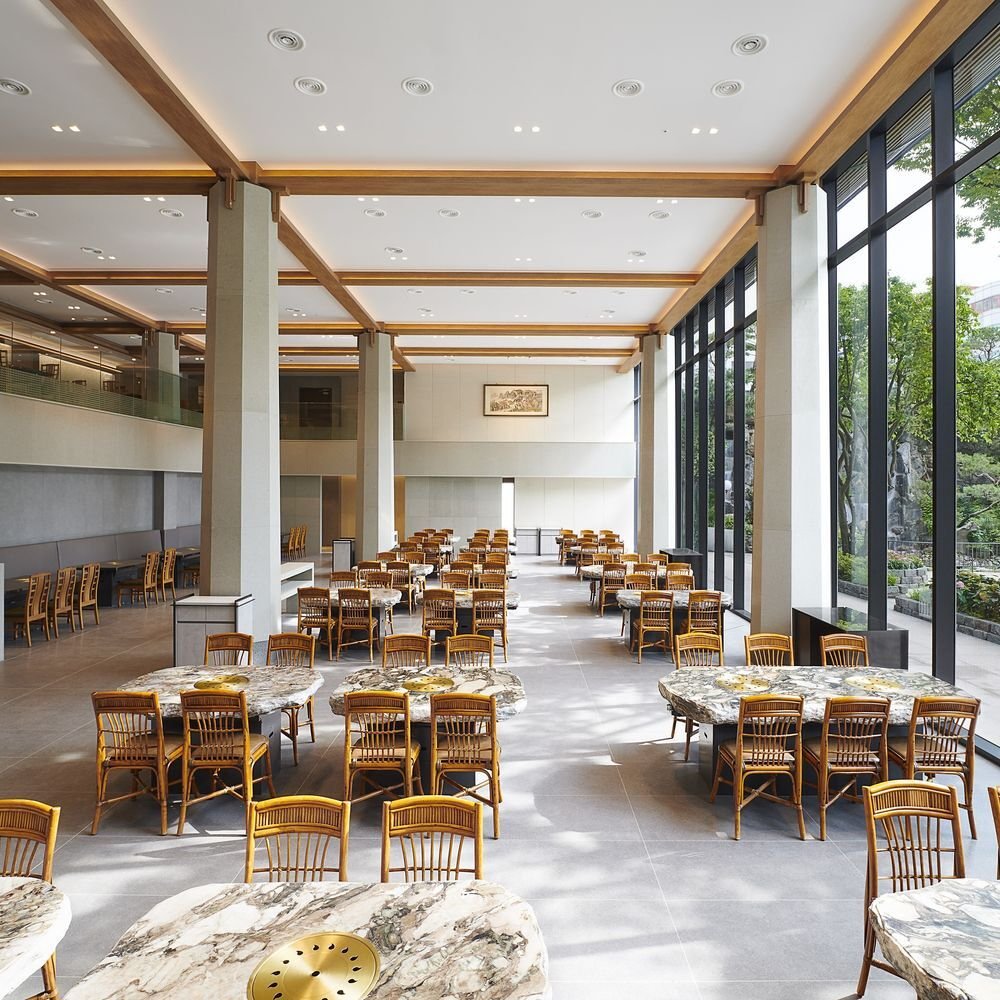
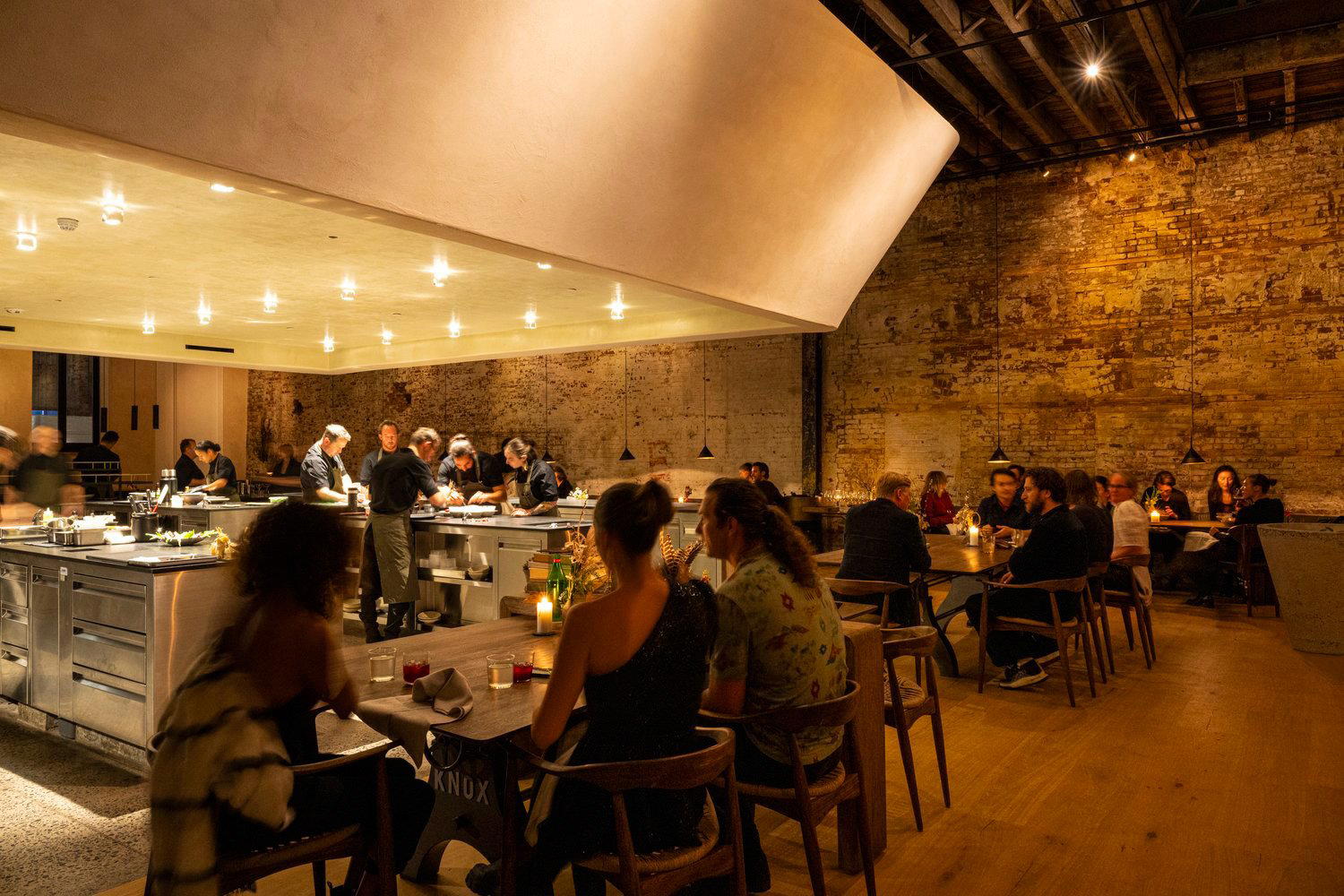
The atmosphere at Sanro reads as composed and controlled rather than loud or theatrical. At this price point in Gangnam's Japanese dining category, you are not walking into a buzzy izakaya or a chef's-table spectacle built around performance. The energy here is quieter and more focused, which makes it a practical choice for business meals or anniversary dinners where conversation needs to carry the evening. If you want high energy and a room that crackles after 9 PM, this is not where you will find it. If you want a setting where the food can be the actual subject of the evening, the ambient register works in your favour.
The Counter Argument
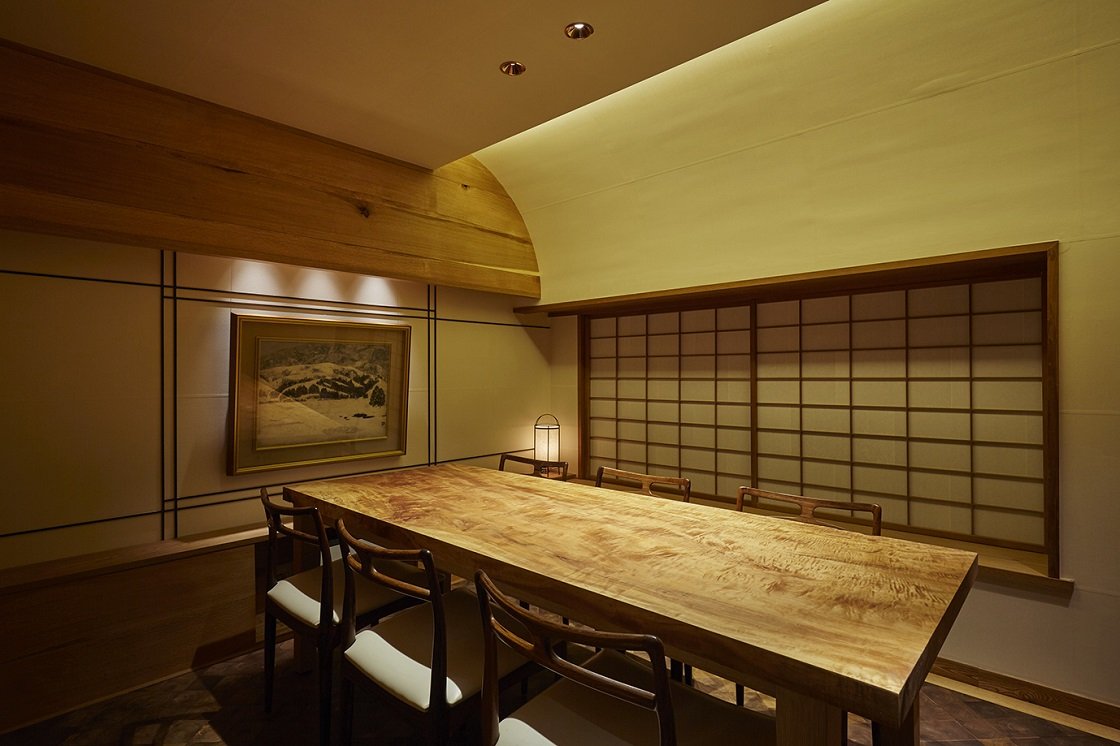
The editorial angle worth dwelling on for Sanro is what counter or close-format seating does to a Japanese meal at this level. In Japanese cuisine broadly, proximity to the kitchen changes the experience: you are closer to timing, closer to the chef's decisions, and the pacing of the meal tends to feel more deliberate. Serious Japanese dining in Seoul at ₩₩₩₩ pricing typically involves an intimate room where the distance between diner and kitchen is short. That intimacy is part of what you are paying for. If you are considering Sanro for a special occasion, the case for counter or close-format seating is that it gives a meal structure and a sense of occasion that a larger table in a louder room cannot replicate. For a solo diner or a couple, this format generally rewards the visit more than it does a group of six who want to hold a separate conversation across a round table.
Practical Details
Sanro is located at 518 Dosan-daero, 2nd floor, Gangnam District, Seoul. The price range is ₩₩₩₩, placing it at the top tier of Seoul's restaurant pricing. Booking is easy, and booking one to two weeks ahead is sensible for a specific date tied to an anniversary or celebration. Reservation platforms used by Gangnam-area Japanese restaurants typically include Naver Reservation or direct inquiry via Instagram. There is no confirmed dress code on record, but at ₩₩₩₩ in this neighbourhood, smart casual is the practical baseline, overdressed is rarely a problem here, underdressed occasionally is. For context on comparable Japanese dining outside Seoul, Myojaku in Tokyo and Azabu Kadowaki in Tokyo sit in a similar quality tier and give a useful frame of reference for what La Liste recognition at this score range typically delivers in practice.
Who It Is For
Sanro is the right booking if you want Japanese cuisine at a serious level in Seoul without the booking friction of the city's most competed-for counters. It suits couples marking an occasion, solo diners who want a focused meal with good technique, and business diners who need a setting quiet enough to actually talk. It is less suited to groups of four or more who are primarily there for the social occasion rather than the food, or to diners who want a lively, high-energy room. For Japanese dining at a similar price point with a different atmosphere, Kirameki and Mitou are worth comparing. For soba-focused Japanese in Seoul, Sobajuu sits at a lower price point and a different format. If you are building a wider Seoul itinerary, Muni and GAGGEN by Choi Junho cover different cuisine profiles worth considering alongside Sanro. Further afield, Mori in Busan and 권숙수 - Kwon Sook Soo in Gangnam-gu represent other directions Korean fine dining can take. Pearl's full guides for Seoul restaurants, Seoul hotels, Seoul bars, Seoul wineries, and Seoul experiences are available if you are planning a broader trip. For Korean dining in other parts of the country, Baegyangsa Temple in Jangseong-gun, The Flying Hog in Seogwipo, Double T Dining in Gangneung, and Market Café in Incheon each offer distinct regional perspectives.
The Verdict
Two consecutive Michelin Plates and a stable La Liste score across two years make Sanro one of the more credentialed Japanese options in Gangnam that you can actually book without significant lead time. At ₩₩₩₩ it is a financial commitment, but for a special occasion dinner where technique and intimacy matter more than spectacle, it justifies the spend. Book it for two, go early enough that the evening is not rushed, and treat the focused format as the feature rather than a constraint.
Planning details
- Location
- South Korea, Seoul, Gangnam District, Dosan-daero, 518 2 층
- Phone
- +82 50-6465-6292
The take
The Take
The Vibe
Sanro reads like a quiet, highly disciplined Japanese kaiseki house tucked into Gangnam’s Dosan-daero. Ingredient-first cooking, sourcing, and a dashi-led flavour register are at the centre of the experience. Rather than projecting flash, the restaurant aligns itself with the counter-based standards of Tokyo and Kyoto, favouring measured, seasonally ordered courses. The result is a restrained, attentive environment where the conversation level is low and the focus is on the sequence of tastes and textures; the neighbourhood’s gallery-like calm provides a fitting backdrop.
Best For
This is a destination for diners seeking a formal, ingredient-driven Japanese tasting experience in Seoul. The restaurant’s La Liste scores and repeated Michelin Plate recognition mark it as reliably accomplished, so it suits special occasions and intimate evenings where the meal itself is the event. Sanro’s approach, sequenced kaiseki built around dashi and seasonal produce, appeals to people who appreciate disciplined technique and provenance. Expect a dinner-centric outing aimed at guests who value culinary rigor over spectacle and who want a measured, deliberate dining rhythm.
Ordering Tips
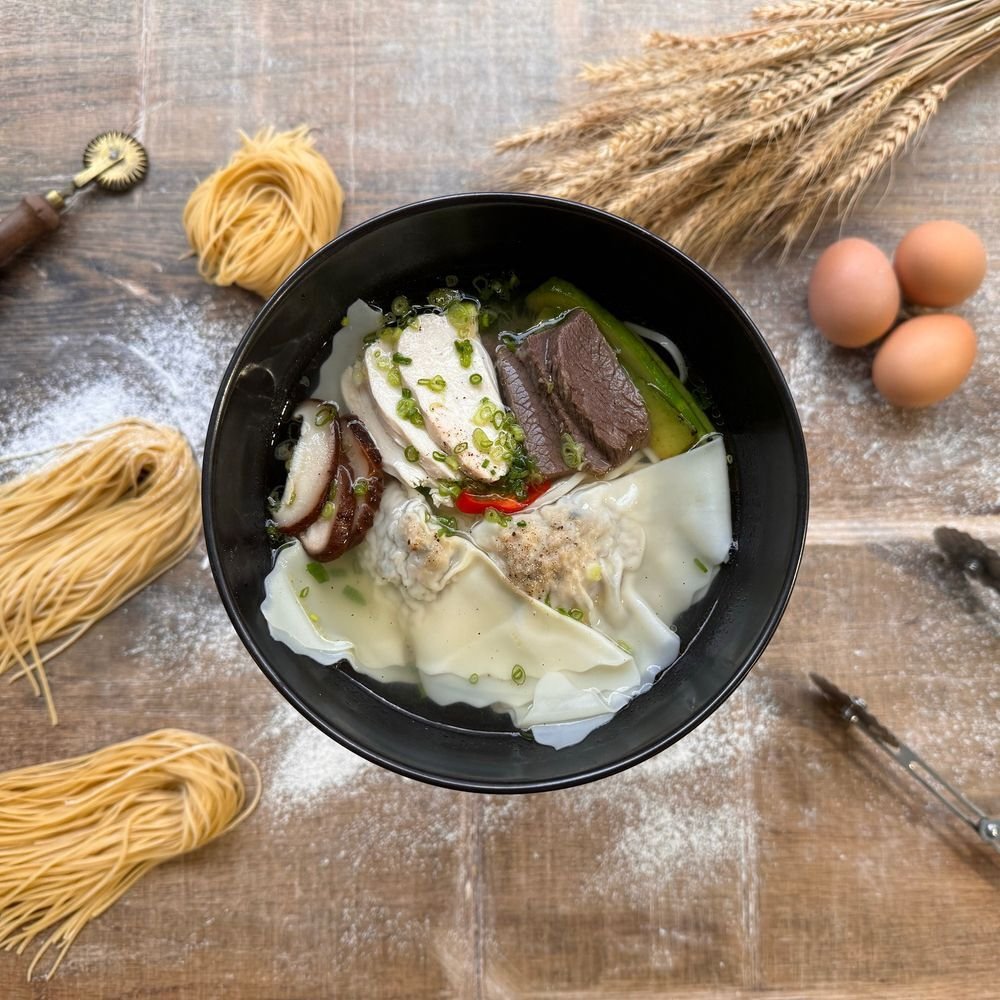
Seasonal produce determines the order of courses, and dashi establishes the flavour register. With chef Yoo Sung-yup working in a kaiseki framework, guests should be prepared to follow a tasting sequence that highlights sourcing and subtle technique. Because the restaurant situates itself in the counter-led tradition of Tokyo and Kyoto, opt for the composed, multi-course progression rather than à la carte substitutions if you want the clearest expression of the kitchen’s intent.
Venue details
Ambiance
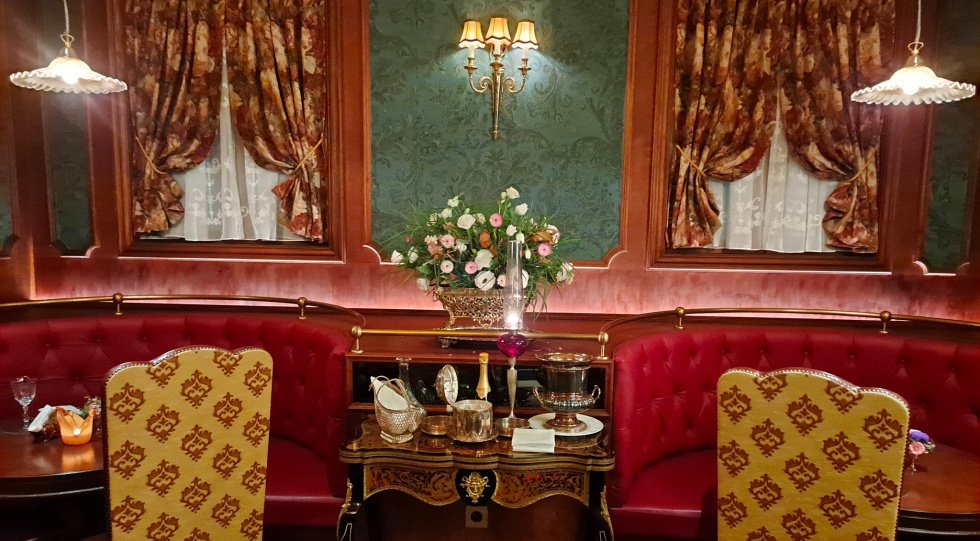
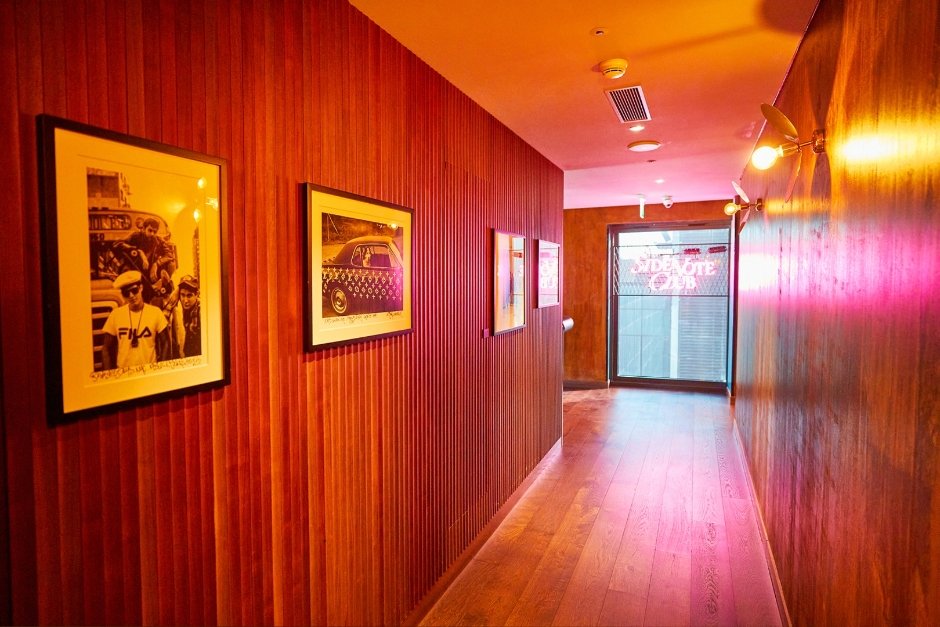
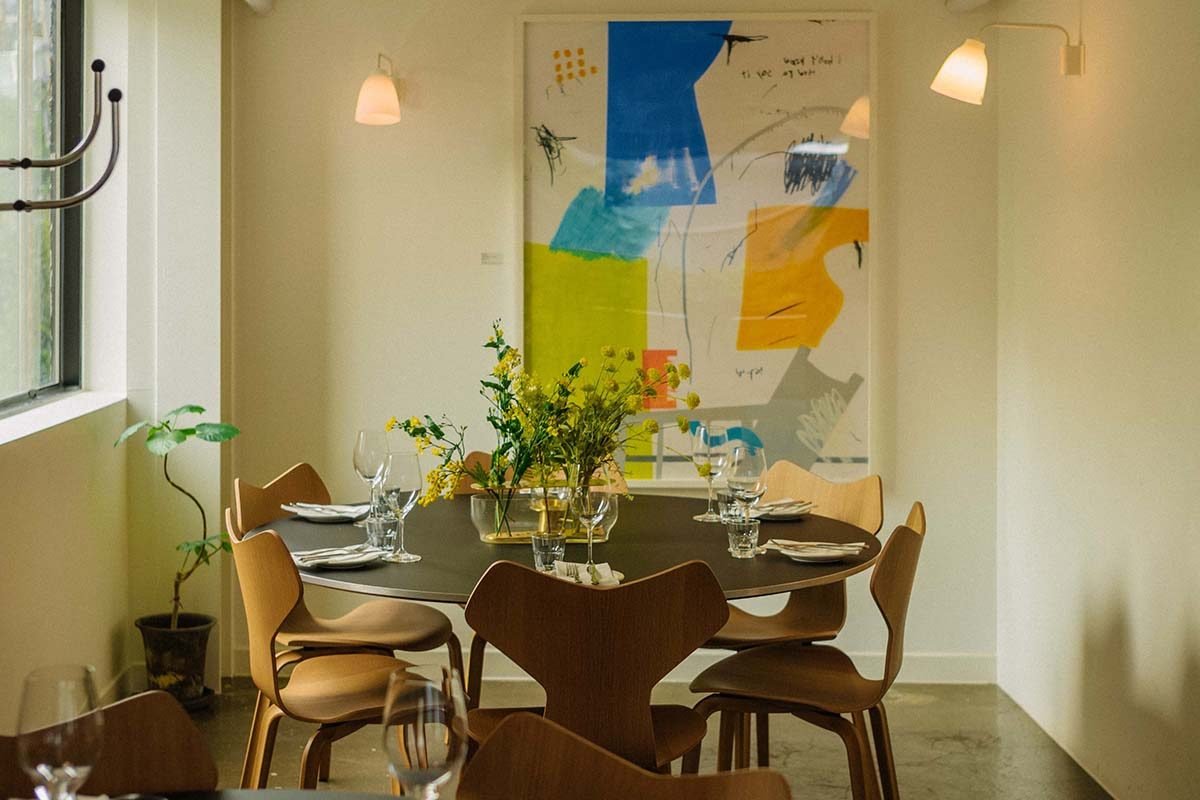
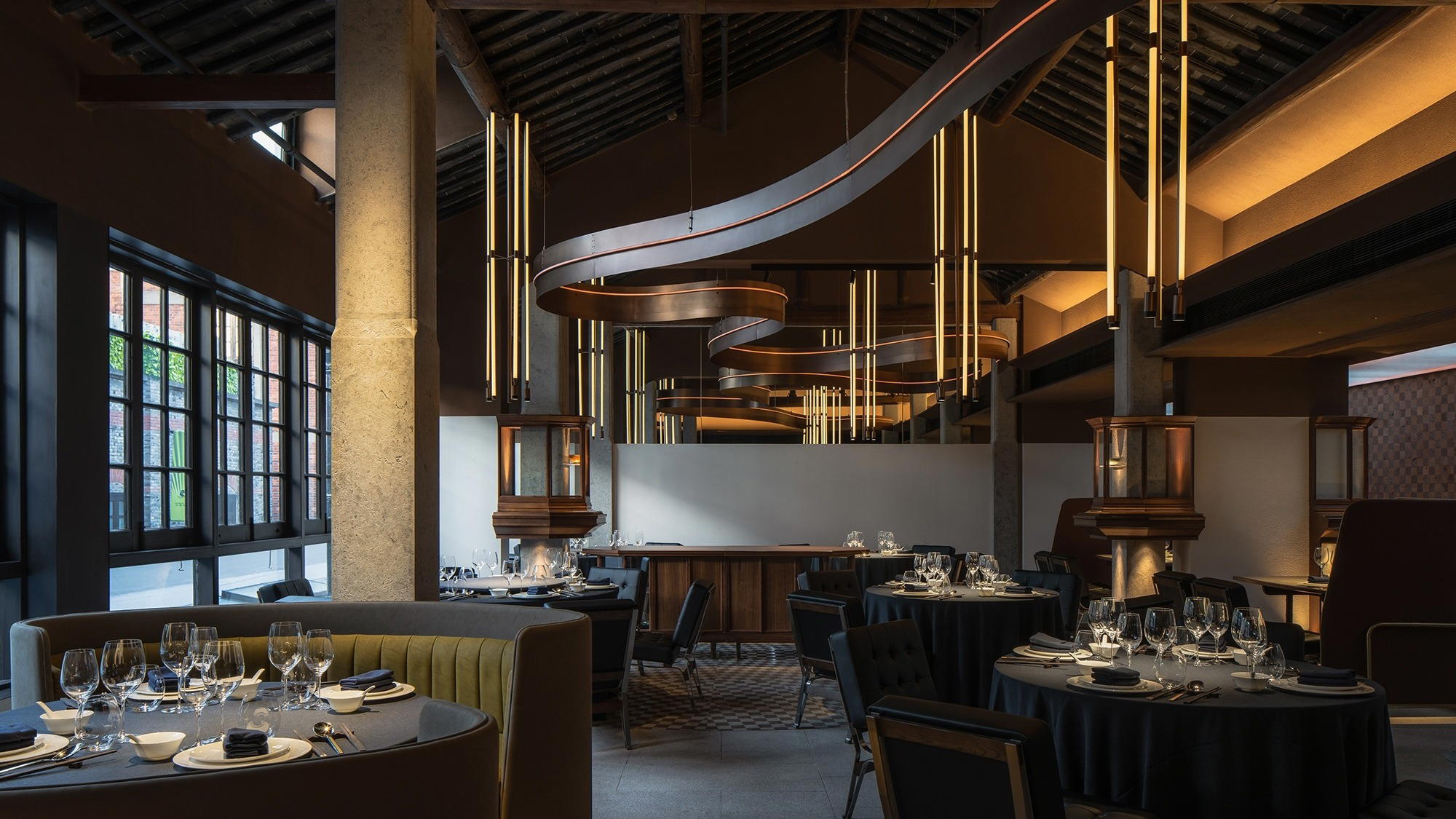
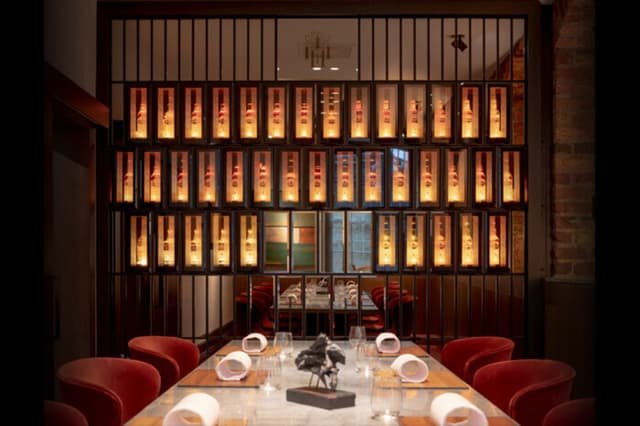
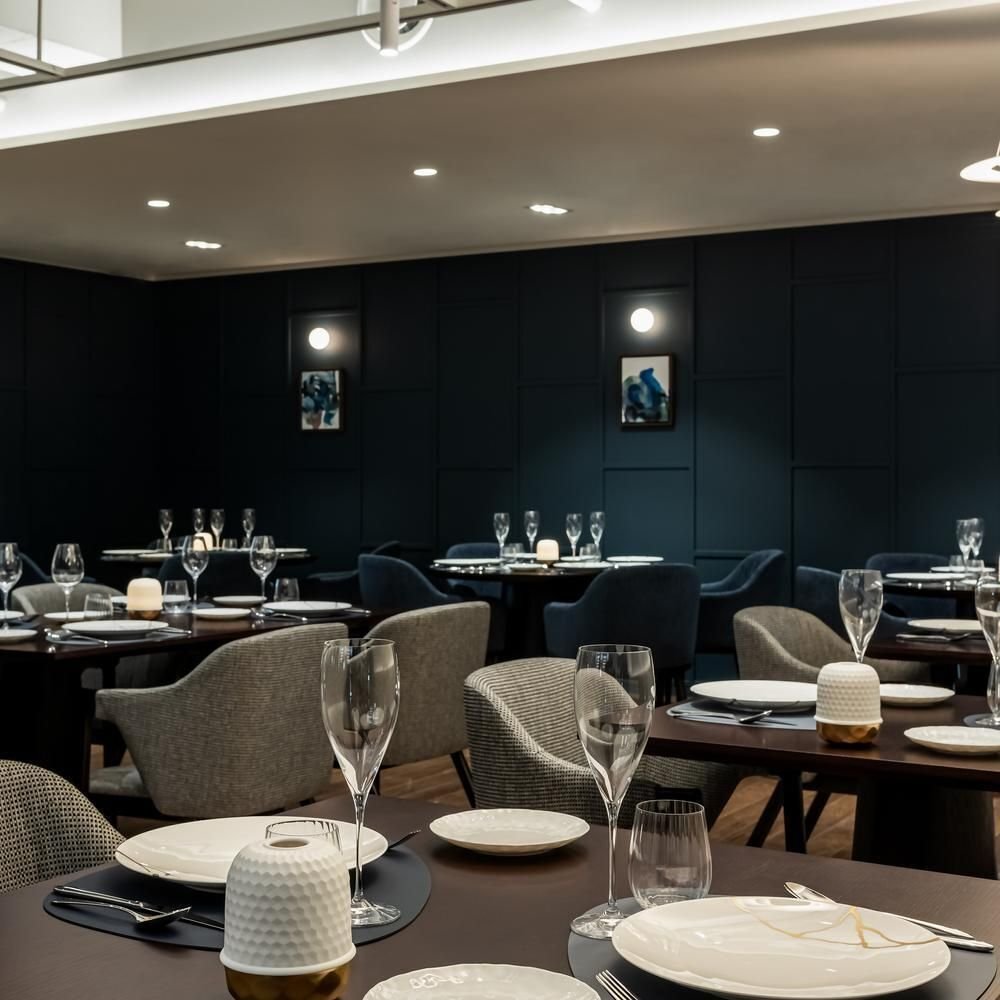
The space is serene and contemplative, with elegant Japanese calligraphy, chic objets d'art, and refined lighting.
Tags
Vibe
Best For
At the Table
- Dress Code
- Smart Casual
- Noise Level
- Quiet
- Service Style
- Formal
- Meal Pacing
- Leisurely
- Capacity
- Intimate
- Kitchen
- Traditional
- Menu Format
- Tasting menu
Know before you go
Know Before You Go
- Getting there
- South Korea, Seoul, Gangnam District, Dosan-daero, 518 2 층
Planning details
Location
South Korea, Seoul, Gangnam District, Dosan-daero, 518 2 층 · Directions
Recognition and awards

Also consider
Also Consider
- Solbam: Contemporary, ₩₩₩₩
- Onjium: Korean, ₩₩₩₩
- 7th Door: Korean, Contemporary, ₩₩₩₩
- L'Amitié: French, ₩₩₩
- Zero Complex: Korean-French, Innovative, ₩₩₩₩
Restaurant context
At ₩₩₩₩, Sanro sits in the same price bracket as Solbam, Onjium, 7th Door, and Zero Complex. The clearest differentiator is cuisine: Sanro is Japanese in a set dominated by Korean and Korean-French formats, which matters if you are specifically looking for Japanese technique rather than the contemporary Korean tasting menu experience that the other four broadly offer. If Korean cuisine is your priority for the evening, Onjium (traditional Korean, highly decorated) or 7th Door (contemporary Korean) are the more direct choices. If you want French-influenced innovation, Zero Complex gives you that with Korean foundations.
On booking difficulty and value, Sanro's Easy rating from Pearl makes it the most accessible option in this peer group for a specific date. Many of its competitors at this price point in Gangnam require more advance planning. If your trip is already close and you need a ₩₩₩₩ option that will actually have availability, Sanro has a practical edge. L'Amitié steps down one price tier to ₩₩₩ and offers French cuisine, making it the right call if budget is a factor but you still want a serious room.
For a special occasion specifically, the choice between Sanro and its Korean peers comes down to what the meal is meant to communicate. Onjium and 7th Door offer a deeply Korean experience that reads as a more distinctive choice for international guests or for marking an occasion in a way that is specific to Seoul. Sanro's Japanese format is excellent and well-credentialed, but if you are already in Seoul, the Korean options in this tier offer something you cannot replicate elsewhere. That said, if your guest's preference runs to Japanese cuisine, Sanro is the sharper choice over attempting to book a harder-to-access counter elsewhere in the city.
Explore Seoul
Around this place
Discover more on Pearl
Unlock the full Sanro guide in Pearl, including awards, comparisons, FAQs, planning details, and nearby places.
Compare Sanro
| Venue | Price | Awards |
|---|---|---|
| Sanro | ₩₩₩₩ | Michelin Guide Seoul & Busan 20262026 La Liste Top Restaurants2025 Michelin Plate2025 La Liste Top Restaurants2024 Michelin Plate |
| Solbam | ₩₩₩₩ | 2026 Asia's 50 Best Restaurants · #552026 Wine Spectator Best of Award of Excellence2026 OAD Top Restaurants in Asia RecommendedMichelin Guide Seoul & Busan 20262026 La Liste Top Restaurants2025 Asia's 50 Best Restaurants · #552025 OAD Top Restaurants in Asia Ranked · #277Tatler Best Restaurants Asia-Pacific 20252025 Wine Spectator Best of Award of Excellence |
| Onjium | ₩₩₩₩ | 2026 Asia's 50 Best Restaurants · #142026 OAD Top Restaurants in Asia Ranked · #852026 La Liste Top RestaurantsMichelin Guide Seoul & Busan 20262026 Wine Spectator Best of Award of Excellence2025 Asia's 50 Best Restaurants · #102025 World's 50 Best Restaurants · #572025 OAD Top Restaurants in Asia Ranked · #1342025 La Liste Top Restaurants |
| 7th Door | ₩₩₩₩ | 2026 Asia's 50 Best Restaurants · #492026 OAD Top Restaurants in Asia Ranked · #842026 Black Pearl 1 DiamondMichelin Guide Seoul & Busan 20262026 La Liste Top Restaurants2025 Asia's 50 Best Restaurants · #232025 Michelin 1 Star2025 La Liste Top Restaurants2024 OAD Top Restaurants in Asia Ranked · #192 |
| L'Amitié | ₩₩₩ | 2026 La Liste Top Restaurants2025 La Liste Top Restaurants2025 Michelin 1 Star2024 Michelin 1 Star |
| Zero Complex | ₩₩₩₩ | Star Wine Lists 20262026 OAD Top Restaurants in Asia Recommended2026 La Liste Top Restaurants2025 OAD Top Restaurants in Asia Ranked · #1992025 La Liste Top Restaurants2025 Michelin 1 Star2025 The Best Chef One Knife2024 OAD Top Restaurants in Asia Ranked · #2792024 Michelin 1 Star |
.png?width=1200&quality=80)








Key differences to consider before you reserve.
FAQ
Frequently Asked Questions
Is Sanro good for a special occasion?
Yes, with the right expectations. Two consecutive Michelin Plates and back-to-back La Liste recognition give Sanro the credentials to anchor a significant dinner. The ₩₩₩₩ price point signals a full-commitment meal rather than a casual outing. For a special occasion where Japanese cuisine is the preference, it delivers at a level few Gangnam alternatives can match.
Can I eat at the bar at Sanro?
Sanro is a second-floor Dosan-daero address whose format suits counter or close-seating arrangements typical of serious Japanese dining in Seoul.
How far ahead should I book Sanro?
Sanro is more accessible than many of Seoul's hardest-to-book Japanese restaurants, which means lead times are shorter than at venues like 7th Door or top omakase counters. That said, at ₩₩₩₩ in Gangnam with Michelin recognition, booking at least two to three weeks out is sensible, and further ahead for weekend evenings or special dates.
What are alternatives to Sanro in Seoul?
For Korean fine dining at a comparable prestige tier, Onjium and Solbam are the direct comparisons, though the cuisine format differs significantly from Sanro's Japanese focus. If you want to stay within Japanese cuisine, 7th Door competes at a similar level but typically carries higher booking difficulty. L'Amitié and Zero Complex skew French and are better suited to guests who prefer a Western tasting menu format.
What should a first-timer know about Sanro?
Sanro is a Japanese restaurant in Gangnam's Dosan-daero corridor, run by chef Yoo Sung-yup and priced at ₩₩₩₩, placing it firmly in Seoul's top-tier dining bracket. The La Liste score of 77 points across two consecutive years suggests consistency rather than a single strong showing. Come expecting a structured, high-attention meal rather than a flexible à la carte experience.
Is Sanro good for solo dining?
Yes. Japanese restaurants at this level in Seoul are typically built around counter formats, which suit solo diners well. Sanro's second-floor Dosan-daero setting and the precision-focused nature of Japanese cuisine at the ₩₩₩₩ tier make it a more natural solo booking than a large-format Korean or French tasting room. It is one of the more practical solo options in Gangnam at this price.
What should I wear to Sanro?
No dress code is confirmed in the venue data, but at ₩₩₩₩ with Michelin Plate recognition in Gangnam, guests generally dress in a way that matches the occasion. Seoul's top-tier dining rooms tend toward neat, contemporary dress rather than formal suits. If in doubt, treat it like a serious dinner rather than a casual night out.