
Pyeongyang Myeonok
Naengmyeon · 을지로동, Seoul
Restaurant in Seoul, South Korea
 Book with Pearl
The Read
Buckwheat-Forward Pyeongyang Style
Price
$10–20per person
Dress
Casual
Why go
A Michelin Plate naengmyeon specialist in Gangnam, Pyeongyang Myeonok has earned back-to-back recognition in 2024 and 2025 for its Pyeongyang-style cold buckwheat noodles. At ₩ pricing, it is one of the most accessible Michelin-noted meals in Seoul. Book it for a focused, high-quality lunch rather than a long celebratory dinner.
About Pyeongyang Myeonok
The Verdict
If you are choosing between Pyeongyang Myeonok and one of Seoul's contemporary Korean tasting-menu restaurants, you are comparing two entirely different propositions. Pyeongyang Myeonok holds a Michelin Plate for 2024 and 2025 and is one of Seoul's most consistent destinations for naengmyeon — the cold buckwheat noodle dish that sits at the centre of North Korean culinary tradition. At a ₩ price point, this is one of the most accessible Michelin-recognised meals in Gangnam. Book it if you want to eat something technically specific and historically grounded, at a price that makes the decision easy.
What This Place Is
Pyeongyang Myeonok sits on Nonhyeon-ro in the Gangnam District, an area better known for high-end Korean tasting menus and French fine dining than for noodle specialists. That positioning matters: this is not a tourist-facing heritage venue or a casual bowl-of-noodles lunch counter. It is a focused specialist, earning its Michelin recognition — two consecutive years of Plate status, by doing one thing with discipline.
Naengmyeon is a dish defined almost entirely by its ingredients. The noodles are made from buckwheat, and the quality of that buckwheat, its ratio, its grind, its freshness, is what separates an average bowl from a precisely calibrated one. Pyeongyang-style naengmyeon, as distinct from the Hamheung variant, uses a lighter, more delicate broth: traditionally a cold beef or dongchimi (radish kimchi brine) stock, served with thin, slightly chewy noodles. The sourcing and preparation of that broth is where a restaurant like this either earns its reputation or loses it. The Michelin Plate, awarded consecutively, signals that the kitchen is meeting a consistent standard of ingredient quality and execution, not just producing a recognisable dish, but producing it correctly.
For food-focused visitors, this is exactly the kind of venue that rewards context. If you have eaten naengmyeon elsewhere in Seoul, at Jinmi Pyeongyang Naengmyeon, Jungin Myeonok, or Nampo Myeonok, Pyeongyang Myeonok gives you a Gangnam-based reference point with independent quality verification behind it. If naengmyeon is new to you, the low price point makes this a low-risk entry into a dish that, done well, is genuinely compelling: cold, clean, slightly sour, with a broth that is more nuanced than it first appears.
It suggests a kitchen that is reliable across visits, not just occasionally impressive.
The Ingredient Question
For a naengmyeon specialist, sourcing is not a background consideration, it is the entire argument. Pyeongyang-style noodles require buckwheat of sufficient quality to produce the right texture: firm enough to carry the broth, tender enough to yield cleanly. The broth itself, whether beef-based or radish brine, must be made cold and kept cold, which means there is no heat to mask deficiencies in base ingredients. You taste the stock directly. This is a format that punishes shortcuts and rewards precision sourcing.
The Michelin Plate designation, while not a star, is a positive quality signal that the Guide's inspectors found the food worth noting. In a category where many operators cut costs on broth stock or use machine-pressed noodles, a Plate two years running is a reasonable indicator that Pyeongyang Myeonok is sourcing and producing at a level above the average. That said, the database does not contain specific sourcing details, and any claims beyond this inference would go beyond what the available data supports.
For comparison, Bongmilga and Okdol Heyonok are among the other Seoul venues worth cross-referencing if you are building a picture of the city's Korean specialist dining scene. Further afield, 100.1.Pyeongnaeng in Busan and Buda Myeonoak in Busan offer useful regional comparisons if naengmyeon is a specific focus of your trip.
Who Should Book
Pyeongyang Myeonok is the right call for food-focused visitors who want to eat something specifically Korean, specifically regional in character, and backed by independent quality recognition, without committing to a ₩₩₩₩ tasting menu. It works well for solo diners, couples, and small groups. It is not the venue for a long celebratory dinner or an occasion that requires extensive wine or cocktail service; the format is too focused for that. For special occasions in Gangnam, Kwon Sook Soo is a more appropriate choice.
If your Seoul itinerary already includes a high-end tasting menu, Pyeongyang Myeonok makes a strong counterpoint meal, a reminder that Korean food at its most precise does not require a multi-course format or a four-figure bill. For anyone building a broader picture of Korea's dining culture, the full Seoul restaurants guide covers the range from naengmyeon specialists to contemporary fine dining. You can also cross-reference the Seoul hotels guide, Seoul bars guide, and Seoul experiences guide to plan around a meal here. For context on Korean dining outside the capital, Mori in Busan, Baegyangsa Temple in Jangseong-gun, Double T Dining in Gangneung, and Market Café in Incheon are worth noting. And if Pyeongyang Myeonok is full, The Flying Hog in Seogwipo and the Seoul wineries guide round out a wider Korea travel picture.
Practical Details
Address: 6 Nonhyeon-ro 150-gil, Gangnam District, Seoul. Cuisine: Pyeongyang-style naengmyeon (cold buckwheat noodles). Price: ₩, one of the most affordable Michelin-recognised meals in Gangnam. Awards: Michelin Plate 2024 and 2025. Reservations: Booking difficulty is rated Easy, walk-ins are likely viable, though confirming ahead is sensible for groups or peak lunch hours. Dress: No dress code data available; Gangnam context suggests smart-casual is appropriate but not required at this price point. Hours: Not confirmed in current data, verify before visiting.
FAQs
What are alternatives to Pyeongyang Myeonok in Seoul?
- For naengmyeon specifically, Jinmi Pyeongyang Naengmyeon, Jungin Myeonok, and Nampo Myeonok are the most direct comparisons in Seoul.
- For Michelin-recognised Korean dining at a higher price point, Kwon Sook Soo in Gangnam-gu is worth considering.
- If you want a fuller Korean specialist experience with more courses, Bongmilga and Okdol Heyonok are relevant alternatives.
Is Pyeongyang Myeonok good for solo dining?
- Yes. A focused noodle specialist at ₩ pricing is well-suited to solo diners, there is no pressure to share dishes or fill a table, and the format is quick enough to fit a solo lunch without feeling drawn out.
What should I order at Pyeongyang Myeonok?
- The core offer is Pyeongyang-style naengmyeon, cold buckwheat noodles in a clear, cold broth. That is what the Michelin recognition is attached to, and it should be the primary order. The database does not confirm additional menu items, so ordering around the naengmyeon is the safest approach.
How far ahead should I book Pyeongyang Myeonok?
- Booking difficulty is rated Easy, which suggests same-day or next-day availability is realistic for most visits. That said, Gangnam lunch periods can fill quickly, calling or booking a day ahead for weekend visits is sensible.
Is Pyeongyang Myeonok worth the price?
- At ₩ pricing with two consecutive Michelin Plates, yes, the value case is direct. You are getting independently quality at a price point that makes the decision easy. It is one of the better-value Michelin-recognised meals available in Gangnam.
Is the tasting menu worth it at Pyeongyang Myeonok?
- Pyeongyang Myeonok is a naengmyeon specialist, not a tasting-menu format. If a multi-course tasting experience is what you are after, this is not the right venue, consider Onjium or 7th Door for that format. Book Pyeongyang Myeonok for a precisely executed single-dish meal.
Is Pyeongyang Myeonok good for a special occasion?
- It depends on what the occasion requires. For a meaningful food experience with a knowledgeable companion, yes, the quality and context make it a meal worth marking. For a celebratory dinner that needs ambiance, extended service, and wine pairing, it is not the right fit. In Gangnam, Kwon Sook Soo is better suited to that type of occasion.
What should I wear to Pyeongyang Myeonok?
- No dress code is confirmed in the available data. Given the ₩ price point and noodle-specialist format, smart-casual is appropriate, there is no indication that formal attire is expected or required.
Planning details
- Location
- 6 Nonhyeon-ro 150-gil, Gangnam District, Seoul, South Korea
- Website
- pyungyangmyunok.modoo.at
- Phone
- +82 2-549-5378
The take
The Take
The Vibe
Pyeongyang Myeonok reads as a restrained, quietly assured specialist. Set on a quiet lane in Gangnam, the restaurant foregrounds ritual and precision — austere metal bowls, carefully arranged radish kimchi and a long‑simmered clarified broth that arrives almost ceremonially. Its Michelin Plate nods underline a disciplined approach rather than flash: this is cooking that prizes subtlety and restraint. The room and the service match that temperament, encouraging patience and attention to texture and temperature rather than boisterous conversation or showy plating.
Best For
This is a neighbourhood destination for focused, bowl‑forward dining. The single‑dish progression and affordable price point make it an easy choice for solo diners looking for a serious naengmyeon experience, and for small groups seeking an unfussy, high‑quality meal without pretension. Located in busy Gangnam but tucked down a quiet lane, it also works as a straightforward, reliable lunch or dinner stop when you want something authentic and unadorned rather than a multi‑course production.
Ordering Tips
Treat the meal as a sequence: start with the side accompaniments, watch the broth being poured at the table, and give the chilled stock and buckwheat noodles time to reveal their interplay. The house emphasizes a long‑simmered, clarified broth and the grainy resistance of buckwheat noodles, so resist rushing — the contrast of temperature and texture is the point. Given the kitchen’s focus, order the naengmyeon as your anchor and consider the house signatures (mandu guk, eobok jaengban) if you want small complementary dishes to round out the meal.
Venue details
Ambiance
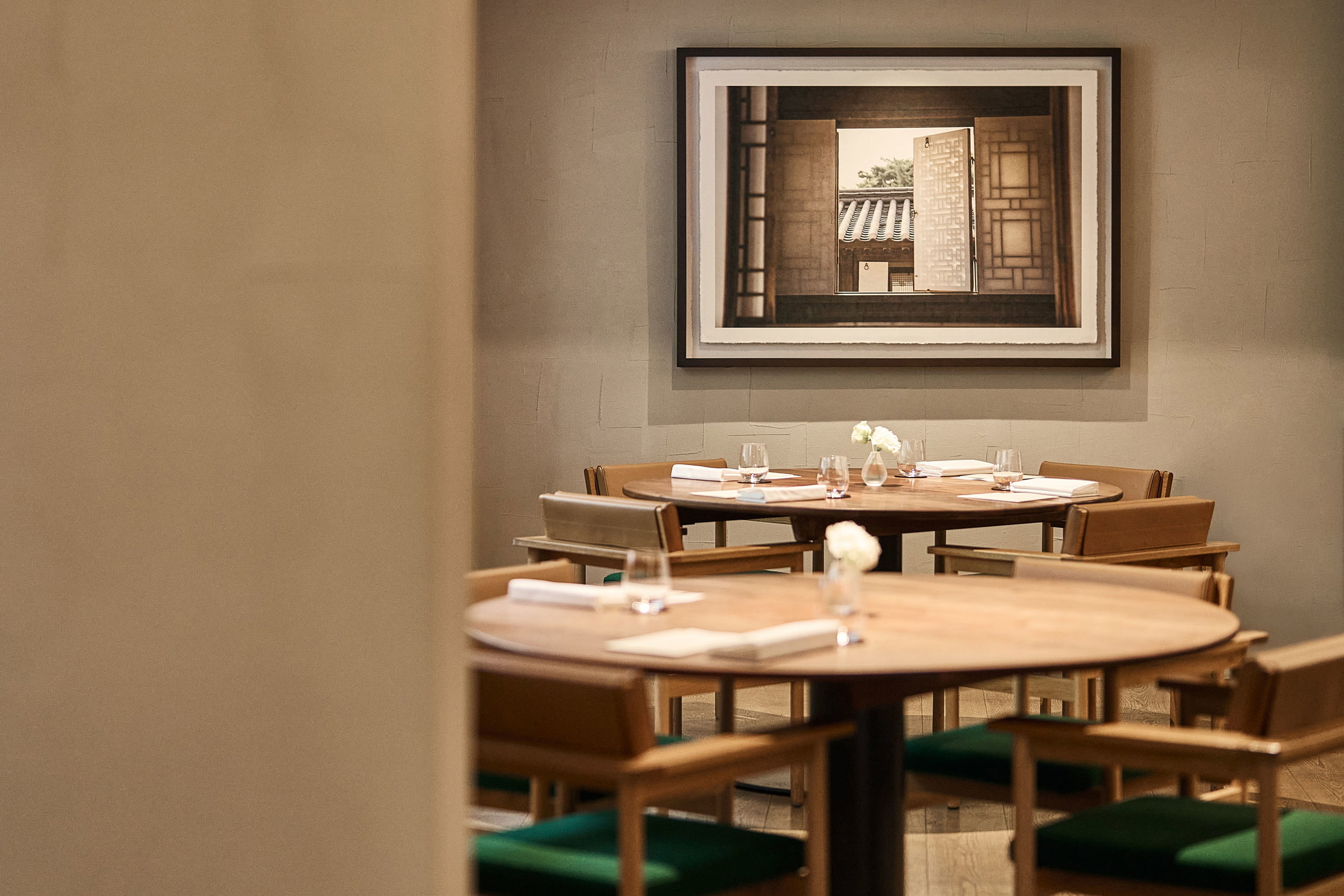
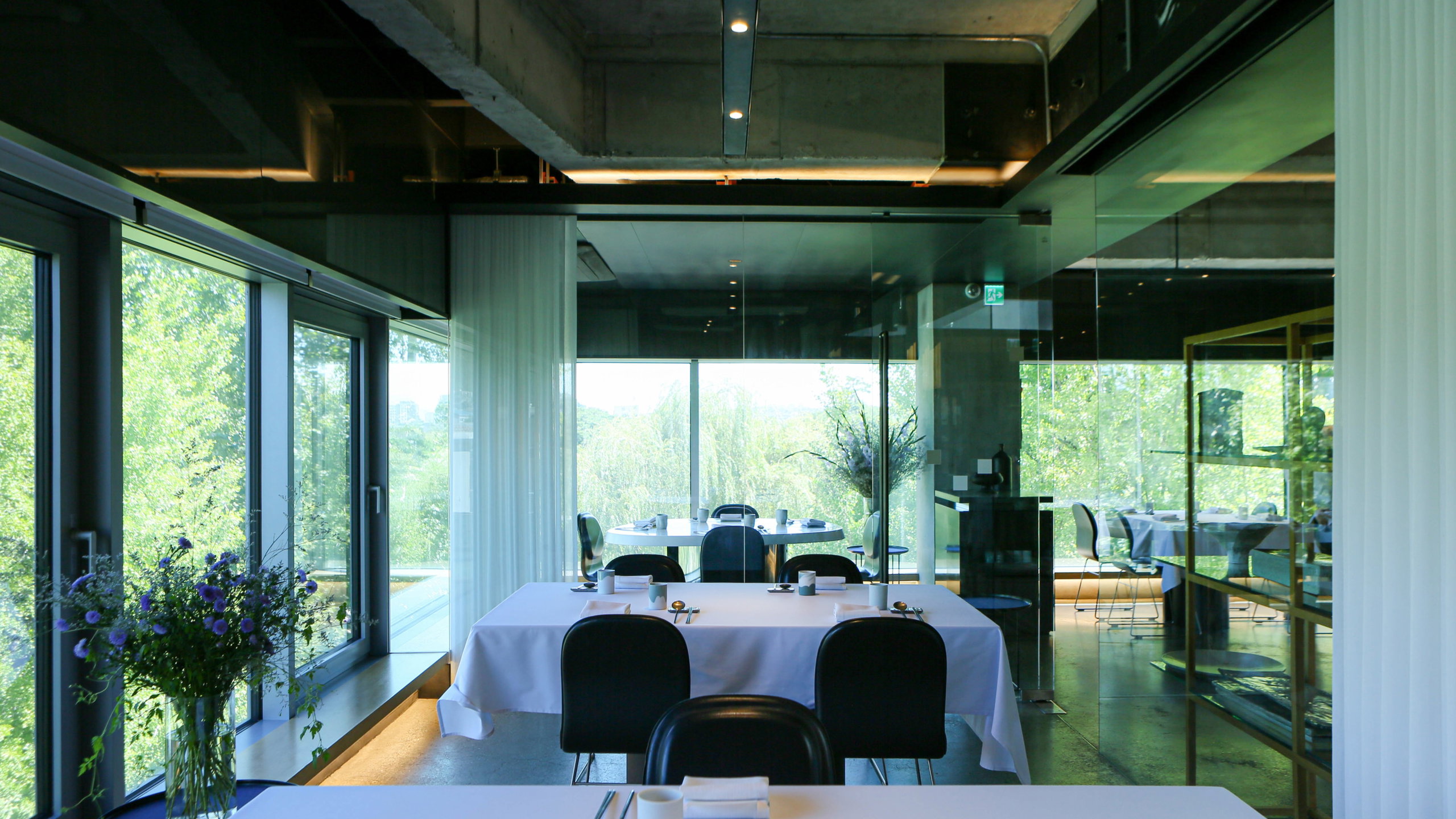
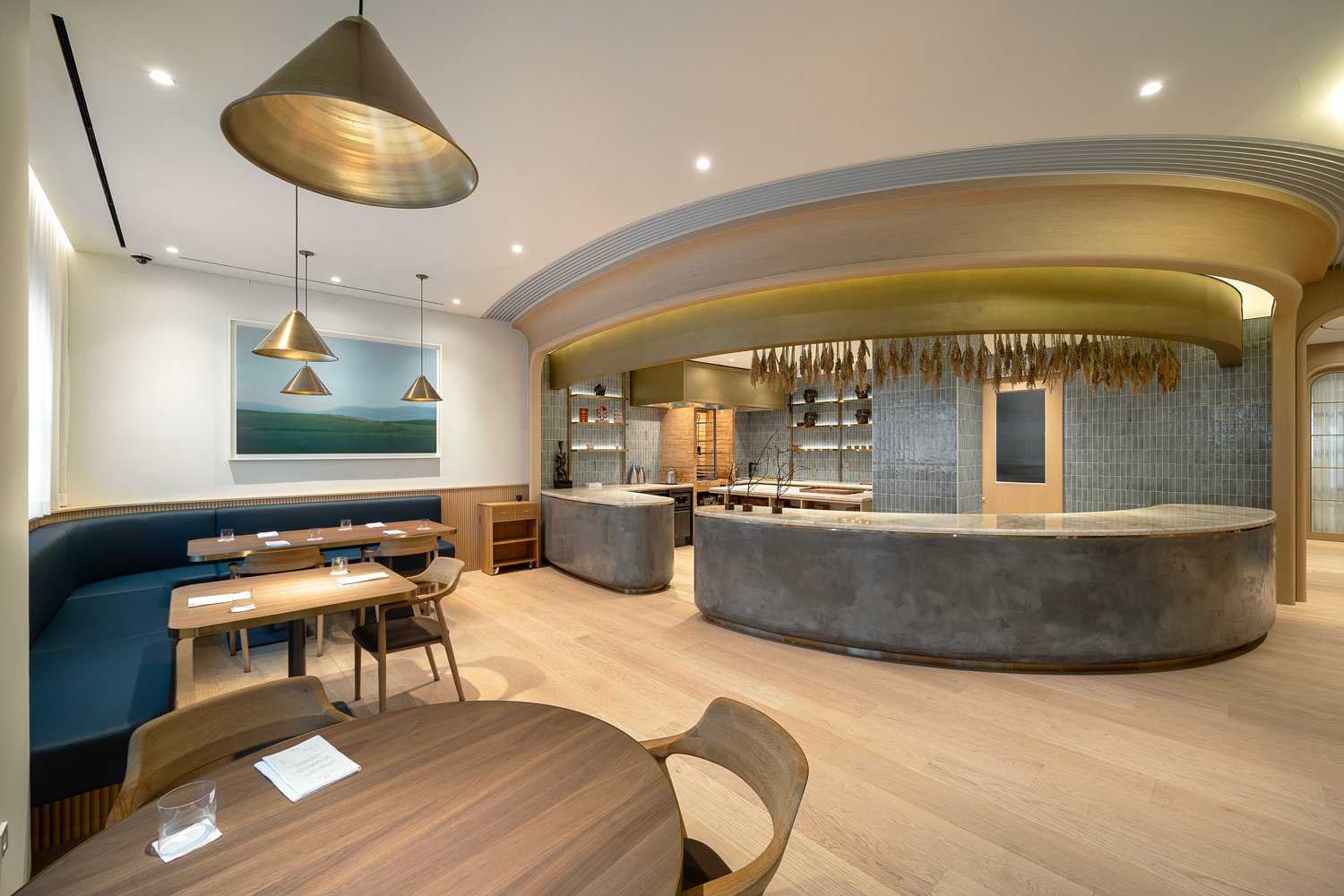
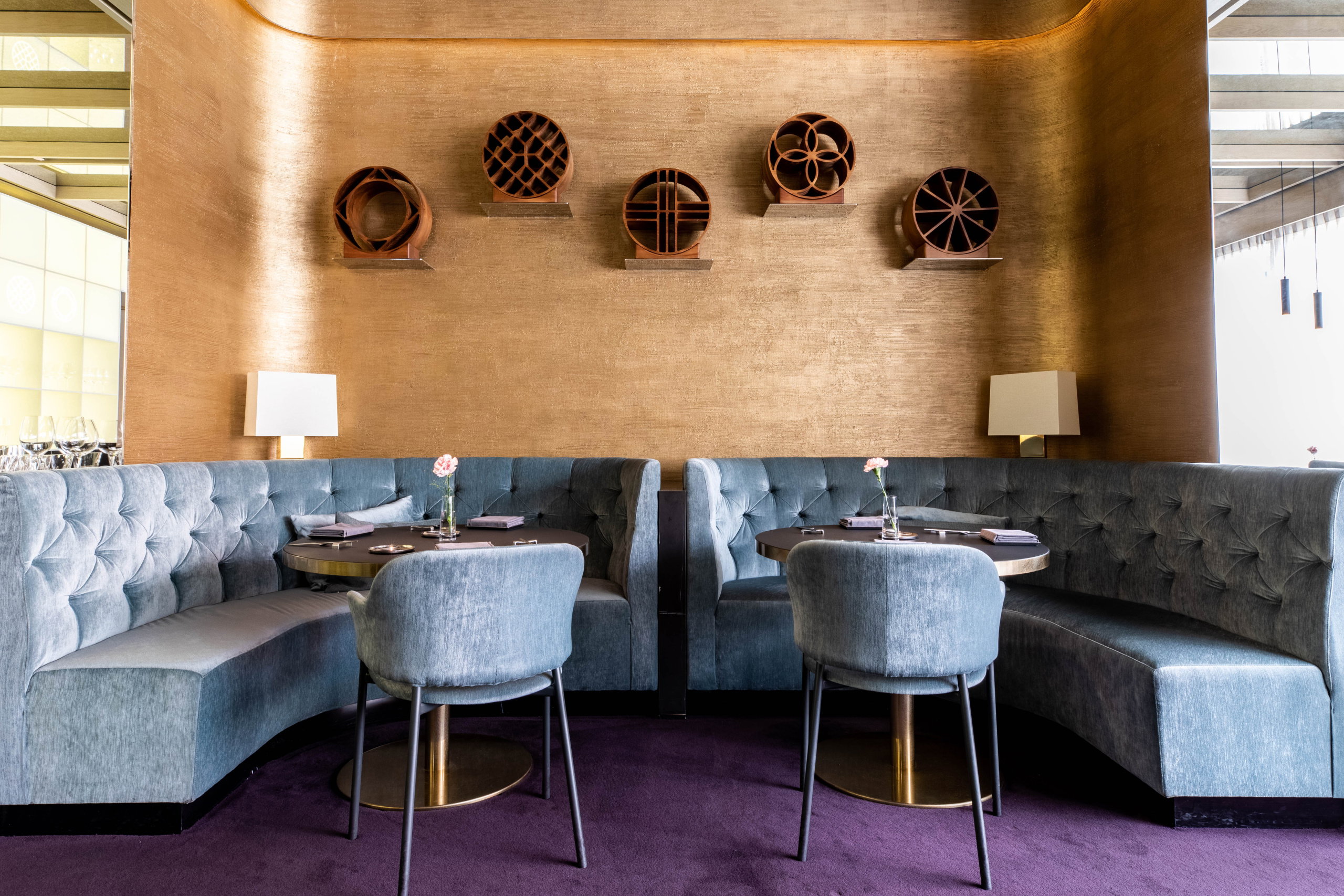
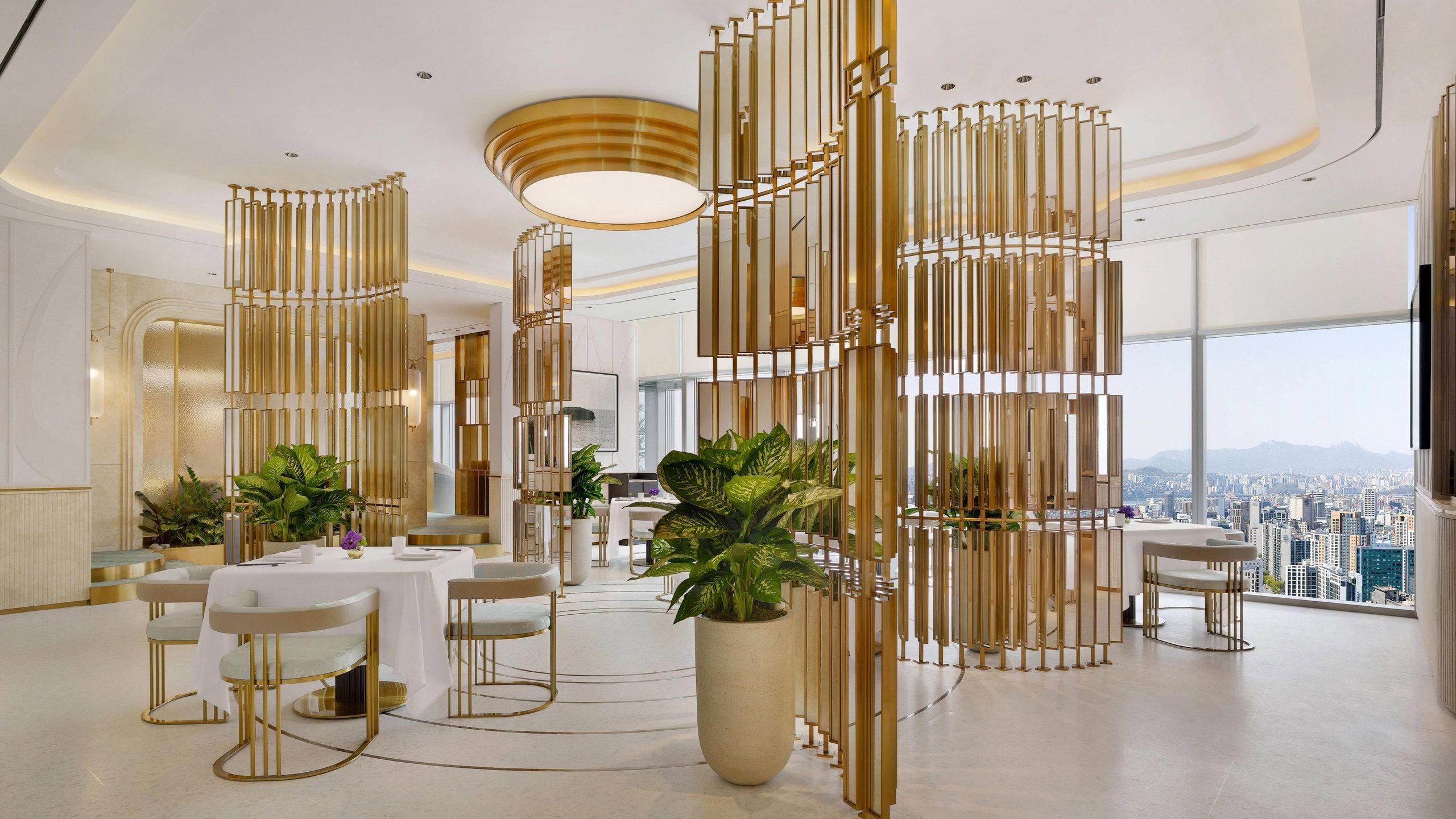
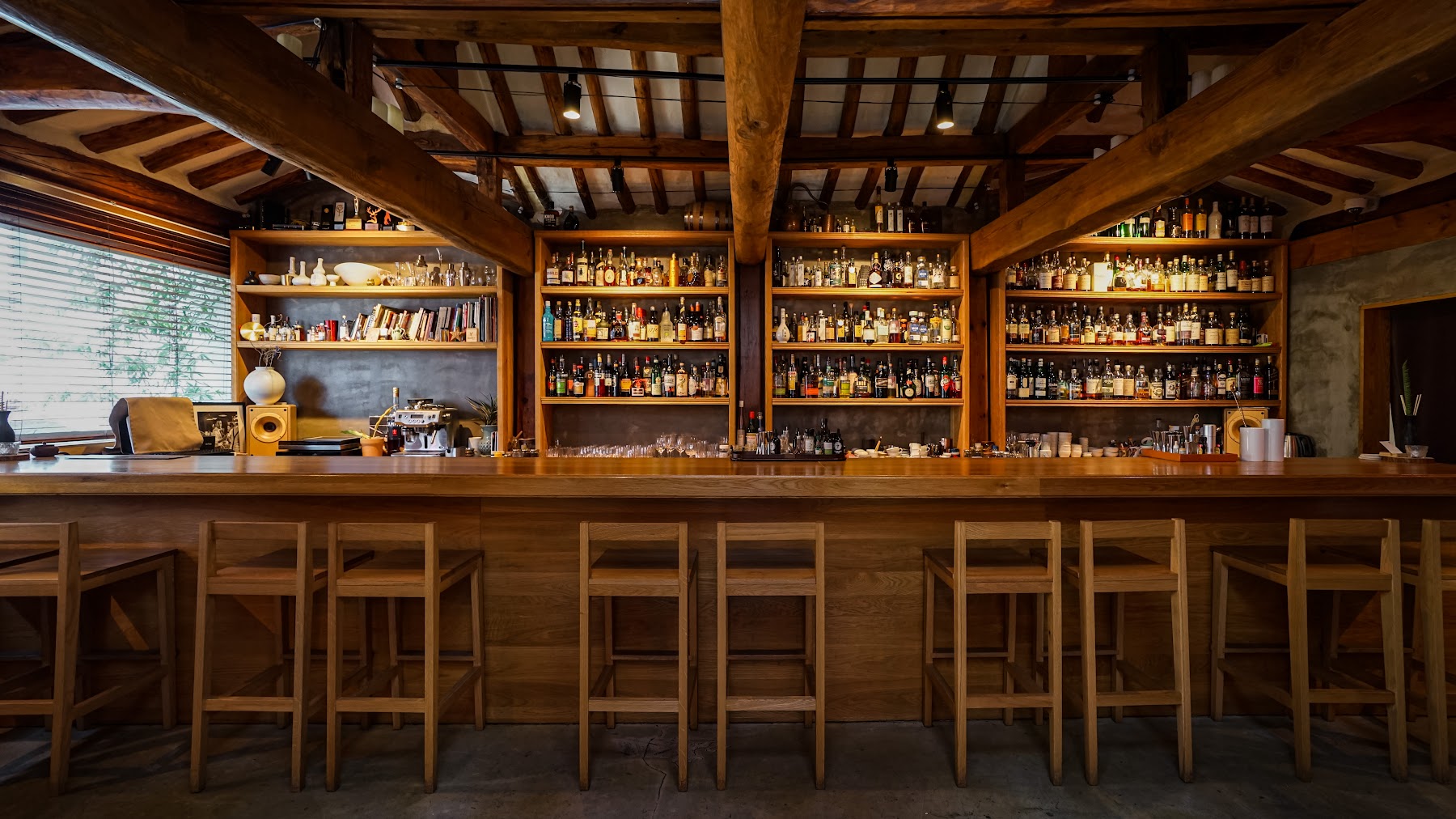
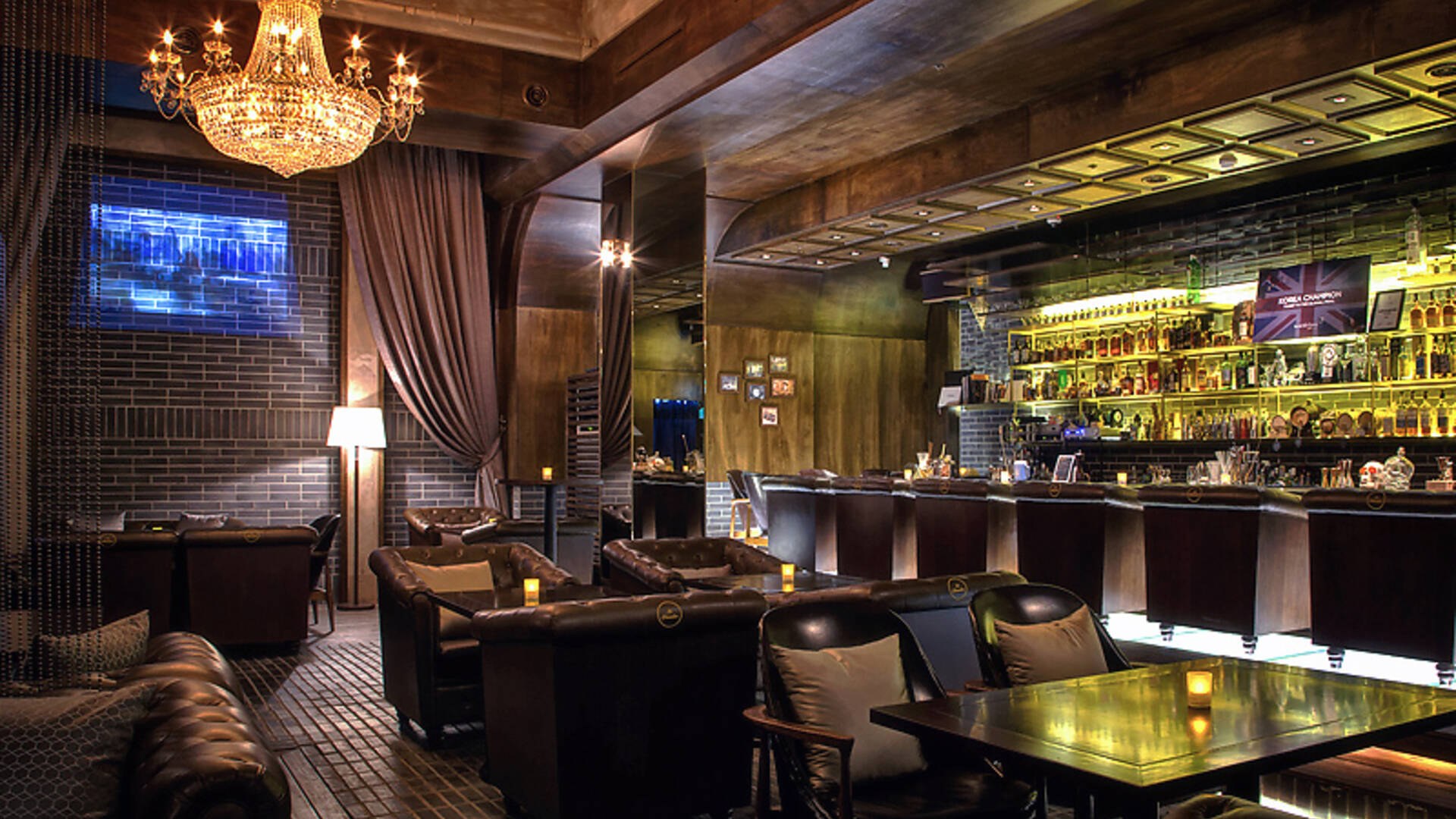
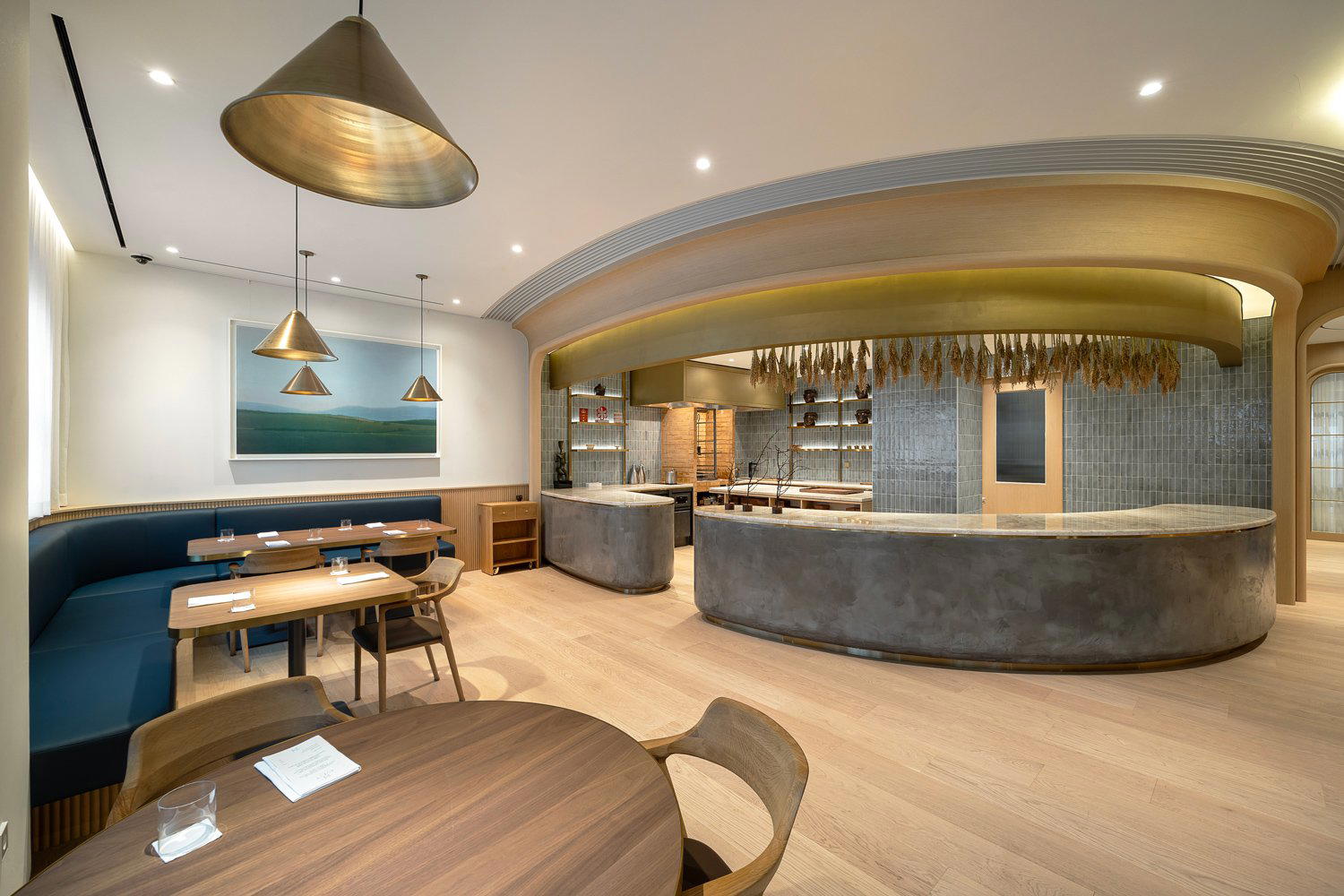
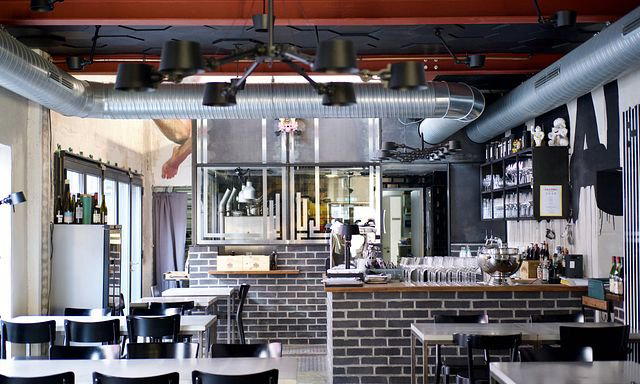
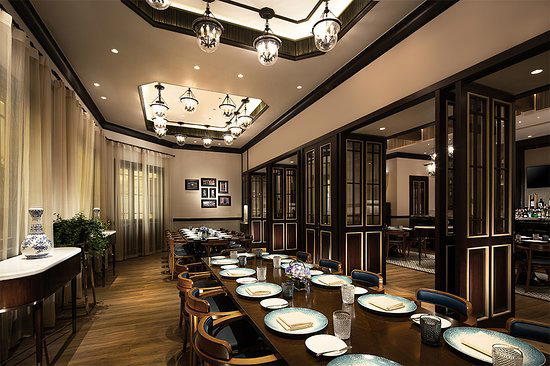
Basic and humble decor with a no-frills atmosphere popular among locals.
Tags
Vibe
Best For
Experience
Accessibility
At the Table
- Dress Code
- Casual
- Noise Level
- Conversational
- Service Style
- Casual
- Meal Pacing
- Standard
- Capacity
- Large
- Kitchen
- Traditional
- Menu Format
- A la carte
Signature Dishes
- naengmyeon
- mandu guk
- eobok jaengban
Know before you go
Know Before You Go
- Getting there
- 6 Nonhyeon-ro 150-gil, Gangnam District, Seoul, South Korea
Planning details
Location
6 Nonhyeon-ro 150-gil, Gangnam District, Seoul, South Korea · Directions
Recognition and awards
Also consider
Also Consider
- Solbam, Contemporary, ₩₩₩₩
- Onjium, Korean, ₩₩₩₩
- 7th Door, Korean, Contemporary, ₩₩₩₩
- L'Amitié, French, ₩₩₩
- Zero Complex, Korean-French, Innovative, ₩₩₩₩
Restaurant context
Pyeongyang Myeonok operates in a different category from most of Seoul's Michelin-recognised restaurants. Where Onjium and 7th Door sit at ₩₩₩₩ with multi-course Korean tasting menus and formal service, Pyeongyang Myeonok delivers Michelin-Plate quality at ₩, a price gap that reflects a difference in format, not a shortfall in seriousness. If your priority is eating something technically precise and rooted in a specific Korean culinary tradition without a large bill, Pyeongyang Myeonok is the clearer choice. If you want the full contemporary Korean fine-dining experience with wine pairing and extended service, Onjium or 7th Door will suit you better.
Solbam and Zero Complex (both ₩₩₩₩) offer contemporary and Korean-French formats that share little overlap with Pyeongyang Myeonok's proposition, they are relevant alternatives only if your interest is in modern Seoul dining rather than a traditional specialist. L'Amitié at ₩₩₩ sits closer in price, but its French focus makes it a different kind of meal entirely. For a single afternoon in Gangnam where you want a serious, memorable bowl of cold noodles with independent quality backing, Pyeongyang Myeonok is the only venue in this comparison group that can deliver that.
The practical argument is also simple: booking difficulty at Pyeongyang Myeonok is rated Easy, while the ₩₩₩₩ tasting venues typically require advance reservations of several weeks. If your Seoul schedule is tight or last-minute, Pyeongyang Myeonok offers a Michelin-recognised meal you can access without planning far ahead, something none of the higher-tier comparison venues can match.
Explore Seoul
Around this place
Discover more on Pearl
Unlock the full Pyeongyang Myeonok guide in Pearl, including awards, comparisons, FAQs, planning details, and nearby places.
Compare Pyeongyang Myeonok
| Venue | Awards | Price |
|---|---|---|
| Pyeongyang Myeonok | Michelin Guide Seoul & Busan 20262025 Michelin Plate2024 Michelin Plate | ₩ |
| Solbam | 2026 Asia's 50 Best Restaurants · #552026 Wine Spectator Best of Award of Excellence2026 OAD Top Restaurants in Asia RecommendedMichelin Guide Seoul & Busan 20262026 La Liste Top Restaurants2025 Asia's 50 Best Restaurants · #552025 OAD Top Restaurants in Asia Ranked · #277Tatler Best Restaurants Asia-Pacific 20252025 Wine Spectator Best of Award of Excellence | ₩₩₩₩ |
| Onjium | 2026 Asia's 50 Best Restaurants · #142026 OAD Top Restaurants in Asia Ranked · #852026 La Liste Top RestaurantsMichelin Guide Seoul & Busan 20262026 Wine Spectator Best of Award of Excellence2025 Asia's 50 Best Restaurants · #102025 World's 50 Best Restaurants · #572025 OAD Top Restaurants in Asia Ranked · #1342025 La Liste Top Restaurants | ₩₩₩₩ |
| 7th Door | 2026 Asia's 50 Best Restaurants · #492026 OAD Top Restaurants in Asia Ranked · #842026 Black Pearl 1 DiamondMichelin Guide Seoul & Busan 20262026 La Liste Top Restaurants2025 Asia's 50 Best Restaurants · #232025 Michelin 1 Star2025 La Liste Top Restaurants2024 OAD Top Restaurants in Asia Ranked · #192 | ₩₩₩₩ |
| L'Amitié | 2026 La Liste Top Restaurants2025 La Liste Top Restaurants2025 Michelin 1 Star2024 Michelin 1 Star | ₩₩₩ |
| Zero Complex | Star Wine Lists 20262026 OAD Top Restaurants in Asia Recommended2026 La Liste Top Restaurants2025 OAD Top Restaurants in Asia Ranked · #1992025 La Liste Top Restaurants2025 Michelin 1 Star2025 The Best Chef One Knife2024 OAD Top Restaurants in Asia Ranked · #2792024 Michelin 1 Star | ₩₩₩₩ |
.png?width=1200&quality=80)








Key differences to consider before you reserve.
FAQ
Frequently Asked Questions
What are alternatives to Pyeongyang Myeonok in Seoul?
If you want naengmyeon in a similar price range, Woo Lae Oak in Jung-gu is the most cited comparison for Pyeongyang-style cold noodles. For something completely different at a higher price point, Onjium offers a deep-dive into Korean culinary tradition with a tasting format. Pyeongyang Myeonok's Michelin Plate recognition (2024–2025) and ₩ pricing make it the most accessible entry point for this regional style in Gangnam.
Is Pyeongyang Myeonok good for solo dining?
Yes. Naengmyeon is a single-bowl format, so solo visits are entirely natural here — there is no pressure to order multiple dishes to justify a table. The ₩ price range means a solo meal is one of the most affordable Michelin-noted dining experiences in Seoul. You will not feel out of place eating alone.
What should I order at Pyeongyang Myeonok?
Pyeongyang Myeonok specialises in Pyeongyang-style naengmyeon, so the cold buckwheat noodles are the core order. This is a naengmyeon specialist, not a broad Korean menu — arrive knowing you are here for one thing done with focus. Specific menu items and seasonal additions are not listed in available data, so check on arrival or ask staff.
How far ahead should I book Pyeongyang Myeonok?
Booking details and phone information are not publicly listed in the available data, so call ahead or check locally before visiting. As a Michelin Plate-recognised spot at ₩ pricing in Gangnam, it is likely to draw queues at peak lunch hours. Arriving early or at off-peak times is a practical hedge if reservations are not possible.
Is Pyeongyang Myeonok worth the price?
At ₩ pricing, this is one of the most affordable Michelin Plate-recognised meals in Seoul — the value case is straightforward. You are paying for a focused, regionally specific product rather than a multi-course experience. If you want ceremony or a long table, look elsewhere; if you want precision in a single bowl at low cost, yes, it is worth it.
Is the tasting menu worth it at Pyeongyang Myeonok?
Pyeongyang Myeonok is a naengmyeon specialist, not a tasting-menu restaurant. If a multi-course Korean tasting format is what you are after, Onjium or 7th Door are more appropriate choices. The value here is in a deeply focused single dish, not a progressive menu.
Is Pyeongyang Myeonok good for a special occasion?
Only if the occasion is specifically about eating something regionally significant and done well. At ₩ pricing with no documented private dining or special-occasion infrastructure, it is not built for celebratory dinners. For a milestone meal in Gangnam, L'Amitié or a Korean tasting-menu restaurant will provide the setting and pacing that a special occasion usually calls for.