.png?width=1200&quality=80)
Palais de Chine
Chinese · 소공동, Seoul
Restaurant in Seoul, South Korea
 Book with Pearl
The Read
Shanghai Belle Époque Dining
Price
$50–100per person
Dress
Smart Casual
Why go
Palais de Chine holds a Michelin Plate (2024) and earns it with regionally grounded Chinese cooking inside Seoul's L'Escape Hotel. At ₩₩₩ with an Easy booking window, it is one of the most accessible Michelin-recognised Chinese tables in the city. The Peking duck and dim sum selection are the reasons to come.
About Palais de Chine
Verdict: A Michelin-Recognised Chinese Table Worth Booking in Seoul's ₩₩₩ Tier
At the ₩₩₩ price point, Palais de Chine earns its place by doing something few restaurants in Seoul attempt: delivering regionally grounded Chinese cooking inside a hotel that takes both aesthetics and authenticity seriously. It holds a Michelin Plate (2024) — a solid signal that this is not a hotel restaurant coasting on its postcode. If you are looking for Chinese cuisine in Seoul that goes past the generic, this is where to start your search.
The Space
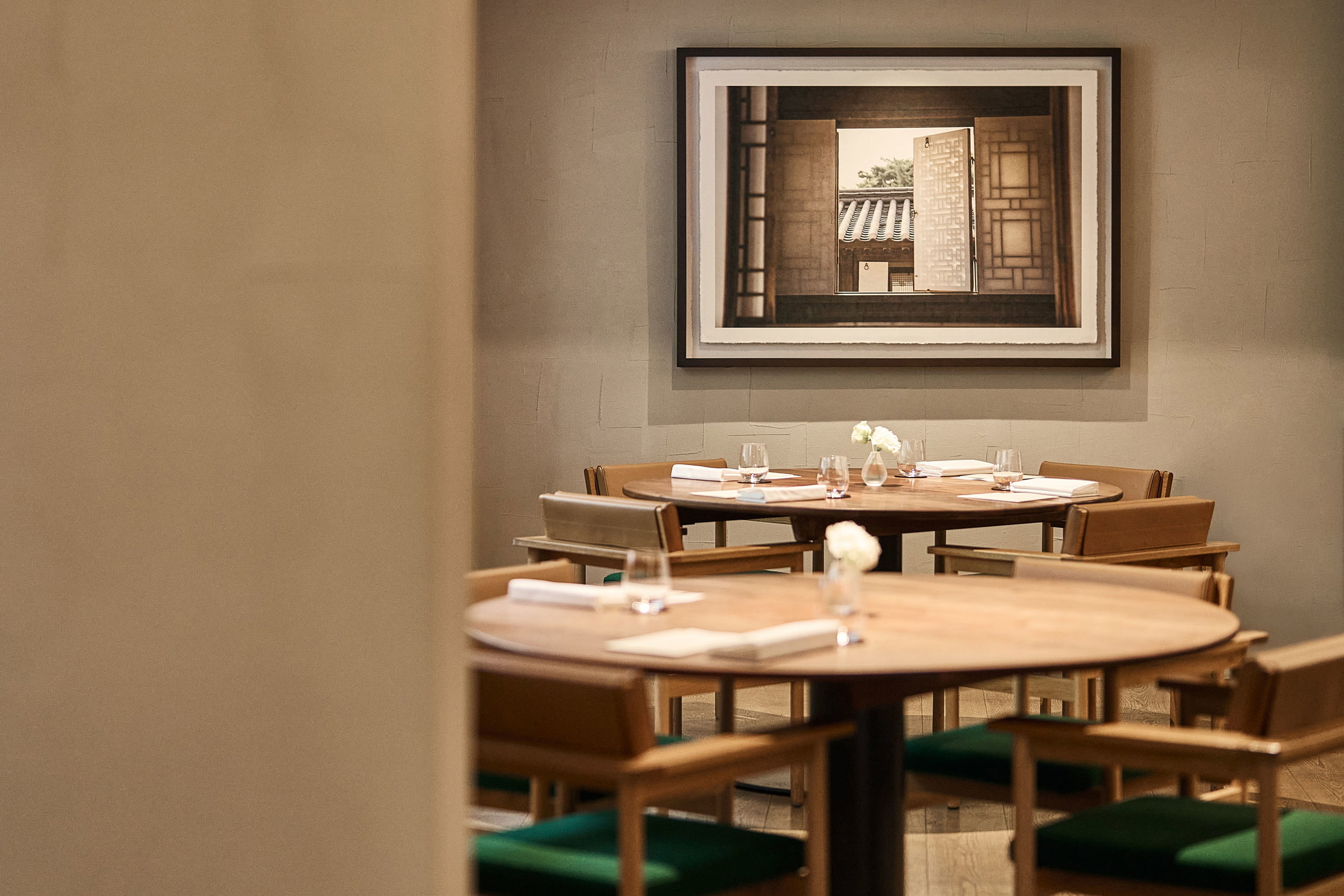
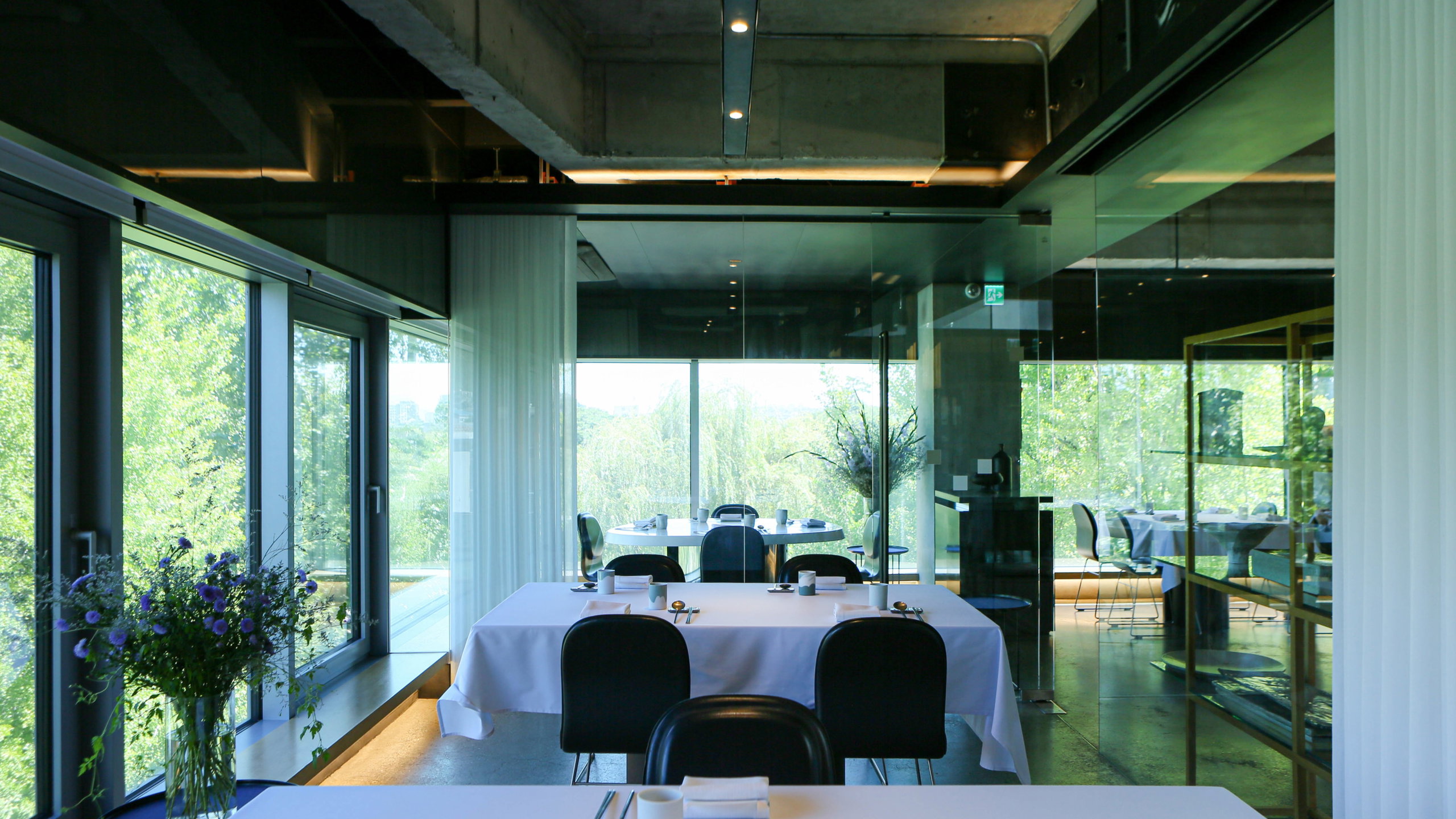
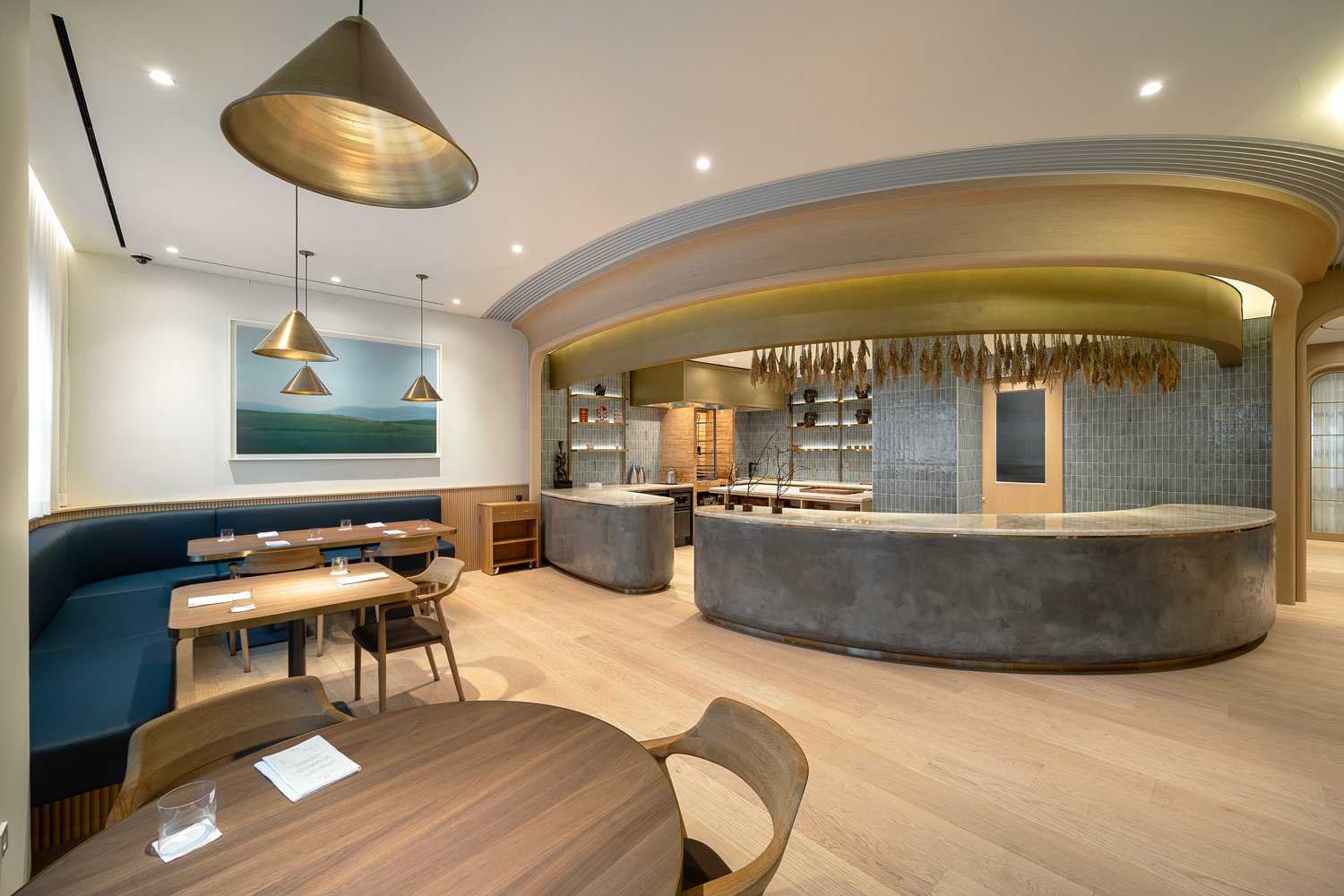
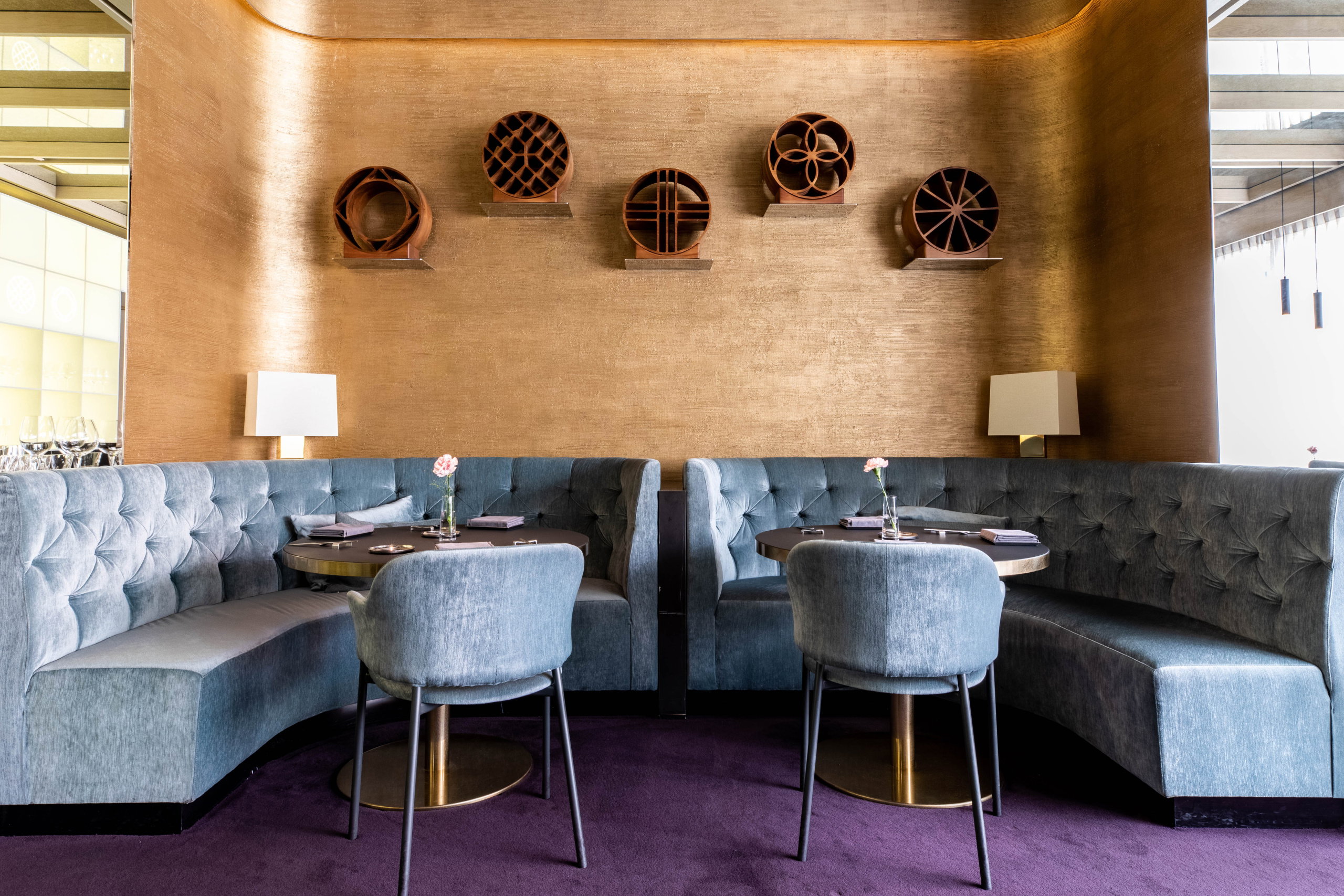
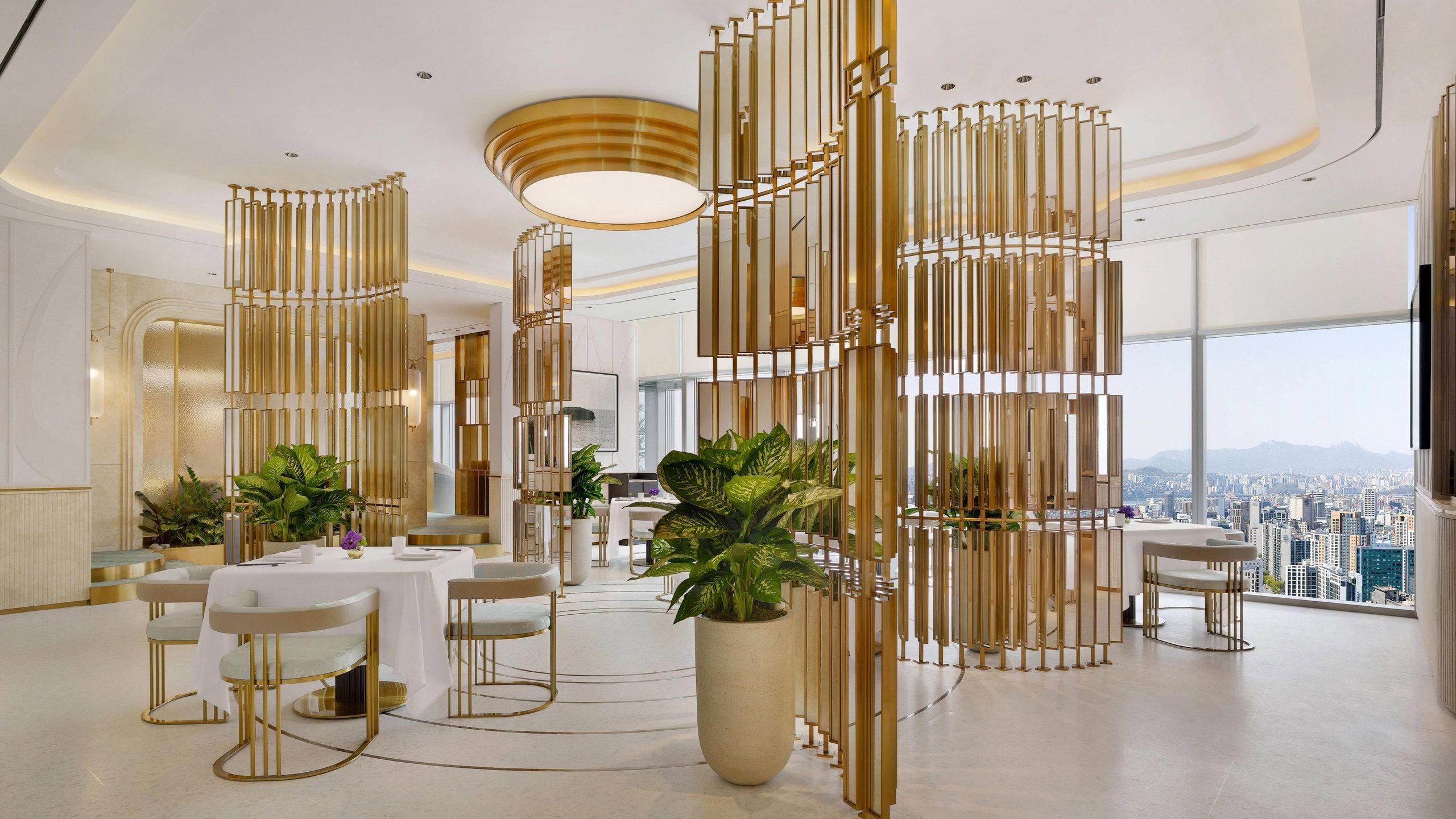
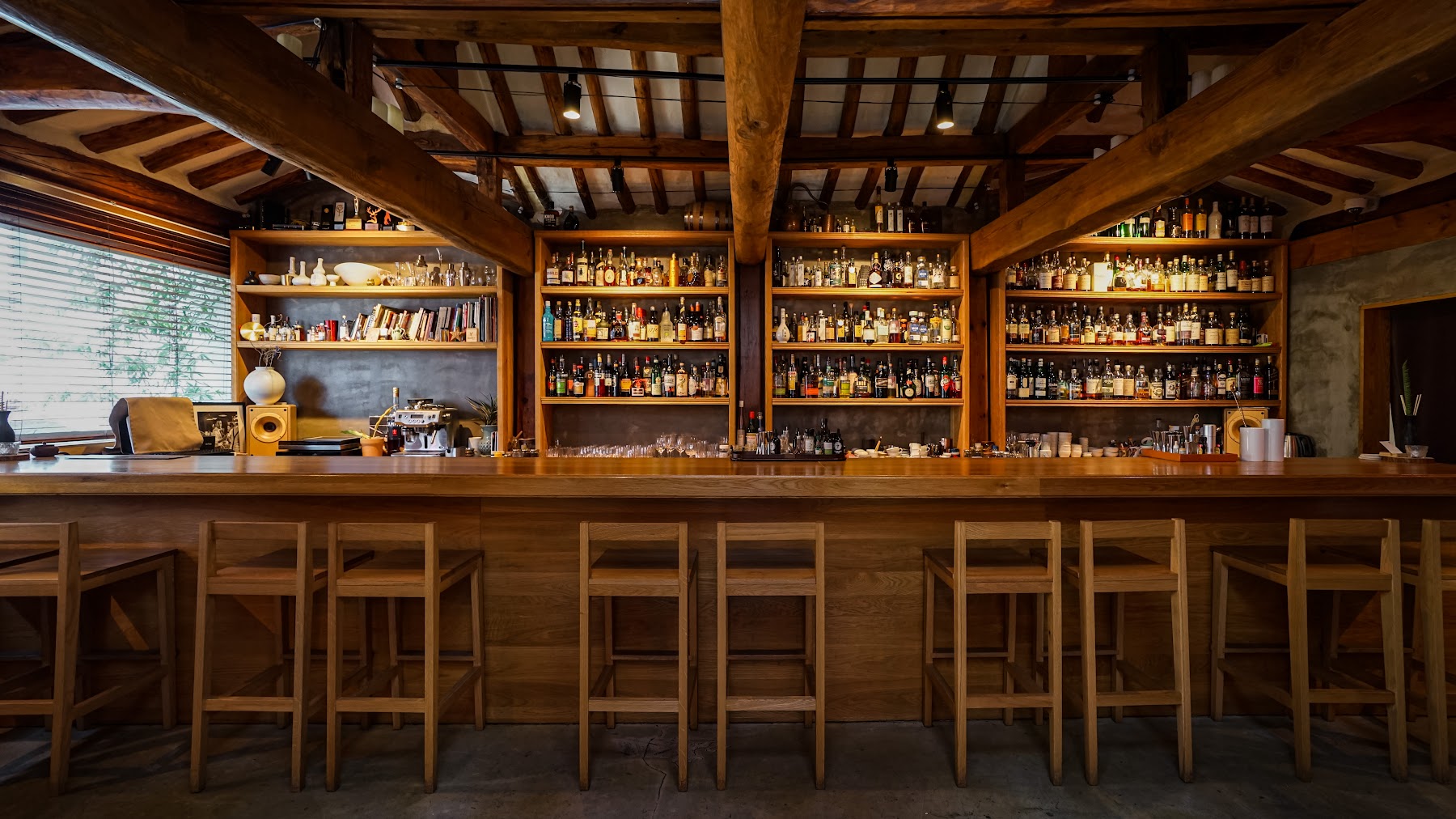
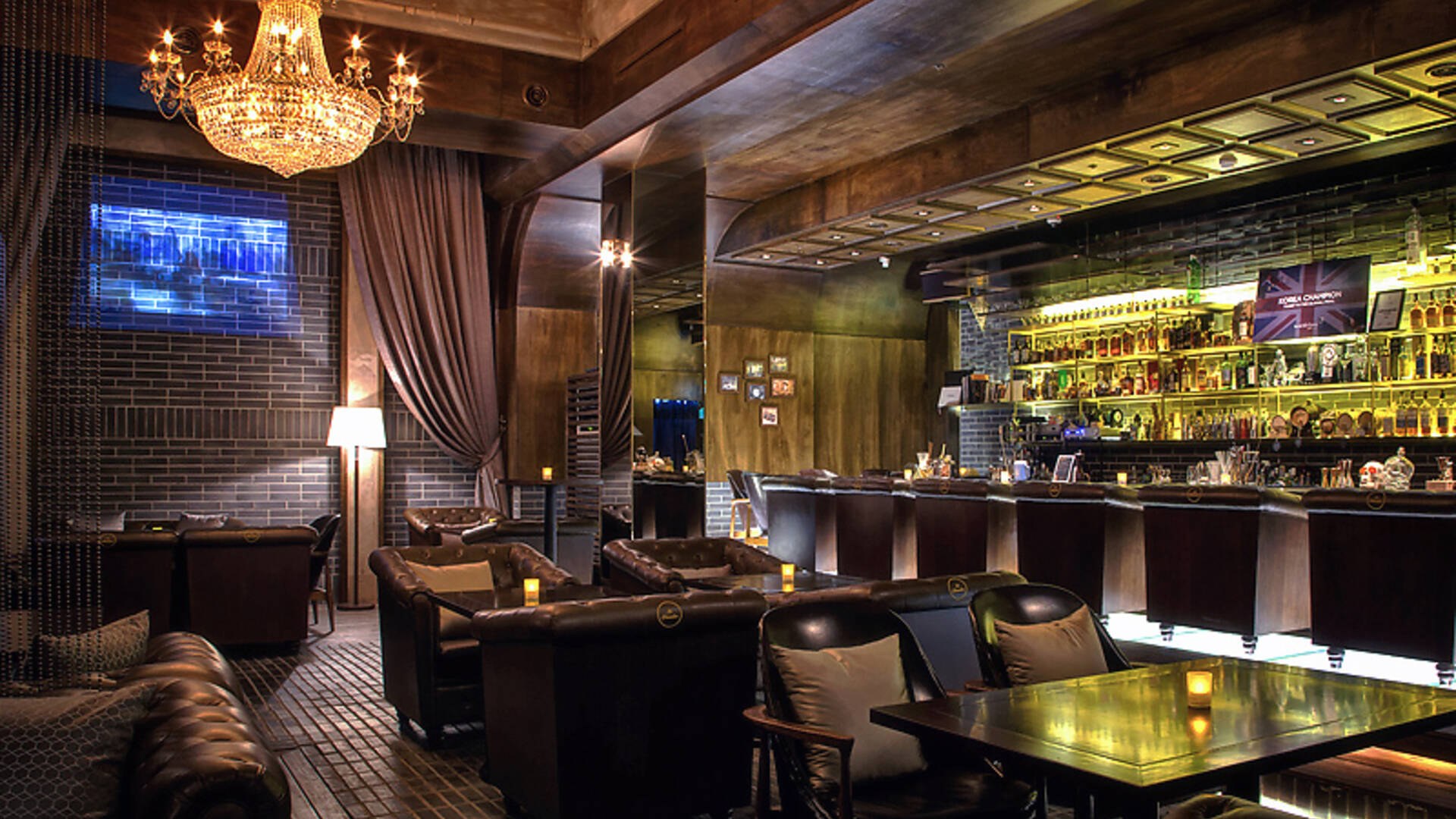
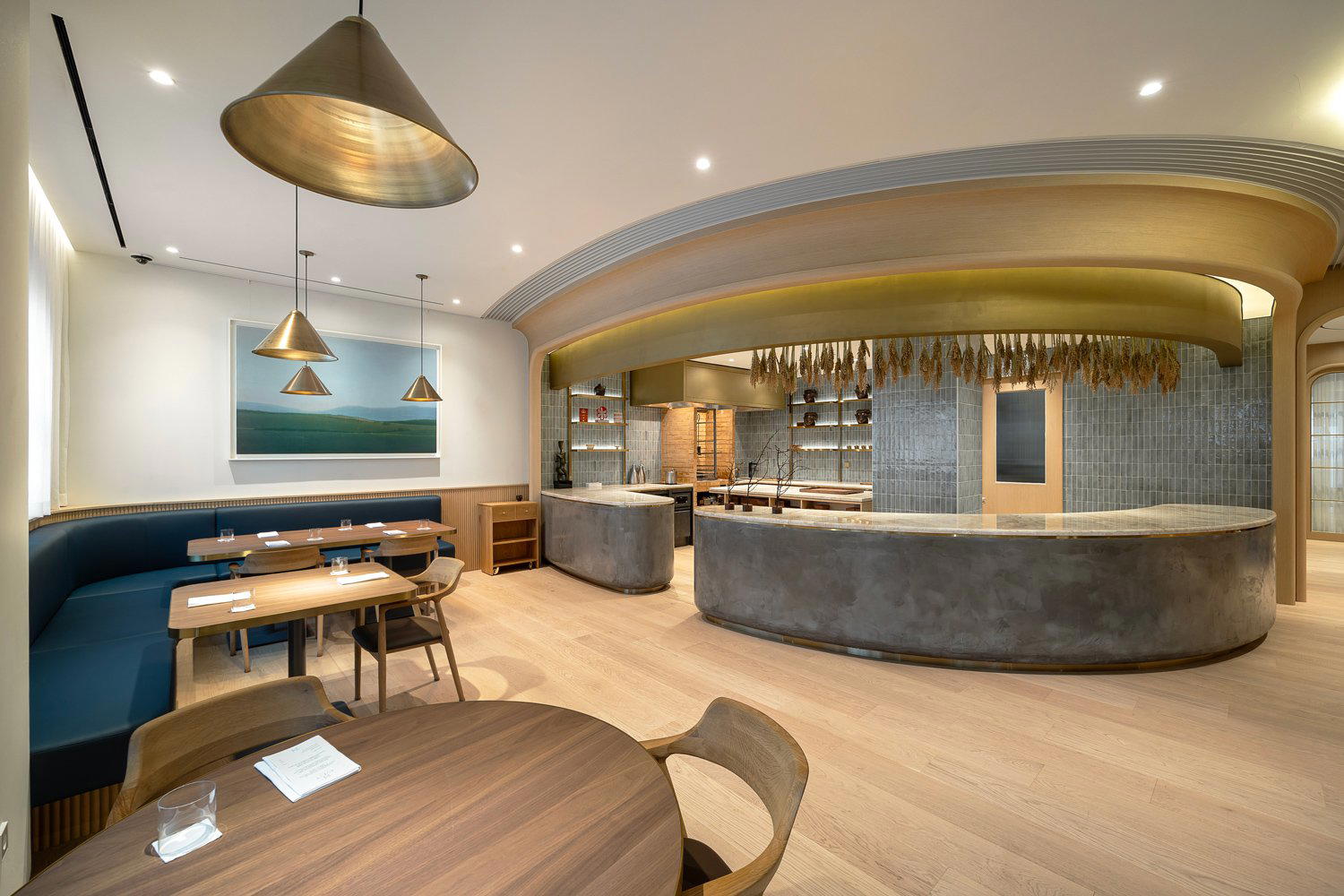
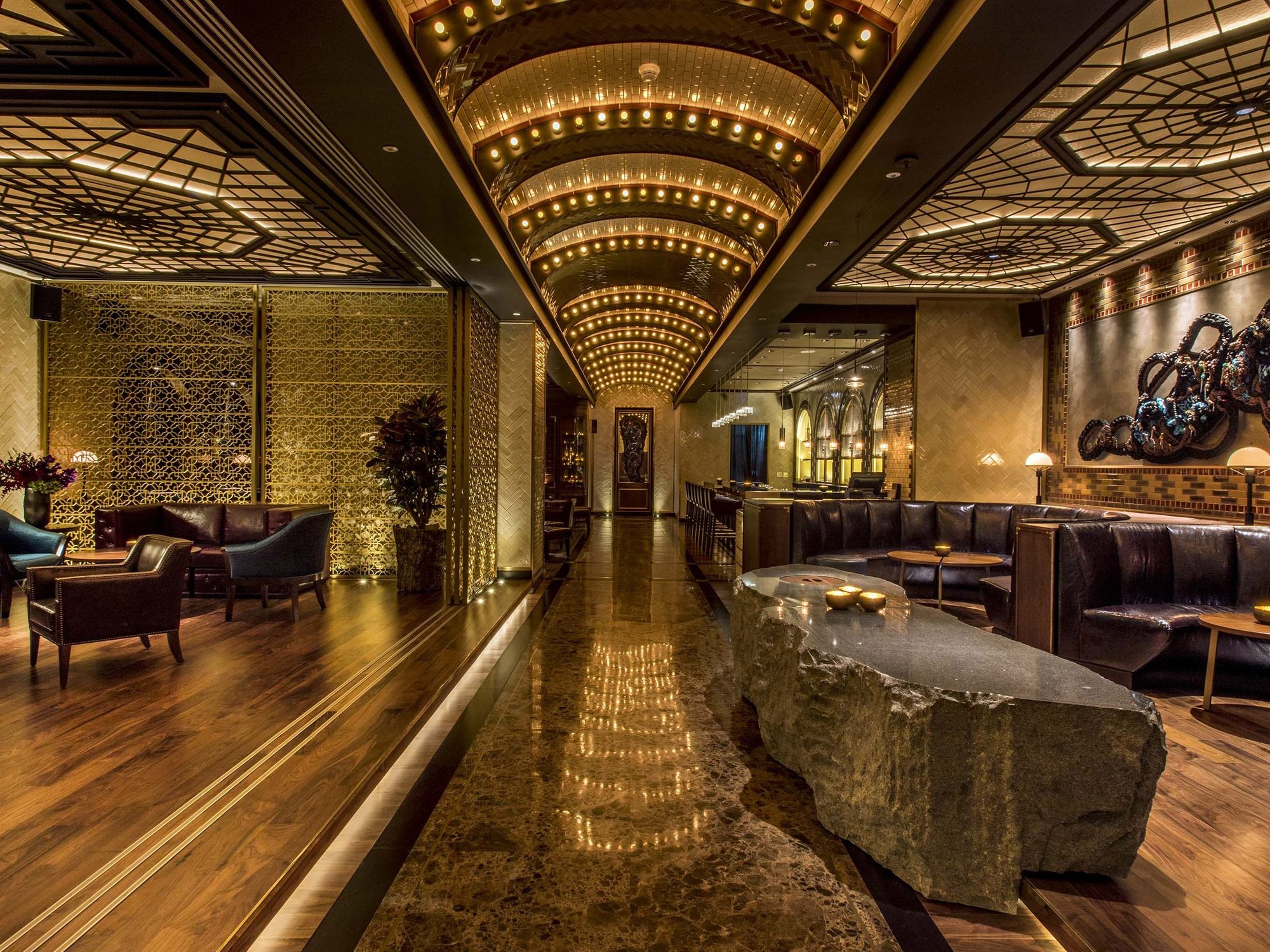
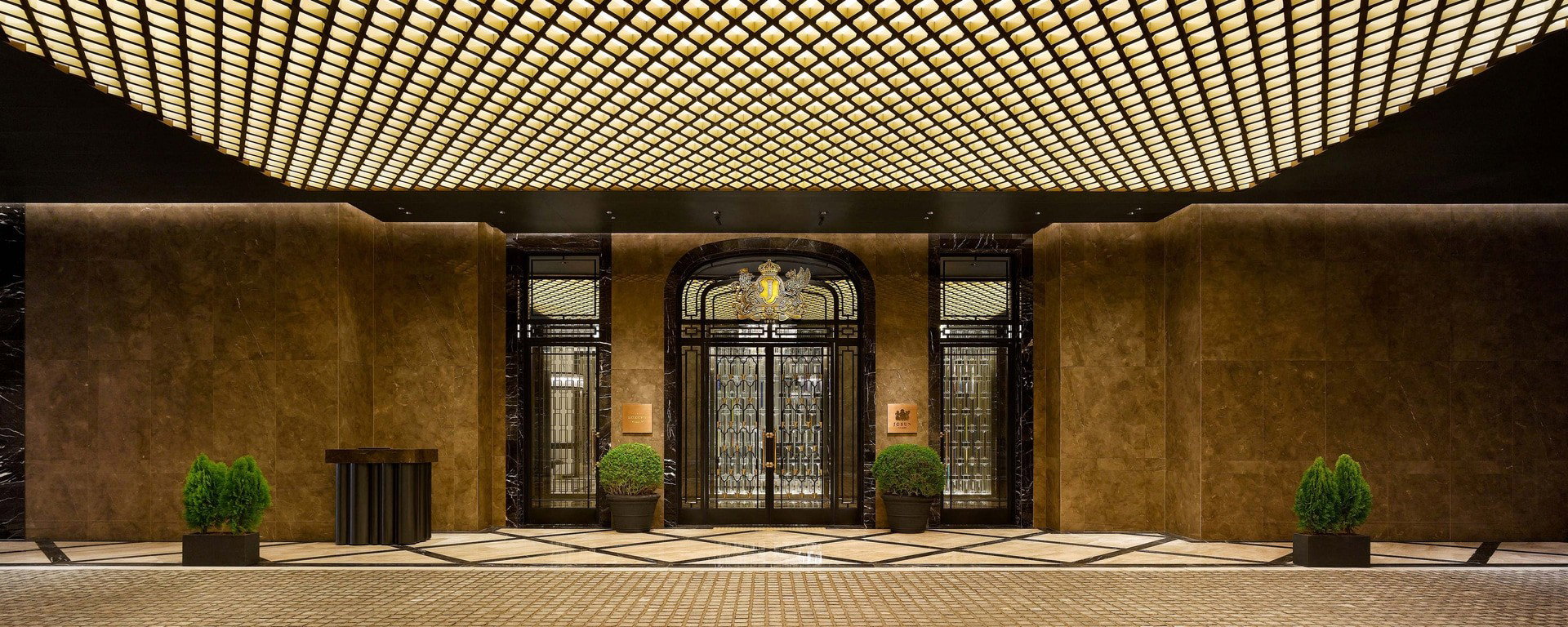
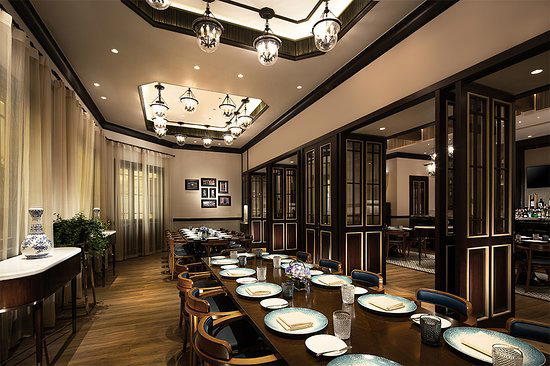
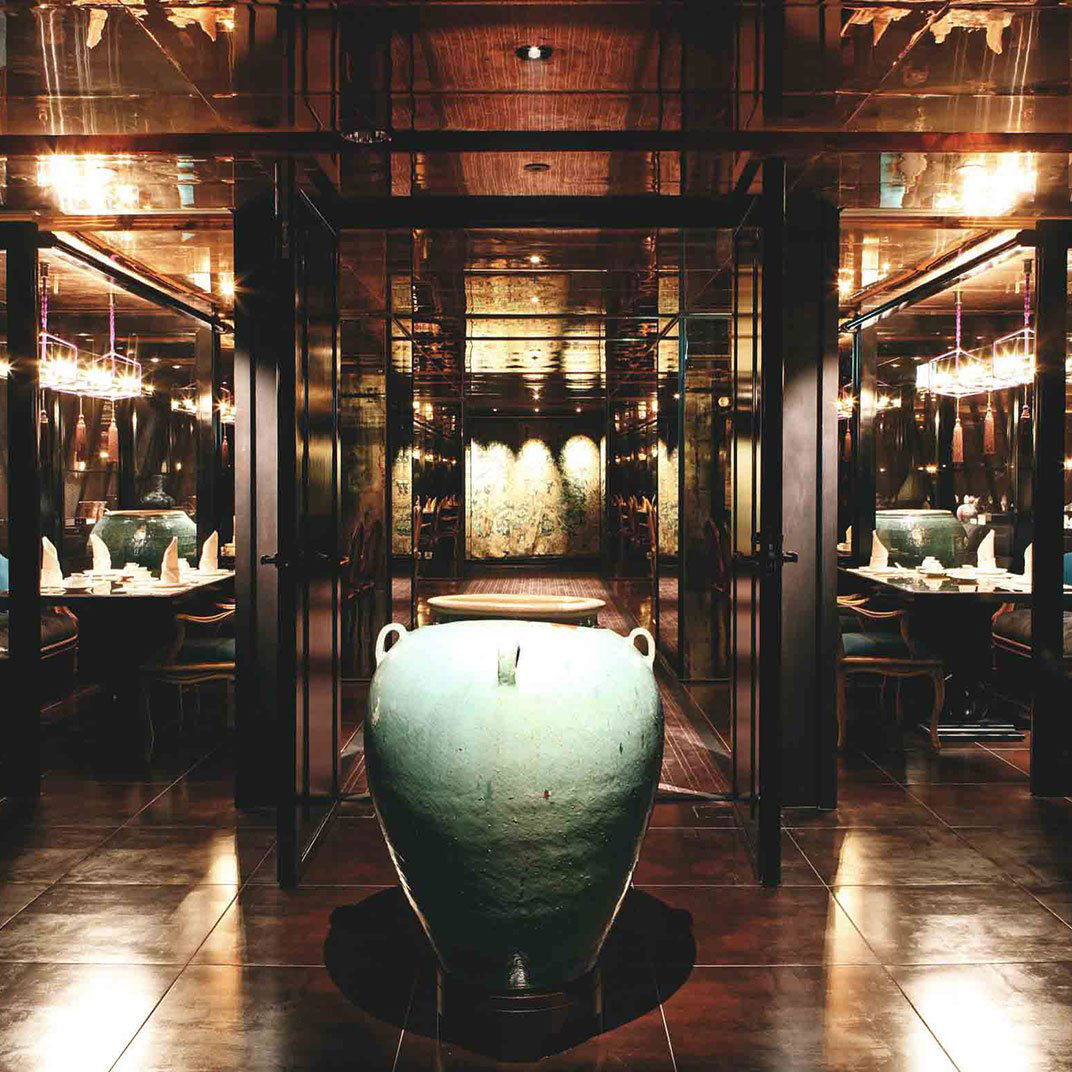
Palais de Chine occupies the sixth floor of L'Escape Hotel in Jung District, a property designed around Parisian Belle Époque references. The restaurant is deliberately set apart from that framing: the room draws on Shanghai's own Belle Époque period, which means lacquered surfaces, considered lighting, and a dining environment that feels more private than its hotel-restaurant category would suggest. For a food enthusiast who wants atmosphere to work alongside the food rather than compete with it, the spatial logic here is worth noting. It reads as intimate rather than grand, which makes it a better choice for a focused meal than a spectacle dinner.
What to Eat: Regional Grounding and the Peking Duck Question
The menu moves across authentic and modern interpretations of Chinese cuisine, with particular attention to regional character. The dim sum selection is noted as staying true to its regional origins — a meaningful distinction in a city where dim sum is often flattened into a generic brunch offering. For food explorers, that specificity matters: you are getting dishes that carry geographic identity, not a pan-Chinese greatest-hits list.
The Peking duck is the headline dish. Peking duck is one of the most technically demanding preparations in Chinese cooking, with the lacquering, drying, and roasting process requiring precision across many hours. Palais de Chine positions this as a signature, which means the kitchen has committed resources to getting it right. If you are building your meal around one dish, this is the logical anchor. Compare this to Haobin, another Seoul Chinese restaurant with a strong roast duck reputation, and you are making a choice between two credentialed options at different price and atmosphere registers.
Beyond the duck, the menu's breadth means this works as a full-table meal rather than a single-dish stop. The dim sum makes it viable for a longer, exploratory lunch format, which aligns well with how a food enthusiast would want to use it. For comparable Chinese dining depth in Seoul, Yu Yuan, Crystal Jade, Hong Yuan, and Jin Jin are the peer set worth knowing before you decide where to book.
The Tasting Progression
While Palais de Chine does not operate on a locked tasting menu format, the menu architecture rewards a considered approach to ordering. Beginning with dim sum allows the kitchen to demonstrate technical range before the Peking duck arrives as a centrepiece course. This self-directed progression gives food explorers the kind of narrative arc that a tasting menu would otherwise script for them: you move from delicate, steamed precision through to the richness of roasted duck, and the contrast between those two registers is where the meal earns its depth. If you are dining with two or more, ordering across both the dim sum range and the main dishes gives you the fullest read on what the kitchen can do. For context on how Chinese restaurants in other cities handle this kind of menu architecture, Mister Jiu's in San Francisco and Restaurant Tim Raue in Berlin are useful international reference points for modern Chinese cooking with regional grounding.
Practical Details
Palais de Chine is located at 67 Toegye-ro, Jung District, Seoul, 6th floor of L'Escape Hotel. The price register sits at ₩₩₩, which positions it as an accessible fine-dining option rather than a full splurge. Booking difficulty is rated Easy, meaning you do not need to plan weeks ahead, a meaningful advantage over the city's more competitive reservation windows. Phone and website details are not currently confirmed in our database; check the hotel directly for current hours and reservation options. For more dining options across the city, see our full Seoul restaurants guide.
Who Should Book
Palais de Chine is the right call if you want Michelin-recognised Chinese cooking in a considered room at a price that does not require a special occasion to justify. It works for food explorers who want regional specificity rather than generic Chinese-hotel dining, and for anyone who wants to build a meal around technically demanding dishes like Peking duck and properly sourced dim sum. It is less suited to large groups looking for a banquet-style experience, or to diners whose priority is Korean cuisine, for that, Kwon Sook Soo in Gangnam-gu is a stronger option. For broader exploration of Seoul's dining and cultural offerings, our Seoul bars guide, wineries guide, and experiences guide are worth reviewing alongside your restaurant shortlist. If you are travelling beyond Seoul, Mori in Busan, Baegyangsa Temple in Jangseong-gun, The Flying Hog in Seogwipo, Double T Dining in Gangneung, and Market Café in Incheon round out a broader South Korea itinerary.
Located inside
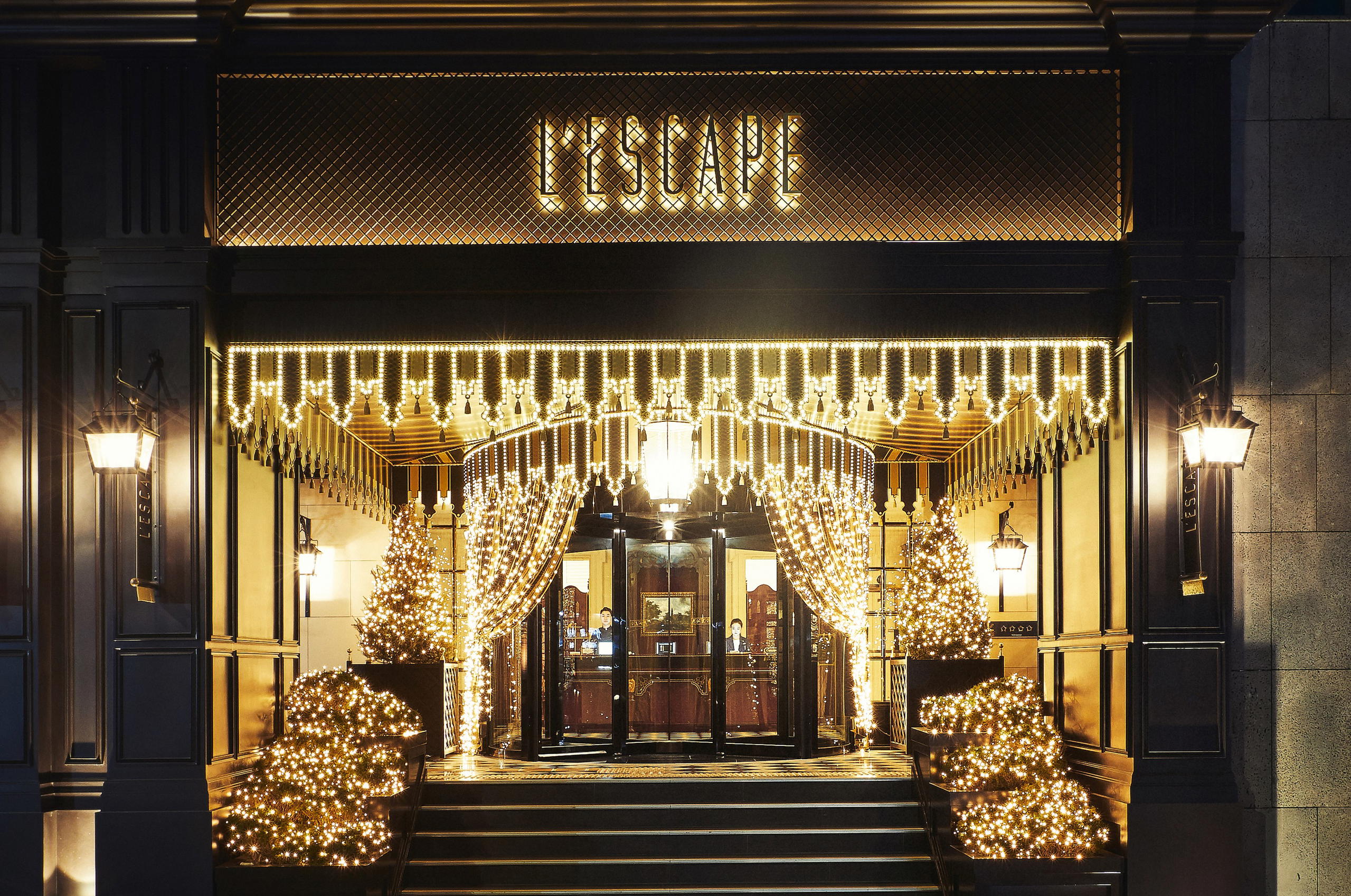 HotelL'Escape Hotel SeoulFull hotel guide
Planning details
- Location
- South Korea, Seoul, Jung District, Toegye-ro, 67 레스케이프 호텔 6F
- Website
- lescapehotel.com/dining/diner03
- Phone
- +82 2-317-4001
The take
The Take
The Vibe
Palais de Chine channels Shanghai’s early-twentieth-century Art Deco into a polished dining room that deliberately reshapes the occasion. Lacquered surfaces, geometric patterning and period references create a composed, charismatic setting that stands apart from the rest of L'Escape Hotel. The space leans into ceremony rather than spectacle: interior coherence and decorative restraint do much of the work, so guests arrive already primed for an elevated meal. The tone is refined and quietly theatrical, making the room itself a primary part of the experience as much as the cooking on the plate.
Best For
This is a restaurant built for milestone evenings and formal celebrations: think anniversaries, business dinners and other special-occasion bookings where the room matters as much as the food. The copy explicitly places Palais de Chine within Seoul’s special-occasion tier and positions Chinese gastronomy—most notably an authoritative Peking duck—as the anchor for those moments. Parties seeking a composed, design-forward setting for an important dinner will find the restaurant appropriately staged for ceremony and thoughtful service.
Ordering Tips
Make Peking duck the center of the meal—the menu highlights the whole roasted bird prepared in the traditional manner and notes it is carved at the table and served across multiple presentations. Beyond the duck, sample the dim sum selection and order a mix of signature plates such as Truffle Stir-Fried Rice, Szechuan Spicy Eggplant and the Mushroom Soup with Crispy Noodles to showcase the kitchen’s range. These items are called out in the description and convey the restaurant’s focus on ritual, texture and refined Chinese technique.
Venue details
Ambiance
Glamorous space replicating 1930s Shanghai splendor with intricate wooden carvings, traditional lanterns, porcelain displays, deep red tapestry walls, and refined modern elegance creating an inviting yet sophisticated atmosphere.
Tags
Vibe
Best For
Experience
Accessibility
At the Table
- Dress Code
- Smart Casual
- Noise Level
- Conversational
- Service Style
- Formal
- Meal Pacing
- Leisurely
- Capacity
- Medium
- Kitchen
- Modern
- Menu Format
- A la carte, Family style
- Wine Program
- Curated
- Drinks Focus
- Wine
- Dietary
- Vegetarian friendly
- Private Dining
- Available
Signature Dishes
- Peking Duck
- Dim Sum Selection
- Szechuan Spicy Eggplant
- Truffle Stir-Fried Rice
- Cold Tofu Appetizer
- Mushroom Soup with Crispy Noodles
Know before you go
Know Before You Go
- Getting there
- South Korea, Seoul, Jung District, Toegye-ro, 67 레스케이프 호텔 6F
Planning details
Location
South Korea, Seoul, Jung District, Toegye-ro, 67 레스케이프 호텔 6F · Directions
Recognition and awards
Also consider
Also Consider
- Solbam, Contemporary, ₩₩₩₩
- Onjium, Korean, ₩₩₩₩
- 7th Door, Korean, Contemporary, ₩₩₩₩
- L'Amitié, French, ₩₩₩
- Zero Complex, Korean-French, Innovative, ₩₩₩₩
Restaurant context
Palais de Chine sits at ₩₩₩ against a peer group that is mostly priced at ₩₩₩₩, which is the most immediate practical consideration. If your priority is Chinese cuisine specifically, none of the direct peer comparisons listed below offer it, Palais de Chine is in a category of its own among Seoul's recognised dining rooms for this cuisine type. The Michelin Plate (2024) give it credibility at its price tier, and the Easy booking difficulty means you are not competing for a scarce reservation the way you would at Onjium or 7th Door, both of which operate at ₩₩₩₩ with more competitive windows.
For diners whose interest is Korean cuisine rather than Chinese, Onjium is the stronger call if you want deeply researched traditional Korean cooking at a higher price point, while 7th Door and Solbam both offer contemporary Korean at ₩₩₩₩ with more elaborate tasting menu formats. Zero Complex is the most creative option in this peer set, blending Korean and French technique at ₩₩₩₩ for diners who want innovation over tradition. L'Amitié matches Palais de Chine on price at ₩₩₩ but takes a French direction, the right choice if you want European technique rather than regional Chinese.
The decision comes down to what you are optimising for. If you want Michelin-recognised Chinese cooking in Seoul at an accessible price with no booking headache, Palais de Chine is the answer, there is no close competition in that specific combination. If Chinese cuisine is less important and you want the most ambitious tasting menu experience in the city, allocate the extra spend and book one of the ₩₩₩₩ Korean options instead.
Explore Seoul
Around this place
Discover more on Pearl
Unlock the full Palais de Chine guide in Pearl, including awards, comparisons, FAQs, planning details, and nearby places.
Compare Palais de Chine
| Venue | Price | Awards |
|---|---|---|
| Palais de Chine | ₩₩₩ | 2025 Michelin Plate2024 Michelin Plate |
| Solbam | ₩₩₩₩ | 2026 Asia's 50 Best Restaurants · #552026 Wine Spectator Best of Award of Excellence2026 OAD Top Restaurants in Asia RecommendedMichelin Guide Seoul & Busan 20262026 La Liste Top Restaurants2025 Asia's 50 Best Restaurants · #552025 OAD Top Restaurants in Asia Ranked · #277Tatler Best Restaurants Asia-Pacific 20252025 Wine Spectator Best of Award of Excellence |
| Onjium | ₩₩₩₩ | 2026 Asia's 50 Best Restaurants · #142026 OAD Top Restaurants in Asia Ranked · #852026 La Liste Top RestaurantsMichelin Guide Seoul & Busan 20262026 Wine Spectator Best of Award of Excellence2025 Asia's 50 Best Restaurants · #102025 World's 50 Best Restaurants · #572025 OAD Top Restaurants in Asia Ranked · #1342025 La Liste Top Restaurants |
| 7th Door | ₩₩₩₩ | 2026 Asia's 50 Best Restaurants · #492026 OAD Top Restaurants in Asia Ranked · #842026 Black Pearl 1 DiamondMichelin Guide Seoul & Busan 20262026 La Liste Top Restaurants2025 Asia's 50 Best Restaurants · #232025 Michelin 1 Star2025 La Liste Top Restaurants2024 OAD Top Restaurants in Asia Ranked · #192 |
| L'Amitié | ₩₩₩ | 2026 La Liste Top Restaurants2025 La Liste Top Restaurants2025 Michelin 1 Star2024 Michelin 1 Star |
| Zero Complex | ₩₩₩₩ | Star Wine Lists 20262026 OAD Top Restaurants in Asia Recommended2026 La Liste Top Restaurants2025 OAD Top Restaurants in Asia Ranked · #1992025 La Liste Top Restaurants2025 Michelin 1 Star2025 The Best Chef One Knife2024 OAD Top Restaurants in Asia Ranked · #2792024 Michelin 1 Star |










Key differences to consider before you reserve.
FAQ
Frequently Asked Questions
How far ahead should I book Palais de Chine?
Book at least one to two weeks out, particularly for weekend dinners. Sitting inside L'Escape Hotel at the ₩₩₩ tier, Palais de Chine draws both hotel guests and outside diners, which keeps demand steady. Weekday lunches are your best shot at shorter notice. If Peking duck is your reason for coming, confirm availability when reserving — dishes at this level of preparation often require advance notice.
What should I order at Palais de Chine?
The Peking duck is the headline dish and the most documented priority here — it is a centerpiece for good reason, carrying the kind of regional specificity that separates Palais de Chine from generic hotel Chinese. The dim sum selection is also worth building a meal around, with a range that respects regional character rather than defaulting to crowd-pleasing standards. Order a spread across both rather than anchoring entirely to one.
Is Palais de Chine good for solo dining?
Solo dining works here, particularly at lunch when the pace is more relaxed, but the menu format favours sharing across multiple dishes. A solo diner will get the most value by ordering two or three dishes rather than attempting a full spread. The ₩₩₩ price point means the per-head cost for a solo visit is real — factor that in if you are comparing it against more casual Chinese options in Seoul.
Does Palais de Chine handle dietary restrictions?
Specific dietary accommodation policies are not documented in available data, so confirm directly with the restaurant when booking. The menu covers both authentic and modern Chinese preparations, which typically means a range of seafood, meat, and vegetable-forward dishes — useful context if you are navigating restrictions. Do not assume the kitchen will substitute freely without checking ahead, particularly for dishes like Peking duck where the preparation is fixed.
What should a first-timer know about Palais de Chine?
This is a Michelin Plate (2024) Chinese restaurant inside one of Seoul's most design-forward hotels — the room references Shanghai's belle époque rather than the Parisian aesthetic of the hotel around it, so the contrast is intentional. The cooking spans authentic and modern Chinese, with real regional grounding in the dim sum and Peking duck. At ₩₩₩, it sits above casual Chinese dining but below Seoul's top-tier tasting-menu price band, making it a sensible call for a considered dinner without a full special-occasion budget.
What should I wear to Palais de Chine?
The setting inside L'Escape Hotel at the ₩₩₩ tier points toward business casual as a reliable baseline — polished but not formal. Nothing in the venue data specifies a dress code, but a hotel restaurant of this calibre will notice if you arrive in athleisure. If you are coming directly from a day of sightseeing, a quick change is worth it.