


OPNNG
Contemporary · 압구정동, Seoul
Restaurant in Seoul, South Korea
 Book with Pearl
The Read
Wine-Anchored Franco-Italian
Dress
Smart Casual
Why go
A wine-first contemporary dining room in Gangnam with more than 500 wines and Michelin Plate kitchen. OPNNG earns its ₩₩₩ price tag if wine is central to your evening — the food is competent French-Italian, but the sommelier-led experience is the real draw. Well-suited to date nights and business dinners; easy to book with a few days' notice.
About OPNNG
Is OPNNG worth booking for a special occasion in Seoul?
Yes, with a clear condition: if you want a wine-forward contemporary dining experience in Gangnam that treats the bottle as seriously as the plate, OPNNG earns its place. This is not a tasting-menu destination where the kitchen does all the work. The concept is built around the intersection of wine and art, which in practice means the service team, led by Wine Director Danbi Kim, is expected to carry significant weight. Whether that service philosophy justifies the price is the right question to ask before booking.
The Atmosphere and What to Expect
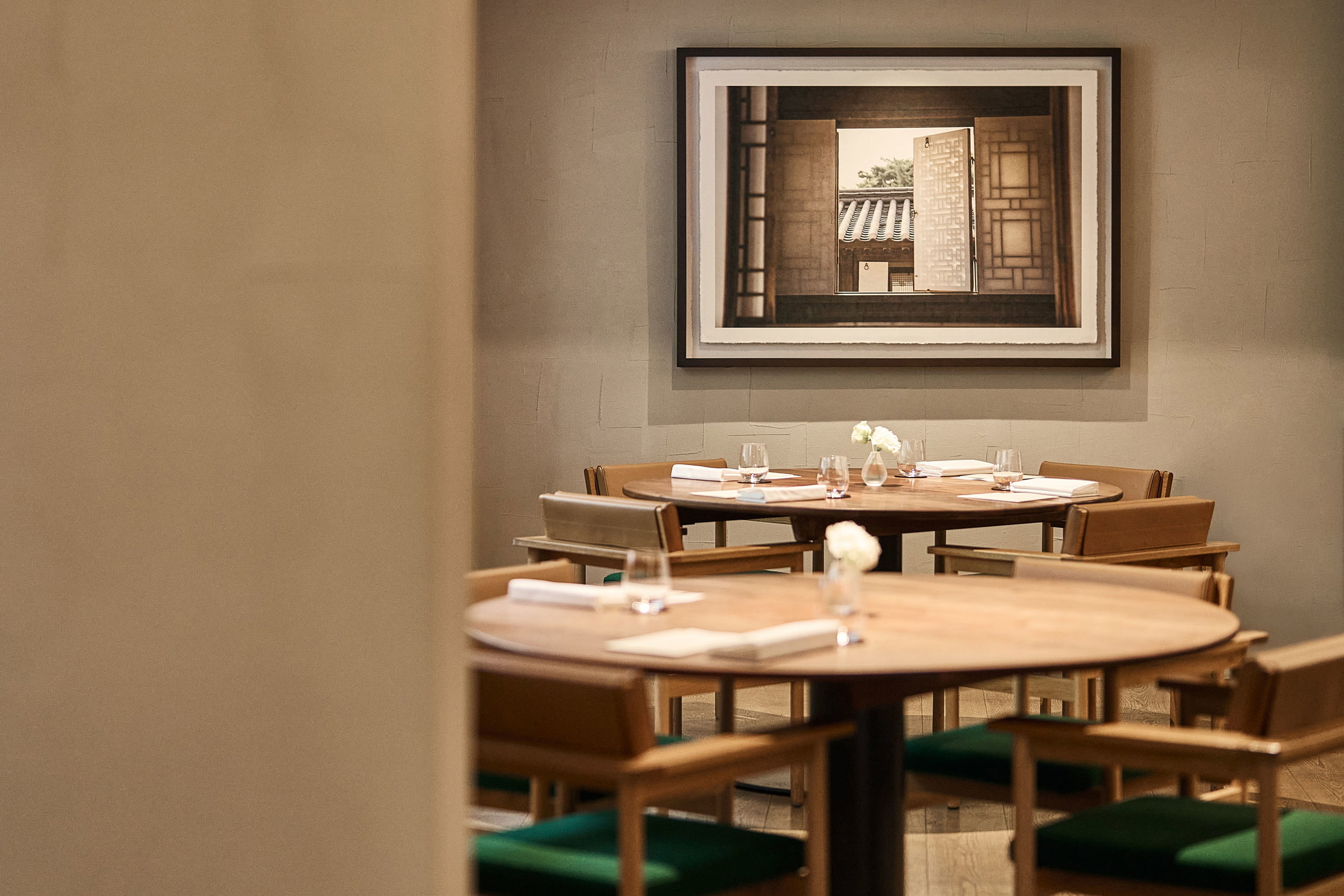
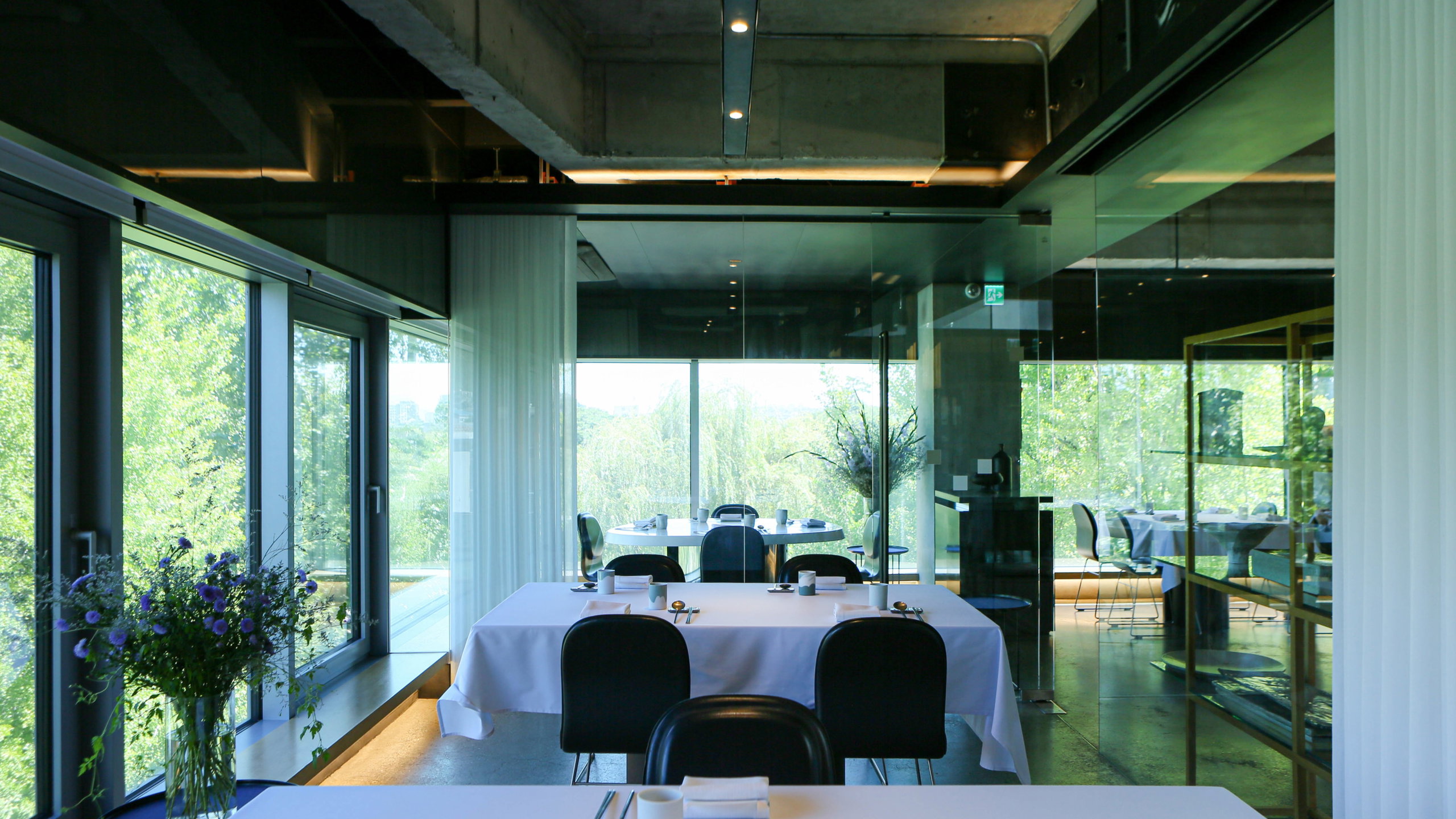
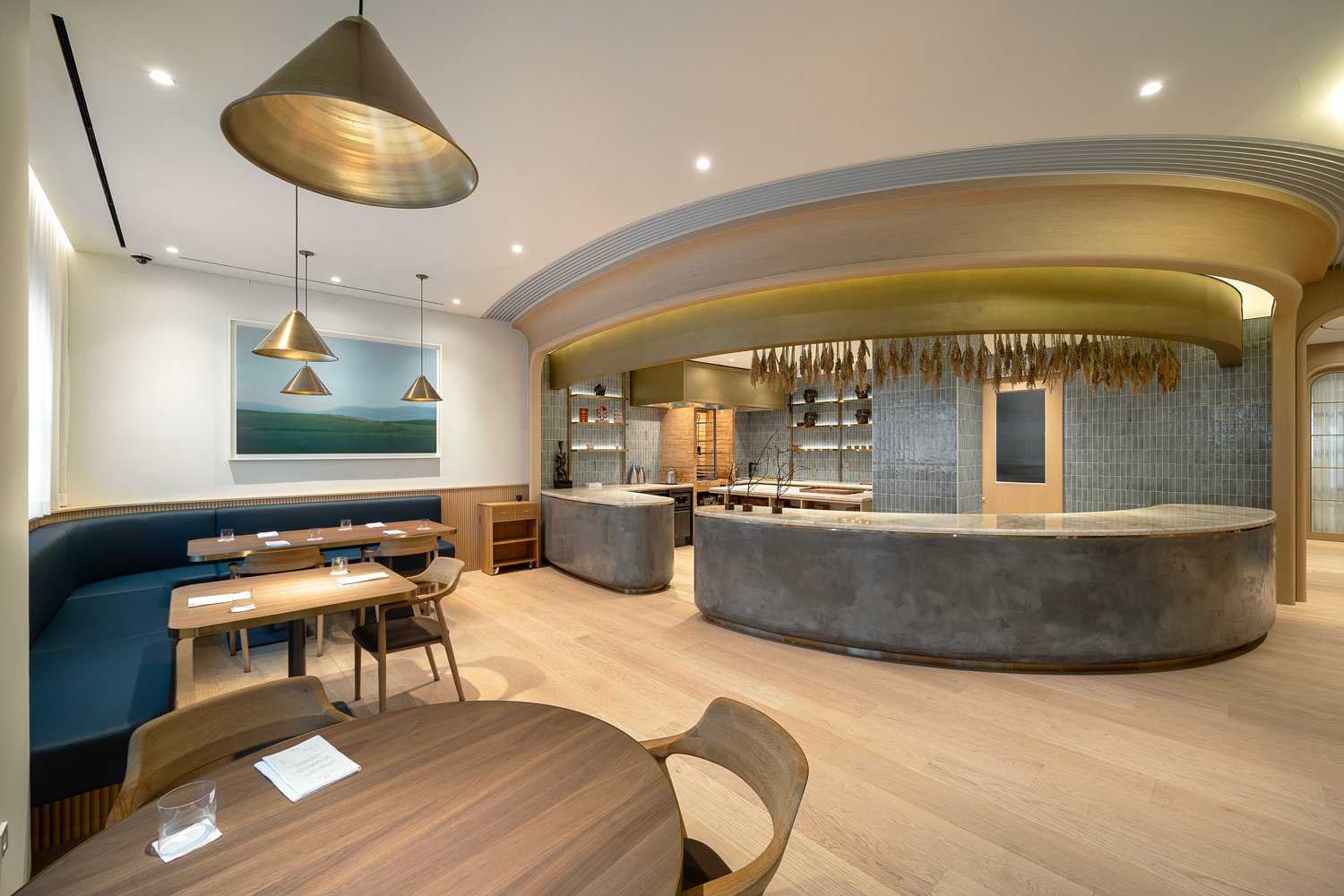
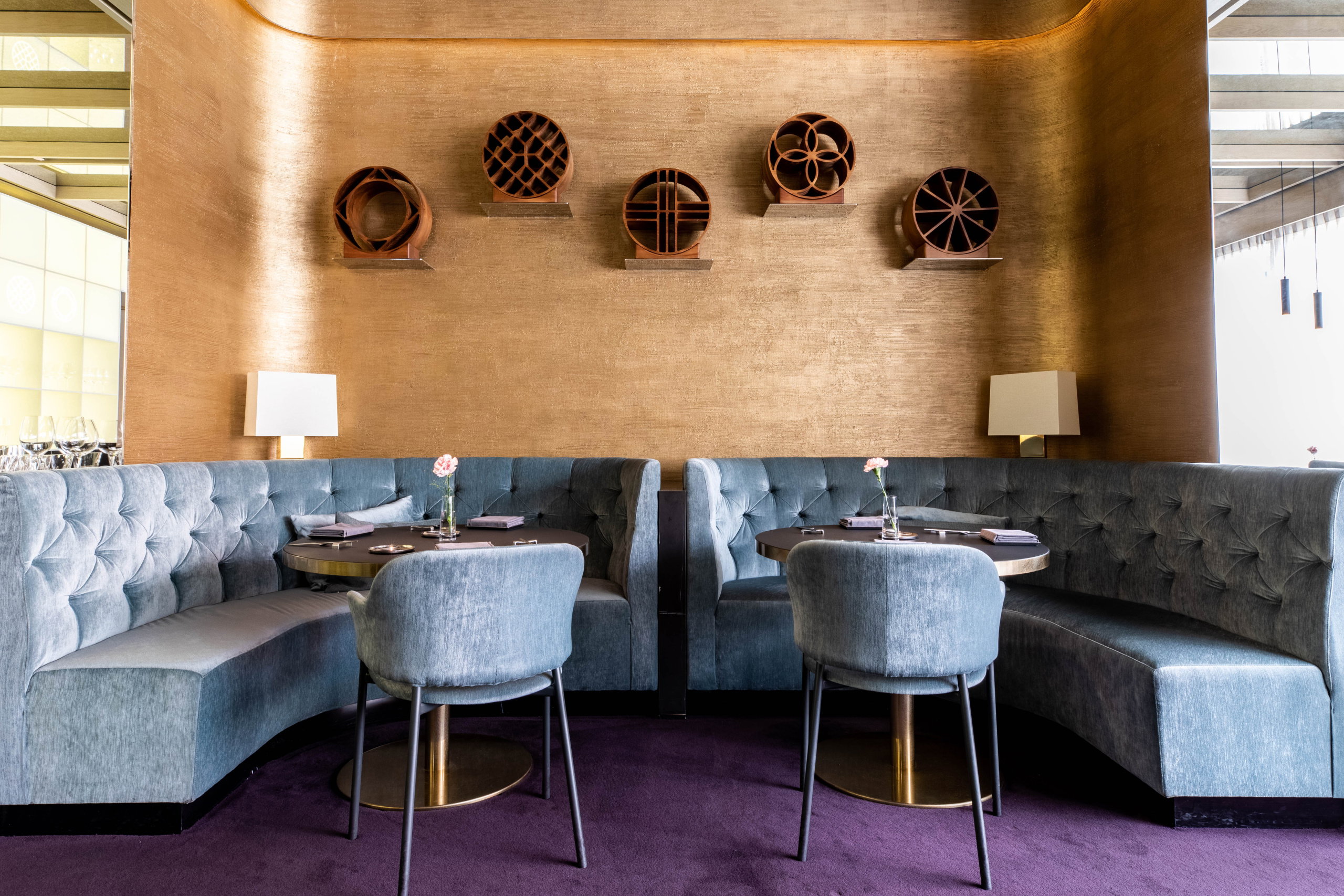
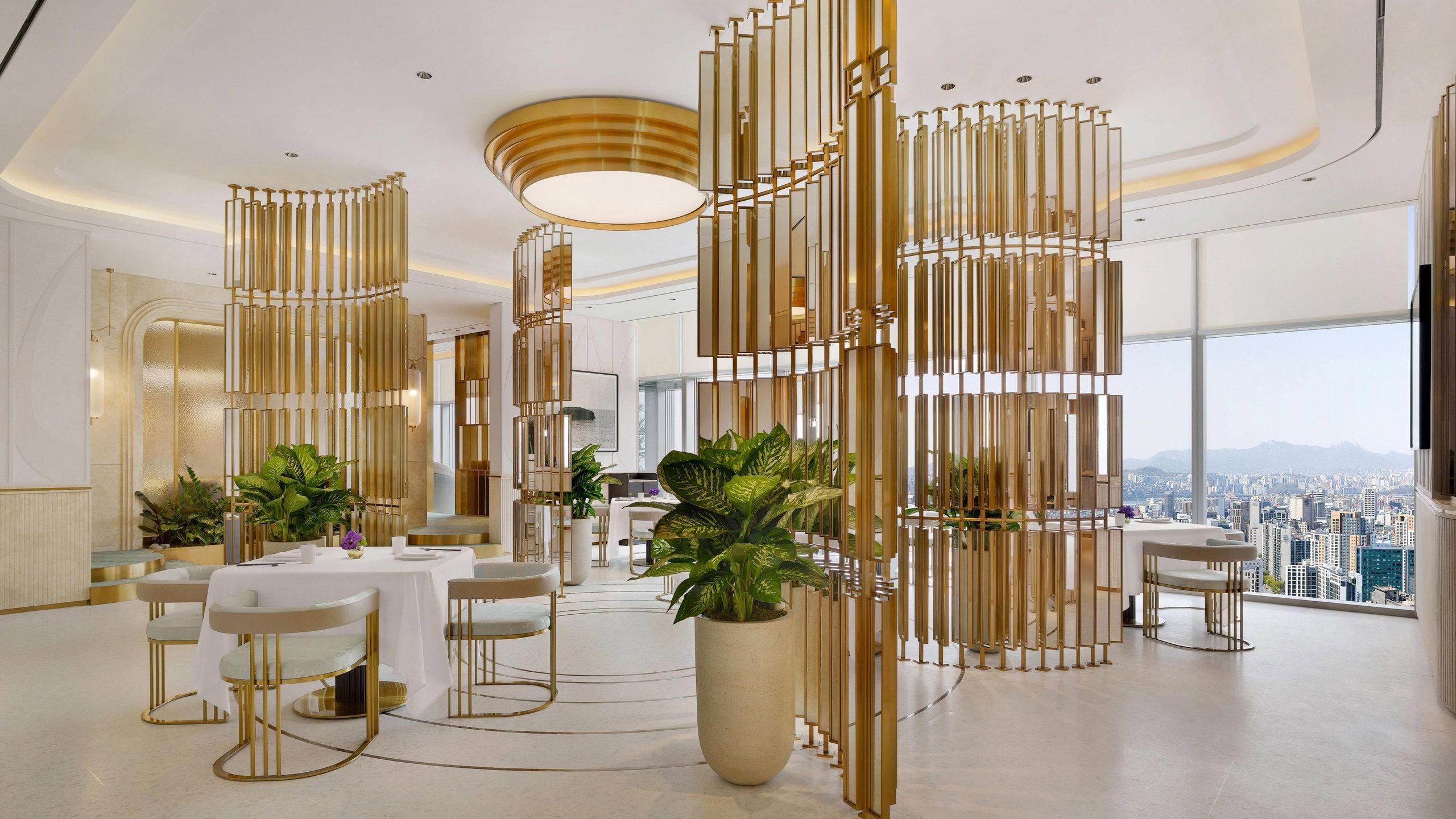
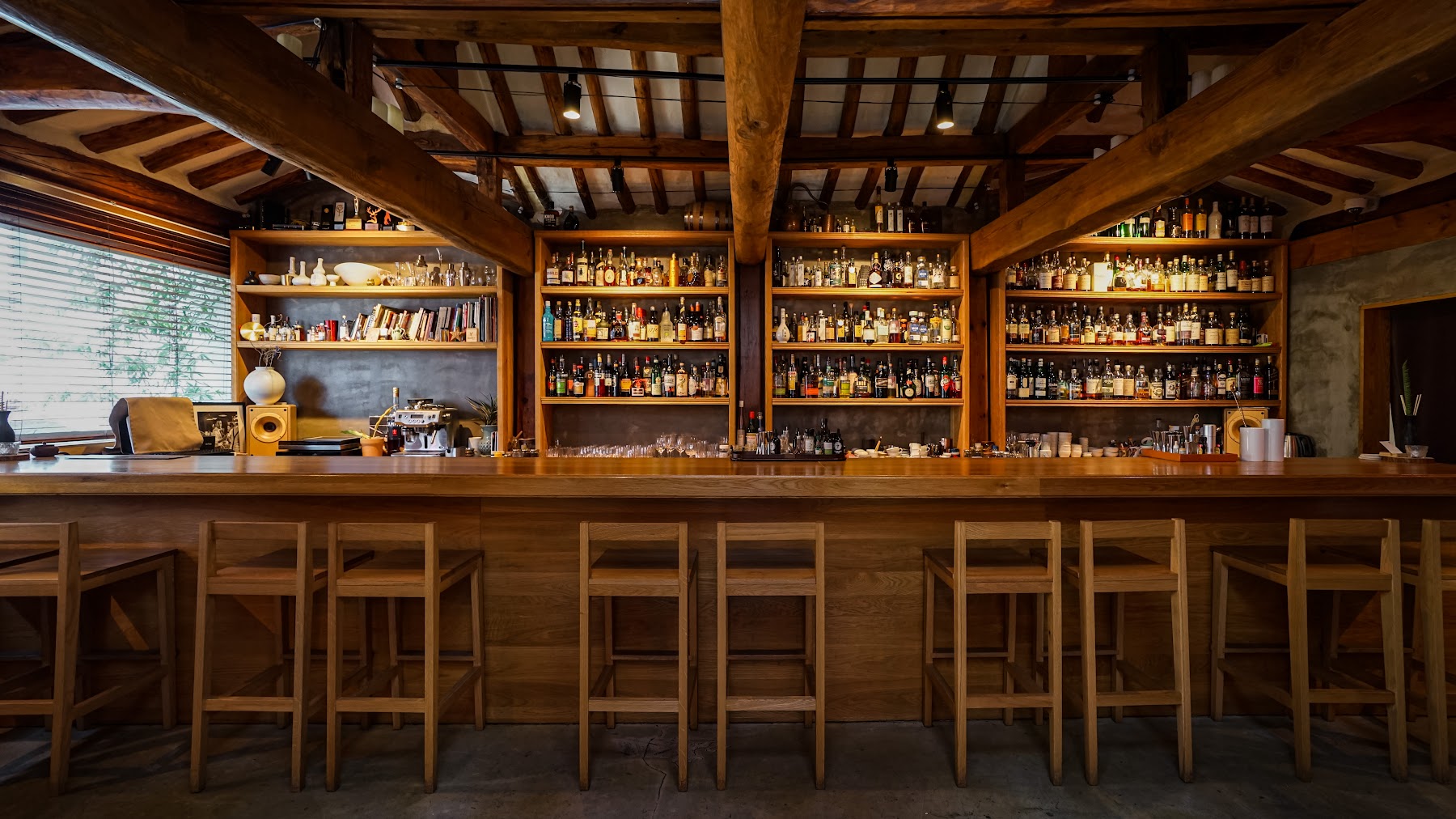
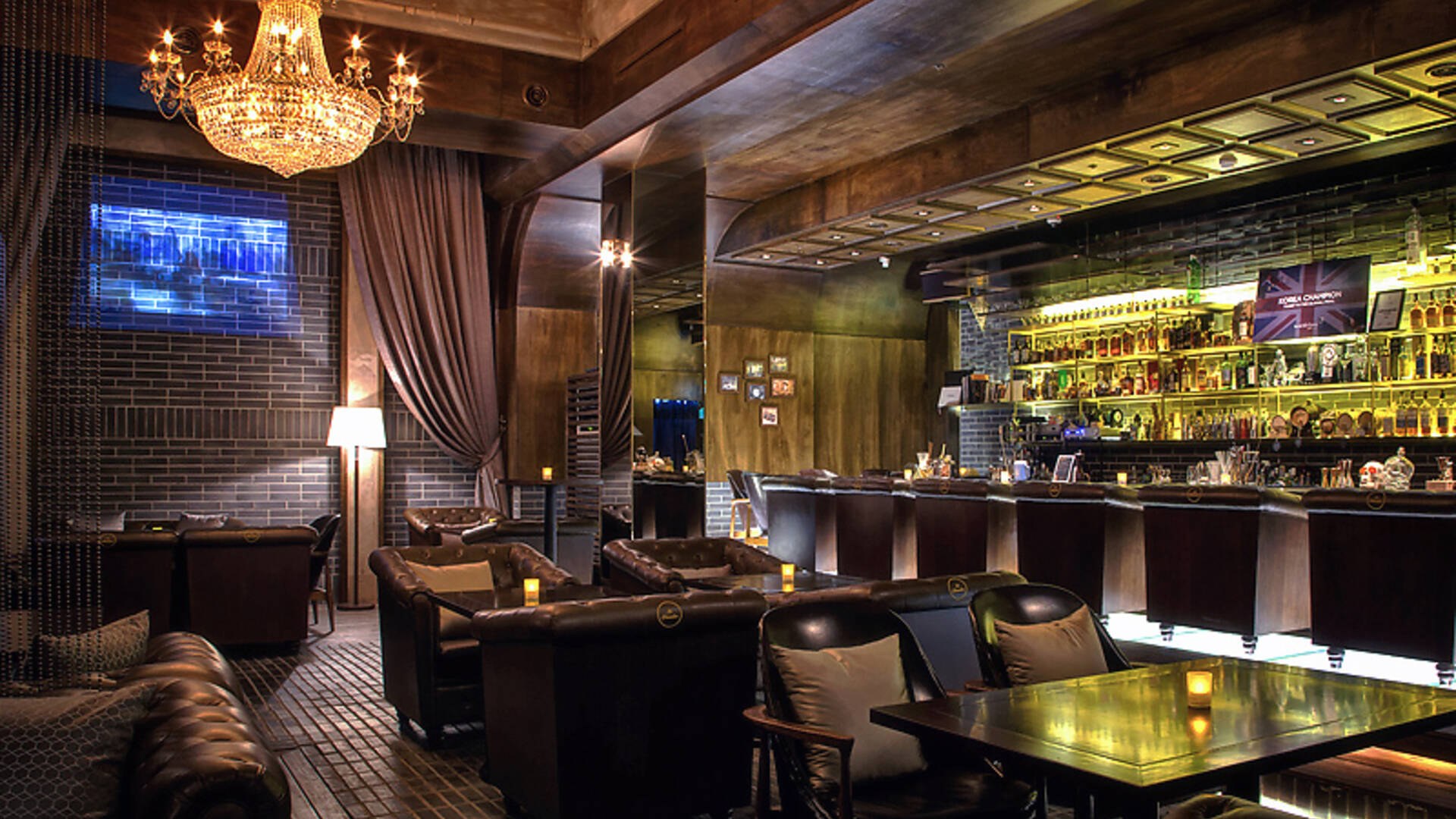
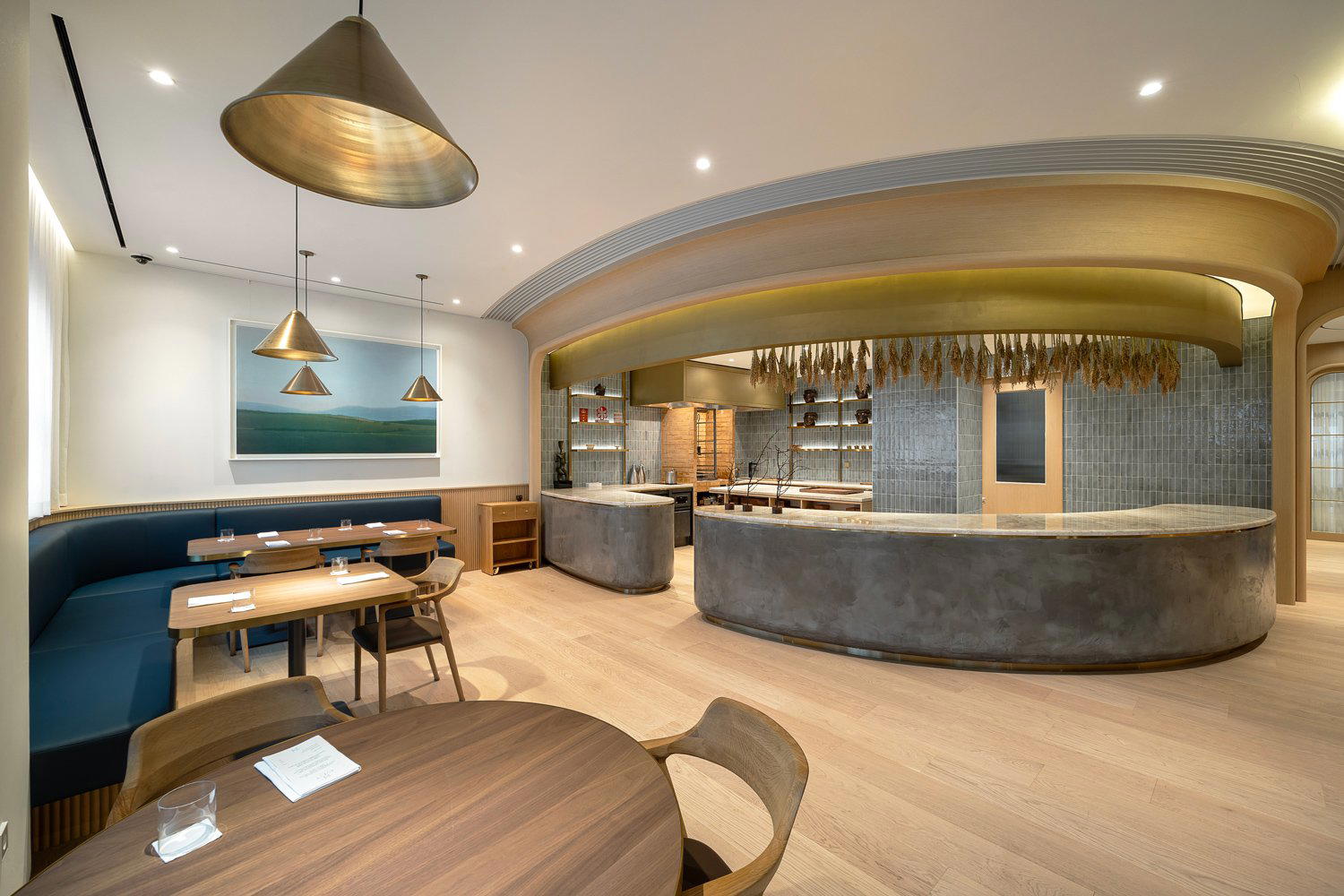
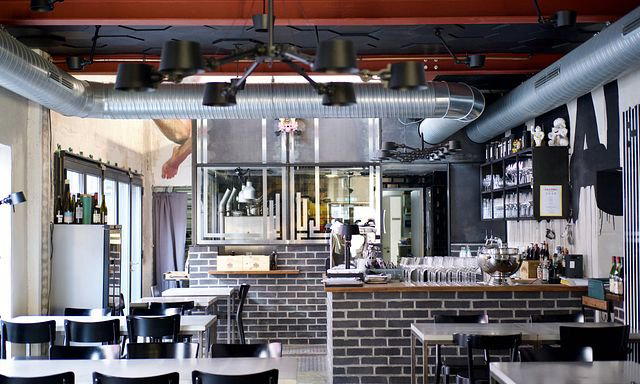
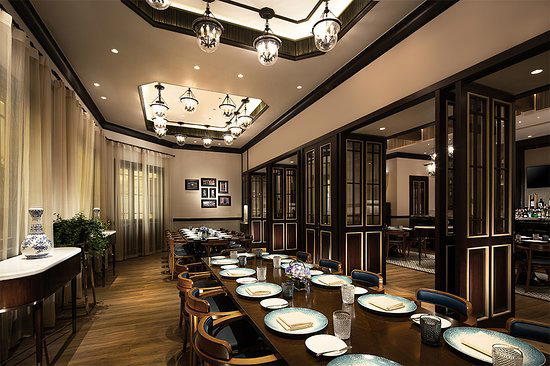
OPNNG sits on Dosan-daero 34-gil in Gangnam, an address that signals a certain kind of polished, design-conscious dining. The mood here is calm and deliberate rather than celebratory in a loud sense. Think low ambient energy, considered interiors, and a pace that suits a long dinner rather than a quick meal. If you are coming for a birthday or anniversary, that quieter register works in your favour: conversation is possible, the room does not fight you. Contrast this with some of Seoul's noisier contemporary spots, and the atmosphere at OPNNG reads as genuinely suited to the occasion rather than incidentally so.
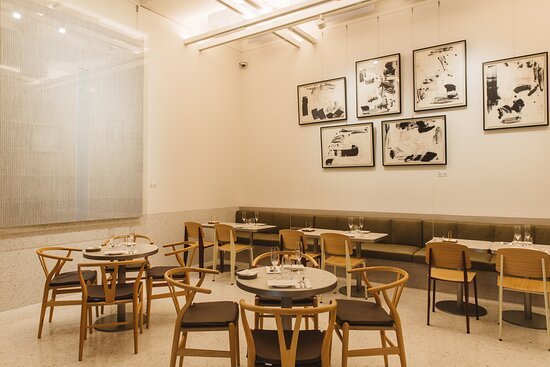
For a date or a business dinner where the wine list needs to do some of the talking, the setup works well. The room's art-adjacent concept is more than a styling choice: it shapes how the evening moves, giving the meal a gallery-like cadence where you are invited to slow down and pay attention. That is either a strength or a minor frustration depending on what you want from the night.
The Wine Program Is the Main Event
With 1,310 bottles in inventory across 400 selections, the wine list at OPNNG is one of the more serious in Gangnam. The strengths are Burgundy, Italy, France, and California. Pricing sits at the $$$ tier, meaning a meaningful portion of the list runs above the ₩100,000-per-bottle equivalent. Corkage is set at $69 (or the Korean won equivalent at time of visit), which is worth knowing if you plan to bring something personal for a celebration.
Wine Director Danbi Kim's presence is what differentiates this list from a well-curated PDF. A knowledgeable sommelier who can navigate a 400-selection list for a guest who does not know Burgundy from Barolo is a genuine service asset. At this price point, you are paying for that guidance as much as for the bottle itself. If you are indifferent to wine, the value equation shifts and you should consider whether a more cuisine-led venue like Jungsik or Eatanic Garden better fits your evening.
The Food: French and Italian, Dinner Only
Chef Juyoung Yang leads a kitchen working in French and Italian registers. The cuisine pricing sits at $$, meaning a typical two-course meal without drinks lands in the ₩40,000 to ₩65,000 range per person. That is a meaningful gap below the wine pricing tier, which tells you something about the venue's identity: this is a wine destination that also feeds you well, not a cuisine destination that also has a wine list. General Manager Jihyeon Youn and owner Daniel Shim complete the leadership picture.
OPNNG holds a Michelin Plate for 2025, which confirms a base level of kitchen quality without placing it in the starred tier. The Plate designation means Michelin's inspectors found the cooking to be good. It does not mean it competes with the starred rooms in Seoul. Set expectations accordingly: this is a well-executed supporting cast for the wine program, not the reason to visit on its own.
Service Philosophy: Does It Earn the Price?
The service model here is the make-or-break factor. OPNNG's concept only works if the staff can execute on both the wine education promise and the general hospitality of a ₩₩₩ dinner. With a named Wine Director and General Manager in place, the infrastructure for good service exists. For a special occasion, the degree of attentiveness from the floor team will shape whether this feels like a well-considered evening or an expensive meal at a concept-driven space. Book with that in mind: early reviews skew toward guests who sought the venue out deliberately and tend to rate generously.
Know Before You Go
Practical Details
- Address: 22 Dosan-daero 34-gil, Gangnam District, Seoul
- Cuisine: Contemporary French and Italian
- Price range: ₩₩₩ (wine $$$, food $$)
- Service: Dinner only
- Wine list: 400 selections, 1,310 bottles in inventory; strengths in Burgundy, Italy, France, California
- Corkage: $69
- Awards: Michelin Plate 2025
- Booking difficulty: Easy
- Leading for: Date night, anniversary, business dinner with wine focus
- Wine Director: Danbi Kim
- Chef: Juyoung Yang
How It Compares
See the comparison section below for how OPNNG stacks up against Solbam, Exquisine, and other Gangnam contemporaries. For broader Seoul planning, our full Seoul restaurants guide covers the full range of options across price points. If you are also planning your stay, the Seoul hotels guide and Seoul bars guide are useful companions. For wine-focused experiences beyond the restaurant floor, the Seoul wineries guide and Seoul experiences guide round out the picture.
For context on how Seoul's contemporary dining compares internationally, César in New York City and Alo in Toronto occupy a similar wine-and-contemporary-cuisine space at comparable price tiers. Outside Seoul, Mori in Busan is worth noting for travellers covering more of Korea, alongside regional options like Double T Dining in Gangneung. Within Gangnam, Kwon Sook Soo and Restaurant Allen serve different ends of the spectrum. Further afield, Baegyangsa Temple in Jangseong-gun and Market Café in Incheon offer contrast for travellers moving through the region.
Planning details
- Location
- 22 Dosan-daero 34-gil, Gangnam District, Seoul, South Korea
- Website
- baropnng.com
- Phone
- +82 2-2088-5844
The take
The Take
The Vibe
OPNNG positions wine as the organizing principle, and that editorial choice shapes the restaurant’s character. The room presents itself as a wine-focused bistro where 'wine and art' is an explicit concept; Old World restraint and a Burgundy-forward selection lend a measured, classic air. The kitchen works in Franco-Italian registers, keeping food approachable so the cellar can take center stage. The result is a composed, focused dining experience that feels curated rather than decorative—an intimate room for diners who want their meal to orbit a serious, thoughtfully assembled wine list.
Best For
This is a destination for serious wine fans and diners who prefer to prioritize bottles over extravagantly priced tasting menus. With 1,310 bottles in inventory and roughly 400 labels across Burgundy, Italy, France and California, the cellar rewards repeat visits and exploration. The menu’s approachable two-course pricing ($40–$65) makes it suitable for couples on a date night, celebratory dinners where the wine is the splurge, and guests who want a structured, wine-forward evening rather than a flashy, multi-course tasting.
Ordering Tips
Treat the wine list as the primary menu: allocate budget to bottles rather than trying to max both food and wine. The cellar is priced at the $$$ tier and many bottles clear the $100 threshold, so expect to spend on standout labels; Burgundy is repeatedly noted as a house strength. With a compact Franco-Italian menu and two-course dinner pricing in the $40–$65 range, keep food choices simple and let the wine drive the pairing. Ask front-of-house for direction through the list to maximize a single evening’s discovery.
Venue details
Ambiance
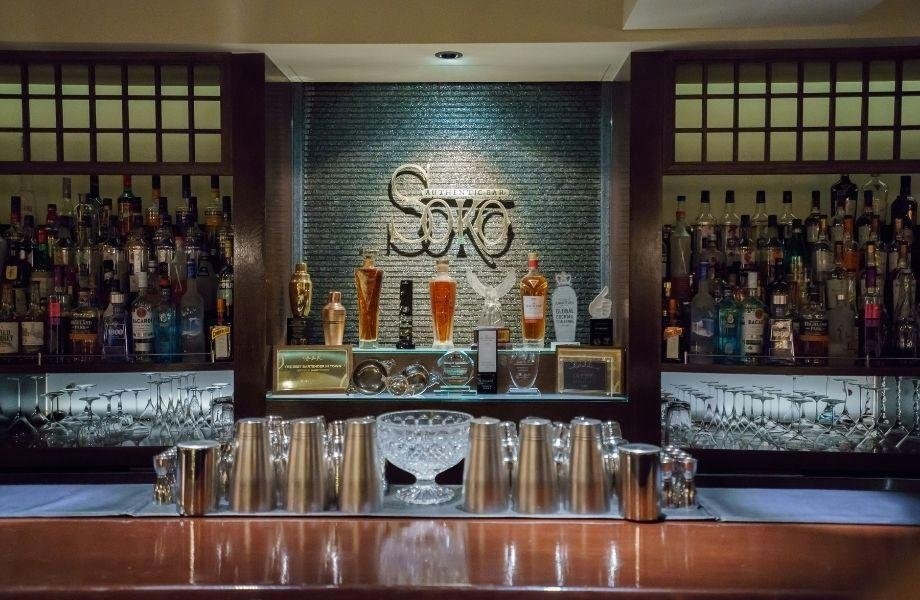
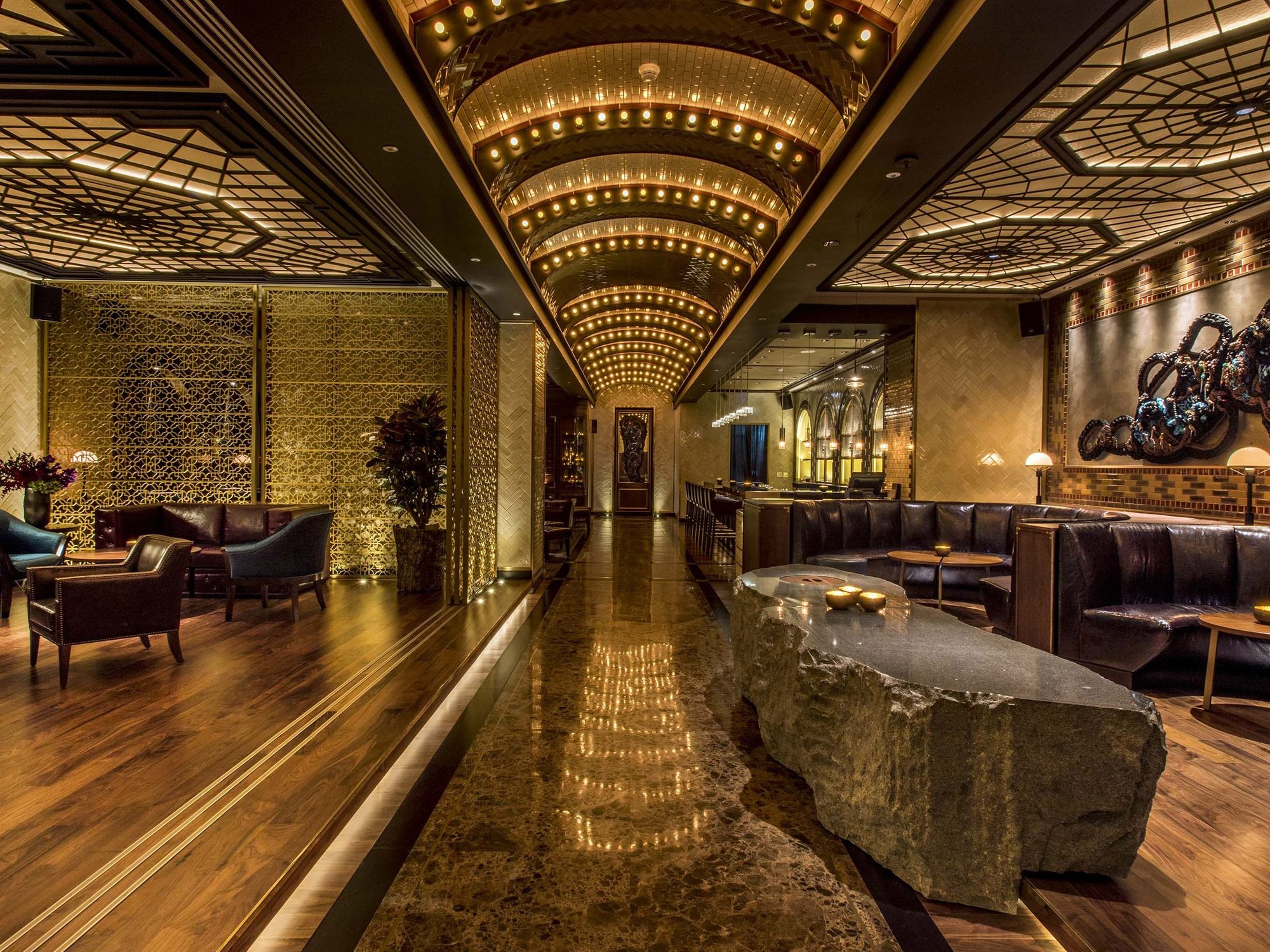
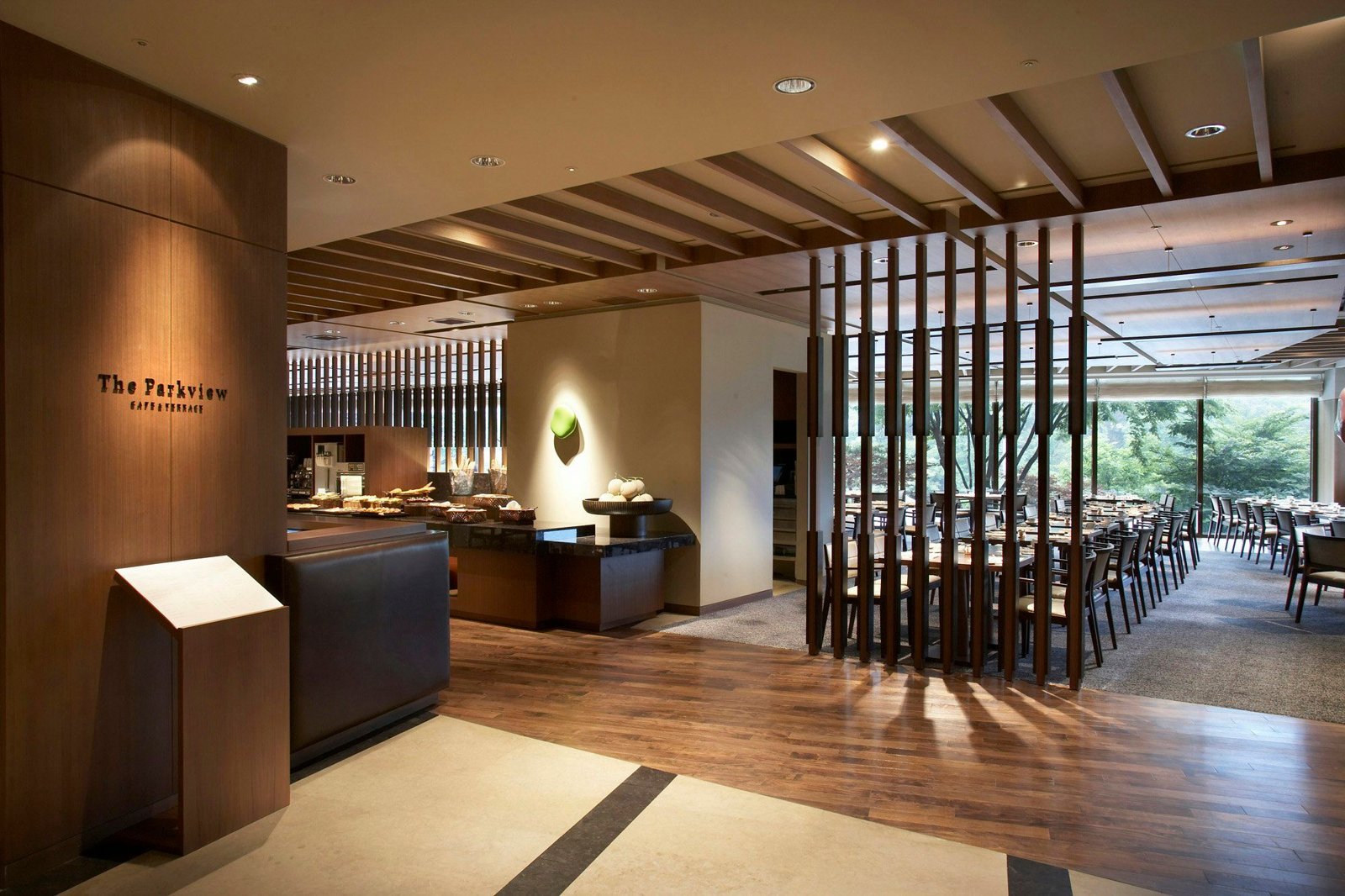
Sophisticated gallery-like atmosphere with art exhibitions, designer furniture, and refined lighting creating an elegant and artistic dining experience.
Tags
Vibe
Best For
Experience
At the Table
- Dress Code
- Smart Casual
- Noise Level
- Conversational
- Service Style
- Upscale Casual
- Meal Pacing
- Leisurely
- Capacity
- Small
- Kitchen
- Modern
- Menu Format
- A la carte
- Wine Program
- Exceptional
- Drinks Focus
- Wine
Signature Dishes
handmade pasta
Know before you go
Know Before You Go
- Getting there
- 22 Dosan-daero 34-gil, Gangnam District, Seoul, South Korea
Planning details
Location

Also consider
Also Consider
- Solbam, Contemporary, ₩₩₩₩
- Onjium, Korean, ₩₩₩₩
- 7th Door, Korean, Contemporary, ₩₩₩₩
- L'Amitié, French, ₩₩₩
- Zero Complex, Korean-French, Innovative, ₩₩₩₩
Restaurant context
Against its ₩₩₩₩ peers, OPNNG holds a clear price advantage. Solbam and Zero Complex both sit a tier higher in overall spend and lead with the kitchen rather than the cellar. If cuisine innovation is your priority, either of those venues will satisfy more than OPNNG. But if you are building an evening around a serious wine list and want to keep the food bill from compounding the damage, OPNNG's $$ food pricing against a $$$ wine list is the more manageable combination for most diners.
The closest direct comparison at the same price tier is L'Amitié, also French and ₩₩₩. The distinction is emphasis: L'Amitié leads with cuisine, OPNNG leads with wine. For a dinner where the bottle anchors the evening, OPNNG is the stronger call. For Korean fine dining at the highest tier, Onjium (₩₩₩₩) and 7th Door (₩₩₩₩) operate in a different register entirely and are not natural substitutes unless you are flexible on format.
Booking difficulty tips further in OPNNG's favour relative to the ₩₩₩₩ rooms, which often require advance planning of several weeks. OPNNG is rated easy to book, meaning you can plan a Gangnam special occasion without the reservation anxiety that comes with Seoul's most competitive tables. For a wine-centred dinner with reasonable notice, it sits in a gap in the market that the higher-tier venues do not fill.
Explore Seoul
Around this place
Discover more on Pearl
Unlock the full OPNNG guide in Pearl, including awards, comparisons, FAQs, planning details, and nearby places.
Compare OPNNG
| Venue | Cuisine | Price | Awards | Booking Difficulty |
|---|---|---|---|---|
| OPNNG | Contemporary | ₩₩₩ | Star Wine Lists 2026Michelin Guide Seoul & Busan 20262026 Wine Spectator Best of Award of Excellence2025 Wine Spectator Best of Award of Excellence2025 Michelin Plate | Easy |
| Solbam | Contemporary | ₩₩₩₩ | 2026 Asia's 50 Best Restaurants · #552026 Wine Spectator Best of Award of Excellence2026 OAD Top Restaurants in Asia RecommendedMichelin Guide Seoul & Busan 20262026 La Liste Top Restaurants2025 Asia's 50 Best Restaurants · #552025 OAD Top Restaurants in Asia Ranked · #277Tatler Best Restaurants Asia-Pacific 20252025 Wine Spectator Best of Award of Excellence | Unknown |
| Onjium | Korean | ₩₩₩₩ | 2026 Asia's 50 Best Restaurants · #142026 OAD Top Restaurants in Asia Ranked · #852026 La Liste Top RestaurantsMichelin Guide Seoul & Busan 20262026 Wine Spectator Best of Award of Excellence2025 Asia's 50 Best Restaurants · #102025 World's 50 Best Restaurants · #572025 OAD Top Restaurants in Asia Ranked · #1342025 La Liste Top Restaurants | Unknown |
| 7th Door | Korean, Contemporary | ₩₩₩₩ | 2026 Asia's 50 Best Restaurants · #492026 OAD Top Restaurants in Asia Ranked · #842026 Black Pearl 1 DiamondMichelin Guide Seoul & Busan 20262026 La Liste Top Restaurants2025 Asia's 50 Best Restaurants · #232025 Michelin 1 Star2025 La Liste Top Restaurants2024 OAD Top Restaurants in Asia Ranked · #192 | Unknown |
| L'Amitié | French | ₩₩₩ | 2026 La Liste Top Restaurants2025 La Liste Top Restaurants2025 Michelin 1 Star2024 Michelin 1 Star | Unknown |
| Zero Complex | Korean-French, Innovative | ₩₩₩₩ | Star Wine Lists 20262026 OAD Top Restaurants in Asia Recommended2026 La Liste Top Restaurants2025 OAD Top Restaurants in Asia Ranked · #1992025 La Liste Top Restaurants2025 Michelin 1 Star2025 The Best Chef One Knife2024 OAD Top Restaurants in Asia Ranked · #2792024 Michelin 1 Star | Unknown |
.png?width=1200&quality=80)







Key differences to consider before you reserve.
FAQ
Frequently Asked Questions
Is OPNNG good for solo dining?
Solo diners who are wine-driven will find OPNNG genuinely rewarding. The wine-and-art concept, with Wine Director Danbi Kim shaping the program, gives a solo guest a clear narrative to engage. The $$-priced food keeps the total bill manageable, and a 400-selection list with Burgundy and Italian strengths is worth exploring at your own pace.
Is OPNNG worth the price?
For wine lovers, yes. A typical two-course dinner sits at $$ (roughly ₩40,000–₩65,000 before drinks), which is reasonable for Gangnam. The wine list is where the spend escalates: pricing runs into the $$$-range, with many bottles above the ₩130,000 mark. If wine is the point of the evening, the 1,310-bottle inventory and Burgundy focus justify the outlay. If you want a food-first dinner, the value case is weaker.
How far ahead should I book OPNNG?
Booking details are not publicly documented in available venue records, so contact OPNNG directly to confirm lead times. Given its Michelin Plate recognition in 2025 and a concept-driven format that attracts a specific audience in Gangnam, leaving at least one to two weeks is a sensible default for weekend dinners.
Can OPNNG accommodate groups?
Group-specific capacity details are not listed in the venue record. The wine-and-art concept suggests a more intimate format, so larger parties should contact the team directly before assuming availability. Groups with a shared interest in wine will get the most from the experience; purely food-focused groups may find the format less suited to their needs.
Is OPNNG good for a special occasion?
Yes, if the occasion centres on wine. The "Wine and Art" concept, a serious cellar run by Wine Director Danbi Kim, and Michelin Plate recognition in 2025 give the evening a clear identity. For a food-first celebration, somewhere with a stronger culinary reputation in Gangnam may be a better fit. OPNNG is the right call when the person you are bringing cares about what is in the glass.
What are alternatives to OPNNG in Seoul?
Onjium is the option if you want Korean fine dining with deep culinary heritage rather than a wine-led Western format. 7th Door and L'Amitié both work in contemporary European registers and are worth comparing on price and booking availability. Zero Complex suits guests who want a more casual, concept-driven evening. Solbam is the choice if you want something rooted in Korean ingredients but with a modern approach.