
Mijin
Memil-guksu · Sajik-dong, Seoul
Restaurant in Seoul, South Korea
 Book with Pearl
The Read
Single-Dish Buckwheat Precision
Price
$1–10per person
Dress
Casual
Why go
Mijin has been serving fresh-made cold buckwheat noodles at Gwanghwamun since 1952, earning a 2024 Michelin Bib Gourmand in the process. At a single ₩ price point with easy walk-in access, it is the reference-grade stop for memil-guksu in Seoul, functional, consistent, and worth the deliberate visit for anyone building a serious Seoul food itinerary.
About Mijin
Should You Book Mijin?
Getting a seat at Mijin is easy. That alone tells you something useful about how to think about this place. In a city where the restaurants drawing the most attention operate weeks-out reservation queues and multi-course tasting menus priced in the hundreds of thousands of won, Mijin sits at 19 Jong-ro in Gwanghwamun and asks almost nothing of you logistically. Walk-in or same-day booking is generally viable. The price point, single ₩, means a full meal lands well under ₩20,000 per person. The question is not whether you can get in. The question is whether what you find inside justifies the deliberate trip.
Over Seven Decades of the Same Thing, Done Well
Mijin has been serving memil-guksu, Korean-style cold buckwheat noodles, since 1952. That is not a marketing anecdote, it is the central fact that shapes what eating here feels like. This is a restaurant that has survived over seventy years in one of Asia's most competitive food cities by doing one thing and refusing to complicate it. The Gwanghwamun address places it at the historic and commercial centre of Seoul, surrounded by office workers, tourists, and locals who have been coming here across generations. For a special occasion, this is not the obvious call. But if your occasion involves someone who knows Seoul food deeply, bringing them here reads as an informed choice rather than a safe one.
The production process matters as context: noodles and dipping sauce are made fresh daily in a basement factory on-site. This is not artisan theatre, it is a working operation that has been running the same way for decades. What arrives at the table reflects that consistency. One portion comes with two stacked tray baskets of noodles, a large kettle of chilled sauce, and basic side dishes. Condiments, grated daikon, light wasabi, crispy seasoned laver, chopped green onions, are already on the table. You build the bowl yourself, adjusting the dipping sauce to your preference. There is no server narrating the process. There is no tasting menu logic. The service philosophy here is functional and efficient: the kitchen does its job, the condiments are laid out, and you are trusted to handle the rest.
Service That Earns Its Price Point (Because the Price Point Is Low)
This is where the editorial angle matters. At ₩₩₩₩ restaurants like Onjium or 7th Door, you are paying for technique, curation, and attentive service that walks you through every element of what you are eating. At Mijin, the service model is the opposite, and at a single ₩ price point, that is entirely appropriate. Expecting hospitality theatre at this price would be the wrong frame. What you get instead is speed, consistency, and the quiet confidence of a room that has not needed to change its approach in over seventy years. For the price, the value proposition is direct: fresh-made noodles, a Bib Gourmand-quality preparation, and a Gwanghwamun address you can walk to from major cultural sites.
The atmosphere at Mijin reads as working rather than refined. The energy of the room is functional, the kind of place where Seoul office workers eat lunch with efficiency, and where the noise level reflects a busy canteen more than a dining room designed for conversation. If you are planning a quiet date or a business meal requiring extended conversation, the ambient feel will work against you. Go early in the service period if you want a calmer room; the lunch rush in a high-traffic Gwanghwamun location will be exactly what you would expect.
Who Should Book Mijin
Mijin works well as a deliberate, informed stop on a broader Seoul food itinerary rather than as a standalone destination evening. It earns its place alongside visits to Seoryung, Yangyang Memil Makguksu, and Yurimmyeon if you are exploring Seoul's cold noodle traditions in depth. For those building a broader Seoul restaurant week, it pairs well with higher-price-point bookings at Mingles or alla prima, Mijin handles a category those restaurants do not touch.
If you are visiting Seoul for the first time and have limited meals to allocate, the Bib Gourmand recognition is a reliable signal that the quality clears the bar for inclusion. The Michelin inspectors' Bib Gourmand standard is specifically about quality at accessible price points, Mijin is a textbook case. For context, venues like Le Bernardin in New York or Atomix operate at entirely different price and format registers; Mijin's relevance is specifically as a reference-grade example of a category that is easy to eat badly in Seoul if you do not know where to go.
For visitors to South Korea more broadly, the Gwanghwamun location also makes Mijin a logical anchor point before or after cultural sites in the area. Those exploring further afield, whether Mori in Busan, Baegyangsa Temple in Jangseong-gun, or Double T Dining in Gangneung, will find Mijin useful as a Seoul baseline before heading out. See our full Seoul restaurants guide, Seoul hotels guide, Seoul bars guide, Seoul wineries guide, and Seoul experiences guide for broader planning context.
Know Before You Go
- Address: 19 Jong-ro, Jongno District, Seoul, South Korea
- Cuisine: Memil-guksu (Korean cold buckwheat noodles)
- Price range: ₩ (accessible; expect well under ₩20,000 per person)
- Awards: Michelin Bib Gourmand (2024)
- Booking difficulty: Easy, walk-ins generally viable; no weeks-out planning required
- Ideal time to visit: Early in the lunch or dinner service to avoid peak Gwanghwamun office-crowd rush
- Good for: Informed food tourists, cold noodle enthusiasts, lunch stops near Gwanghwamun cultural sites
- Not ideal for: Quiet date nights, extended business conversation, those seeking attentive tableside service
- Dress code: Casual, no dress code applies at this price point and format
- Operating since: 1952
Planning details
- Location
- 19 Jong-ro, Jongno District, Seoul, South Korea
- Website
- mijin1954.modoo.at
- Phone
- +82 2-732-1954
The take
The Take
The Vibe
Mijin reads like a working, historic institution: a 1952 opening date, a Michelin Bib Gourmand and decades of repeat office-worker customers anchor it firmly in Gwanghwamun’s civic fabric. The tone is unflashy and restrained — quieter than many of Seoul’s theatrical noodle houses — and the presence of a production basement gives the place an unsentimental, industrial backbone. Rather than relying on spectacle, the restaurant trusts consistency and craft; the focus is on the bowl and its execution, which is why locals keep returning to the same chair and the same order year after year.
Best For
This is a destination for people who prize dependable, no-frills cooking: solo regulars, office workers on breaks or after work, and anyone seeking a modestly priced, high-quality bowl of memil-guksu. Its Michelin recognition underscores value without turning the place into a tourist spectacle; it remains a working benchmark in the neighbourhood. Meals here fit naturally into weekday routines — quick, focused lunches or relaxed dinners where the noodle is the main event rather than an occasion for ceremony.
Ordering Tips
Order toward the memil-guksu classics: the cold Naeng Memilguksu or the spicy Bibim Memil Myeon are the clearest expressions of the house. The menu’s buckwheat pancakes — Memil Jeonbyeong and Memil Kimchi Jeon — are logical accompaniments if you want texture and a shared plate. Keep in mind the house’s ethos: the noodle is the focus and condiments or dipping sauces are adjustments rather than the point, and the kitchen’s basement factory supplies the noodles, so opt for dishes that showcase that core ingredient.
Venue details
Ambiance
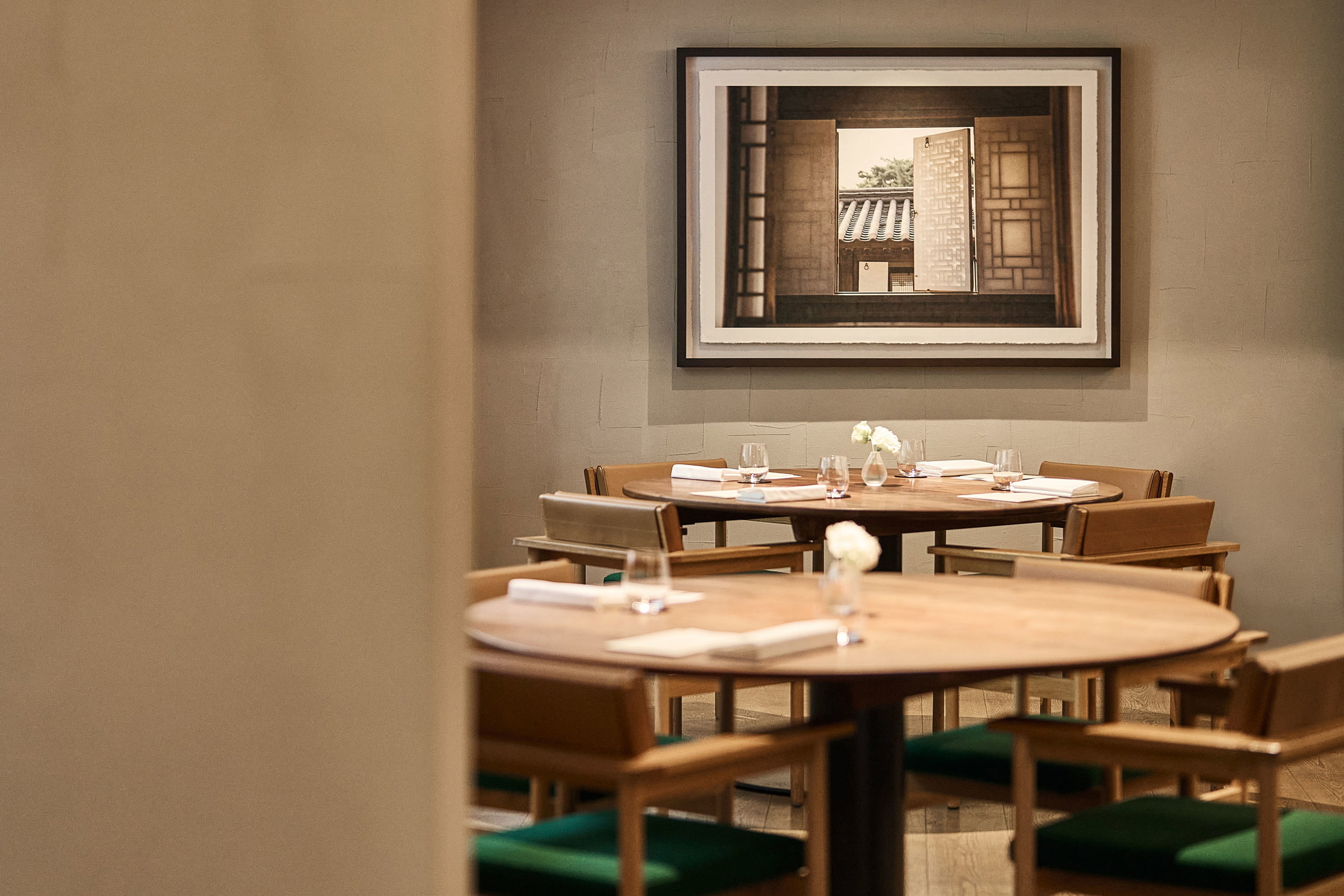
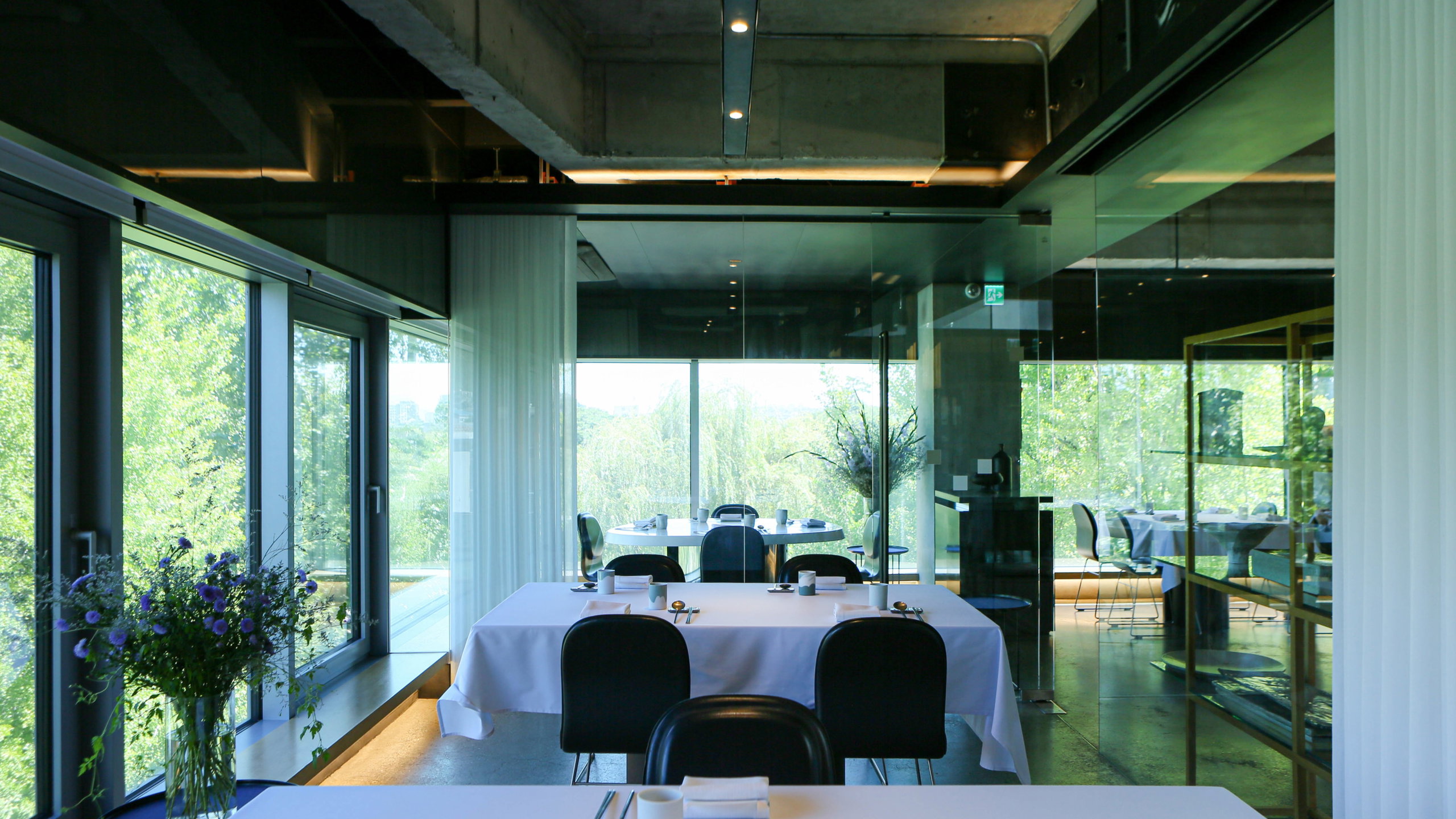
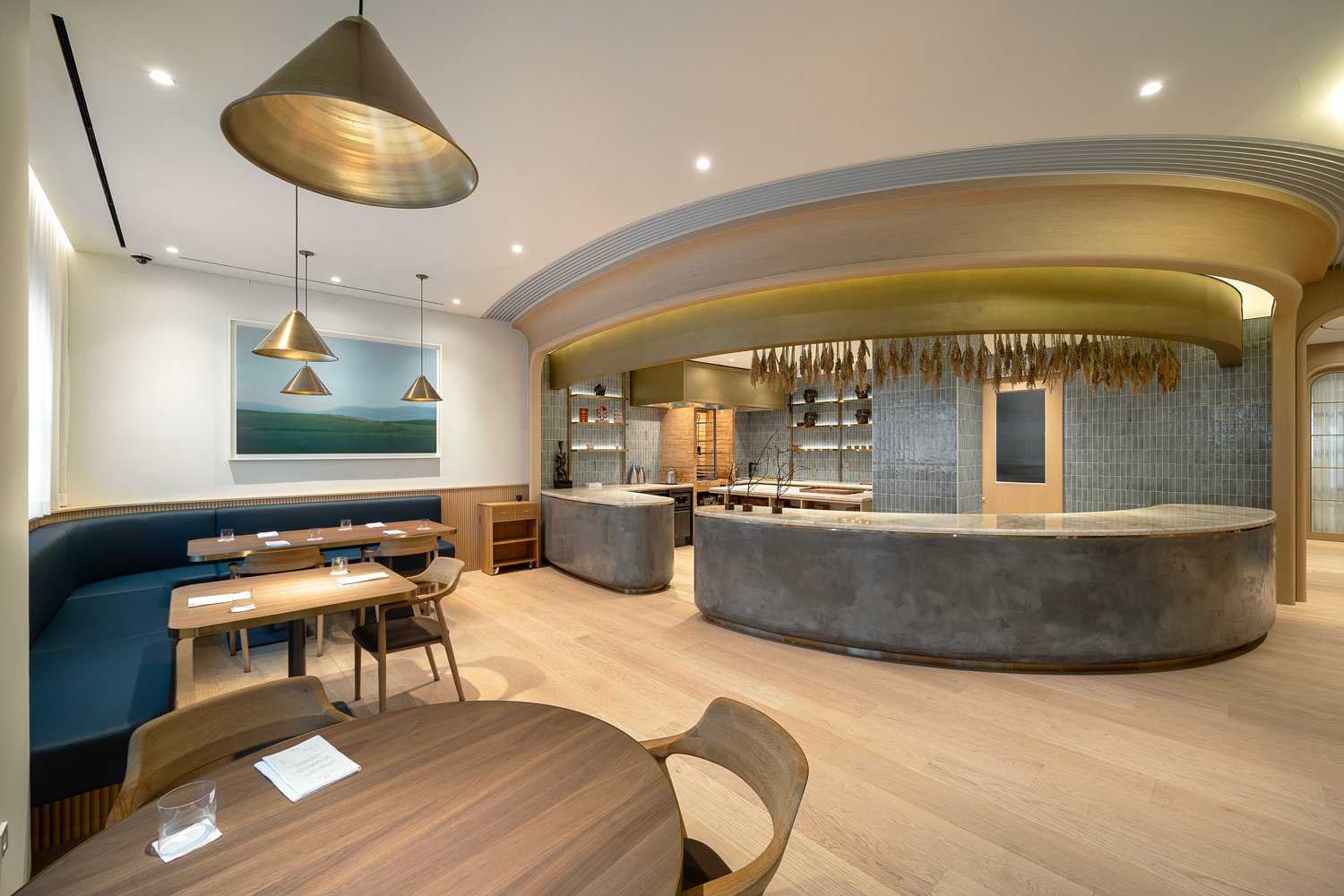
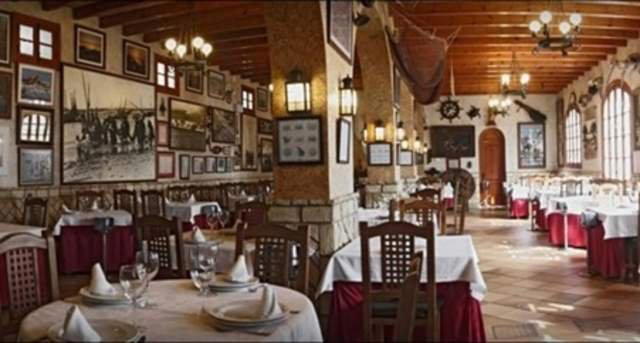
Simple, unpretentious family restaurant with two floors; casual local atmosphere with efficient service despite frequent queues; warm, homey setting focused on food rather than decor.
Tags
Vibe
Best For
Experience
Sourcing
At the Table
- Dress Code
- Casual
- Noise Level
- Lively
- Service Style
- Casual
- Meal Pacing
- Quick Bite
- Capacity
- Medium
- Kitchen
- Traditional
- Menu Format
- A la carte, Family style
- Dietary
- Vegetarian friendly, Vegan options
Signature Dishes
- Naeng Memilguksu (cold buckwheat noodles)
- Bibim Memil Myeon (spicy buckwheat noodles)
- Memil Jeonbyeong (buckwheat pancake)
- Memil Kimchi Jeon (buckwheat kimchi pancake)
Know before you go
Know Before You Go
- Getting there
- 19 Jong-ro, Jongno District, Seoul, South Korea
Planning details
Location
Recognition and awards
Also consider
Also Consider
- Solbam, Contemporary, ₩₩₩₩
- Onjium, Korean, ₩₩₩₩
- 7th Door, Korean, Contemporary, ₩₩₩₩
- L'Amitié, French, ₩₩₩
- Zero Complex, Korean-French, Innovative, ₩₩₩₩
Restaurant context
Comparing Mijin to Solbam, Onjium, 7th Door, or Zero Complex is largely a category error, all four sit at ₩₩₩₩ and operate in a different register entirely, with tasting menus, curated service, and advance booking requirements that Mijin does not have and does not attempt. If you are deciding between Mijin and those venues for a single dinner slot, the real question is what you are trying to eat: contemporary Korean fine dining or a reference-quality bowl of cold buckwheat noodles. They do not compete for the same occasion.
The most useful comparison within Mijin's actual category is against Yangyang Memil Makguksu and Yurimmyeon, both of which operate in Seoul's cold noodle space. Mijin's Bib Gourmand recognition and its 72-year operating history give it a documented quality signal that places it at the top of this specific category for visitors who want a reliable rather than experimental choice. L'Amitié at ₩₩₩ occupies a French format that shares no meaningful overlap with what Mijin does.
For special occasions requiring the full trappings of a curated dining experience, private rooms, wine pairings, tableside service, book Onjium or 7th Door instead. For a first-time visitor to Seoul who wants one affordable, Michelin-recognised meal that covers a category unique to Korean food culture, Mijin is the cleaner call. It is also the only option on this comparison list you can walk into without a reservation, which matters if your Seoul itinerary is still forming when you land.
Explore Seoul
Around this place
Discover more on Pearl
Unlock the full Mijin guide in Pearl, including awards, comparisons, FAQs, planning details, and nearby places.
Compare Mijin
| Venue | Cuisine | Price | Awards | Booking Difficulty |
|---|---|---|---|---|
| Mijin | Memil-guksu | ₩ | 2025 Michelin Bib Gourmand2024 Michelin Bib Gourmand | Easy |
| Solbam | Contemporary | ₩₩₩₩ | 2026 Asia's 50 Best Restaurants · #552026 Wine Spectator Best of Award of Excellence2026 OAD Top Restaurants in Asia RecommendedMichelin Guide Seoul & Busan 20262026 La Liste Top Restaurants2025 Asia's 50 Best Restaurants · #552025 OAD Top Restaurants in Asia Ranked · #277Tatler Best Restaurants Asia-Pacific 20252025 Wine Spectator Best of Award of Excellence | Unknown |
| Onjium | Korean | ₩₩₩₩ | 2026 Asia's 50 Best Restaurants · #142026 OAD Top Restaurants in Asia Ranked · #852026 La Liste Top RestaurantsMichelin Guide Seoul & Busan 20262026 Wine Spectator Best of Award of Excellence2025 Asia's 50 Best Restaurants · #102025 World's 50 Best Restaurants · #572025 OAD Top Restaurants in Asia Ranked · #1342025 La Liste Top Restaurants | Unknown |
| 7th Door | Korean, Contemporary | ₩₩₩₩ | 2026 Asia's 50 Best Restaurants · #492026 OAD Top Restaurants in Asia Ranked · #842026 Black Pearl 1 DiamondMichelin Guide Seoul & Busan 20262026 La Liste Top Restaurants2025 Asia's 50 Best Restaurants · #232025 Michelin 1 Star2025 La Liste Top Restaurants2024 OAD Top Restaurants in Asia Ranked · #192 | Unknown |
| L'Amitié | French | ₩₩₩ | 2026 La Liste Top Restaurants2025 La Liste Top Restaurants2025 Michelin 1 Star2024 Michelin 1 Star | Unknown |
| Zero Complex | Korean-French, Innovative | ₩₩₩₩ | Star Wine Lists 20262026 OAD Top Restaurants in Asia Recommended2026 La Liste Top Restaurants2025 OAD Top Restaurants in Asia Ranked · #1992025 La Liste Top Restaurants2025 Michelin 1 Star2025 The Best Chef One Knife2024 OAD Top Restaurants in Asia Ranked · #2792024 Michelin 1 Star | Unknown |










Key differences to consider before you reserve.
FAQ
Frequently Asked Questions
Is the tasting menu worth it at Mijin?
Mijin does not offer a tasting menu. The format is single-dish: one portion of memil-guksu arrives as two stacked tray baskets of cold buckwheat noodles with a large kettle of chilled dipping sauce and condiments on the table. That simplicity is the point. If you want a multi-course Seoul experience, look at Onjium or 7th Door instead.
What should I order at Mijin?
Order the memil-guksu, it is the only dish. You get two baskets of buckwheat noodles, chilled dipping sauce, and table condiments including grated daikon, light wasabi, crispy seasoned laver, and chopped green onions. Dress your sauce to taste and work through both baskets. There is no menu to deliberate over.
Is Mijin worth the price?
Yes, straightforwardly. Mijin sits at the lowest price tier (₩) and holds a Michelin Bib Gourmand (2024), which is awarded specifically for good food at moderate prices. The noodles and dipping sauce are made fresh daily in the basement. At this price point, the value case is easy, the only question is whether cold buckwheat noodles are what you are after.
How far ahead should I book Mijin?
Mijin does not appear to require advance reservations in the way that Seoul's higher-end restaurants do. Getting a seat is relatively accessible, which is part of what makes it practical as a daytime or lunch stop in Gwanghwamun. Arriving during off-peak hours reduces any wait. No online booking link is currently available.
Is Mijin good for a special occasion?
Not in the conventional sense. Mijin is a low-price, single-dish noodle counter that has been operating since 1952, the draw is authenticity and value, not occasion dining. For a celebration meal in Seoul, Onjium or 7th Door offer the setting and service that a special occasion typically calls for. Mijin earns its place on a food-focused itinerary, not a birthday dinner.