
Mandujip
Mandu · 압구정동, Seoul
Restaurant in Seoul, South Korea
 Book with Pearl
The Read
Single-Dish Regional Precision
Dress
Casual
Why go
Mandujip has held its ground on Apgujeong-ro for 30 years with a single speciality: Pyeongando-style mandu soup, six large dumplings per order in clear brisket broth. It holds a 2024 Michelin Bib Gourmand and costs ₩ in one of Seoul's most expensive neighbourhoods. Walk in, order the mandu, and spend the money you saved somewhere else in the city.
About Mandujip
Is Mandujip worth visiting in Gangnam?
Yes — and more directly: if you are in Seoul and have not eaten a bowl of Pyeongando-style mandu, Mandujip on Apgujeong-ro is the place to fix that. It holds a Michelin Bib Gourmand (2024), which for a single-dish restaurant in one of Seoul's most expensive neighbourhoods is a meaningful signal. The price tier is ₩, meaning you will spend a fraction of what the surrounding fashion boutiques charge for a coffee. Book it for lunch, eat well, and spend the money you saved elsewhere.
Thirty Years on One Dish
Apgujeong-ro is not where you expect to find a bowl of dumpling soup that costs less than a subway ride back to Hongdae. The street runs through some of Gangnam's most commercially saturated retail territory, and Mandujip has held its position there for 30 years by doing one thing and refusing to complicate it. The speciality is Pyeongando-style mandu: large dumplings filled with minced beef, bean curd, mung bean sprouts, green onions, and sesame oil, served six to an order in a clear beef broth made with brisket. That combination — the fat, fragrant filling against a clean, savoury broth, is the entire proposition. There is no tasting menu, no wine list to speak of, and no reason to overthink the order.
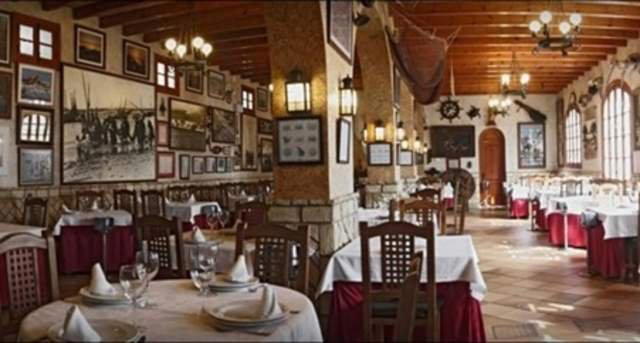
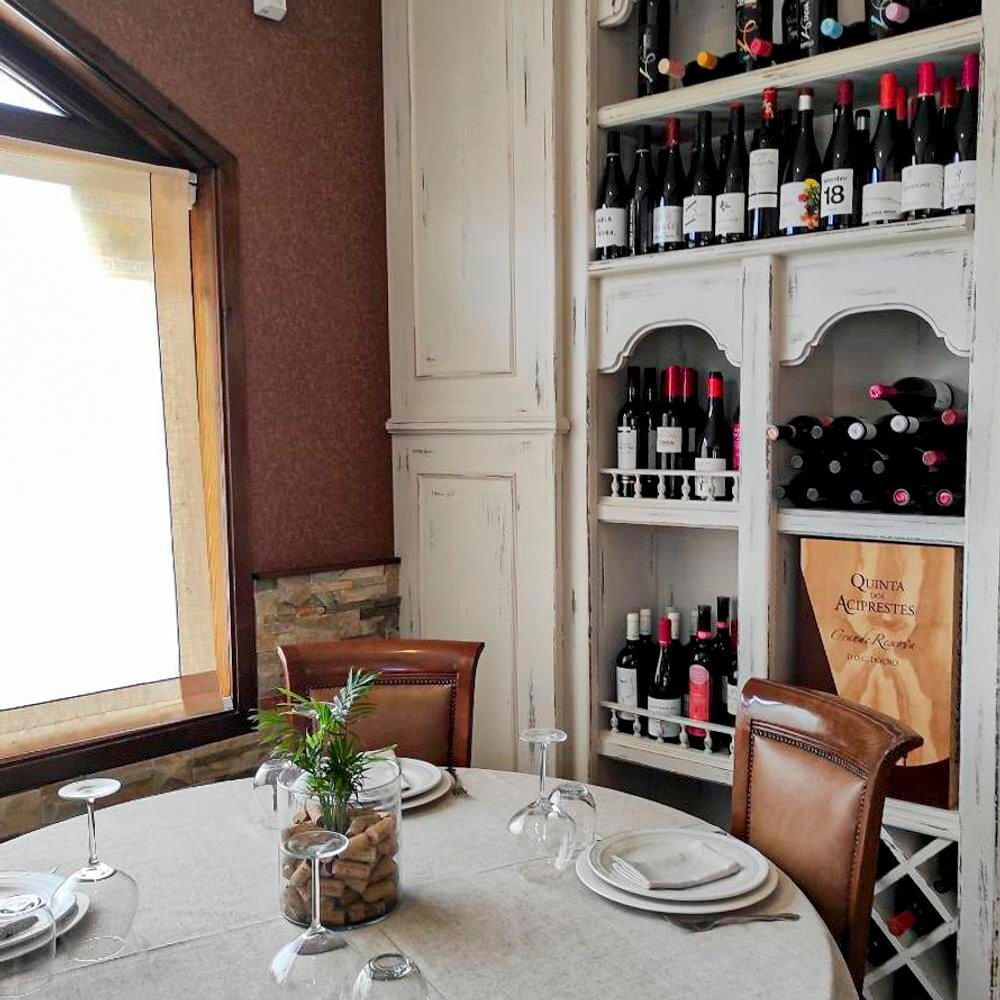
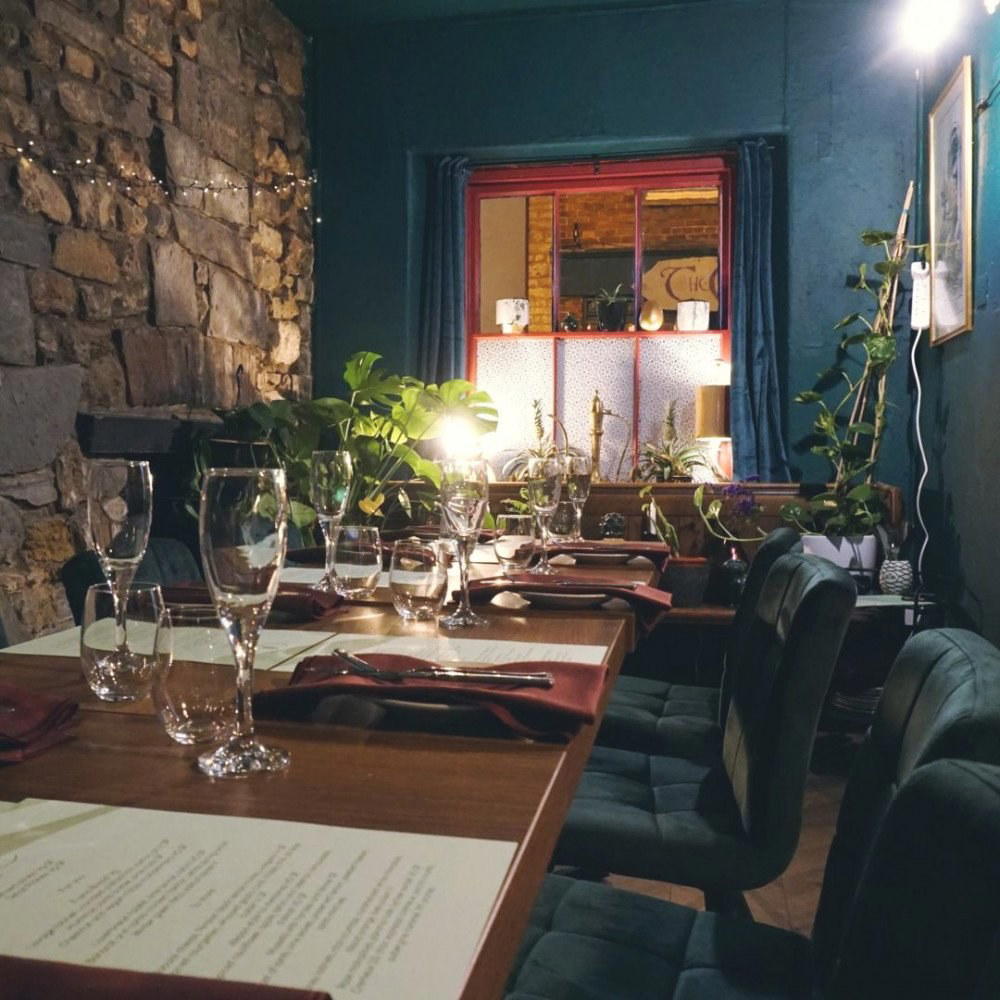
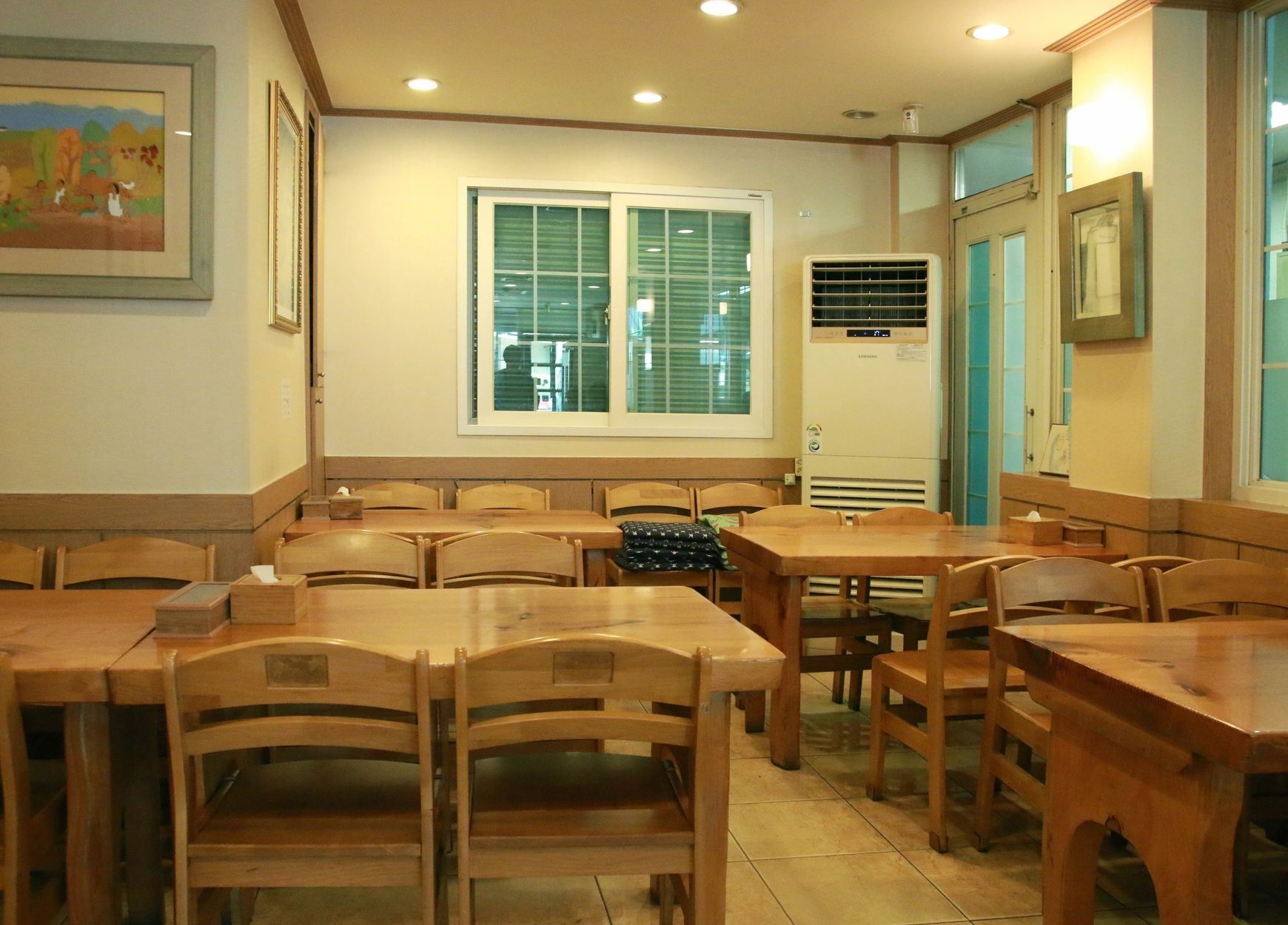
The atmosphere inside reads as purposeful rather than minimal. You are in a neighbourhood that prizes spectacle, but Mandujip keeps the energy low and the room functional. Expect noise levels that allow conversation without raising your voice, this is lunch-counter Seoul, not a cocktail bar. The sound of a bowl landing on the table is more or less the most dramatic moment of the meal. If you are coming from the direction of heavier, more theatrical dining experiences elsewhere in Gangnam, the contrast is useful. For food enthusiasts who follow Korean culinary heritage and want context alongside their meal, Mandujip sits in a direct line from the regional traditions of Pyeongan Province (historically in what is now North Korea), where mandu were historically substantial and meat-forward rather than the delicate, thin-skinned versions common elsewhere on the peninsula.
That regional framing matters if you are eating your way through Seoul with intent. Pyeongando-style mandu are a specific category, and Mandujip's long tenure on a street that has changed everything around it suggests they are executing that category with consistency. The Bib Gourmand does not reward novelty; it rewards reliable quality at an accessible price. Mandujip has held that recognition into 2024, which is the confirmation you need that standards have not slipped.
How to Eat Here
The format is direct: mandu soup is the anchor. Six large dumplings arrive in brisket broth, and the order is designed to be complete on its own. If you are eating with a group, ordering multiples gives you a wider read on the kitchen's consistency rather than unlocking new flavour territory, this is a focused menu, not a sharing spread. Arrive with an appetite but not an empty afternoon; this is a meal that takes 30 to 45 minutes, not an extended sitting.
The price point at ₩ means that even at Seoul's current exchange rates, this is one of the more accessible Michelin-recognised eating experiences in the city. For context, Bib Gourmand venues in Seoul's ₩₩₩₩ tier (see Mingles for the upper end of Korean fine dining) can run to multiples of this cost per head. Mandujip is the rare case where the recognition and the price point align for any budget.
Booking difficulty is rated Easy, but Apgujeong lunch hours can draw a queue. Getting there by 11:30 AM or after 1:30 PM on weekdays reduces wait time. No phone or online booking is listed in available data, so treat this as a walk-in venue and plan your arrival accordingly.
Mandujip sits within a rich cluster of Seoul eating options. If you want to extend a day in the area across different styles, Gaeseong Mandu Koong and Jaha Son Mandu offer points of comparison for Korean dumpling traditions, while Bongsanok and Mipildam represent other directions in Seoul's heritage dining scene. For a broader view of the city's eating options, our full Seoul restaurants guide covers the range from budget to fine dining. If you are building a wider trip around food and culture, our Seoul hotels guide, Seoul bars guide, and Seoul experiences guide round out the logistics.
Beyond Seoul, Korean culinary heritage extends across the country. Mori in Busan, Baegyangsa Temple in Jangseong-gun, and Double T Dining in Gangneung are worth tracking if your trip extends beyond the capital. For Korean-influenced dining internationally, Atomix in New York City represents the fine-dining end of that conversation, while Le Bernardin illustrates how a similarly singular focus on one culinary tradition can sustain decades of critical recognition, the parallel with Mandujip's 30-year specialisation is instructive. Other Korea-based options worth noting include Kwon Sook Soo in Gangnam-gu, The Flying Hog in Seogwipo, and Market Café in Incheon.
The Verdict
Mandujip is the clearest possible case for Bib Gourmand logic: high-quality execution of a specific regional dish, priced for everyday access, in a location that has every incentive to chase higher margins. Thirty years of consistency in Apgujeong is its own credential. If you are in Gangnam for any reason and the meal budget is flexible, this should be on the list. If mandu is something you eat occasionally and want to understand more deeply, Mandujip is the right reference point in Seoul.
FAQ
What should a first-timer know about Mandujip?
- The speciality is Pyeongando-style mandu: six large dumplings per order in clear beef broth made with brisket.
- Price tier is ₩, among the most accessible Michelin-recognised meals in Seoul.
- Walk-in format; no phone or online booking data available. Arrive early or after the main lunch rush.
- The menu is focused. Come knowing what you want rather than expecting a broad selection.
What should I order at Mandujip?
- The mandu soup is the reason to come. Six large dumplings, filled with minced beef, bean curd, mung bean sprouts, green onions, and sesame oil, arrive in a clear brisket broth.
- This is the signature and, based on available data, the central offering. Order it, eat it properly, and assess from there.
Is Mandujip worth the price?
- At ₩ pricing with a 2024 Michelin Bib Gourmand, yes, the value alignment here is direct.
- The Bib Gourmand specifically recognises good food at moderate prices. Mandujip meets that bar in one of Seoul's most expensive neighbourhoods.
- Compared to ₩₩₩₩ venues in the same city, this delivers Michelin-level quality at a fraction of the outlay.
How far ahead should I book Mandujip?
- Booking difficulty is rated Easy. No advance reservation system is listed in available data, treat this as a walk-in venue.
- Timing your arrival to avoid peak lunch hours (around 12:00–1:30 PM) is the practical workaround.
Is Mandujip good for a special occasion?
- Not in the conventional sense. The format is casual, the room is functional, and the price is low.
- If the occasion is a meaningful meal rather than an elaborate one, introducing someone to regional Korean food, for example, it works well.
- For a celebratory dinner with ceremony, look at Mingles or the ₩₩₩₩ tier options in Seoul.
Can Mandujip accommodate groups?
- Seat count is not confirmed in available data. Given the venue's 30-year history in a single location, it is likely a modest-sized room.
- For groups larger than four, it is worth arriving early or off-peak to secure seating together.
- The menu's focused format suits groups well, ordering is simple and fast.
Can I eat at the bar at Mandujip?
- No bar seating data is available. This is a mandu restaurant, not a bar-format venue.
- Counter or table seating is the likely arrangement, consistent with the style of the cuisine and neighbourhood lunch spots.
Does Mandujip handle dietary restrictions?
- The core dish contains minced beef, bean curd, mung bean sprouts, green onions, sesame oil, and brisket broth, not suitable for vegetarians or those avoiding beef.
- No contact details or website are available to confirm alternative options. If dietary restrictions are a factor, contact the venue directly before visiting.
Planning details
- Location
- 338 Apgujeong-ro, Gangnam District, Seoul, South Korea
- Website
- mandoojip.modoo.at
- Phone
- +82 2-544-3710
The take
The Take
The Vibe
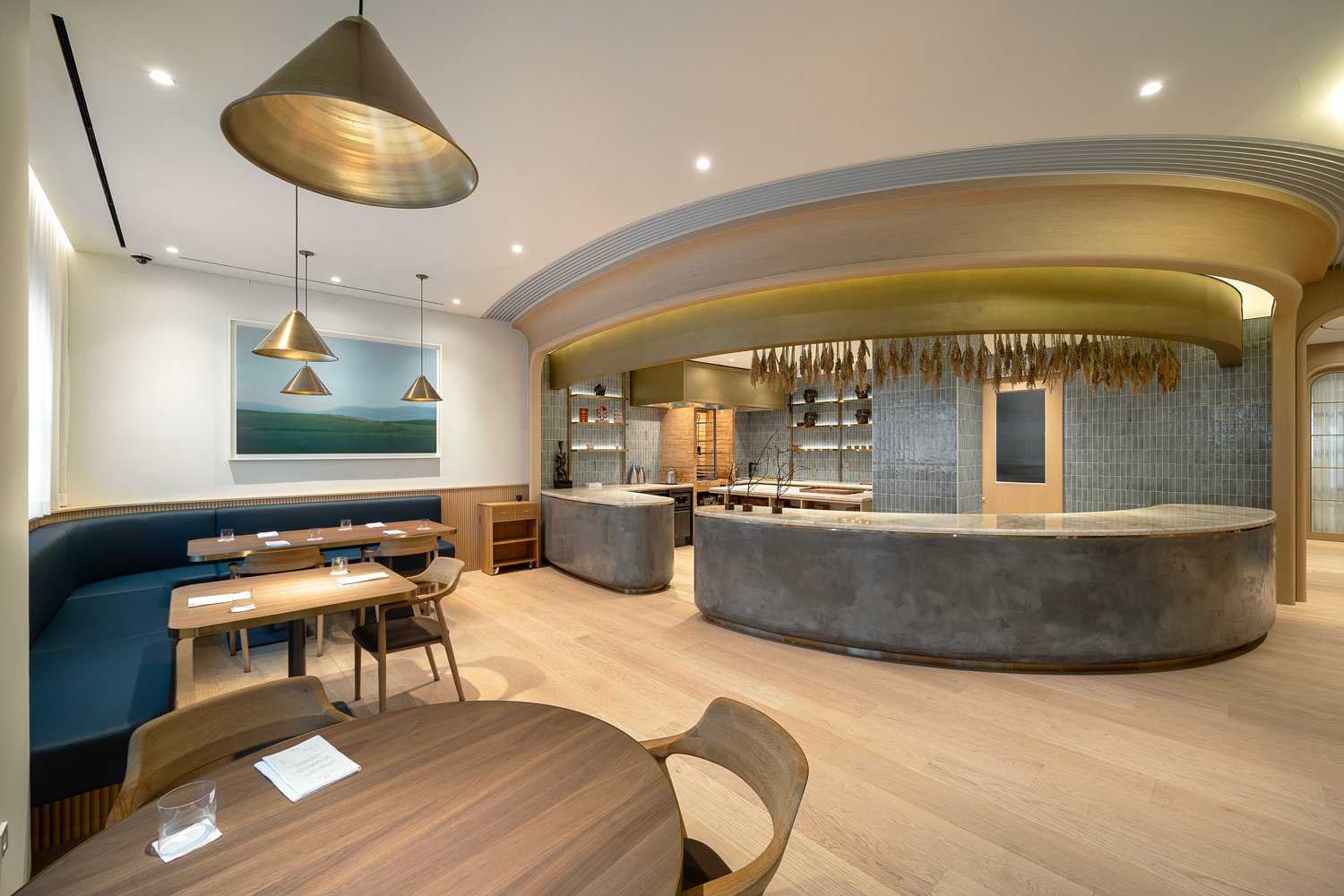
Mandujip presents a quietly confident presence amid Apgujeong's flashy retail strip. The restaurant stakes its identity on consistency: a single, Pyeongando-style mandu and a clear brisket broth delivered with three decades of repetition. It reads less like nostalgia and more like practiced restraint — regulars keep returning for the exacting balance of minced beef, tofu, mung bean sprouts, green onions and sesame oil. The space orients around a one-dish counter, which lends the room an intimate, focused energy. The Michelin Bib Gourmand recognition underscores the place's low-key brilliance rather than flashy ambition.
Best For
Mandujip is best for diners seeking a focused, unfussy meal rather than a full-service multi-course evening. The counter format and single-dish philosophy make it an ideal stop for solo diners, regulars, or small, casual visits where the attraction is consistency and craft. Neighborhood shoppers or office workers in Apgujeong who want a quick, satisfying bowl of mandu guk or a communal mandu jeongol will find the experience direct and reliable. The restaurant’s longevity and Bib Gourmand nod position it as a dependable spot for understated comfort rather than special-occasion spectacle.
Ordering Tips
Stick to the essentials: the menu revolves around Pyeongando-style mandu and its broth, so order the mandu guk or mandu jeongol to experience the house approach. Pay attention to the described balance in the filling — minced beef, bean curd, mung bean sprouts, green onions and sesame oil — since the restaurant prides itself on that specific ratio. Note that the broth is a clear brisket stock that arrives with visible chunks of meat, not a reduced jus, so expect a lighter, meat-forward soup. Embrace the counter format and let the focused menu guide your choice.
Venue details
Ambiance
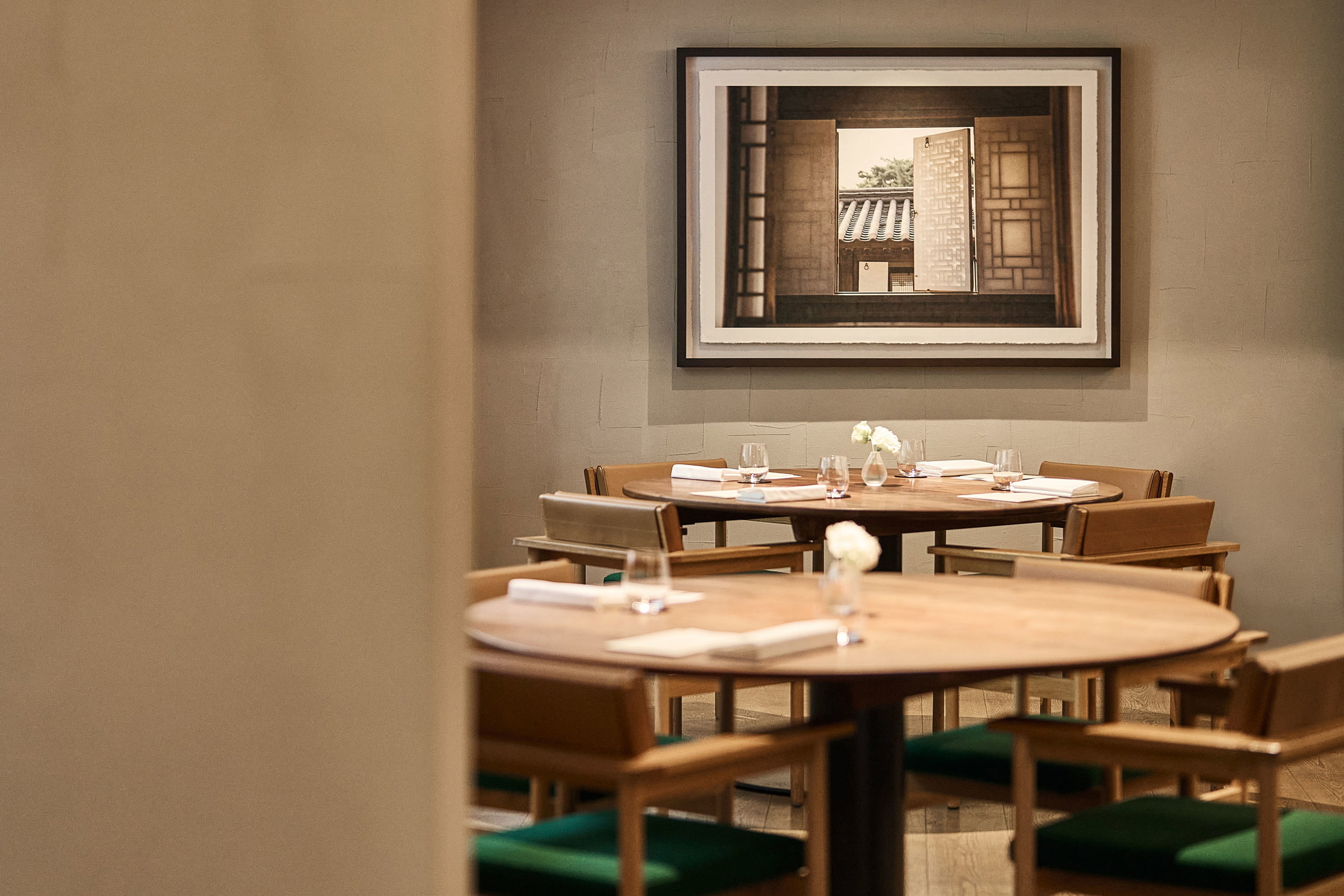
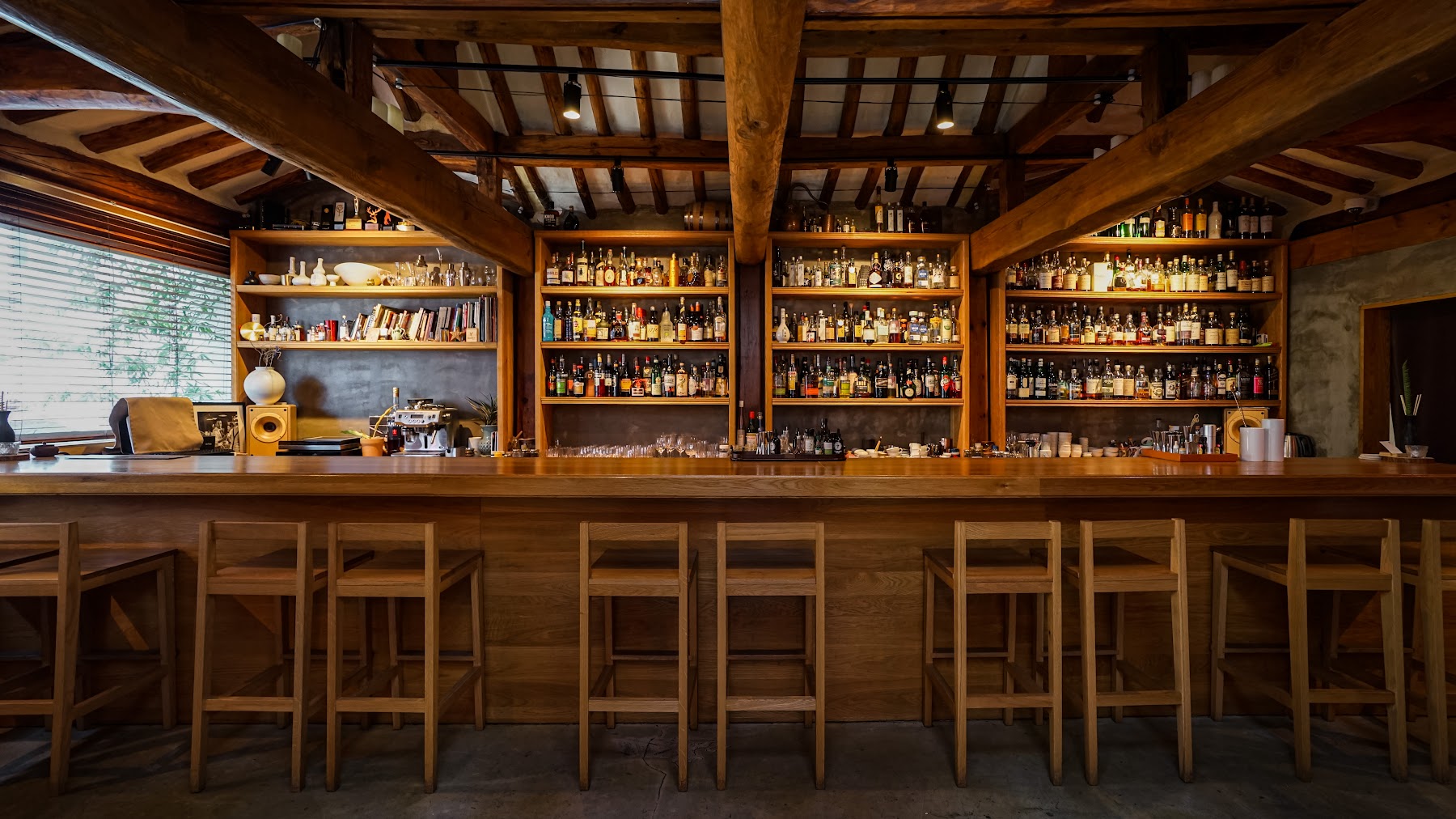
Simple and neat traditional Korean atmosphere in an intimate hanok-inspired space.
Tags
Vibe
Best For
Experience
At the Table
- Dress Code
- Casual
- Noise Level
- Conversational
- Service Style
- Casual
- Meal Pacing
- Standard
- Capacity
- Small
- Kitchen
- Traditional
- Menu Format
- A la carte
Signature Dishes
- Mandu guk
- Mandu jeongol
Know before you go
Know Before You Go
- Getting there
- 338 Apgujeong-ro, Gangnam District, Seoul, South Korea
Planning details
Location
Recognition and awards
Also consider
Also Consider
- Solbam, Contemporary, ₩₩₩₩
- Onjium, Korean, ₩₩₩₩
- 7th Door, Korean, Contemporary, ₩₩₩₩
- L'Amitié, French, ₩₩₩
- Zero Complex, Korean-French, Innovative, ₩₩₩₩
Restaurant context
Against Seoul's ₩₩₩₩ tier, Mandujip is a different conversation entirely. Onjium, 7th Door, and Zero Complex are all serious restaurants with elaborate formats, high price points, and booking windows that require planning weeks in advance. Mandujip delivers Michelin recognition at a fraction of the cost, with no reservation system to worry about. The trade-off is scope: those ₩₩₩₩ venues offer multi-course experiences with considered drink pairings; Mandujip offers one dish executed with 30 years of consistency. These are not competing for the same evening.
L'Amitié sits at ₩₩₩ and represents a mid-tier option for diners who want something more structured than a single-dish lunch but are not ready to commit to the full ₩₩₩₩ outlay. If the choice is between Mandujip and L'Amitié, the decision comes down to what you want from the meal: Korean heritage and fast execution versus a more composed French-influenced sitting. Solbam at ₩₩₩₩ is the option for contemporary technique over tradition.
For a direct comparison within Seoul's mandu and Korean heritage dining space, Gaeseong Mandu Koong and Jaha Son Mandu offer alternative readings of the same culinary tradition. Mandujip's Bib Gourmand and 30-year track record make it the reference point for Pyeongando-style specifically, but those venues are worth visiting if you are building a comparative picture of Seoul's dumpling scene. For value-driven Michelin eating in Seoul, Mandujip is the clearest answer in its category.
Explore Seoul
Around this place
Discover more on Pearl
Unlock the full Mandujip guide in Pearl, including awards, comparisons, FAQs, planning details, and nearby places.
Compare Mandujip
| Venue | Cuisine | Price | Awards | Booking Difficulty |
|---|---|---|---|---|
| Mandujip | Mandu | ₩ | 2025 Michelin Bib Gourmand2024 Michelin Bib Gourmand | Easy |
| Solbam | Contemporary | ₩₩₩₩ | 2026 Asia's 50 Best Restaurants · #552026 Wine Spectator Best of Award of Excellence2026 OAD Top Restaurants in Asia RecommendedMichelin Guide Seoul & Busan 20262026 La Liste Top Restaurants2025 Asia's 50 Best Restaurants · #552025 OAD Top Restaurants in Asia Ranked · #277Tatler Best Restaurants Asia-Pacific 20252025 Wine Spectator Best of Award of Excellence | Unknown |
| Onjium | Korean | ₩₩₩₩ | 2026 Asia's 50 Best Restaurants · #142026 OAD Top Restaurants in Asia Ranked · #852026 La Liste Top RestaurantsMichelin Guide Seoul & Busan 20262026 Wine Spectator Best of Award of Excellence2025 Asia's 50 Best Restaurants · #102025 World's 50 Best Restaurants · #572025 OAD Top Restaurants in Asia Ranked · #1342025 La Liste Top Restaurants | Unknown |
| 7th Door | Korean, Contemporary | ₩₩₩₩ | 2026 Asia's 50 Best Restaurants · #492026 OAD Top Restaurants in Asia Ranked · #842026 Black Pearl 1 DiamondMichelin Guide Seoul & Busan 20262026 La Liste Top Restaurants2025 Asia's 50 Best Restaurants · #232025 Michelin 1 Star2025 La Liste Top Restaurants2024 OAD Top Restaurants in Asia Ranked · #192 | Unknown |
| L'Amitié | French | ₩₩₩ | 2026 La Liste Top Restaurants2025 La Liste Top Restaurants2025 Michelin 1 Star2024 Michelin 1 Star | Unknown |
| Zero Complex | Korean-French, Innovative | ₩₩₩₩ | Star Wine Lists 20262026 OAD Top Restaurants in Asia Recommended2026 La Liste Top Restaurants2025 OAD Top Restaurants in Asia Ranked · #1992025 La Liste Top Restaurants2025 Michelin 1 Star2025 The Best Chef One Knife2024 OAD Top Restaurants in Asia Ranked · #2792024 Michelin 1 Star | Unknown |










Key differences to consider before you reserve.
FAQ
Frequently Asked Questions
Can Mandujip accommodate groups?
No group-specific seating or private dining information is available in the venue data. Given the restaurant's format — a specialist counter-style mandu house on Apgujeong-ro — large group bookings are unlikely to be the intended use case. Pairs or small groups of three to four are the practical fit.
Is Mandujip worth the price?
Yes, without much qualification. At ₩ pricing in Apgujeong — one of Seoul's more expensive neighbourhoods — a Michelin-recognised bowl of dumpling soup is a direct value win. The Bib Gourmand specifically flags high-quality cooking at accessible prices, and Mandujip is a textbook case of that.
How far ahead should I book Mandujip?
Booking details are not in the public record for Mandujip, and no phone or website is listed in available data. For a 30-year-old Bib Gourmand spot in Apgujeong, arriving early — particularly at lunch on weekdays — is the practical move to avoid a wait.
Can I eat at the bar at Mandujip?
No bar or counter seating details are documented for Mandujip. The venue's format as a traditional mandu house suggests table seating is standard, but specific layout information is not available in current records.
Is Mandujip good for a special occasion?
Not in the traditional sense. Mandujip is a focused, affordable mandu specialist in a neighbourhood full of higher-format restaurants. If the occasion calls for a meal that signals effort or expense, look at Onjium or 7th Door instead. If the occasion is 'eating one of Seoul's best bowls of dumpling soup,' then yes.
What should I order at Mandujip?
The mandu soup is the order — full stop. Six large dumplings filled with minced beef, bean curd, mung bean sprouts, green onions, and sesame oil arrive in a clear beef broth with chunks of brisket. That is the dish the Bib Gourmand recognises, and it is the reason people return.
Does Mandujip handle dietary restrictions?
The core dish contains minced beef, bean curd, mung bean sprouts, and sesame oil in a beef brisket broth — this is not a vegetarian or vegan-friendly menu. No dietary accommodation information is listed in available venue data, so anyone with restrictions should confirm directly before visiting.