.png?width=1200&quality=80)
Lee Buk Bang
Korean · 노고산동, Seoul
Restaurant in Seoul, South Korea
 Book with Pearl
The Read
Leebuk Family-Recipe Counter
Price
$50–100per person
Dress
Smart Casual
Why go
Lee Buk Bang earns a 2024 Michelin Plate for its focused North Korean regional cooking in Mapo-gu, anchored by blood sausage dishes from the chef's family recipes. At the ₩₩ price tier, it is one of Seoul's most accessible credentialed Korean dining experiences. Book it for a special occasion that calls for something more specific than a standard tasting menu.
About Lee Buk Bang
Lee Buk Bang, Seoul: The Verdict
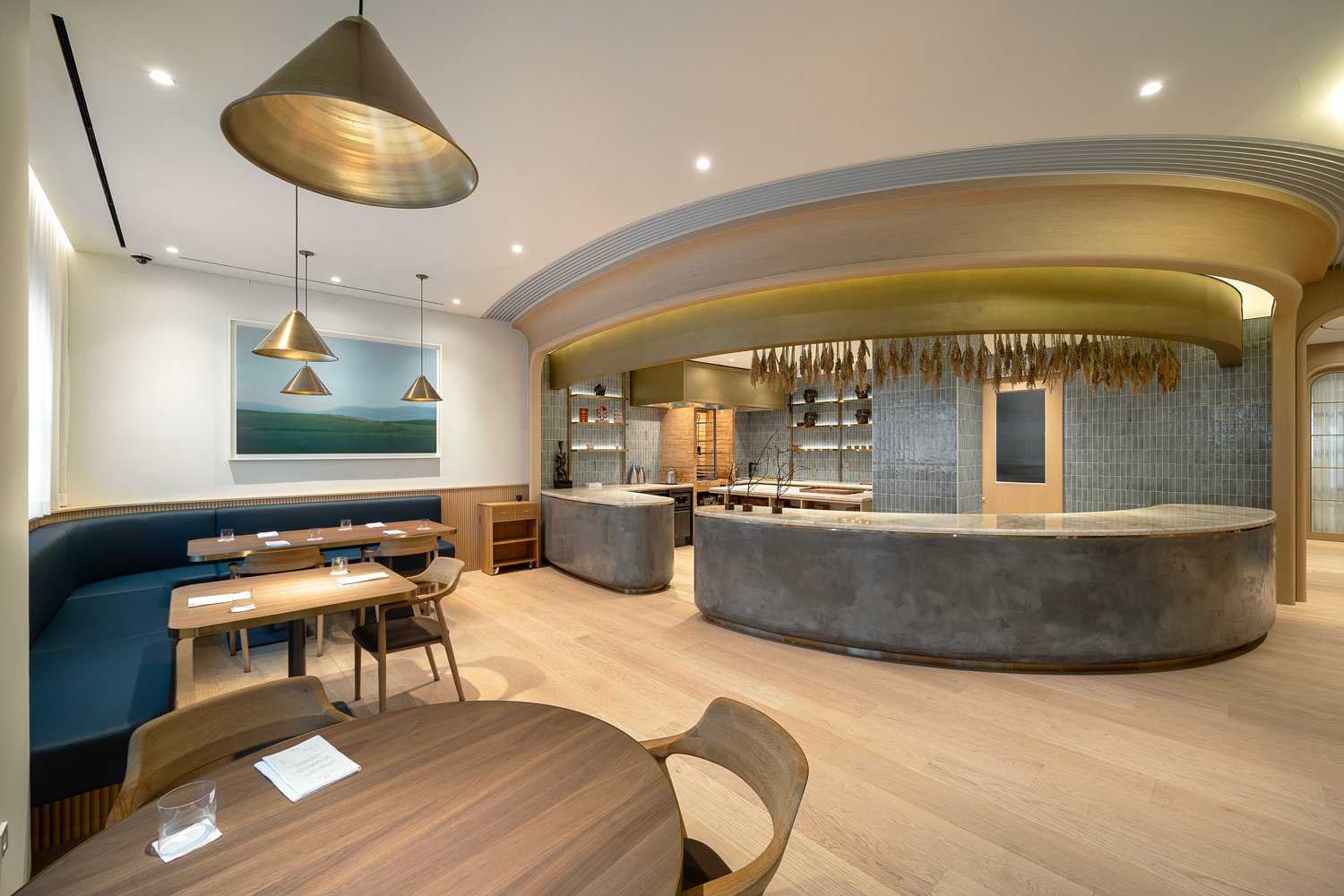
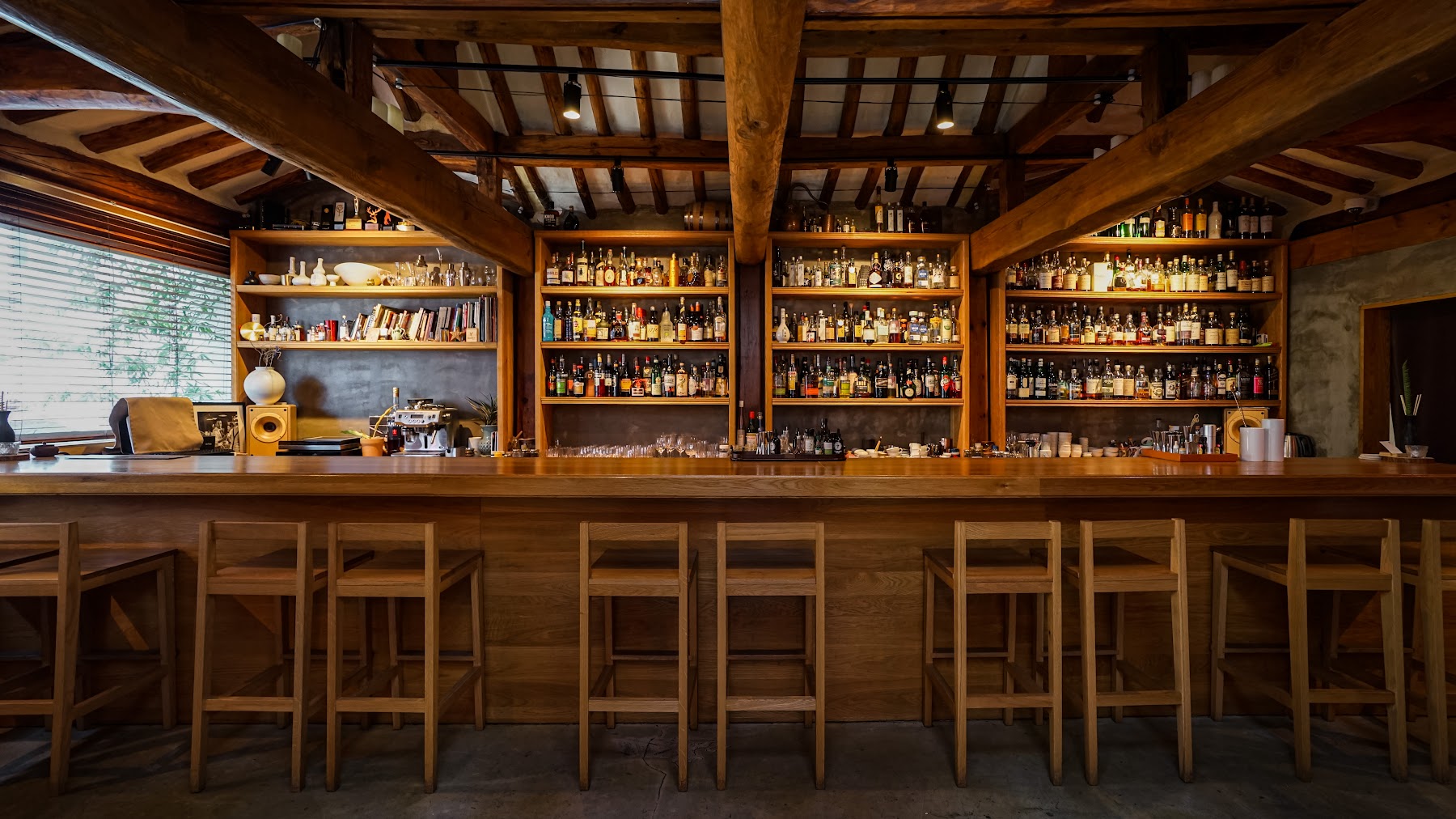
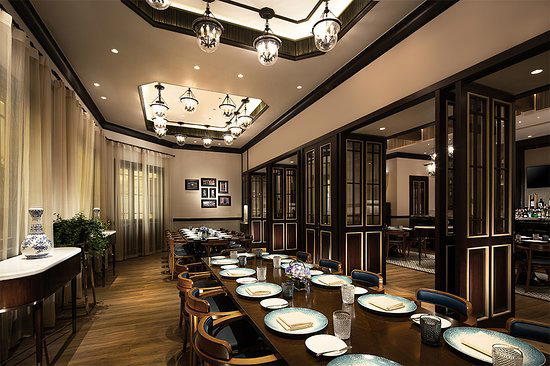
Walk into Lee Buk Bang in Mapo-gu and the first thing you notice is the counter itself: thick slabs of wood salvaged from century-old traditional Korean houses, crossbeams and doors repurposed into a surface that carries visible history. That visual sets the tone for everything that follows. This is a restaurant built around a specific regional tradition — North Korean leebuk cuisine — and it delivers that with enough focus and craft to earn a Michelin Plate in 2024. At the ₩₩ price tier, it is one of the more accessible credentialed dining experiences in Seoul. Book it, especially if you have two or three visits to plan across a trip.
What Lee Buk Bang Is
Lee Buk Bang translates directly to its purpose: a place to eat from the North Korean region. The kitchen works from family recipes, with blood sausage (soondae in the broader Korean tradition, though prepared here with North Korean regional specificity) as the anchor dish. The menu spans from dishes that follow traditional preparation closely to others that introduce new ingredients and contemporary technique. The Michelin Plate recognition acknowledges the kitchen's consistency and the effort to present regional cooking in a refined way without stripping it of its character.
The interior material choices are not incidental. The old crossbeams and doors used for countertops signal a deliberate connection to a culinary and architectural heritage that is increasingly rare in Seoul's dining scene. For a special occasion dinner or a date where the setting should do some of the work, that visual anchoring matters.
Multi-Visit Strategy
At this price point and with a menu that moves between traditional preparations and dishes using more inventive ingredient combinations, Lee Buk Bang rewards more than one visit. Here is how to think across two or three sittings.
First Visit: The Foundation
Start with the blood sausage dishes. These are the kitchen's signature and the clearest expression of what makes Lee Buk Bang distinct. The family recipes that underpin these preparations are the reason the restaurant exists, and they are where you will understand the chef's reference point before anything else. Order conservatively on the first visit, let the traditional dishes lead.
Second Visit: The Range
Return specifically to explore the dishes that combine family culinary tradition with more creative ingredient choices. The kitchen's stated approach is to make familiar cuisine that is also refined, which means there is a spectrum here. A second visit lets you move along that spectrum with more context. You will also have a better sense of pacing and ordering rhythm by this point.
Third Visit: The Counter
If you have a third visit in Seoul, this is where Lee Buk Bang becomes a neighbourhood anchor rather than a destination tick. The counter seating, built from those reclaimed house materials, is the leading seat in the room for a solo dinner or a quiet meal for two. By this visit you are ordering with confidence and the experience shifts from discovery to something closer to a regular's relationship with the menu.
Is It Right for a Special Occasion?
Yes, with one qualification. Lee Buk Bang is well-suited for a dinner that calls for something more specific and considered than a standard Korean barbecue or a tasting menu at one of Seoul's high-end restaurants. If you are looking for celebration-level service polish, deep wine programming, or the formal ceremony that comes with venues like La Yeon or Kwonsooksoo, this is not that. What it offers instead is a very specific kind of occasion: a meal with a clear identity, a setting that has been thought about carefully, and food rooted in a tradition most diners in Seoul will not have encountered this specifically prepared. That is a meaningful thing to bring to a table for a birthday dinner or a significant date.
For broader Seoul restaurant context, see our full Seoul restaurants guide. If you are planning around hotel or bar options in the same visit, our Seoul hotels guide and our Seoul bars guide cover both.
Seoul in Context
North Korean regional cuisine is a distinct category within Korean food, and finding it prepared with this level of seriousness and Michelin-recognized consistency is not direct. Most of Seoul's recognized Korean restaurants at the ₩₩₩₩ tier, including Onjium, Mingles, and Bicena, work from a broader or more contemporary Korean framework. Lee Buk Bang's regional specificity is its differentiator. Outside Seoul, if you are traveling through South Korea more broadly, Mori in Busan and Double T Dining in Gangneung offer contrasting regional dining experiences worth considering.
For Korean cuisine in other cities, DOSA in London and Jeju Noodle Bar in New York City are reference points for how Korean regional cooking travels internationally, though neither works from a North Korean tradition.
Practical Details
Address: 16 Mapo-daero 1-gil, Mapo-gu, Seoul, South Korea. Price tier: ₩₩, accessible for Seoul's credentialed dining category. Reservations: Booking difficulty is rated Easy, which is relatively rare among Michelin-recognized restaurants in Seoul; this makes spontaneous planning more viable than at higher-demand venues, but booking ahead is still advisable for weekend evenings or special occasions. Awards: Michelin Plate 2024. Leading for: Couples, solo diners at the counter, and small groups interested in regional Korean cuisine with a specific North Korean focus. For additional regional South Korean restaurant options, see Doosoogobang in Suwon and Injegol in Inje County. Wine and sake travelers visiting Seoul can also reference our Seoul wineries guide and our Seoul experiences guide for planning around the meal. Pool House in Incheon is worth noting for travelers arriving via Incheon Airport who want a quality meal before or after travel.
Planning details
- Location
- 16 Mapo-daero 1-gil, Mapo-gu, Seoul, South Korea
- Website
- instagram.com/leebukbang
- Phone
- +82 50-71421-2347
The take
The Take
The Vibe
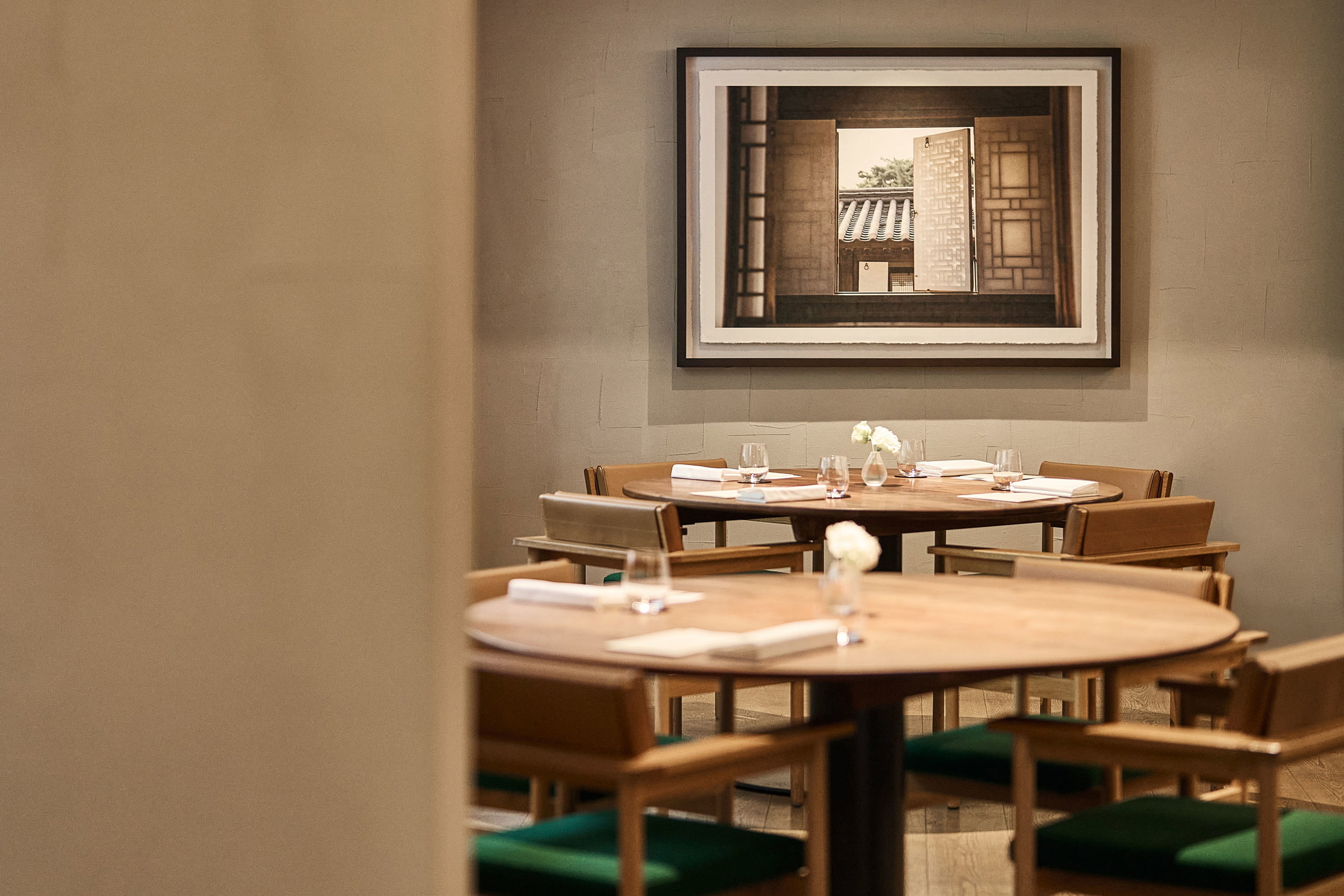
Lee Buk Bang presents a quietly deliberate rustic aesthetic: counters hewn from crossbeams and century-old doors set the tone before any food arrives. The interior's reclaimed wood and careful joinery read as a preface to the menu, signaling continuity with older recipes rather than trendy minimalism. That material honesty pairs with the restaurant’s mission to preserve North Korean regional cooking, so the overall feel is rooted and historic rather than flashy. The counter arrangement creates an intimate, hands-on encounter with the cuisine, making the room feel like a small workshop of tradition where each plate is tied to place and lineage.
Best For
This is a neighbourhood destination for diners who come to experience a specific culinary tradition rather than a spectacle. It suits an evening meal—especially for two or for solo diners who enjoy counter-side proximity to service—when the kitchen’s recipes and textures matter. Located in Mapo-gu and pitched at a ₩₩ price point, Lee Buk Bang is a good fit for those seeking serious, preservationist cooking without the formality or premium of Seoul’s top-tier contemporary restaurants. It’s well suited to quiet celebrations and attentive diners interested in regional Korean food.
Ordering Tips
Lean into the leebuk specialities listed on the menu: the signature blood sausage selections—Baeksundae, Olisundae and Yangsundae—are central to the kitchen’s project and worth ordering to understand the restaurant’s point of view. The Dwaejimeolipyeon-yug and the Myeongtaesikhye are named dishes that point to the house repertoire; include them to sample savory and palate-cleansing elements of the meal. If you can, sit at the counter to watch preparation and to experience the close relationship between the reclaimed-wood setting and the cooking that the room is designed to showcase.
Venue details
Ambiance
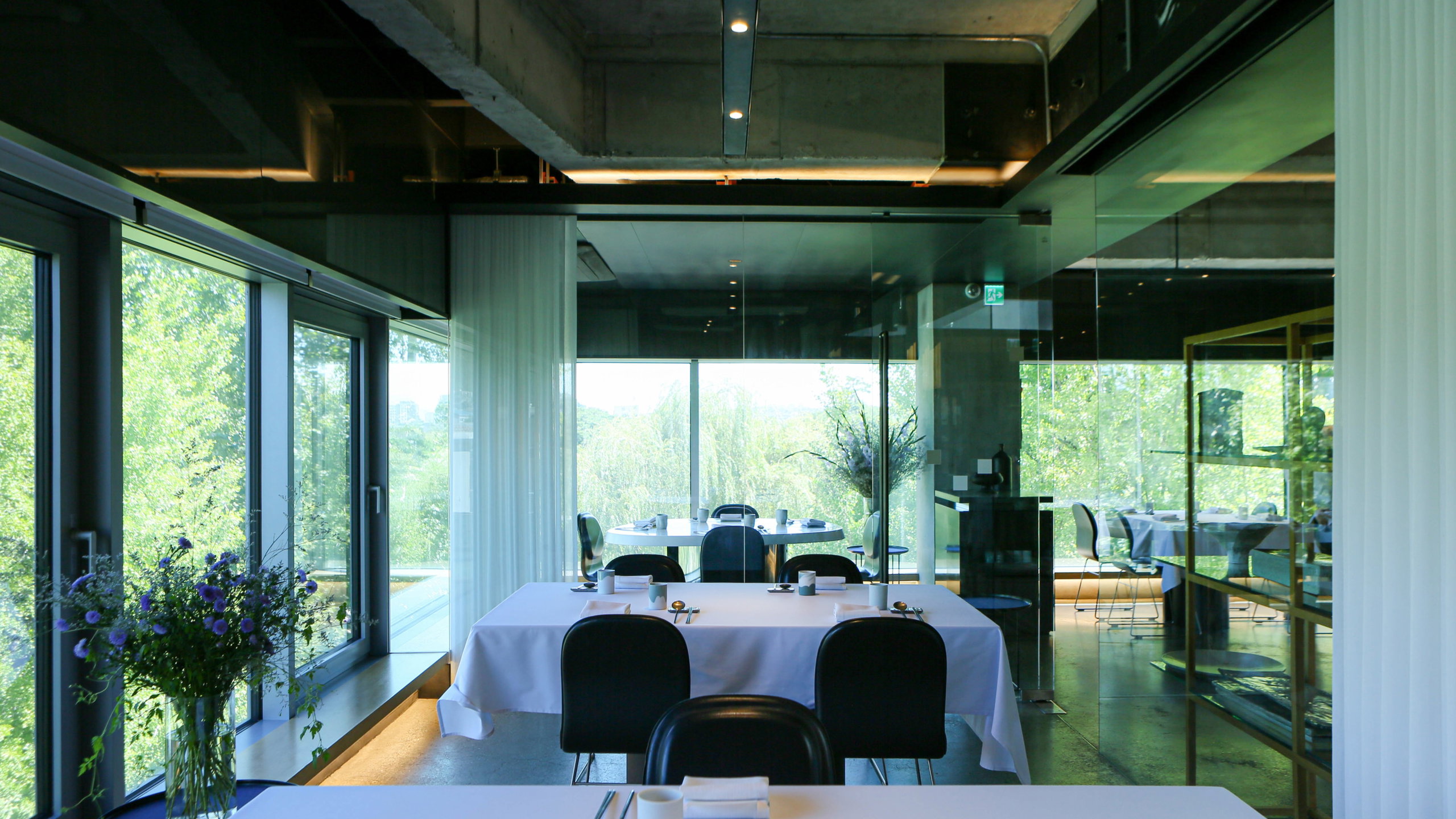
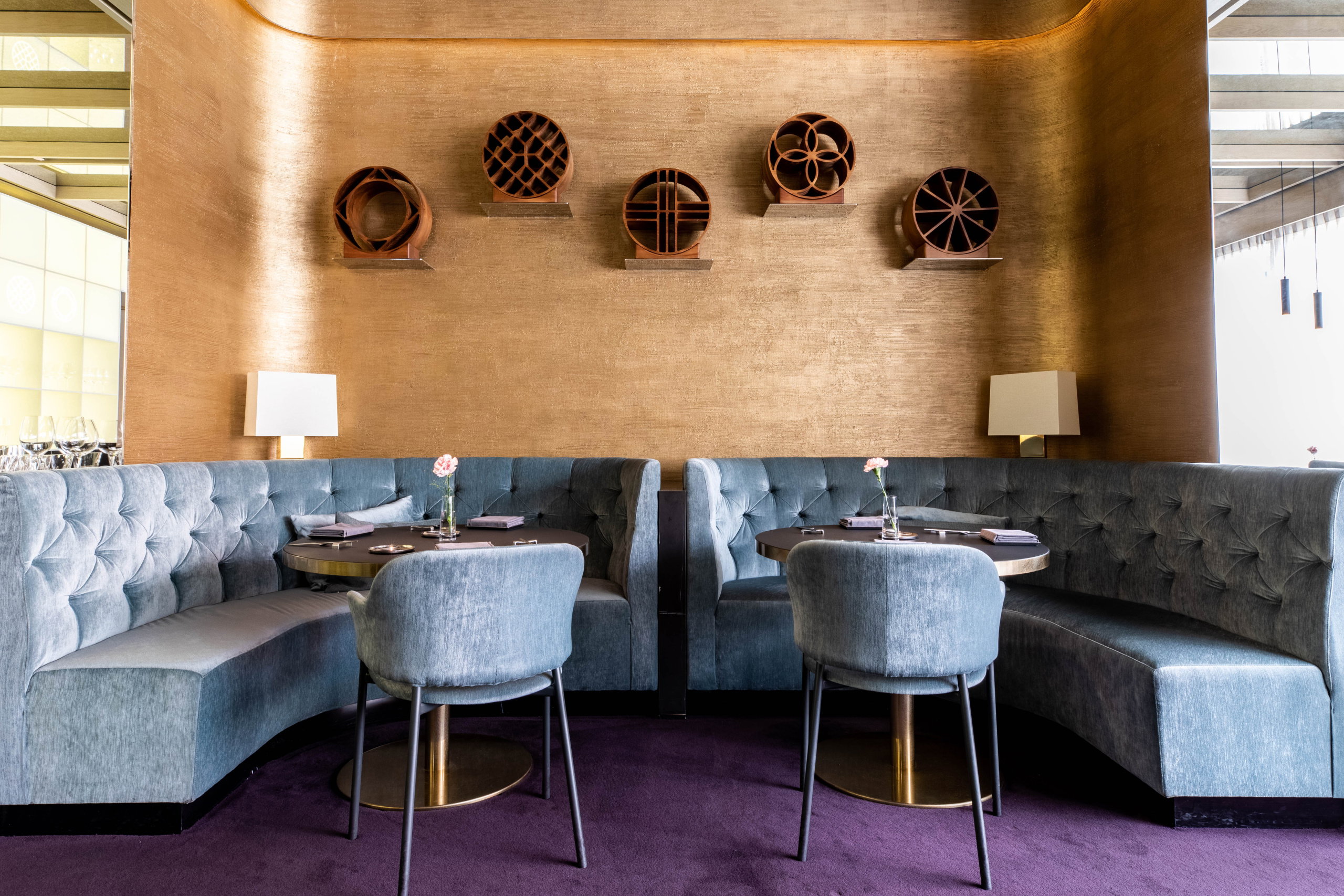
Cozy with century-old wooden countertops, hanji-style walls, traditional cauldron, and dim lighting evoking a modern-traditional Korean feel.
Tags
Vibe
Best For
Experience
At the Table
- Dress Code
- Smart Casual
- Noise Level
- Quiet
- Service Style
- Upscale Casual
- Meal Pacing
- Leisurely
- Capacity
- Intimate
- Kitchen
- Modern
- Menu Format
- Omakase
- Wine Program
- Curated
Signature Dishes
- Baeksundae
- Olisundae
- Yangsundae
- Dwaejimeolipyeon-yug
- Myeongtaesikhye
Know before you go
Know Before You Go
- Getting there
- 16 Mapo-daero 1-gil, Mapo-gu, Seoul, South Korea
Planning details
Location
16 Mapo-daero 1-gil, Mapo-gu, Seoul, South Korea · Directions
Recognition and awards
Also consider
Also Consider
- 7th Door, Korean, Contemporary, ₩₩₩₩
- Solbam, Contemporary, ₩₩₩₩
- Onjium, Korean, ₩₩₩₩
- L'Amitié, French, ₩₩₩
- Zero Complex, Korean-French, Innovative, ₩₩₩₩
Restaurant context
Lee Buk Bang operates at ₩₩, which puts it in a different financial bracket from almost every comparable Korean restaurant with Michelin recognition in Seoul. Onjium, 7th Door, Solbam, and Zero Complex all sit at ₩₩₩₩. That price gap is significant. If your priority is value for a credentialed meal in Seoul, Lee Buk Bang has no direct competition in this category at this price point. The question is whether the regional North Korean focus matches what you are looking for.
For diners who want contemporary Korean cuisine with broader reference points and are willing to spend more, Onjium and 7th Door offer deeper tasting menu structures with more theatrical service. Zero Complex, which works across Korean and French techniques, is the right call if you want innovation over tradition. L'Amitié at ₩₩₩ sits in a middle tier and is the stronger choice if French cooking rather than Korean regional is the priority. Lee Buk Bang beats all of them on booking accessibility and price, and it offers something none of them do: a kitchen explicitly committed to North Korean leebuk tradition with a Michelin-recognized standard of execution.
The honest comparison is this: if you have one high-end dinner budget in Seoul, Solbam or Onjium will give you a more formally polished experience. If you want two or three memorable meals across a trip without concentrating all spend in one evening, Lee Buk Bang is the smart anchor, accessible enough to revisit, specific enough to be worth it each time, and recognized enough that you are not taking a risk on quality.
Explore Seoul
Around this place
Discover more on Pearl
Unlock the full Lee Buk Bang guide in Pearl, including awards, comparisons, FAQs, planning details, and nearby places.
Compare Lee Buk Bang
| Venue | Cuisine | Price | Booking Difficulty | Awards |
|---|---|---|---|---|
| Lee Buk Bang | Korean | ₩₩ | Easy | 2025 Michelin Plate2024 Michelin Plate |
| 7th Door | Korean, Contemporary | ₩₩₩₩ | Unknown | 2026 Asia's 50 Best Restaurants · #492026 OAD Top Restaurants in Asia Ranked · #842026 Black Pearl 1 DiamondMichelin Guide Seoul & Busan 20262026 La Liste Top Restaurants2025 Asia's 50 Best Restaurants · #232025 Michelin 1 Star2025 La Liste Top Restaurants2024 OAD Top Restaurants in Asia Ranked · #192 |
| Solbam | Contemporary | ₩₩₩₩ | Unknown | 2026 Asia's 50 Best Restaurants · #552026 Wine Spectator Best of Award of Excellence2026 OAD Top Restaurants in Asia RecommendedMichelin Guide Seoul & Busan 20262026 La Liste Top Restaurants2025 Asia's 50 Best Restaurants · #552025 OAD Top Restaurants in Asia Ranked · #277Tatler Best Restaurants Asia-Pacific 20252025 Wine Spectator Best of Award of Excellence |
| Onjium | Korean | ₩₩₩₩ | Unknown | 2026 Asia's 50 Best Restaurants · #142026 OAD Top Restaurants in Asia Ranked · #852026 La Liste Top RestaurantsMichelin Guide Seoul & Busan 20262026 Wine Spectator Best of Award of Excellence2025 Asia's 50 Best Restaurants · #102025 World's 50 Best Restaurants · #572025 OAD Top Restaurants in Asia Ranked · #1342025 La Liste Top Restaurants |
| L'Amitié | French | ₩₩₩ | Unknown | 2026 La Liste Top Restaurants2025 La Liste Top Restaurants2025 Michelin 1 Star2024 Michelin 1 Star |
| Zero Complex | Korean-French, Innovative | ₩₩₩₩ | Unknown | Star Wine Lists 20262026 OAD Top Restaurants in Asia Recommended2026 La Liste Top Restaurants2025 OAD Top Restaurants in Asia Ranked · #1992025 La Liste Top Restaurants2025 Michelin 1 Star2025 The Best Chef One Knife2024 OAD Top Restaurants in Asia Ranked · #2792024 Michelin 1 Star |








Side-by-side comparison to help you decide where to book.
FAQ
Frequently Asked Questions
What should I order at Lee Buk Bang?
Start with the blood sausage dishes — these are the kitchen's signature and built from the chef's own family recipes, which is the clearest reason this place has a Michelin Plate. Once you have the foundation, move toward the dishes that combine traditional North Korean preparation with more inventive ingredient combinations. The menu sits in a ₩₩ price range, so ordering broadly to explore the range is realistic without a large spend.
Is Lee Buk Bang good for solo dining?
Yes. The counter seating, built from reclaimed timber from century-old Korean houses, is well-suited to solo diners who want to eat with some attention to what's in front of them. At ₩₩ pricing with a focused North Korean regional menu, this is a practical solo option in Seoul — more considered than a standard barbecue spot, without the commitment of a full tasting menu format.
Can Lee Buk Bang accommodate groups?
The venue's counter-forward setup, with countertops salvaged from traditional Korean architecture, suggests this is not optimised for large groups. It works better for two to four people. If your group wants a shared-table Korean experience with more space and flexibility, somewhere like Onjium may be a better fit — Lee Buk Bang's value is in the specificity of its North Korean regional focus, not in scale.
What is Lee Buk Bang known for?
Lee Buk Bang is primarily known for Korean in Seoul.