.png?width=1200&quality=80)
L'OIGNON
French · 압구정동, Seoul
Restaurant in Seoul, South Korea
 Book with Pearl
The Read
Meatless French Precision
Price
$50–100per person
Dress
Smart Casual
Why go
L'OIGNON is a Michelin Selected French pescatarian restaurant in Garosu-gil, Gangnam, where the kitchen builds French technique around fish, vegetables, eggs, and dairy — no meat. At ₩₩₩, it's a credible mid-range booking for pescatarians or food-focused travellers who want to see what French cooking looks like without its meat-based foundations. Easy to book, and worth it if the concept fits your diet.
About L'OIGNON
A Michelin-Recognised French Pescatarian in Garosu-gil — Worth Booking?
If you're comparing L'OIGNON against the broader wave of French restaurants in Seoul, the most obvious alternative is L'Amitié, which sits at the same ₩₩₩ price tier and covers similar French bistro territory. The difference that matters for your decision: L'OIGNON has drawn its Michelin Plate recognition (2025) not by replicating classical French technique, but by applying it through a strict pescatarian framework — no meat, no poultry, but full use of fish, eggs, dairy, and vegetables. That's a genuinely narrow lane in Seoul's dining scene, and it's the right reason to book here or skip it depending on what you're after.
What L'OIGNON Actually Is
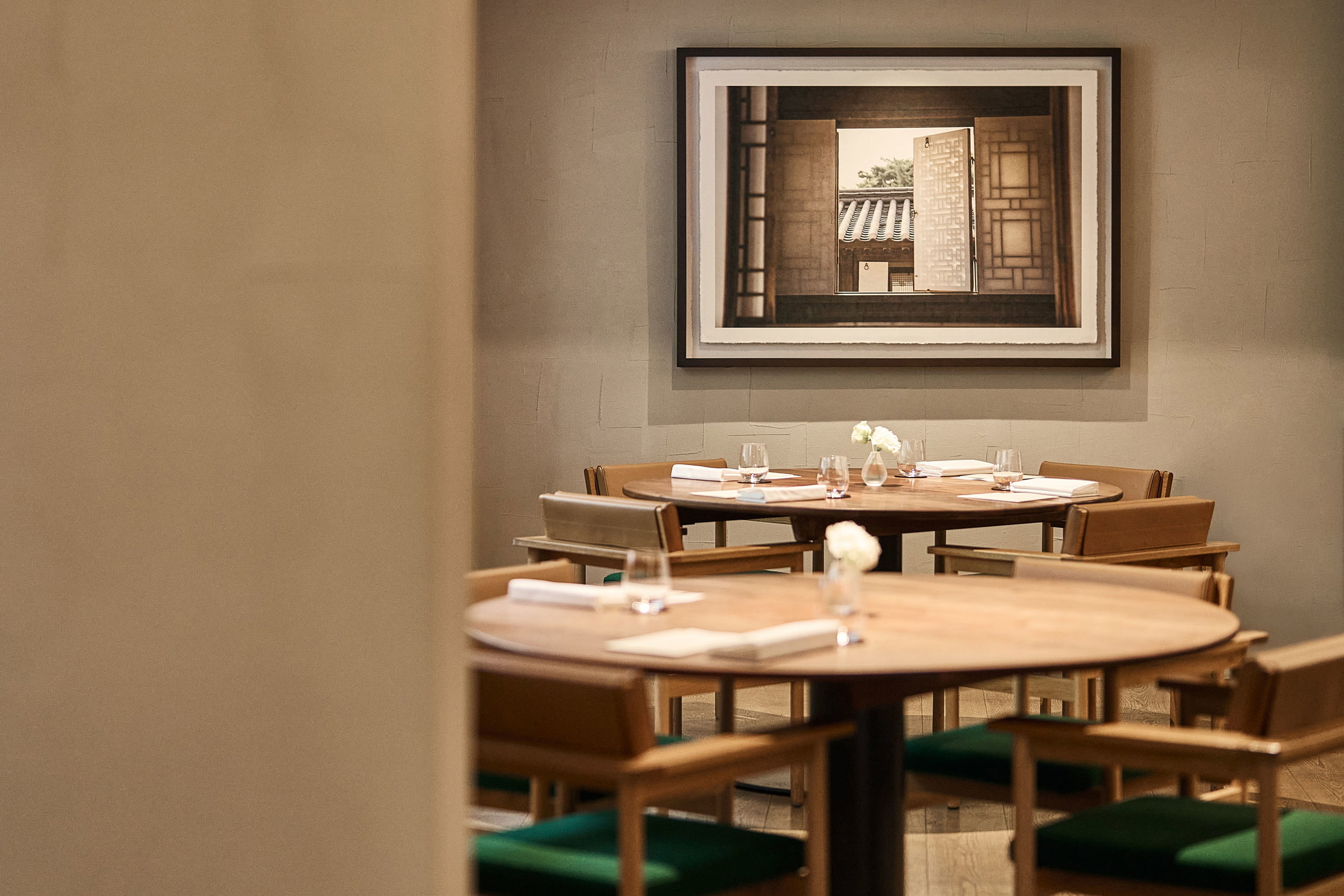
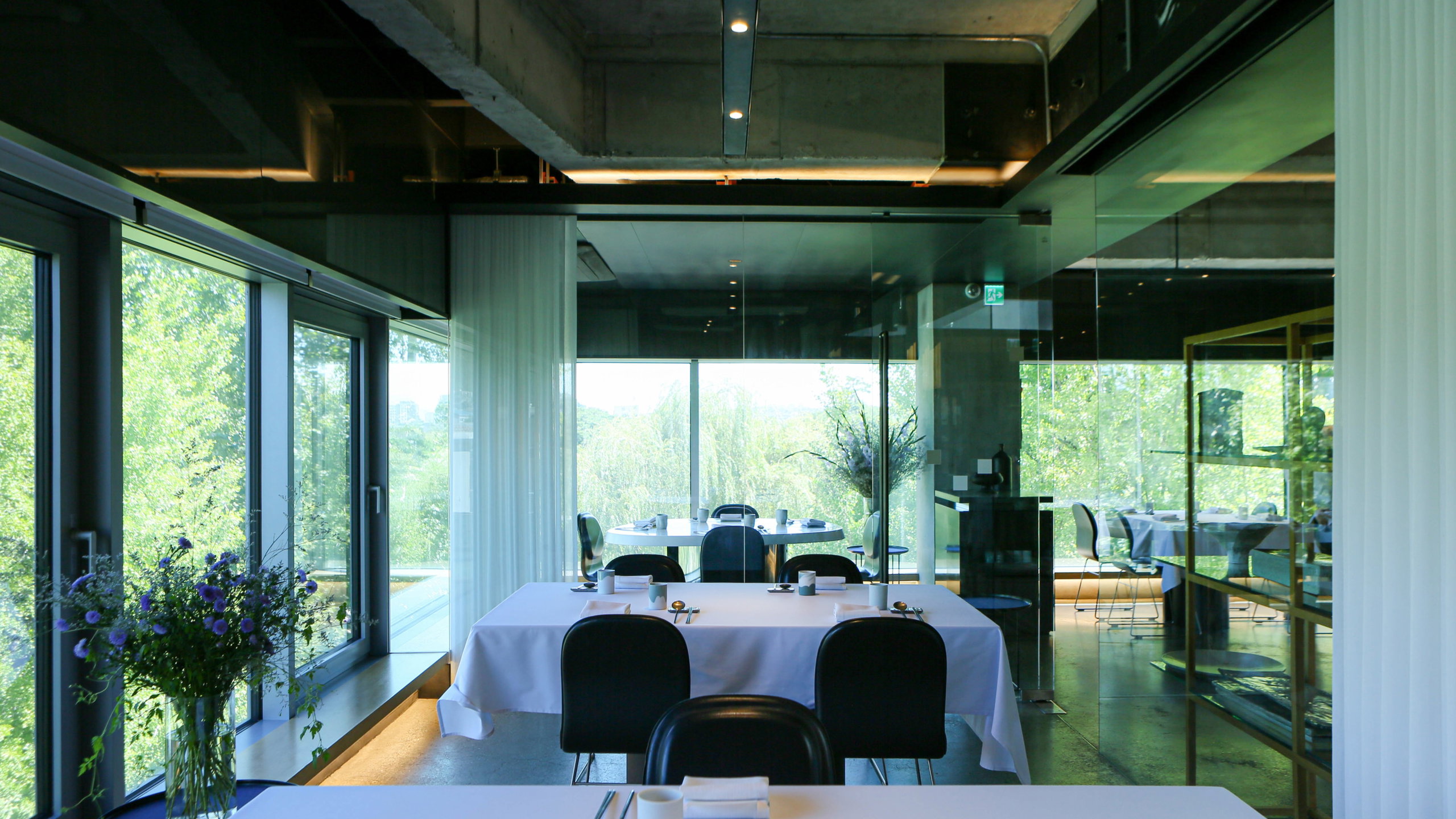
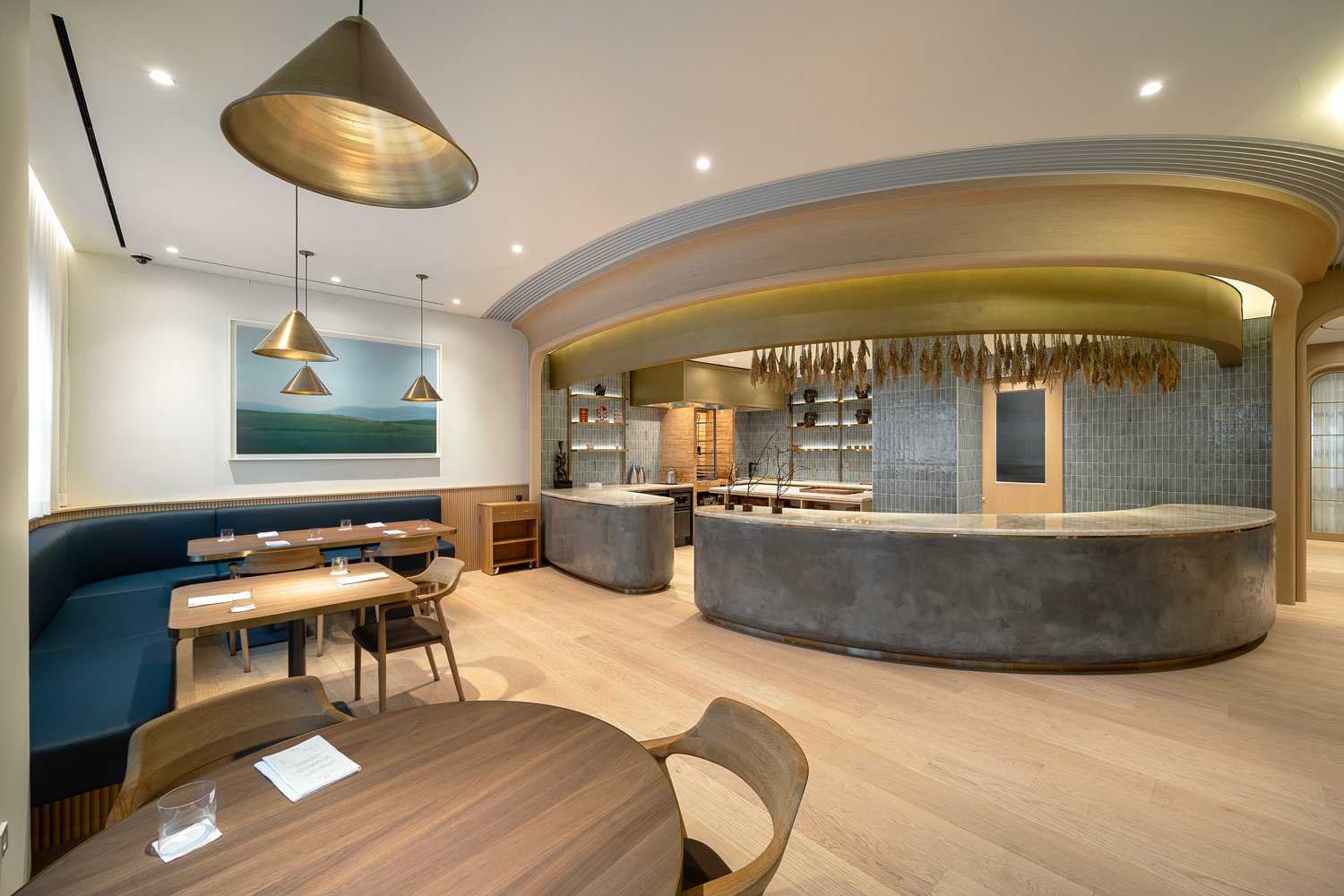
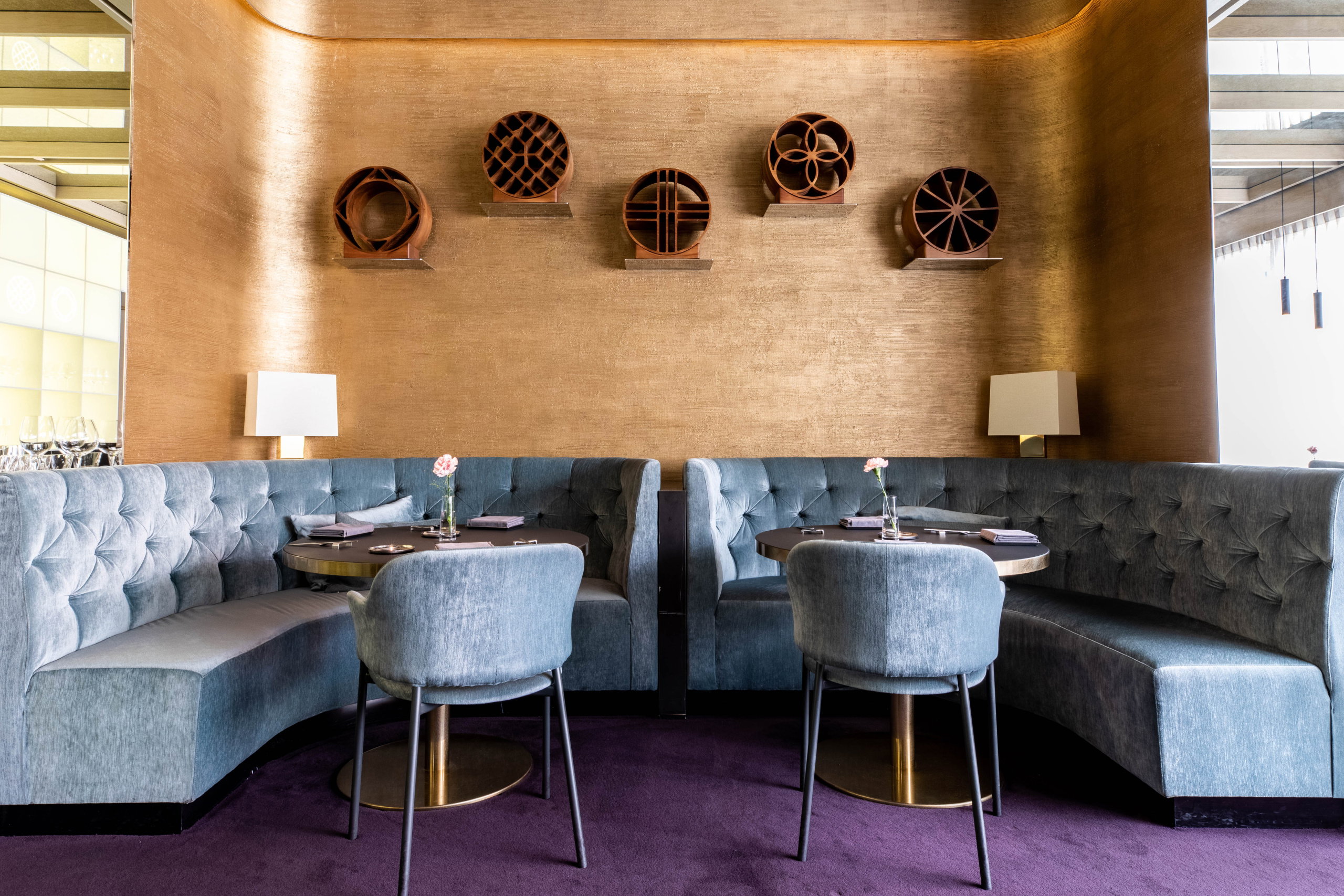
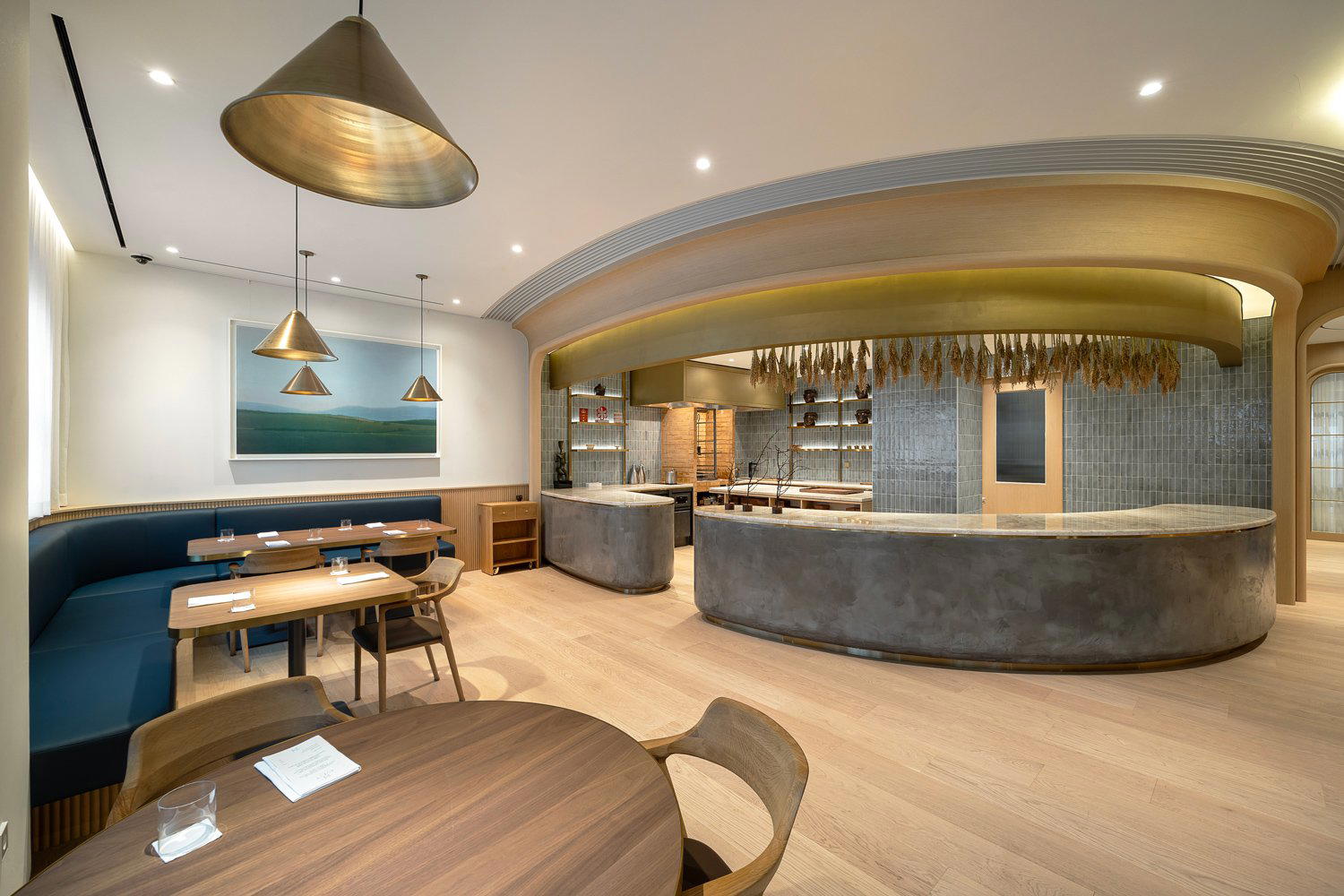
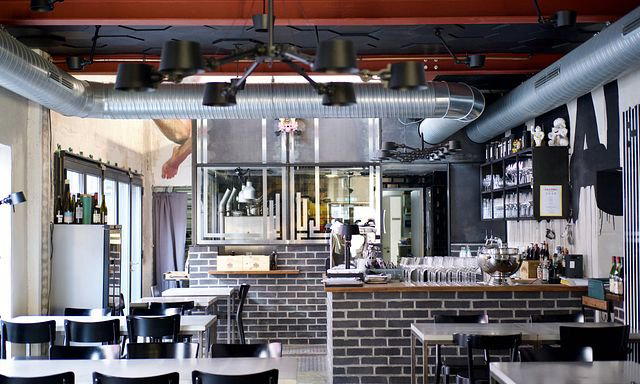
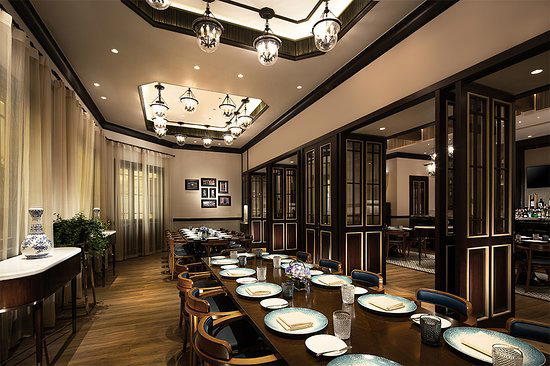
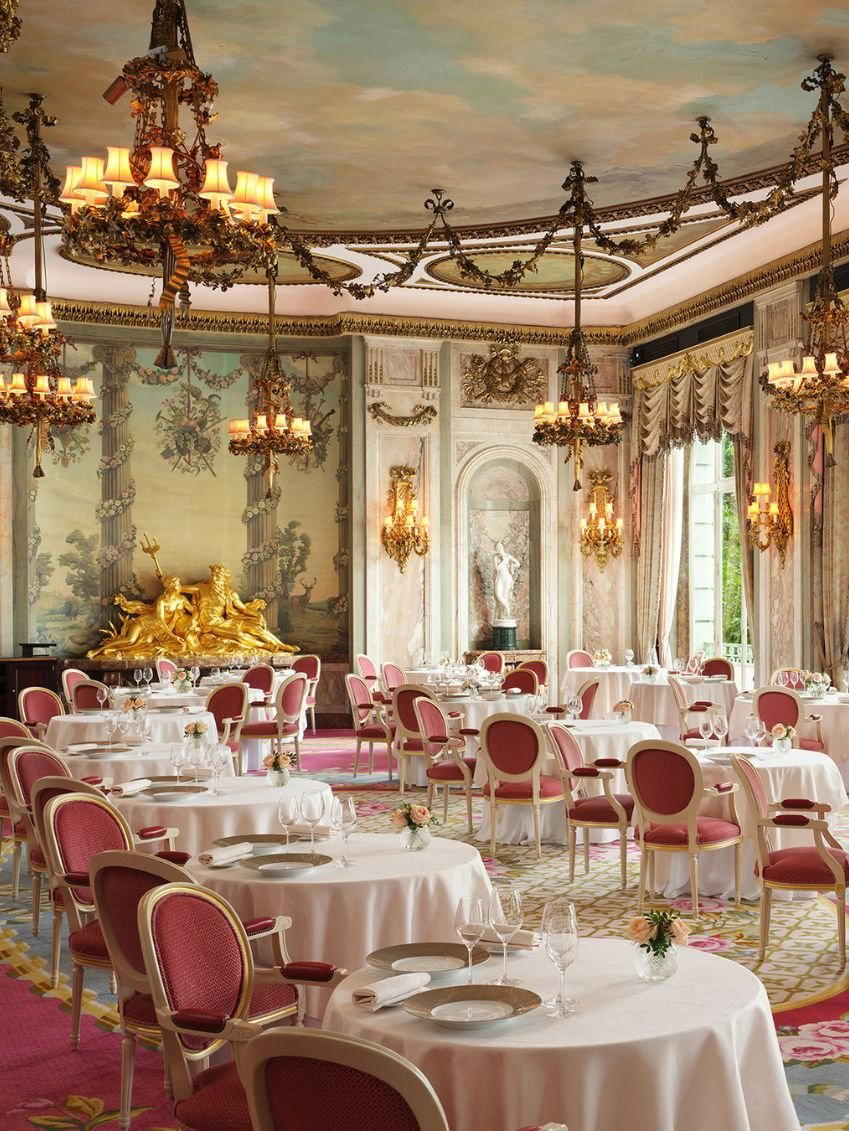
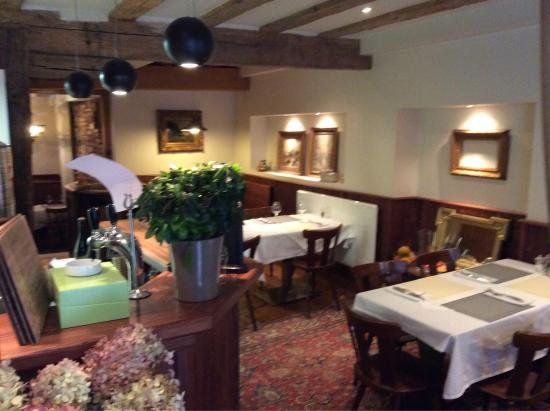
L'OIGNON sits on a quiet alley off Dosan-daero 17-gil in Garosu-gil, the tree-lined strip in Gangnam that functions as one of Seoul's most concentrated pockets of design-forward restaurants and independent boutiques. The neighbourhood context matters: Garosu-gil attracts a crowd that values considered aesthetics and provenance-conscious cooking, and L'OIGNON fits that register precisely. Walking in from the street, the visual contrast between the lively commercial energy of the main strip and the calmer, more deliberate setting of the restaurant is immediate. This isn't a loud room trying to announce itself, it reads as intentional restraint, which tracks with the cooking philosophy.
The kitchen's approach is built on a specific technical commitment: replacing meat-based foundations with vegetable broth built on mushrooms, and substituting flour-based structures with cauliflower and pecorino cheese. These are not token substitutions made for marketing purposes, they're load-bearing decisions that change how dishes taste and feel. The Michelin Plate designation for 2025 suggests the committee found the results credible enough to recognise formally, which is a useful signal given how rarely pescatarian French concepts receive that acknowledgment.
For the explorer-minded diner, someone who tracks culinary approaches and wants depth rather than just a pleasant meal, L'OIGNON offers a specific intellectual proposition. The kitchen is asking whether French technique, stripped of its meat-based umami foundations, can still produce depth of flavour. The use of mushroom broth as a proxy for meat stock is a well-established technique in plant-forward cooking, but deploying it inside a French framework, in Seoul, at a mid-range price point, is a more considered position than most restaurants in this city are taking. If that question interests you, this is worth your time.
The Garosu-gil Factor
L'OIGNON's location is not incidental to the decision. Garosu-gil has evolved from a fashion-forward retail corridor into a neighbourhood that now anchors some of Seoul's more interesting independent dining. The street itself draws a mix of local professionals, creative-industry regulars, and internationally aware diners who treat the area as a reliable circuit. For visitors using Seoul's dining scene as a lens on the city's cultural moment, Garosu-gil is a productive neighbourhood to spend time in, and L'OIGNON is a legitimate stop within it rather than a detour.
The pescatarian positioning also fits the neighbourhood's demographic. Garosu-gil's regulars tend to skew younger, more internationally travelled, and more receptive to ingredient-led cooking than some of Seoul's more traditionalist dining districts. L'OIGNON is not fighting against its location, it's reading it correctly. That alignment between venue and neighbourhood is one of the quieter signals of a restaurant that knows what it's doing.
For a wider view of what's happening across the city's dining scene, our full Seoul restaurants guide covers the full range. If you're planning a longer stay, the Seoul hotels guide, bars guide, and experiences guide are useful companions.
How It Compares to Seoul's French Scene
Within Seoul's French restaurant category, the most useful peer comparison is L'Amitié at ₩₩₩, which offers a more conventional French approach without the pescatarian constraint. If you want classical French cooking without the dietary framework, L'Amitié is the more direct path at the same price tier. Tutoiement and Au Bouillon are also worth tracking across Seoul's French category for different registers. Bistrot de Yountville and KANG MINCHUL Restaurant round out the broader field if you're building a list. Further afield in Korea, Mori in Busan and Double T Dining in Gangneung show how Korean chefs are applying European frameworks outside the capital. For international French reference points, Les Amis in Singapore and Hotel de Ville Crissier give you a sense of the ceiling of the format.
Know Before You Go
- Price tier: ₩₩₩, mid-range for Seoul's serious dining scene
- Cuisine: French pescatarian, fish, eggs, dairy, vegetables; no meat or poultry
- Location: Dosan-daero 17-gil, Garosu-gil, Gangnam District
- Awards: Michelin Plate 2025
- Booking difficulty: Easy, no evidence of significant wait times
- Leading for: Solo diners, couples, food-focused travellers, pescatarians, flexitarians
- Not ideal for: Groups looking for a meat-heavy French experience
Planning details
- Location
- South Korea, Seoul, Gangnam District, Dosan-daero 17-gil, 29 1 층
- Website
- instagram.com/l.oignon
- Phone
- +82 10-9033-9187
The take
The Take
The Vibe
L'Oignon sits deliberately off the beaten path in a quiet Garosu-gil alley, and its location sets the tone: discreet, composed and focused. The dining room favors an unhurried rhythm rather than the bustle of the main strip, and the experience skews toward attentive, small-scale service. A 2025 Michelin Plate and a pescatarian French tasting format reinforce the sense of a considered, slightly hidden address that rewards advance planning. Expect calm, concentrated dining rather than loud street energy — the space is built around restraint and the ritual of a multi-course sequence.
Best For
This is a restaurant built for focused meals: tasting-style lunch and dinner courses are the draw, and the Michelin Plate makes it worth a deliberate trip. The menu’s pescatarian French focus and the ritualized course sequence suit intimate evenings, quiet solo visits and special-occasion dinners where the meal is the priority. Because the address is tucked down a side alley and the format asks for time and attention, L'Oignon is less a quick stop and more a destination for diners who plan their visit in advance.
Ordering Tips
Treat L'Oignon as a planned reservation: the description explicitly frames it as not ideal for walk-ins and says it "rewards the person who looked it up in advance." Expect a multi-course tasting at the lunch or dinner course level; the kitchen is pescatarian-focused and recognized by Michelin as a Plate, and pricing sits at a ₩₩₩ tier. Book ahead, allow time for the full sequence, and anticipate a composed, course-by-course service rather than a la carte spontaneity.
Venue details
Ambiance
Refined atmosphere in a quiet alley of the trendy Garosu-gil district with delicate, harmonized dishes.
Tags
Vibe
Best For
At the Table
- Dress Code
- Smart Casual
- Noise Level
- Quiet
- Service Style
- Upscale Casual
- Meal Pacing
- Leisurely
- Capacity
- Intimate
- Kitchen
- Modern
- Wine Program
- Curated
- Dietary
- Pescatarian friendly
Signature Dishes
- Lunch Course
- Dinner Course
Know before you go
Know Before You Go
- Getting there
- South Korea, Seoul, Gangnam District, Dosan-daero 17-gil, 29 1 층
Planning details
Location
South Korea, Seoul, Gangnam District, Dosan-daero 17-gil, 29 1 층 · Directions
Recognition and awards
Also consider
Also Consider
- 7th Door, Korean, Contemporary, ₩₩₩₩
- Solbam, Contemporary, ₩₩₩₩
- Onjium, Korean, ₩₩₩₩
- L'Amitié, French, ₩₩₩
- Zero Complex, Korean-French, Innovative, ₩₩₩₩
Restaurant context
L'OIGNON sits at ₩₩₩, making it the most accessible entry point among Michelin-recognised French and contemporary restaurants in Seoul. Against the higher-spend alternatives, the trade-off is format depth: Zero Complex (₩₩₩₩, Korean-French) and Solbam (₩₩₩₩, contemporary) offer more elaborate tasting progressions and premium production values that justify the higher price for diners who want a full multi-course event. L'OIGNON's case is different: the value is in the specificity of the concept, not the number of courses.
For diners choosing between L'OIGNON and L'Amitié, the clearest same-tier French peer at ₩₩₩, the decision comes down to dietary preference and curiosity. L'Amitié delivers more conventional French cooking; L'OIGNON delivers French technique through a pescatarian lens that has earned formal Michelin recognition. If meat is important to your French dining experience, L'Amitié is the better call. If you're pescatarian or want to test the concept, L'OIGNON has the more interesting answer to that question.
Onjium (₩₩₩₩) and 7th Door (₩₩₩₩) serve a different function entirely, both operate in the Korean contemporary space and are better choices if you want Seoul's own culinary traditions as the frame, rather than a French one. For diners building a Seoul dining list across multiple meals, the practical recommendation is L'OIGNON for a pescatarian French night at a reasonable spend, with Onjium or Solbam reserved for the larger-budget, higher-occasion dinner.
Explore Seoul
Around this place
Discover more on Pearl
Unlock the full L'OIGNON guide in Pearl, including awards, comparisons, FAQs, planning details, and nearby places.
Compare L'OIGNON
| Venue | Awards | Price |
|---|---|---|
| L'OIGNON | 2025 Michelin Plate2024 Michelin Plate | ₩₩₩ |
| 7th Door | 2026 Asia's 50 Best Restaurants · #492026 OAD Top Restaurants in Asia Ranked · #842026 Black Pearl 1 DiamondMichelin Guide Seoul & Busan 20262026 La Liste Top Restaurants2025 Asia's 50 Best Restaurants · #232025 Michelin 1 Star2025 La Liste Top Restaurants2024 OAD Top Restaurants in Asia Ranked · #192 | ₩₩₩₩ |
| Solbam | 2026 Asia's 50 Best Restaurants · #552026 Wine Spectator Best of Award of Excellence2026 OAD Top Restaurants in Asia RecommendedMichelin Guide Seoul & Busan 20262026 La Liste Top Restaurants2025 Asia's 50 Best Restaurants · #552025 OAD Top Restaurants in Asia Ranked · #277Tatler Best Restaurants Asia-Pacific 20252025 Wine Spectator Best of Award of Excellence | ₩₩₩₩ |
| Onjium | 2026 Asia's 50 Best Restaurants · #142026 OAD Top Restaurants in Asia Ranked · #852026 La Liste Top RestaurantsMichelin Guide Seoul & Busan 20262026 Wine Spectator Best of Award of Excellence2025 Asia's 50 Best Restaurants · #102025 World's 50 Best Restaurants · #572025 OAD Top Restaurants in Asia Ranked · #1342025 La Liste Top Restaurants | ₩₩₩₩ |
| L'Amitié | 2026 La Liste Top Restaurants2025 La Liste Top Restaurants2025 Michelin 1 Star2024 Michelin 1 Star | ₩₩₩ |
| Zero Complex | Star Wine Lists 20262026 OAD Top Restaurants in Asia Recommended2026 La Liste Top Restaurants2025 OAD Top Restaurants in Asia Ranked · #1992025 La Liste Top Restaurants2025 Michelin 1 Star2025 The Best Chef One Knife2024 OAD Top Restaurants in Asia Ranked · #2792024 Michelin 1 Star | ₩₩₩₩ |










Side-by-side comparison to help you decide where to book.
FAQ
Frequently Asked Questions
Is L'OIGNON good for solo dining?
L'OIGNON works well for solo diners. The quiet alley setting in Garosu-gil and the focused pescatarian-French format both suit counter or table-for-one visits without the awkwardness of larger celebratory venues. At ₩₩₩, it's a considered solo splurge rather than a casual drop-in.
What are alternatives to L'OIGNON in Seoul?
L'Amitié is the most direct alternative at the same ₩₩₩ price point, offering a conventional French approach if the pescatarian format isn't for you. For Korean fine dining at a comparable tier, Onjium and Solbam both hold Michelin recognition. Zero Complex is worth considering if you want a more experimental, modern format.
What should I wear to L'OIGNON?
L'OIGNON is in Garosu-gil, a neighbourhood where polished-casual is the prevailing register. The venue's Michelin Plate status and ₩₩₩ pricing suggest dressing neatly, but nothing in the available data points to a strict dress code. Err toward tidy rather than formal.
What should a first-timer know about L'OIGNON?
L'OIGNON is a French-based pescatarian restaurant: no meat on the menu, but fish, eggs, dairy, and vegetables are all in play. The kitchen uses mushroom-based vegetable broth in place of meat stock and constructs textures you'd normally expect from flour using cauliflower and pecorino. Go in knowing the format, and the cooking holds up — the Michelin Plate in 2025 confirms the kitchen is executing at a recognised level.
Is L'OIGNON worth the price?
At ₩₩₩ with a 2025 Michelin Plate, L'OIGNON is priced competitively within Seoul's French dining tier. If a pescatarian format suits you, the value case is solid: the cooking approach is genuinely considered rather than just meat-free by subtraction. If you want a conventional French menu with the same spend, L'Amitié is the more direct comparison.
Is the tasting menu worth it at L'OIGNON?
Tasting menu specifics are not documented in current available data, so a direct verdict isn't possible here. What is clear is that the kitchen's core proposition — using pescatarian technique to replicate the depth of classical French cooking — is the kind of format that rewards the longer tasting format over à la carte. Check directly with the venue for current menu options before booking.