.png?width=1200&quality=80)
L'Espoir du Hibou
French · 압구정동, Seoul
Restaurant in Seoul, South Korea
 Book with Pearl
The Read
Scratch-Made French Classicism
Price
$50–100per person
Dress
Smart Casual
Why go
A Michelin-selected French bistro in Gangnam making housemade terrines and pâtés from scratch, with a terrace that earns its reputation in warmer months. At ₩₩₩, it's one of the most accessible and consistent French addresses in Seoul. Book here for classic duck confit and onion soup done with discipline, not for tasting-menu experimentation.
About L'Espoir du Hibou
The Verdict
If you're choosing between L'Espoir du Hibou and Seoul's newer wave of French-inflected tasting menus, book here when you want classic French bistro cooking done with genuine consistency, not when you're chasing novelty. This Michelin Plate–recognised address in Gangnam's Dosan-daero pocket has held its ground precisely because it doesn't try to be anything other than what it is: a French bistro that makes its own charcuterie, pours wine without ceremony, and runs a terrace that earns its reputation in warmer months. At ₩₩₩ pricing, it sits a full tier below the ₩₩₩₩ French-Korean tasting circuit, which makes the value case direct if traditional French technique is what you're after.
What You're Booking
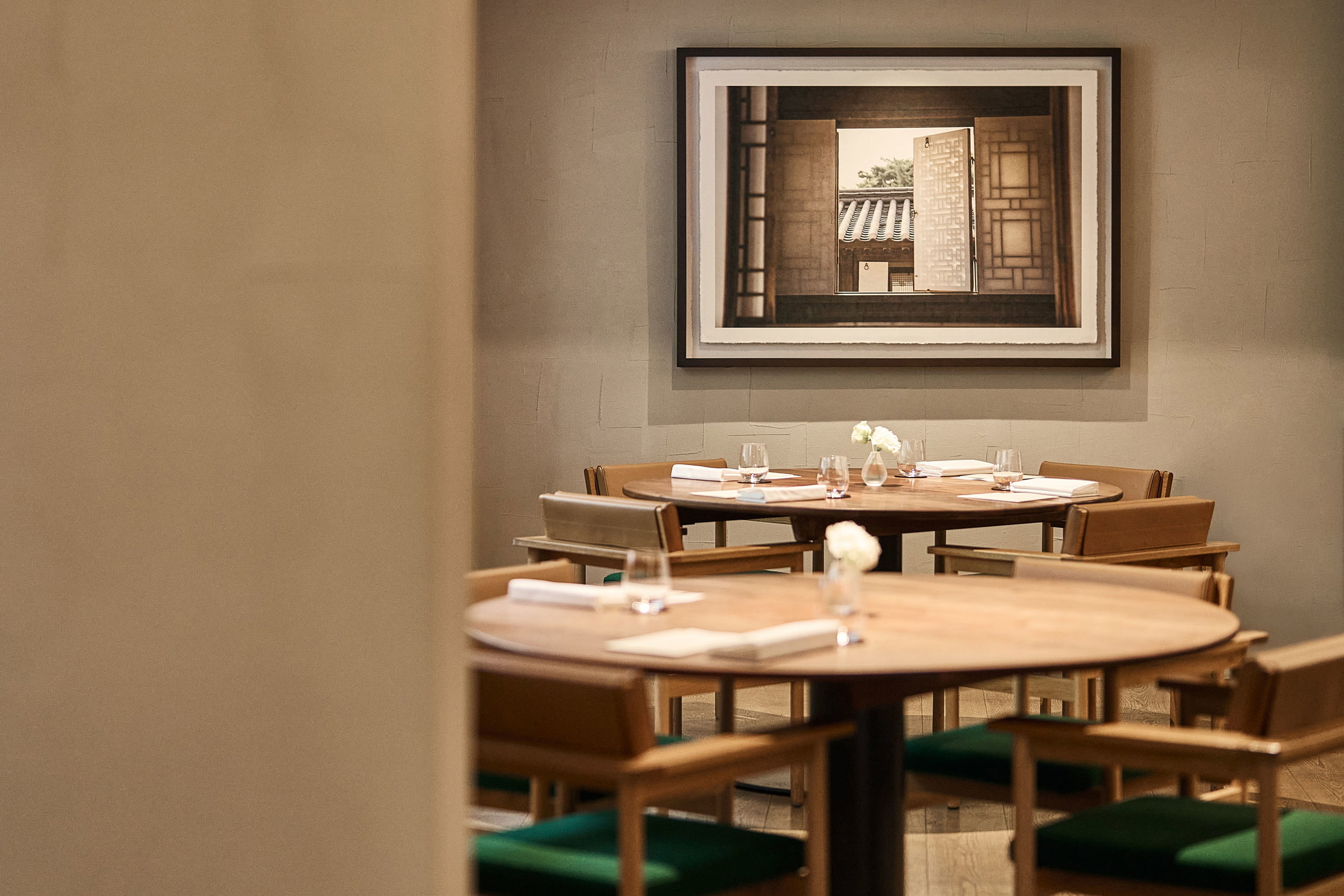
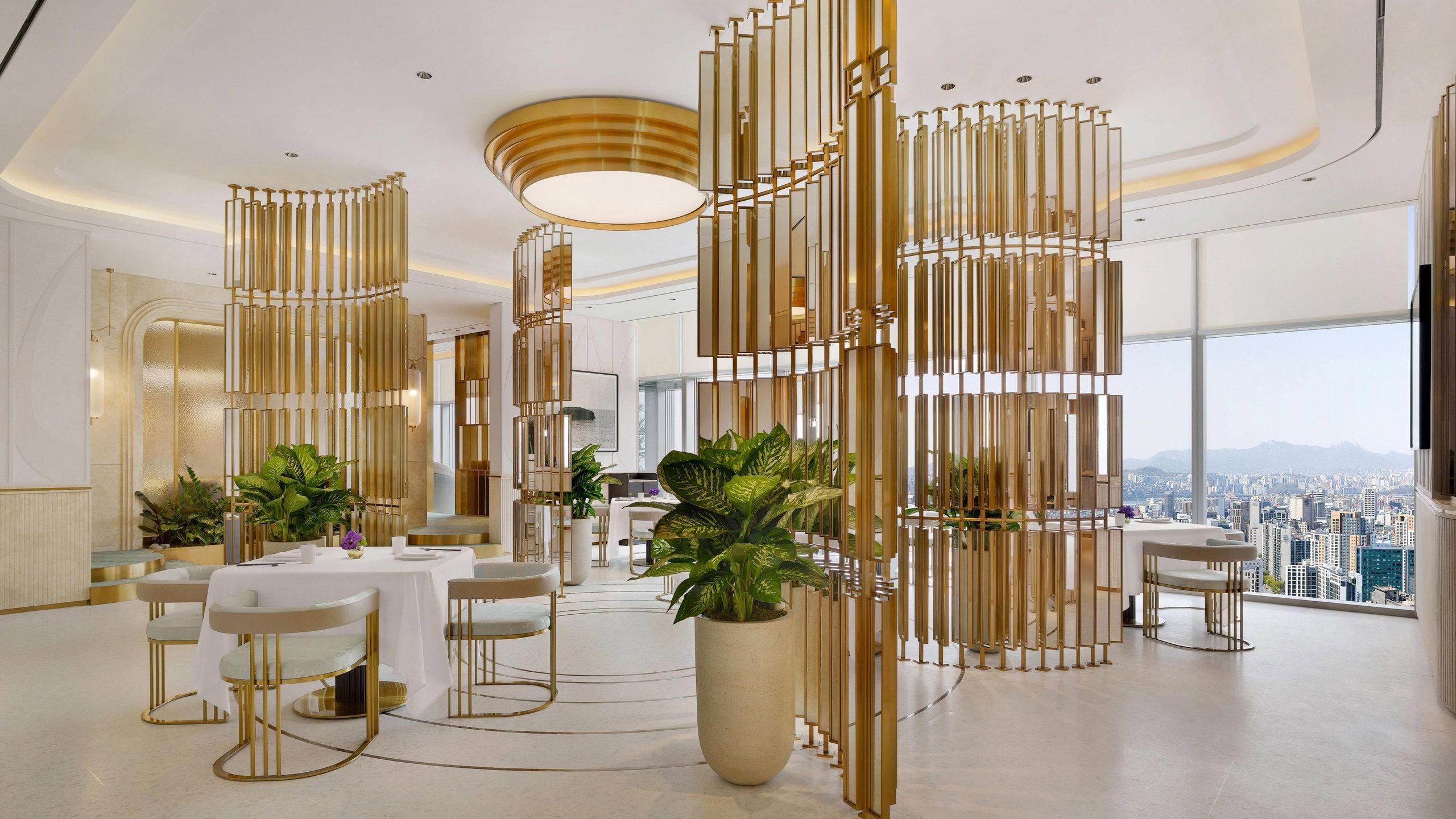
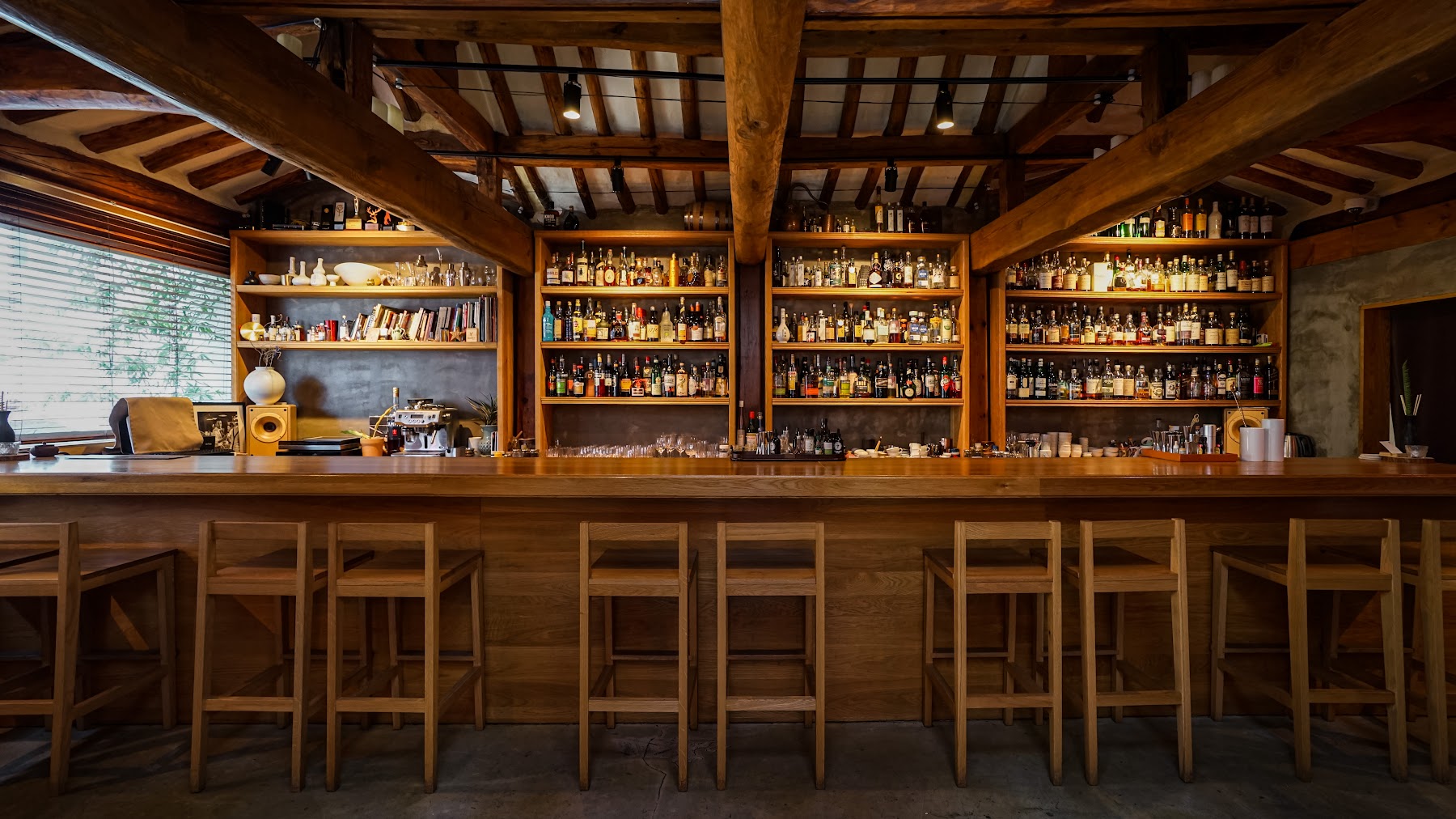
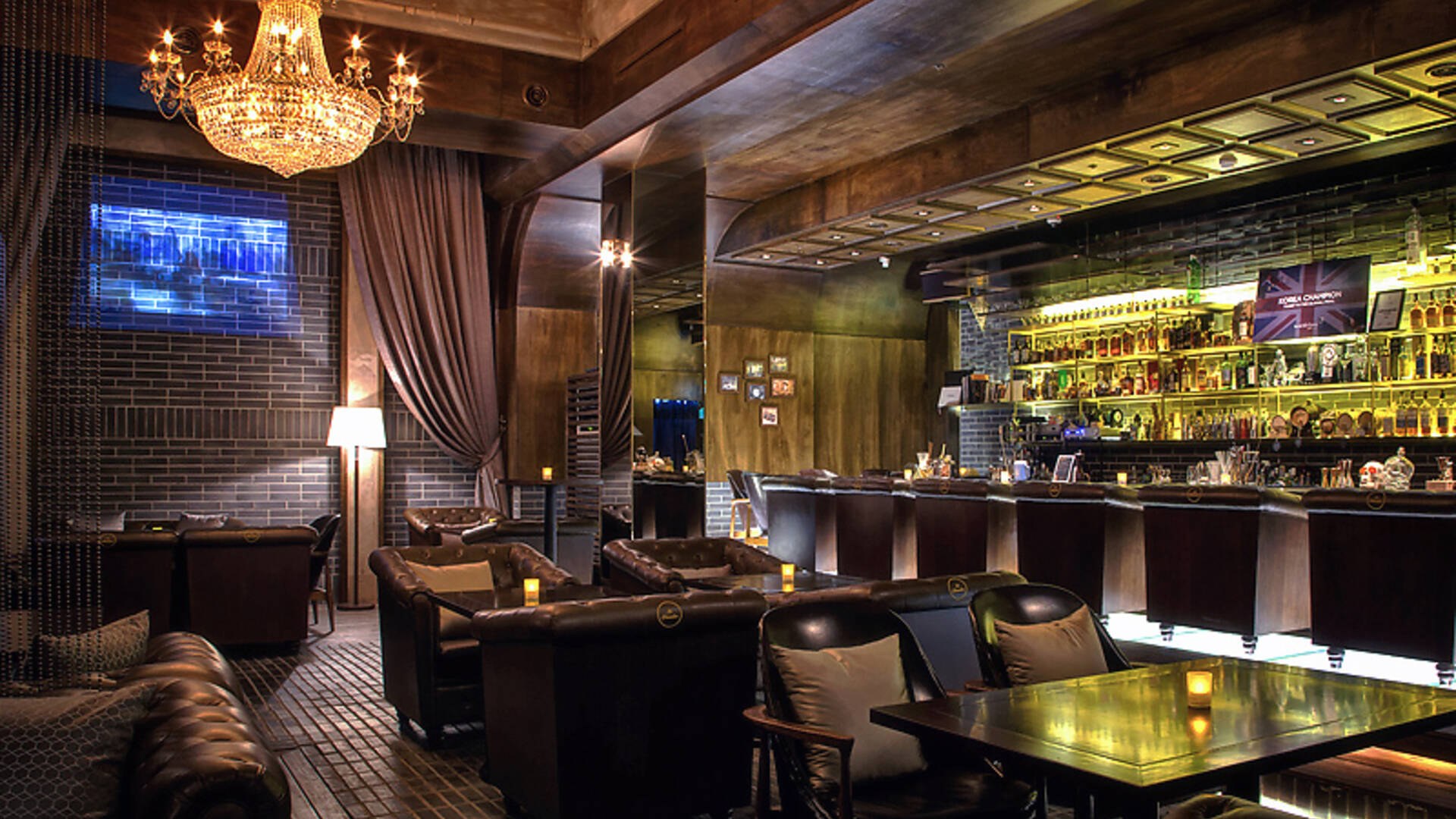
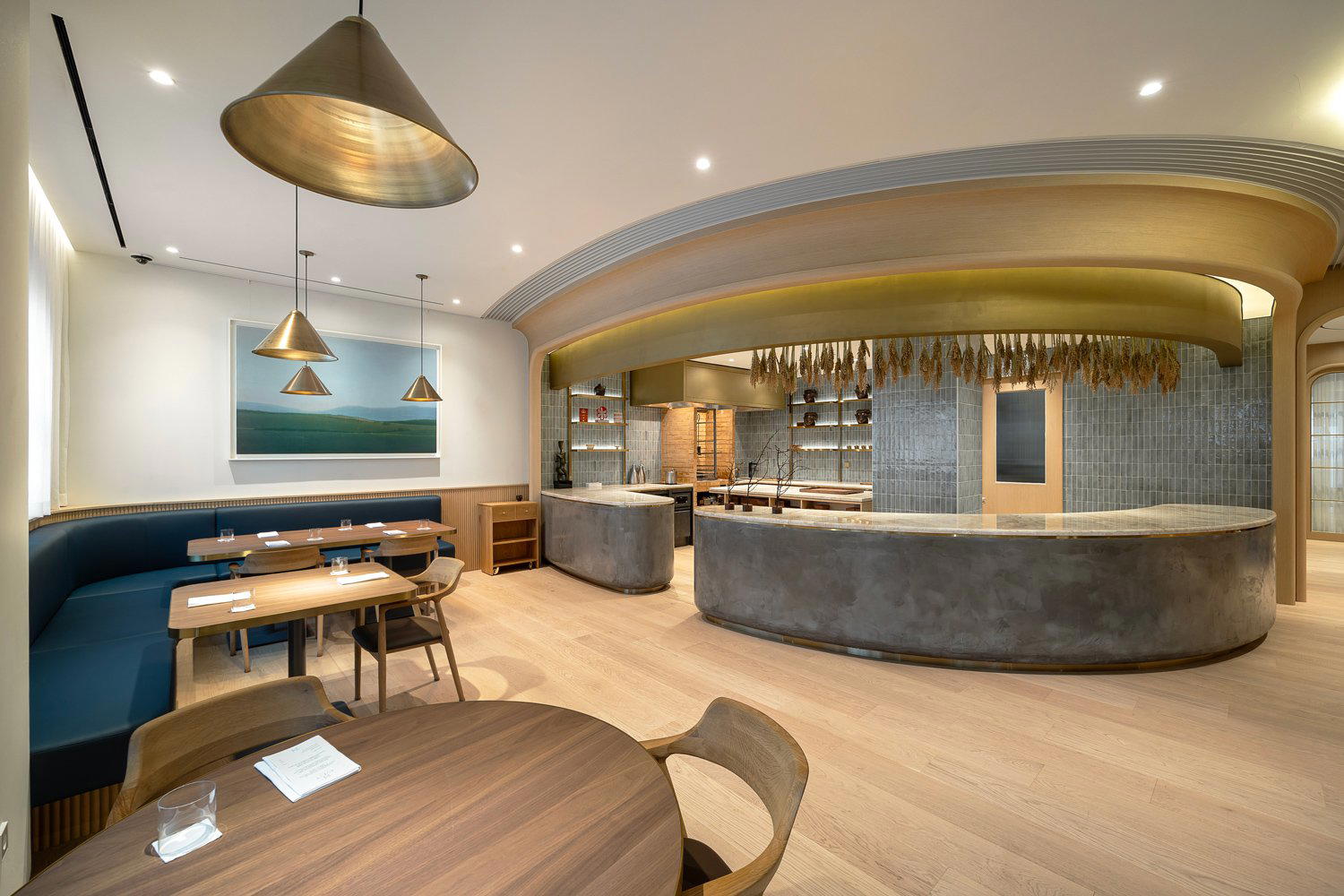
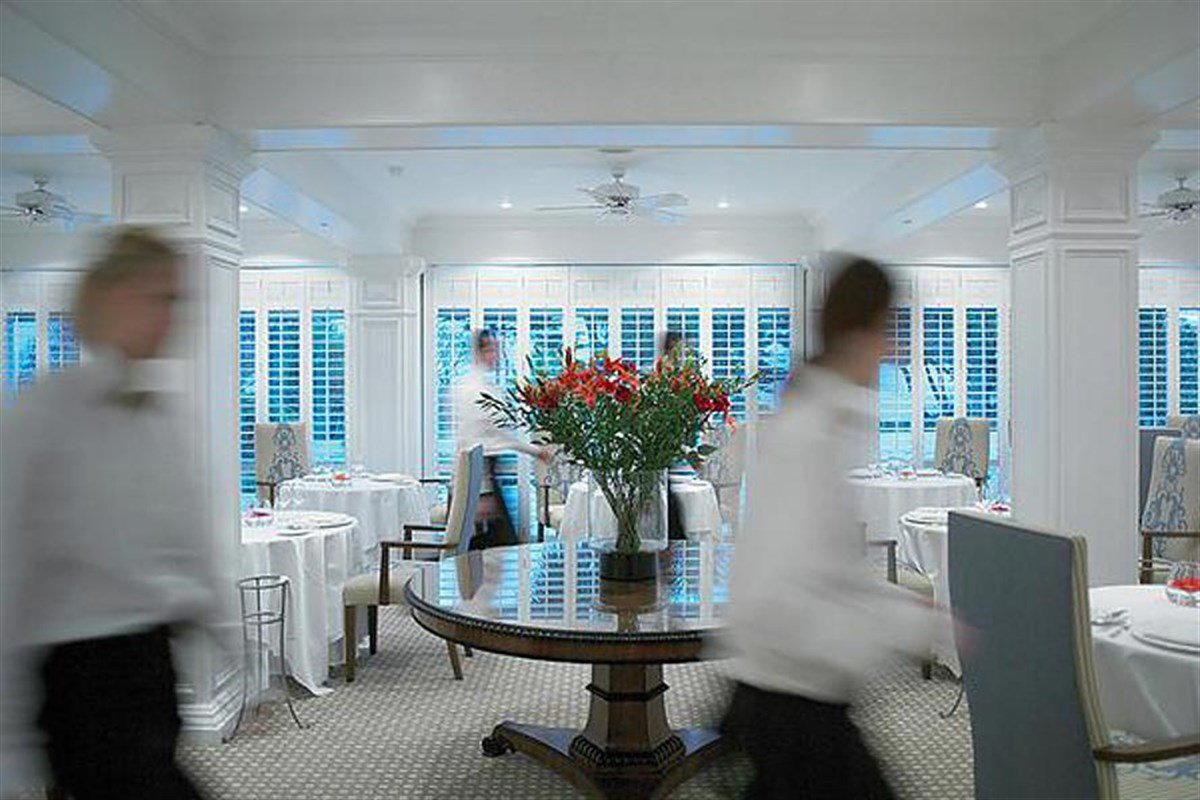
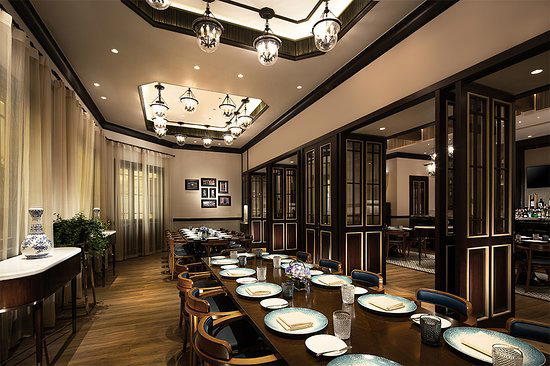
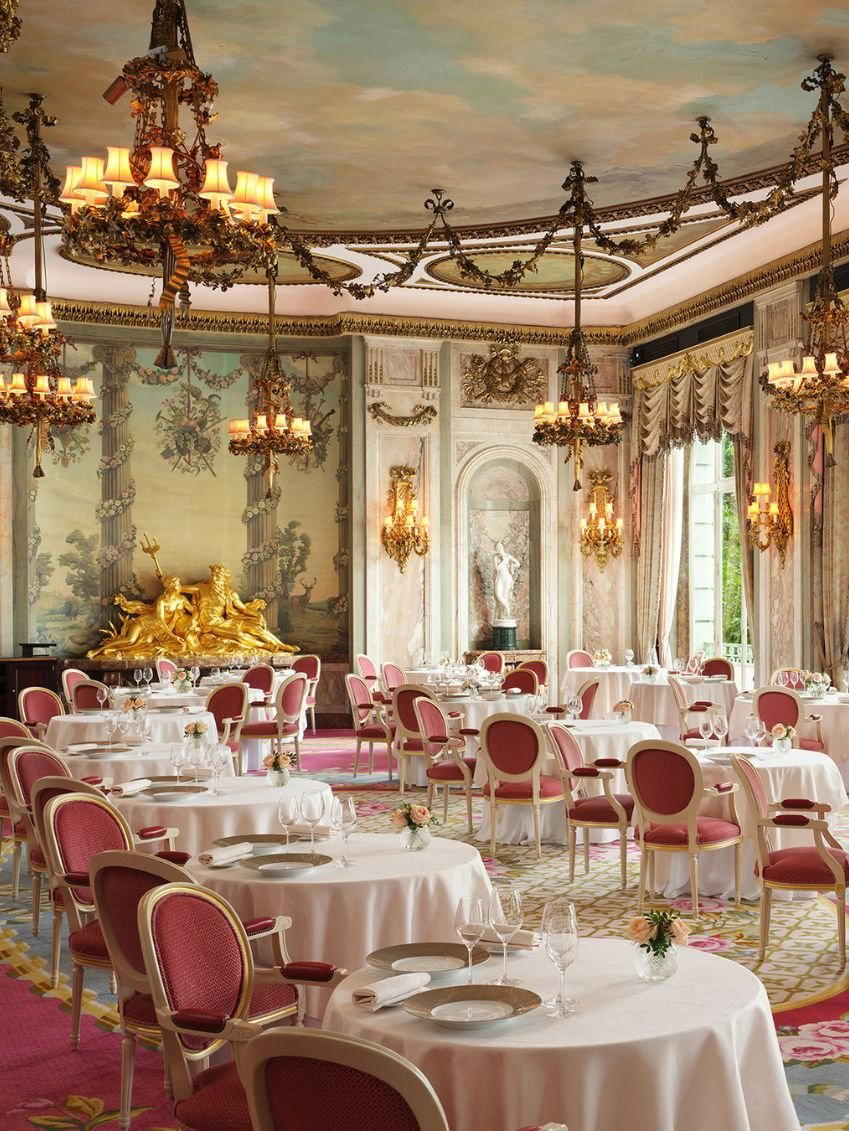
The room reads immediately as French in the way that matters — not in the self-conscious, Instagram-dressed sense, but through the accumulation of small visual details: the kind of space where the décor and the food tell the same story. For a returning visitor, the most useful framing is this: the kitchen's identity is built around housemade charcuterie. Chef Lim Ki-hak makes terrines and pâtés in-house, which is not standard practice in Seoul's French restaurant scene, where most bistros source charcuterie from specialist suppliers or skip it entirely. That commitment to handmade preparation is the clearest signal of what kind of kitchen this is.
The classics on the menu — onion soup, duck confit, are the dishes that have kept the room busy. These are not dishes that benefit from reinvention; they benefit from discipline and repetition, which is what they get here. If you came the first time and ordered something else, the second visit is where you course-correct and order both.
When to Go and What Changes by Season
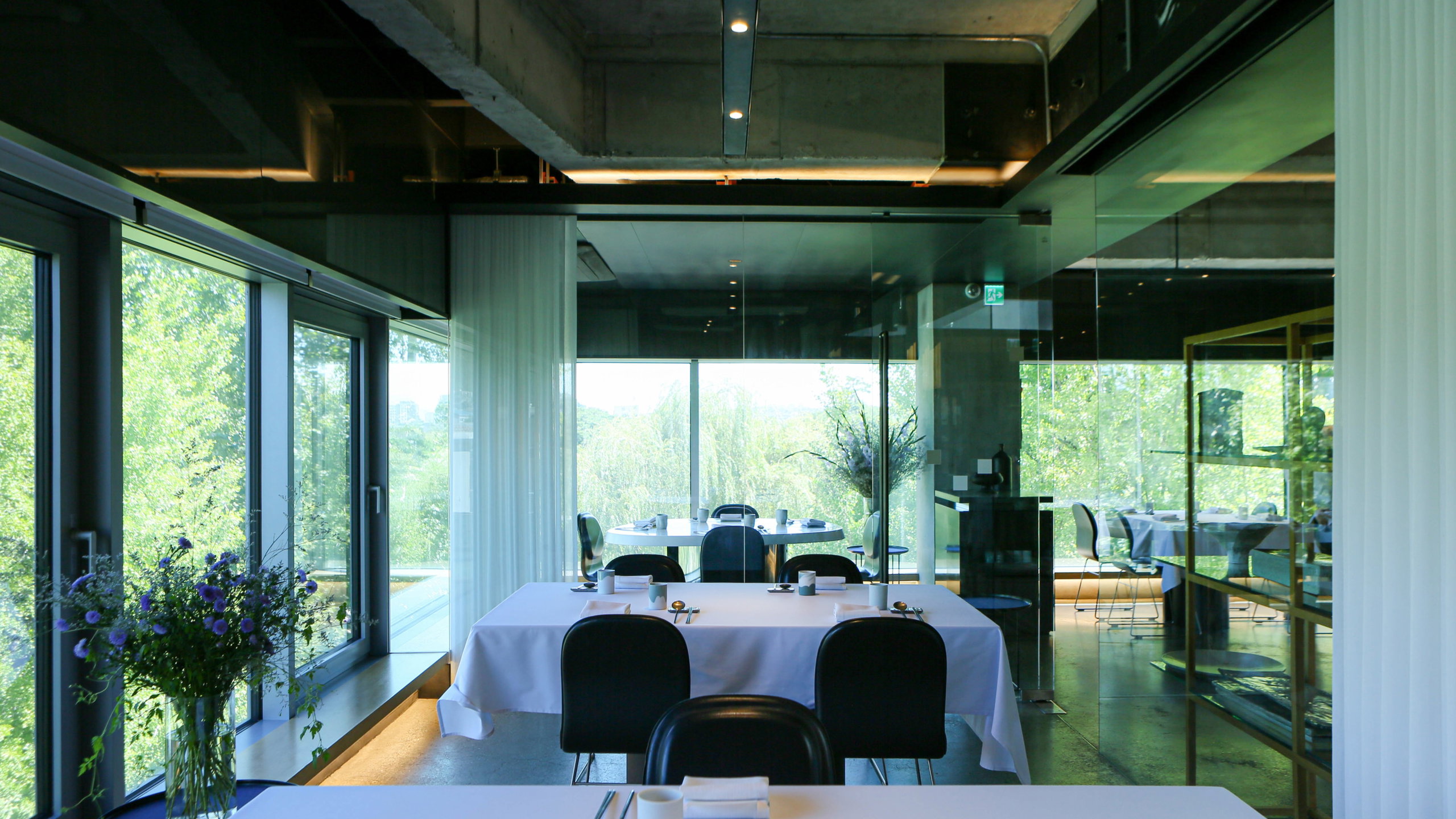
Timing matters here more than at most Seoul addresses in this category. The outdoor terrace is the specific reason to time a visit between late spring and early autumn. Seoul's summers run warm from June through August, and September extends the outdoor season comfortably. The terrace is not a secondary option, it's the preferred seating when available, and the visual difference between eating inside versus outside on a mild evening is significant enough to influence when you book. If you're planning a visit primarily for the food, any season works. If the terrace is part of the appeal, aim for May, September, or October, when the temperature is cooperative without the peak humidity of July and August.
Seasonal availability also affects the charcuterie program in practical ways. Classic terrines and pâtés are year-round staples at L'Espoir du Hibou, but accompaniments and supporting dishes in French bistro kitchens typically shift with what's in season, lighter preparations in summer, richer ones in the cooler months from November through March. The core menu anchors remain consistent regardless of season, which is part of the bistro's identity, but a winter visit leans naturally into the heartier end of the register: richer broths, more substantial braises. For first-timers returning for a second visit, a late-autumn or winter booking makes the onion soup and duck confit feel properly calibrated to the weather.
How It Compares
For Seoul French dining at ₩₩₩, the direct peer is L'Amitié. Both operate in the same price tier and share a classical French orientation, which means the decision between them comes down to format and atmosphere. L'Espoir du Hibou has the terrace advantage and a stronger charcuterie identity. If you want to understand the broader Seoul French scene, Tutoiement and Au Bouillon are also worth knowing, and Bistrot de Yountville rounds out the bistro-format options in the city. For an international frame of reference on what serious French kitchen discipline looks like at the leading end, Hotel de Ville Crissier and L'Effervescence in Tokyo represent the ceiling of the category in their respective markets.
Practical Details
| Detail | L'Espoir du Hibou | L'Amitié | Tutoiement |
|---|---|---|---|
| Price tier | ₩₩₩ | ₩₩₩ | ₩₩₩ |
| Cuisine | French (classic bistro) | French | French |
| Booking difficulty | Easy | Check availability | Check availability |
| Terrace | Yes (seasonal) | Not confirmed | Not confirmed |
| Michelin recognition | Michelin Plate (2024) | ||
| Location | Gangnam, Dosan-daero | Seoul | Seoul |
Getting There
The address is 10 Dosan-daero 56-gil, Gangnam District, 2nd floor. The Dosan-daero corridor in Gangnam is well-served by taxi and rideshare, and the surrounding block is walkable from Apgujeong Rodeo station. For a broader picture of what else is happening in the city, see our full Seoul restaurants guide, our full Seoul hotels guide, and our full Seoul bars guide. If you're planning a wider South Korea trip, Mori in Busan, Double T Dining in Gangneung, and Kwon Sook Soo in Gangnam-gu are worth factoring in. For experiences and wineries in Seoul, see our full Seoul experiences guide and our full Seoul wineries guide.
Pearl Picks Nearby
- KANG MINCHUL Restaurant, Seoul
- Tutoiement, Seoul French
- Au Bouillon, Seoul French
- Bistrot de Yountville, Seoul French bistro
- Baegyangsa Temple, Jangseong-gun
- The Flying Hog, Seogwipo
- Market Café, Incheon
Planning details
- Location
- South Korea, Seoul, Gangnam District, Dosan-daero 56-gil, 10 레스쁘아 2층
- Phone
- +82 2-517-6034
The take
The Take
The Vibe
L'Espoir du Hibou reads like a quietly confident Parisian bistro transported to Gangnam: understated signage, a tree-lined approach and a compact, slightly accidental outdoor terrace set a low-key tone before you step inside. The dining room favors well-worn warmth over engineered chic, and the service follows classical bistro rhythms rather than theatrical innovation. The overall effect is intimate and restrained—the kind of place that signals taste through restraint and faithful cooking rather than flash. It feels like a deliberate counterpoint to the neighborhood's louder, more demonstrative addresses.
Best For
This is a place for focused, quietly celebratory meals—especially dinner—where classical French staples take center stage. The kitchen's fidelity to the bistro format and its 2024 Michelin Plate recognition underline that the experience centers on reliably well-executed dishes rather than avant-garde experimentation. L'Espoir du Hibou suits date nights and special occasions that value atmosphere and tradition: think slow conversation, attentive service, and a menu built around time-honored plates such as French Onion Soup and Duck Confit.
Ordering Tips
Keep choices simple and rooted in the canon: the menu rewards order selections that exemplify classical technique rather than novelty. The French Onion Soup and Duck Confit are signature preparations for a reason and are reliable ways to read the kitchen. Note the small outdoor terrace if you prefer a street-facing moment, but expect the room itself to be the main draw: warm, well-worn and focused on steady bistro cooking. Given the restaurant's restrained approach, favor the classics on the menu to get the fullest sense of its strengths.
Venue details
Ambiance
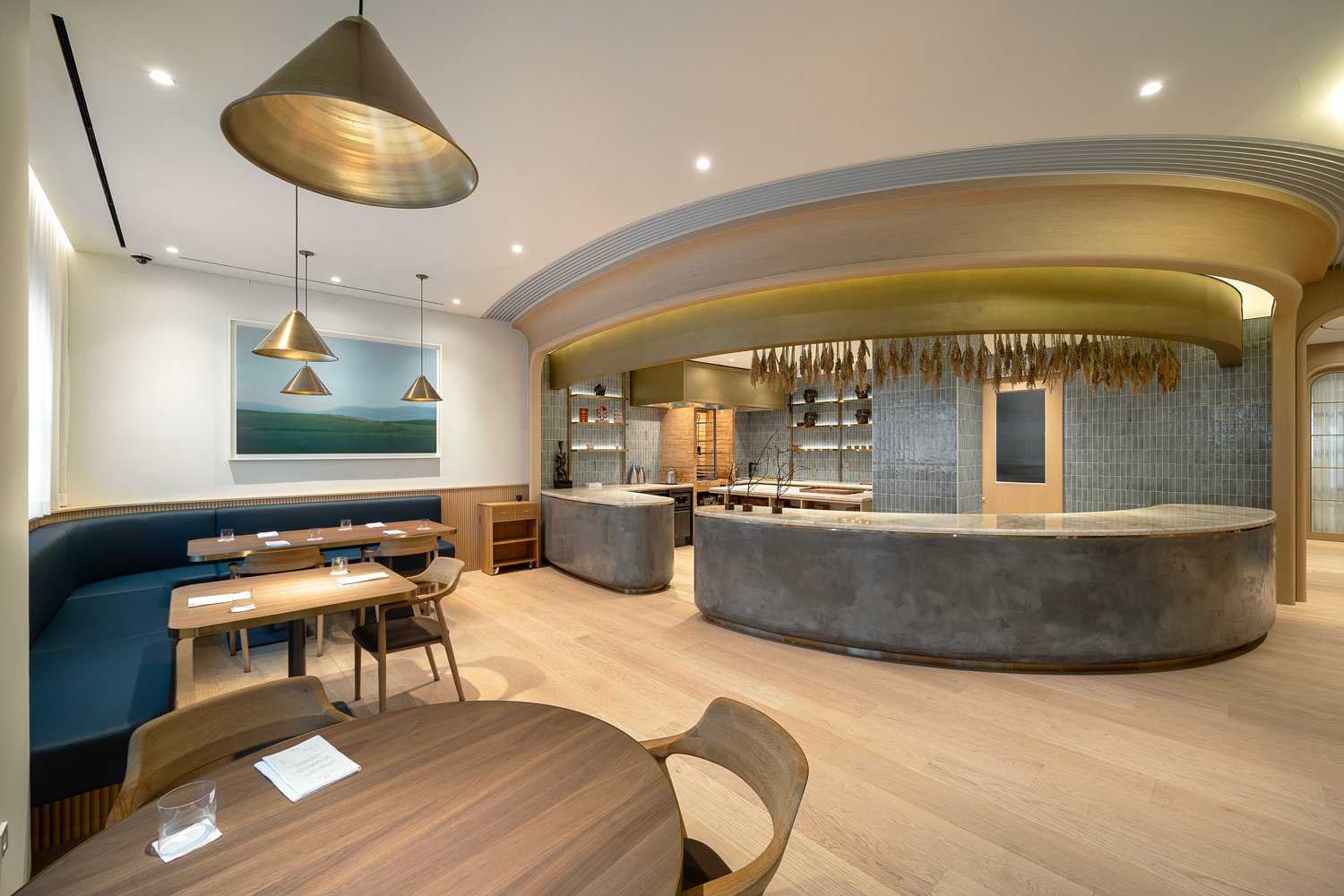
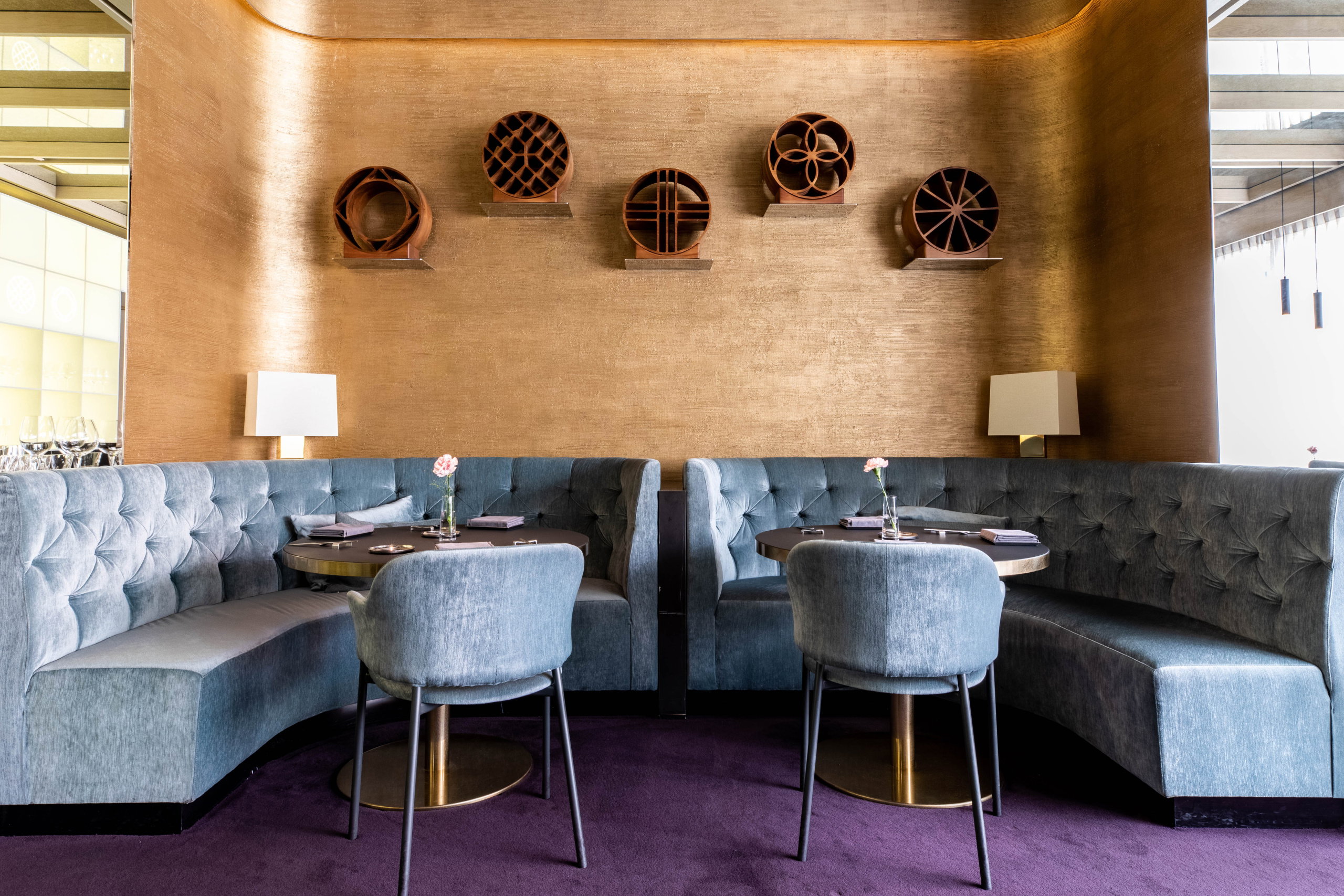
Charming French bistro with red painted walls, gilded mirrors, wood-clad walls, crisp white tablecloths, warm timber, linen, candlelight, and a quiet intimate setting.
Tags
Vibe
Best For
Experience
At the Table
- Dress Code
- Smart Casual
- Noise Level
- Quiet
- Service Style
- Upscale Casual
- Meal Pacing
- Leisurely
- Capacity
- Intimate
- Kitchen
- Traditional
- Menu Format
- A la carte, Prix fixe
- Wine Program
- Curated
- Outdoor Seating
- Yes
Signature Dishes
- French Onion Soup
- Duck Confit
Know before you go
Know Before You Go
- Getting there
- South Korea, Seoul, Gangnam District, Dosan-daero 56-gil, 10 레스쁘아 2층
Planning details
Location
South Korea, Seoul, Gangnam District, Dosan-daero 56-gil, 10 레스쁘아 2층 · Directions
Recognition and awards
Also consider
Also Consider
- Solbam, Contemporary, ₩₩₩₩
- Onjium, Korean, ₩₩₩₩
- 7th Door, Korean, Contemporary, ₩₩₩₩
- L'Amitié, French, ₩₩₩
- Zero Complex, Korean-French, Innovative, ₩₩₩₩
Restaurant context
At ₩₩₩, L'Espoir du Hibou is a full price tier below most of its closest comparators. If you're deciding between this and L'Amitié, the other French address at ₩₩₩, the decision comes down to format and setting: L'Espoir du Hibou has the seasonal terrace and a stronger housemade charcuterie identity, which gives it a more defined reason to visit. L'Amitié is the alternative if availability here is limited or if you want to compare classical French execution at the same price point.
Against the ₩₩₩₩ tier, the comparison shifts. Zero Complex and Solbam both operate at a higher spend level with more technically ambitious formats. If you want Korean-French creative cooking in a tasting-menu structure, Zero Complex is the right address. If you want contemporary technique without a French anchor, Solbam or 7th Door are better fits. Onjium operates in a different lane entirely, traditional Korean cuisine at ₩₩₩₩, so it's not a direct competitor, but it's worth knowing if the broader Seoul fine-dining circuit is on your agenda.
The clearest recommendation: book L'Espoir du Hibou if classic French bistro cooking, not fusion, not tasting menus, not contemporary reinterpretation, is what you want, and if the ₩₩₩ price tier matters to your planning. It's easy to book relative to the ₩₩₩₩ venues listed above, which require more lead time and carry a higher per-person commitment. For a spontaneous or budget-conscious French dinner in Gangnam, this is the address with the most consistent track record in the category.
Explore Seoul
Around this place
Discover more on Pearl
Unlock the full L'Espoir du Hibou guide in Pearl, including awards, comparisons, FAQs, planning details, and nearby places.
Compare L'Espoir du Hibou
| Venue | Price | Booking Difficulty | Awards |
|---|---|---|---|
| L'Espoir du Hibou | ₩₩₩ | Easy | 2025 Michelin Plate2024 Michelin Plate |
| Solbam | ₩₩₩₩ | Unknown | 2026 Asia's 50 Best Restaurants · #552026 Wine Spectator Best of Award of Excellence2026 OAD Top Restaurants in Asia RecommendedMichelin Guide Seoul & Busan 20262026 La Liste Top Restaurants2025 Asia's 50 Best Restaurants · #552025 OAD Top Restaurants in Asia Ranked · #277Tatler Best Restaurants Asia-Pacific 20252025 Wine Spectator Best of Award of Excellence |
| Onjium | ₩₩₩₩ | Unknown | 2026 Asia's 50 Best Restaurants · #142026 OAD Top Restaurants in Asia Ranked · #852026 La Liste Top RestaurantsMichelin Guide Seoul & Busan 20262026 Wine Spectator Best of Award of Excellence2025 Asia's 50 Best Restaurants · #102025 World's 50 Best Restaurants · #572025 OAD Top Restaurants in Asia Ranked · #1342025 La Liste Top Restaurants |
| 7th Door | ₩₩₩₩ | Unknown | 2026 Asia's 50 Best Restaurants · #492026 OAD Top Restaurants in Asia Ranked · #842026 Black Pearl 1 DiamondMichelin Guide Seoul & Busan 20262026 La Liste Top Restaurants2025 Asia's 50 Best Restaurants · #232025 Michelin 1 Star2025 La Liste Top Restaurants2024 OAD Top Restaurants in Asia Ranked · #192 |
| L'Amitié | ₩₩₩ | Unknown | 2026 La Liste Top Restaurants2025 La Liste Top Restaurants2025 Michelin 1 Star2024 Michelin 1 Star |
| Zero Complex | ₩₩₩₩ | Unknown | Star Wine Lists 20262026 OAD Top Restaurants in Asia Recommended2026 La Liste Top Restaurants2025 OAD Top Restaurants in Asia Ranked · #1992025 La Liste Top Restaurants2025 Michelin 1 Star2025 The Best Chef One Knife2024 OAD Top Restaurants in Asia Ranked · #2792024 Michelin 1 Star |










What to weigh when choosing between L'Espoir du Hibou and alternatives.
FAQ
Frequently Asked Questions
Is L'Espoir du Hibou good for solo dining?
The bistro format works reasonably well for solo diners — classic French cooking anchored by terrines, pâtés, onion soup, and duck confit suits a single-course order as much as a full meal. That said, seating layout and solo-specific arrangements are not confirmed in the venue record, so call ahead if you want to secure a good table rather than being placed near service areas.
What should a first-timer know about L'Espoir du Hibou?
This is a Michelin Plate-recognised French bistro in Gangnam's Dosan-daero corridor, and it operates as a traditional bistro rather than a tasting-menu destination. Chef Lim Ki-hak makes charcuterie — terrines and pâtés — from scratch, which is the clearest signal of what the kitchen prioritises. If you visit between late spring and early autumn, the outdoor terrace is specifically worth requesting; it's a meaningful part of the experience here.
Is the tasting menu worth it at L'Espoir du Hibou?
L'Espoir du Hibou operates as a bistro, and there is no confirmed tasting menu format in the venue data. At ₩₩₩, the value case is built around à la carte bistro classics — duck confit, onion soup, house-made charcuterie — rather than a multi-course set structure. If a tasting-menu format is what you're after in Seoul French dining, this is not the right address.
What should I order at L'Espoir du Hibou?
The venue's Michelin Plate recognition specifically calls out the onion soup and the duck confit as standouts, and the house-made terrines and pâtés are worth ordering given that Chef Lim Ki-hak prepares them from scratch in-house. Those three items represent the clearest expression of what this kitchen does well. Specific seasonal additions or current menu variations are not confirmed, so check with the restaurant on the day.