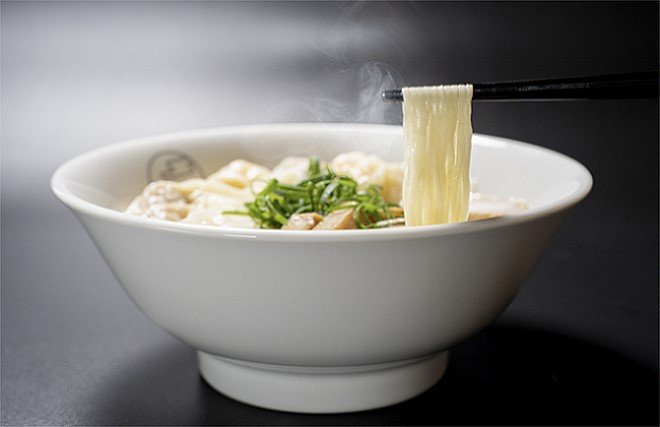

Kushi Kawa
Kushiage · Dogok-dong, Seoul
Restaurant in Seoul, South Korea
 Book with Pearl
The Read
Osaka-Format Skewer Precision
Price
$50–100per person
Dress
Smart Casual
Why go
A dedicated kushiage counter in Gangnam with back-to-back Michelin Plate recognition in 2024 and 2025. At the ₩₩ price tier, it's one of Seoul's more straightforward value decisions for Japanese specialist dining. Book a few days ahead — this is an easy reservation — and consider solo or counter seating for the full effect.
About Kushi Kawa
The Verdict
Kushi Kawa earns its Michelin Plate recognition — awarded in both 2024 and 2025 — as one of the few dedicated kushiage counters in Seoul's Gangnam district. At the ₩₩ price tier, it sits well below the city's fine-dining corridor of four-symbol restaurants, which makes it one of the more direct value calls in the neighbourhood. If you're looking for a focused, single-format Japanese frying experience without the commitment of a splurge dinner, book it. If you want Korean-forward tasting menus or contemporary innovation, look elsewhere.
The Space
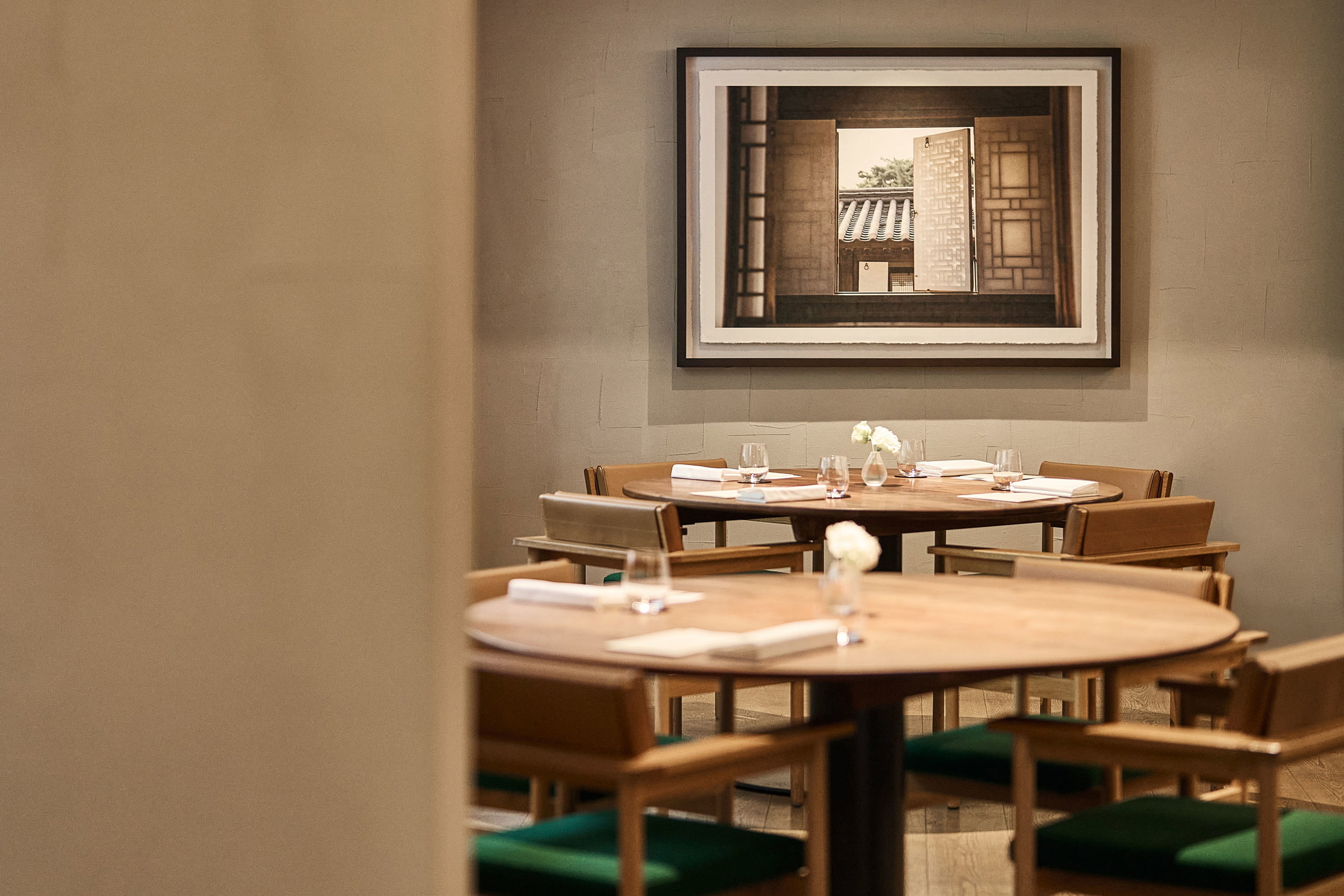
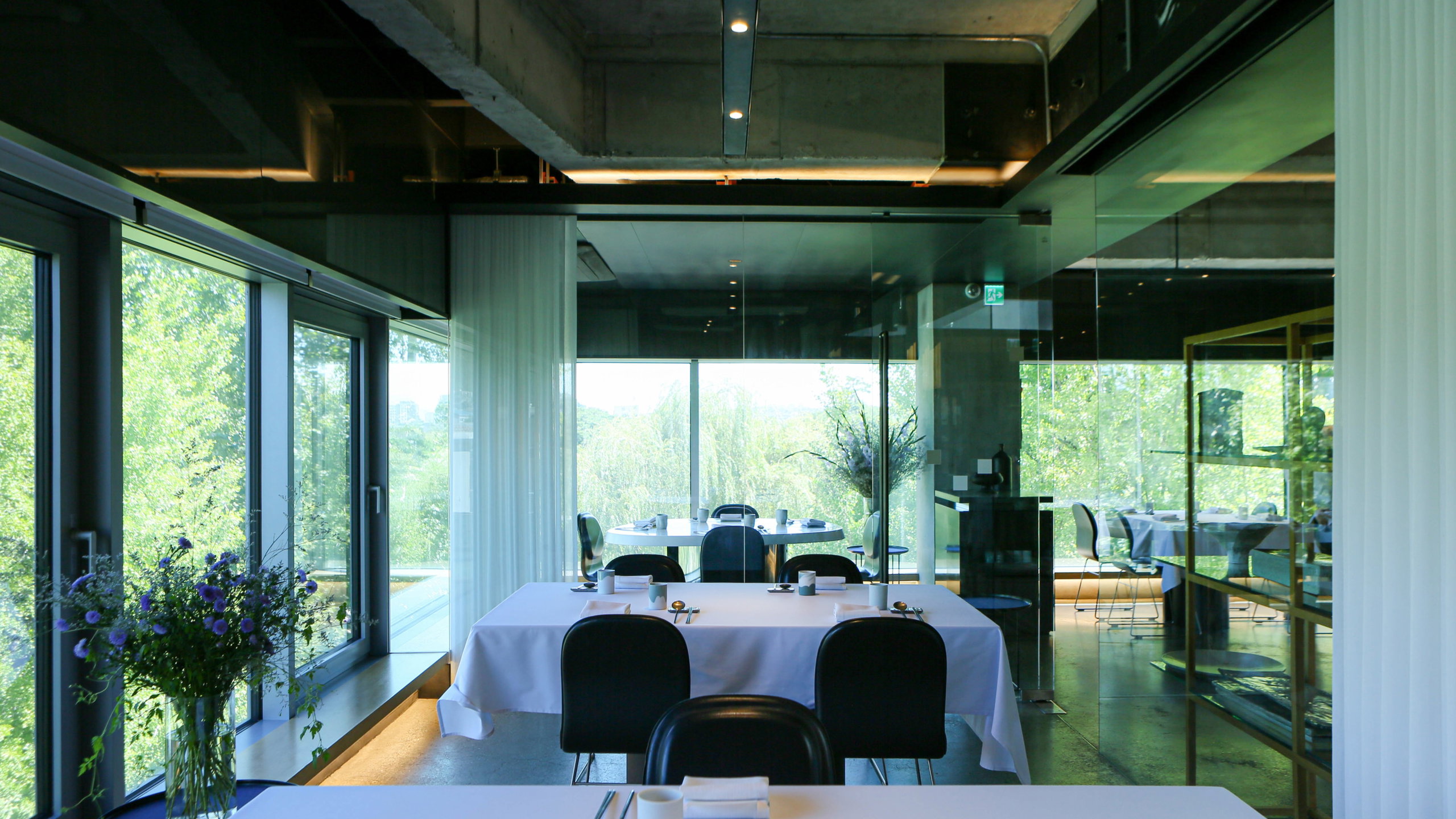
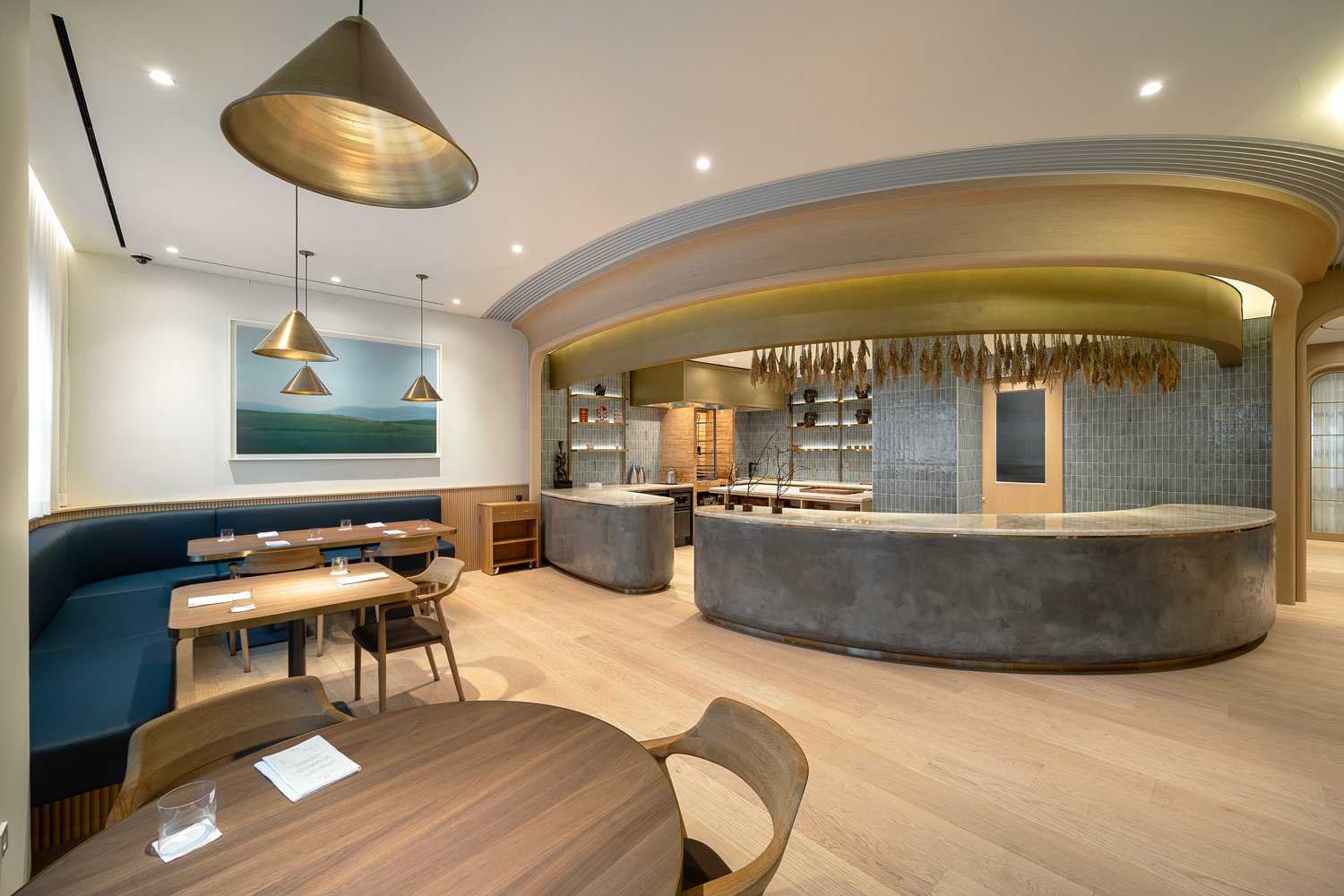
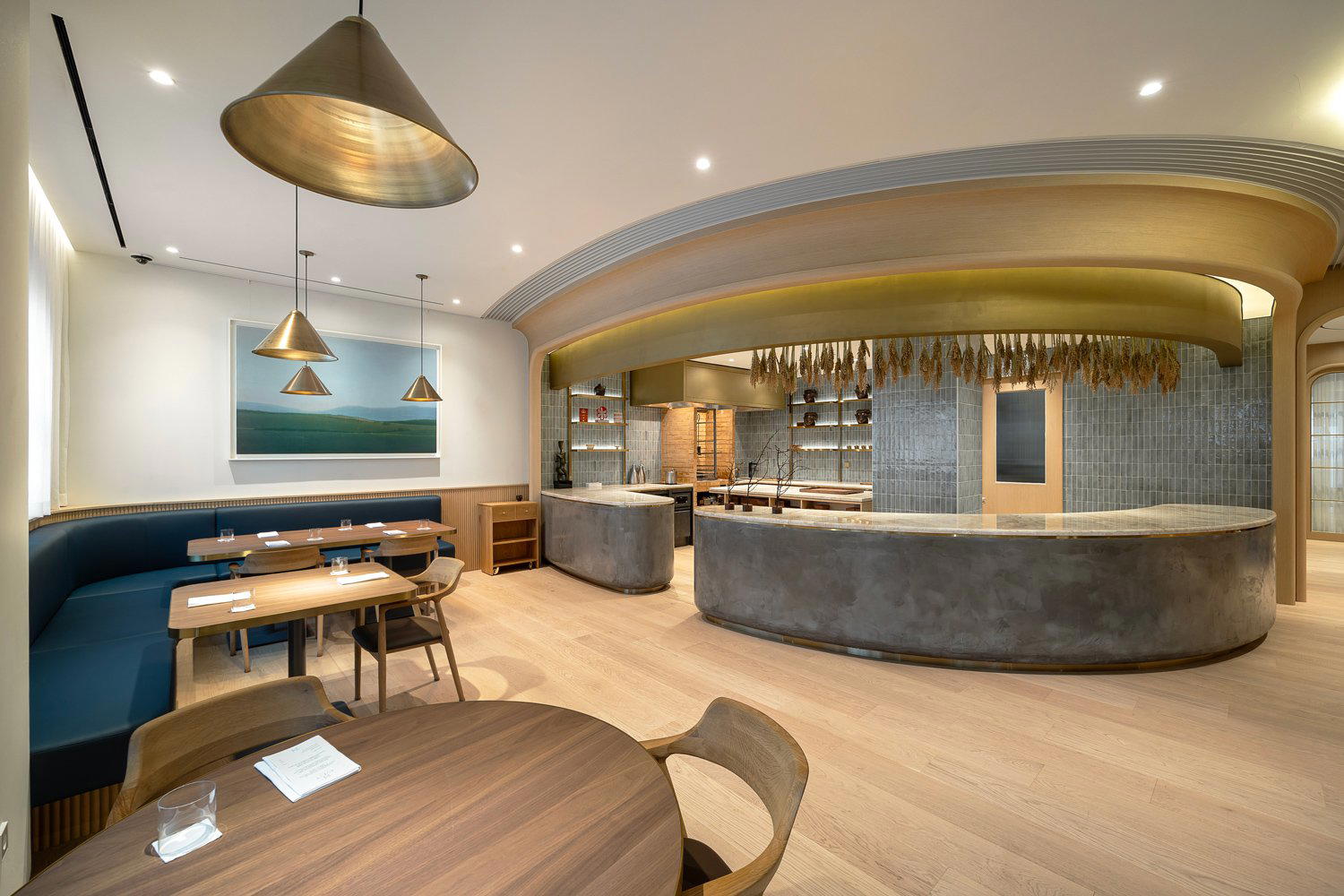
Kushiage, skewered and deep-fried proteins, vegetables, and seafood served in sequence, is a counter format by design, and Kushi Kawa follows that logic. The address on Nonhyeon-ro 24-gil puts it in the quieter grid of streets south of Gangnam-daero, away from the heavier foot traffic of the main boulevard. Counter seating keeps the experience immediate: you watch the frying, the pacing is set by the kitchen, and there's very little distance between you and what's being cooked. That proximity suits solo diners and pairs who want a focused, unhurried meal more than it suits groups looking for a convivial table dynamic.
For those coming from central Gangnam, near the COEX area or the Apgujeong strip, the walk is short enough to make this a practical pre- or post-evening option. It also means the room doesn't carry the ambient noise of a larger dining hall. The format is inherently intimate, which is either a strength or a limitation depending on what you're after.
Lunch vs. Dinner: Where the Value Sits
This is the most useful question to ask before booking. Kushiage restaurants in Japan, the format's home market, traditionally offer meaningful price differentiation between lunch and dinner, with lunch sets providing the same kitchen quality at a reduced entry point. Whether Kushi Kawa follows this structure is not confirmed in available data, but the logic applies: if you want to test the kitchen's quality without committing to a full dinner spend, ask about the lunch menu when booking. At the ₩₩ tier, the dinner price is already modest by Seoul fine-dining standards, so the gap between meals may be smaller than you'd expect at a ₩₩₩ or ₩₩₩₩ venue.
For a first visit, dinner is likely the fuller expression of the format, more courses, more variety across the skewer sequence, and a pace that suits the evening. For a second visit, lunch is worth exploring specifically to see how the kitchen manages a compressed format and whether the value proposition shifts meaningfully. Return visitors who already know the kitchen's style are better positioned to judge whether the lunch menu represents a genuine alternative or simply a shorter version of the same experience.
Who This Is For
Kushi Kawa is a practical choice for food-oriented visitors who want to eat something specifically Japanese within Seoul's broader dining context, without paying ₩₩₩₩ prices. The Michelin Plate signals consistent kitchen quality, it's not a star, but it does represent two consecutive years of recognition, which matters when deciding whether a specialist counter is worth your time in a city with as much competition as Seoul.
It's a harder sell for occasion dining. The kushiage format doesn't easily accommodate the milestone-dinner markers, extended wine pairings, elaborate service choreography, private rooms, that venues like Jungsik or Mingles provide at the higher price tier. For a casual but quality-driven weeknight dinner, or for a solo lunch when you want something methodical and well-executed, Kushi Kawa earns its place on the shortlist.
For context on how kushiage formats work across the region, Ahbon in Kyoto and Hidden Kitchen in Hong Kong offer useful reference points for how the cuisine operates at different price and formality levels outside Seoul.
Booking
Booking difficulty is rated Easy. Walk-ins may be possible, particularly at lunch or on weekday evenings, but the counter format means capacity is limited. A few days' notice should be sufficient for most visits; aim for a week ahead if you have a fixed date. There is no confirmed online booking platform in available data, so contact the restaurant directly. The Nonhyeon-ro address is accessible from Gangnam Station and the broader Apgujeong area.
For more options across the city, see our full Seoul restaurants guide, as well as guides to Seoul hotels, Seoul bars, Seoul wineries, and Seoul experiences.
Further afield in South Korea, Mori in Busan and Double T Dining in Gangneung are worth noting for travellers moving beyond the capital. Other Gangnam-area addresses worth considering include Kwon Sook Soo and, for a different price register, Soigné and alla prima.
Quick reference:
Planning details
- Location
- 37 Nonhyeon-ro 24-gil, Gangnam District, Seoul, South Korea
- Phone
- +82 2-579-0538
The take
The Take
The Vibe
Kushi Kawa presents a refined, classic take on Osaka’s kushiage tradition in the heart of Gangnam. The restaurant emphasizes craft — skewering, fine breadcrumbing and precisely calibrated frying — delivered from a counter in a compact setting. Michelin recognition for multiple years underlines the kitchen’s disciplined technique and thoughtful sequencing of courses. While the format reaches back to working-class street food in origin, the restaurant translates that heritage into a composed, contemporary tasting experience that reads as both modern and rooted in tradition.
Best For
Kushi Kawa is best experienced as an evening tasting: the Omakase Kushikatsu Course (12–14 skewers) structures a full progression that suits date nights, special occasions and focused solo dining. The counter format concentrates attention on the cooking rhythm and the order of skewers, so it’s ideal for diners who want a curated sequence rather than à la carte grazing. Its location on a quieter side street off Nonhyeon-ro and the Michelin citations suggest a destination for deliberate dinners rather than casual drop-ins.
Ordering Tips
Choose the Omakase Kushikatsu Course to appreciate the restaurant’s intended sequence and technique; the course is the signature offering and typically runs 12–14 skewers. Note the highlighted items—prawn skewer, beef medallion skewer and seasonal vegetable skewers—when you want to call out standouts during the progression. The kitchen calibrates oil temperature and timing per ingredient, so letting the chef guide the order delivers the fullest sense of the kushiage discipline rather than mixing items out of sequence.
Venue details
Ambiance
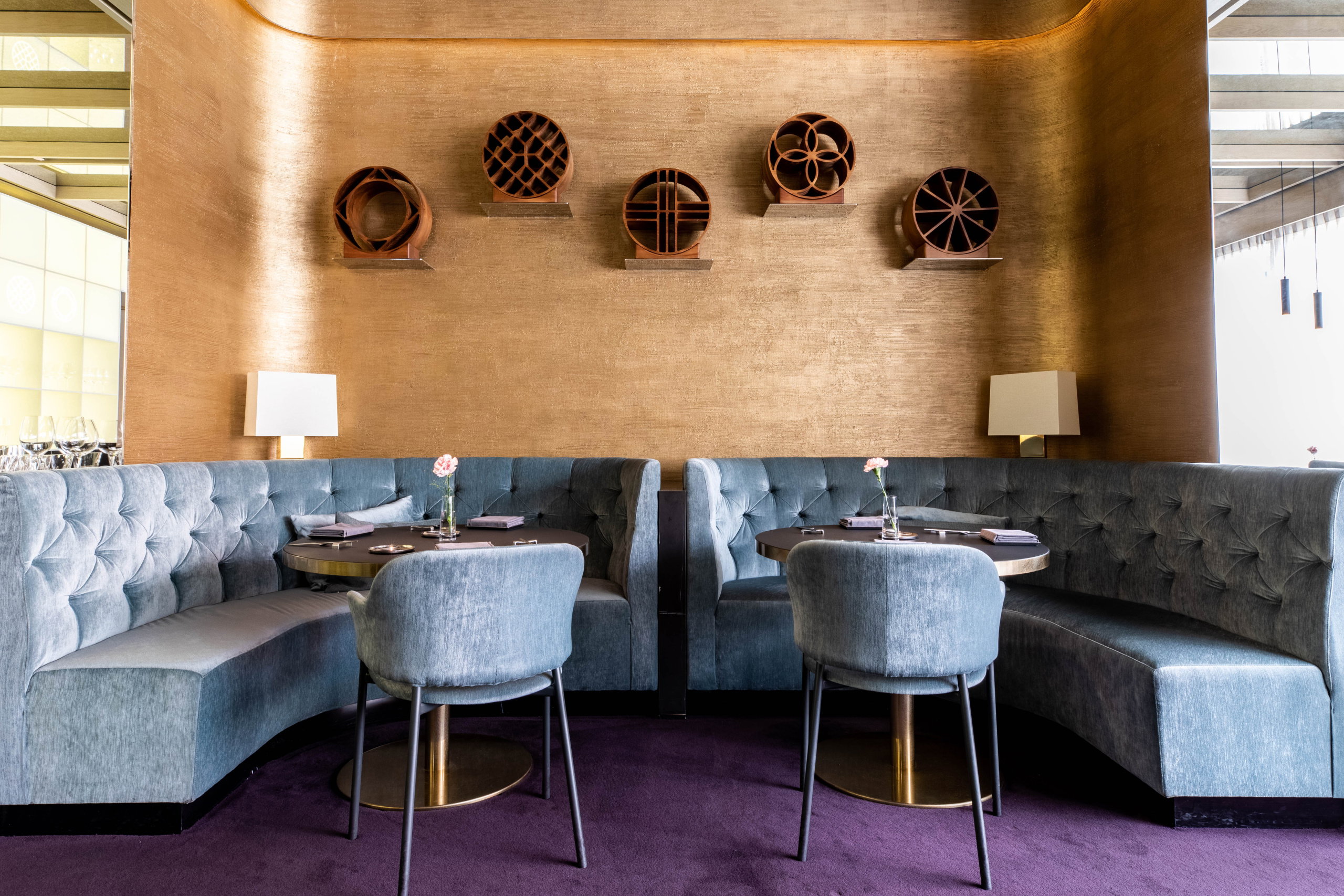
Hushed and theatrical with gentle hiss of oil, gleaming lacquered skewers, and fragrant toasted panko; flattering lighting and unhurried service create an air of quiet assurance and care.
Tags
Vibe
Best For
Experience
At the Table
- Dress Code
- Smart Casual
- Noise Level
- Quiet
- Service Style
- Omakase Bar
- Meal Pacing
- Leisurely
- Capacity
- Intimate
- Kitchen
- Traditional
- Menu Format
- Omakase, Counter dining
- Drinks Focus
- Sake
Signature Dishes
- Omakase Kushikatsu Course (12-14 skewers)
- Prawn Skewer
- Beef Medallion Skewer
- Seasonal Vegetable Skewers
Know before you go
Know Before You Go
- Getting there
- 37 Nonhyeon-ro 24-gil, Gangnam District, Seoul, South Korea
Planning details
Location
37 Nonhyeon-ro 24-gil, Gangnam District, Seoul, South Korea · Directions
Recognition and awards
Also consider
Also Consider
- Solbam, Contemporary, ₩₩₩₩
- Onjium, Korean, ₩₩₩₩
- 7th Door, Korean, Contemporary, ₩₩₩₩
- L'Amitié, French, ₩₩₩
- Zero Complex, Korean-French, Innovative, ₩₩₩₩
Restaurant context
Kushi Kawa sits in a different tier and format from most of Seoul's comparison-set restaurants. The four venues at ₩₩₩₩, Solbam, Onjium, 7th Door, and Zero Complex, are all Korean or Korean-hybrid tasting-menu experiences at two to three times the price. If your priority is a full-evening ceremony with wine pairings and elaborate service, those venues deliver something Kushi Kawa structurally cannot. But if you're comparing on value and kitchen recognition per won spent, Kushi Kawa's Michelin Plate credentials at ₩₩ pricing make it the most accessible Michelin-recognised option in this group.
L'Amitié at ₩₩₩ is the closest peer in price positioning among the comparison set, and offers a French format that suits a different occasion profile, more formal tableside service, a wine-list focus, and better structural fit for a celebratory dinner. If you're deciding between the two on price and format, choose L'Amitié when occasion and atmosphere carry weight; choose Kushi Kawa when you want a focused, kitchen-led counter experience without the ceremony.
For Seoul diners deciding purely on booking ease, Kushi Kawa is the most accessible option here. The ₩₩₩₩ venues, particularly Onjium and 7th Door, require significant advance planning. Kushi Kawa's Easy booking difficulty and modest price point make it the right call when you're in Seoul on a shorter window or want to add a quality dinner without the lead time that the top tier demands.
Explore Seoul
Around this place
Discover more on Pearl
Unlock the full Kushi Kawa guide in Pearl, including awards, comparisons, FAQs, planning details, and nearby places.
Compare Kushi Kawa
| Venue | Cuisine | Price | Booking Difficulty | Awards |
|---|---|---|---|---|
| Kushi Kawa | Kushiage | ₩₩ | Easy | Michelin Guide Seoul & Busan 20262025 Michelin Plate2024 Michelin Plate |
| Solbam | Contemporary | ₩₩₩₩ | Unknown | 2026 Asia's 50 Best Restaurants · #552026 Wine Spectator Best of Award of Excellence2026 OAD Top Restaurants in Asia RecommendedMichelin Guide Seoul & Busan 20262026 La Liste Top Restaurants2025 Asia's 50 Best Restaurants · #552025 OAD Top Restaurants in Asia Ranked · #277Tatler Best Restaurants Asia-Pacific 20252025 Wine Spectator Best of Award of Excellence |
| Onjium | Korean | ₩₩₩₩ | Unknown | 2026 Asia's 50 Best Restaurants · #142026 OAD Top Restaurants in Asia Ranked · #852026 La Liste Top RestaurantsMichelin Guide Seoul & Busan 20262026 Wine Spectator Best of Award of Excellence2025 Asia's 50 Best Restaurants · #102025 World's 50 Best Restaurants · #572025 OAD Top Restaurants in Asia Ranked · #1342025 La Liste Top Restaurants |
| 7th Door | Korean, Contemporary | ₩₩₩₩ | Unknown | 2026 Asia's 50 Best Restaurants · #492026 OAD Top Restaurants in Asia Ranked · #842026 Black Pearl 1 DiamondMichelin Guide Seoul & Busan 20262026 La Liste Top Restaurants2025 Asia's 50 Best Restaurants · #232025 Michelin 1 Star2025 La Liste Top Restaurants2024 OAD Top Restaurants in Asia Ranked · #192 |
| L'Amitié | French | ₩₩₩ | Unknown | 2026 La Liste Top Restaurants2025 La Liste Top Restaurants2025 Michelin 1 Star2024 Michelin 1 Star |
| Zero Complex | Korean-French, Innovative | ₩₩₩₩ | Unknown | Star Wine Lists 20262026 OAD Top Restaurants in Asia Recommended2026 La Liste Top Restaurants2025 OAD Top Restaurants in Asia Ranked · #1992025 La Liste Top Restaurants2025 Michelin 1 Star2025 The Best Chef One Knife2024 OAD Top Restaurants in Asia Ranked · #2792024 Michelin 1 Star |
.png?width=1200&quality=80)








Comparing your options in Seoul for this tier.
FAQ
Frequently Asked Questions
Is Kushi Kawa good for a special occasion?
It works for a low-key special occasion — a birthday dinner or a treat meal — but it is not a formal celebration venue. The counter format is convivial rather than ceremonial, and the ₩₩ price range keeps the stakes manageable. If you want a grander occasion setting in Seoul, L'Amitié or Onjium offer a more event-appropriate atmosphere. Kushi Kawa's Michelin Plate recognition (2024 and 2025) gives it enough credibility to feel like a considered choice.
What should I wear to Kushi Kawa?
Casual to neat-casual is appropriate for a ₩₩ kushiage counter in Gangnam. Counter dining in this format is relaxed by design — there is no indication from the venue's positioning that a dress code is enforced. Avoid anything you would mind carrying a faint frying-oil scent home on, which is standard practice at any kushiage counter.
Is Kushi Kawa good for solo dining?
Yes — kushiage is a counter format by design, and solo diners are well-served by it. You eat at the bar, courses are served in sequence, and there is no awkwardness around table sizing.
How far ahead should I book Kushi Kawa?
Booking difficulty is rated Easy, so a few days' notice is generally sufficient rather than weeks. That said, Michelin Plate recognition in 2024 and 2025 has given Kushi Kawa a steady audience, so weekends and peak dinner slots may fill faster. Booking a week out is a safe buffer if your dates are fixed.
What are alternatives to Kushi Kawa in Seoul?
For Korean fine dining at a higher price point, Onjium and 7th Door are the relevant comparisons. Zero Complex suits diners who want a more contemporary, boundary-crossing menu rather than a format-specific Japanese counter. L'Amitié is the choice if you want French-influenced tasting menus in Seoul. Solbam is worth considering for a refined Korean experience that still sits within a casual-to-mid price range. None of these replicate the dedicated kushiage format that Kushi Kawa offers.
Is Kushi Kawa worth the price?
At ₩₩, yes. A Michelin Plate counter specialising in a single Japanese format — kushiage — at a mid-range price point is solid value in Gangnam, where dining costs can climb quickly. The 2024 and 2025 Michelin Plate awards confirm a consistent standard. If you want kushiage specifically, Kushi Kawa is the practical choice in Seoul; if the format is flexible, the same budget opens up a wider range of Korean options.