
Kojacha
Asian · Noyu-dong, Seoul
Restaurant in Seoul, South Korea
 Book with Pearl
The Read
Sino-Japanese Private Room Omakase
Dress
Smart Casual
Why go
A Michelin Plate (2025) restaurant in Gangnam where Korean chefs Choi Yu-gang and Jo Yeong-du serve a course meal that alternates between Japanese and Chinese dishes. All dining is in private rooms — making this one of Seoul's better-structured options for special occasions or business dinners. Book if the concept appeals; redirect to Mingles or Kwonsooksoo if Korean cuisine is your priority.
About Kojacha
A private-room dinner at Kojacha is one of Seoul's more singular ways to spend a special evening — if you can get past the ₩₩₩₩ price tag
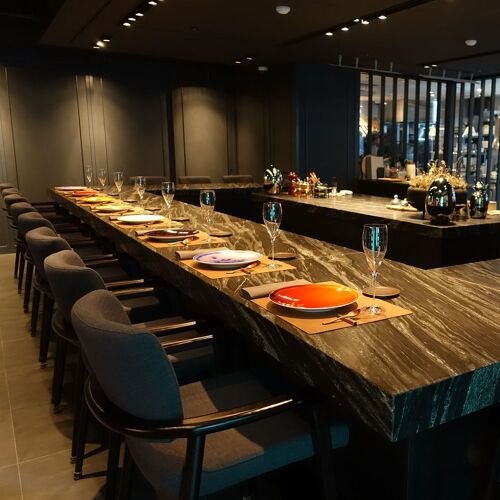
Picture this: you're seated in a private room lit by vintage fixtures sourced from the 1950s and 60s, and a course arrives at the table in a replica of the peacock-shaped soap dish used by an empress of the Qing Dynasty. That is the register Kojacha operates in. This Gangnam restaurant, holding a Michelin Plate (2025), earns its price point through a format that sits genuinely apart from Seoul's crowded fine-dining field: a course meal that alternates between Japanese and Chinese dishes, conceived and executed by two chefs who previously cooked at The Shilla Hotel, one of Seoul's most demanding hospitality environments. The verdict: book Kojacha for a special occasion when you want culinary ambition matched with a room that feels considered, not constructed for Instagram. If you want Korean-forward fine dining instead, Mingles or Kwonsooksoo are the stronger calls.
What Kojacha Actually Is
The name encodes the concept: "Ko" for Korean, "ja" for Japanese, "cha" for Chinese. Chefs Choi Yu-gang and Jo Yeong-du built Kojacha around the idea that their Korean culinary instincts, trained through years in Japanese and Chinese kitchens, could generate a new genre rather than a compromise. The result is a course meal that moves between the two traditions — not fusion in the blurred, hedge-everything sense, but a deliberate alternation, dish by dish, between Japanese precision and Chinese depth. Signature dishes include a chilled abalone salad and shark fin braised in thick Chinese Superior Stock. Both of those dishes require significant sourcing commitment and technical execution; they signal that the kitchen is not cutting corners at this price level. For comparable ambition in Seoul's fine-dining circuit, see also Jungsik and alla prima.
The Room and the Experience
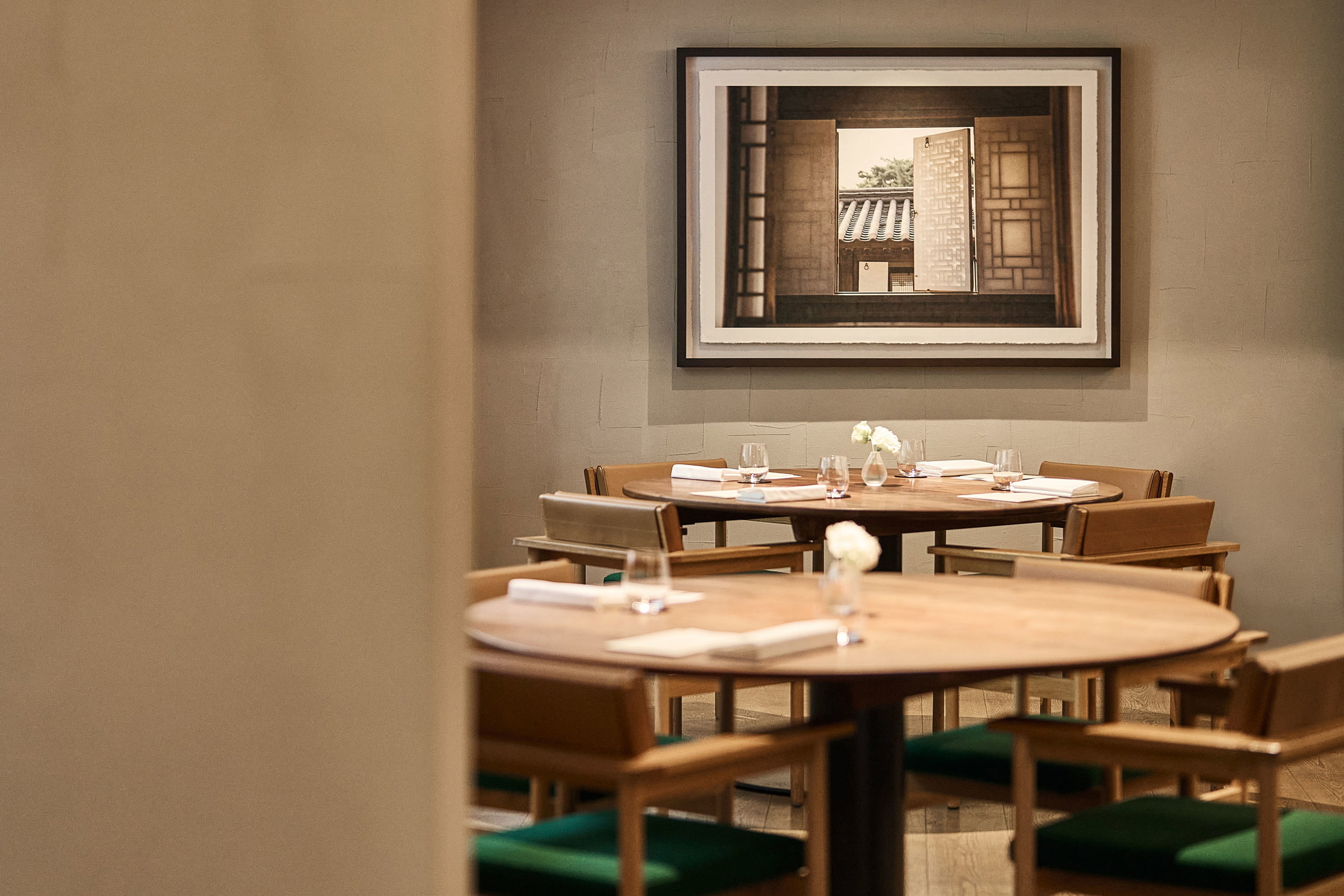
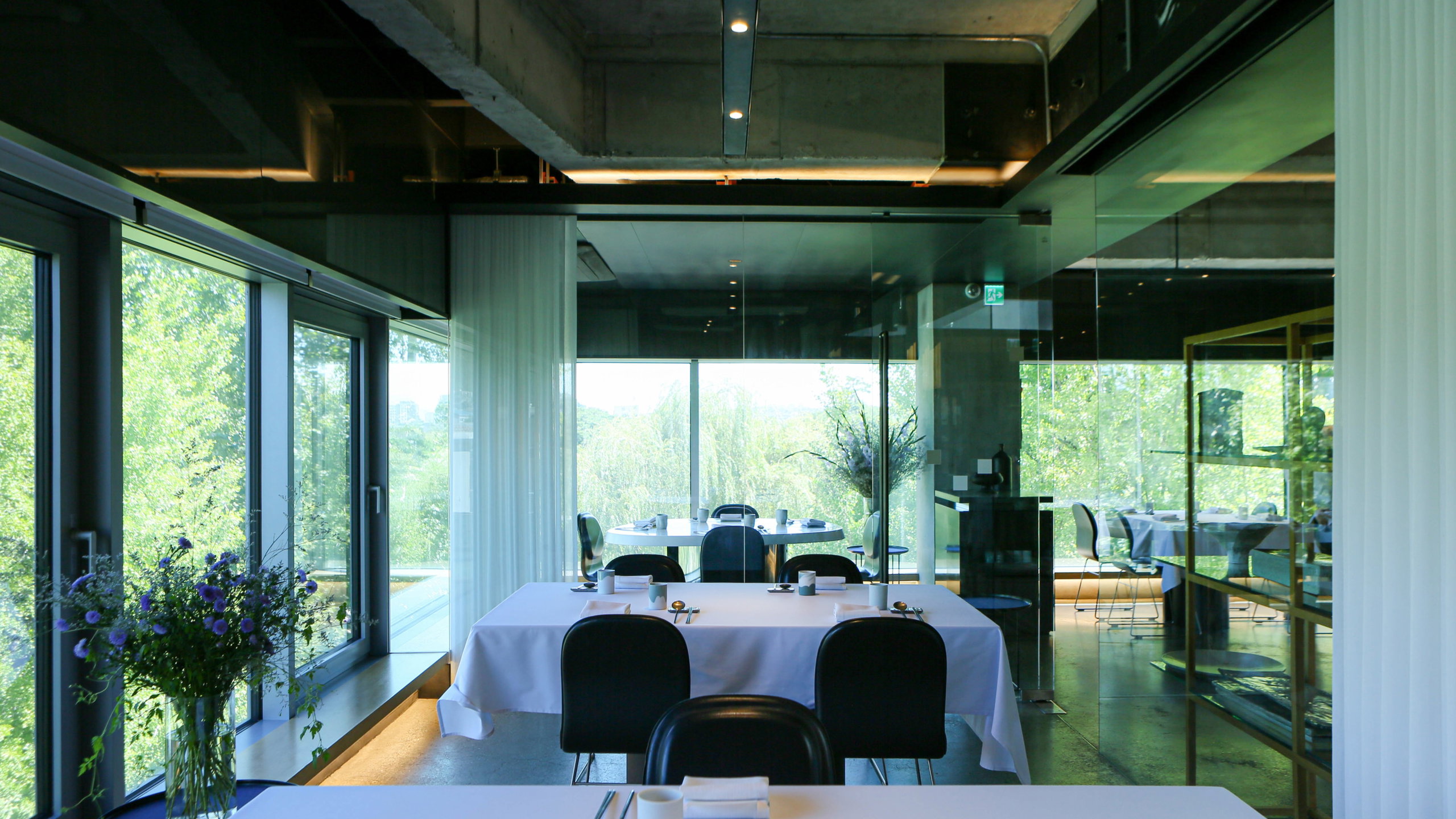
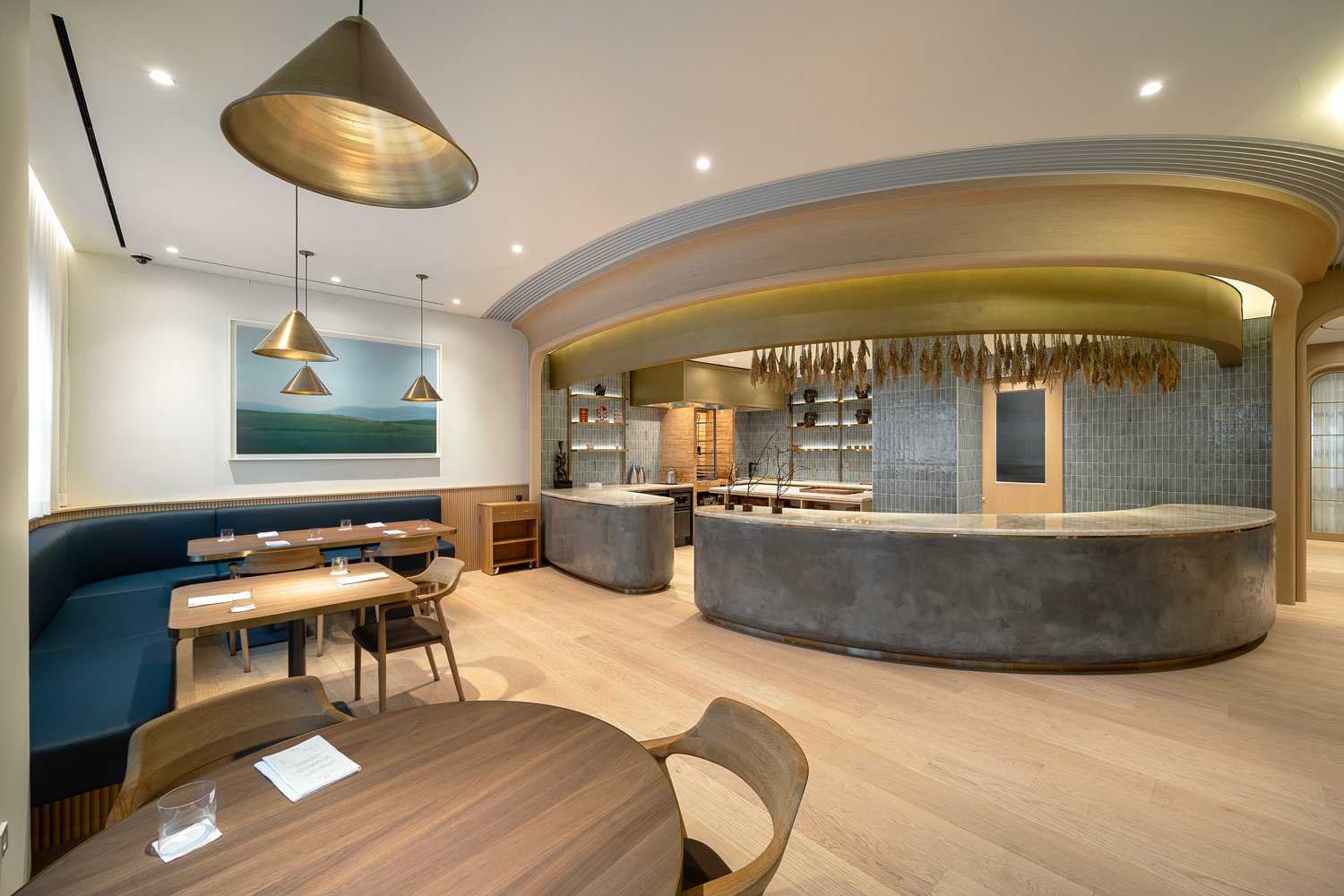
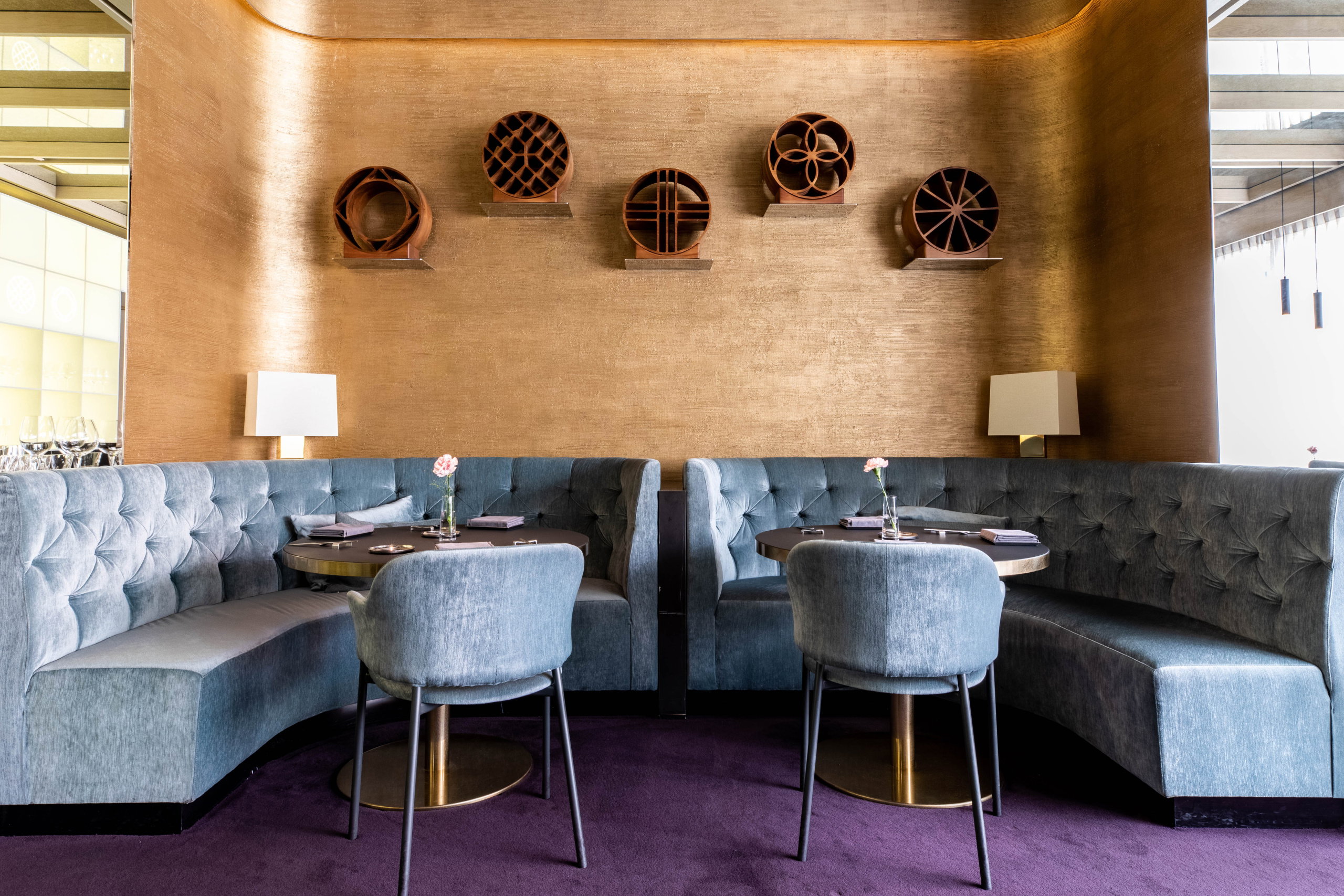
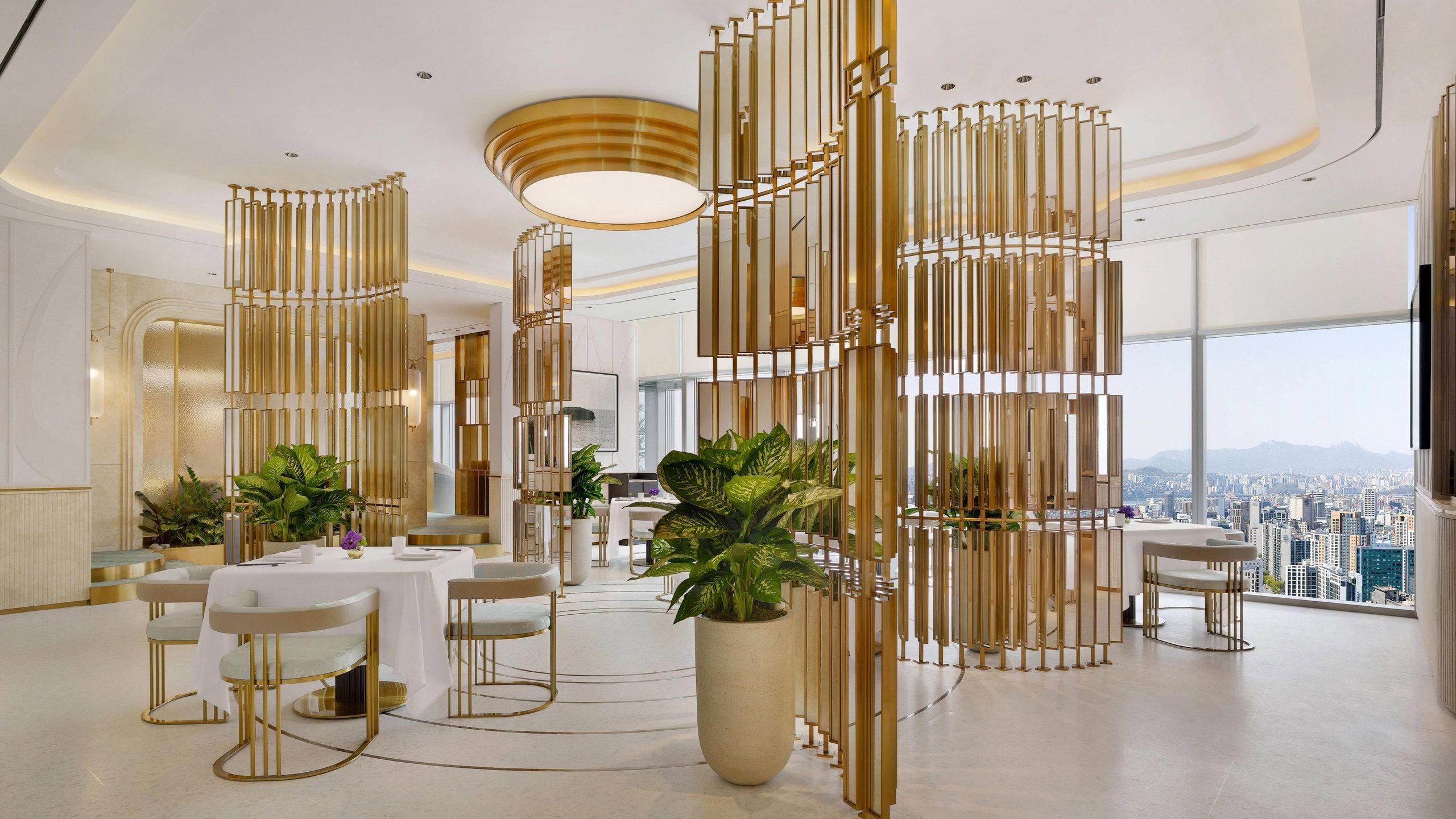
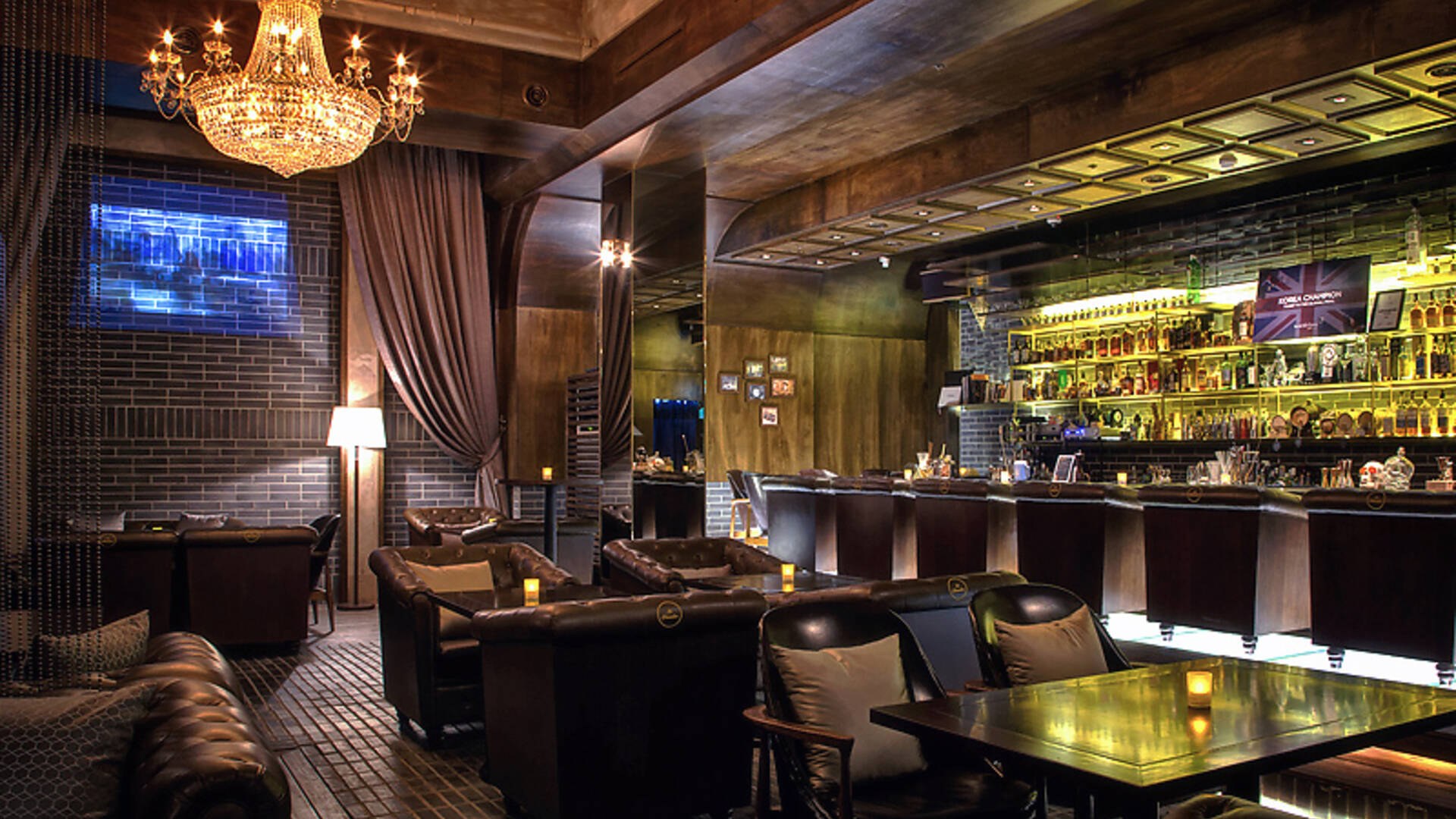
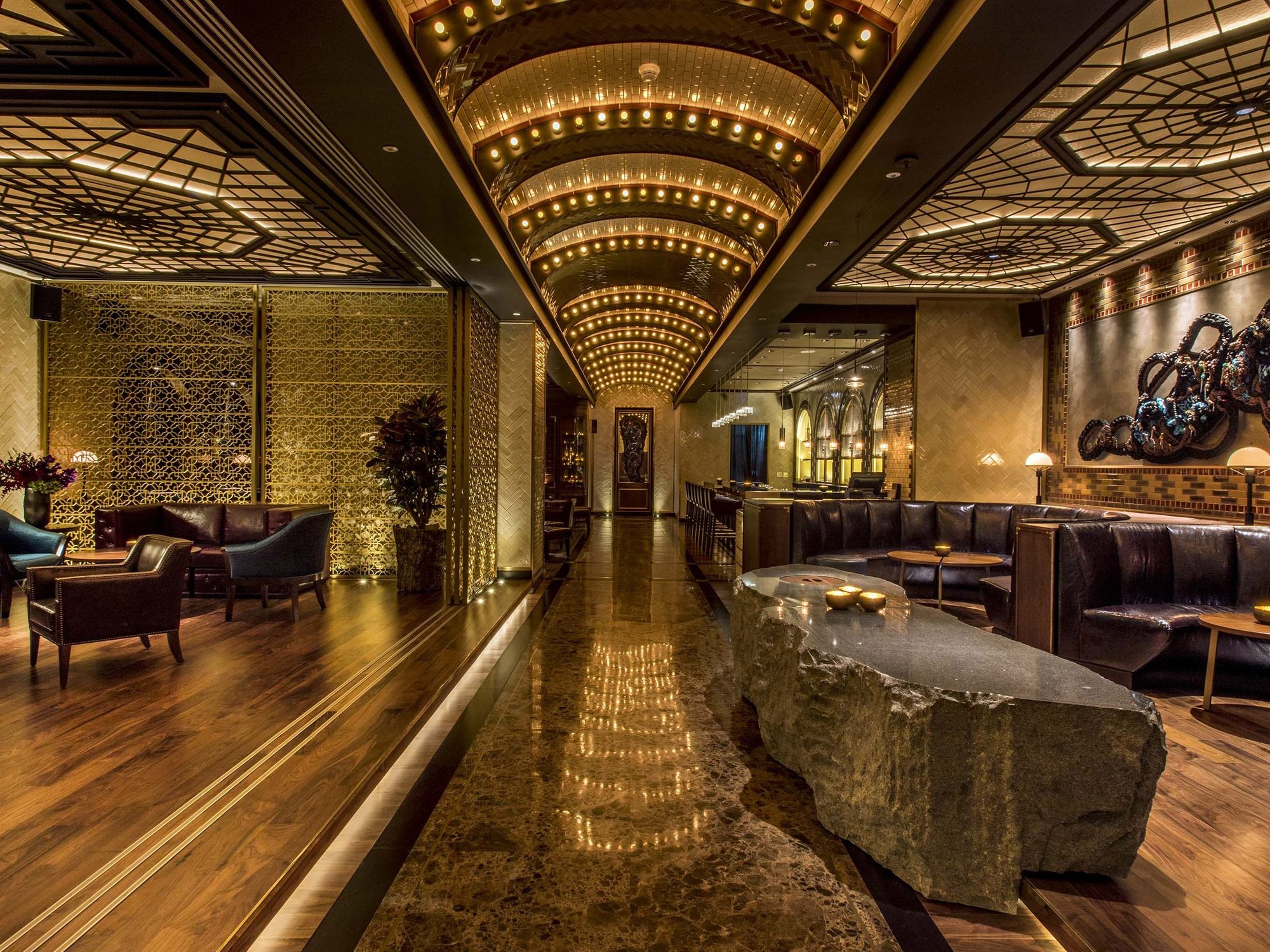
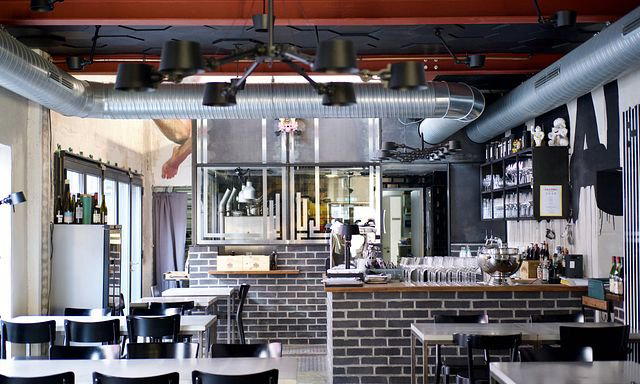
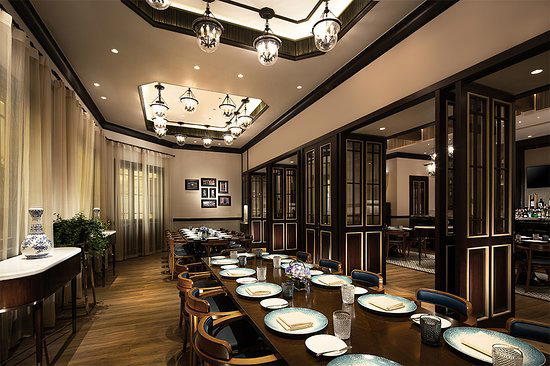
Every dining space at Kojacha is a private room. That is a meaningful structural choice, not an amenity: it makes the restaurant a natural fit for business dinners, proposals, milestone birthdays, or any occasion where privacy and focus matter. The interiors lean on vintage lighting and furniture from the 1950s and 60s, which creates a specific visual register, warmer and more textural than the minimalist-contemporary look that dominates Seoul's new fine-dining openings. The chefs treat the table as a performance space, and the sequencing of the meal is itself part of the proposition. If ambiance is secondary to your priorities, or if you are eating solo, Kojacha is not optimised for you, the private-room format and course structure are designed for groups of two or more. For a livelier shared-table energy in Seoul's fine-dining tier, One Degree North offers a different kind of room. If you are planning a broader Seoul trip, our full Seoul restaurants guide, Seoul hotels guide, and Seoul bars guide cover the wider picture.
On the Drinks
Kojacha's database record does not detail a specific bar program or cocktail list, so specific claims about the drinks offering cannot be made here. What the format implies is worth noting, though: a course meal alternating between Japanese and Chinese dishes at this price level typically calls for a pairing structure, whether sake, Chinese Baijiu-adjacent spirits, wine, or a curated non-alcoholic sequence. The private-room setting and The Shilla Hotel pedigree both suggest that the drinks side will be handled attentively rather than treated as an afterthought. If cocktails and a dedicated bar program are the main draw for your evening, Seoul's bar scene, covered in our Seoul bars guide, has dedicated venues better suited to that priority. Kojacha's drinks are leading understood as support for the food, not the headline. For Asian fine dining that places similar weight on the beverage pairing experience, taku in Cologne and Jun's in Dubai offer instructive international comparisons in the same genre.
Who Should Book
Kojacha is a good fit for: special occasion dinners for two or a small group; business meals where a private room is a functional requirement; diners who have already worked through Seoul's Korean fine-dining canon and want something that operates in a different culinary register. It is less suited to: casual evenings, solo dining, or anyone for whom the course-meal format feels like an obligation rather than a pleasure. For comparison across South Korea's broader fine-dining geography, Mori in Busan, Double T Dining in Gangneung, and Doosoogobang in Suwon are worth knowing. Our Seoul experiences guide and Seoul wineries guide round out the trip-planning picture. If you are travelling from outside Seoul, context from Injegol in Inje County and Pool House in Incheon may also be useful, as well as 에버리움펜션 in Cheoin for a different format entirely.
Practical Details
Address: Hakdong-ro 97-gil 17, Gangnam District, Seoul. Price tier: ₩₩₩₩, budget for a full course meal at the upper end of Seoul's fine-dining range. Reservations: Booking is rated Easy, but advance planning is advisable given the private-room format and limited covers. Contact via the restaurant directly; no online booking link is available in current data. Dress: No official dress code is published, but the Shilla Hotel pedigree and private-room setting strongly suggest smart casual as a minimum, business or smart attire is appropriate. Groups: All dining in private rooms; well-suited to small groups of 2–6 for celebrations or business occasions. Accessibility: Located in Gangnam District; specific accessibility details are not available in current data.
FAQ
What should I wear to Kojacha?
- No formal dress code is published, but the context, ₩₩₩₩ pricing, Michelin Plate recognition, private rooms, and a Shilla Hotel-trained kitchen, points clearly toward smart casual at minimum.
- Business attire or smart evening wear is appropriate and will fit the room's vintage-formal aesthetic.
- Avoid overly casual dress; this is not a casual neighbourhood restaurant.
Can Kojacha accommodate groups?
- Yes, all dining at Kojacha takes place in private rooms, which makes it one of the better-structured venues in Gangnam for group celebrations or business dinners.
- Specific room capacities are not published in available data, so contact the restaurant directly to confirm maximum group size and room availability.
- For larger groups that need a more flexible format, Mingles or Jungsik may offer more scalable options.
How far ahead should I book Kojacha?
- Booking is currently rated Easy, which is relatively accessible for a Michelin Plate venue in Gangnam.
- That said, private rooms at this price tier fill faster for weekend evenings and around Korean public holidays, book at least 2–3 weeks out for a Saturday dinner.
- Midweek bookings at this tier are typically easier to secure on shorter notice.
Is the tasting menu worth it at Kojacha?
- If the alternating Japanese-Chinese course format genuinely interests you, yes, the Michelin Plate (2025) and The Shilla Hotel background of both chefs provide a credible guarantee of technical quality at this price level.
- The signature dishes (chilled abalone salad, shark fin in Chinese Superior Stock) are the kind of sourcing-intensive preparations that justify the ₩₩₩₩ tier more convincingly than many restaurants at this price point.
- If Korean cuisine is your primary interest, redirect to Kwonsooksoo or Mingles, they deliver more within that specific tradition.
Is Kojacha worth the price?
- At ₩₩₩₩, Kojacha justifies its price for diners who want a private-room experience built around a genuinely distinct culinary concept, Korean chefs cooking Japanese and Chinese courses in alternation, in a room that reflects genuine aesthetic investment.
- It is harder to justify purely on food-per-won terms if you are comparing against Seoul's broader Michelin-starred Korean dining options.
- The Michelin Plate (2025) is a floor-level quality signal, not a ceiling, the combination of concept, setting, and chef pedigree positions this above its Plate status for the right occasion.
Planning details
- Location
- South Korea, Seoul, Gangnam District, Hakdong-ro 97-gil, 17 코자차 1층
- Phone
- +82 10-9023-7771
The take
The Take
The Vibe
Kojacha presents an intimate, residential take on fine dining. Every seating is a private room furnished with vintage lighting and pieces from the 1950s and 1960s, so the space reads like a carefully curated domestic interior rather than a conventional restaurant. That design choice slows the rhythm of a meal and creates a cozy, relaxed atmosphere where attention turns inward to each course. The restraint and retro touches feel deliberate and refined, pairing the formality of a tasting menu with the comfortable, lived‑in character of an old apartment.
Best For
The private‑room format and unhurried pacing make Kojacha a natural choice for special evenings that call for discretion and focus. It suits celebratory and formal occasions — from milestone dinners to business meals — where privacy matters and conversation should not compete with a loud dining room. Because service unfolds as a multi‑course tasting progression, the restaurant also appeals to diners who want a contained, immersive experience rather than a casual out‑and‑about meal.
Ordering Tips
Kojacha serves a single coherent tasting progression that alternates Japanese and Chinese courses under a Korean authorial perspective, so opt for the full tasting format to experience the restaurant’s concept as intended. The menu highlights showpieces such as chilled abalone salad and shark fin braised in thick Chinese Superior Stock; include those if offered during your seating. Note that the venue occupies Seoul’s premium ₩₩₩₩ tier, so plan for a formal, multi‑course dinner and expect the meal to be paced deliberately within the private room setting.
Venue details
Ambiance
Vintage lighting and furniture from the 50s and 60s create a singular, elegant vibe.
Tags
Vibe
Best For
Experience
At the Table
- Dress Code
- Smart Casual
- Noise Level
- Quiet
- Service Style
- Formal
- Meal Pacing
- Leisurely
- Capacity
- Intimate
- Kitchen
- Fusion
- Private Dining
- Available
Signature Dishes
- chilled abalone salad
- shark fin braised in thick Chinese Superior Stock
Know before you go
Know Before You Go
- Getting there
- South Korea, Seoul, Gangnam District, Hakdong-ro 97-gil, 17 코자차 1층
Planning details
Location
South Korea, Seoul, Gangnam District, Hakdong-ro 97-gil, 17 코자차 1층 · Directions
Recognition and awards
Also consider
Also Consider
- 7th Door, Korean, Contemporary, ₩₩₩₩
- Solbam, Contemporary, ₩₩₩₩
- Onjium, Korean, ₩₩₩₩
- L'Amitié, French, ₩₩₩
- Zero Complex, Korean-French, Innovative, ₩₩₩₩
Restaurant context
At the ₩₩₩₩ tier in Seoul, Kojacha occupies a specific lane: it is the only venue in the set built around a Korean-Japanese-Chinese alternating course format, which either makes it your first choice or irrelevant depending on what you want. 7th Door and Onjium both operate in the contemporary Korean tradition and are stronger picks if Korean culinary identity is the draw, Onjium in particular for its connection to traditional court cuisine. Solbam is the comparison to make on ambiance: both venues invest heavily in a considered interior, but Solbam skews more contemporary while Kojacha's vintage 1950s-60s lighting and furniture create a warmer, more theatrical register.
Zero Complex is the peer closest to Kojacha in terms of genre-bending ambition, Korean-French innovation at the same price tier, and worth comparing directly if the appeal is culinary concept rather than any specific tradition. For most occasion diners choosing between the two, the private-room format at Kojacha is the differentiating factor: Zero Complex offers a different energy. If budget is a consideration, L'Amitié drops to ₩₩₩ and delivers French technique at a more accessible price point, though the experience profile is entirely different.
The practical booking picture favours Kojacha: rated Easy to book, which is relatively rare at Michelin-recognised venues in Gangnam. If you are planning a special occasion dinner and want a private room with a clear conceptual anchor, Kojacha is the most straightforward choice in this comparison set. If the highest technical ceiling is the priority and you are willing to work harder on reservations, the starred venues in Seoul's Korean fine-dining tier, covered in our full Seoul restaurants guide, set a higher bar on formal recognition.
Explore Seoul
Around this place
Discover more on Pearl
Unlock the full Kojacha guide in Pearl, including awards, comparisons, FAQs, planning details, and nearby places.
Compare Kojacha
| Venue | Cuisine | Price | Booking Difficulty | Awards |
|---|---|---|---|---|
| Kojacha | Asian | ₩₩₩₩ | Easy | Michelin Guide Seoul & Busan 20262025 Michelin Plate2024 Michelin Plate |
| 7th Door | Korean, Contemporary | ₩₩₩₩ | Unknown | 2026 Asia's 50 Best Restaurants · #492026 OAD Top Restaurants in Asia Ranked · #842026 Black Pearl 1 DiamondMichelin Guide Seoul & Busan 20262026 La Liste Top Restaurants2025 Asia's 50 Best Restaurants · #232025 Michelin 1 Star2025 La Liste Top Restaurants2024 OAD Top Restaurants in Asia Ranked · #192 |
| Solbam | Contemporary | ₩₩₩₩ | Unknown | 2026 Asia's 50 Best Restaurants · #552026 Wine Spectator Best of Award of Excellence2026 OAD Top Restaurants in Asia RecommendedMichelin Guide Seoul & Busan 20262026 La Liste Top Restaurants2025 Asia's 50 Best Restaurants · #552025 OAD Top Restaurants in Asia Ranked · #277Tatler Best Restaurants Asia-Pacific 20252025 Wine Spectator Best of Award of Excellence |
| Onjium | Korean | ₩₩₩₩ | Unknown | 2026 Asia's 50 Best Restaurants · #142026 OAD Top Restaurants in Asia Ranked · #852026 La Liste Top RestaurantsMichelin Guide Seoul & Busan 20262026 Wine Spectator Best of Award of Excellence2025 Asia's 50 Best Restaurants · #102025 World's 50 Best Restaurants · #572025 OAD Top Restaurants in Asia Ranked · #1342025 La Liste Top Restaurants |
| L'Amitié | French | ₩₩₩ | Unknown | 2026 La Liste Top Restaurants2025 La Liste Top Restaurants2025 Michelin 1 Star2024 Michelin 1 Star |
| Zero Complex | Korean-French, Innovative | ₩₩₩₩ | Unknown | Star Wine Lists 20262026 OAD Top Restaurants in Asia Recommended2026 La Liste Top Restaurants2025 OAD Top Restaurants in Asia Ranked · #1992025 La Liste Top Restaurants2025 Michelin 1 Star2025 The Best Chef One Knife2024 OAD Top Restaurants in Asia Ranked · #2792024 Michelin 1 Star |
.png?width=1200&quality=80)








How Kojacha stacks up against the competition.
FAQ
Frequently Asked Questions
What should I wear to Kojacha?
Err toward formal or business-formal. Kojacha holds a Michelin Plate, runs a ₩₩₩₩-tier course meal in all-private-room dining spaces, and the atmosphere — vintage 1950s and 60s lighting and furnishings — reads as a considered, occasion-oriented setting. Business casual at a minimum; if you are using it for a corporate dinner, dress accordingly.
How far ahead should I book Kojacha?
Book as early as you can — Michelin Plate recognition and a Gangnam address at the ₩₩₩₩ tier means demand is consistent. A minimum of two to three weeks out is a reasonable baseline for weeknight seats; weekend slots and private room configurations for groups will fill faster. Walk-in availability is unlikely at this format.
Is the tasting menu worth it at Kojacha?
If the alternating Chinese and Japanese course structure sounds interesting to you, yes. The concept — Korean chefs cooking Japanese and Chinese dishes on a single course menu, including presentations like the abalone salad served in a Qing Dynasty-replica dish — is a genuinely specific proposition, not a generic tasting menu. It earned a Michelin Plate in 2025, which places it within Seoul's recognised fine-dining tier. If you prefer a single-cuisine focus, Onjium (Korean) or a dedicated Japanese omakase may be a better fit.
Is Kojacha worth the price?
At ₩₩₩₩, Kojacha is at the upper end of Seoul's fine-dining range — but the private-room format, Michelin Plate recognition, and a course structure you cannot find elsewhere justify the spend for the right occasion. For a business dinner requiring privacy or a special occasion where the setting matters as much as the food, it holds up. If you want comparable prestige at a lower price point, Solbam runs a strong Korean tasting menu at a more accessible tier.