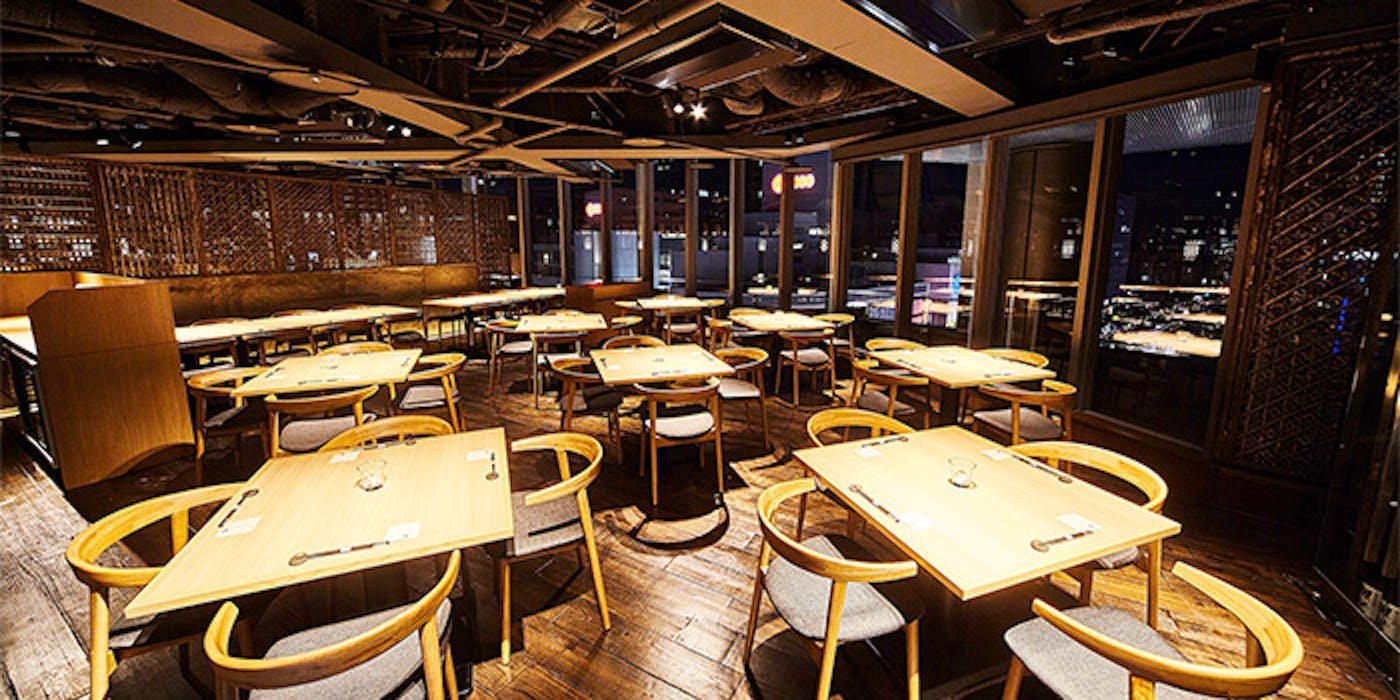

Kirameki
Japanese · 압구정동, Seoul
Restaurant in Seoul, South Korea
 Book with Pearl
The Read
Seasonal Kaiseki Discipline
Price
$50–100per person
Dress
Smart Casual
Why go
A Michelin Plate Japanese restaurant in Gangnam, Kirameki holds consecutive 2024 and 2025 recognition at the ₩₩₩₩ tier. It is the right booking if Japanese fine dining is your specific goal in Seoul; if Korean cuisine is the priority, the same price tier offers stronger alternatives. Booking is relatively easy for a venue at this level.
About Kirameki
Should You Book Kirameki?
If you are deciding between Kirameki and one of Seoul's contemporary Korean tasting menus at the same ₩₩₩₩ price point, the choice comes down to what you want on the plate. Kirameki is a Japanese restaurant in Gangnam, and that is a narrower proposition than the Korean-led fine dining that dominates this tier of Seoul's restaurant scene. It has held a Michelin Plate in both 2024 and 2025, which signals consistent kitchen quality without the full star overhead. For a first-timer drawn to precise, Japanese-style cooking in a city where that format is genuinely well-executed, Kirameki is a credible booking. If you want Korean cuisine at this price, look elsewhere in the tier first.
The Space and What to Expect
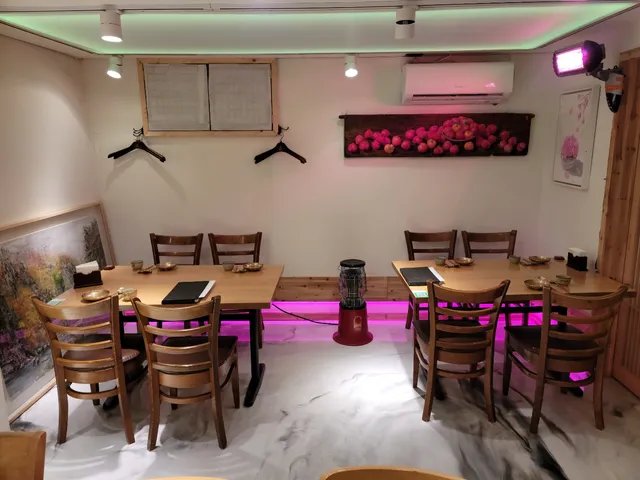
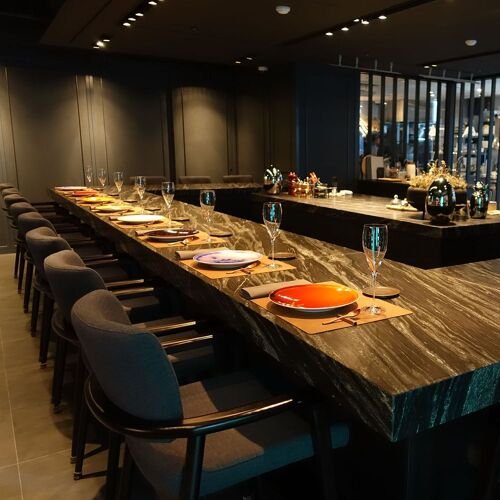
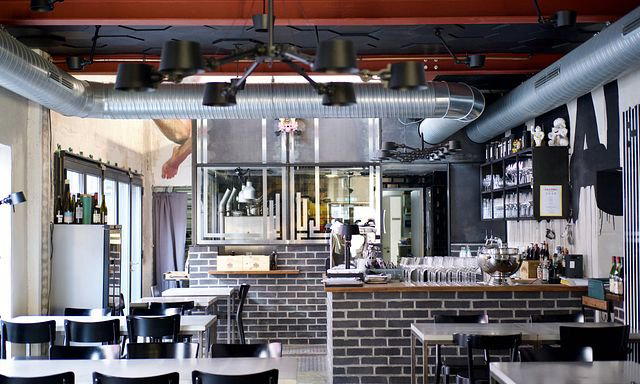
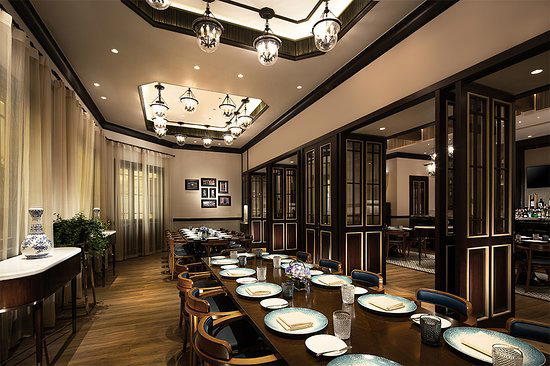
Kirameki sits on Dosan-daero 28-gil in Gangnam District, a stretch that runs parallel to the main Dosan-daero boulevard and is better known for design studios, boutiques, and low-key dining rooms than for tourist foot traffic. The address itself tells you something: this is a neighbourhood-embedded restaurant rather than a destination-hotel dining room. Expect a composed, relatively intimate environment that fits the restrained aesthetic conventions of serious Japanese dining. The physical space at this category of Gangnam Japanese restaurant typically prioritises clean lines and controlled seating over theatrical open kitchens or lounge-style sprawl. Come expecting a measured room, not a buzzy one.
For a first visit, arrive knowing that the ₩₩₩₩ tier in Seoul's Japanese dining segment means you are in the range where craft and sourcing are expected, not aspirational. The Michelin Plate recognition, awarded consecutively, indicates the kitchen meets that expectation reliably.
The Wine Program and How It Fits the Food
Japanese cuisine at the ₩₩₩₩ level in Seoul operates in a specific tension with wine: the food's precision and umami depth can make a loosely chosen wine list feel like an afterthought. The strongest Japanese restaurants at this tier either commit to a sake and shochu program that mirrors the kitchen's philosophy, or they build a wine list with enough structural awareness to complement rather than compete with delicate dashi-led or fish-forward courses. Without confirmed details on Kirameki's specific program, the practical guidance for a first-timer is to ask on booking whether sake pairings are available alongside or instead of wine. At ₩₩₩₩ in Gangnam, you should expect at least a considered beverage pairing option; if the team cannot describe one clearly, that is useful information before you commit to a full evening.
If wine is a priority for your visit, venues like Sobajuu or Muni may offer better-documented pairing programs. For a deeper read on how Tokyo's Japanese fine dining handles the same wine-versus-sake question at a comparable tier, the approaches at Myojaku and Azabu Kadowaki give useful reference points.
Booking and Practical Details
Booking difficulty is rated Easy, which is notable for a Michelin-recognised Japanese restaurant in Gangnam. You are unlikely to need weeks of advance planning, though for weekend evenings a few days' notice remains sensible. Dress expectations at this price tier in Gangnam lean toward smart casual at minimum; formal is not required, but overly casual dress would feel out of place in a room pitched at this level.
For broader planning around a Seoul visit, our full Seoul restaurants guide covers the wider field. If you are building an itinerary beyond dining, our Seoul hotels guide, bars guide, and experiences guide round out the picture. For Japanese dining options with a similar profile to Kirameki, Mitou and Sanro are worth comparing before you decide.
Who Kirameki Is Right For
Kirameki works well if you want Japanese fine dining in Seoul at a price that reflects real kitchen investment, without the booking pressure of a starred venue. It is a better fit for a couple or a small group who want a focused, quiet meal than for a large table looking for energy or spectacle. If you are visiting Seoul specifically for Korean cuisine, the ₩₩₩₩ tier has strong alternatives. But if Japanese cooking is the point and Gangnam is your base, the consecutive Michelin Plate recognition gives you a reasonable basis for confidence. GAGGEN by Choi Junho and Muni serve as useful comparisons if you want to weigh the Japanese format against Korean-inflected alternatives at the same tier before booking.
Outside Seoul, if you are travelling the broader Korean peninsula, Mori in Busan and Double T Dining in Gangneung represent the quality tier in other cities. Closer to the capital, Doosoogobang in Suwon and Pool House in Incheon are options if you are building a wider itinerary. For something more remote, Injegol in Inje County is worth noting for a different register entirely.
Planning details
- Hours
- Monday: Closed · Tuesday: 6:30–10 PM
- Location
- 18 Dosan-daero 28-gil, Gangnam District, Seoul, South Korea
- Phone
- +82 10-3894-2356
The take
The Take
The Vibe
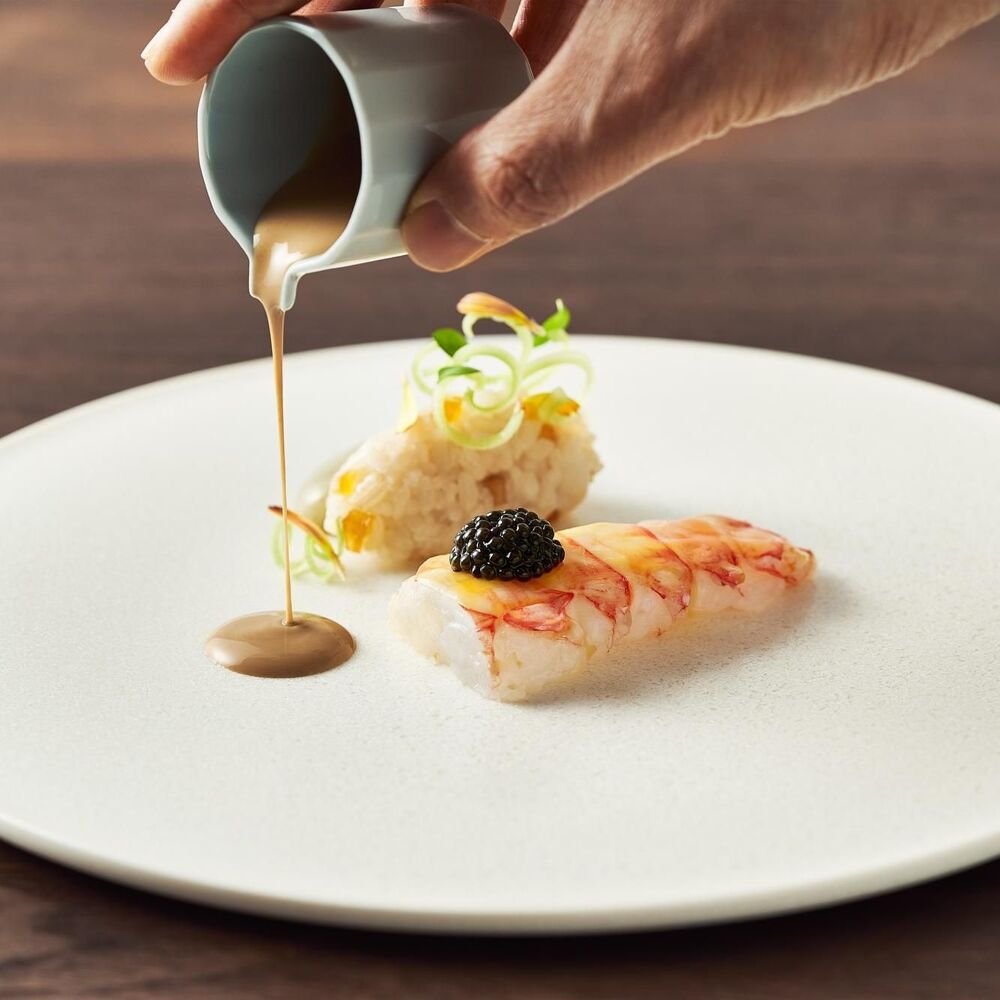
Kirameki presents a restrained, inward-facing dining atmosphere that favors seasonal discipline over spectacle. Situated on a quieter block of Gangnam, the room matches the measured logic of kaiseki: courses are paced to emphasize temperature, texture and visual balance rather than showmanship. The service and plating reflect a classical Japanese approach, so the overall impression is calm and considered. Diners encounter a place where the neighborhood’s low-rise, boutique character filters street noise and attention, allowing the kitchen’s structural rigor and seasonal references to define the experience rather than the city’s usual flash.
Best For
Kirameki is best for diners seeking a formal, dinner-focused kaiseki experience: particularly for special occasions or focused date nights. The menu operates at an upper price point and speaks to guests who appreciate multi-course pacing, seasonal sourcing and meticulous plating. In Seoul’s competitive fine-dining landscape the kitchen aims at technically serious diners who want a complete sequence rather than a la carte spontaneity. If you prize discipline, tradition and a quietly refined setting, this is the sort of place that rewards attention and patience over casual dropping-in.
Ordering Tips
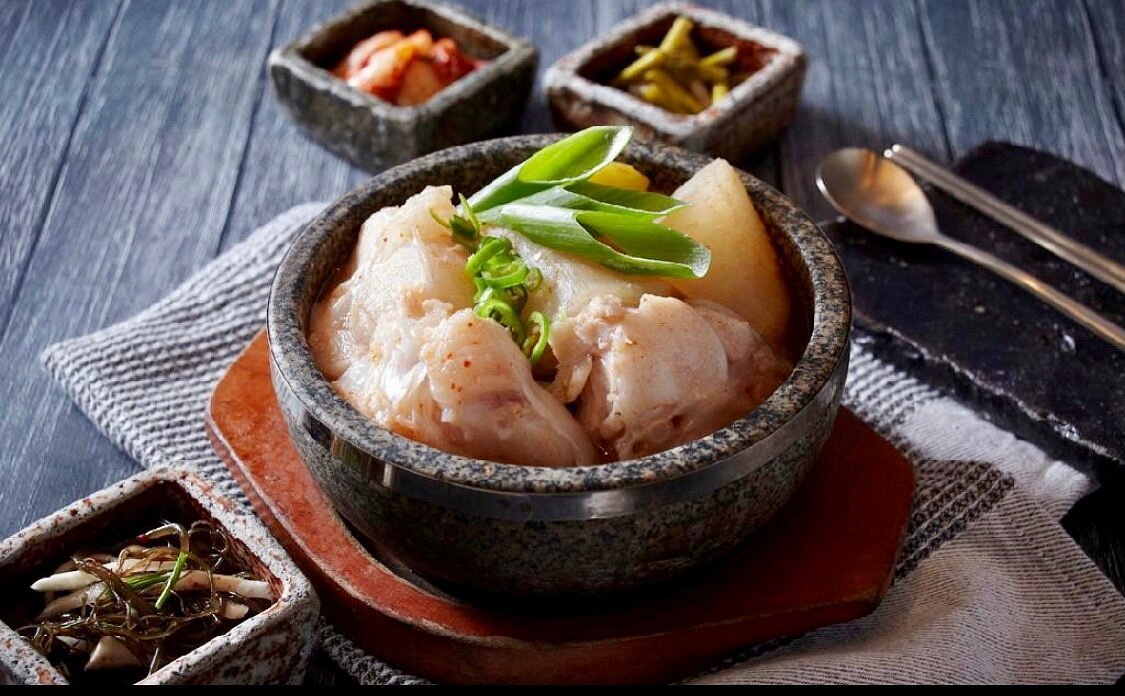
Opt for the kaiseki-style sequence or the full multi-course progression when available: the restaurant’s strengths lie in how each course is calibrated against the others. Plan to experience the meal as a contiguous sequence. Save room for the signature rice finishes, ceramic pot rice and the rice bowl, which are specifically noted and often serve as culminating elements in a kaiseki flow. Expect deliberate pacing and bring an appetite for nuanced, seasonally driven servings.
Venue details
Ambiance
Refined and elegant with inviting warmth, featuring stylish decor that complements the intimate dining experience.
Tags
Vibe
Best For
Experience
At the Table
- Dress Code
- Smart Casual
- Noise Level
- Quiet
- Service Style
- Formal
- Meal Pacing
- Leisurely
- Capacity
- Intimate
- Kitchen
- Seasonal
- Menu Format
- Tasting menu
- Drinks Focus
- Beer
Signature Dishes
- ceramic pot rice
- rice bowl
Know before you go
Know Before You Go
- Getting there
- 18 Dosan-daero 28-gil, Gangnam District, Seoul, South Korea
Planning details
Hours
- Monday
- Closed
- Tuesday
- 6:30–10 PM
- Wednesday
- 6:30–10 PM
- Thursday
- 6:30–10 PM
- Friday
- 6:30–10 PM
- Saturday
- 6:30–10 PM
- Sunday
- Closed
Location
18 Dosan-daero 28-gil, Gangnam District, Seoul, South Korea · Directions
Recognition and awards
Also consider
Also Consider
- 7th Door: Korean, Contemporary, ₩₩₩₩
- Solbam: Contemporary, ₩₩₩₩
- Onjium: Korean, ₩₩₩₩
- L'Amitié: French, ₩₩₩
- Zero Complex: Korean-French, Innovative, ₩₩₩₩
Restaurant context
At ₩₩₩₩, Kirameki occupies the same price band as 7th Door, Solbam, Onjium, and Zero Complex, but it is the only Japanese restaurant in this comparison set. That distinction matters. If your goal is Korean or Korean-contemporary cuisine, Kirameki does not compete with those options on their own terms. Onjium is the clearest alternative if classical Korean cuisine is the priority, while Zero Complex suits diners who want Korean-French innovation at the same tier. 7th Door and Solbam serve contemporary formats that draw a broader audience. Kirameki's two consecutive Michelin Plates give it a credential that matches or exceeds the peer set on formal recognition, but the cuisine format is narrower.
For value at one step below this tier, L'Amitié at ₩₩₩ is the sensible alternative for diners who want a serious kitchen without the full ₩₩₩₩ commitment. It operates in French rather than Japanese cuisine, so it is not a direct substitute, but it is the right comparison if price sensitivity is part of the decision. Kirameki is rated Easy to book, which gives it a practical advantage over peers in this tier that may carry higher demand. If spontaneity or short-notice planning is part of your situation, that accessibility is a real point in Kirameki's favour.
The clearest booking recommendation by profile: choose Kirameki if you want Japanese fine dining with Michelin-level consistency in Gangnam and you do not need weeks of advance planning. Choose Onjium for Korean authenticity at the same price, Zero Complex for innovation, and L'Amitié if budget is a constraint. Solbam and 7th Door are worth considering if you want contemporary cooking with a broader, more social atmosphere.
Explore Seoul
Around this place
Discover more on Pearl
Unlock the full Kirameki guide in Pearl, including awards, comparisons, FAQs, planning details, and nearby places.
Compare Kirameki
| Venue | Price | Booking Difficulty | Awards |
|---|---|---|---|
| Kirameki | ₩₩₩₩ | Easy | Michelin Guide Seoul & Busan 20262025 Michelin Plate2024 Michelin Plate |
| 7th Door | ₩₩₩₩ | Unknown | 2026 Asia's 50 Best Restaurants · #492026 OAD Top Restaurants in Asia Ranked · #842026 Black Pearl 1 DiamondMichelin Guide Seoul & Busan 20262026 La Liste Top Restaurants2025 Asia's 50 Best Restaurants · #232025 Michelin 1 Star2025 La Liste Top Restaurants2024 OAD Top Restaurants in Asia Ranked · #192 |
| Solbam | ₩₩₩₩ | Unknown | 2026 Asia's 50 Best Restaurants · #552026 Wine Spectator Best of Award of Excellence2026 OAD Top Restaurants in Asia RecommendedMichelin Guide Seoul & Busan 20262026 La Liste Top Restaurants2025 Asia's 50 Best Restaurants · #552025 OAD Top Restaurants in Asia Ranked · #277Tatler Best Restaurants Asia-Pacific 20252025 Wine Spectator Best of Award of Excellence |
| Onjium | ₩₩₩₩ | Unknown | 2026 Asia's 50 Best Restaurants · #142026 OAD Top Restaurants in Asia Ranked · #852026 La Liste Top RestaurantsMichelin Guide Seoul & Busan 20262026 Wine Spectator Best of Award of Excellence2025 Asia's 50 Best Restaurants · #102025 World's 50 Best Restaurants · #572025 OAD Top Restaurants in Asia Ranked · #1342025 La Liste Top Restaurants |
| L'Amitié | ₩₩₩ | Unknown | 2026 La Liste Top Restaurants2025 La Liste Top Restaurants2025 Michelin 1 Star2024 Michelin 1 Star |
| Zero Complex | ₩₩₩₩ | Unknown | Star Wine Lists 20262026 OAD Top Restaurants in Asia Recommended2026 La Liste Top Restaurants2025 OAD Top Restaurants in Asia Ranked · #1992025 La Liste Top Restaurants2025 Michelin 1 Star2025 The Best Chef One Knife2024 OAD Top Restaurants in Asia Ranked · #2792024 Michelin 1 Star |
.png?width=1200&quality=80)









Key differences to consider before you reserve.
FAQ
Frequently Asked Questions
What are alternatives to Kirameki in Seoul?
At the same ₩₩₩₩ price point, Onjium and Solbam offer Korean tasting menus with deeper local culinary context, while L'Amitié shifts the format entirely to French fine dining. If you want Japanese specifically, Kirameki is one of the few Michelin-recognised options at this tier in Gangnam. Zero Complex suits diners who prefer a more contemporary, boundary-crossing approach.
What should I wear to Kirameki?
Kirameki is a ₩₩₩₩ Michelin Plate Japanese restaurant in Gangnam. Treat it like a serious dinner, not a neighbourhood restaurant, and you will be appropriately placed.
Does Kirameki handle dietary restrictions?
Japanese fine dining menus are often structured around seafood and dashi-based preparations, which can be limiting for vegetarians or those with shellfish allergies. Reach out before booking if dietary restrictions are a factor: at ₩₩₩₩ per head, it is worth confirming in advance rather than discovering constraints at the table.
Is Kirameki worth the price?
For ₩₩₩₩ in Seoul's Gangnam District, Kirameki holds two consecutive Michelin Plate recognitions (2024 and 2025), which signals consistent kitchen quality without requiring Michelin star pricing. If Japanese fine dining is your format, Kirameki is a Michelin-vetted option that does not require aggressive advance booking. If you are indifferent to cuisine type, Onjium or Solbam may deliver stronger cultural specificity at a comparable spend.
Is Kirameki good for a special occasion?
Yes, with a practical caveat: Kirameki's booking difficulty is rated Easy for a Michelin-recognised Gangnam restaurant, meaning you can likely secure a table closer to your date than at starred venues. That makes it a reliable choice for occasions where you need to plan around a specific night. The ₩₩₩₩ price point and back-to-back Michelin Plate status give it the occasion-appropriate weight without the stress of a months-long waitlist.