
Imun Seolnongtang
Seolleongtang · 가회동, Seoul
Restaurant in Seoul, South Korea
 Book with Pearl
The Read
Century-Simmered Seolleongtang
Price
$10–20per person
Dress
Casual
Why go
Imun Seolnongtang is Seoul's Michelin Plate-recognised seolleongtang specialist in Jongno, serving milky bone broth at ₩ prices with walk-in ease. It won't give you private dining or tasting-menu ambition, but for a reliable, affordable bowl of one of Korea's great comfort dishes, it consistently delivers what it promises.
About Imun Seolnongtang
If You've Been Before, Here's What to Know on Your Return
If your first visit to Imun Seolnongtang left you with a warm bowl and the vague sense you'd stumbled onto something Seoul runs on quietly, a return trip will confirm it. This is not the kind of place that reinvents itself between visits. The seolleongtang is the same pale, long-simmered bone broth it has always been, and that consistency is the entire point. Come back knowing what you want, sit down, and let the bowl do its work. Michelin has awarded the Plate distinction in both 2024 and 2025, which for this category of cooking means the fundamentals are being executed reliably, not that theatrics are on offer.
The Space and What It Tells You
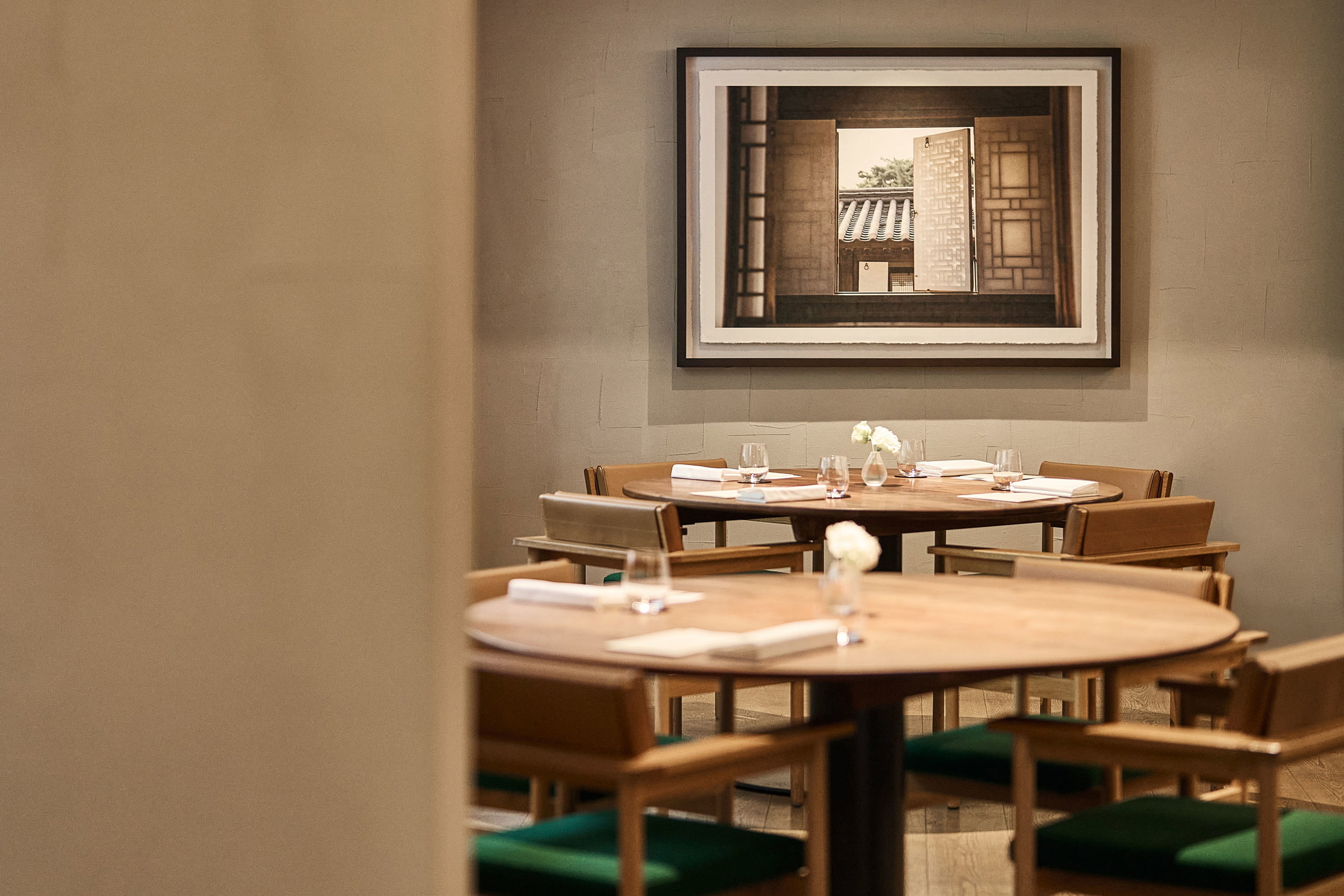
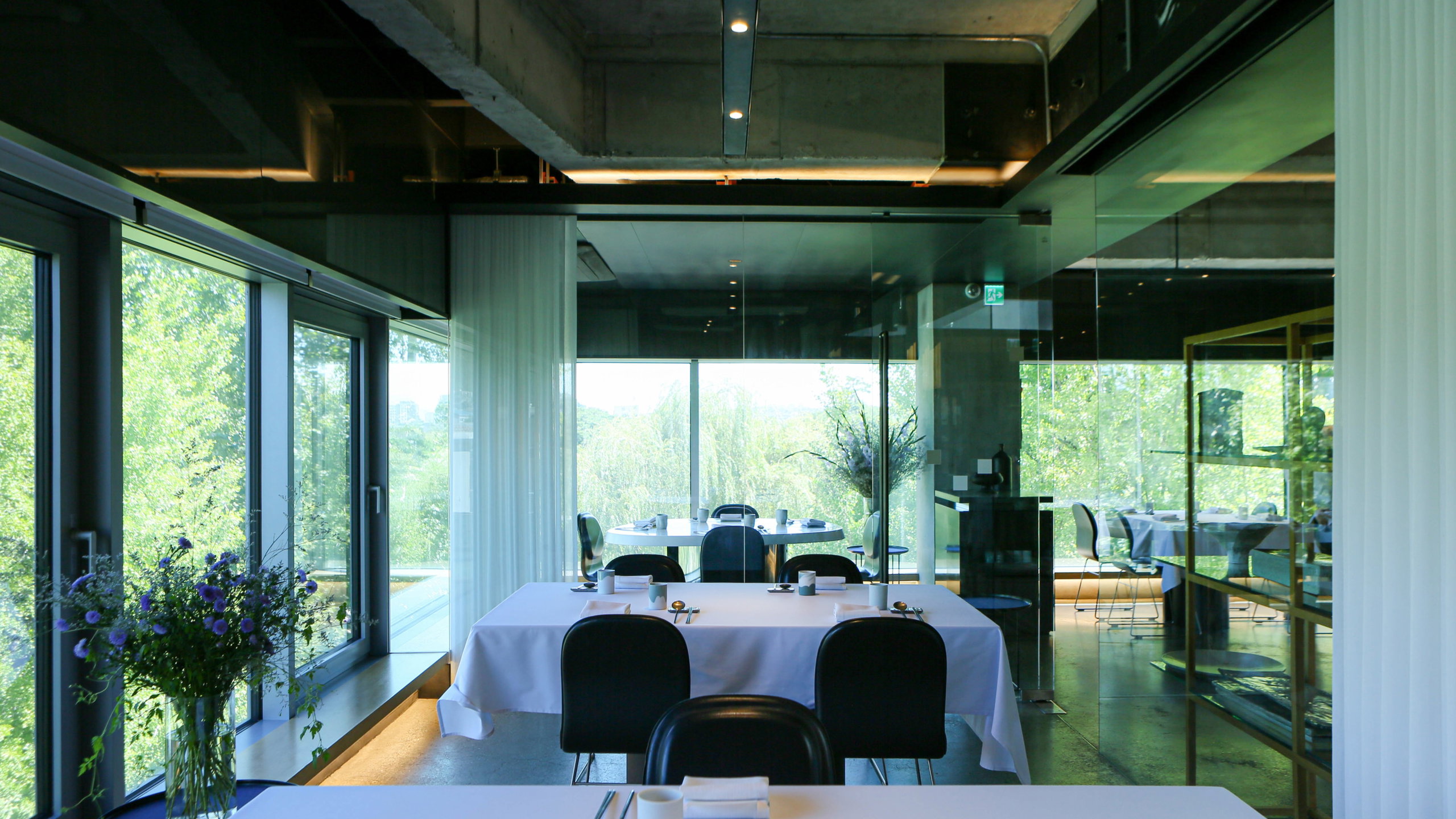
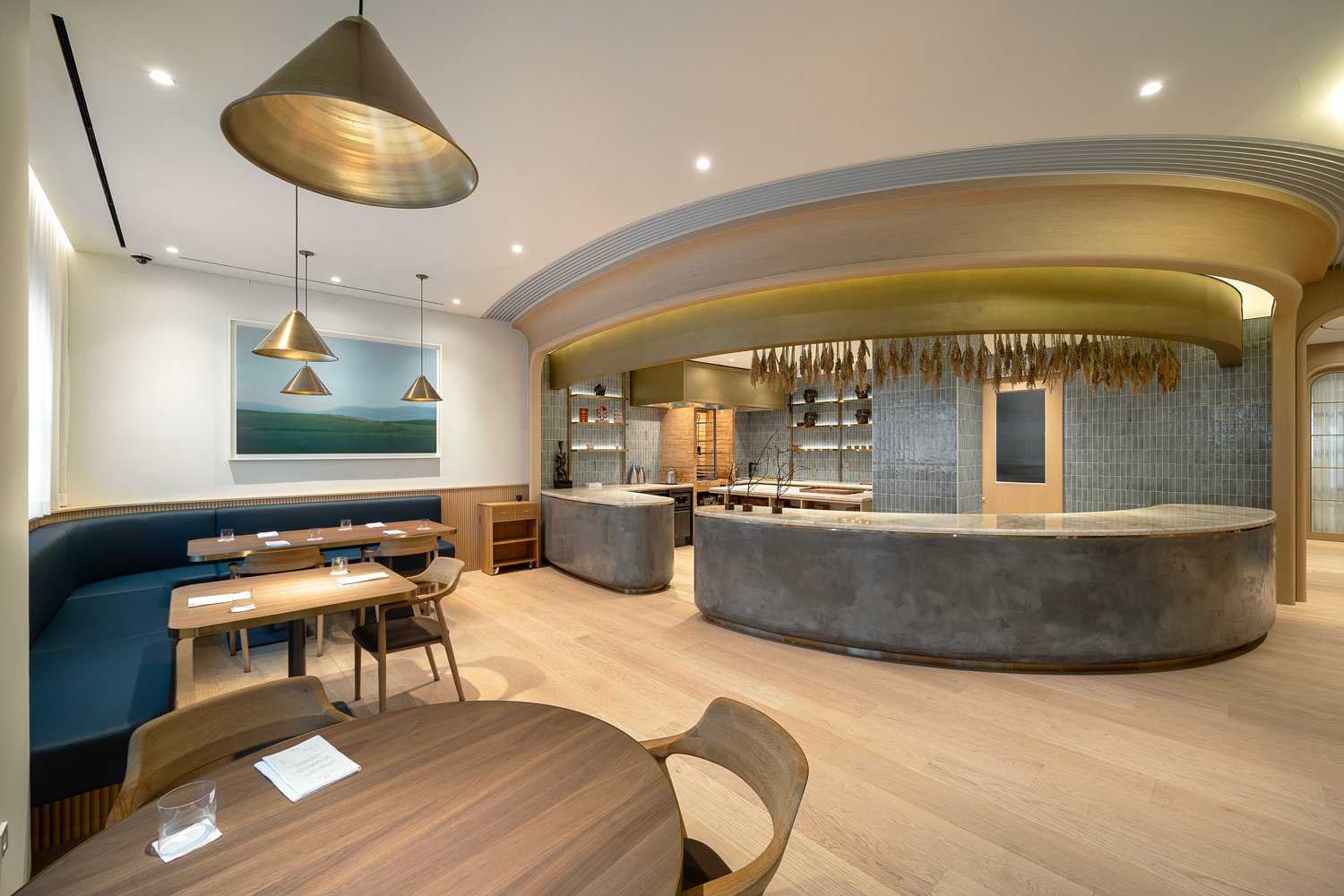
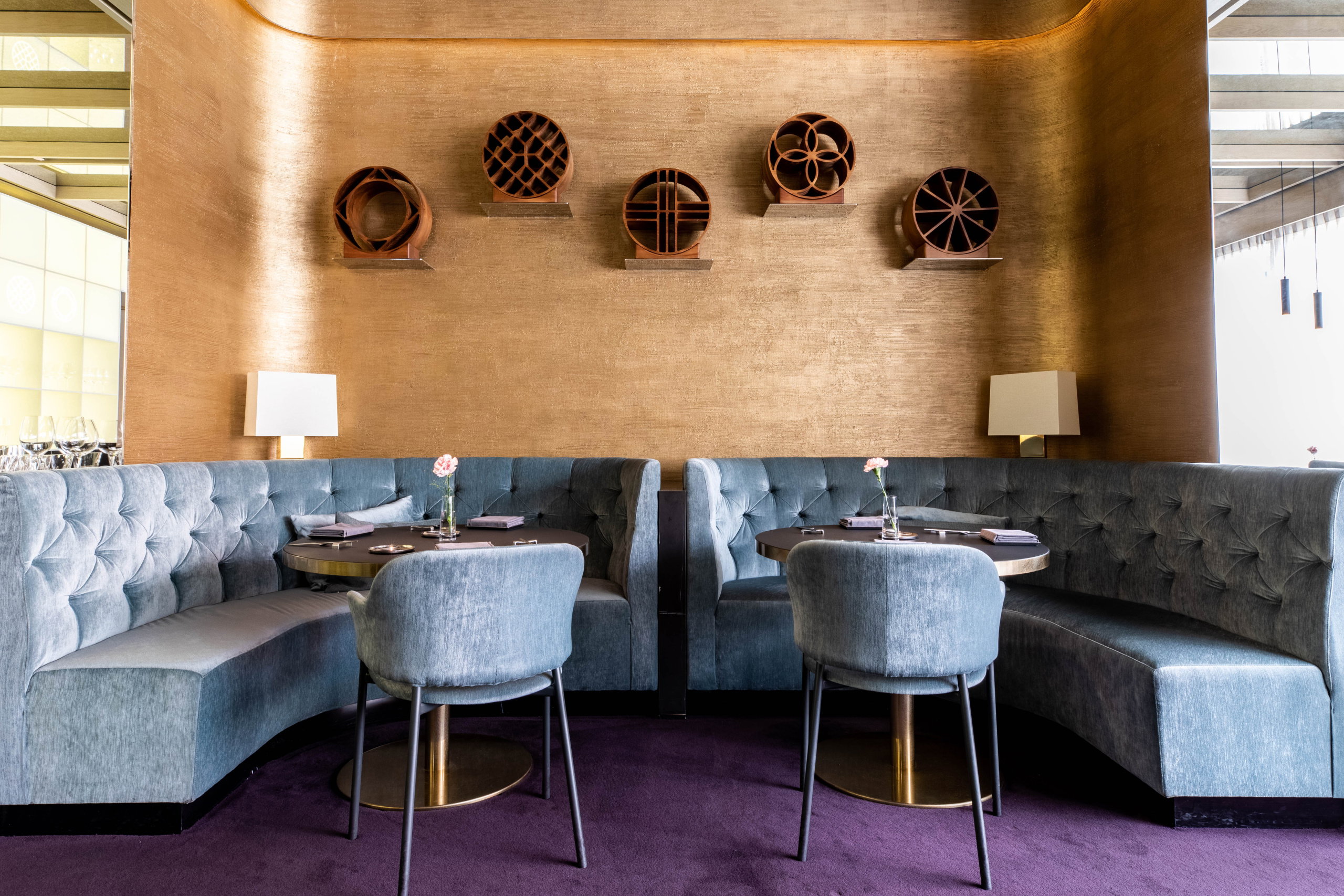
Imun Seolnongtang is located at 38-13 Ujeongguk-ro in the Jongno District, one of Seoul's older, more historically layered neighbourhoods. The spatial experience here is not one of designed drama. Seolleongtang restaurants in this tradition tend toward plainness by deliberate logic: the food is the focus, and the room is built to serve it efficiently. Expect shared or closely spaced seating, tables that prioritise turnover, and a dining environment that functions more like a well-run canteen than a destination restaurant. That is not a criticism. The room's lack of pretension is part of why regulars return without ceremony. You sit, you order, the bowl arrives.
For groups considering this venue, the spatial reality matters. Large parties should understand that seolleongtang restaurants of this type are not configured for private dining in the conventional sense. There is no private room to reserve for a milestone occasion, no sequestered corner for a business dinner. What you get instead is the communal low-key atmosphere of a place that has served its neighbourhood for a long time. For a group that wants exactly that, a round of bowls, shared banchan, and no performance, this works. For a group expecting the separation and service depth of a private dining room, look elsewhere.
What the Michelin Plate Means Here
The Michelin Plate is not a star. It signals that inspectors found the cooking competent and the experience consistent, without placing it in the city's top tier of fine dining. For seolleongtang, that framing is appropriate. Seoul's restaurant scene includes venues working across every level of ambition and price. Imun Seolnongtang occupies the ₩ tier, meaning a full meal here costs a fraction of what you'd spend at Mingles or Jungsik. The Plate recognition at this price point is worth noting: it tells you the quality clears a meaningful threshold without the cost of a tasting menu.
Seolleongtang as a Category: What You're Ordering
For the reader returning who wants to go deeper: seolleongtang is a milky beef bone broth, simmered for many hours until the collagen breaks down and the stock turns opaque. It is typically served simply, with rice, sliced brisket or offal, and accompaniments including kimchi and salted shrimp for seasoning at the table. The diner controls the final flavour by adding salt, green onion, and pepper. This is deliberately unfussy food. If your previous visit felt like a strong bowl but you didn't season it yourself at the table, adjust that on your return. The broth on its own is mild; seasoning it correctly makes a substantial difference. For direct comparisons within the seolleongtang category, Oegojip Seolleongtang and Mapo Ok offer useful benchmarks in Seoul.
Booking and Logistics
Booking difficulty here is easy. Seolleongtang restaurants in this tradition do not run reservation systems the way fine dining venues do. Walk-in is typically the norm. The Jongno location is accessible from central Seoul, and the ₩ price tier means the financial commitment for a test visit or a return trip is minimal. There is no booking friction to plan around, but timing matters: peak hours around lunch can fill the room quickly, and early arrival or off-peak visits will give you a smoother experience.
Practical Comparison: Imun Seolnongtang vs. Seoul Peers
| Venue | Cuisine | Price | Booking Difficulty | Michelin Recognition |
|---|---|---|---|---|
| Imun Seolnongtang | Seolleongtang | ₩ | Easy / Walk-in | Plate 2024, 2025 |
| Oegojip Seolleongtang | Seolleongtang | ₩ | Easy | — |
| Mapo Ok | Korean | ₩–₩₩ | Easy | — |
| Mingles | Korean | ₩₩₩₩ | Hard | 2 Stars |
| alla prima | Innovative | ₩₩₩ | Moderate |
Further Reading
If you're planning a wider trip, Pearl's guides cover the full picture: Seoul hotels, Seoul bars, Seoul wineries, and Seoul experiences. For Korean dining beyond Seoul, Mori in Busan and Baegyangsa Temple in Jangseong-gun are worth knowing. In Seoul itself, Kwon Sook Soo in Gangnam-gu sits at the higher end of Korean fine dining if you're building a longer itinerary. For international context on where Korean cuisine has travelled, Atomix in New York City shows what the format looks like with a tasting menu framework. Pearl also covers venues across South Korea, including Double T Dining in Gangneung, Market Café in Incheon, and The Flying Hog in Seogwipo. If you're weighing Korean dining against a broader fine dining reference, Le Bernardin in New York illustrates what Michelin-starred consistency looks like in a very different register.
Planning details
- Location
- 38-13 Ujeongguk-ro, Jongno District, Seoul, South Korea
- Website
- imun.modoo.at
- Phone
- +82 2-733-6526
The take
The Take
The Vibe
Imun Seolnongtang reads like a piece of living culinary history. The room is deliberately spare — utilitarian tables, fluorescent light, and the quick clack of ceramic bowls — all of which underscore a refusal to dress up what matters: the broth. Steam announces the restaurant from the street, and the operation’s century-plus focus on a single dish gives the place an iconic, old-school presence. There’s little theatricality in the dining room; instead, the atmosphere revolves around quiet ritual and the comfort of a perfected, time-intensive bowl.
Best For
This is a destination for straightforward, restorative meals — especially on cold mornings. The writing specifically situates the restaurant on a Seoul morning, which makes it ideal for breakfast and early-day visits when the simmered ox-bone broth is most appealing. Its single-dish, no-frills setup also suits solo diners or small family groups who come for a familiar, comforting bowl rather than a leisurely multi-course outing. Imun is about the food’s history and utility, so plan visits around appetite and the desire for a hearty, traditional soup.
Ordering Tips
Seolleongtang arrives unseasoned, and diners are expected to season it themselves: add salt, green onion, and fermented kimchi to taste. The bowl is served with rice alongside, so you can adjust concentration and seasoning as you eat. Given the restaurant’s focus on that one intensive broth, order the house seolleongtang to experience the signature preparation; the description also highlights doganitang and kkakdugi as part of the place’s repertoire, so pair the soup with kimchi for the authentic balance the menu intends.
Venue details
Ambiance
Historic and functional dining room with closely spaced tables, big bowls of kimchi on every table, and a local, authentic atmosphere.
Tags
Vibe
Best For
Experience
At the Table
- Dress Code
- Casual
- Noise Level
- Conversational
- Service Style
- Casual
- Meal Pacing
- Standard
- Capacity
- Large
- Kitchen
- Traditional
- Menu Format
- A la carte
- Private Dining
- Available
Signature Dishes
- seolleongtang
- doganitang
- kkakdugi
Know before you go
Know Before You Go
- Getting there
- 38-13 Ujeongguk-ro, Jongno District, Seoul, South Korea
Planning details
Location
Recognition and awards
Also consider
Also Consider
- Solbam, Contemporary, ₩₩₩₩
- Onjium, Korean, ₩₩₩₩
- 7th Door, Korean, Contemporary, ₩₩₩₩
- L'Amitié, French, ₩₩₩
- Zero Complex, Korean-French, Innovative, ₩₩₩₩
Restaurant context
Imun Seolnongtang sits in a completely different tier from the ₩₩₩₩ venues that dominate Seoul's dining conversation. Solbam, Onjium, 7th Door, and Zero Complex are all operating at a price point four to five times higher, with tasting menu formats, advance reservations, and a level of service architecture that Imun simply does not attempt. Comparing them directly is a category error. If your evening calls for a composed multi-course Korean experience with wine pairing and a private room option, book one of those four instead. If your afternoon calls for a bowl of seolleongtang and you want Michelin-tracked quality at minimal cost, Imun is the answer.
Within the ₩₩₩ range, L'Amitié offers French cooking with more room atmosphere and a higher booking threshold than Imun, and the two serve entirely different needs. For value-per-bowl comparison in the seolleongtang category specifically, Oegojip Seolleongtang is the most direct peer; choose between them based on neighbourhood convenience rather than quality hierarchy, as both are operating in the same category at similar price points.
The clearest recommendation: if you want Seoul's fine dining tier, Onjium and 7th Door are the two most purposeful choices at ₩₩₩₩ for Korean cuisine with serious culinary intent. If you want a dependable, low-cost bowl of a Seoul staple backed by Michelin's quality signal, Imun Seolnongtang is the easier, cheaper, and less logistically demanding option. The two decisions don't compete with each other.
Explore Seoul
Around this place
Discover more on Pearl
Unlock the full Imun Seolnongtang guide in Pearl, including awards, comparisons, FAQs, planning details, and nearby places.
Compare Imun Seolnongtang
| Venue | Cuisine | Awards | Booking Difficulty |
|---|---|---|---|
| Imun Seolnongtang | Seolleongtang | Michelin Guide Seoul & Busan 20262025 Michelin Plate2024 Michelin Plate | Easy |
| Solbam | Contemporary | 2026 Asia's 50 Best Restaurants · #552026 Wine Spectator Best of Award of Excellence2026 OAD Top Restaurants in Asia RecommendedMichelin Guide Seoul & Busan 20262026 La Liste Top Restaurants2025 Asia's 50 Best Restaurants · #552025 OAD Top Restaurants in Asia Ranked · #277Tatler Best Restaurants Asia-Pacific 20252025 Wine Spectator Best of Award of Excellence | Unknown |
| Onjium | Korean | 2026 Asia's 50 Best Restaurants · #142026 OAD Top Restaurants in Asia Ranked · #852026 La Liste Top RestaurantsMichelin Guide Seoul & Busan 20262026 Wine Spectator Best of Award of Excellence2025 Asia's 50 Best Restaurants · #102025 World's 50 Best Restaurants · #572025 OAD Top Restaurants in Asia Ranked · #1342025 La Liste Top Restaurants | Unknown |
| 7th Door | Korean, Contemporary | 2026 Asia's 50 Best Restaurants · #492026 OAD Top Restaurants in Asia Ranked · #842026 Black Pearl 1 DiamondMichelin Guide Seoul & Busan 20262026 La Liste Top Restaurants2025 Asia's 50 Best Restaurants · #232025 Michelin 1 Star2025 La Liste Top Restaurants2024 OAD Top Restaurants in Asia Ranked · #192 | Unknown |
| L'Amitié | French | 2026 La Liste Top Restaurants2025 La Liste Top Restaurants2025 Michelin 1 Star2024 Michelin 1 Star | Unknown |
| Zero Complex | Korean-French, Innovative | Star Wine Lists 20262026 OAD Top Restaurants in Asia Recommended2026 La Liste Top Restaurants2025 OAD Top Restaurants in Asia Ranked · #1992025 La Liste Top Restaurants2025 Michelin 1 Star2025 The Best Chef One Knife2024 OAD Top Restaurants in Asia Ranked · #2792024 Michelin 1 Star | Unknown |
.png?width=1200&quality=80)








Key differences to consider before you reserve.
FAQ
Frequently Asked Questions
What should a first-timer know about Imun Seolnongtang?
Walk in, sit down, and expect a short menu built around seolleongtang — a milky beef bone broth served with rice and condiments on the side. No reservation is needed, prices sit at the ₩ range making it one of Seoul's most accessible Michelin Plate venues, and the Jongno District address puts it within reach of central Seoul sightseeing. Bring cash as a precaution and come hungry: this is a functional, no-frills operation where the bowl is the entire point.
Does Imun Seolnongtang handle dietary restrictions?
Seolleongtang is a beef-forward dish by definition — the broth is made from slow-simmered beef bones, so the menu is not suitable for vegetarians or those avoiding beef. Dietary customisation is not a feature of this format. If you have restrictions beyond beef, this is not the right stop; Seoul has strong vegetarian options in neighbourhoods like Insadong that are better suited.
What are alternatives to Imun Seolnongtang in Seoul?
For a step up in formality and price, Onjium covers traditional Korean cuisine at a higher register. 7th Door and L'Amitié are better picks if you want a contemporary tasting format rather than a single-dish specialist. Solbam suits those after Korean dessert and tea culture. Zero Complex works if your focus is natural wine and a casual Seoul dining scene. None of these are seolleongtang specialists — Imun holds that lane on its own at the ₩ price point.
What should I order at Imun Seolnongtang?
Seolleongtang is the menu. The dish arrives as a pale, collagen-rich beef bone broth; you season it yourself at the table with salt and spring onions, then add rice. There is no meaningful off-script ordering here — that is the format, and it is the reason the venue has held a Michelin Plate in both 2024 and 2025.
Is Imun Seolnongtang good for a special occasion?
No, not in the conventional sense. The setting is utilitarian, there is no reservation system, and the format is a single soup dish at ₩ prices. It is a strong choice if your occasion is specifically about eating something historically rooted in Seoul's food culture, but for a celebratory dinner with atmosphere and a drinks list, Onjium or 7th Door are more appropriate.
Is Imun Seolnongtang worth the price?
At ₩ pricing, yes, straightforwardly. A Michelin Plate two years running at one of Seoul's lowest price points is a hard combination to argue against. You are paying for a single, well-executed dish in a no-frills room — if that trade-off works for you, the value is clear. If you want a full dining experience with multiple courses and service, the price-to-expectation maths changes; book elsewhere.
Is the tasting menu worth it at Imun Seolnongtang?
There is no tasting menu at Imun Seolnongtang. This is a seolleongtang specialist: the format is one core dish, ordered and consumed simply. If a multi-course tasting format is what you are looking for in Seoul, 7th Door or L'Amitié are the more relevant options.