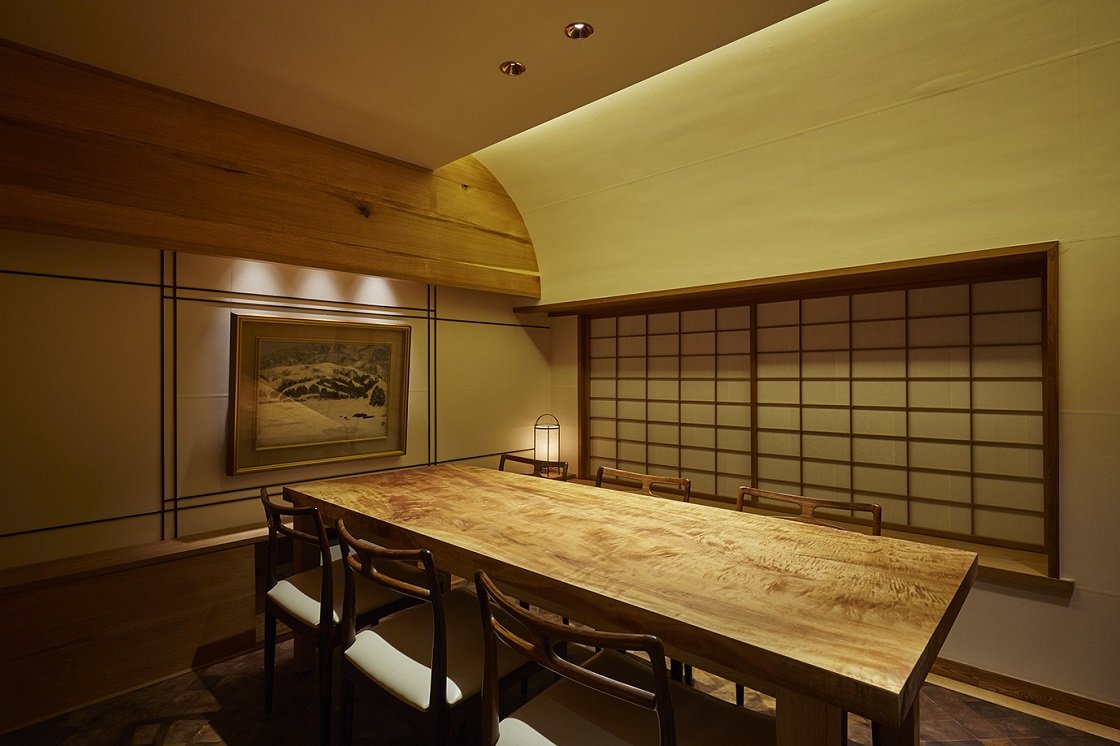

Hwangsaengga Kalguksu
Kalguksu · 가회동, Seoul
Restaurant in Seoul, South Korea
 Book with Pearl
The Read
Hand-Cut Broth Precision
Price
$10–20per person
Dress
Casual
Why go
Hwangsaengga Kalguksu holds a Michelin Bib Gourmand for 2024 and 2025, making it one of the few kalguksu specialists in Seoul with back-to-back independent validation. At the ₩ price tier in Jongno's Bukchon neighbourhood, it offers the strongest verified value case in its category. Best visited in autumn or winter when the broth is at its most satisfying.
About Hwangsaengga Kalguksu
Verdict
If you have already eaten at Hwangsaengga Kalguksu once, you know why Michelin awarded it a Bib Gourmand in both 2024 and 2025. The question on a return visit is whether the kitchen is consistent enough to justify building an itinerary around it, not just slotting it in. The answer is yes. This is one of the few kalguksu specialists in Seoul that has earned external validation two years running, and at the ₩ price tier, the value case is hard to argue against. Book it when the days turn cold and the appetite for hand-cut noodle broth is sharpest.
About Hwangsaengga Kalguksu
Kalguksu is a discipline defined by restraint. The name translates literally as "knife-cut noodles," and the craft lives almost entirely in the dough and the broth: how the noodles hold texture through cooking, how the stock is built, how the seasoning sits. There are no techniques to hide behind, no garnishes to distract from an underdeveloped base. That simplicity is precisely why the Michelin Bib Gourmand recognition matters here. The Bib Gourmand standard rewards quality at accessible prices, and earning it back-to-back is not automatic. Inspectors return. Consistency is tested.
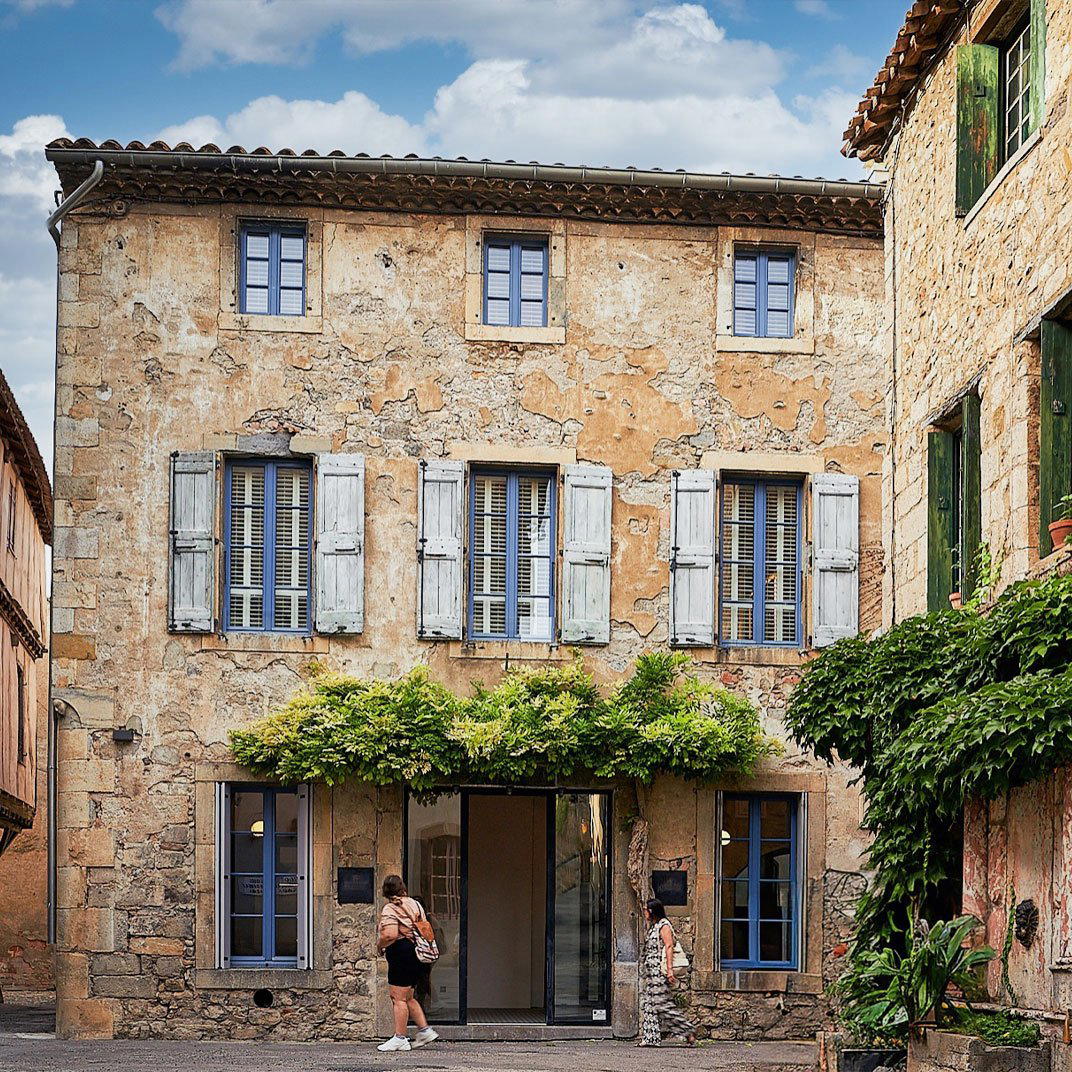
Hwangsaengga sits on Bukchon-ro 5-gil in Jongno District, a neighbourhood already associated with preserved hanok architecture and the kind of foot traffic that brings both tourists and demanding Seoul locals to the same block. That address works in its favour: the surrounding area draws visitors who are already oriented toward traditional Korean culture, and it filters for a clientele that takes food seriously rather than incidentally. Compared to kalguksu counters in purely residential pockets, the Bukchon location means the room absorbs a wider mix of diners, which often correlates with a kitchen that has had to stay sharp under scrutiny.
It is a venue that is discovered, revisited, and reviewed by people who came back. On a second visit, that matters more than on a first: you are not testing a hunch, you are confirming a standard.
For returning visitors, the practical logic is direct. Kalguksu is a cold-weather dish at its finest. The broth is more satisfying when the temperature drops, and Seoul winters are genuinely cold. If your previous visit was in spring or summer, a winter return gives you the dish in its optimal seasonal context. The Michelin cycle also means the 2025 Bib Gourmand is current recognition, not archival, so the kitchen is cooking under active pressure to retain it.
On the technical side, what separates a strong kalguksu kitchen from a competent one comes down to three things: noodle calibre (uniformity of cut, correct thickness for the broth weight, no gumminess), stock depth (typically anchovy, clam, or chicken-based, with enough body to coat without being heavy), and the discipline to not overcomplicate. At venues that have earned repeated Michelin recognition at this tier, those fundamentals tend to hold. Compare that to a volume operation where the noodles are pre-cut and the broth is stretched: the difference shows in the bowl within two bites.
For context on how this positions within Seoul's broader noodle scene, Limbyungjoo Sandong Kalguksu and Myeongdong Kyoja are the two other kalguksu references most Seoul diners would name in the same breath. Myeongdong Kyoja runs higher volume and a more tourist-facing operation; Hwangsaengga's Jongno address and consistent Bib Gourmand status put it in a different register. If you are building a Seoul noodle itinerary, Cha Ae Jeon Halmae Kalguksu in Busan is worth noting as a regional comparator for anyone extending their trip south.
Hwangsaengga is not the choice if you are looking for a tasting menu, a wine list, or a long evening. It is the choice when you want a single bowl executed at a level that has been independently twice in succession, at a price that does not require a budget conversation. For Seoul dining at the ₩ tier, that combination is not common. The venues that hold Bib Gourmand recognition two years running earn it by not slipping, and that is the correct reason to return.
For a broader picture of where Hwangsaengga sits within Seoul's dining map, the city's higher-end Korean kitchens are covered in depth at Mingles, Jungsik, and alla prima. For a complete sweep of where to eat, drink, and stay, see our full Seoul restaurants guide, our full Seoul hotels guide, and our full Seoul bars guide. Further afield, Mori in Busan, Baegyangsa Temple in Jangseong-gun, Kwon Sook Soo in Gangnam-gu, Double T Dining in Gangneung, Market Café in Incheon, and The Flying Hog in Seogwipo round out a national picture of where Korean kitchens are performing at a high level right now. For a global frame of reference on what rigorous kitchen standards look like at the far end of the price spectrum, Le Bernardin in New York City remains the benchmark for technique-first cooking built around a single product category. And for those planning further exploration of South Korea's wine culture, our full Seoul wineries guide and our full Seoul experiences guide are useful starting points.
Practical Details
| Detail | Hwangsaengga Kalguksu | Myeongdong Kyoja | Limbyungjoo Sandong Kalguksu |
|---|---|---|---|
| Price tier | ₩ | ₩ | ₩ |
| Michelin recognition | Bib Gourmand 2024, 2025 | Not listed | Not listed |
| Not available | Not available | ||
| Location | Bukchon, Jongno District | Myeongdong, Jung District | Seoul |
| Booking difficulty | Easy | Walk-in queue likely | Walk-in |
| Leading season | Autumn/Winter | Year-round | Year-round |
Planning details
- Location
- 78 Bukchon-ro 5-gil, Jongno District, Seoul, South Korea
- Website
- hwangsanga.modoo.at
- Phone
- +82 2-739-6334
The take
The Take
The Vibe
Hwangsaengga Kalguksu reads like a classic, cozy noodle counter tucked into Bukchon's narrow lanes. The writing leans into tradition: kalguksu is treated as a discipline that demands fresh, hand-cut wheat noodles and long-simmered broths, and the restaurant’s consecutive Bib Gourmand recognitions underline a quietly confident, consistent kitchen. The space feels intimate by design — a compact counter operation where the bustle of a packed dining room is part of the appeal. That mix of approachable price point, disciplined cooking, and a hanok-lined setting creates a familiar, comforting atmosphere rather than a showy one.
Best For
This is a straightforward neighborhood destination for uncomplicated, high-value Korean comfort food. The single Won price tier and counter format make it ideal for casual daytime visits — the copy specifically notes a packed dining room on a Tuesday afternoon — and it works well for families who want hearty bowls and guests seeking an affordable, authentic meal. It isn’t positioned as a tasting-menu or special-occasion restaurant; instead it excels as a reliable spot for lunch or an informal dinner where the focus is squarely on noodle craft and consistent broths.
Ordering Tips
Order with the kitchen’s discipline in mind: kalguksu hinges on fresh hand-cut noodles and time-built broth. The menu’s signature items — Sagol Kalguksu and Wang Mandu — are the clearest expressions of what Hwangsaengga does well; the Sagol Kalguksu showcases the hearty, long-cooked bone broth tradition, while Wang Mandu offers a complementary dumpling option. Note the restaurant’s Bib Gourmand status and popular reputation: service is casual and the counter can be busy during daytime hours, so plan for a lively, fast-paced meal rather than a leisurely multi-course experience.
Venue details
Ambiance
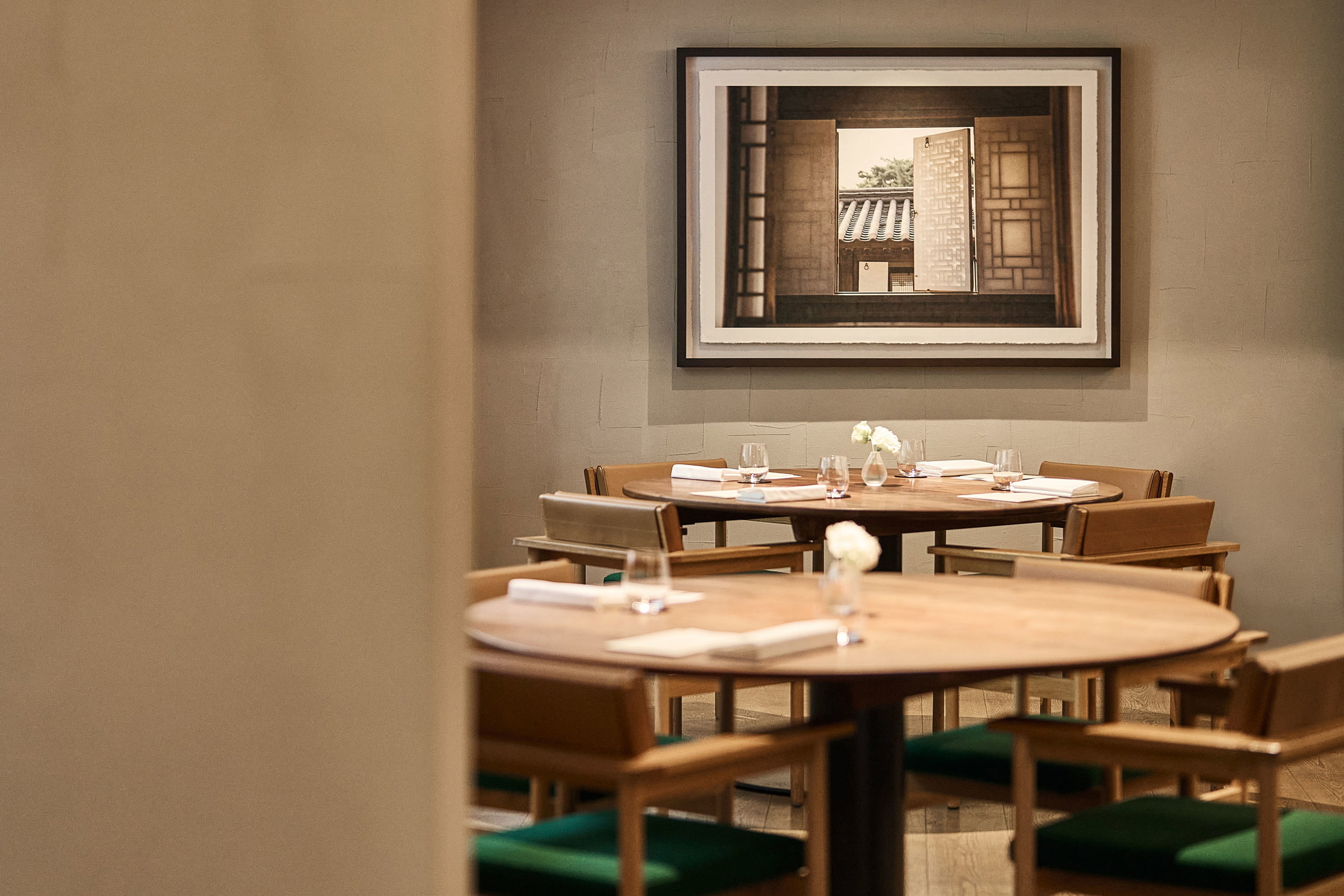
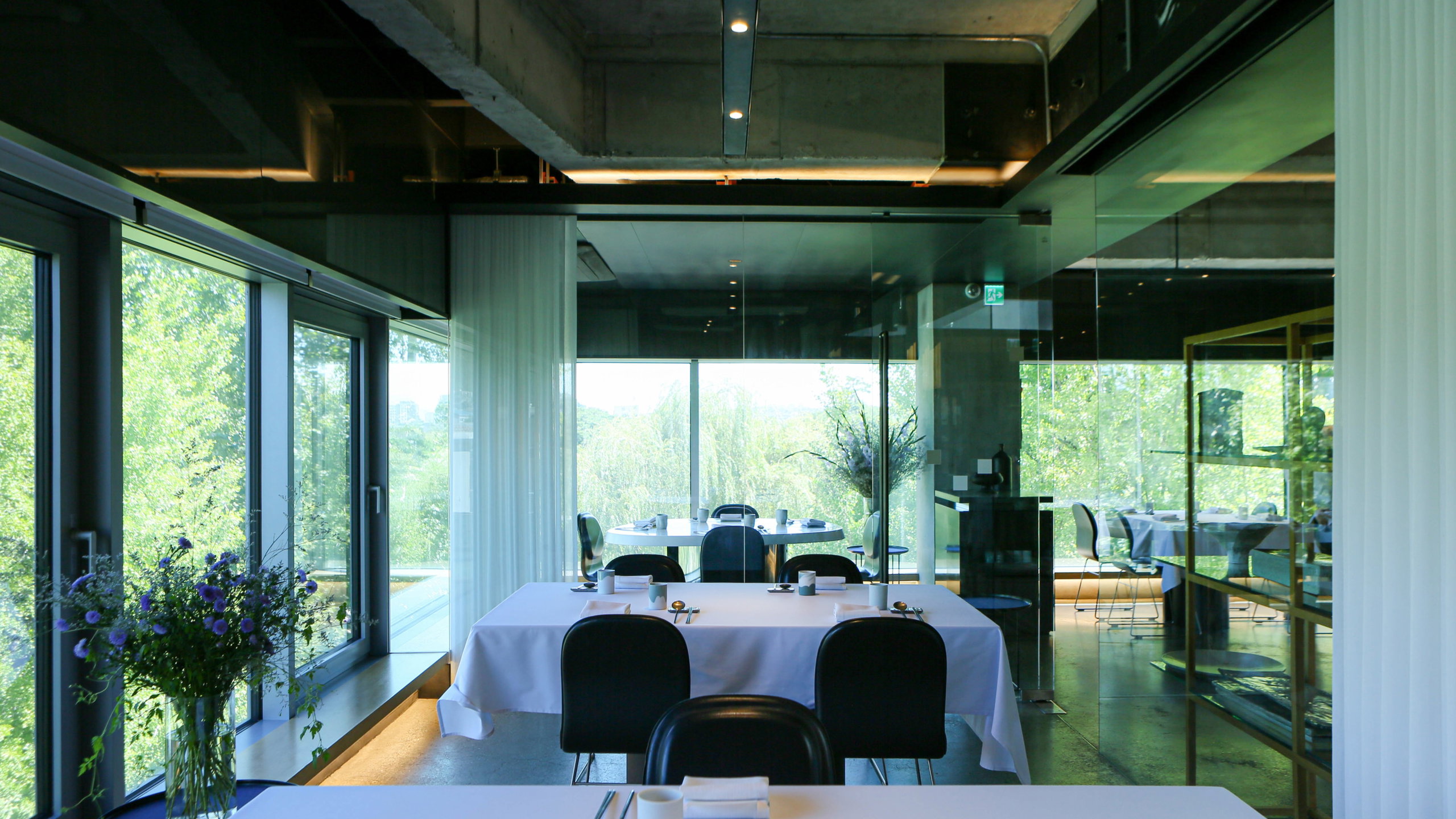
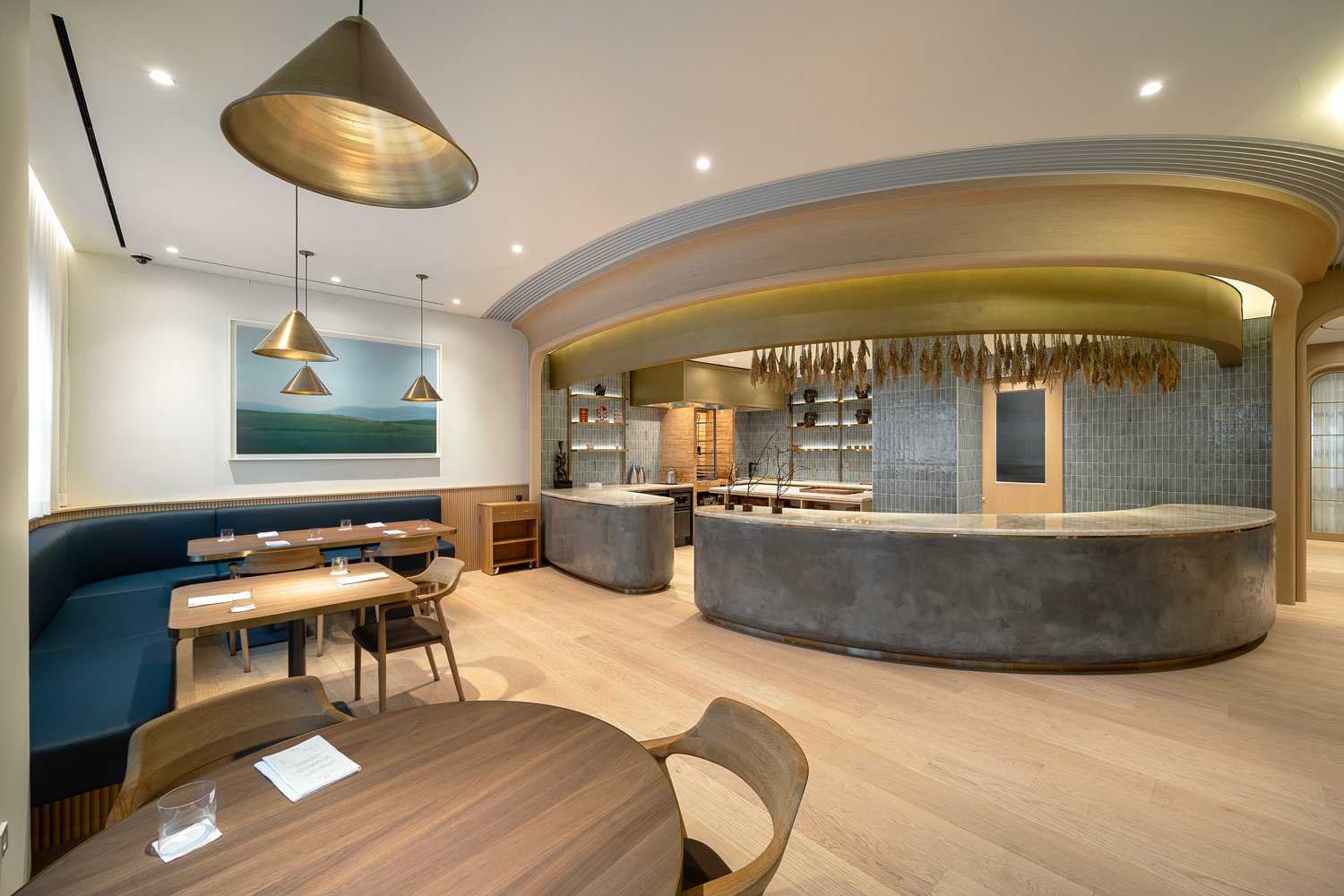
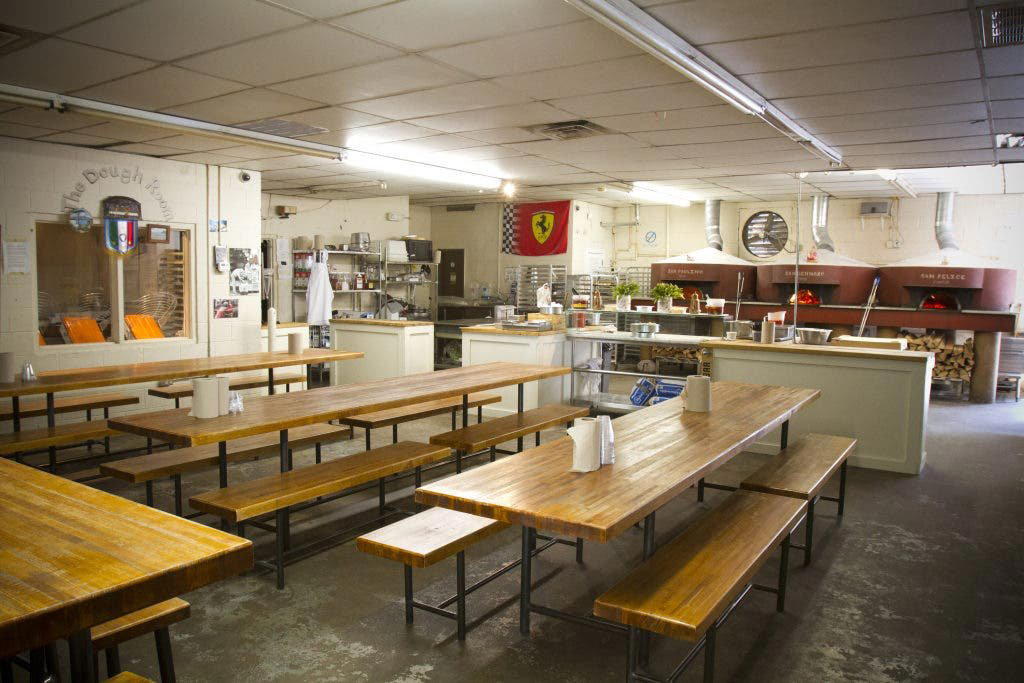
Warm, inviting atmosphere with an open kitchen showcasing dumpling preparation, traditional floor seating options, and a comforting, no-frills comfort food vibe.
Tags
Vibe
Best For
Experience
At the Table
- Dress Code
- Casual
- Noise Level
- Conversational
- Service Style
- Casual
- Meal Pacing
- Standard
- Capacity
- Small
- Kitchen
- Traditional
- Menu Format
- A la carte
Signature Dishes
- Sagol Kalguksu
- Wang Mandu
Know before you go
Know Before You Go
- Getting there
- 78 Bukchon-ro 5-gil, Jongno District, Seoul, South Korea
Planning details
Location
78 Bukchon-ro 5-gil, Jongno District, Seoul, South Korea · Directions
Recognition and awards
Also consider
Also Consider
- Solbam, Contemporary, ₩₩₩₩
- Onjium, Korean, ₩₩₩₩
- 7th Door, Korean, Contemporary, ₩₩₩₩
- L'Amitié, French, ₩₩₩
- Zero Complex, Korean-French, Innovative, ₩₩₩₩
Restaurant context
Against Seoul's higher-end dining options, Hwangsaengga Kalguksu operates in a different category entirely, and that is the point. Solbam, Onjium, 7th Door, and Zero Complex all sit at ₩₩₩₩, meaning a meal there costs multiples of what Hwangsaengga charges per head. If your Seoul trip includes one of those tasting-menu evenings, Hwangsaengga fills a completely different slot: the high-quality lunch or casual dinner where you are not managing a reservation window or a dress consideration. The two categories are not in competition.
L'Amitié at ₩₩₩ sits in the middle ground, and for diners choosing between a French-influenced mid-range dinner and a Bib Gourmand kalguksu lunch, the decision comes down to format. L'Amitié requires more planning and a larger spend; Hwangsaengga is lower friction on both counts. For value per won spent, Hwangsaengga is the stronger answer in its tier, backed by the 2025 Bib Gourmand rather than word of mouth alone.
Among the ₩₩₩₩ set, Onjium is the most direct reference point for traditional Korean technique taken seriously, and it represents what Hwangsaengga's discipline looks like when applied to a fine-dining format and budget. If you want to understand Korean culinary craft at two price extremes during a single Seoul trip, pairing a Hwangsaengga lunch with an Onjium dinner is a more instructive sequence than either visit alone. Book Hwangsaengga on the same day you arrive; book Onjium weeks in advance.
Explore Seoul
Around this place
Discover more on Pearl
Unlock the full Hwangsaengga Kalguksu guide in Pearl, including awards, comparisons, FAQs, planning details, and nearby places.
Compare Hwangsaengga Kalguksu
| Venue | Cuisine | Price | Booking Difficulty | Awards |
|---|---|---|---|---|
| Hwangsaengga Kalguksu | Kalguksu | ₩ | Easy | Michelin Guide Seoul & Busan 20262025 Michelin Bib Gourmand2024 Michelin Bib Gourmand |
| Solbam | Contemporary | ₩₩₩₩ | Unknown | 2026 Asia's 50 Best Restaurants · #552026 Wine Spectator Best of Award of Excellence2026 OAD Top Restaurants in Asia RecommendedMichelin Guide Seoul & Busan 20262026 La Liste Top Restaurants2025 Asia's 50 Best Restaurants · #552025 OAD Top Restaurants in Asia Ranked · #277Tatler Best Restaurants Asia-Pacific 20252025 Wine Spectator Best of Award of Excellence |
| Onjium | Korean | ₩₩₩₩ | Unknown | 2026 Asia's 50 Best Restaurants · #142026 OAD Top Restaurants in Asia Ranked · #852026 La Liste Top RestaurantsMichelin Guide Seoul & Busan 20262026 Wine Spectator Best of Award of Excellence2025 Asia's 50 Best Restaurants · #102025 World's 50 Best Restaurants · #572025 OAD Top Restaurants in Asia Ranked · #1342025 La Liste Top Restaurants |
| 7th Door | Korean, Contemporary | ₩₩₩₩ | Unknown | 2026 Asia's 50 Best Restaurants · #492026 OAD Top Restaurants in Asia Ranked · #842026 Black Pearl 1 DiamondMichelin Guide Seoul & Busan 20262026 La Liste Top Restaurants2025 Asia's 50 Best Restaurants · #232025 Michelin 1 Star2025 La Liste Top Restaurants2024 OAD Top Restaurants in Asia Ranked · #192 |
| L'Amitié | French | ₩₩₩ | Unknown | 2026 La Liste Top Restaurants2025 La Liste Top Restaurants2025 Michelin 1 Star2024 Michelin 1 Star |
| Zero Complex | Korean-French, Innovative | ₩₩₩₩ | Unknown | Star Wine Lists 20262026 OAD Top Restaurants in Asia Recommended2026 La Liste Top Restaurants2025 OAD Top Restaurants in Asia Ranked · #1992025 La Liste Top Restaurants2025 Michelin 1 Star2025 The Best Chef One Knife2024 OAD Top Restaurants in Asia Ranked · #2792024 Michelin 1 Star |










How Hwangsaengga Kalguksu stacks up against the competition.
FAQ
Frequently Asked Questions
Can I eat at the bar at Hwangsaengga Kalguksu?
Bar seating is not documented. Hwangsaengga Kalguksu is a traditional kalguksu specialist in the Jongno District, and seating formats at this style of restaurant are typically table-based rather than counter-focused. If solo dining is your concern, small tables for one are common at Bib Gourmand-level noodle spots in Seoul — arriving early in the service window is the practical move here.
What should a first-timer know about Hwangsaengga Kalguksu?
Come for the noodles, not the occasion. Hwangsaengga Kalguksu earned Michelin Bib Gourmand in both 2024 and 2025 — that recognition is specifically for high-quality food at accessible prices, which puts the ₩ price point in context. Located at 78 Bukchon-ro 5-gil in Jongno District, it sits in a walkable historic neighbourhood, so pair it with time in Bukchon. Kalguksu is a lean, broth-forward format; if you want a multi-course Korean meal, this is not that.
Can Hwangsaengga Kalguksu accommodate groups?
Groups of four to six should be manageable at a venue of this format, but large parties are likely a poor fit. Bib Gourmand noodle shops in Seoul typically run compact dining rooms with high turnover, and a ₩ price point signals a no-frills setup rather than private-dining infrastructure. For a group dinner with more space and flexibility, Onjium in the same Jongno neighbourhood is a stronger call — Hwangsaengga is better suited to a quick, satisfying lunch stop for two to four people.
What is Hwangsaengga Kalguksu known for?
Hwangsaengga Kalguksu is primarily known for Kalguksu in Seoul.