
Hwanggeum Kongbat
Dubu · 북아현동, Seoul
Restaurant in Seoul, South Korea
 Book with Pearl
The Read
Dawn-Made Bean Curd
Price
$20–30per person
Dress
Casual
Why go
A Michelin Bib Gourmand dubu specialist in Mapo-gu making handmade bean curd from scratch every morning. At the ₩ price tier, it's one of Seoul's clearest examples of a single ingredient done with real commitment. Book it as a counterpoint to the city's tasting-menu circuit — it earns its place on any serious Seoul itinerary.
About Hwanggeum Kongbat
Who Should Book Hwanggeum Kongbat
If you've eaten your way through Seoul's more obvious dining destinations and want to understand what Korean everyday cooking looks like at its most considered, Hwanggeum Kongbat in Ahyeon-dong is worth your time. This is a place for the repeat Seoul visitor who has already done the tasting menus and wants something that feels genuinely local: a small, no-frills spot where handmade dubu (bean curd) is the entire reason to show up. The Michelin Bib Gourmand recognition for 2024 confirms it punches above its price point, which sits at the lowest tier on any Seoul dining budget.
What Hwanggeum Kongbat Is
Hwanggeum Kongbat is a dubu specialist in Mapo-gu, a western Seoul neighbourhood that doesn't draw the tourist foot traffic of Insadong or Gangnam but carries a strong local food culture. The kitchen makes its bean curd from scratch every morning, starting before dawn, using locally sourced soybeans processed into an unusually thick soymilk. The coagulant is dialled back deliberately, which produces a curd that's notably creamier and richer in soybean flavour than what you'd encounter in most tofu dishes across the city. Alongside the dubu, the proprietor prepares homemade doenjang jjigae (soybean paste stew) and makgeolli (unrefined rice wine), giving the menu a coherent, fermentation-led identity.
The kitchen's approach to bean curd is worth understanding before you visit. Korean dubu exists on a spectrum from the soft silken blocks sold in supermarkets to firmer, nuttier house-made versions found in specialist restaurants. What Hwanggeum Kongbat produces sits firmly at the artisanal end: the extra-thick soymilk and lower coagulant ratio create a texture that's set but yielding, with a pronounced nuttiness that factory-produced tofu doesn't have. That nuttiness is the scent that greets you when the kitchen is in full production — warm, slightly sweet, with the faint earthiness of soybeans just cooked down. It's a low-key sensory signal, but it tells you immediately that this is a working kitchen, not a decorative one.
The Counter and How to Use It
Hwanggeum Kongbat is a small, counter-style operation, and the counter matters here in the way it matters at any place where the food is made daily and in limited quantity. Sitting at the counter (or in close proximity to the kitchen's production rhythm) means you're eating food that was made hours earlier the same morning, not reheated from a batch that's been sitting since the previous day. For a product as delicate as fresh dubu, that timing is everything. If you've been once and ordered cautiously, the next visit is the time to commit: order the dubu on its own first, before the stew, so you can assess the day's batch without the dominant savoury weight of the doenjang broth. Follow it with the jjigae and a cup of makgeolli to finish.
The makgeolli pairing is practical, not just traditional. Unrefined rice wine has a slight acidity and effervescence that cuts through the richness of both the bean curd and the paste stew. It's the kind of pairing that makes sense once you've tried it, and at this price tier, you're not paying a premium for it.
How Hwanggeum Kongbat Fits Into a Seoul Itinerary
Seoul has a strong infrastructure for serious dining at every budget level. At the high end, restaurants like Mingles, Jungsik, and Kwonsooksoo offer multi-course Korean tasting menus with international recognition. At the opposite end, Hwanggeum Kongbat exists in a category those restaurants can't replicate: genuinely artisanal, ingredient-obsessed, neighbourhood cooking where the entire operation centres on a single product made well. Think of Baek Nyun Ok as a comparable spirit in a different category, or look at how alla prima approaches product-led simplicity from an innovative angle. Hwanggeum Kongbat is the most direct expression of that philosophy.
For travellers building a broader South Korea itinerary, the food culture that Hwanggeum Kongbat represents connects to temple food traditions found at places like Baegyangsa Temple in Jangseong-gun and to the ingredient-forward approach you'll find at Mori in Busan. Seoul rewards the visitor who moves between price tiers deliberately rather than staying in one register throughout. See our full Seoul restaurants guide for how to structure that, and check our Seoul hotels guide, bars guide, and experiences guide for the rest of the trip.
If Mapo-gu is new to you, it's worth noting that the neighbourhood sits west of the Han River in a part of the city that functions primarily for residents rather than tourists. That's a feature, not a drawback. You won't be eating next to a tour group.
Know Before You Go
- Cuisine
- Dubu (handmade bean curd), doenjang jjigae, makgeolli
- Price
- ₩ — among the most affordable dining options in Seoul
- Michelin Status
- Bib Gourmand 2024
- Location
- 9 Mapo-daero 16-gil, Mapo-gu, Seoul (Ahyeon-dong area)
- Booking Difficulty
- Easy, walk-ins are likely feasible given the neighbourhood and format
- Leading For
- Solo diners, couples, repeat Seoul visitors, food-focused travellers
- Dress Code
- No dress code, casual neighbourhood setting
How It Compares
See the comparison section below for how Hwanggeum Kongbat sits against Seoul's broader dining field. For additional context on the city's leading end, 권숙수 - Kwon Sook Soo in Gangnam-gu and Atomix in New York City (for the diaspora reference point) show what the Korean fine-dining format looks like at maximum ambition. Hwanggeum Kongbat operates in a completely different register, but the Bib Gourmand places it in company with some of the most value-consistent addresses in the Michelin Korea guide. That's meaningful context for calibrating expectations: this is not a destination for technique display or long tasting formats, but for a single product executed at a level that earned external recognition.
Planning details
- Location
- 9 Mapo-daero 16-gil, Mapo-gu, Seoul, South Korea
- Phone
- +82 2-313-2952
The take
The Take
The Vibe
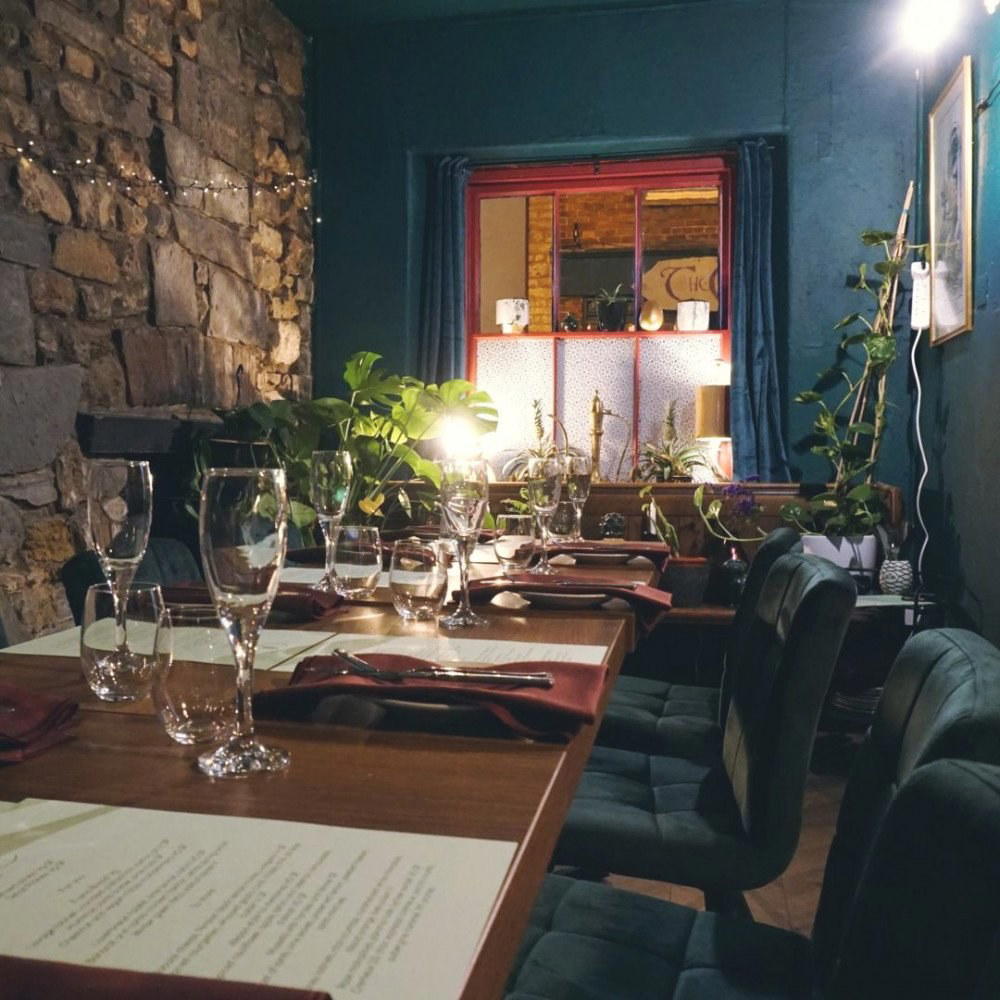
Hwanggeum Kongbat reads like a maker’s workshop that doubles as a modest neighborhood restaurant. The space feels rooted in process: soy is heated and curds are set the way they have been for generations, and that tactile production gives the place a rustic, warm intimacy. The early-morning rhythm and the aroma of warm soy lend a quiet, domestic charm rather than any performative culinary theater. It’s unshowy and focused — a Bib Gourmand pocket of craft tucked into a residential block where the food’s integrity, not trendiness, defines the atmosphere.
Best For
This is a venue for uncomplicated, everyday visits rather than formal celebrations. It suits early risers and people who appreciate artisanal, ingredient-driven cooking — neighbors popping in, family groups comfortable with home-style Korean preparations, and travelers seeking an authentic slice of Seoul’s food culture. The single-won price positioning and Bib Gourmand recognition make it an appealing option for budget-conscious diners who want serious craft without a high price tag. Visits feel informal and domestic: arrive with a relaxed attitude and a taste for housemade dubu.
Ordering Tips
Focus on the house specialities: the restaurant concentrates on dubu in multiple forms, so try the taut signature preparations such as Saeng Dubu and Dubu Jeon alongside fermented favorites like Cheonggukjang. Because the kitchen emphasizes same-day, handmade tofu, arriving earlier in the morning increases the odds of sampling the freshest curds. The menu’s tight focus means quality varies more by batch than by gimmick — let the staff steer you toward what’s been freshly produced that day and expect honest, straightforward portions at modest prices.
Venue details
Ambiance
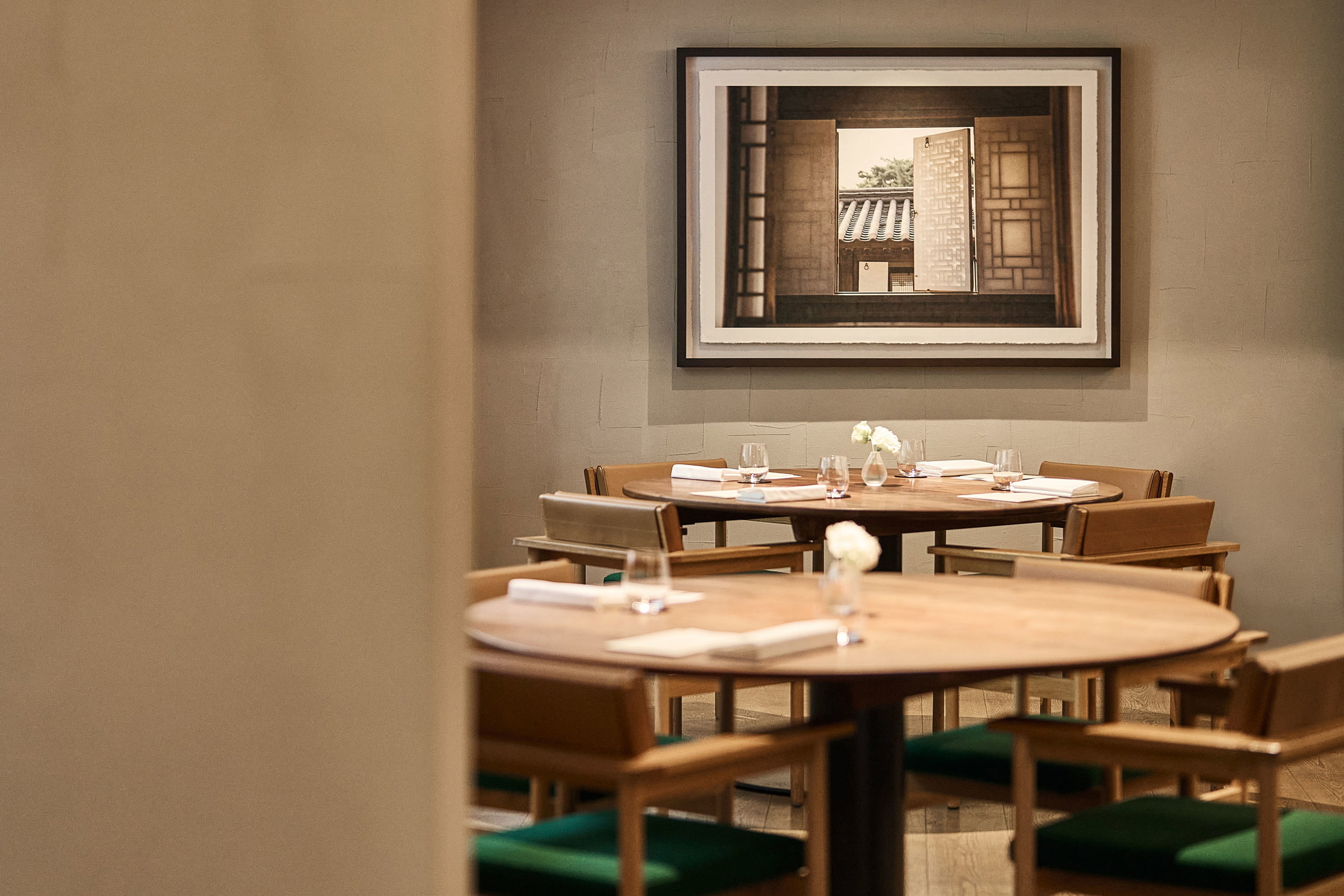
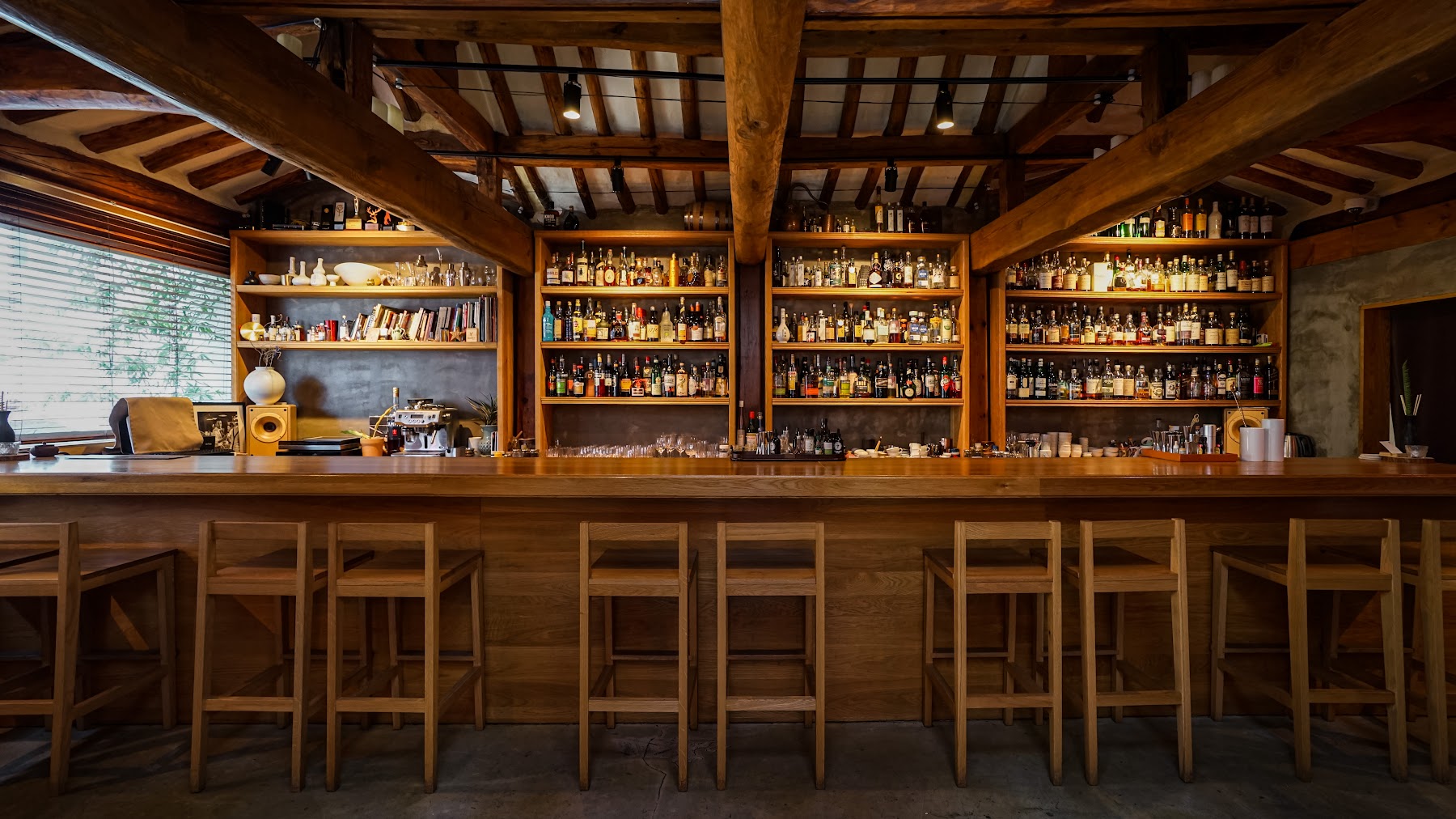
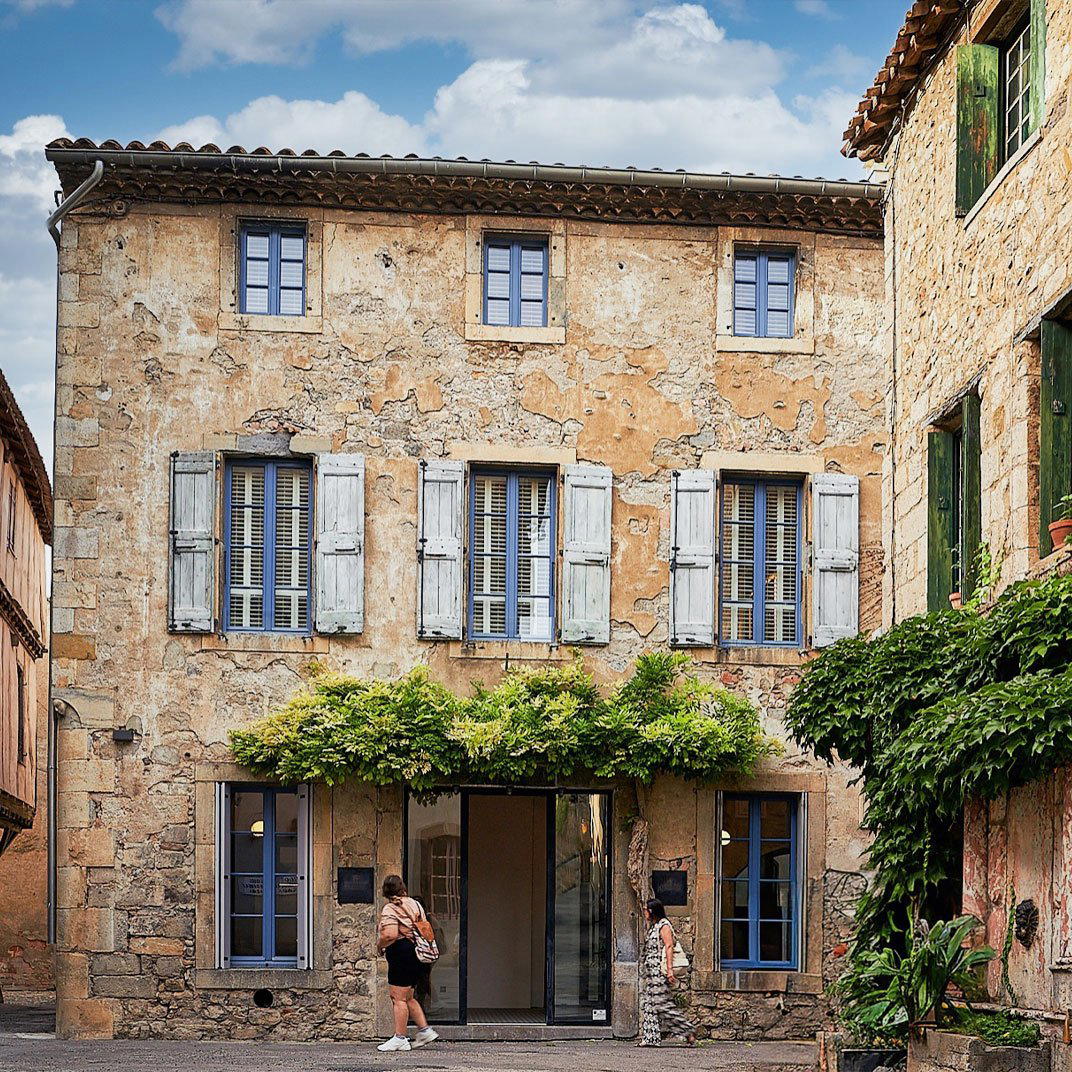
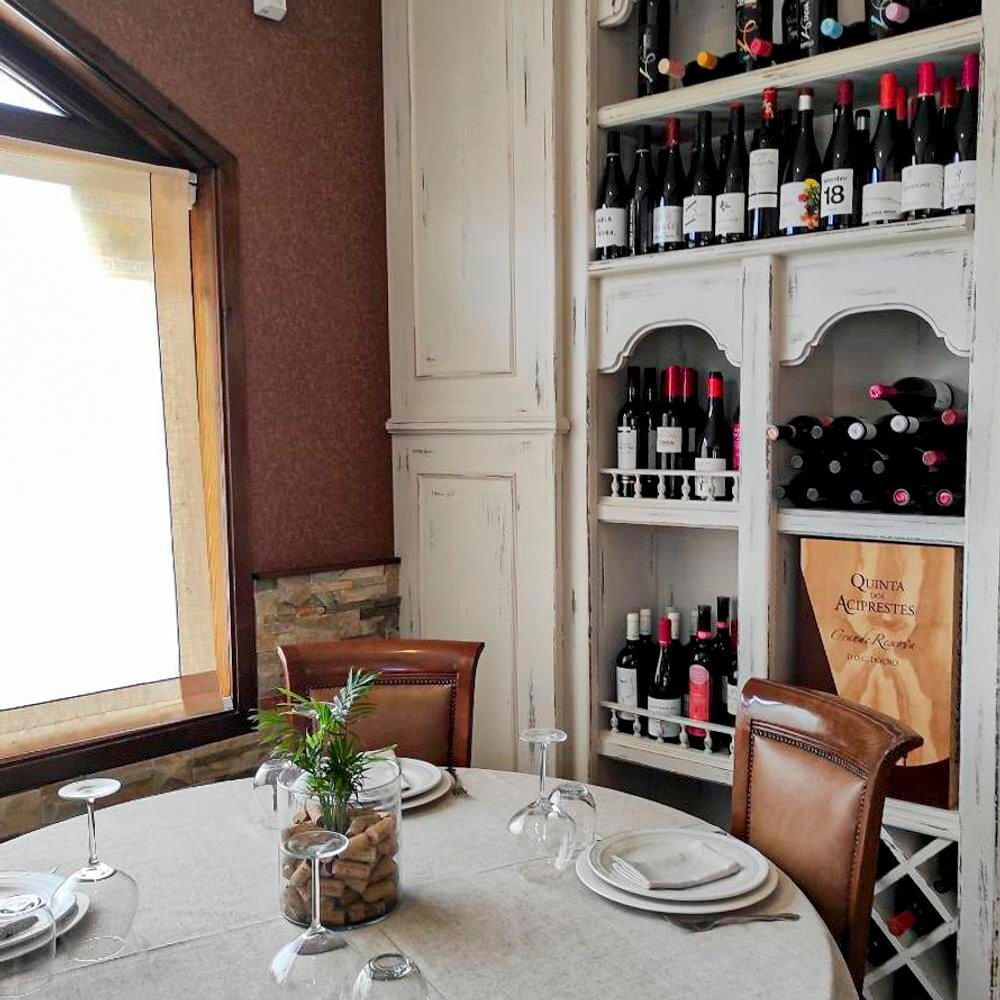
Warm and welcoming traditional house atmosphere with garden entrance, cozy and elegant setting.
Tags
Vibe
Best For
Sourcing
View
At the Table
- Dress Code
- Casual
- Noise Level
- Quiet
- Service Style
- Upscale Casual
- Meal Pacing
- Standard
- Capacity
- Small
- Kitchen
- Traditional
- Menu Format
- A la carte
- Wine Program
- Curated
- Dietary
- Vegetarian friendly
Signature Dishes
- Jjabak-Dubu
- Cheonggukjang
- Saeng Dubu
- Dubu Jeon
Know before you go
Know Before You Go
- Getting there
- 9 Mapo-daero 16-gil, Mapo-gu, Seoul, South Korea
Planning details
Location
9 Mapo-daero 16-gil, Mapo-gu, Seoul, South Korea · Directions
Recognition and awards
Also consider
Also Consider
- Solbam, Contemporary, ₩₩₩₩
- Onjium, Korean, ₩₩₩₩
- 7th Door, Korean, Contemporary, ₩₩₩₩
- L'Amitié, French, ₩₩₩
- Zero Complex, Korean-French, Innovative, ₩₩₩₩
Restaurant context
Hwanggeum Kongbat sits in a completely different price and format category from most of Seoul's recognised dining addresses. Solbam, Onjium, 7th Door, and Zero Complex all operate at ₩₩₩₩, with advance booking requirements, multi-course formats, and price points that reflect that positioning. L'Amitié at ₩₩₩ sits closer to the middle. Hwanggeum Kongbat at ₩ is in a different conversation entirely: it's not competing with tasting-menu Seoul, it's competing with other neighbourhood specialists, and within that set the Michelin Bib Gourmand 2024 recognition give it clear standing.
If your Seoul trip is built around high-concept Korean cuisine, Onjium and Kwonsooksoo are the more appropriate bookings, and both reward advance planning. If you want contemporary innovation with French technique woven in, Zero Complex and 7th Door are the right calls. But if you've done that tier and want to understand what product-obsessed neighbourhood cooking looks like in Seoul at minimal cost, Hwanggeum Kongbat is the correct choice. It doesn't overlap with those venues in any meaningful way, it complements them.
The most useful comparison within the ₩ tier is other Bib Gourmand addresses in Seoul rather than the fine-dining set. In that company, the focus on a single house-made product (fresh dubu) gives Hwanggeum Kongbat a clearer identity than many of its Bib Gourmand peers, which tend toward broader menus. For value-focused diners, it's one of the more purposeful stops on the Michelin Korea list.
Explore Seoul
Around this place
Discover more on Pearl
Unlock the full Hwanggeum Kongbat guide in Pearl, including awards, comparisons, FAQs, planning details, and nearby places.
Compare Hwanggeum Kongbat
| Venue | Cuisine | Price | Booking Difficulty | Awards |
|---|---|---|---|---|
| Hwanggeum Kongbat | Dubu | ₩ | Easy | 2025 Michelin Bib Gourmand2024 Michelin Bib Gourmand |
| Solbam | Contemporary | ₩₩₩₩ | Unknown | 2026 Asia's 50 Best Restaurants · #552026 Wine Spectator Best of Award of Excellence2026 OAD Top Restaurants in Asia RecommendedMichelin Guide Seoul & Busan 20262026 La Liste Top Restaurants2025 Asia's 50 Best Restaurants · #552025 OAD Top Restaurants in Asia Ranked · #277Tatler Best Restaurants Asia-Pacific 20252025 Wine Spectator Best of Award of Excellence |
| Onjium | Korean | ₩₩₩₩ | Unknown | 2026 Asia's 50 Best Restaurants · #142026 OAD Top Restaurants in Asia Ranked · #852026 La Liste Top RestaurantsMichelin Guide Seoul & Busan 20262026 Wine Spectator Best of Award of Excellence2025 Asia's 50 Best Restaurants · #102025 World's 50 Best Restaurants · #572025 OAD Top Restaurants in Asia Ranked · #1342025 La Liste Top Restaurants |
| 7th Door | Korean, Contemporary | ₩₩₩₩ | Unknown | 2026 Asia's 50 Best Restaurants · #492026 OAD Top Restaurants in Asia Ranked · #842026 Black Pearl 1 DiamondMichelin Guide Seoul & Busan 20262026 La Liste Top Restaurants2025 Asia's 50 Best Restaurants · #232025 Michelin 1 Star2025 La Liste Top Restaurants2024 OAD Top Restaurants in Asia Ranked · #192 |
| L'Amitié | French | ₩₩₩ | Unknown | 2026 La Liste Top Restaurants2025 La Liste Top Restaurants2025 Michelin 1 Star2024 Michelin 1 Star |
| Zero Complex | Korean-French, Innovative | ₩₩₩₩ | Unknown | Star Wine Lists 20262026 OAD Top Restaurants in Asia Recommended2026 La Liste Top Restaurants2025 OAD Top Restaurants in Asia Ranked · #1992025 La Liste Top Restaurants2025 Michelin 1 Star2025 The Best Chef One Knife2024 OAD Top Restaurants in Asia Ranked · #2792024 Michelin 1 Star |










A quick look at how Hwanggeum Kongbat measures up.
FAQ
Frequently Asked Questions
How far ahead should I book Hwanggeum Kongbat?
Hwanggeum Kongbat is a small counter operation in Ahyeon-dong, and its Michelin Bib Gourmand recognition means it fills quickly. Book at least a week ahead where possible. Walk-in chances are better on weekday mornings, but tofu made from scratch daily in limited quantities means the kitchen can sell out before lunch ends — arrive early to be safe.
What should I wear to Hwanggeum Kongbat?
Casual clothes are the right call. Hwanggeum Kongbat is a neighbourhood dubu spot in Mapo-gu, not a fine-dining room — the food is rustic and homemade, and the setting matches. Comfortable everyday wear is entirely appropriate.
Is Hwanggeum Kongbat good for solo dining?
Yes. Counter-style seating suits solo diners well, and a single bowl of freshly made bean curd or soybean paste stew is a complete meal. At a ₩ price point, there's no pressure to order multiple dishes to justify a table.
Is Hwanggeum Kongbat worth the price?
At ₩ pricing with a Michelin Bib Gourmand (2024), the value case is straightforward. You're paying everyday-meal prices for tofu made fresh that morning from extra-thick soymilk and carefully calibrated coagulant levels. Few places in Seoul offer this kind of craft at this price tier.
What are alternatives to Hwanggeum Kongbat in Seoul?
If you want dubu at a similar price and craft level, Seoul's traditional market areas have comparable specialists, though few hold Bib Gourmand recognition. For a broader Korean home-cooking experience at a step up in formality, Onjium offers traditional Korean cuisine in a more composed setting. Hwanggeum Kongbat is the stronger call if your focus is specifically on bean curd and everyday Korean staples.
What should I order at Hwanggeum Kongbat?
The fresh bean curd is the reason to come — it's made from scratch each morning using extra-thick soymilk and reduced coagulant, which produces a creamier, nuttier result than standard commercial tofu. The homemade soybean paste stew and unrefined rice wine are also made in-house and worth ordering alongside it.