
Haobin
Chinese · 을지로동, Seoul
Restaurant in Seoul, South Korea
 Book with Pearl
The Read
Cantonese Refinement, Seoul Lineage
Price
$150–200per person
Chef
Hu Deok-juk
Dress
Smart Casual
Why go
Haobin is Seoul's most historically significant Chinese fine dining restaurant, holding a Michelin star (2024) and credited with introducing Buddha Jumps Over the Wall to Korea. At ₩₩₩₩, it earns its price on kitchen quality alone, but book two to three weeks out minimum: demand is high and walk-ins are not realistic.
About Haobin
Seoul's Most Serious Chinese Restaurant, If You Can Get a Table
There is a particular kind of restaurant that earns its reputation not through novelty but through absolute commitment to doing one thing over decades. Haobin, on Dongho-ro in Jung District, is that restaurant for Korean-Chinese cuisine. The name translates from Chinese as "precious guests": a framing that sets the tone before you sit down. Chef Hu Deok-juk is credited with introducing Buddha Jumps Over the Wall to Korea, and that dish remains the centrepiece of what Haobin offers: high-end Cantonese cooking with genuine historical weight. The Michelin star it holds (2024) reflects exactly what you would expect from a room of this calibre. The question is whether the experience justifies the ₩₩₩₩ price point, and for the right diner, it does.
What Haobin Actually Is
Haobin sits in a category that has few direct comparators in Seoul: formal, Chinese, and expensive in a way that is more about craft than decor theatre. The restaurant's repertoire includes braised whole sea cucumber with Sichuanese sauce and fried noodles with stir-fried seafood, but the dish that defines Haobin's identity is the Buddha Jumps Over the Wall soup. This is a Cantonese preparation that requires long, careful cooking and premium ingredients, abalone, sea cucumber, fish maw, and dried scallop are typical components, and Chef Hu's version is the one that established the dish in the Korean fine dining consciousness. The emphasis throughout the menu is on the integrity of individual ingredients rather than elaborate saucing or transformation, which puts the kitchen's sourcing decisions under direct scrutiny. At this price level, that is exactly where the pressure should be. For food and travel enthusiasts who have eaten serious Cantonese cooking in Hong Kong or Guangzhou, Haobin offers a Seoul-specific lens on that tradition that is worth experiencing on its own terms, not as a lesser copy but as a developed interpretation with its own history.
Service and Whether It Earns the Price
At ₩₩₩₩, you are paying for more than food. The name "Haobin" signals an explicit service promise, the guest is precious, and that philosophy is central to what the restaurant claims to offer. Service at this level should do specific things: read the table without prompting, guide unfamiliar diners through the menu without condescension, and manage the pacing of a multi-course Chinese meal with precision. What it does suggest is that the gap between the restaurant's ambition and the diner's experience can be inconsistent. For a room that names itself after the honour of hosting guests, service needs to be the proof of the concept, not the weak point. Diners visiting specifically because of the Michelin recognition should calibrate expectations accordingly: the Michelin Guide listing reflects the kitchen's output, not a guarantee of seamless hospitality. If polished service consistency is your primary criterion at this spend level, Onjium and 7th Door may deliver a more reliable front-of-house experience.
Booking and Timing
Haobin operates two services daily, lunch from 11:30 AM to 2:30 PM and dinner from 6:00 PM to 10:00 PM, seven days a week, which gives you more entry points than many comparable Seoul fine dining rooms. That said, booking difficulty here is rated hard. For dinner, especially Thursday through Saturday, plan to book at minimum two to three weeks out. The lunch service is your leading option if you want a marginally easier reservation and a lower-pressure dining pace. Given that no online booking portal is listed in the available data, plan to reach out directly and confirm your reservation method in advance. Walk-in prospects at this level of demand are poor. If you are building a Seoul itinerary and Haobin is a priority, lock in the date before you finalise flights. For context on Seoul's broader dining calendar and other options to stack around your visit, see our full Seoul restaurants guide.
Who Should Book
Book Haobin if you are a serious food traveller who wants to eat the dish that defined an era of Korean-Chinese fine dining from the chef who introduced it. The Buddha Jumps Over the Wall alone is a historically significant eating experience in this city, and the Michelin star confirms the kitchen is operating at a level that justifies the price on food quality grounds. This is also a reasonable choice for a formal special occasion dinner where the gravitas of the room and the formality of Chinese banquet service tradition matter. It is a less obvious fit if you want a relaxed, modern tasting menu format, for that, Zero Complex or Solbam are better-suited. For other serious Chinese dining in Seoul, Yu Yuan, Crystal Jade, Hong Yuan, Jin Jin, and JUE offer different points on the Chinese cuisine spectrum at various price tiers. If you are interested in how Chinese fine dining translates in other international contexts, Restaurant Tim Raue in Berlin and Mister Jiu's in San Francisco provide instructive comparisons. For planning the rest of a Seoul visit, our Seoul hotels guide, bars guide, and experiences guide are worth consulting alongside options further afield, from Mori in Busan to Double T Dining in Gangneung, Doosoogobang in Suwon, Injegol in Inje County, and Pool House in Incheon.
Planning details
- Hours
- Monday: 11:30 AM-2:30 PM 6 PM-10 PM · Tuesday: 11:30 AM-2:30 PM 6 PM-10 PM
- Location
- 287 Dongho-ro, Jung District, Seoul, South Korea
- Website
- ambatel.com/theambassador/seoul/ko/diningView.do?dining_contents_seq=158
- Phone
- +82 2-2270-3141
The take
The Take
The Vibe
Haobin presents a measured, old‑school formality that reads as deliberate rather than dated. The dining room is oriented toward ceremony, formal service, restrained décor and a focus on provenance, so everything centers on the cooking and its lineage. The kitchen leans on classical Cantonese and Sichuan technique rather than contemporary reinterpretation, and the restaurant’s decades‑long presence and recent Michelin recognition underline a continuity of craft. The overall feel is historically rooted and dignified: a place for diners who prize technical discipline and the quiet assurance of tradition over theatrical trends.
Best For
This is a destination for occasions that demand seriousness: milestone dinners, formal business meals and celebrations where the food is the principal act. With ₩₩₩₩ pricing and a MICHELIN Guide listing, Haobin caters to diners who value provenance, technical rigor and regional Chinese classics delivered with ceremony. It suits small groups or couples seeking a composed, intimate setting rather than a buzzy night out. Expect a paced, service‑led experience that privileges technique and showpiece dishes over casual spontaneity.
Ordering Tips
Focus orders on the restaurant’s signature, technique‑driven items. The menu highlights classics such as Buddha Jumps Over the Wall, braised whole sea cucumber with Sichuanese sauce, and fried noodles with stir‑fried seafood: dishes that reflect the kitchen’s Cantonese and Sichuan roots. The write‑up also calls attention to noodle craft, so prioritize noodle preparations to sample the kitchen’s technical range. Given the formal, occasion‑oriented format and elevated pricing, choose a few standout plates to share and lean on staff recommendations for sequencing and portioning.
Venue details
Ambiance
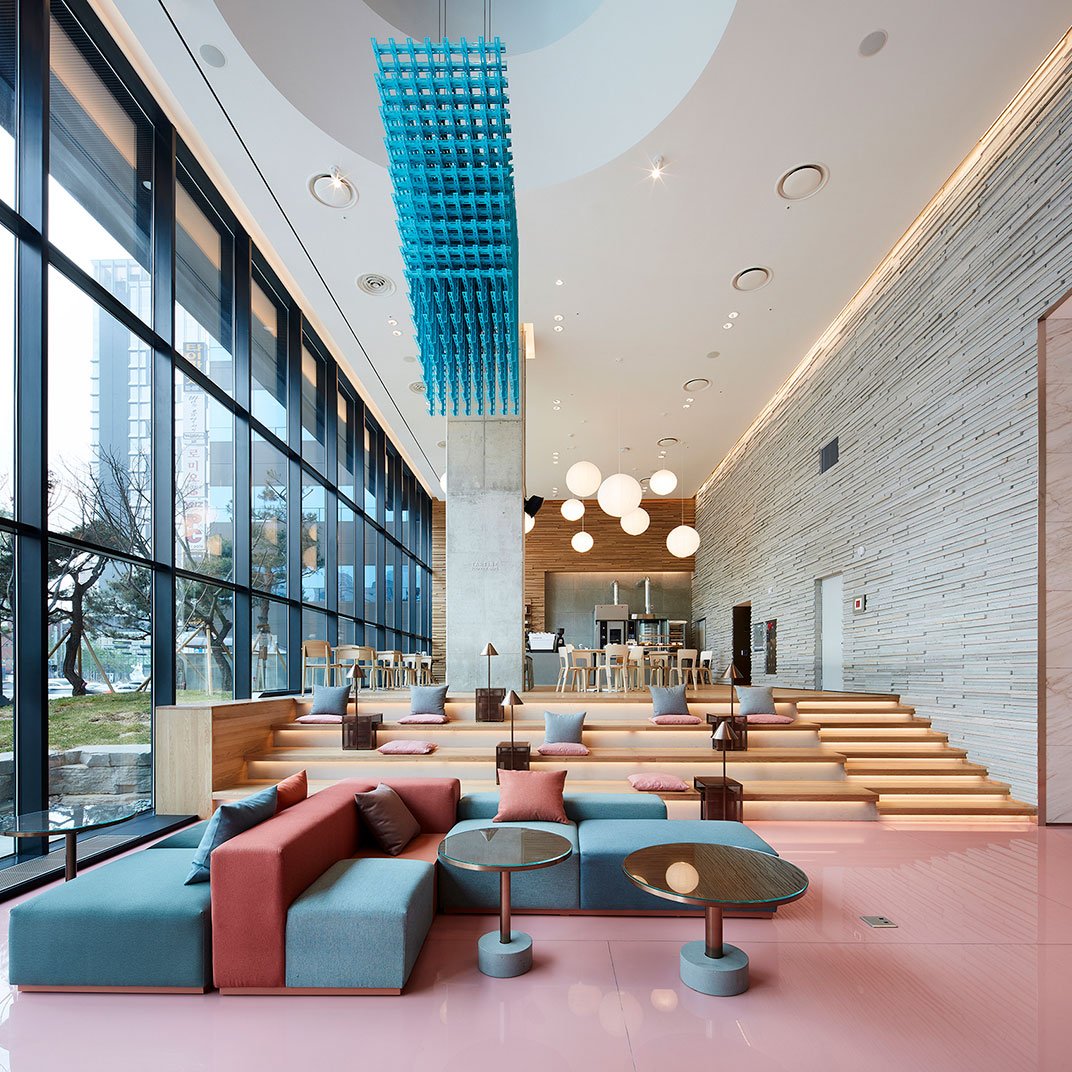
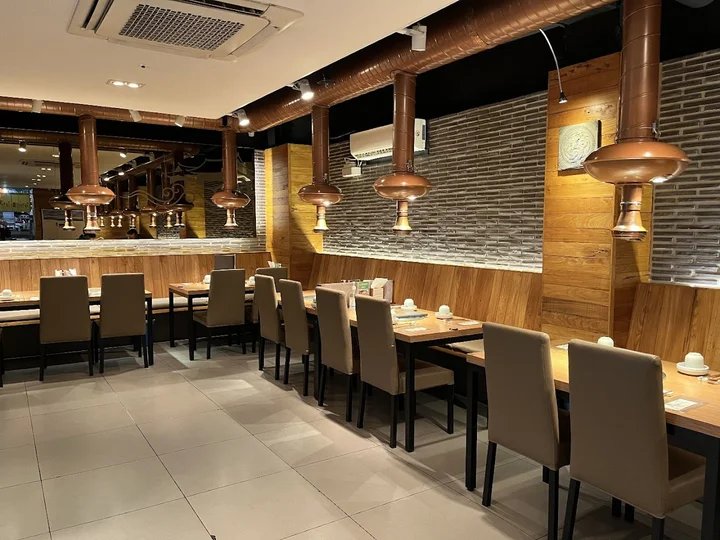
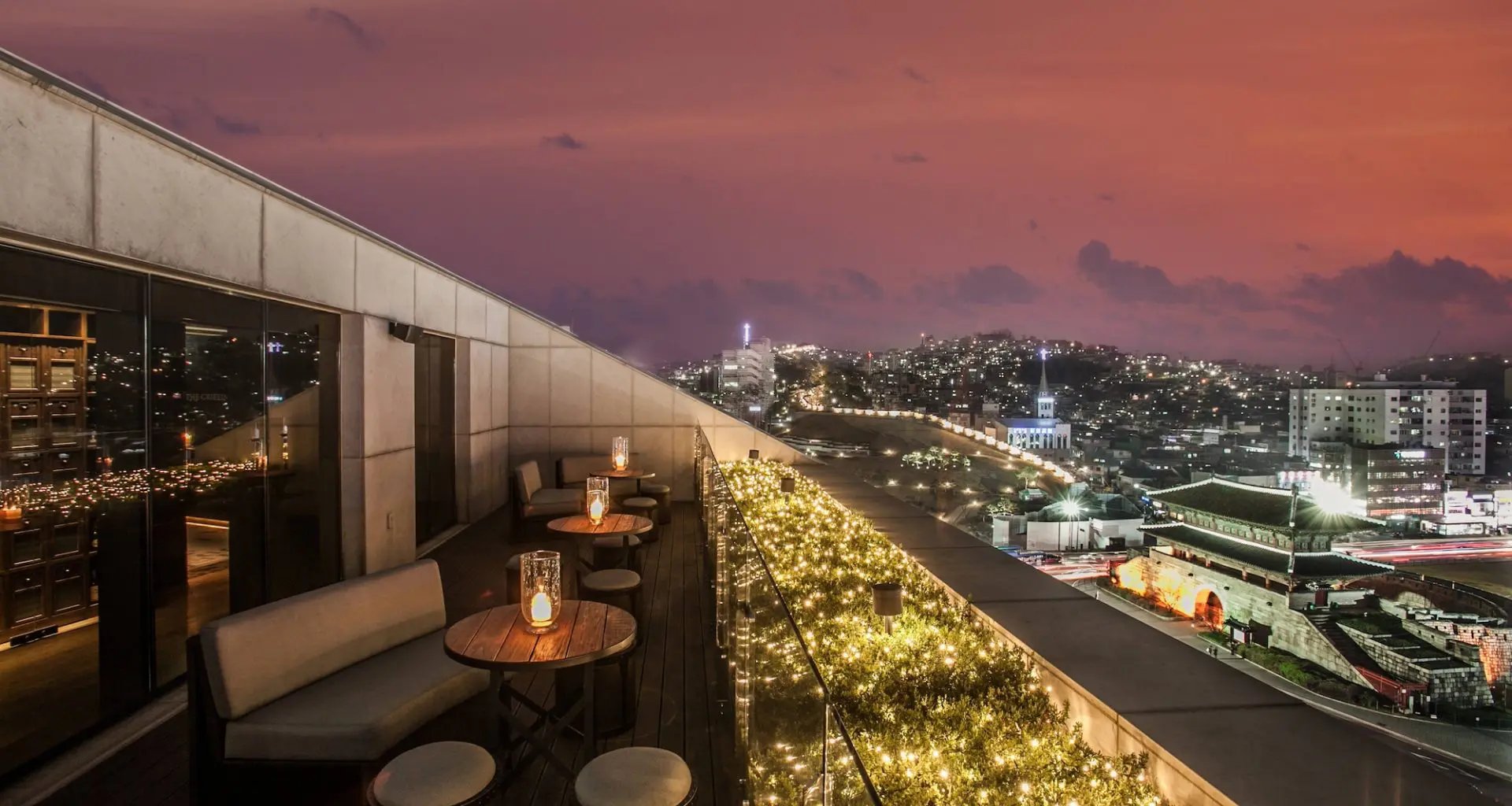
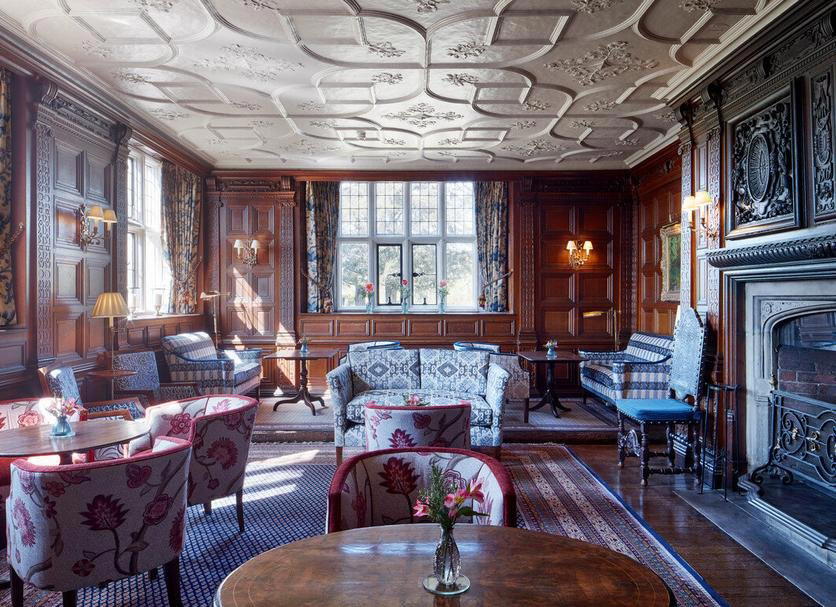
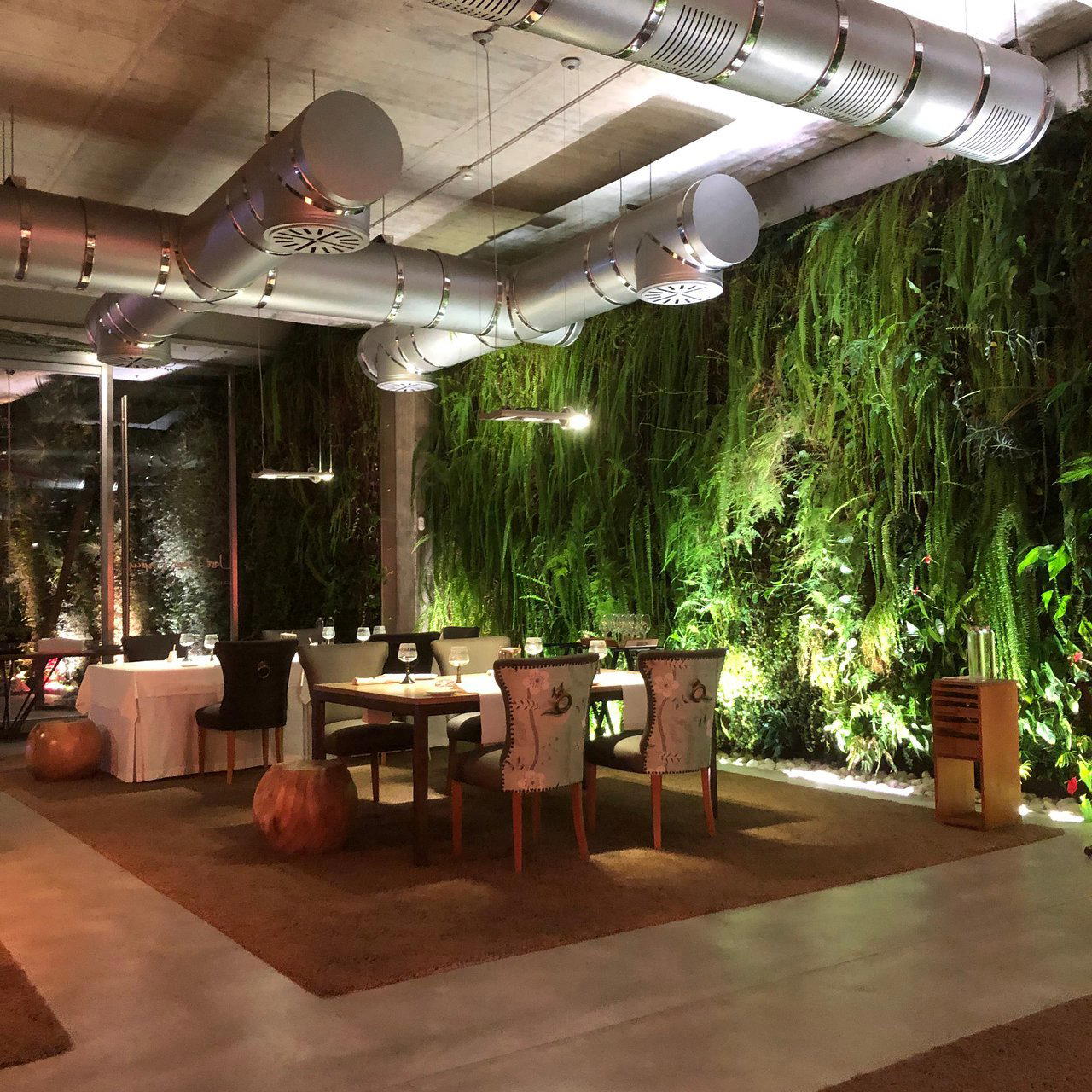
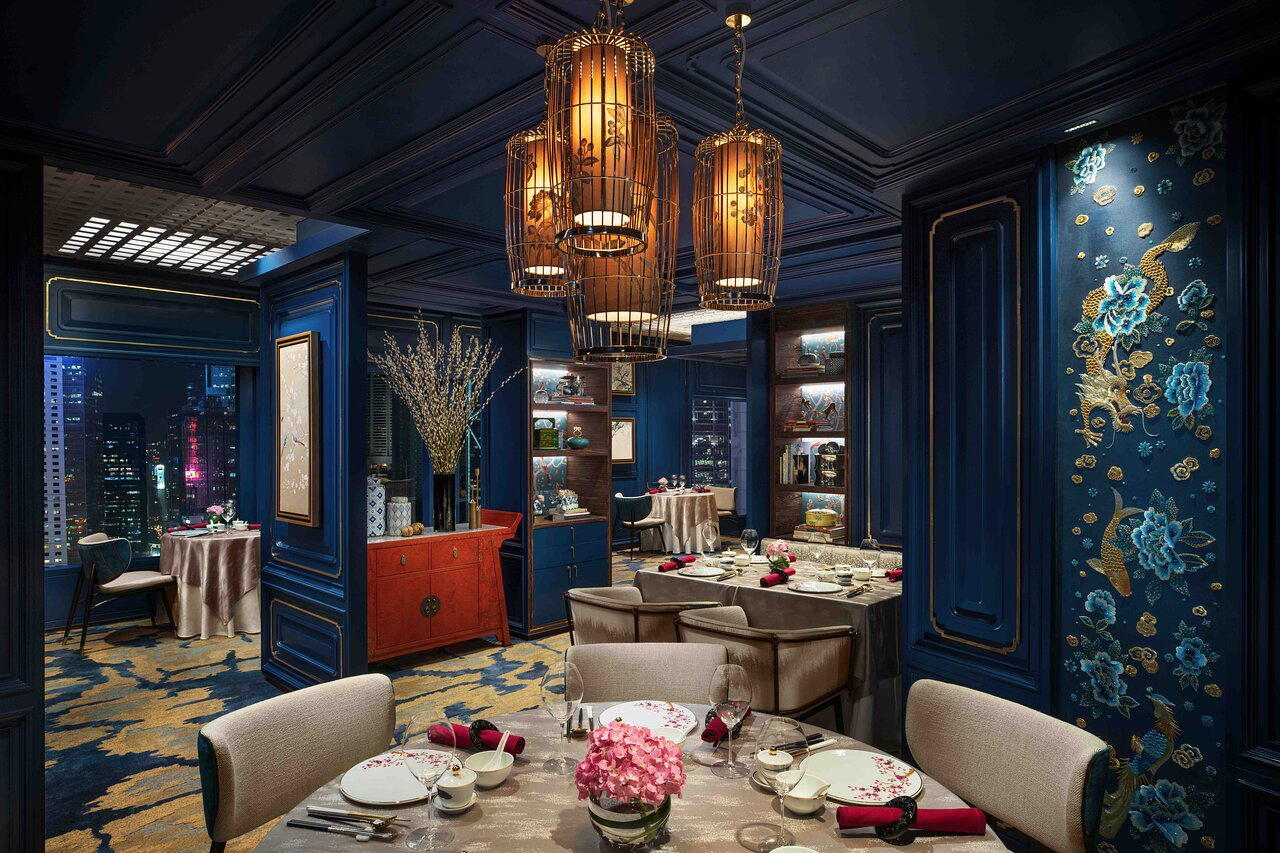
Warmly lit dining room with crystal chandeliers and elegant Chinese tableware, blending Eastern and Western aesthetics in a serene, graceful setting.
Tags
Vibe
Best For
Experience
Sourcing
Accessibility
At the Table
- Dress Code
- Smart Casual
- Noise Level
- Quiet
- Service Style
- Formal
- Meal Pacing
- Leisurely
- Capacity
- Small
- Kitchen
- Traditional
- Menu Format
- Tasting menu, Prix fixe, Family style
- Drinks Focus
- Wine, Beer
- Private Dining
- Available
Signature Dishes
- Buddha Jumps Over the Wall
- braised whole sea cucumber with Sichuanese sauce
- fried noodles with stir-fried seafood
Know before you go
Know Before You Go
- Getting there
- 287 Dongho-ro, Jung District, Seoul, South Korea
Planning details
Hours
- Monday
- 11:30 AM-2:30 PM 6 PM-10 PM
- Tuesday
- 11:30 AM-2:30 PM 6 PM-10 PM
- Wednesday
- 11:30 AM-2:30 PM 6 PM-10 PM
- Thursday
- 11:30 AM-2:30 PM 6 PM-10 PM
- Friday
- 11:30 AM-2:30 PM 6 PM-10 PM
- Saturday
- 11:30 AM-2:30 PM 6 PM-10 PM
- Sunday
- 11:30 AM-2:30 PM 6 PM-10 PM
Location
287 Dongho-ro, Jung District, Seoul, South Korea · Directions
ambatel.com/theambassador/seoul/ko/diningView.do?dining_contents_seq=158
Recognition and awards
Also consider
Also Consider
- 7th Door: Korean, Contemporary, ₩₩₩₩
- Solbam: Contemporary, ₩₩₩₩
- Onjium: Korean, ₩₩₩₩
- L'Amitié: French, ₩₩₩
- Zero Complex: Korean-French, Innovative, ₩₩₩₩
Restaurant context
At ₩₩₩₩, Haobin sits in the same price tier as Onjium, 7th Door, Solbam, and Zero Complex, but it is a different kind of meal. Those four venues are all working within contemporary Korean or Korean-inflected formats: tasting menus with narrative structure, modern plating, and wine programmes built around the progression of courses. Haobin is a formal Chinese restaurant with a deep repertoire and a kitchen philosophy rooted in ingredient integrity rather than conceptual storytelling. If you are choosing between them, the decision comes down to what kind of experience you want: a designed tasting format, or access to a historically significant body of cooking from a chef who has spent decades refining it.
For service polish and front-of-house consistency at ₩₩₩₩, Onjium and 7th Door are safer bets than Haobin based on available signals. Zero Complex and Solbam tend to attract diners who want a modern, designed experience with a clear tasting arc: Haobin does not offer that format. If you want to spend less and still eat well in Seoul, L'Amitié at ₩₩₩ is the most straightforward step down in price without losing fine dining discipline, though it is a French kitchen rather than a Chinese one.
The clearest case for choosing Haobin over its Seoul peers is specificity: nowhere else in the city can you eat the Buddha Jumps Over the Wall from the chef who introduced it to Korea, in a restaurant that has built its identity around that dish for years. That is a narrow reason to book, but for food-focused travellers who care about that kind of depth, it is a compelling one. For anyone whose priority is a versatile, contemporary Seoul fine dining experience rather than a specific culinary tradition, one of the Korean tasting menu restaurants in this tier will likely satisfy more broadly.
Explore Seoul
Around this place
Discover more on Pearl
Unlock the full Haobin guide in Pearl, including awards, comparisons, FAQs, planning details, and nearby places.
Compare Haobin
| Venue | Cuisine | Awards | Booking Difficulty |
|---|---|---|---|
| Haobin | Chinese | Michelin Guide Seoul & Busan 20262025 Michelin 1 Star2024 Michelin 1 Star | Hard |
| 7th Door | Korean, Contemporary | 2026 Asia's 50 Best Restaurants · #492026 OAD Top Restaurants in Asia Ranked · #842026 Black Pearl 1 DiamondMichelin Guide Seoul & Busan 20262026 La Liste Top Restaurants2025 Asia's 50 Best Restaurants · #232025 Michelin 1 Star2025 La Liste Top Restaurants2024 OAD Top Restaurants in Asia Ranked · #192 | Unknown |
| Solbam | Contemporary | 2026 Asia's 50 Best Restaurants · #552026 Wine Spectator Best of Award of Excellence2026 OAD Top Restaurants in Asia RecommendedMichelin Guide Seoul & Busan 20262026 La Liste Top Restaurants2025 Asia's 50 Best Restaurants · #552025 OAD Top Restaurants in Asia Ranked · #277Tatler Best Restaurants Asia-Pacific 20252025 Wine Spectator Best of Award of Excellence | Unknown |
| Onjium | Korean | 2026 Asia's 50 Best Restaurants · #142026 OAD Top Restaurants in Asia Ranked · #852026 La Liste Top RestaurantsMichelin Guide Seoul & Busan 20262026 Wine Spectator Best of Award of Excellence2025 Asia's 50 Best Restaurants · #102025 World's 50 Best Restaurants · #572025 OAD Top Restaurants in Asia Ranked · #1342025 La Liste Top Restaurants | Unknown |
| L'Amitié | French | 2026 La Liste Top Restaurants2025 La Liste Top Restaurants2025 Michelin 1 Star2024 Michelin 1 Star | Unknown |
| Zero Complex | Korean-French, Innovative | Star Wine Lists 20262026 OAD Top Restaurants in Asia Recommended2026 La Liste Top Restaurants2025 OAD Top Restaurants in Asia Ranked · #1992025 La Liste Top Restaurants2025 Michelin 1 Star2025 The Best Chef One Knife2024 OAD Top Restaurants in Asia Ranked · #2792024 Michelin 1 Star | Unknown |









Side-by-side comparison to help you decide where to book.
FAQ
Frequently Asked Questions
Is the tasting menu worth it at Haobin?
If you are coming specifically for the cooking of Chef Hu Deok-juk, yes. Haobin holds a Michelin star and is the restaurant that introduced Buddha Jumps Over the Wall to Korea, which gives the menu genuine historical weight. At ₩₩₩₩ pricing, this is not a casual experiment: come with a clear appetite for formal Cantonese-rooted cuisine and you will leave satisfied.
What should I order at Haobin?
Buddha Jumps Over the Wall is the non-negotiable order: it is the dish Chef Hu first brought to Korea and has remained the centerpiece of the restaurant for decades. The braised whole sea cucumber with Sichuanese sauce and fried noodles with stir-fried seafood are the other documented signature dishes. The restaurant also runs seasonal vigor-boosting dishes, so ask what is current when you book.
Is Haobin worth the price?
At ₩₩₩₩, Haobin is among the most expensive Chinese restaurants in Seoul, and the price is justified only if you are here for serious, technique-driven Cantonese cuisine from a chef with a documented legacy in Korean-Chinese cooking. If your frame of reference is high-end Korean dining, the format is different enough that you should read a menu before committing. For Chinese cuisine specifically, there is no direct Seoul competitor at this level.
What should I wear to Haobin?
The restaurant's name translates to 'precious guests' and the service philosophy reflects that formality. This is not a place for trainers or casualwear: treat it as you would any Michelin-starred dinner in Seoul and dress accordingly: neat, polished, and conservative. The room and the price point both signal that effort is expected.
Can I eat at the bar at Haobin?
There is no bar-seating format documented for Haobin. This is a full-service, table-based restaurant running set lunch and dinner sessions: 11:30 AM to 2:30 PM and 6:00 PM to 10:00 PM daily. If you want flexibility, the lunch service at ₩₩₩₩ is your lower-commitment entry point compared to dinner.
Is Haobin good for a special occasion?
Yes, this is one of the cleaner special-occasion cases in Seoul. A restaurant in the MICHELIN Guide, a living legend in Korean-Chinese cuisine, and a name that literally means 'precious guests' point toward a room that handles occasion dining seriously. It works best for groups of two to four who appreciate formal Chinese cooking rather than a fusion or Korean-forward menu.
What are alternatives to Haobin in Seoul?
Onjium and Solbam are the closest comparators in terms of formality and price, but both are rooted in Korean cuisine rather than Chinese: they suit different goals. For a special occasion with a Korean fine-dining frame, L'Amitié or Zero Complex give you a French-influenced alternative at a similar price tier. Haobin is the only option in Seoul if formal, chef-driven Cantonese cuisine is specifically what you are after.