
Haenam Cheonilgwan
Korean · 반포본동, Seoul
Restaurant in Seoul, South Korea
 Book with Pearl
The Read
Fermentation-Rooted Korean
Price
$30–50per person
Dress
Smart Casual
Why go
A Michelin Plate Korean restaurant in Seoul's Seocho District for two consecutive years (2024, 2025), Haenam Cheonilgwan delivers traditional Korean cooking at a ₩₩₩ price point. It books easily, making it a practical choice for a special occasion meal without the planning overhead of Seoul's harder-to-access fine dining tier.
About Haenam Cheonilgwan
Verdict
Haenam Cheonilgwan is a Michelin Plate-recognised Korean restaurant in Seocho District that earns its place on a Seoul dining itinerary — particularly for those who want traditional Korean cooking at a ₩₩₩ price point without committing to the multi-course formats that dominate the city's higher tiers. It books easily, making it a practical choice for a special occasion meal that doesn't require weeks of advance planning.
About Haenam Cheonilgwan
The address — 36-1 Banpo-daero 39-gil in Seocho District, puts Haenam Cheonilgwan in one of Seoul's more residential and locally oriented neighbourhoods, away from the heavily touristed dining corridors of Gangnam proper. That positioning matters: this is not a venue optimising for visiting diners or international press cycles. The Michelin Plate, awarded in both 2024 and 2025, signals consistent kitchen execution within the traditional Korean format rather than the kind of experimental or fusion ambition you'd find at ₩₩₩₩-tier venues like Onjium or Kwonsooksoo.
Korean cuisine at this level typically means deep attention to fermentation, seasoning balance, and the quality of core ingredients, the kind of cooking where technique is expressed through restraint rather than spectacle. Haenam, as a region of South Korea, is associated with agricultural produce and traditional jeong-sik (table d'hôte) traditions, which gives useful framing for what the kitchen here is likely referencing, even if specific dishes are not confirmed in available data. For diners accustomed to the banchan-centred rhythm of Korean meals, the format here should feel coherent and considered rather than abbreviated.
For a special occasion dinner at the ₩₩₩ tier, this is a more measured choice than pushing into the ₩₩₩₩ bracket, particularly if the occasion calls for a generous, unhurried Korean meal rather than a tasting menu performance. If you are bringing someone unfamiliar with Korean dining, the traditional format may also read as more accessible than the omakase-style progression favoured by venues like La Yeon or Bicena.
Multi-Visit Strategy
If you are spending several days in Seoul and want to work Haenam Cheonilgwan into a considered dining sequence, it sits leading as a mid-trip anchor rather than an opener or closer. On a first visit, the priority is understanding the kitchen's core sensibility, the baseline dishes that define the menu's character. Korean jeong-sik formats often reward a slower pace, so resist the impulse to over-order on visit one.
A second visit is where the value compounds. With the format already familiar, you can direct attention more deliberately, to the seasonings, the banchan rotation, or the dishes you passed over the first time. Korean restaurants at this tier frequently adjust their supporting dishes according to season and supply, which means a return visit, even within the same trip, can yield a meaningfully different table. Given that Seoul's dining calendar shifts considerably between seasons, a visit in one season followed by a return later in the year would likely surface distinct produce and preparation choices.
Across two or three visits, Haenam Cheonilgwan functions as a reliable reference point in a Seoul itinerary otherwise weighted toward more expensive or booking-intensive restaurants. It pairs well in a sequence with Mingles for contrast between traditional and contemporary Korean, or with a meal at Onjium if you want to compare how two Michelin-recognised Korean venues interpret classical technique at different price points. For those exploring Korean dining more broadly across the country, it also connects naturally to the wider regional scene, including venues like Mori in Busan and Double T Dining in Gangneung.
Practical Details
Reservations: Easy to book, no extended lead time required, making this accessible for trip planning without locking in dates weeks in advance. Budget: ₩₩₩ price tier, which positions this as a mid-range commitment by Seoul standards, meaningful without approaching the outlay required at ₩₩₩₩ venues. Location: Seocho District, 36-1 Banpo-daero 39-gil, plan transport in advance as the specific street-level address may require navigation. Dress: No confirmed dress code; smart casual is appropriate for the Michelin Plate tier and a special occasion context. Group size: Traditional Korean dining formats tend to suit tables of two to four; larger groups should confirm capacity when booking. Awards: Michelin Plate 2024 and 2025.
Ratings at a Glance
- Michelin recognition: Plate 2024, Plate 2025
- Price tier: ₩₩₩
- Booking difficulty: Easy
How It Compares
See the comparison section below for how Haenam Cheonilgwan sits against Onjium, 7th Door, Solbam, L'Amitié, and Zero Complex.
Pearl Picks, Keep Exploring Seoul
Building a fuller Seoul itinerary around this meal? Our full Seoul restaurants guide covers the city's dining scene across every tier and format. For where to stay, the Seoul hotels guide has property recommendations to match your budget. After dinner, the Seoul bars guide is worth consulting. If you are extending your trip beyond the capital, Doosoogobang in Suwon, Injegol in Inje County, and Pool House in Incheon are all within range. For Korean dining internationally, DOSA in London and Jeju Noodle Bar in New York City are worth noting. You can also browse Seoul wineries and Seoul experiences through Pearl.
Planning details
- Location
- 36-1 Banpo-daero 39-gil, Seocho District, Seoul, South Korea
- Website
- haenamcheonilgwan.kr
- Phone
- +82 2-568-7775
The take
The Take
The Vibe
Haenam Cheonilgwan presents a refined, tradition-forward dining experience that reads as sophisticated and historically grounded. The kitchen foregrounds South Jeolla’s fermentation traditions, framing every dish through months or years of careful preservation. That emphasis on depth and lineage creates a deliberate, measured atmosphere: service and pacing favor focused appreciation of complex banchan and fermented condiments rather than flash or novelty. Michelin Plate recognition reinforces the restaurant’s reputation for fidelity to regional technique, so the overall impression is one of practiced restraint, cultural weight, and culinary seriousness rather than contemporary trendiness.
Best For
This is a place for dinners that require attention and respect for provenance — business meals that benefit from a composed environment, celebratory nights that appreciate culinary tradition, and small group gatherings centered on shared banchan and communal tastes. The restaurant’s emphasis on fermentation and South Jeolla lineage makes it especially well suited to diners who want a deeper, culturally specific meal rather than a casual night out. Intimate parties and professionals seeking a quiet, focused meal find it an appropriate choice within Seocho’s dining scene.
Ordering Tips
Center your meal on the fermented pantry: request and sample the house banchan and highlight items that showcase long fermentation. The menu’s signatures — banji kimchi, chili pepper kimchi with salted freshwater shrimp, and grilled short rib patties — are explicitly noted and serve as strong entry points into the restaurant’s flavor profile. Because the kitchen measures quality by fermentation depth and banchan complexity, plan to taste a variety of preserved condiments alongside any main courses, and allow the fermented elements to punctuate and define the meal.
Venue details
Ambiance
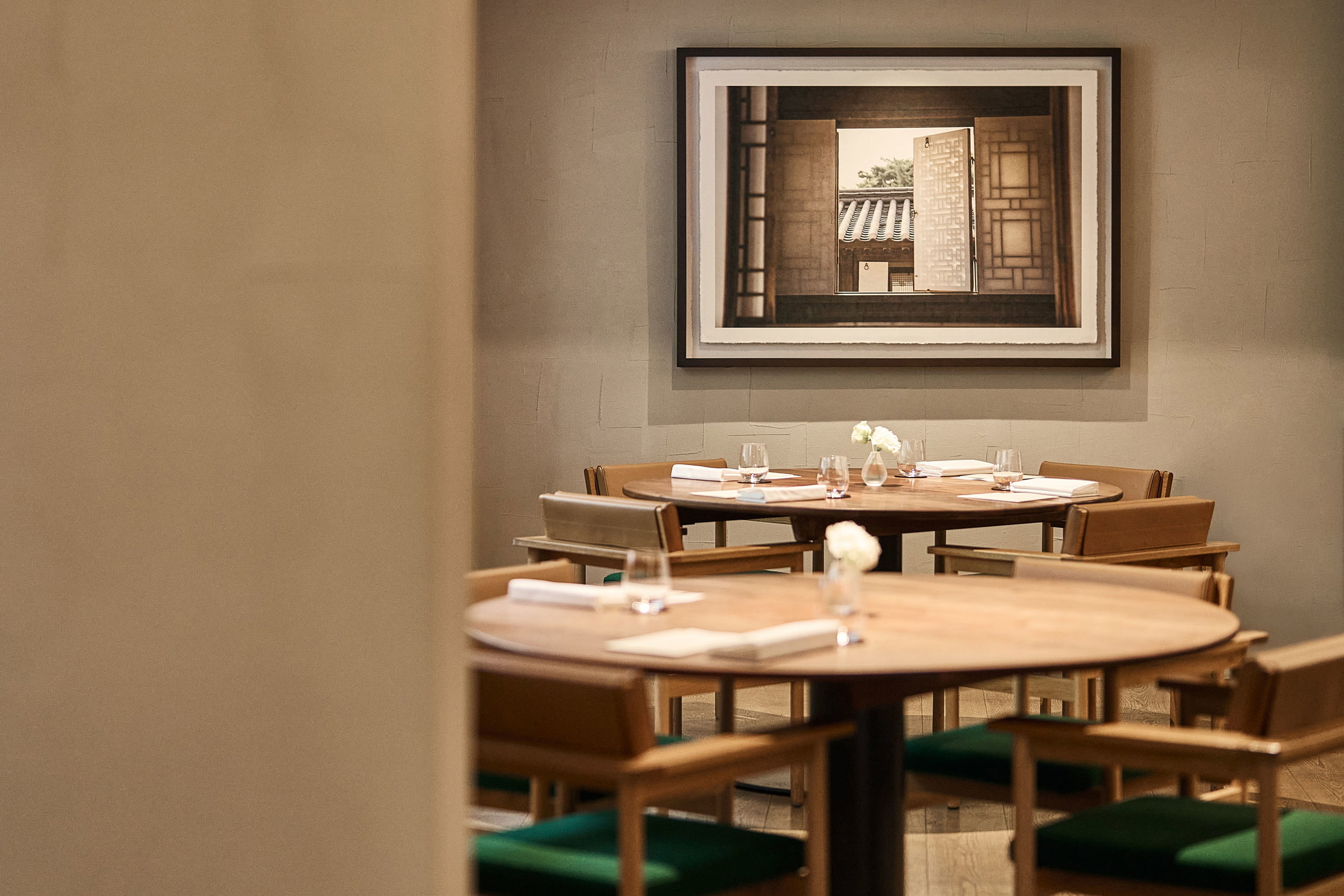
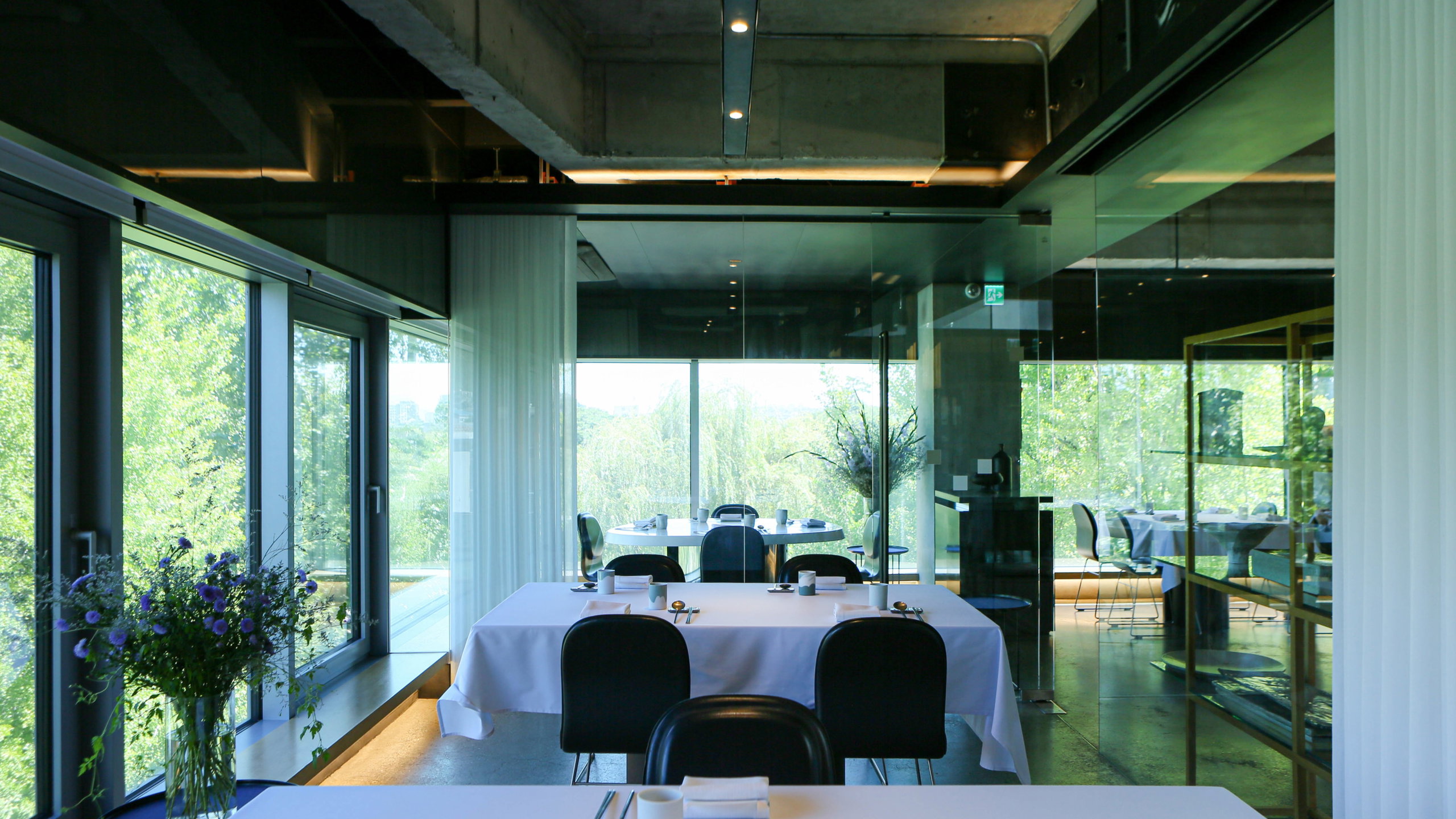
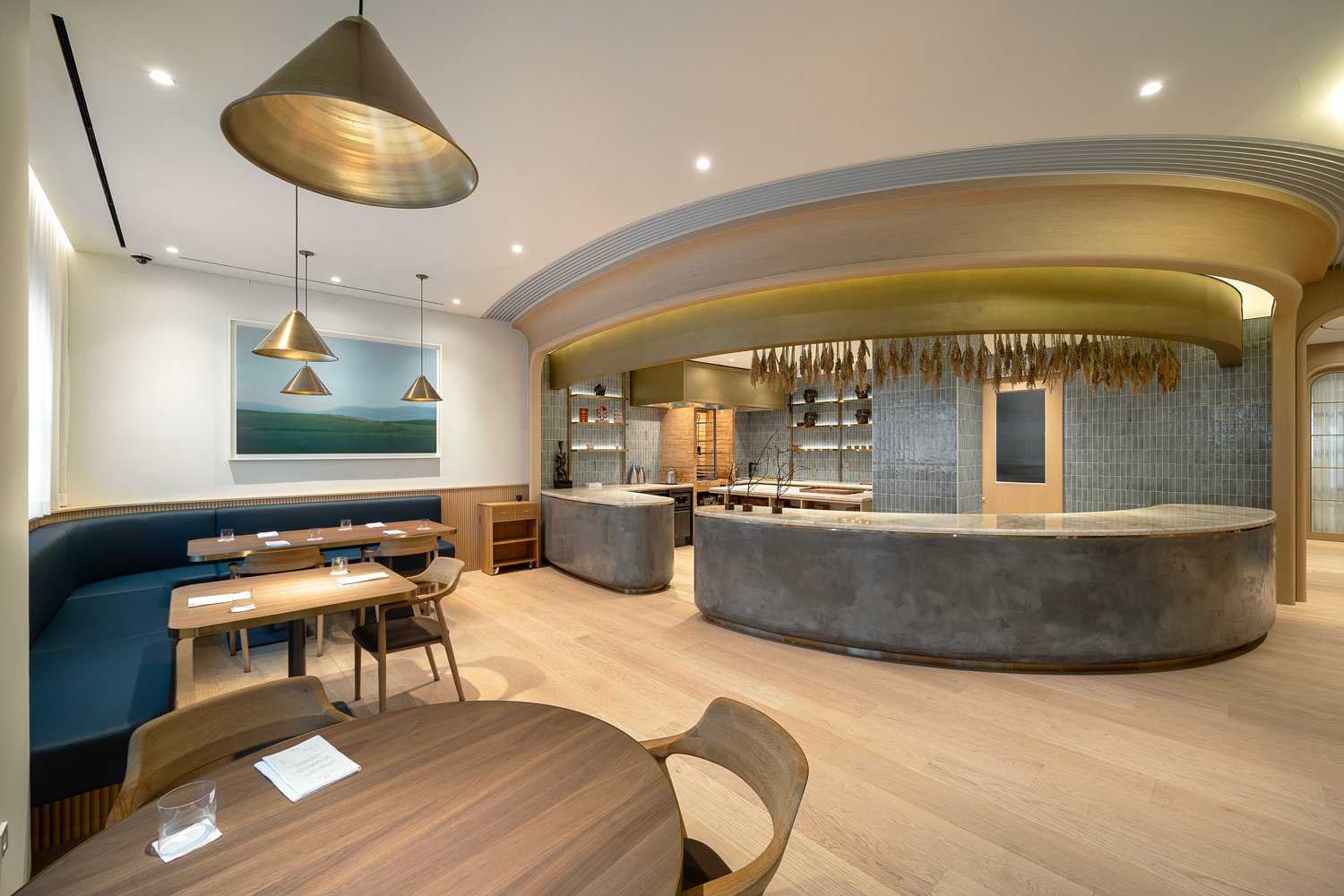
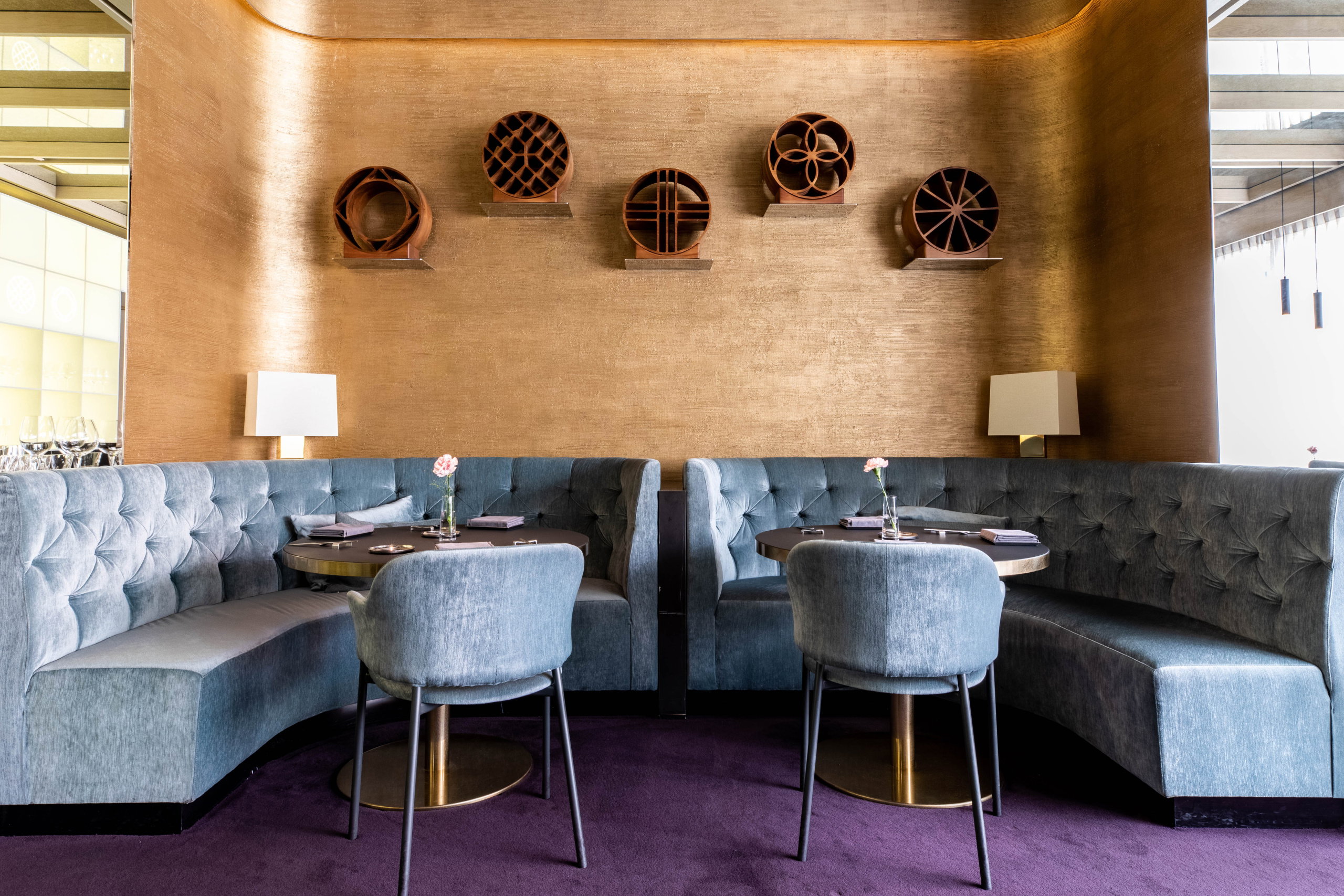
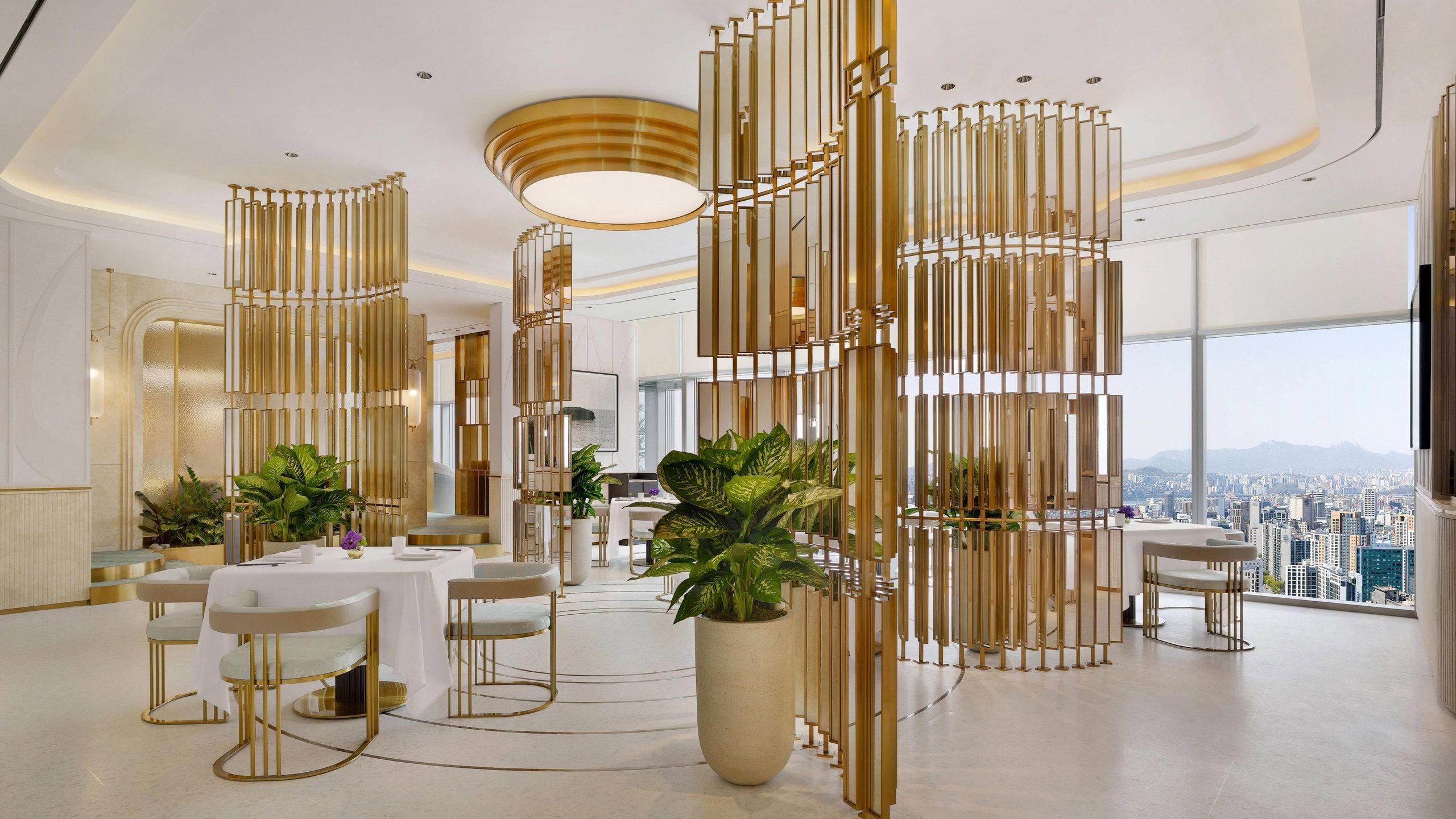
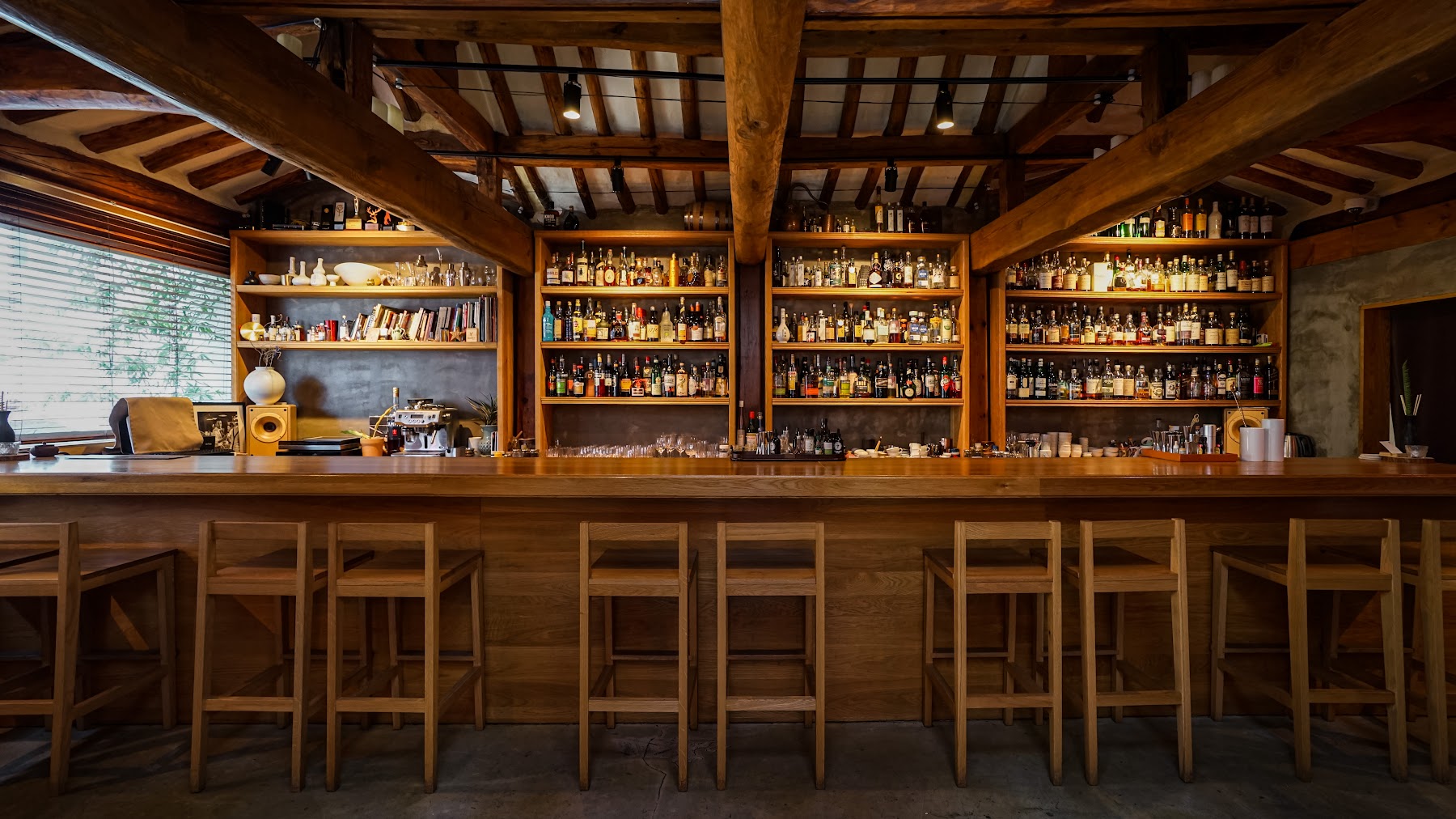
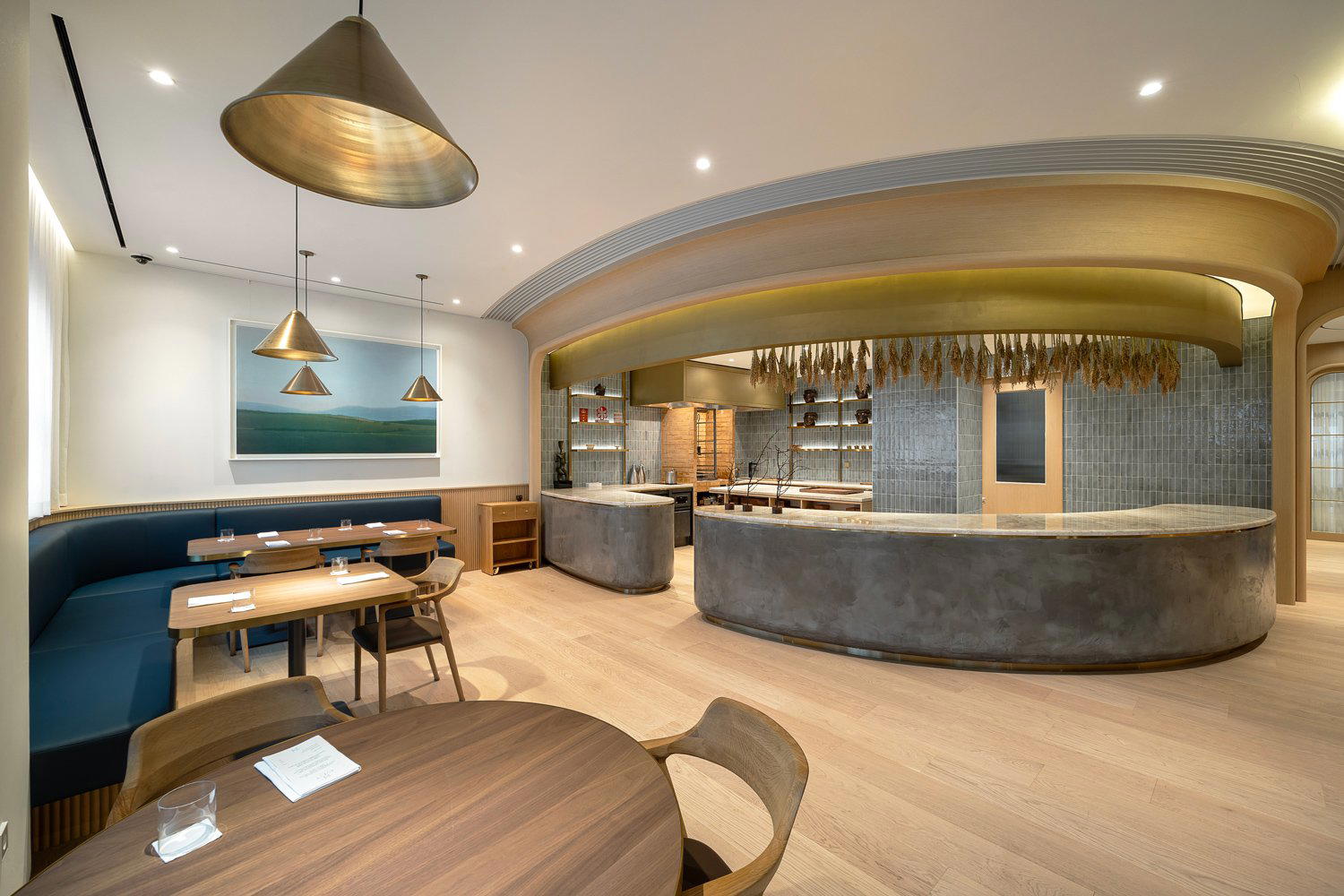
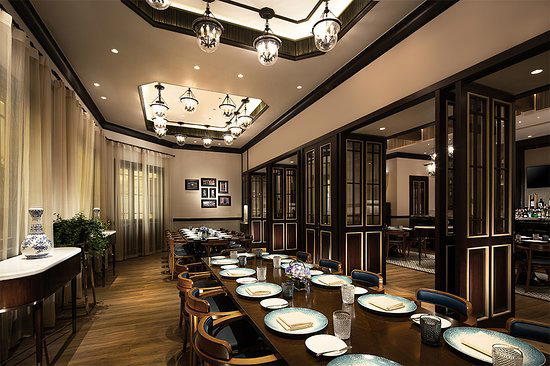
Classy, quiet, clean, and organized with private rooms creating an intimate and formal atmosphere.
Tags
Vibe
Best For
Experience
At the Table
- Dress Code
- Smart Casual
- Noise Level
- Quiet
- Service Style
- Formal
- Meal Pacing
- Leisurely
- Capacity
- Small
- Kitchen
- Traditional
- Menu Format
- Set menu
- Wine Program
- Standard
- Private Dining
- Available
Signature Dishes
- banji kimchi
- chili pepper kimchi with salted freshwater shrimp
- grilled short rib patties
Know before you go
Know Before You Go
- Getting there
- 36-1 Banpo-daero 39-gil, Seocho District, Seoul, South Korea
Planning details
Location
36-1 Banpo-daero 39-gil, Seocho District, Seoul, South Korea · Directions
Recognition and awards
Also consider
Also Consider
- 7th Door, Korean, Contemporary, ₩₩₩₩
- Solbam, Contemporary, ₩₩₩₩
- Onjium, Korean, ₩₩₩₩
- L'Amitié, French, ₩₩₩
- Zero Complex, Korean-French, Innovative, ₩₩₩₩
Restaurant context
Haenam Cheonilgwan is the clearest choice in this peer set for diners who want Michelin-recognised Korean cooking without committing to a ₩₩₩₩ budget or a difficult booking process. At ₩₩₩, it is a tier below Onjium, 7th Door, Solbam, and Zero Complex on price, which is a meaningful advantage for travellers whose Seoul itinerary already includes expensive meals elsewhere. If your priority is traditional Korean cuisine with recognised quality and easy access, this is the most practical pick in the group.
For those willing to spend more, the calculus shifts. Onjium at ₩₩₩₩ offers a deeper engagement with classical Korean culinary tradition and carries stronger critical weight. 7th Door at ₩₩₩₩ delivers a contemporary Korean experience with more theatrical presentation. Solbam suits diners who want a modern, produce-driven format rather than a traditional jeong-sik structure. Zero Complex, with its Korean-French approach, is the right call if you want innovation over tradition. None of these are wrong choices, but they all ask for more money and, in most cases, more advance planning.
L'Amitié is the direct price-tier peer at ₩₩₩, but it operates in a French rather than Korean format, so the comparison is primarily about budget rather than cuisine. If the meal is specifically about Korean food, Haenam Cheonilgwan is the stronger option at this price point. If you are open to French cooking in Seoul at the same spend, L'Amitié is worth considering alongside it.
Explore Seoul
Around this place
Discover more on Pearl
Unlock the full Haenam Cheonilgwan guide in Pearl, including awards, comparisons, FAQs, planning details, and nearby places.
Compare Haenam Cheonilgwan
| Venue | Price | Booking Difficulty | Awards |
|---|---|---|---|
| Haenam Cheonilgwan | ₩₩₩ | Easy | Michelin Guide Seoul & Busan 20262025 Michelin Plate2024 Michelin Plate |
| 7th Door | ₩₩₩₩ | Unknown | 2026 Asia's 50 Best Restaurants · #492026 OAD Top Restaurants in Asia Ranked · #842026 Black Pearl 1 DiamondMichelin Guide Seoul & Busan 20262026 La Liste Top Restaurants2025 Asia's 50 Best Restaurants · #232025 Michelin 1 Star2025 La Liste Top Restaurants2024 OAD Top Restaurants in Asia Ranked · #192 |
| Solbam | ₩₩₩₩ | Unknown | 2026 Asia's 50 Best Restaurants · #552026 Wine Spectator Best of Award of Excellence2026 OAD Top Restaurants in Asia RecommendedMichelin Guide Seoul & Busan 20262026 La Liste Top Restaurants2025 Asia's 50 Best Restaurants · #552025 OAD Top Restaurants in Asia Ranked · #277Tatler Best Restaurants Asia-Pacific 20252025 Wine Spectator Best of Award of Excellence |
| Onjium | ₩₩₩₩ | Unknown | 2026 Asia's 50 Best Restaurants · #142026 OAD Top Restaurants in Asia Ranked · #852026 La Liste Top RestaurantsMichelin Guide Seoul & Busan 20262026 Wine Spectator Best of Award of Excellence2025 Asia's 50 Best Restaurants · #102025 World's 50 Best Restaurants · #572025 OAD Top Restaurants in Asia Ranked · #1342025 La Liste Top Restaurants |
| L'Amitié | ₩₩₩ | Unknown | 2026 La Liste Top Restaurants2025 La Liste Top Restaurants2025 Michelin 1 Star2024 Michelin 1 Star |
| Zero Complex | ₩₩₩₩ | Unknown | Star Wine Lists 20262026 OAD Top Restaurants in Asia Recommended2026 La Liste Top Restaurants2025 OAD Top Restaurants in Asia Ranked · #1992025 La Liste Top Restaurants2025 Michelin 1 Star2025 The Best Chef One Knife2024 OAD Top Restaurants in Asia Ranked · #2792024 Michelin 1 Star |
.png?width=1200&quality=80)









What to weigh when choosing between Haenam Cheonilgwan and alternatives.
FAQ
Frequently Asked Questions
What should I wear to Haenam Cheonilgwan?
Dress tidily but not formally. Haenam Cheonilgwan is a Michelin Plate-recognised Korean restaurant in Seocho, a residential district with a locally-oriented crowd rather than a business-dining scene. Clean, presentable clothes are appropriate — there is no indication of a dress code stricter than that.
Can I eat at the bar at Haenam Cheonilgwan?
No bar seating is documented for Haenam Cheonilgwan. Korean restaurants at this price tier (₩₩₩) typically centre on table dining rather than counter or bar formats. If bar-counter dining is a priority, consider 7th Door, which offers a counter-focused format.
Does Haenam Cheonilgwan handle dietary restrictions?
No specific dietary accommodation policy is documented for Haenam Cheonilgwan. For Korean restaurants in this category, it is worth contacting the venue directly before booking, particularly for allergen or vegetarian requirements, as traditional Korean cuisine often uses seafood-based stocks and fermented ingredients throughout.
Is the tasting menu worth it at Haenam Cheonilgwan?
No tasting menu format is confirmed in the available record for Haenam Cheonilgwan. At the ₩₩₩ price range, this is more likely a full à la carte or set-menu Korean dining experience than a multi-course omakase-style format. If a structured tasting progression is what you are after, Onjium is a stronger fit in Seoul.
Is Haenam Cheonilgwan worth the price?
At ₩₩₩ and with back-to-back Michelin Plate recognition in 2024 and 2025, Haenam Cheonilgwan clears the credibility bar for its tier. It is not the cheapest Korean meal in Seoul, but it is well-positioned for diners who want recognised quality without the booking friction or pricing of Michelin-starred venues. If budget is the primary constraint, there are strong options below this price point; if you want a step up in format and prestige, Onjium operates at a higher register.