

.png?width=1200&quality=80)
GAGGEN by Choi Junho
Japanese · 압구정동, Seoul
Restaurant in Seoul, South Korea
 Book with Pearl
The Read
Gangnam Japanese Counter
Dress
Smart Casual
Why go
GAGGEN by Choi Junho delivers counter-focused omakase in Gangnam with a 2026 Michelin Star backing its technical precision. The tasting menu emphasizes restraint over spectacle, Korean produce handled through Japanese technique, and a spatial intimacy that makes the meal feel like conversation. At ₩₩₩₩, it sits in Seoul's top Japanese tier—easier to book than the most hyped spots, more dependable than the newest. Lunch offers the smarter value entry; dinner justifies the premium if you want the full progression.
About GAGGEN by Choi Junho
GAGGEN by Choi Junho is a Japanese restaurant in Seoul with ₩₩₩₩ pricing and Michelin Plate recognition in both 2024 and 2025. For diners comparing premium Japanese options in the city, it sits in the same broad planning set as Mitou and Sanro, with cuisine, price, hours, dress code, and Michelin Plate recognition as the main planning points.
Dining Details
GAGGEN by Choi Junho is categorized as Japanese dining in Seoul at a ₩₩₩₩ price level. If you are choosing it for a particular meal format, confirm the current menu and service details directly before booking.
What the Michelin Plate Signals
The Michelin Plate, awarded in 2024 and 2025, is not a Michelin star, but it is a notable recognition for GAGGEN by Choi Junho. In a competitive Seoul dining context, that makes the restaurant a credible premium Japanese option. Diners comparing Japanese restaurants in this tier may also look at Kirameki, while confirming current menus and availability directly.
Midday and Evening Hours
Service runs daily from 12–3:30 PM and 6:30–10:30 PM. Those hours indicate both midday and evening operating windows. For specific lunch menus, dinner menus, price differences, course counts, and booking policies, confirm the latest details with the restaurant before planning around a specific service.
The dress code is smart casual. That makes GAGGEN by Choi Junho appropriate for diners who want a polished meal without assuming a formal dress requirement. For broader planning across the city's restaurant landscape, the key points are straightforward: Seoul location, Japanese cuisine, ₩₩₩₩ pricing, daily hours, smart-casual dress, and Michelin Plate recognition in 2024 and 2025. If you are comparing other premium options, Muni is another venue to review, but specific differences should be checked from current venue information rather than assumed.
The broader Seoul Japanese dining context is strong, but GAGGEN by Choi Junho should be evaluated on current restaurant information rather than assumptions about format, signature dishes, beverage programs, or seating. It is best framed as a premium Japanese restaurant in Seoul with Michelin Plate recognition and a smart-casual dress code. Diners building a short list can compare it with Mitou and Sanro, then check current menus, reservations, and service details directly before committing.
Planning details
- Location
- South Korea, Seoul, Gangnam District, Dosan-daero, 457 앙스돔빌딩 3층
- Website
- choidot.imweb.me
- Phone
- +82 2-518-0318
The take
The Take
The Vibe
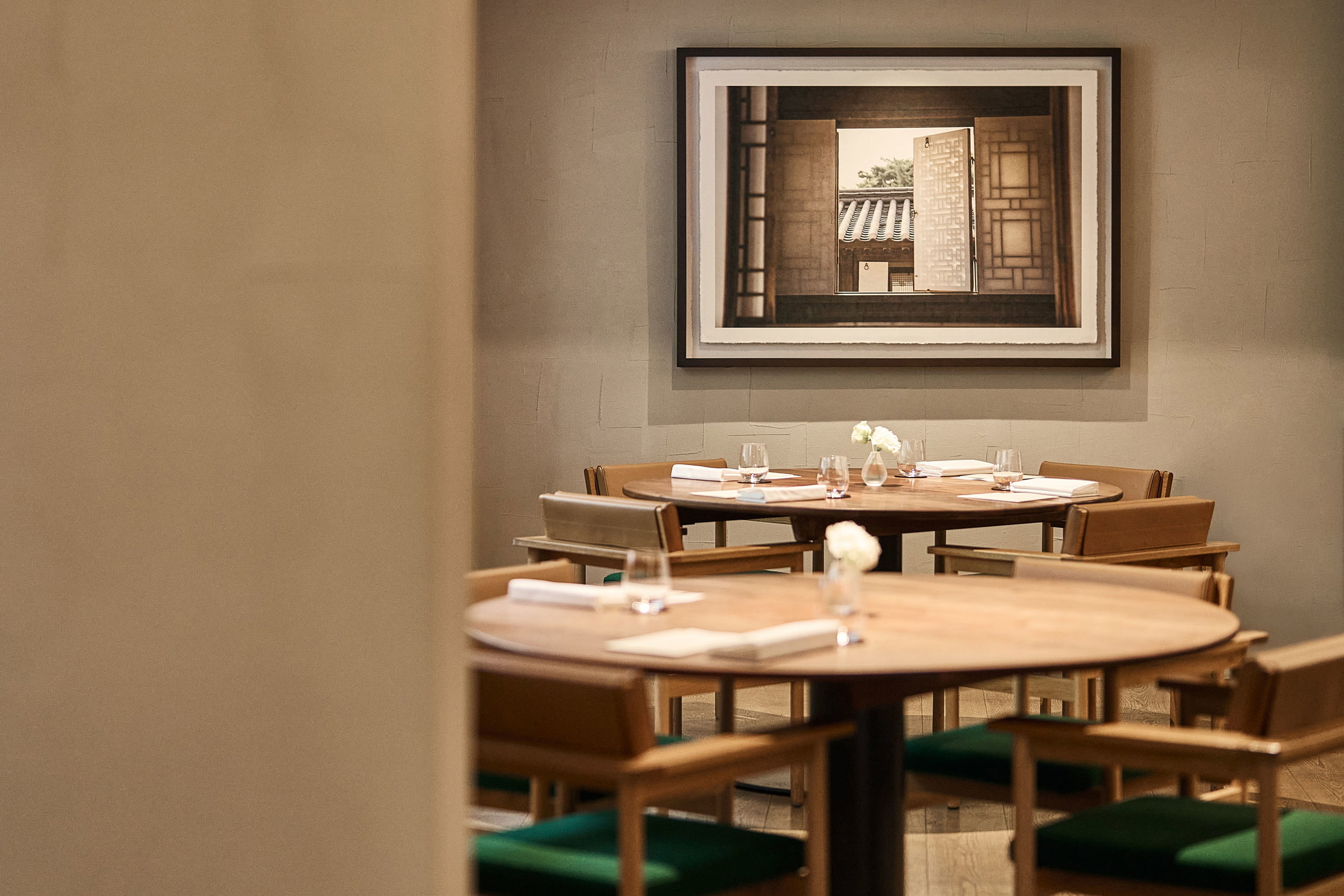
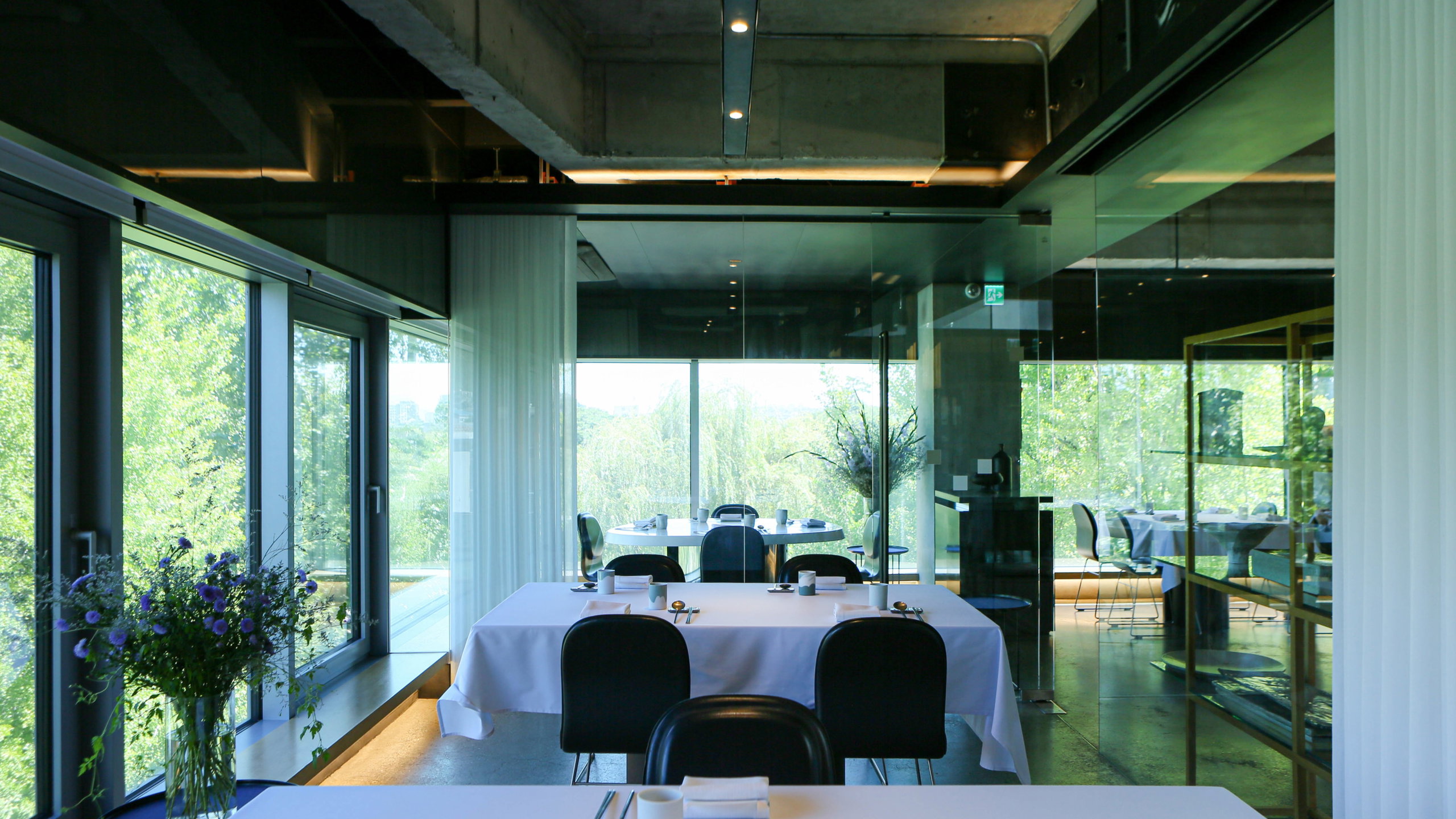
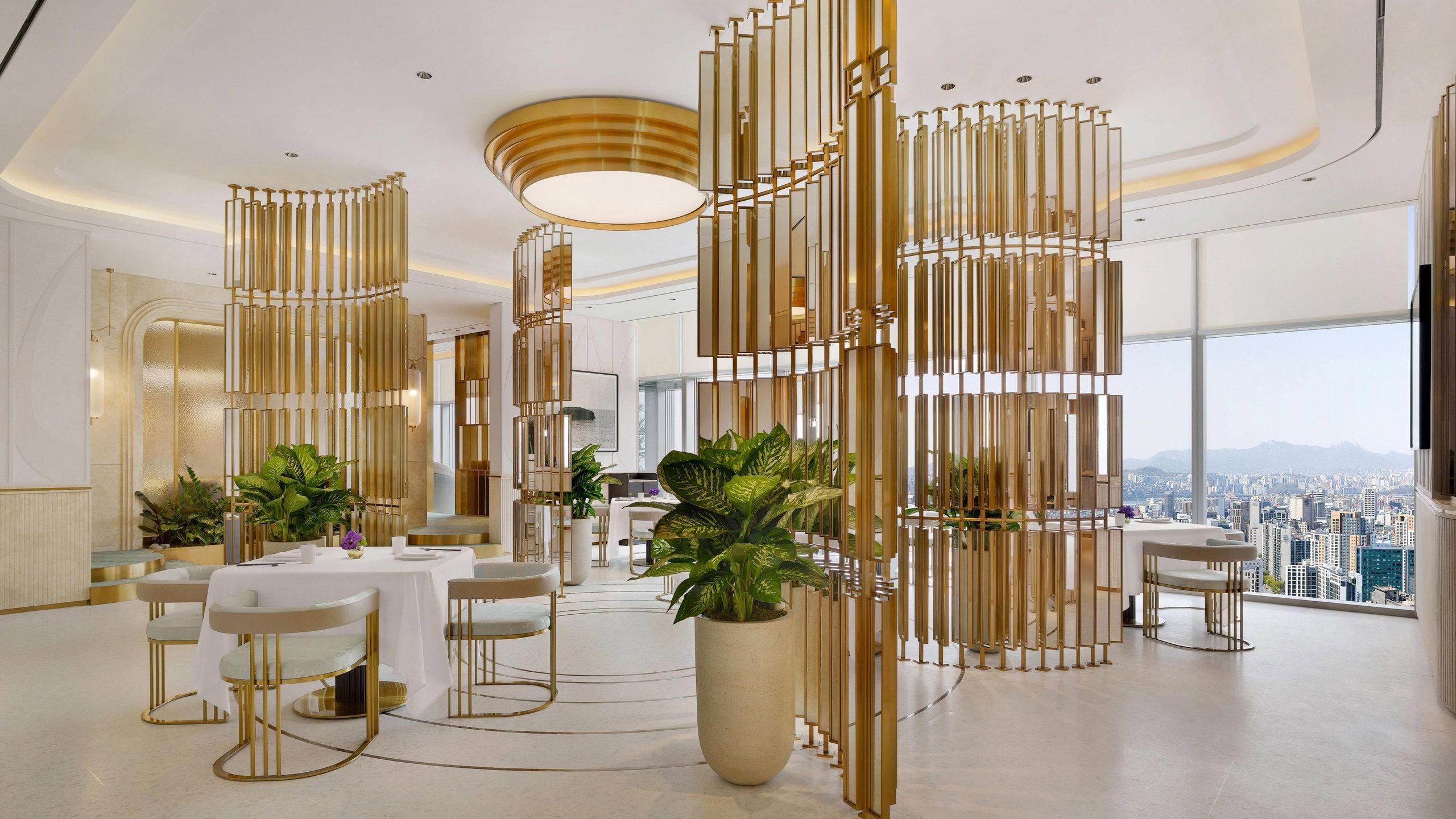
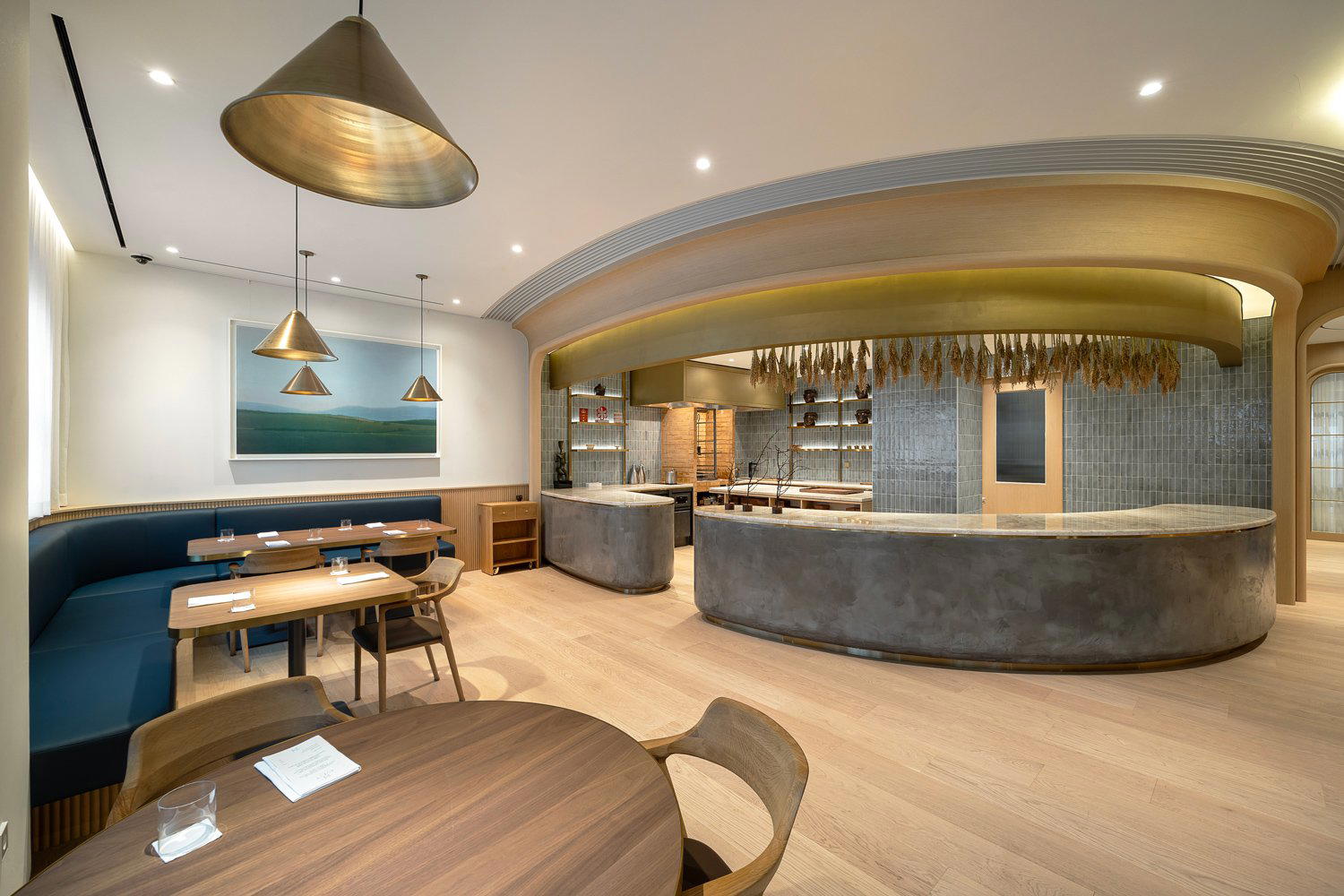
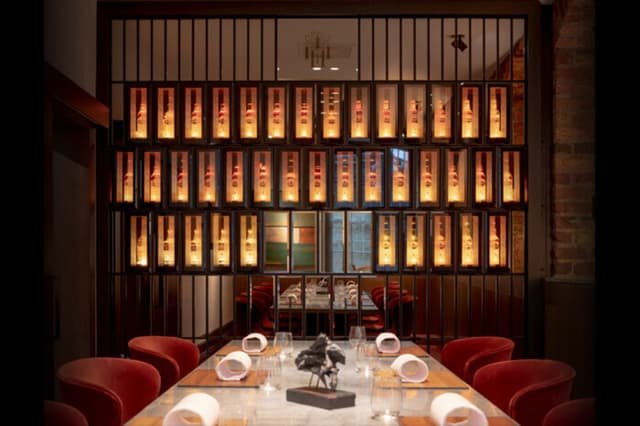
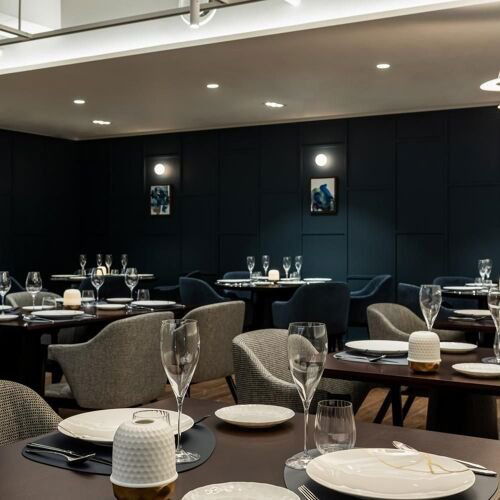
GAGGEN by Choi Junho occupies an elevated, discreet slot in Gangnam — literally on the third floor and reached by elevator — which immediately filters out street noise and casual browsers. The room maintains a quiet, deliberate energy for diners who come with intent: restrained, modern and tightly focused rather than showy. Michelin Plate recognition reinforces the sense of a refined, chef-led experience. The kitchen’s precision shows through signature items like hand-pulled somen noodles, sesame seed dishes and a restrained dessert of warabi mochi, all of which match the venue’s composed and quietly confident character.
Best For
This is a destination for diners who prioritize a considered Japanese fine-dining experience — well suited to intimate special evenings, date nights and business dinners where privacy and focus matter. Because the restaurant sits above street level and is described as a venue that requires prior commitment, it attracts guests looking for a deliberate, reservation-driven outing rather than casual drop-ins. Michelin recognition and the careful approach to cuisine make it a natural pick when you want a refined, culinary-forward evening in Gangnam.
Ordering Tips
Book ahead: the venue’s third-floor location and emphasis on intentional dining make reservations essential. When you plan your visit, be sure to sample the kitchen’s signature items—especially the hand-pulled somen noodles, sesame seed preparations and the warabi mochi—since they are highlighted in coverage. Expect a formal, focused service style; arrive with time and intention to enjoy a composed, sequential dining experience rather than quick or walk-in service.
Venue details
Ambiance
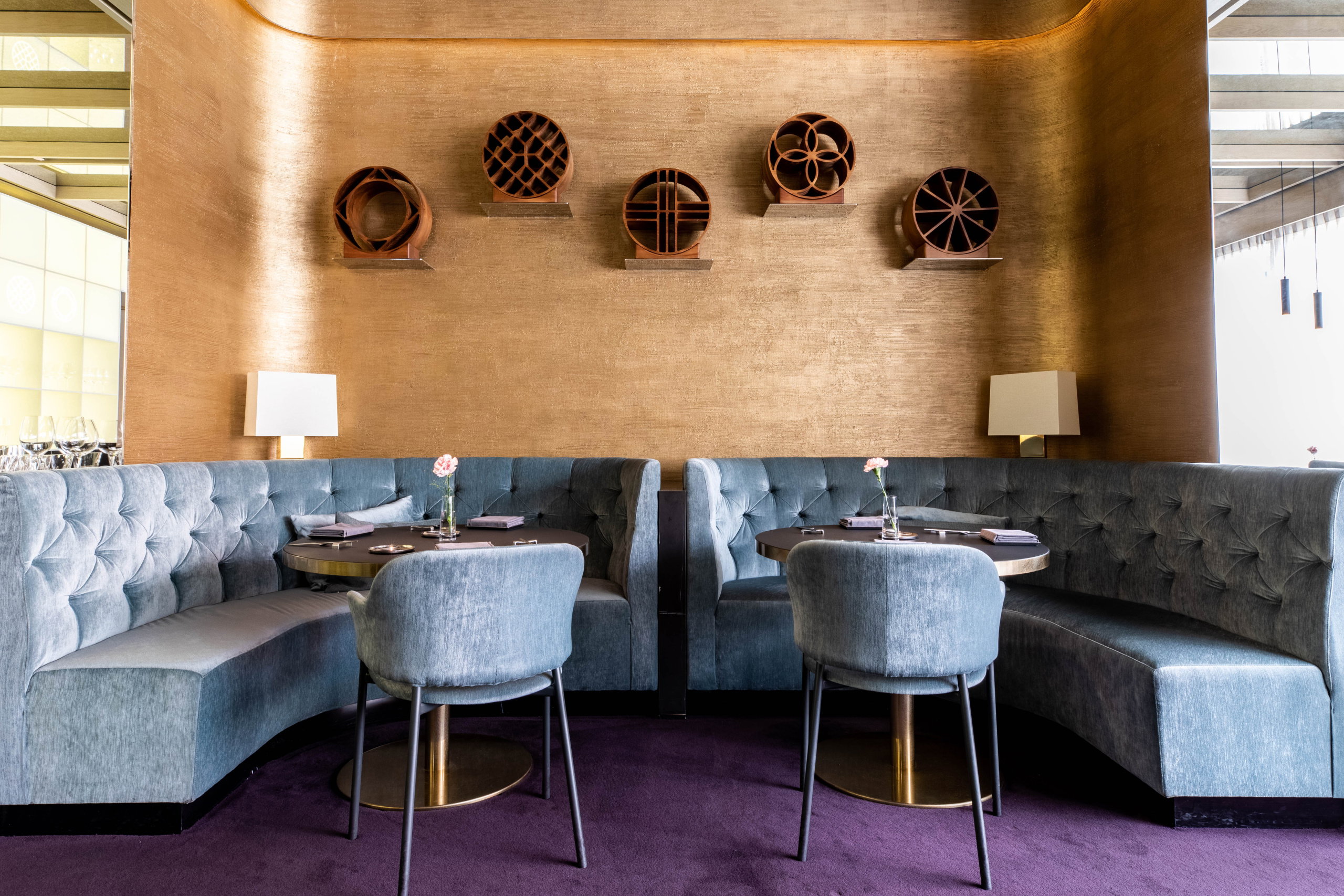
Refined and intimate with detailed chef explanations enhancing the hospitality.
Tags
Vibe
Best For
Experience
At the Table
- Dress Code
- Smart Casual
- Noise Level
- Quiet
- Service Style
- Formal
- Meal Pacing
- Leisurely
- Capacity
- Intimate
- Kitchen
- Modern
- Menu Format
- Tasting menu
- Wine Program
- Curated
Signature Dishes
- hand-pulled somen noodles
- sesame seed dishes
- warabi mochi
Know before you go
Know Before You Go
- Getting there
- South Korea, Seoul, Gangnam District, Dosan-daero, 457 앙스돔빌딩 3층
Planning details
Location
South Korea, Seoul, Gangnam District, Dosan-daero, 457 앙스돔빌딩 3층 · Directions
Recognition and awards


Restaurant context
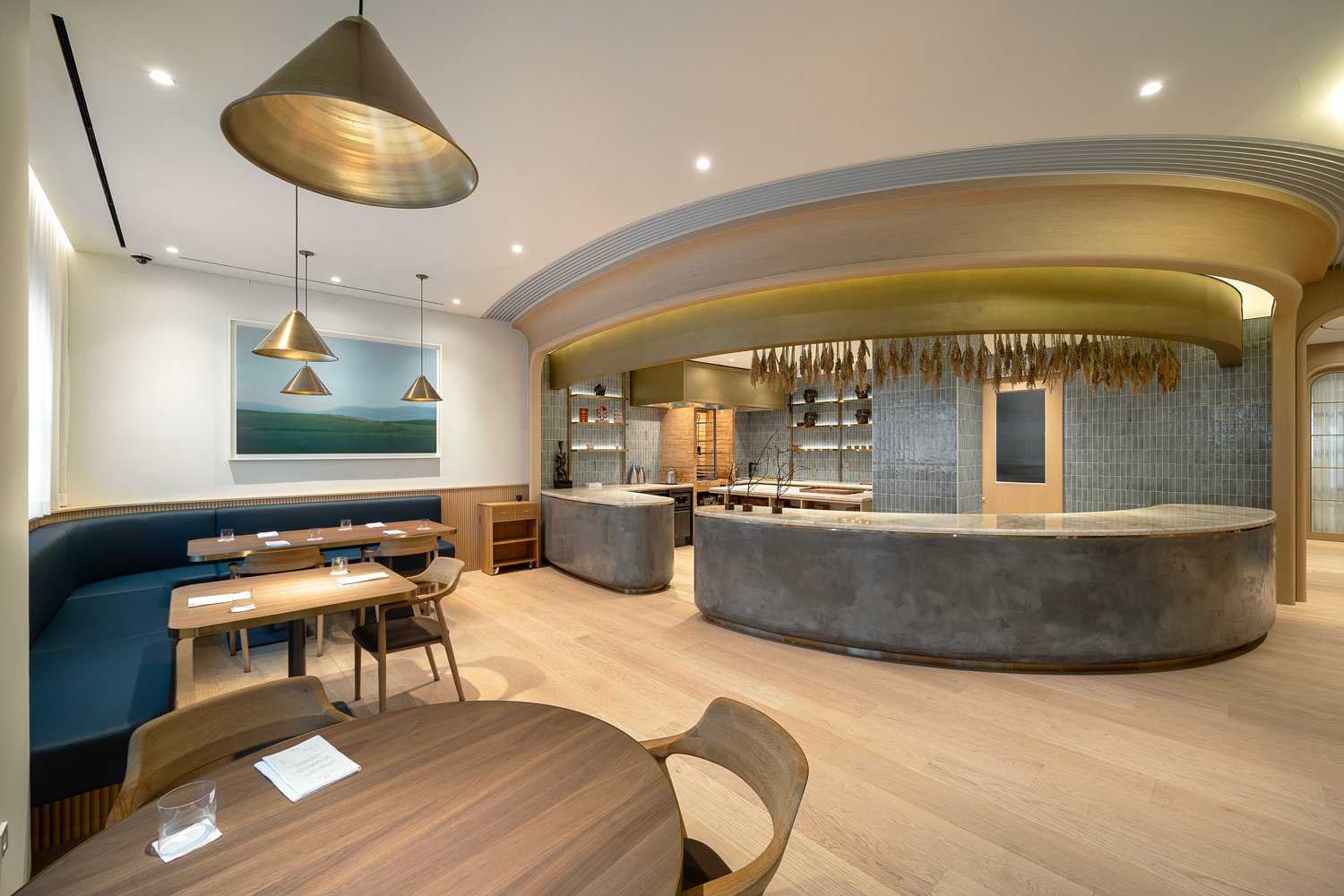
GAGGEN by Choi Junho competes directly with Mitou, Sanro, and Kirameki in Seoul's ₩₩₩₩ Japanese category. Mitou edges ahead on menu ambition, more courses, more conceptual range, while Sanro offers a deeper sake program and slightly more formal service. Kirameki leans theatrical, with chef interaction that borders on performance; GAGGEN is quieter, more contemplative, and better for diners who want the food to speak without extended narration. All four are Michelin-recognized, so quality is consistent; the choice comes down to format preference and booking ease. GAGGEN is the easiest of the four to reserve, making it a reliable backup when the others are full.
For diners prioritizing value, Tenjimon drops the price tier to ₩₩ and delivers strong technique without the omakase premium. You lose the counter intimacy and the extended tasting progression, but you gain flexibility, à la carte ordering, faster turnover, and a lower financial commitment. Tenjimon is the smarter choice for casual dinners or repeat visits; GAGGEN is worth the ₩₩₩₩ spend when the occasion demands a fuller experience. If you're allocating one splurge meal in Seoul's Japanese category, GAGGEN justifies the cost through consistency and sourcing, but Mitou offers more creative payoff if you want a menu that challenges expectations.
The broader Seoul Japanese scene also includes Muni, which operates at the same price point but with a more formal tone and private dining options that make it better for groups or business meals. GAGGEN's counter-only format limits party size and shifts the experience toward intimacy. That makes it a stronger choice for couples or solo diners, but a poor fit for celebrations with six or more guests. For those occasions, Muni or Sanro (which also offers semi-private spaces) are more practical. The decision ultimately hinges on what you value: technical precision and restraint (GAGGEN), creative ambition (Mitou), or group-friendly logistics (Muni).
Explore Seoul
Around this place
Discover more on Pearl
Unlock the full GAGGEN by Choi Junho guide in Pearl, including awards, comparisons, FAQs, planning details, and nearby places.
Compare GAGGEN by Choi Junho
| Venue | Location | Cuisine | Awards | Price |
|---|---|---|---|---|
| GAGGEN by Choi Junho | Seoul | Japanese | Star Wine Lists 20262026 La Liste Top Restaurants2025 Michelin Plate2025 La Liste Top Restaurants2024 Michelin Plate | ₩₩₩₩ |
| Muni | Seoul | Japanese | Michelin Guide Seoul & Busan 20262025 Michelin 1 Star2024 Michelin 1 Star | ₩₩₩₩ |
| Tenjimon | Seoul | Japanese | 2025 Michelin Plate2024 Michelin Plate | ₩₩ |
| Mitou | Seoul | Japanese | 2026 La Liste Top Restaurants2025 Michelin 2 Stars2025 La Liste Top Restaurants2024 Michelin 2 Stars | ₩₩₩₩ |
| Sanro | Seoul | Japanese | Michelin Guide Seoul & Busan 20262026 La Liste Top Restaurants2025 Michelin Plate2025 La Liste Top Restaurants2024 Michelin Plate | ₩₩₩₩ |
| Kirameki | Seoul | Japanese | Michelin Guide Seoul & Busan 20262025 Michelin Plate2024 Michelin Plate | ₩₩₩₩ |



How GAGGEN by Choi Junho Seoul – Michelin Plate Japanese Restaurant compares with similar nearby venues.
FAQ
Frequently Asked Questions
What should I order at GAGGEN by Choi Junho?
GAGGEN by Choi Junho is a Japanese restaurant; for a specific menu format, signature dish, or à la carte versus set-menu structure, check the current menu directly with the restaurant before booking. The Michelin Plate recognition in 2024 and 2025 supports its standing as a recognized Japanese dining option in Seoul.
What menu format does GAGGEN by Choi Junho offer?
For a specific menu format, check directly with the restaurant. GAGGEN by Choi Junho has ₩₩₩₩ pricing, Japanese cuisine, a Seoul location, and Michelin Plate recognition in 2024 and 2025. It may be worth considering if you are looking for a premium Japanese restaurant in Seoul and are comfortable confirming current menu details before you go.
Is midday or evening better at GAGGEN by Choi Junho?
Hours show daily operating windows from 12–3:30 PM and 6:30–10:30 PM. For specific midday and evening menu differences, pricing differences, and course structures, choose based on your schedule and confirm the current offering directly with the restaurant.
What should I wear to GAGGEN by Choi Junho?
The dress code is smart casual. Choose polished, comfortable clothing appropriate for a premium Japanese restaurant in Seoul; for any more specific clothing rules, check directly with the restaurant.
Can GAGGEN by Choi Junho accommodate groups?
What are alternatives to GAGGEN by Choi Junho in Seoul?
Other venues to compare include Muni, Tenjimon, Mitou, Kirameki, and Sanro. Use those comparisons as a starting point, then check current menus, booking requirements, pricing, and service details for each restaurant before deciding.