
Gaeseong Mandu Koong
Mandu · 남가좌, Seoul
Restaurant in Seoul, South Korea
 Book with Pearl
The Read
Northern-Style Mandu Precision
Price
$10–20per person
Dress
Casual
Why go
Back-to-back Michelin Bib Gourmand awards (2024 and 2025) make Gaeseong Mandu Koong Seoul's most credentialled budget-tier mandu address. At ₩ pricing in Seodaemun-gu, it delivers Michelin-recognised quality without the reservation difficulty or cost of the city's fine-dining tier. Book a weekday lunch slot now — post-Bib Gourmand demand is rising and it won't stay easy to get into.
About Gaeseong Mandu Koong
Gaeseong Mandu Koong, Seoul
Seats at Gaeseong Mandu Koong go fast, and for good reason: two consecutive Michelin Bib Gourmand awards (2024 and 2025) have turned this Seodaemun-gu mandu specialist into one of Seoul's most sought-after budget-tier bookings. If you've been once and are thinking about a return, stop thinking and book. The Bib Gourmand designation is Michelin's signal that quality-to-price ratio is exceptional, and at ₩ pricing, this is among the most affordable ways to eat at a Michelin-recognised address in Seoul. Don't wait for a convenient weekend — book first, plan around it.
The Portrait
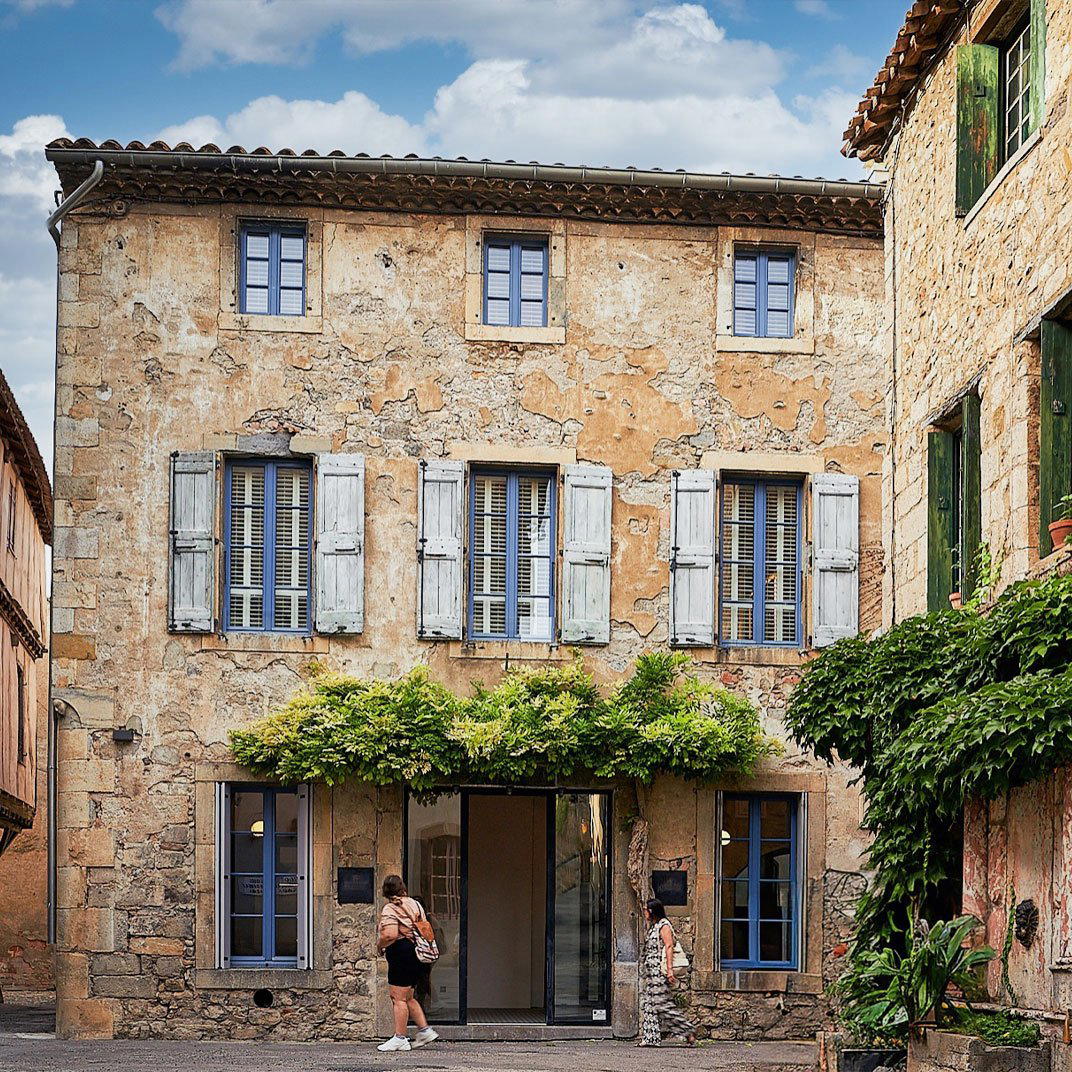
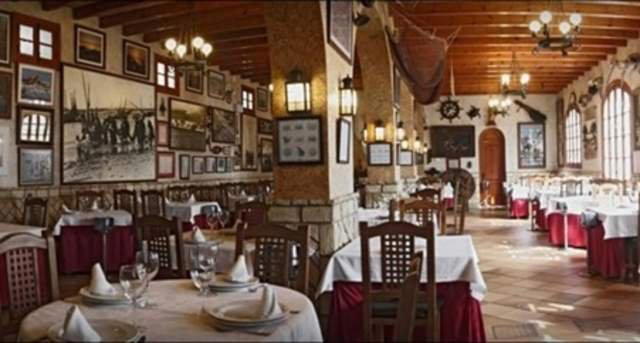
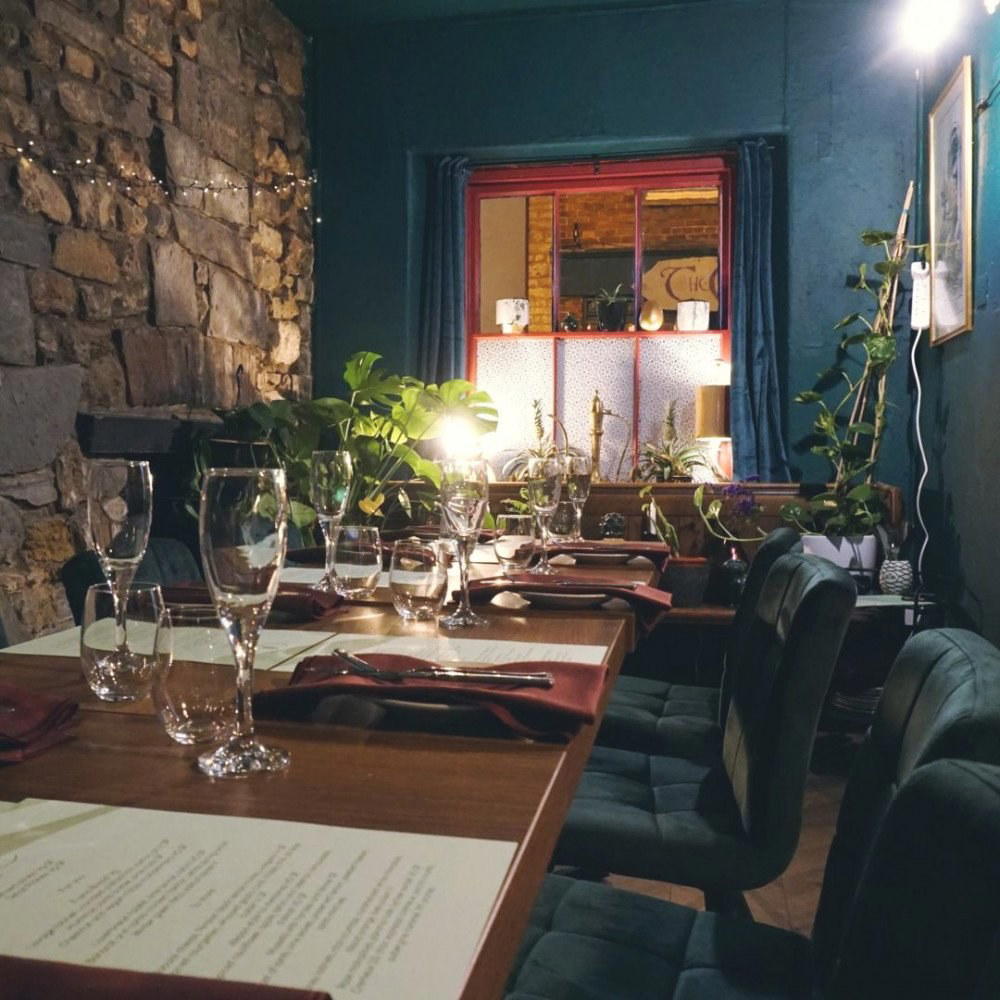
Gaeseong Mandu Koong sits at 23 Yeonhuimat-ro in Seodaemun-gu, a residential pocket of Seoul that doesn't draw the same tourist foot traffic as Insadong or Gangnam. That's the point. The neighbourhood keeps the room intimate and the crowd local, which shapes the atmosphere in ways that matter to a returning visitor. Expect low ambient noise by Seoul restaurant standards, a dining room that feels more like a family canteen than a destination restaurant, and an energy that's unhurried. If you went once and found it hectic, the timing was probably off — lunch service on weekdays is steadier than weekend evenings, when word-of-mouth diners fill it quickly.
The cuisine is mandu: the Korean dumpling tradition with roots in Gaeseong, the historic city that gave this style of dumpling its name. Gaeseong mandu are larger than the Seoul norm, with thin skins and generous fillings, a format that rewards the kind of focused eating this place encourages. For anyone who visited and stuck to the obvious order, a return trip should push further into the supporting dishes. Korean mandu-focused restaurants at this price tier rarely carry the same ingredient rigour or preparation depth, and the Bib Gourmand recognition two years running confirms this isn't a one-season story.
The service style here is what the Bib Gourmand implicitly validates: functional, attentive, and unpadded. There's no sommelier patter, no choreographed presentation, and no upselling architecture. You order, the food comes quickly, and the staff know the menu well enough to steer you if you ask. At ₩ pricing, that directness isn't a shortcut, it's appropriate calibration. Compare this to the full Michelin star tier in Seoul, where service ceremony is part of what you're paying for. Here, the value is entirely in the food, and the room's low-key register keeps the focus there. If you want formality and a longer evening, venues like Mingles or Kwon Sook Soo serve a different purpose. Gaeseong Mandu Koong is the right choice when you want precision and generosity without the performance.
For returning visitors, the practical question is timing. That's an asset: the room isn't yet overrun with visitors working through a checklist. But the back-to-back Bib Gourmand listings will change that trajectory, and 2025 is the year to get ahead of it. Book a weekday lunch if your schedule allows. It's easier to get in, the service is calmer, and the food is the same.
In the broader Seoul mandu category, this is the address to anchor against. Jaha Son Mandu and Mandujip are worth knowing, and Bongsanok and Mipildam cover adjacent Korean comfort territory. But none carry the same dual-year Michelin endorsement at this price point. For travellers building a Seoul food itinerary, Pearl's full Seoul restaurants guide covers the full tier range, from affordable specialists like this to the city's leading fine-dining rooms. If you're extending the trip, check our Seoul hotels guide, bars guide, and experiences guide for the surrounding context. For broader South Korea reach, Mori in Busan, Baegyangsa Temple in Jangseong-gun, Double T Dining in Gangneung, and Market Café in Incheon are Pearl-tracked options worth knowing. And if you're mapping Korean cuisine globally, Atomix in New York City shows the ceiling of what Korean-rooted cooking can reach internationally, while Le Bernardin offers a useful contrast in what sustained Michelin recognition looks like across formats and price tiers.
The bottom line for a returning guest: Gaeseong Mandu Koong earns repeat visits because the quality floor is high and the cost is low. Two Bib Gourmand awards are not accidental. Book within the week for a slot in the next two to three weeks, aim for weekday lunch, and go with enough appetite to order broadly. The Seoul wineries guide and The Flying Hog in Seogwipo can fill out a longer South Korea trip if the context calls for it.
Planning details
- Location
- 23 Yeonhuimat-ro, Seodaemun-gu, Seoul, South Korea
- Website
- koong.co.kr
- Phone
- +82 2-332-6147
The take
The Take
The Vibe
Gaeseong Mandu Koong reads like a quiet repository of Korean culinary memory. Tucked into the slowly changing slopes of Seodaemun, the restaurant centers on the Gaeseong mandu tradition — dumplings that are noticeably larger, with thicker wrappers and hefty fillings that emphasize tofu, meat and vegetables. The neighbourhood setting and the kitchen’s refusal to chase novelty create a sense of continuity: this is a place where a single regional form is explored seriously, and where the food’s historical lineage is as present as its flavors. The overall feeling is unpretentious, rooted and quietly historic.
Best For
This is a destination for anyone after deeply traditional mandu rather than modern reinterpretations. It suits solo diners and small, low-key meals for locals or visitors who want an unadorned encounter with Gaeseong-style dumplings. The focused menu and substantial portions make it a good choice for a comforting lunch or dinner when you’re craving something straightforward and filling — especially pork dumplings, steaming dumpling soup and the mung bean pancake named among the house specialties.
Ordering Tips
Stick to the specialties when you visit: the pork dumplings showcase the kitchen’s take on Gaeseong proportions, and the dumpling soup is a useful option if you want broth alongside the denser, thicker-wrapped mandu. The mung bean pancake is listed as a signature item and works well for sharing. Expect hearty portions rather than delicate bites; the menu privileges substance and tradition. Because the place is described as a focused neighbourhood kitchen rather than a trend-driven spot, come ready to enjoy a simple, well-executed handful of classics.
Venue details
Ambiance
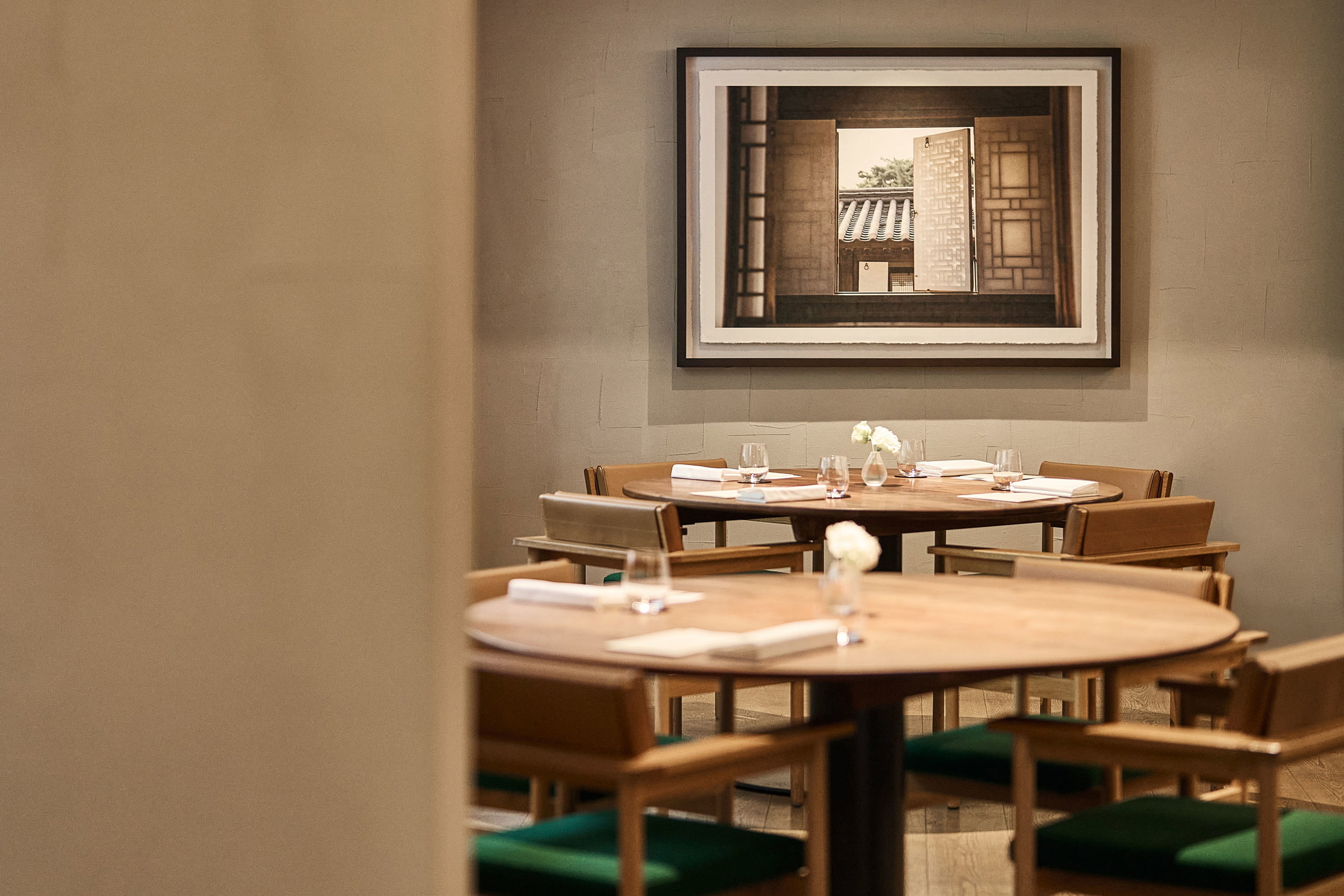
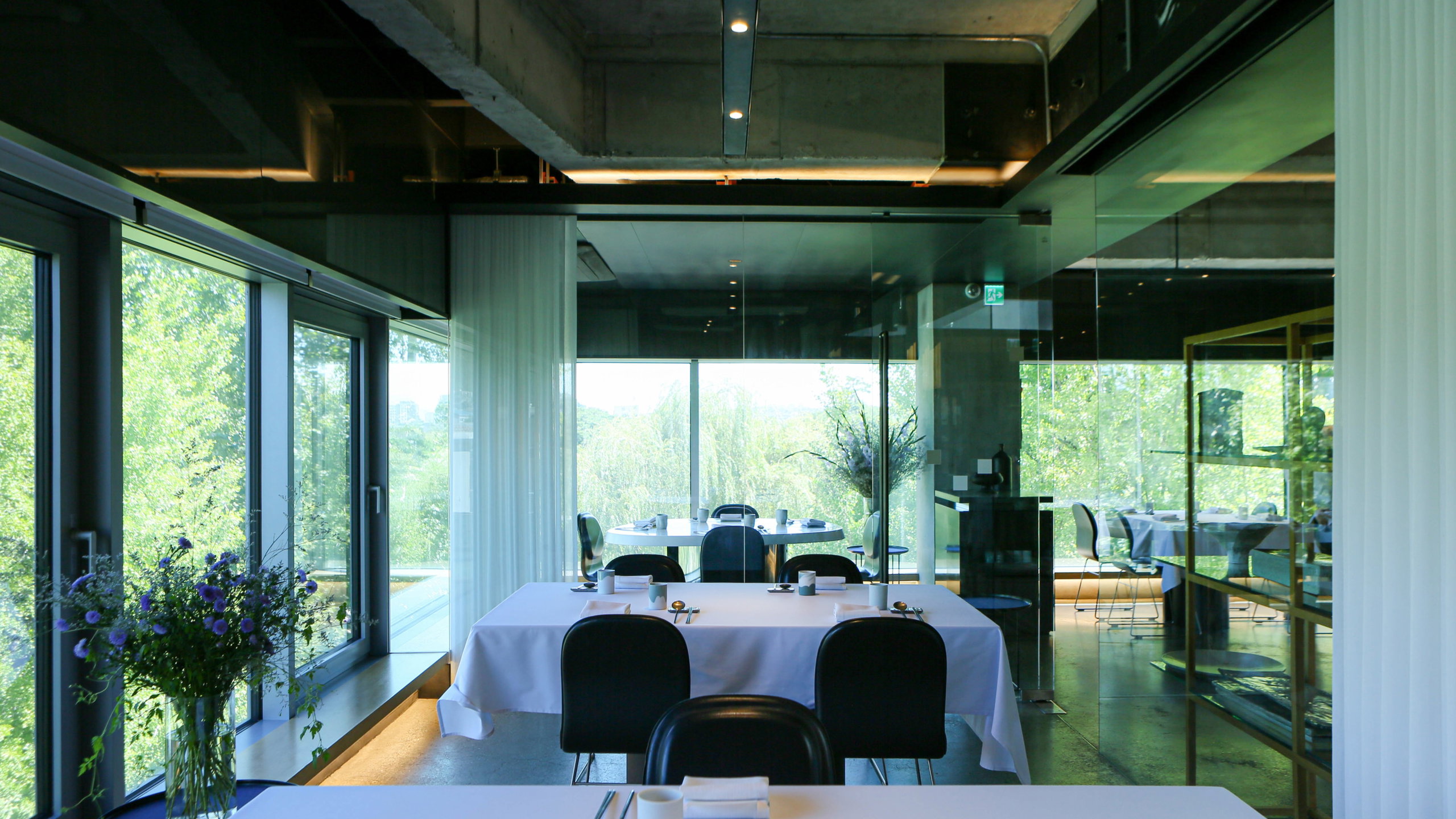
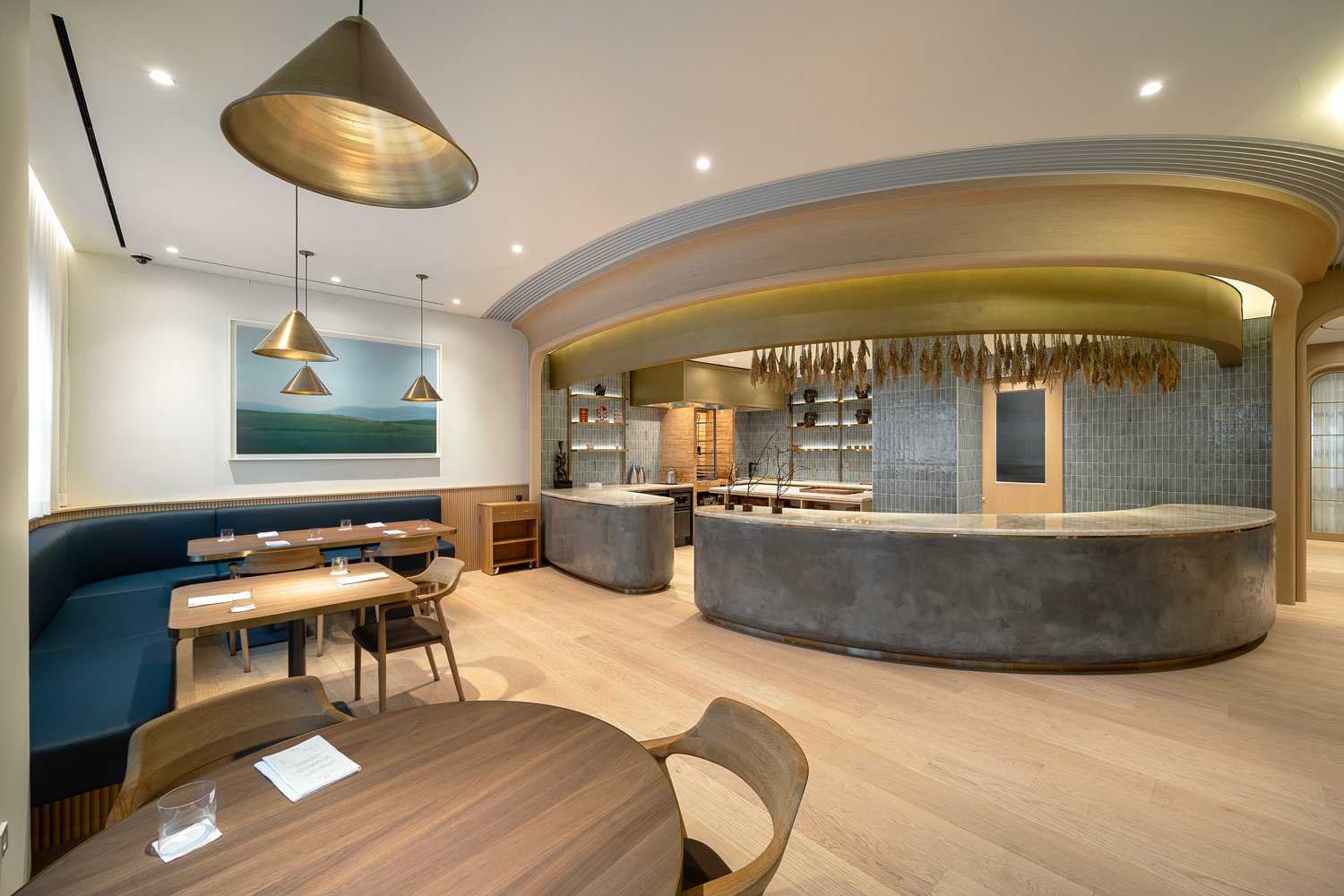
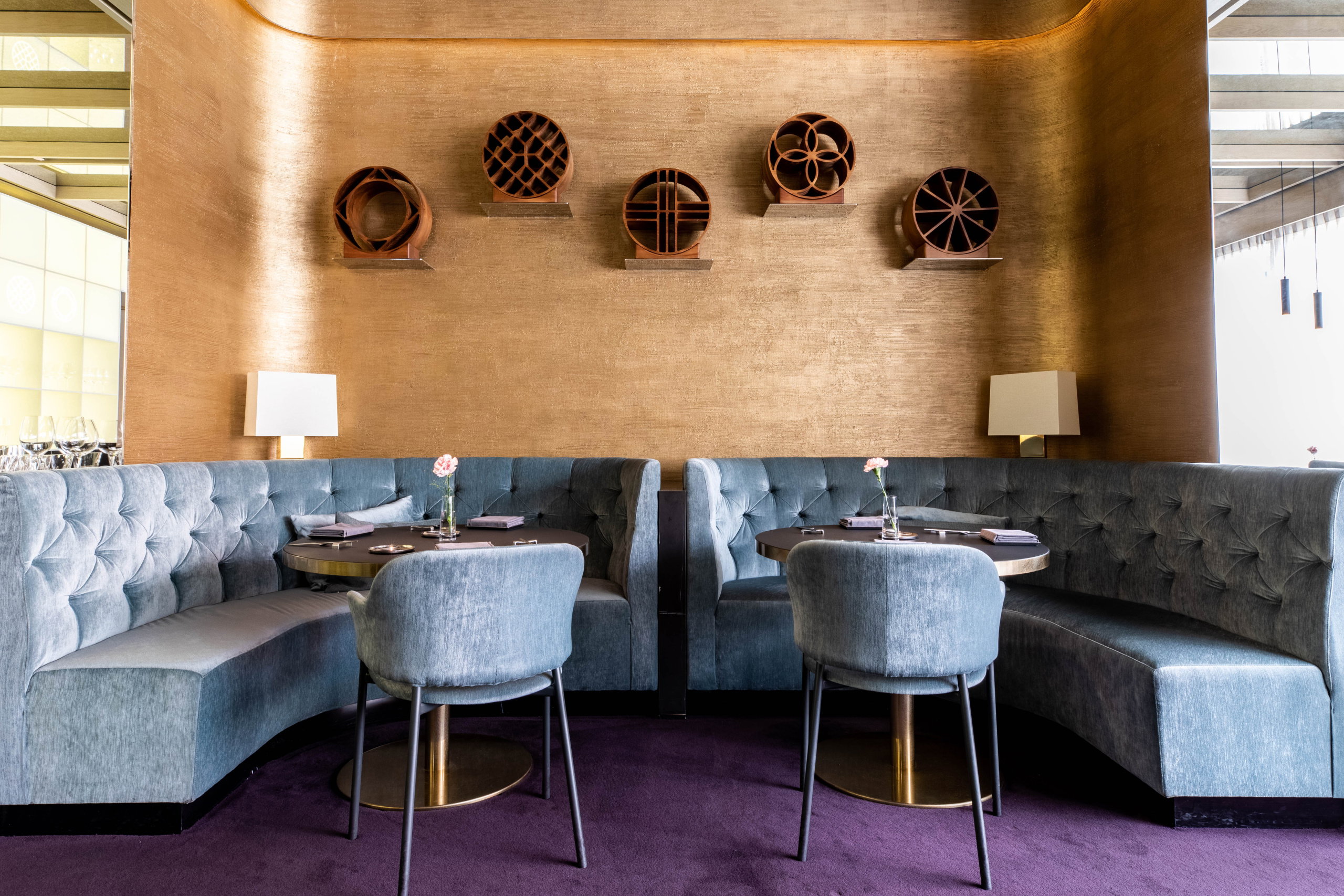
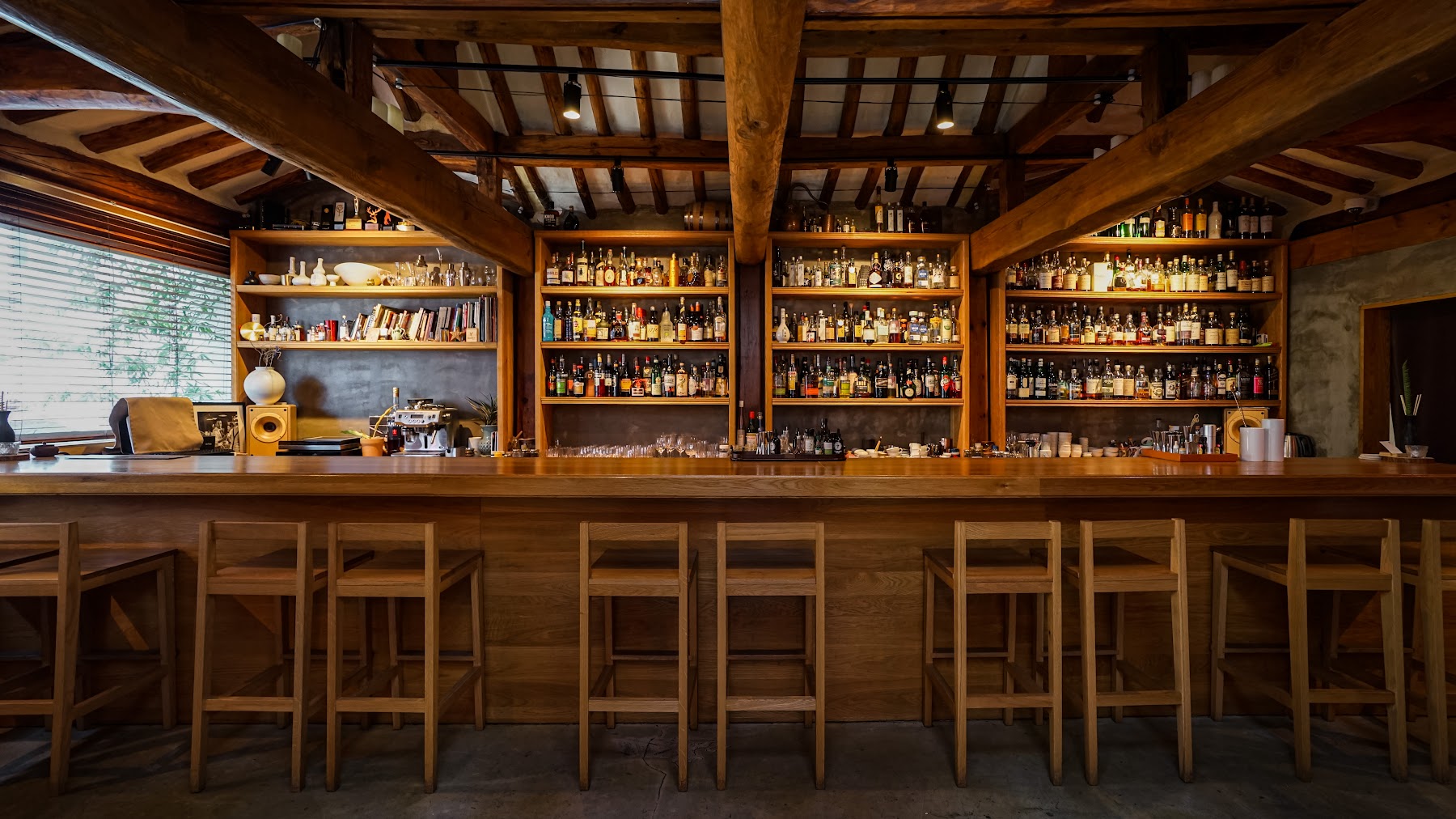
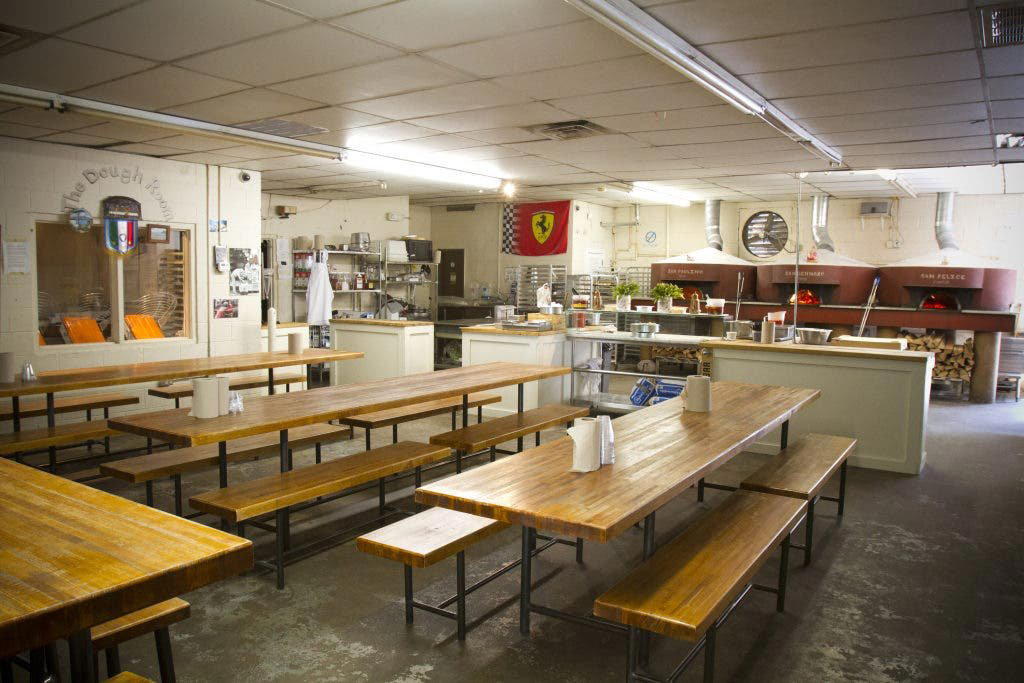
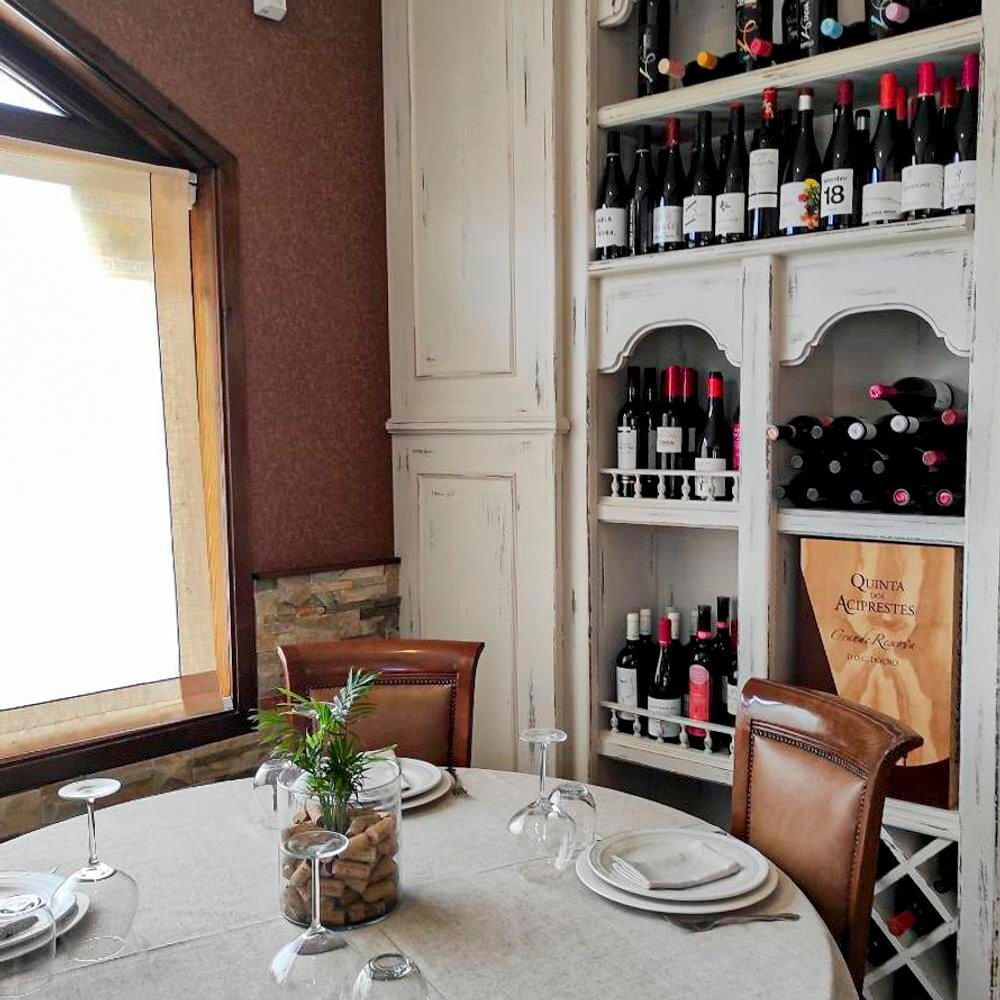
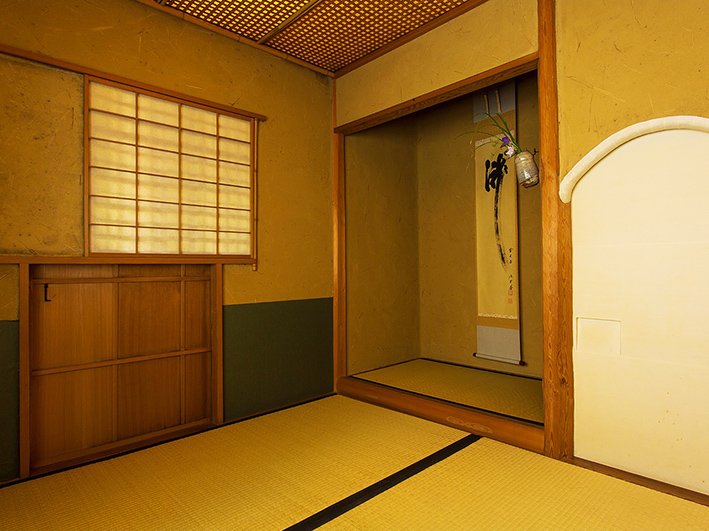
Charming traditional Korean hanok with wooden beams, cozy steaming atmosphere, and visible dumpling preparation.
Tags
Vibe
Best For
Experience
Sourcing
At the Table
- Dress Code
- Casual
- Noise Level
- Conversational
- Service Style
- Casual
- Meal Pacing
- Standard
- Capacity
- Small
- Kitchen
- Traditional
- Menu Format
- A la carte
Signature Dishes
- pork dumplings
- dumpling soup
- mung bean pancake
Know before you go
Know Before You Go
- Getting there
- 23 Yeonhuimat-ro, Seodaemun-gu, Seoul, South Korea
Planning details
Location
Recognition and awards
Also consider
Also Consider
- Solbam, Contemporary, ₩₩₩₩
- Onjium, Korean, ₩₩₩₩
- 7th Door, Korean, Contemporary, ₩₩₩₩
- L'Amitié, French, ₩₩₩
- Zero Complex, Korean-French, Innovative, ₩₩₩₩
Restaurant context
Gaeseong Mandu Koong sits at a different price tier from most of its Seoul peer comparisons, which is precisely why the comparison matters. Solbam, Onjium, 7th Door, and Zero Complex all operate at ₩₩₩₩, four to five times the cost of a meal here, with correspondingly elaborate service and tasting-menu formats. If your Seoul trip has one serious dinner budget to allocate, those venues compete for that slot. Gaeseong Mandu Koong competes for a different meal: the lunch you want to be genuinely good rather than merely convenient, or the dinner where you don't want to commit to a two-hour structured experience.
L'Amitié at ₩₩₩ sits between the two tiers and offers a French-leaning alternative for diners who want more ceremony than Gaeseong Mandu Koong provides but less outlay than the ₩₩₩₩ tier. For Korean food specifically, Onjium is the address if you want the full traditional treatment at the top price tier. For modern Korean creativity, 7th Door and Zero Complex both earn their premium. But none of those venues give you Michelin recognition at ₩ pricing, that combination belongs to Gaeseong Mandu Koong alone in this comparison set.
For a repeat visitor deciding between options: book Gaeseong Mandu Koong when value and focus matter; book Onjium or 7th Door when occasion and formality are the brief. The two decisions don't compete, they serve different meals on the same trip.
Explore Seoul
Around this place
Discover more on Pearl
Unlock the full Gaeseong Mandu Koong guide in Pearl, including awards, comparisons, FAQs, planning details, and nearby places.
Compare Gaeseong Mandu Koong
| Venue | Cuisine | Awards | Booking Difficulty |
|---|---|---|---|
| Gaeseong Mandu Koong | Mandu | 2025 Michelin Bib Gourmand2024 Michelin Bib Gourmand | Easy |
| Solbam | Contemporary | 2026 Asia's 50 Best Restaurants · #552026 Wine Spectator Best of Award of Excellence2026 OAD Top Restaurants in Asia RecommendedMichelin Guide Seoul & Busan 20262026 La Liste Top Restaurants2025 Asia's 50 Best Restaurants · #552025 OAD Top Restaurants in Asia Ranked · #277Tatler Best Restaurants Asia-Pacific 20252025 Wine Spectator Best of Award of Excellence | Unknown |
| Onjium | Korean | 2026 Asia's 50 Best Restaurants · #142026 OAD Top Restaurants in Asia Ranked · #852026 La Liste Top RestaurantsMichelin Guide Seoul & Busan 20262026 Wine Spectator Best of Award of Excellence2025 Asia's 50 Best Restaurants · #102025 World's 50 Best Restaurants · #572025 OAD Top Restaurants in Asia Ranked · #1342025 La Liste Top Restaurants | Unknown |
| 7th Door | Korean, Contemporary | 2026 Asia's 50 Best Restaurants · #492026 OAD Top Restaurants in Asia Ranked · #842026 Black Pearl 1 DiamondMichelin Guide Seoul & Busan 20262026 La Liste Top Restaurants2025 Asia's 50 Best Restaurants · #232025 Michelin 1 Star2025 La Liste Top Restaurants2024 OAD Top Restaurants in Asia Ranked · #192 | Unknown |
| L'Amitié | French | 2026 La Liste Top Restaurants2025 La Liste Top Restaurants2025 Michelin 1 Star2024 Michelin 1 Star | Unknown |
| Zero Complex | Korean-French, Innovative | Star Wine Lists 20262026 OAD Top Restaurants in Asia Recommended2026 La Liste Top Restaurants2025 OAD Top Restaurants in Asia Ranked · #1992025 La Liste Top Restaurants2025 Michelin 1 Star2025 The Best Chef One Knife2024 OAD Top Restaurants in Asia Ranked · #2792024 Michelin 1 Star | Unknown |










What to weigh when choosing between Gaeseong Mandu Koong and alternatives.
FAQ
Frequently Asked Questions
What should I wear to Gaeseong Mandu Koong?
Come as you are. Gaeseong Mandu Koong holds a Michelin Bib Gourmand, which recognises quality at accessible prices — not fine dining formality. A residential Seodaemun-gu address and a ₩ price point signal a casual, neighbourhood setting. Jeans and a clean top are entirely appropriate.
Is the tasting menu worth it at Gaeseong Mandu Koong?
Gaeseong Mandu Koong is a mandu specialist at ₩ pricing, so the value case here is about honest, well-executed Korean dumplings rather than a multi-course format. Two consecutive Michelin Bib Gourmand awards (2024 and 2025) confirm the kitchen delivers at its price tier. If you're after a formal tasting progression, look at Onjium instead — but for high-quality mandu at low spend, Koong justifies the trip.
Can I eat at the bar at Gaeseong Mandu Koong?
No bar seating information is available for Gaeseong Mandu Koong. Given the ₩ price range and neighbourhood mandu format, this is almost certainly a table-service operation without a dedicated bar counter. Call ahead or arrive early to understand seating options, since Bib Gourmand recognition drives demand and walk-in availability may be limited.
What should a first-timer know about Gaeseong Mandu Koong?
Book in advance. Back-to-back Michelin Bib Gourmand recognition (2024–2025) has put this Seodaemun-gu spot on the radar well beyond its residential neighbourhood, and tables fill accordingly. It is a mandu-focused restaurant at ₩ prices — not a broad Korean menu — so arrive knowing that dumplings are the reason to come. Address: 23 Yeonhuimat-ro, Seodaemun-gu, Seoul.
What are alternatives to Gaeseong Mandu Koong in Seoul?
For upscale Korean dining with serious technique, Onjium is the comparison that matters — higher price point, more elaborate format. 7th Door suits diners who want a chef-driven tasting experience. If you want to stay in the accessible-price, quality-Korean lane but prefer a different register, Solbam is worth considering. Gaeseong Mandu Koong's specific case — Michelin-recognised mandu at ₩ pricing — is hard to replicate directly in Seoul.