
Balwoo
Korean Vegetarian · 가회동, Seoul
Restaurant in Seoul, South Korea
 Book with Pearl
The Read
Monastic Vegetarian Precision
Price
$30–50per person
Chef
Kim Ji Young
Dress
Smart Casual
Why go
Balwoo is Seoul's most credentialed vegetarian restaurant, serving Korean Buddhist temple food in the historic Jongno District. Ranked in OAD's Top Restaurants in Asia three years running (2023–2025), it is a clear recommendation for a special occasion lunch or dinner — particularly for diners who want a meal rooted in Korean culinary heritage rather than the city's more familiar tasting-menu formats.
About Balwoo
Should You Book Balwoo?
Balwoo earns a clear recommendation for anyone in Seoul looking for a serious vegetarian dining experience in a historically significant location. The price range isn't published, but the Jongno address, the consecutive Opinionated About Dining (OAD) Asia rankings from 2023 through 2025, and the format all point to a mid-to-upper price tier worth the outlay for the right occasion. If you are planning a special dinner, a considered solo lunch, or simply want to eat well without meat in a city where that isn't always the default, Balwoo is the most credentialed option in Seoul at this format.
Balwoo, Jongno: A Portrait
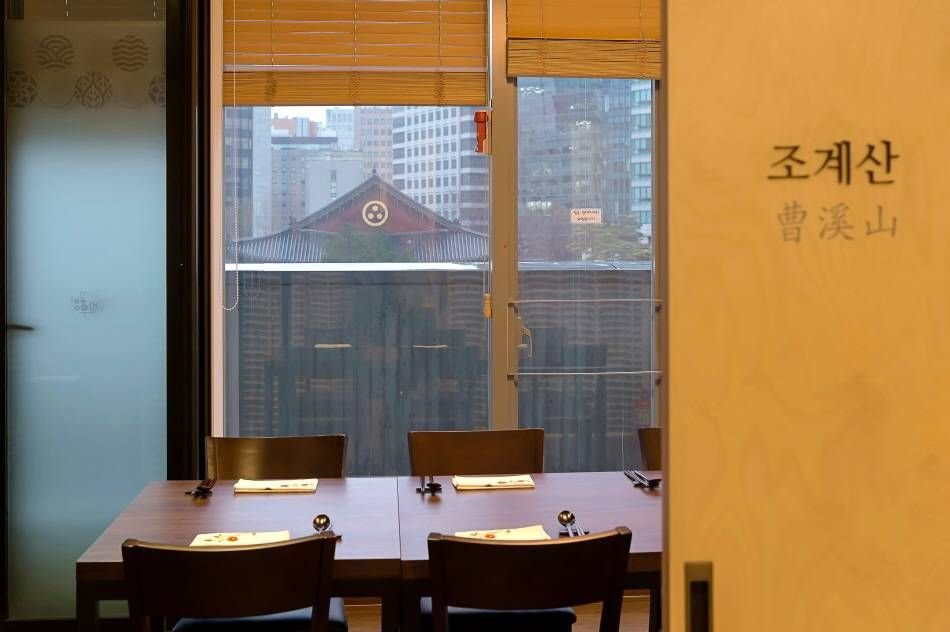
Balwoo sits at 71 Gyeonji-dong in Jongno District, one of Seoul's oldest quarters, a short distance from Gyeongbokgung Palace and the traditional hanok village of Bukchon. The location is not incidental. This part of the city carries the weight of Korean cultural history, and Balwoo's cuisine, rooted in temple food traditions, reads differently here than it would in Gangnam or Mapo. The setting reinforces what arrives on the plate: restrained, considered, and connected to a deeper Korean heritage.
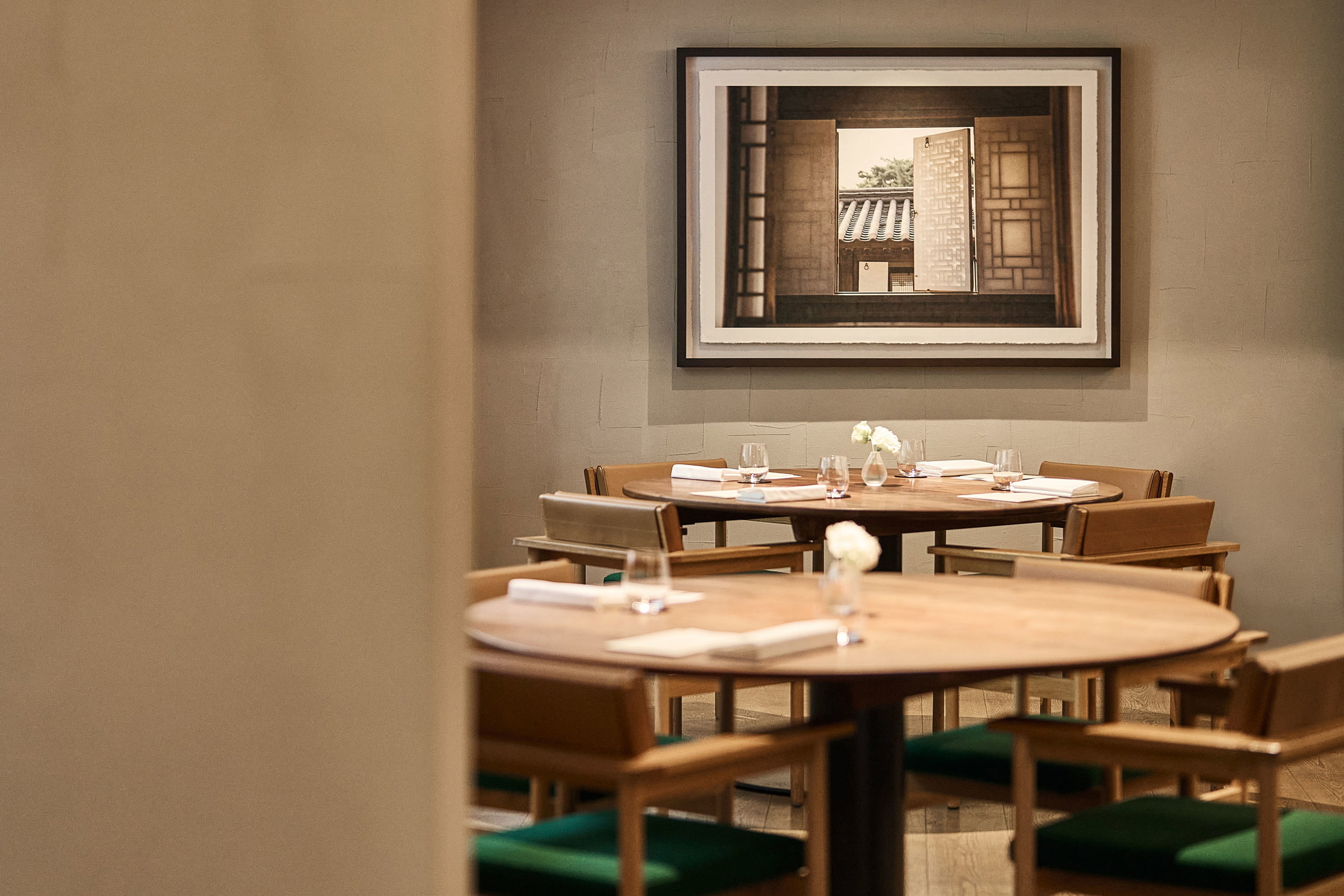
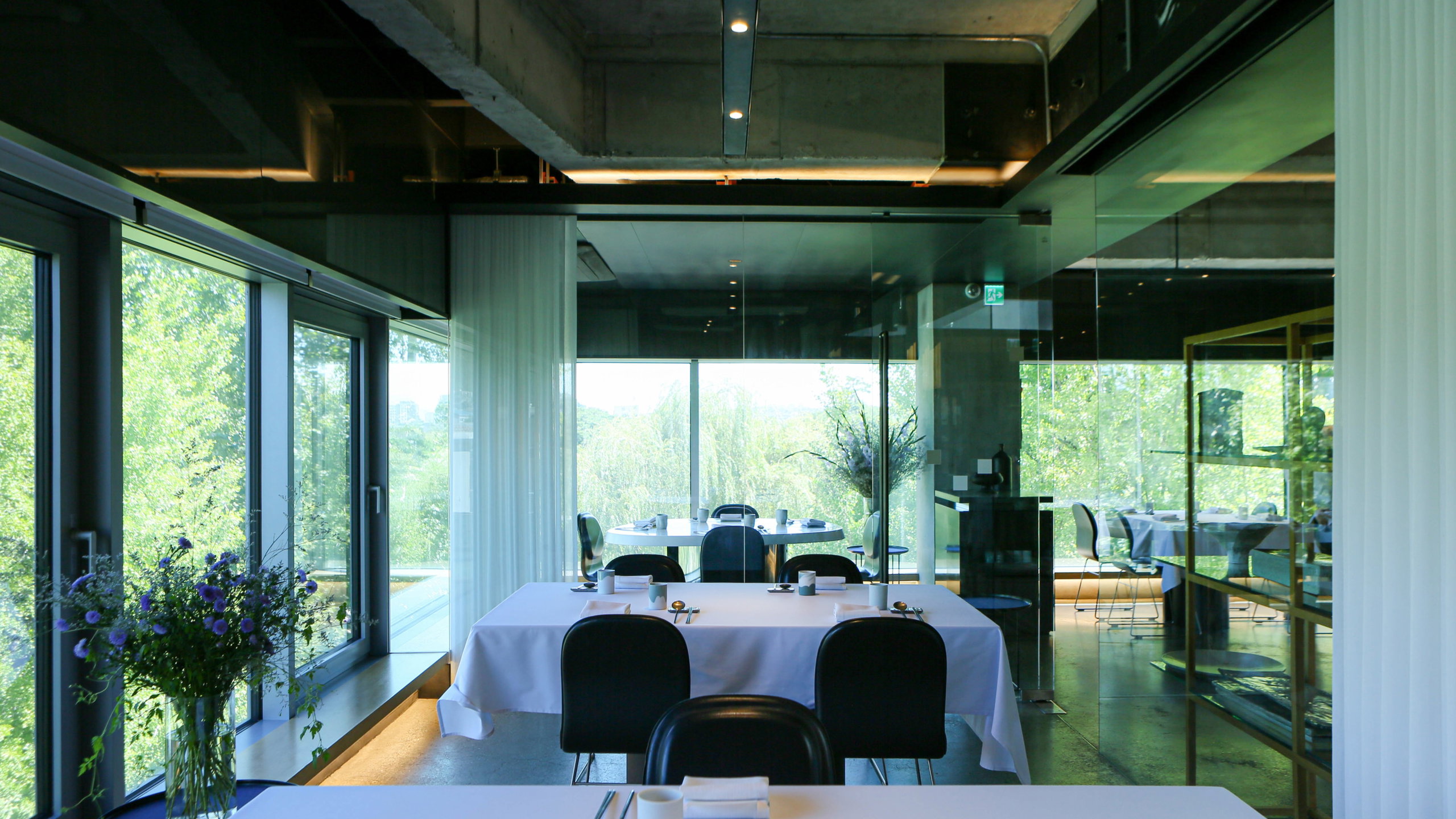
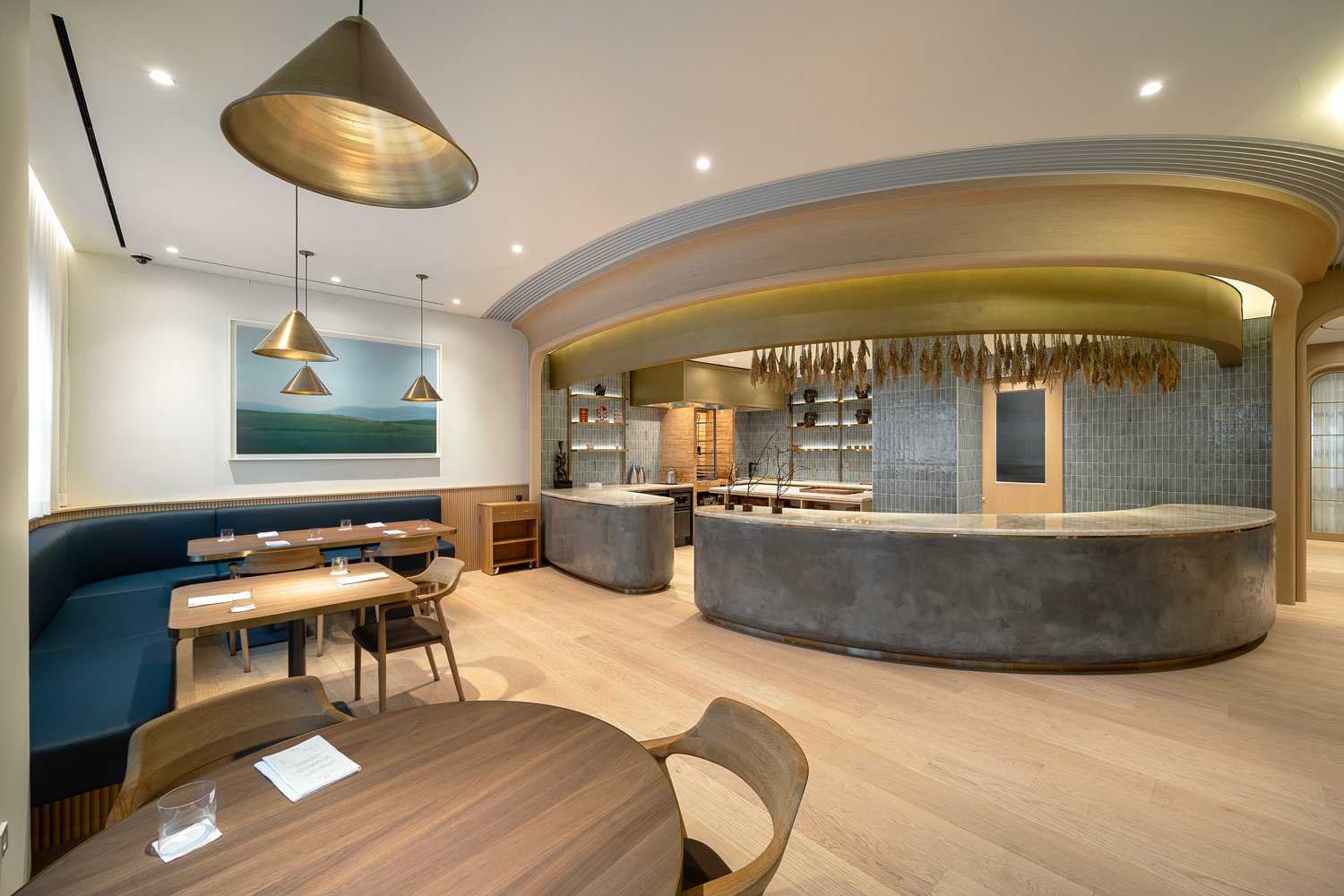
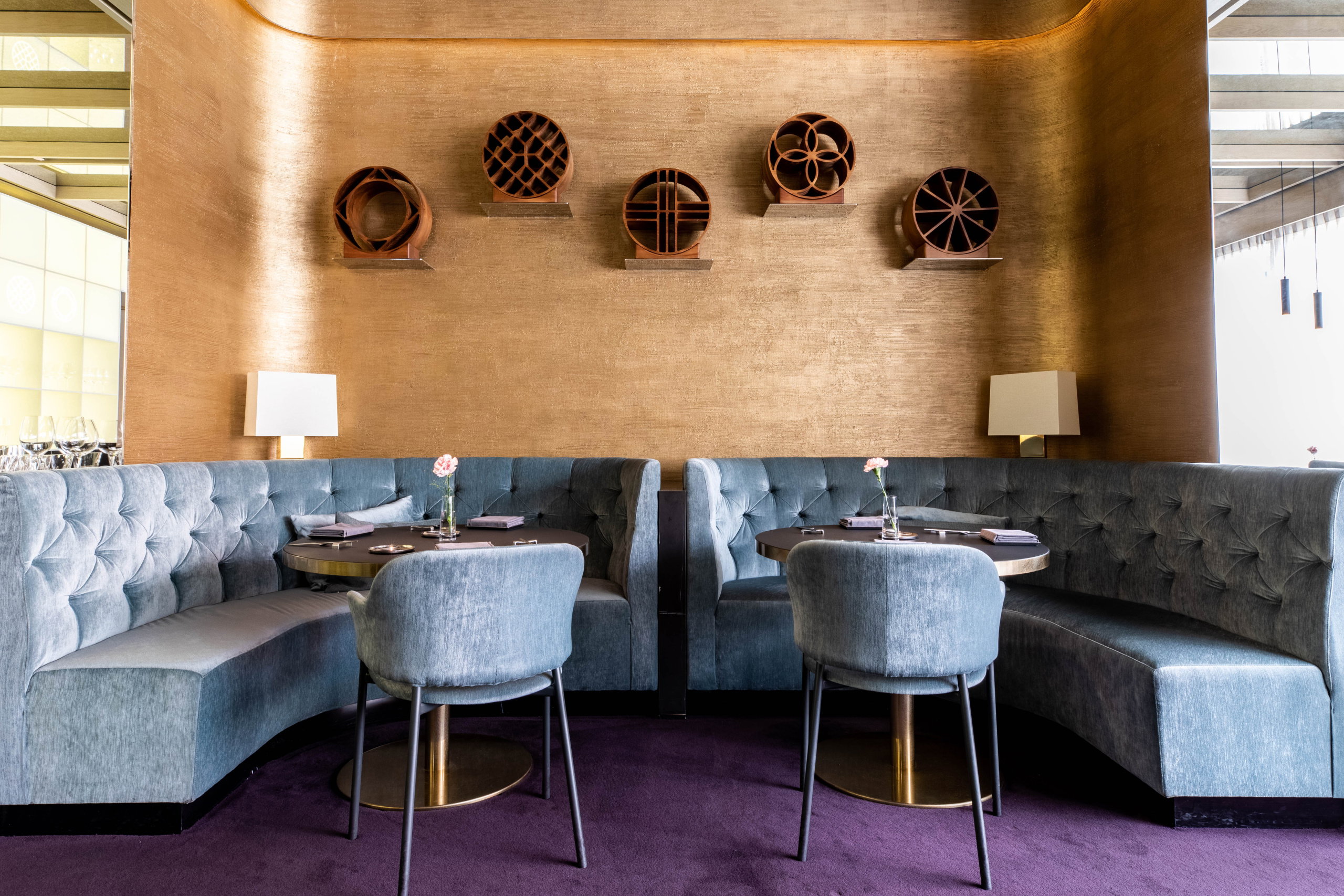
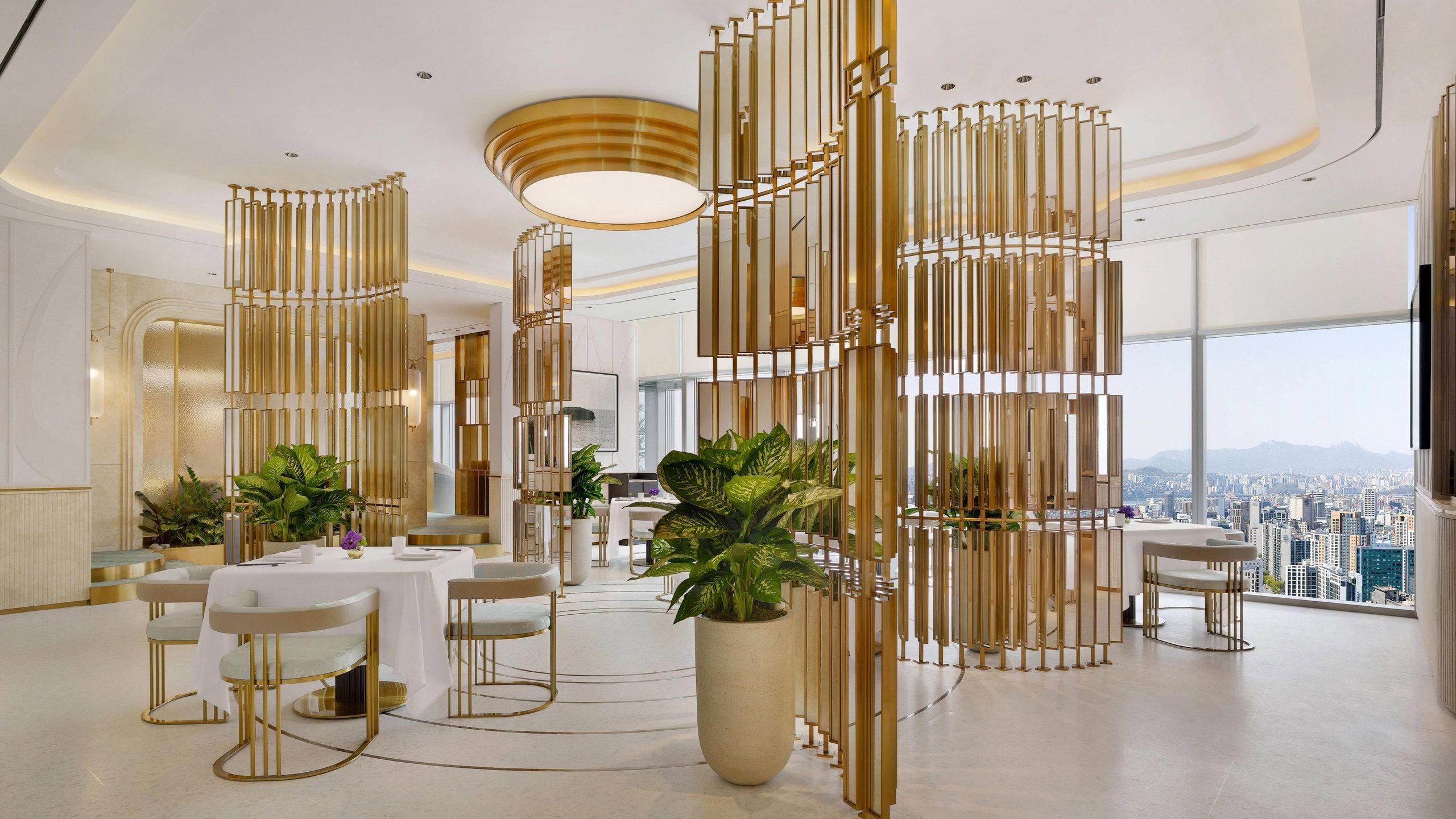
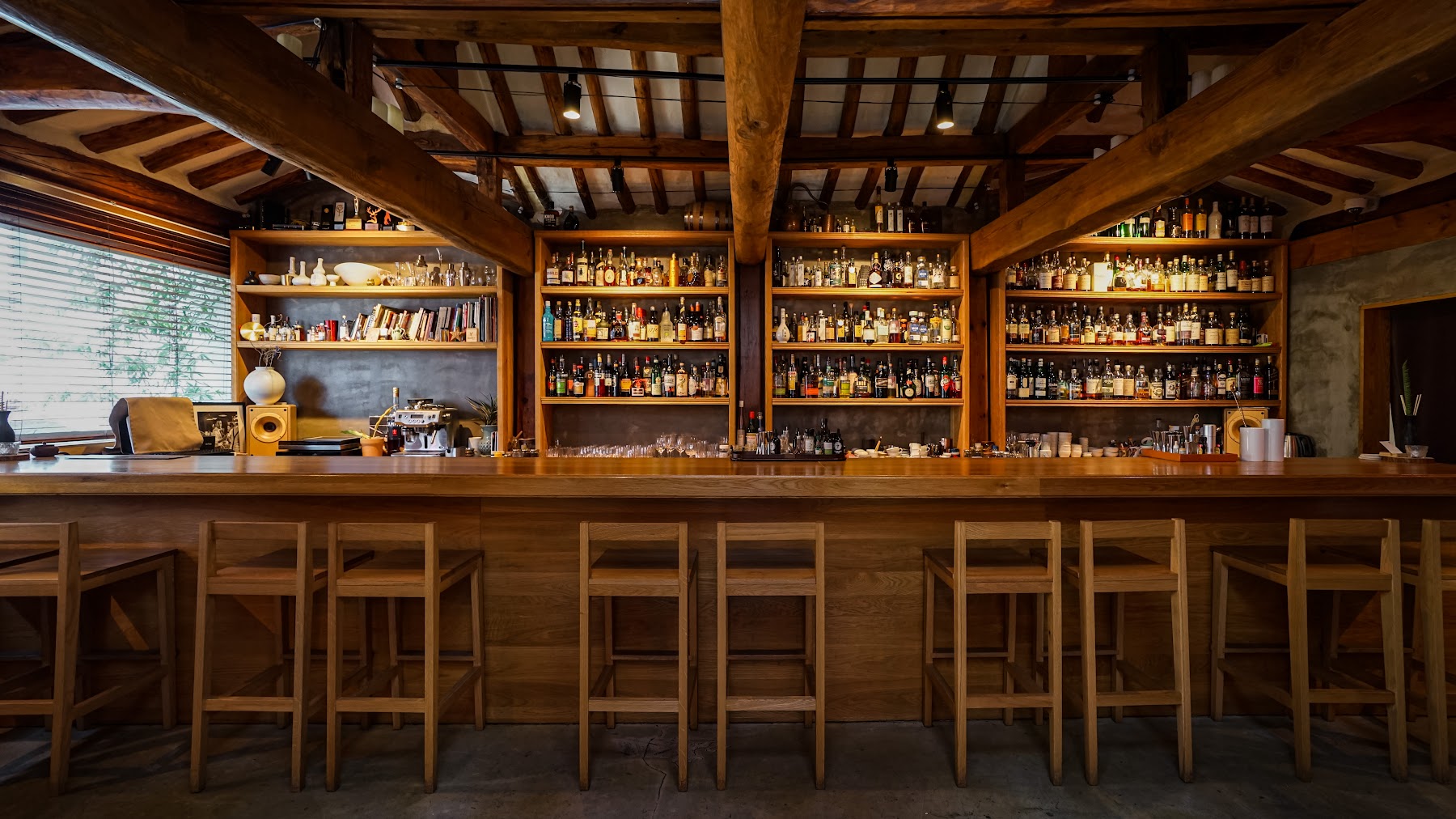
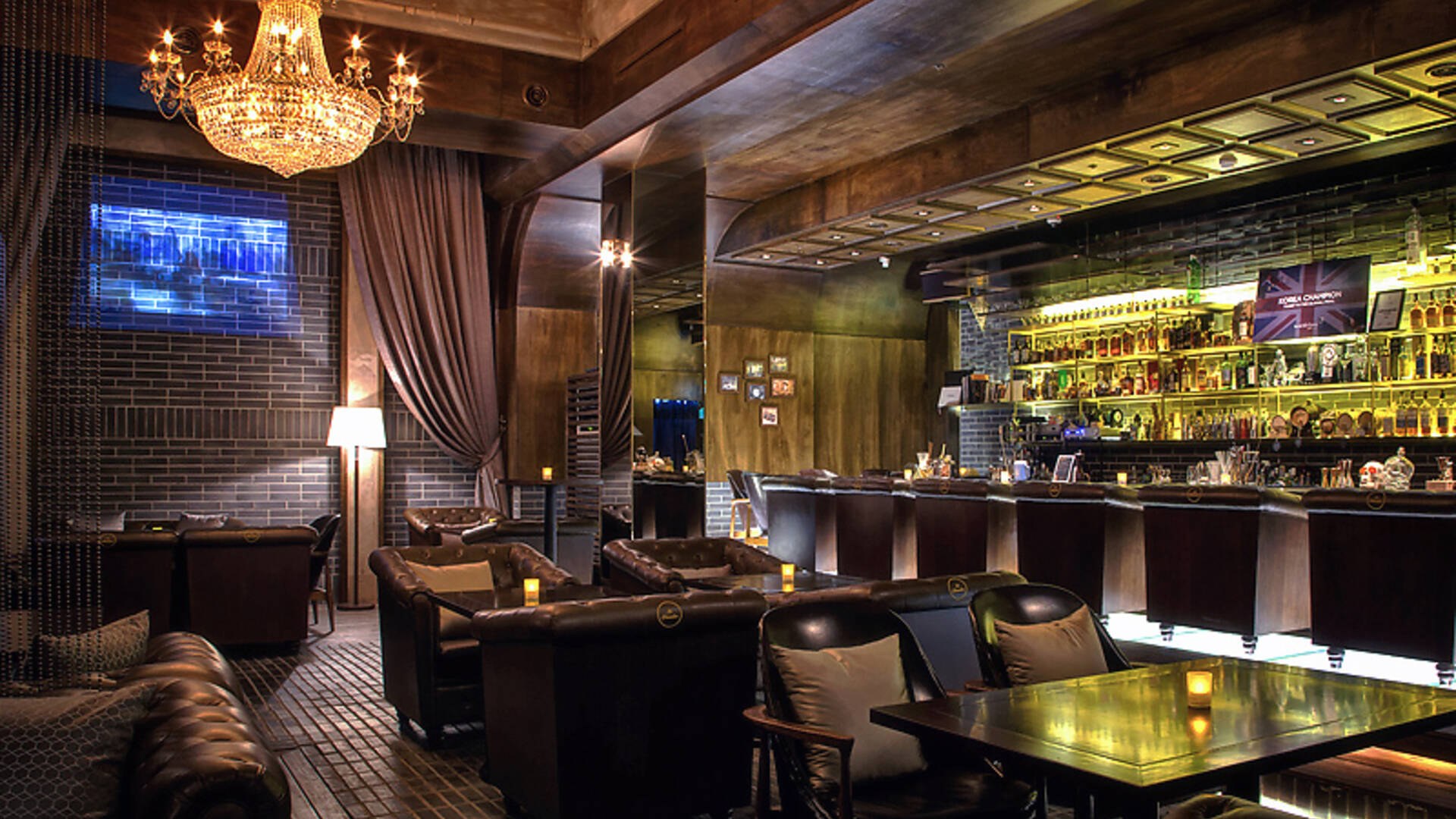
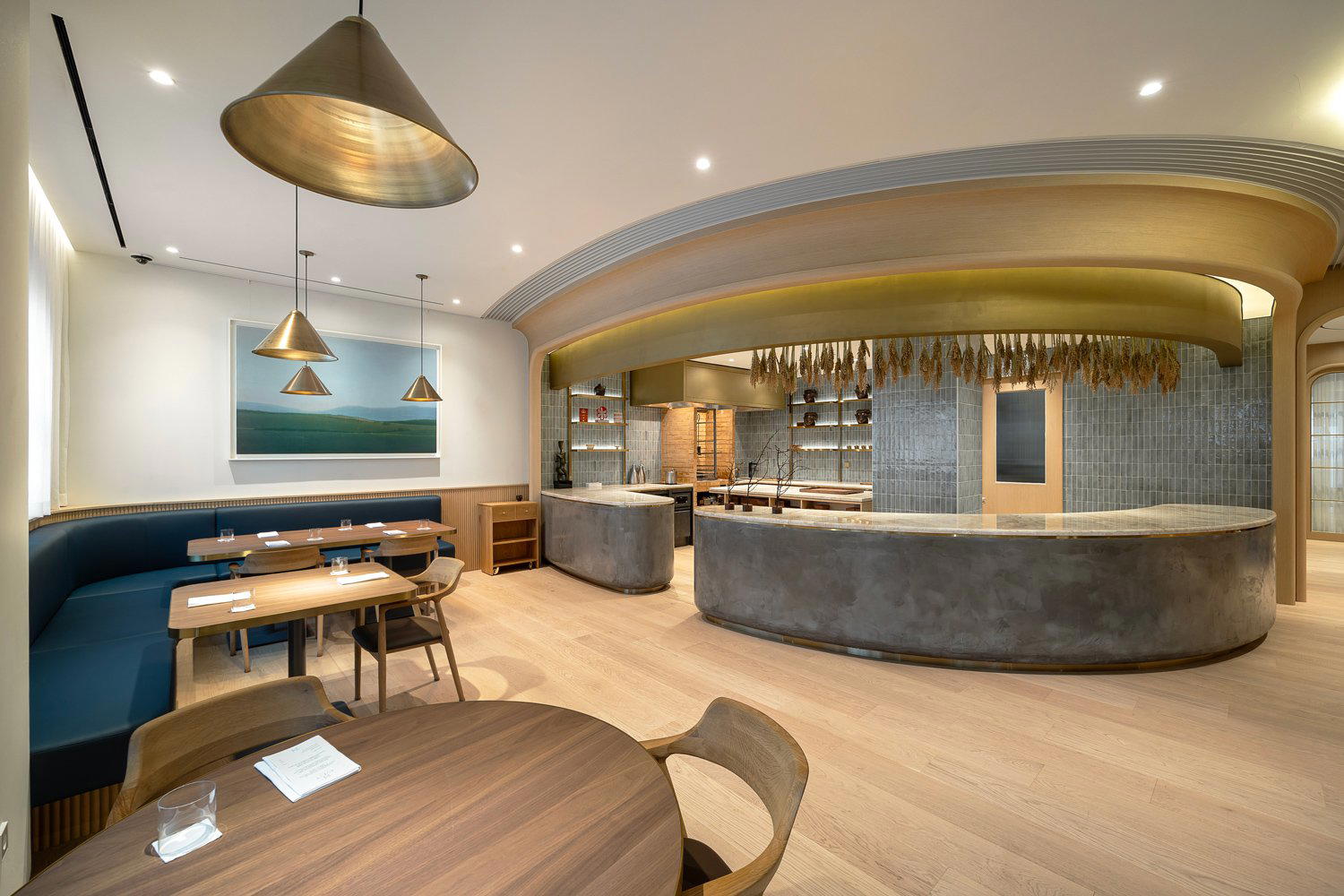
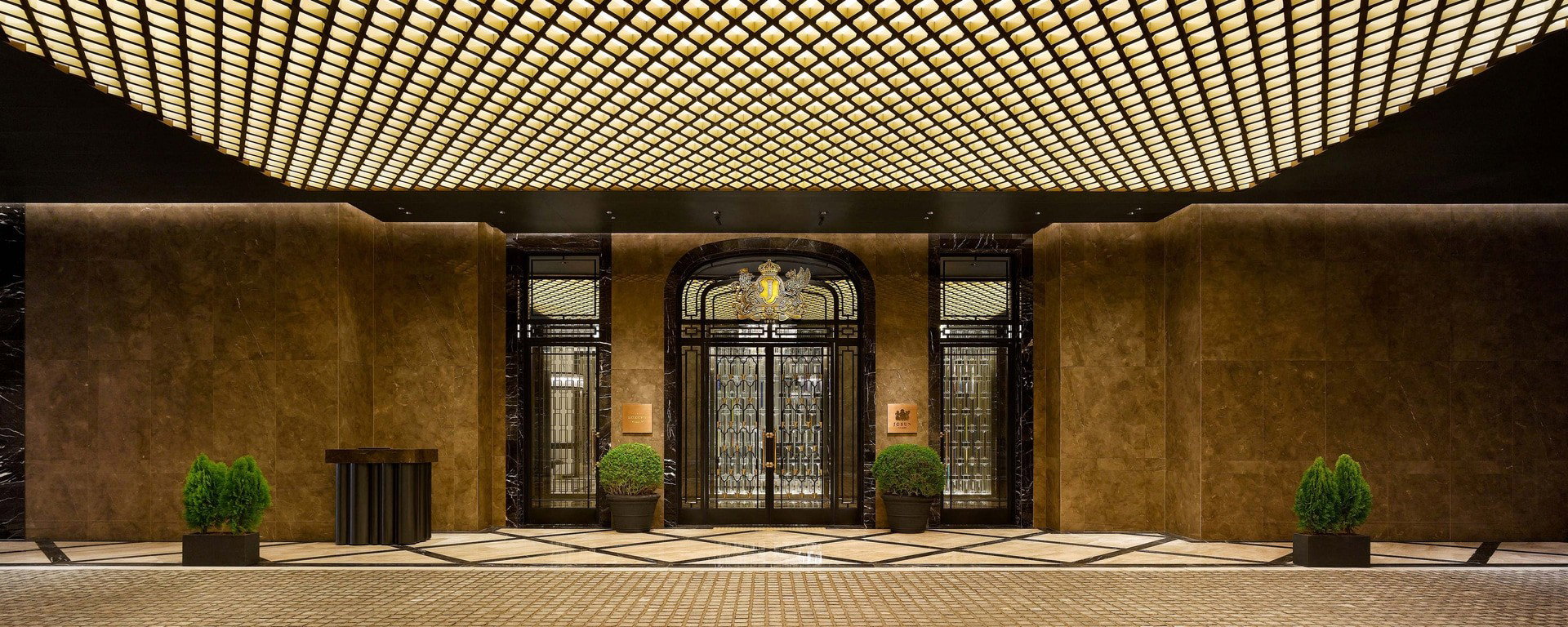
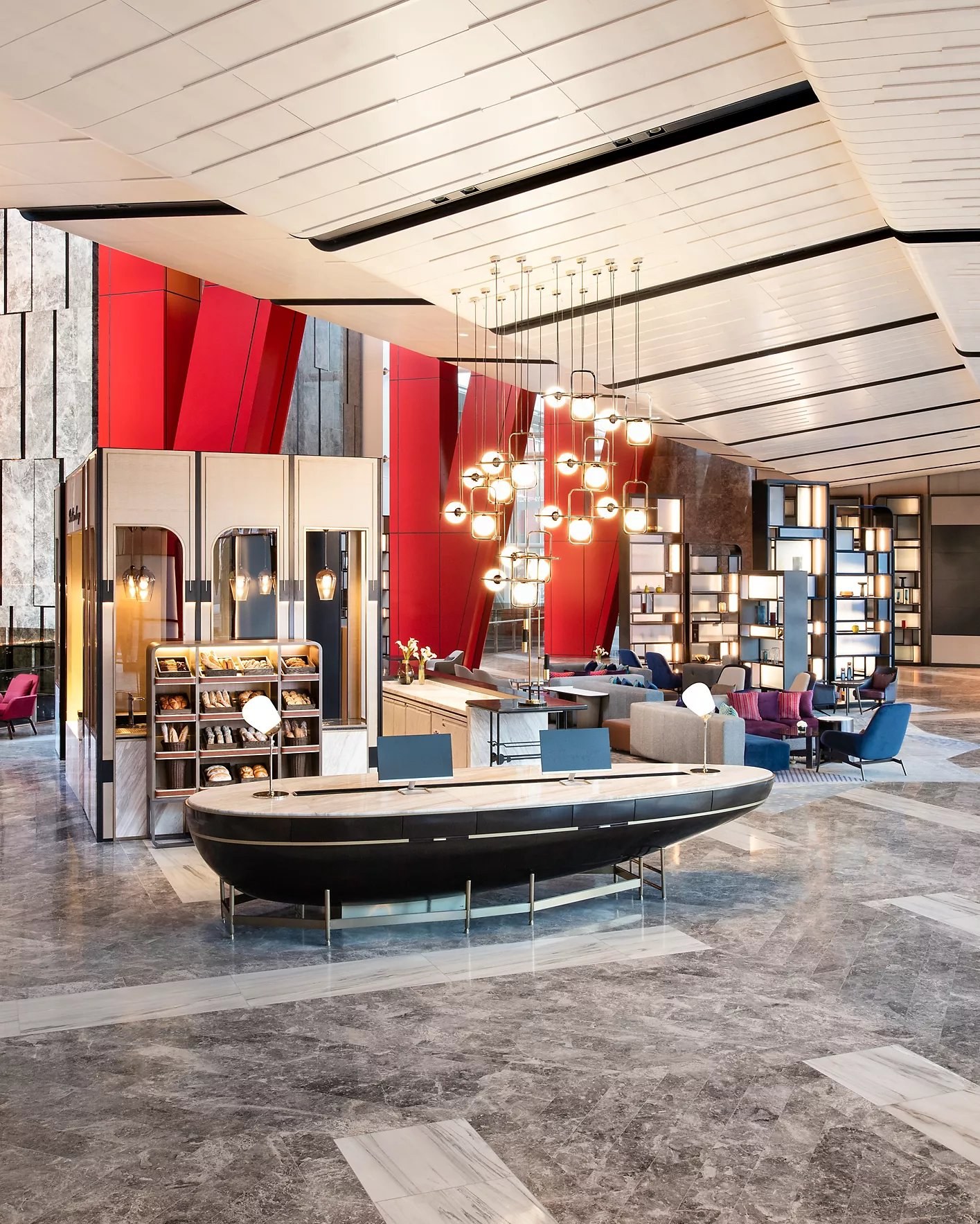
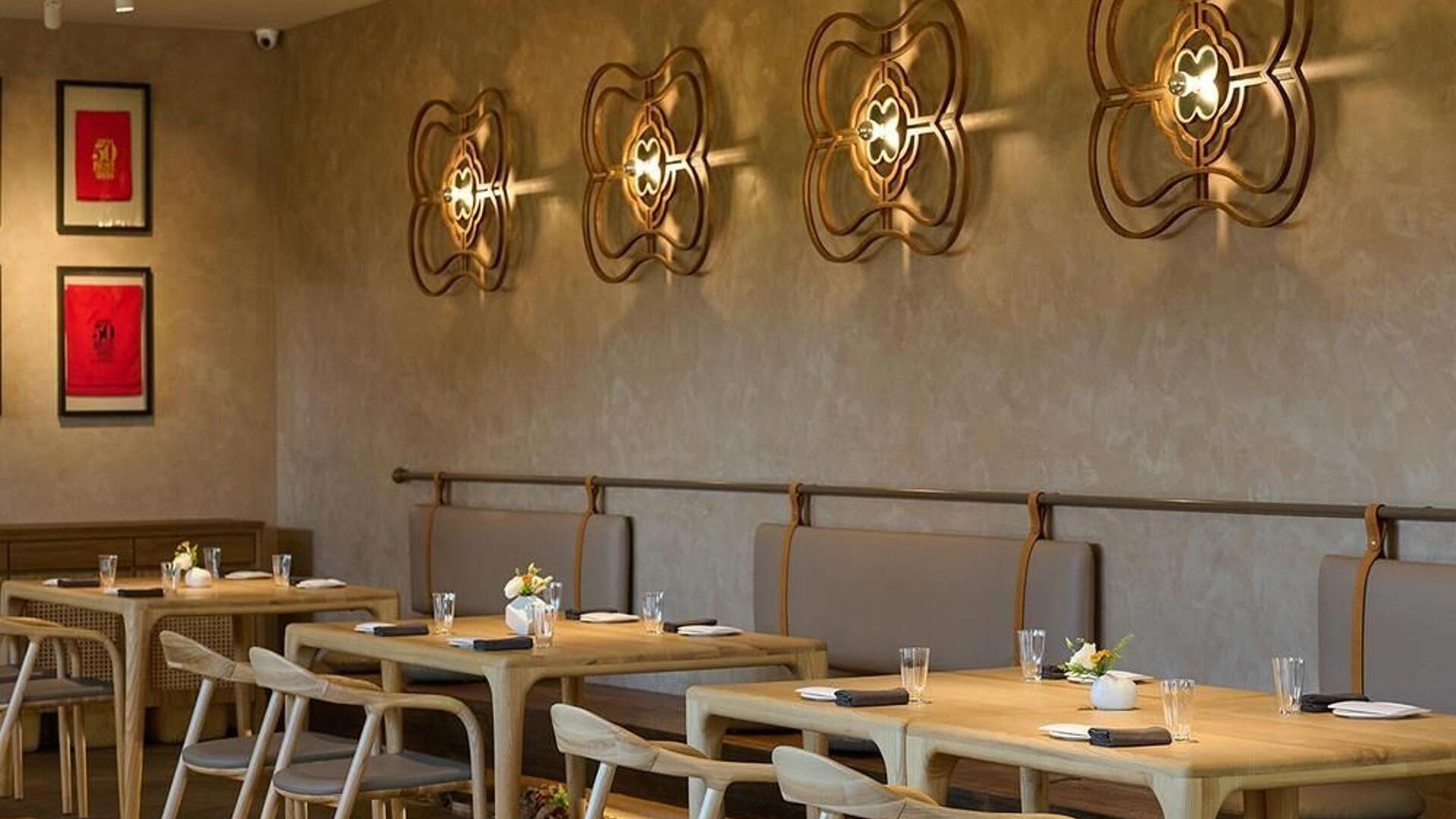
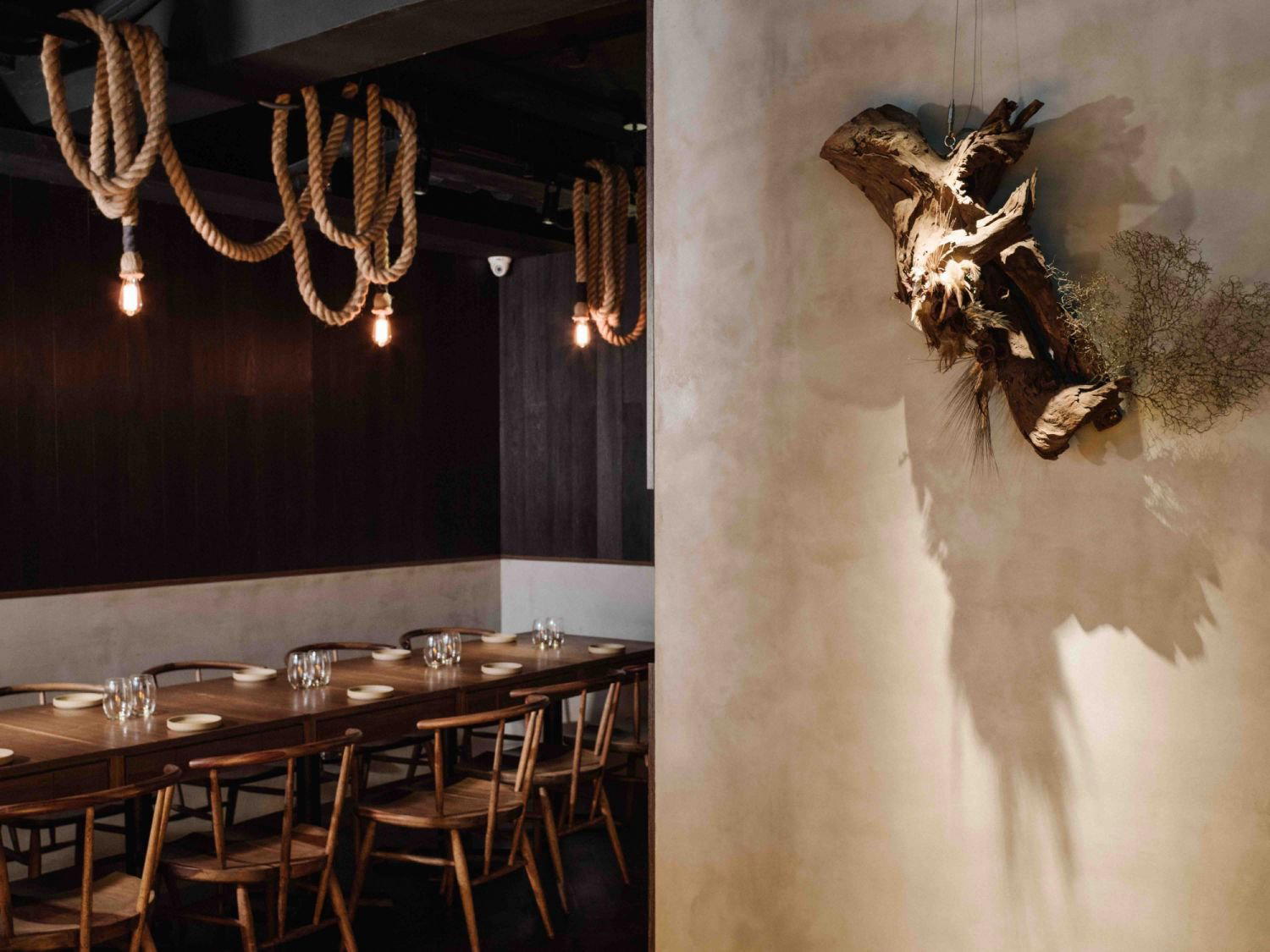
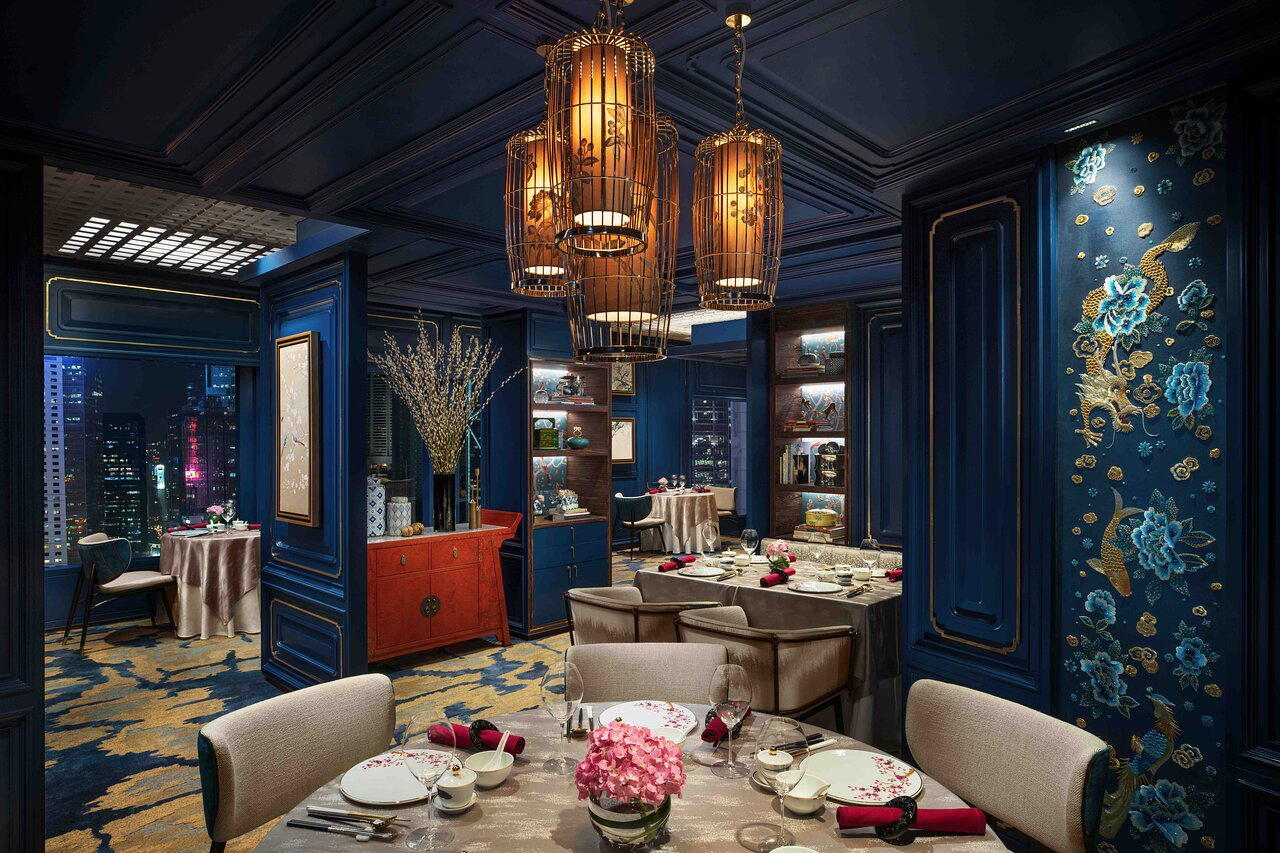
Visually, expect a room that reflects the discipline of its cuisine. Temple food aesthetics lean toward clean lines, natural materials, and a deliberate absence of excess. The presentation on the plate tends to follow the same logic: colours drawn from vegetables and grains, compositions that reward attention rather than demand it. If you are accustomed to busy, maximalist Korean dining rooms, Balwoo will feel like a different register entirely.
Chef Kim Ji Young leads the kitchen. The menu is fully vegetarian, drawing on 사찰음식 (sachal eumsik), the centuries-old Korean Buddhist temple cooking tradition that excludes not just meat but also the pungent alliums — garlic, onion, green onion, chive, and wild garlic — that anchor most Korean cooking. This is not a constraint that limits the kitchen; it is the discipline that defines it. The result is cooking that works with fermentation, aged sauces, and the natural depth of grains and seasonal vegetables to build flavour without the shortcuts most kitchens rely on.
OAD ranked Balwoo at #472 in Asia in 2025, up from #433 in 2024 after a recommended listing in 2023. The year-on-year movement in the ranking is a minor detail; what matters is that OAD's Asia list is weighted heavily toward informed local dining opinion, and consistent presence on it over three consecutive years signals a kitchen that has held its standard rather than coasted on early recognition. For context, OAD Asia covers thousands of restaurants across the continent. Ranking in the top 500 three years running is a verifiable credential, not marketing copy.
For a special occasion dinner, Balwoo works well precisely because it doesn't perform. The Jongno location, the temple-food format, and the absence of noise or spectacle make it a better choice for a conversation-centred meal than most of Seoul's high-end dining rooms. Couples, small groups, and solo diners looking for a focused experience will find the format accommodating. It is also worth noting that Balwoo is Sunday-closed, so check your dates before planning a weekend trip around a Sunday evening here.
Lunch service runs 11:30am to 3pm and dinner from 6pm to 9:30pm, Monday through Saturday. Arriving for lunch gives you the Jongno streetscape in daylight, which adds to the experience given the neighbourhood's visual and historical texture. Dinner service is the more conventional choice for a special occasion, though the shorter Sunday closure means Saturday evening is the last booking slot of the week.
For further Seoul dining context, see our full Seoul restaurants guide. If you are building a broader Seoul itinerary, our Seoul hotels guide, our Seoul bars guide, and our Seoul experiences guide cover the rest. For Korean temple food outside Seoul, Baegyangsa Temple in Jangseong-gun offers a different, more immersive take on the same tradition.
Other Seoul restaurants worth considering alongside Balwoo depending on your format: Mingles for creative Korean with a tasting menu structure, Jungsik for contemporary Korean with international technique, Kwonsooksoo for a more traditional Korean fine dining read, and Soigné if innovative tasting menus are the priority. alla prima is worth a look for something outside the Korean format entirely. For internationally comparative context, Atomix in New York is the most useful reference point for Korean fine dining at the global level.
Quick reference: Balwoo, 71 Gyeonji-dong, Jongno, Seoul. Mon–Sat lunch 11:30am–3pm, dinner 6–9:30pm. Closed Sunday. OAD Asia Top 500, three consecutive years. Booking: easy.
Booking Balwoo
Balwoo is categorised as easy to book by Pearl's current assessment. Given the consistent OAD Asia rankings and the Jongno location's appeal to both Seoul residents and visiting diners, it is worth booking ahead for dinner on a Friday or Saturday, when demand is highest. Lunch slots on weekdays are likely more available. No phone number or booking URL is listed in our current data; check Google Maps or a Seoul-based reservation platform for the most current booking method.
Planning details
- Hours
- Monday: 11:30 am–3 pm, 6–9:30 pm · Tuesday: 11:30 am–3 pm, 6–9:30 pm
- Location
- 71 Gyeonji-dong, Jongno District, Seoul, South Korea
- Website
- balwoo.or.kr
- Phone
- +82 2-733-2081
The take
The Take
The Vibe
Balwoo presents a restrained, contemplative dining experience rooted in the historic fabric of Jongno. Set amid Joseon-era fragments and Buddhist temple compounds, the restaurant frames a meal that feels like an extension of the neighbourhood’s calm, low-rise streets. The cuisine follows the temple tradition of sache eumsik, where silence and discipline shape the cooking: pungent aromatics are omitted, and complexity comes from aged fermented pastes, seasonal produce and foraged greens. The result is an intentionally meditative atmosphere — quiet, focused and quietly memorable — where every bite reflects a practiced restraint and connection to place.
Best For
Balwoo is best for diners seeking a thoughtful, culturally rooted meal rather than a lively night out. It suits guests who prize culinary history, seasonal foraging and the contemplative roots of Korean temple food — from food historians and mindful eaters to couples after a quiet special occasion. The setting and cuisine also make it appealing for solitary exploration or a wellness-minded meal: the absence of pungent ingredients and the emphasis on fermented, aged components create a measured dining rhythm that rewards patience and attention to subtle flavors.
Ordering Tips
When ordering at Balwoo, prioritize a range of small, signature items to appreciate the nuanced flavors created without garlic or green onions. Look for Bomnamul-japchae, Modeum-beoseot-gangjeong, Yeonipbap, Hwajeon and Insam naengchae to sample the breadth of techniques and seasonality. Expect umami from aged doenjang, ganjang and gochujang — the kitchen leans on fermented condiments and preserved preparations, so order multiple dishes to compare textures and depths of fermentation. Ask staff about seasonal foraged items and preparations; sharing plates across the table reveals the discipline and subtlety at the heart of Balwoo’s temple cooking.
Venue details
Ambiance
Simple, zen interior with clean modern design; guests dine in private rooms with soft, contemplative lighting that encourages peaceful, unhurried dining.
Tags
Vibe
Best For
Experience
Sourcing
Accessibility
At the Table
- Dress Code
- Smart Casual
- Noise Level
- Quiet
- Service Style
- Formal
- Meal Pacing
- Extended Experience
- Capacity
- Intimate
- Kitchen
- Traditional
- Menu Format
- Tasting menu, Set menu, Prix fixe
- Dietary
- Vegetarian friendly, Vegan options, Gluten-free options
- Private Dining
- Available
Signature Dishes
- Bomnamul-japchae
- Modeum-beoseot-gangjeong
- Yeonipbap
- Hwajeon
- Insam naengchae
Know before you go
Know Before You Go
- Getting there
- 71 Gyeonji-dong, Jongno District, Seoul, South Korea
Planning details
Hours
- Monday
- 11:30 am–3 pm, 6–9:30 pm
- Tuesday
- 11:30 am–3 pm, 6–9:30 pm
- Wednesday
- 11:30 am–3 pm, 6–9:30 pm
- Thursday
- 11:30 am–3 pm, 6–9:30 pm
- Friday
- 11:30 am–3 pm, 6–9:30 pm
- Saturday
- 11:30 am–3 pm, 6–9:30 pm
- Sunday
- Closed
Location

Also consider
Also Consider
- Solbam, Contemporary, ₩₩₩₩
- Onjium, Korean, ₩₩₩₩
- 7th Door, Korean, Contemporary, ₩₩₩₩
- L'Amitié, French, ₩₩₩
- Zero Complex, Korean-French, Innovative, ₩₩₩₩
Restaurant context
How Balwoo Compares
Balwoo occupies a category of its own in Seoul's upper-mid dining tier. Its closest comparison among the city's serious Korean restaurants is Onjium, which also draws on classical Korean culinary tradition and comes in at ₩₩₩₩. Onjium is the stronger choice if you want a broader read on Korean court and regional food history; Balwoo is the pick if the temple food tradition specifically, and the vegetarian format, is what you are after. Both hold OAD Asia recognition, but they serve different purposes at the table.
Solbam and Zero Complex (both ₩₩₩₩) compete in Seoul's contemporary tasting-menu space and are better suited to diners who want technical showmanship or Korean-French crossover cooking. 7th Door sits in a similar contemporary Korean bracket and will appeal more to diners who want a modern interpretation of the cuisine rather than a traditional one. None of these three are vegetarian; if that is a requirement or preference, Balwoo is the clearest option in this tier.
L'Amitié at ₩₩₩ is the most accessible price point among the comparison set and serves French cuisine, making it a different decision entirely. If your group is split between vegetarian and non-vegetarian preferences, L'Amitié or Zero Complex may be easier to satisfy everyone. For a pure Korean fine dining special occasion where vegetarian is not a constraint, Onjium or Kwonsooksoo are the most direct alternatives to Balwoo at a comparable level of seriousness.
Explore Seoul
Around this place
Discover more on Pearl
Unlock the full Balwoo guide in Pearl, including awards, comparisons, FAQs, planning details, and nearby places.
Compare Balwoo
| Venue | Location | Cuisine | Awards | Price |
|---|---|---|---|---|
| Balwoo | Seoul | Korean Vegetarian | 2025 OAD Top Restaurants in Asia Ranked · #4722024 OAD Top Restaurants in Asia Ranked · #4332023 OAD Top Restaurants in Asia Recommended | , |
| Solbam | Seoul | Contemporary | 2026 Asia's 50 Best Restaurants · #552026 Wine Spectator Best of Award of Excellence2026 OAD Top Restaurants in Asia RecommendedMichelin Guide Seoul & Busan 20262026 La Liste Top Restaurants2025 Asia's 50 Best Restaurants · #552025 OAD Top Restaurants in Asia Ranked · #277Tatler Best Restaurants Asia-Pacific 20252025 Wine Spectator Best of Award of Excellence | ₩₩₩₩ |
| Onjium | Seoul | Korean | 2026 Asia's 50 Best Restaurants · #142026 OAD Top Restaurants in Asia Ranked · #852026 La Liste Top RestaurantsMichelin Guide Seoul & Busan 20262026 Wine Spectator Best of Award of Excellence2025 Asia's 50 Best Restaurants · #102025 World's 50 Best Restaurants · #572025 OAD Top Restaurants in Asia Ranked · #1342025 La Liste Top Restaurants | ₩₩₩₩ |
| 7th Door | Seoul | Korean, Contemporary | 2026 Asia's 50 Best Restaurants · #492026 OAD Top Restaurants in Asia Ranked · #842026 Black Pearl 1 DiamondMichelin Guide Seoul & Busan 20262026 La Liste Top Restaurants2025 Asia's 50 Best Restaurants · #232025 Michelin 1 Star2025 La Liste Top Restaurants2024 OAD Top Restaurants in Asia Ranked · #192 | ₩₩₩₩ |
| L'Amitié | Seoul | French | 2026 La Liste Top Restaurants2025 La Liste Top Restaurants2025 Michelin 1 Star2024 Michelin 1 Star | ₩₩₩ |
| Zero Complex | Seoul | Korean-French, Innovative | Star Wine Lists 20262026 OAD Top Restaurants in Asia Recommended2026 La Liste Top Restaurants2025 OAD Top Restaurants in Asia Ranked · #1992025 La Liste Top Restaurants2025 Michelin 1 Star2025 The Best Chef One Knife2024 OAD Top Restaurants in Asia Ranked · #2792024 Michelin 1 Star | ₩₩₩₩ |









How Balwoo Seoul compares with similar nearby venues.
FAQ
Frequently Asked Questions
Can Balwoo accommodate groups?
Groups are feasible given Balwoo's structured service format, but call ahead to confirm capacity and seating arrangements. The Jongno District location and set-menu style work better for groups with a shared interest in Korean vegetarian cuisine than for mixed-preference parties. Larger groups should book as early as possible given Balwoo's OAD Asia Top 500 ranking and consistent demand from both local and international diners.
What should a first-timer know about Balwoo?
Balwoo serves Korean temple cuisine — a tradition rooted in Buddhist monastic cooking that avoids meat and pungent alliums. This is not a vegetable-forward contemporary restaurant; it is a format with its own logic, and first-timers should approach it on those terms. The Jongno address places it in one of Seoul's most historically layered districts, so pairing the meal with nearby sights is worth planning. Chef Kim Ji Young leads the kitchen, and the restaurant has held OAD Asia Top Restaurants recognition since 2023.
What should I wear to Balwoo?
The venue data does not specify a dress code, but the OAD Asia ranking, the Jongno heritage setting, and the structured dining format all point toward tidy, respectful attire. Avoid activewear or overly casual dress. Visitors coming directly from a day of sightseeing around Gyeongbokgung Palace should plan accordingly.
Is lunch or dinner better at Balwoo?
Both lunch and dinner run the same hours window — 11:30am to 3pm and 6pm to 9:30pm — so neither session is shorter or abbreviated. Lunch suits visitors building a broader Jongno itinerary; dinner allows more time to settle into the meal without an afternoon schedule pressing. If you are travelling from outside Seoul, dinner removes the risk of transit delays cutting the experience short. Balwoo is closed on Sundays, so plan accordingly.
Is Balwoo good for solo dining?
Yes. The structured tasting format of Korean temple cuisine is well-suited to solo diners, and the Jongno setting makes it a natural anchor for a solo day in central Seoul. There is no social awkwardness baked into the format the way there might be at a large shared-table restaurant. The OAD Asia recognition means solo international visitors consistently seek this out — you will not be the only one dining alone.
How far ahead should I book Balwoo?
Book at least one to two weeks out, and further in advance if your travel dates are fixed. Balwoo's current OAD Asia ranking — moving from Recommended in 2023 to #433 in 2024 and #472 in 2025 — means it draws a steady mix of Seoul locals and international visitors. Pearl's current assessment categorises it as relatively accessible to book, but the Jongno location and limited Sunday-only closure means weekday and Saturday evenings do fill. Do not leave it to last-minute.