
ANAM
Dwaeji-gukbap · 가회동, Seoul
Restaurant in Seoul, South Korea
 Book with Pearl
The Read
Cheongyang-Spiced Pork Broth
Price
$10–20per person
Dress
Casual
Why go
ANAM holds a 2025 Michelin Bib Gourmand for its dwaeji-gukbap in Bukchon Village, Jongno District. The pork and rice soup uses Spanish Duroc ribs and a Cheongyang chili-kale oil that sets it apart from most Seoul gukbap options at the ₩ price tier. Walk-in only, focused menu, and worth the detour for a calibrated bowl near the hanok district.
About ANAM
Verdict
Book ANAM. For a Bib Gourmand-awarded bowl of dwaeji-gukbap in the heart of Bukchon Village, this is one of Seoul's most compelling value propositions at the ₩ price tier. The Michelin recognition in 2025 validates what regulars have known for a while: the pork and rice soup here is technically considered, not just comforting. If you are visiting Seoul and want a single bowl that justifies the walk through Jongno District's back streets, ANAM is the answer. If you want multi-course Korean cuisine or a wine-forward dinner, look elsewhere — this is a specialist, and it is excellent at the one thing it does.
About ANAM
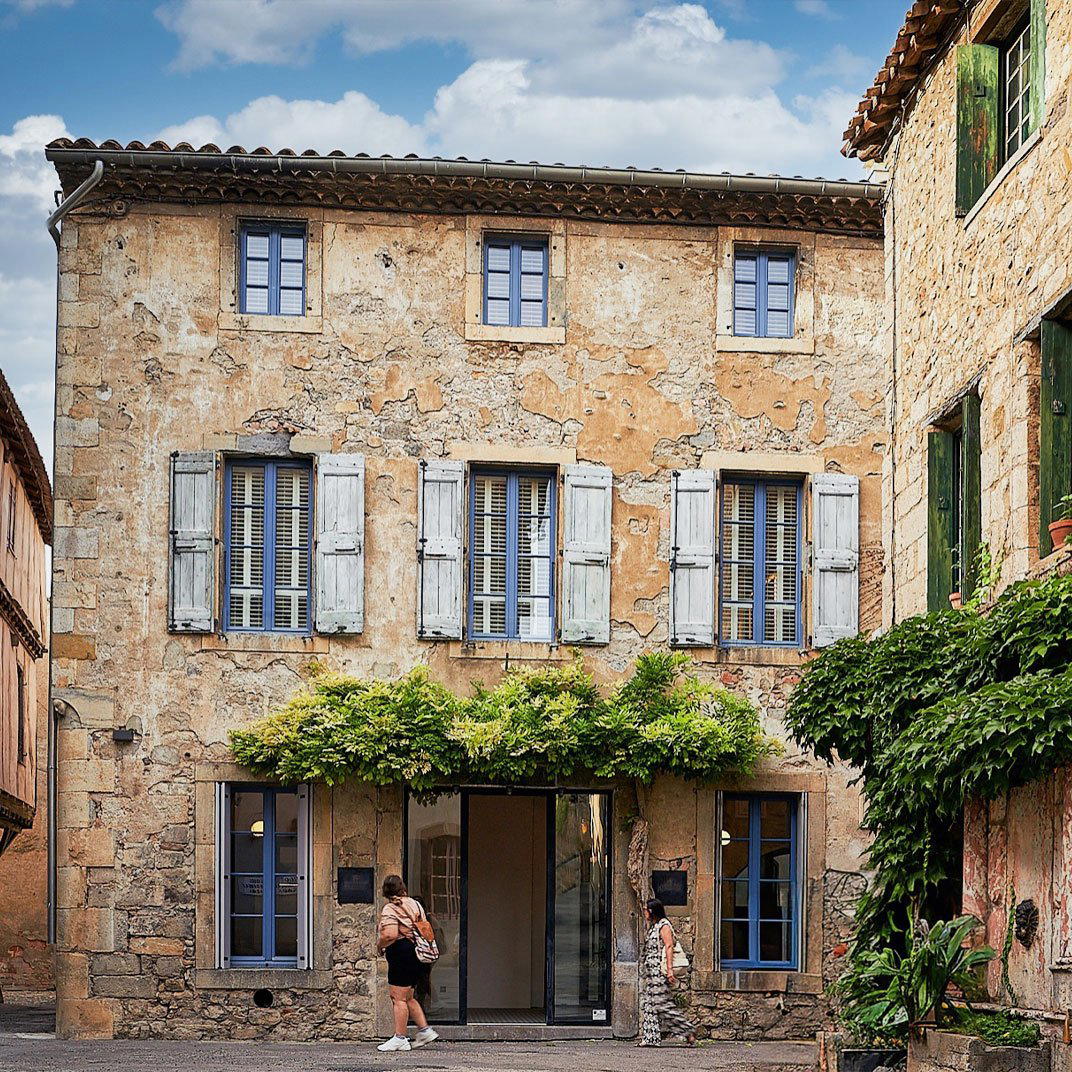
ANAM sits at 10 Bukchon-ro 5-gil in Jongno District, a neighbourhood better known for its hanok architecture and cultural density than for Michelin-spotted dining. That tension — a humble diner operating in one of Seoul's most historically loaded postcodes, is part of what makes the experience worth noting. The address alone signals this is not a restaurant designed to impress on arrival; it earns attention through what ends up in the bowl.
The core dish is dwaeji-gukbap, pork and rice soup, available in two sizes: medium and extra-meat. That simplicity of menu is a strength, not a limitation. The oil does double work: it adds depth to the broth and a low, slow heat that does not overpower. The Cheongyang chili is one of Korea's hotter varieties, so the warmth builds gradually rather than landing upfront.
The proteins are where ANAM separates itself from the wider dwaeji-gukbap category. Spanish Duroc baby pork ribs and thin-sliced pork butt are included in the bowl, and both are notably tender. Duroc is a heritage breed prized for intramuscular fat and flavour, and using Spanish Duroc at this price point reflects a deliberate sourcing decision. Cilantro is available as an optional garnish, an unusual offering for a traditional Korean soup format and one that adds an aromatic brightness if you want it. If you are averse to cilantro, skip it, but the broth holds its own without it.
ANAM earned its 2025 Michelin Bib Gourmand rating, a designation given to restaurants offering good cooking at moderate prices. In practice, that means the inspectors found the quality-to-price ratio strong enough to recommend without reservation. At the ₩ tier, you are paying for craft and sourcing, not for room service or a sommelier.
The wine program angle here is contextual: dwaeji-gukbap is a category built around broth, heat, and pork fat, not around pairing culture. ANAM does not operate as a wine destination and is not positioned that way. If wine pairing is a priority for your Seoul itinerary, venues like Mingles or Jungsik are better-suited stops. What ANAM offers instead is something harder to find at any price: a Michelin-cited bowl of gukbap in a neighbourhood where the surroundings make the meal feel like a deliberate choice rather than a convenience stop.
For solo diners, the format works well. A single bowl with rice is a complete meal, the counter or small-table setup suits one person comfortably, and the focused menu means there is no decision fatigue. For couples or small groups, the extra-meat option scales up without complication. For larger groups or those marking a special occasion with a shared dining event and wine, ANAM is not the right frame, the experience is personal and quick-paced, not celebratory in the conventional sense.
Booking is direct. The Bib Gourmand recognition will draw more visitors in 2025, so arriving at off-peak times (mid-morning or early afternoon if hours allow) is a practical hedge against a wait. No phone or website is listed in available data, which suggests walk-in is the primary access method, consistent with the diner format. Arriving early or outside the standard lunch rush is the most reliable way to get a seat without a long wait.
For context on the broader dwaeji-gukbap category in Korea, the dish is historically associated with Busan, where venues like Anmok and Hapcheon Gukbapjip represent the regional standard. Finding a Michelin-cited version in Seoul's Jongno District, executed with imported Duroc pork and a calibrated chili-kale oil, is a meaningful point of difference. Within Seoul's gukbap options, Gwanghwamun Gukbap and Okdongsik are the obvious comparisons; ANAM's Bib Gourmand gives it a documented edge in terms of inspector-quality at this price tier.
If you are building a Seoul itinerary that spans food, lodging, and experience, our full Seoul restaurants guide covers the range from budget bowls to multi-Michelin tasting menus. For where to stay nearby, see our Seoul hotels guide. Bukchon's proximity to Gyeongbokgung and Changdeokgung palaces also makes ANAM a practical lunch stop on a cultural day, which is a better framing than treating it as a destination meal in isolation. See also our Seoul bars guide, Seoul wineries guide, and Seoul experiences guide for the full picture.
One last practical note: the Cheongyang chili oil and cilantro garnish are the two variables that let you adjust the bowl to your taste. Use both if you want the full intended version. Adjust or omit if your tolerance for heat or cilantro is low. The broth is described as agreeably clean, which means it is not overwhelmingly rich or salty on its own, and the oil adds rather than dominates.
Also Worth Knowing in the Region
If you are travelling beyond Seoul, Mori in Busan is worth a look for a different register of Korean dining, and Baegyangsa Temple in Jangseong-gun offers temple food at a completely different pace. For Korean fine dining in Seoul itself, Kwon Sook Soo in Gangnam-gu and alla prima represent the higher end of the spectrum. Beyond Seoul, The Flying Hog in Seogwipo, Double T Dining in Gangneung, and Market Café in Incheon round out a South Korea dining itinerary at different price points and styles.
How to Book
Walk-in appears to be the standard access method, no booking platform, phone, or website is currently listed. Go early or outside peak lunch hours to avoid a wait. The Bib Gourmand listing will increase foot traffic through 2025, so timing your visit accordingly is the clearest practical advice available.
Planning details
- Location
- 10 Bukchon-ro 5-gil, Jongno District, Seoul, South Korea
- Website
- anaminanguk.com
- Phone
- +82 10-6874-8818
The take
The Take
The Vibe
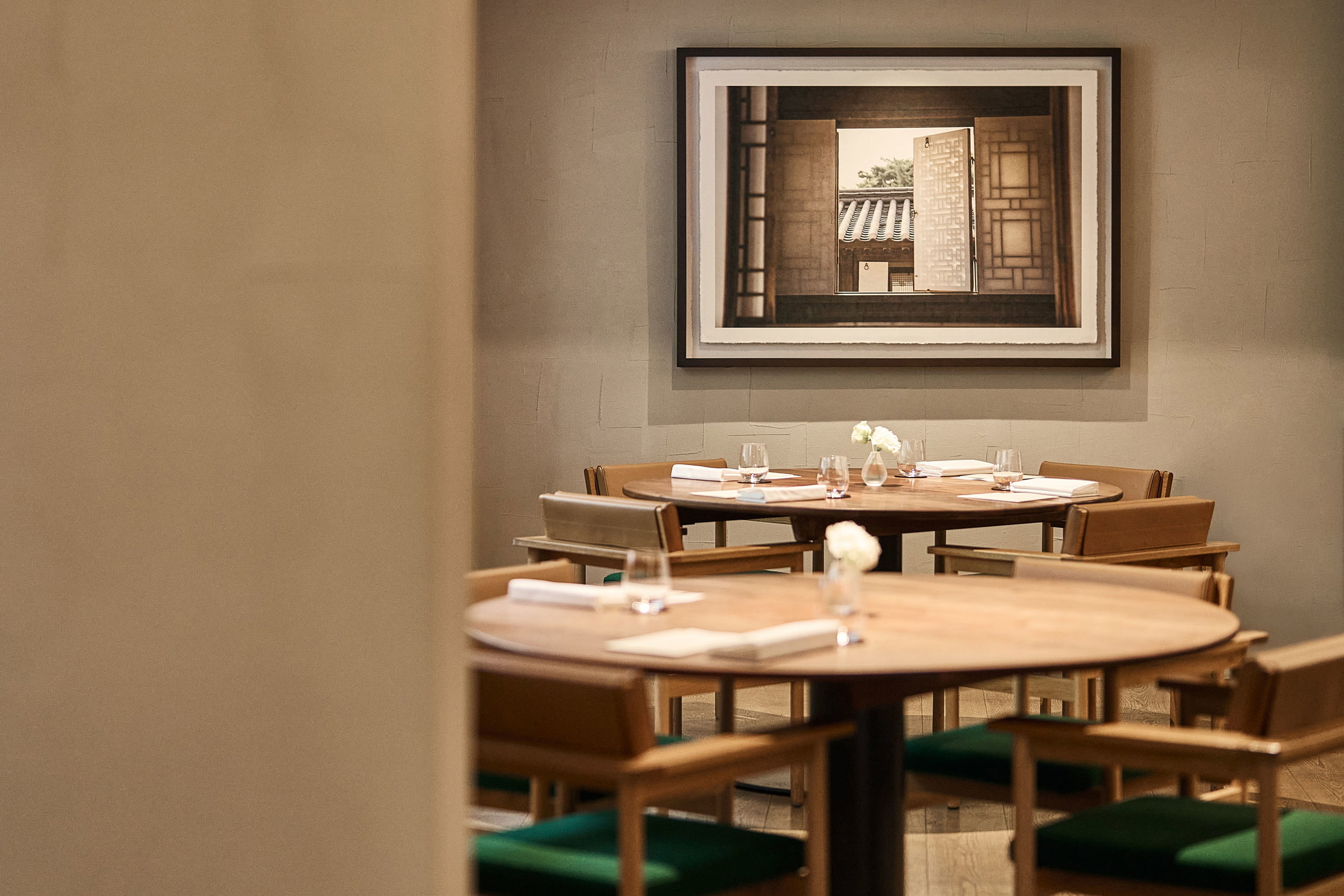
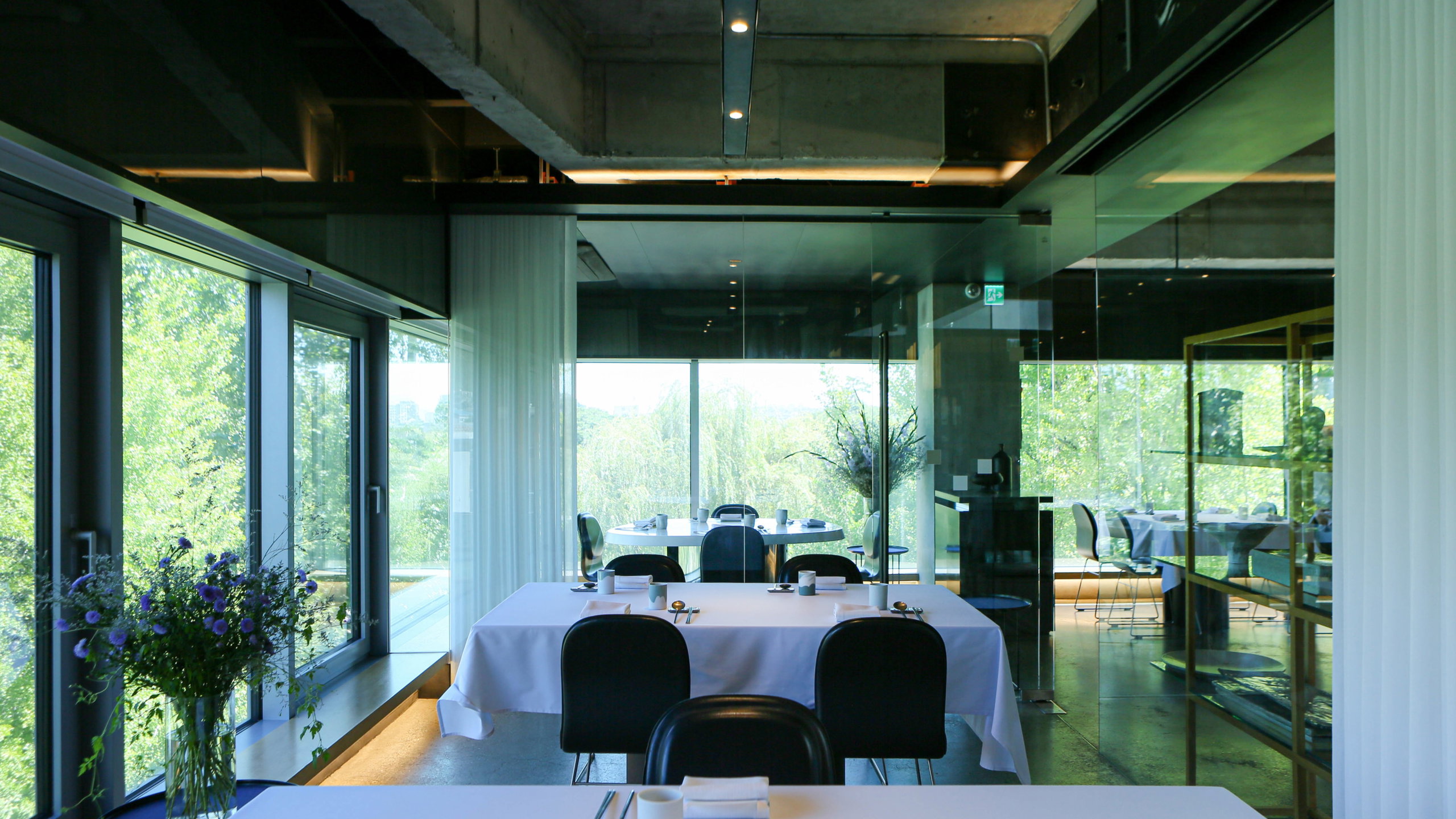
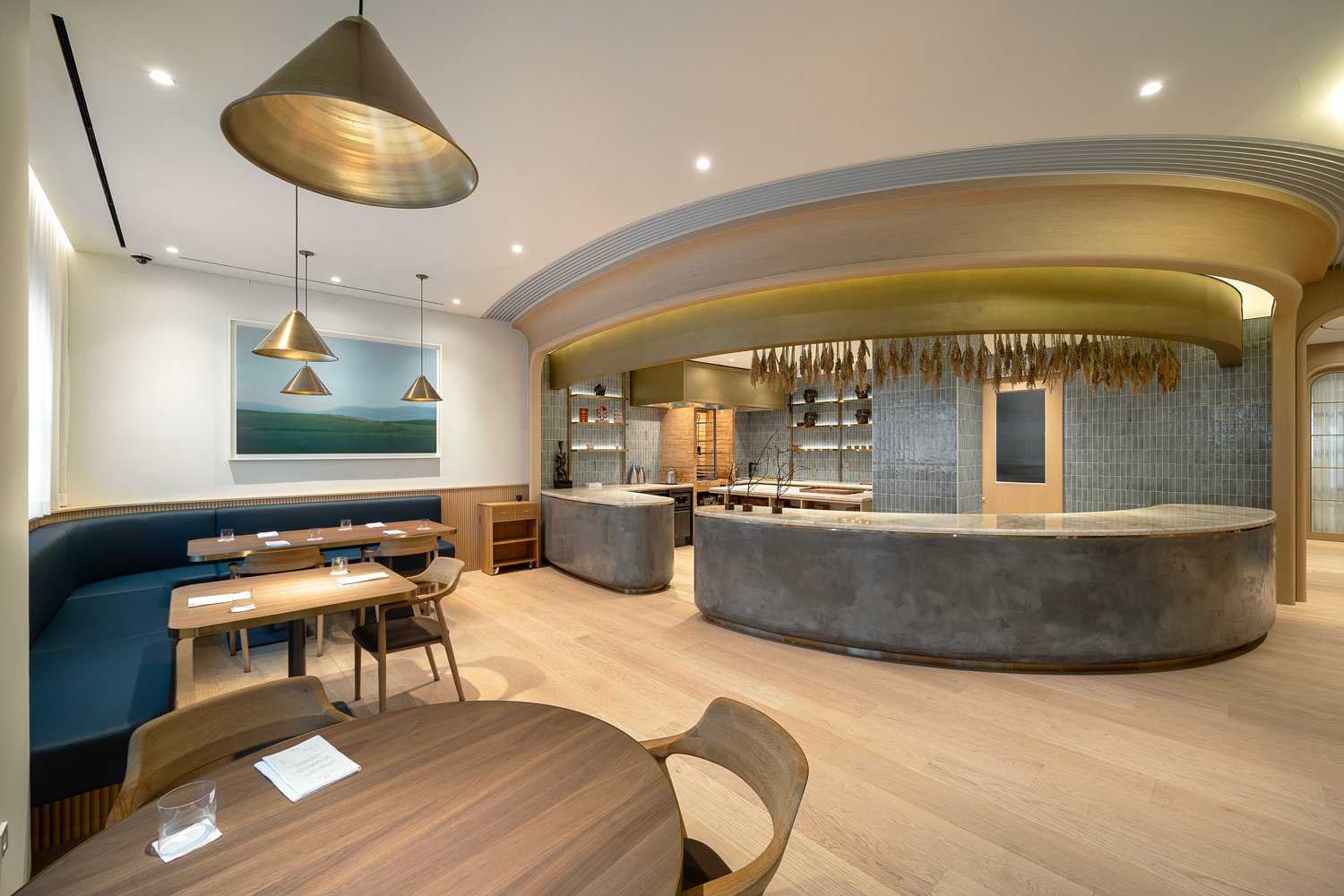
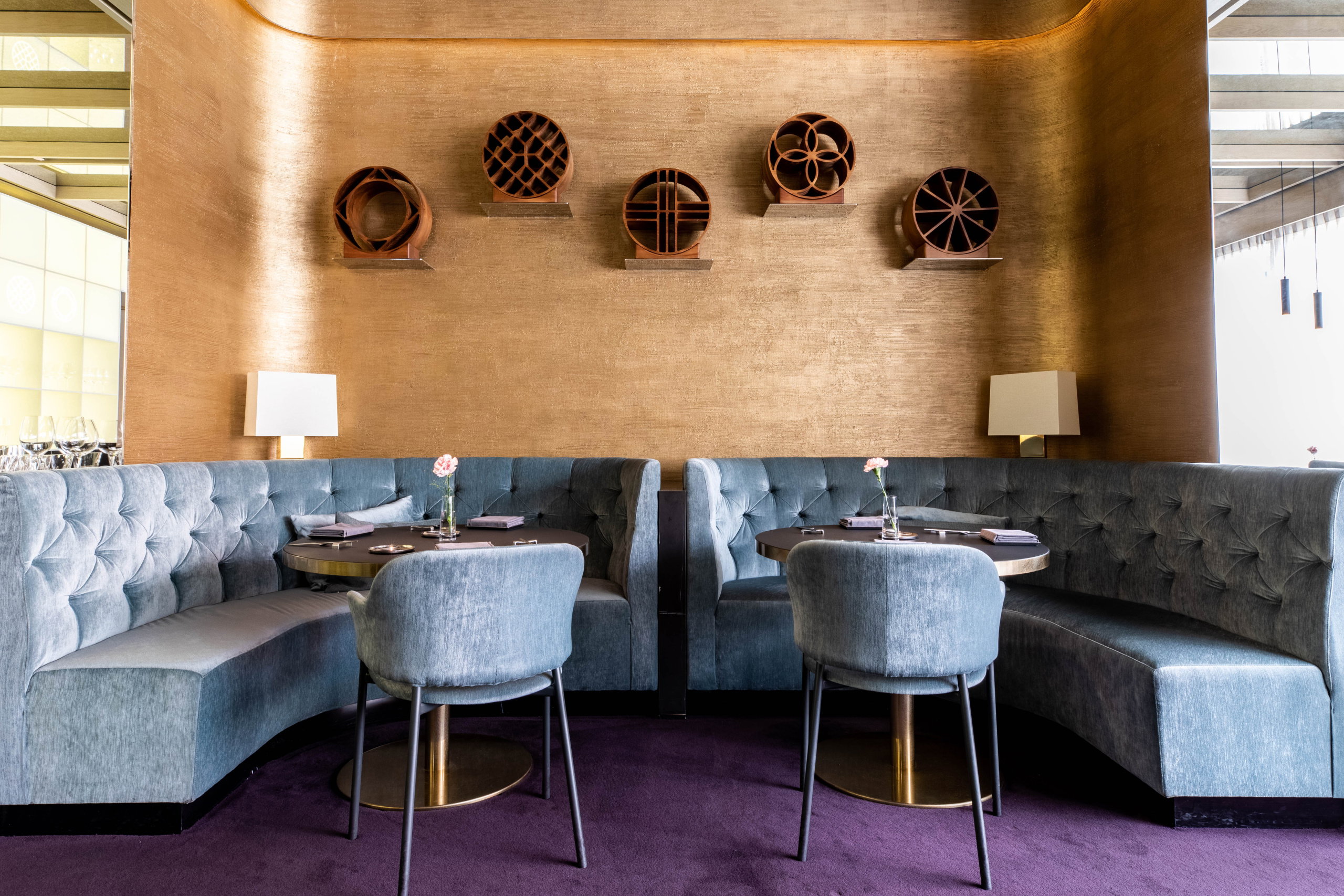
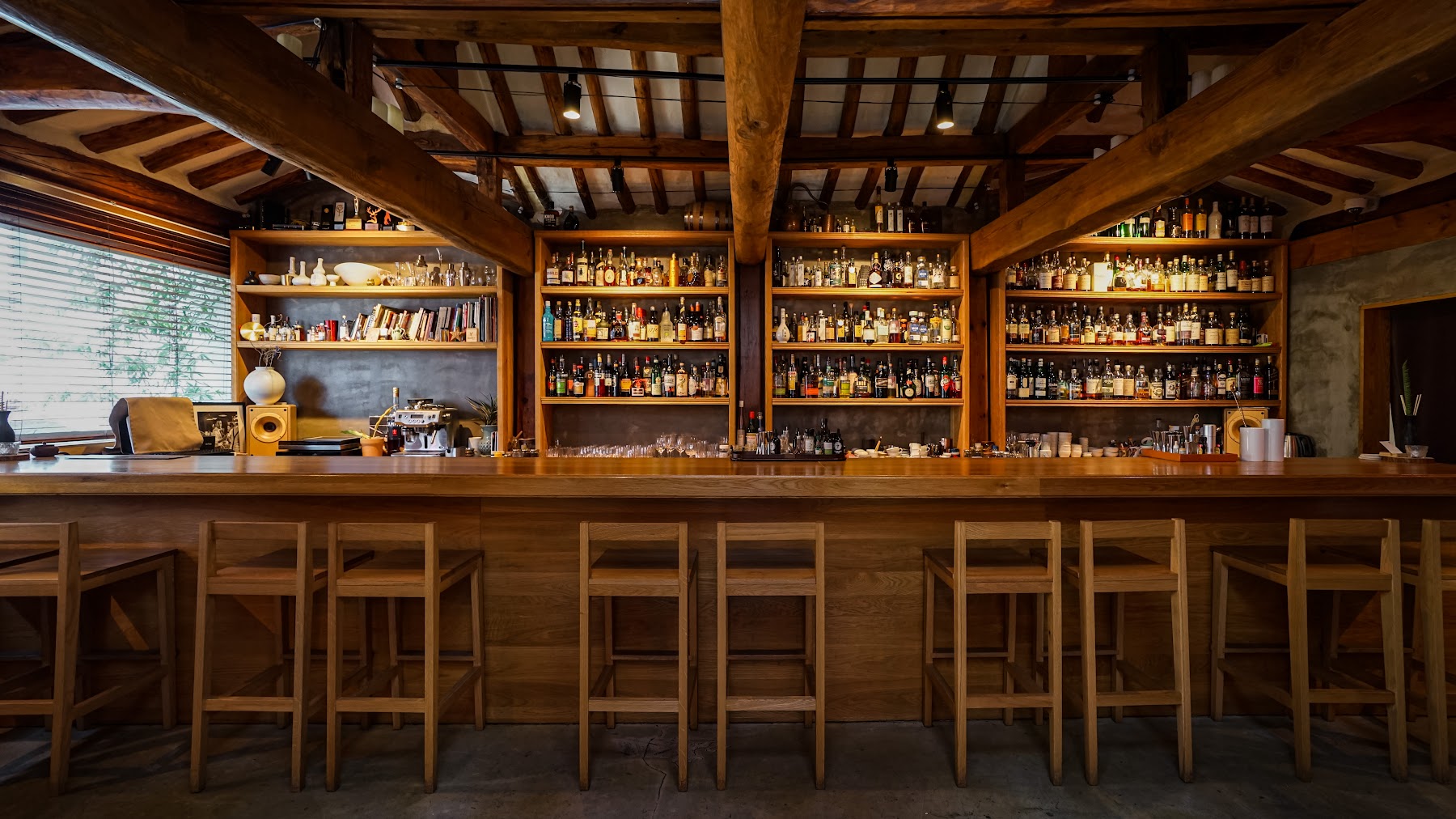
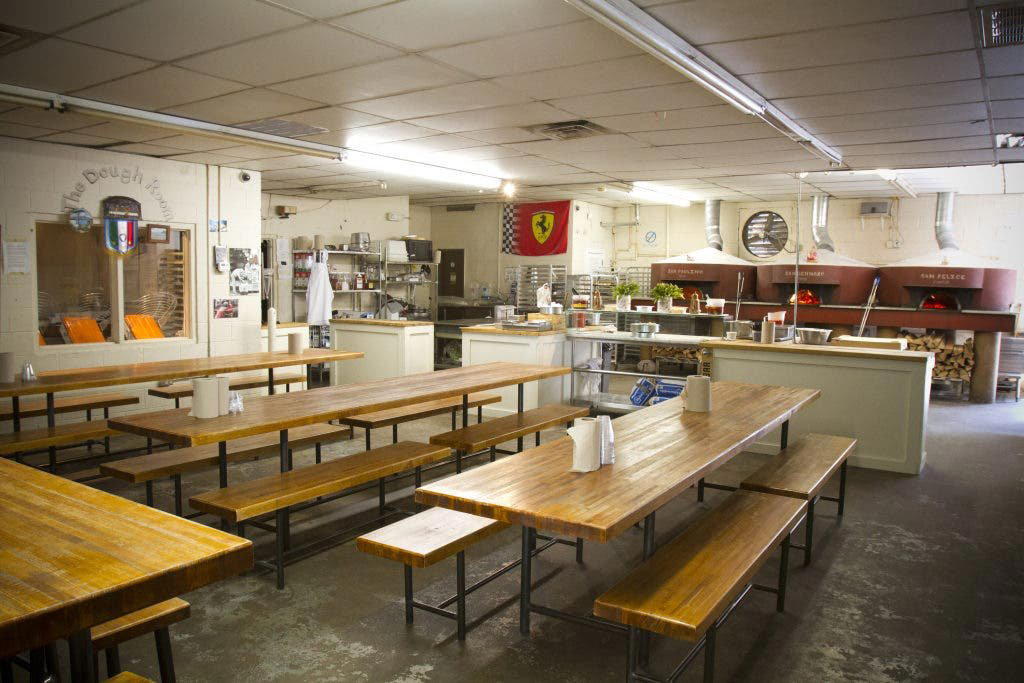
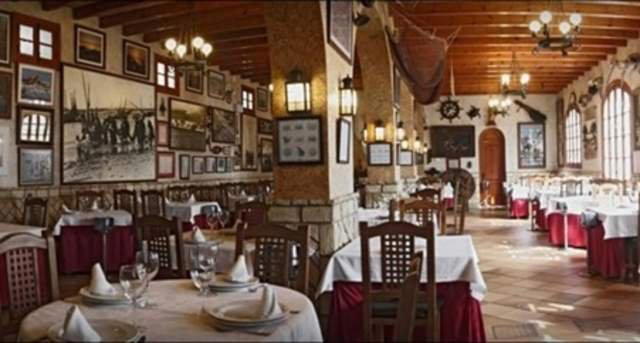
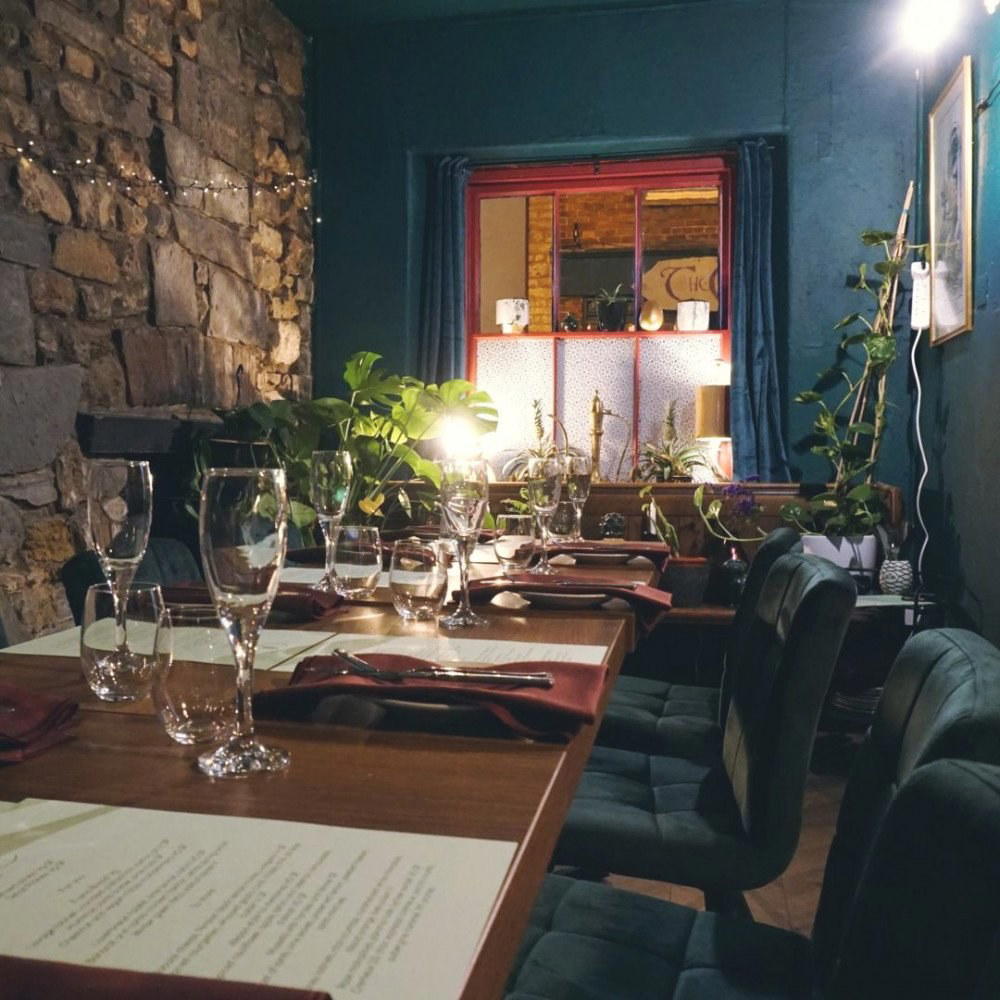
ANAM presents itself like a purposeful neighbourhood diner: stripped-back, compact and intensely focused on one thing—dwaeji-gukbap. The low ceiling and closely set tables compress the room into a small, almost communal environment with no curated soundtrack; instead the long-cooked pork broth provides the sensory anchor. The writing emphasizes utility over ornament, so the overall feel is direct and unpretentious. Expect a workmanlike warmth rather than theatrical hospitality—this is a place where the bowl does the talking and interiors politely recede.
Best For
This Bukchon spot suits people after a straightforward, comforting meal rather than a drawn-out occasion. Its democratic bowl format and neighbourhood-diner operating style make it a reliable pick for people wanting a single-protein, rice-and-broth meal that’s satisfying and efficient. Because the restaurant trades on substance over setting, it appeals to those who prioritize the quality and depth of the pork broth and the cut of meat over ambiance. It reads as neighbourhood dining for both daytime and evening bowls.
Ordering Tips
Start with the house signature—Anam Gukbap—and taste the broth before adding anything; the description stresses that the broth should be clean at first sip and deepen as pork fat integrates. Use the table condiments—fermented shrimp paste, sliced scallions and chili—which are provided for self-assembly, and add them incrementally so you can judge how they change the bowl. If you want a non-soup option, the Jeyuk with Lime is listed among the kitchen’s signposts. Pace yourself: the format is designed to be straightforward and immediate.
Venue details
Ambiance
Humble, cozy diner atmosphere in historic Bukchon Village with warm, hearty dining experience.
Tags
Vibe
Best For
Experience
Sourcing
At the Table
- Dress Code
- Casual
- Noise Level
- Conversational
- Service Style
- Casual
- Meal Pacing
- Standard
- Capacity
- Small
- Kitchen
- Modern
- Menu Format
- A la carte
Signature Dishes
- Anam Gukbap
- Jeyuk with Lime
Know before you go
Know Before You Go
- Getting there
- 10 Bukchon-ro 5-gil, Jongno District, Seoul, South Korea
Planning details
Location
10 Bukchon-ro 5-gil, Jongno District, Seoul, South Korea · Directions
Recognition and awards
Also consider
Also Consider
- Solbam, Contemporary, ₩₩₩₩
- Onjium, Korean, ₩₩₩₩
- 7th Door, Korean, Contemporary, ₩₩₩₩
- L'Amitié, French, ₩₩₩
- Zero Complex, Korean-French, Innovative, ₩₩₩₩
Restaurant context
ANAM operates in a different tier and format from most of its Seoul peers. At ₩, it is the most affordable option in this comparison by a significant margin. Solbam, Onjium, 7th Door, and Zero Complex all sit at ₩₩₩₩, and L'Amitié at ₩₩₩. If budget is the deciding factor, ANAM wins outright. But the comparison is not entirely apples-to-apples: ANAM is a single-dish diner, while the others offer multi-course formats with wine programs, service depth, and occasion framing that justify higher spend.
For a special occasion dinner with a beverage component, Onjium or 7th Door are better suited. Both offer structured Korean dining experiences at the top of the market, with booking lead times that reflect their demand. Zero Complex adds a Korean-French angle that suits diners who want innovation alongside technique. L'Amitié at ₩₩₩ is the middle-ground option if you want a sit-down meal with wine pairing without committing to ₩₩₩₩ pricing. None of these, however, hold a Bib Gourmand, a designation that specifically rewards quality at accessible prices, which is ANAM's documented competitive advantage.
The practical read: if you want the most value-for-money, inspector-verified meal in Seoul at the lowest spend, ANAM is the clear answer. If you are planning a dinner with wine, a long-table experience, or a celebration that benefits from service and ambiance, step up to L'Amitié for the mid-range or Onjium and 7th Door for the full-format Korean fine dining experience. ANAM and those venues are not competing for the same booking, they serve different needs, and knowing which one matches yours makes the decision straightforward.
Explore Seoul
Around this place
Discover more on Pearl
Unlock the full ANAM guide in Pearl, including awards, comparisons, FAQs, planning details, and nearby places.
Compare ANAM
| Venue | Price | Awards |
|---|---|---|
| ANAM | ₩ | Michelin Guide Seoul & Busan 20262025 Michelin Bib Gourmand2024 Michelin Bib Gourmand |
| Solbam | ₩₩₩₩ | 2026 Asia's 50 Best Restaurants · #552026 Wine Spectator Best of Award of Excellence2026 OAD Top Restaurants in Asia RecommendedMichelin Guide Seoul & Busan 20262026 La Liste Top Restaurants2025 Asia's 50 Best Restaurants · #552025 OAD Top Restaurants in Asia Ranked · #277Tatler Best Restaurants Asia-Pacific 20252025 Wine Spectator Best of Award of Excellence |
| Onjium | ₩₩₩₩ | 2026 Asia's 50 Best Restaurants · #142026 OAD Top Restaurants in Asia Ranked · #852026 La Liste Top RestaurantsMichelin Guide Seoul & Busan 20262026 Wine Spectator Best of Award of Excellence2025 Asia's 50 Best Restaurants · #102025 World's 50 Best Restaurants · #572025 OAD Top Restaurants in Asia Ranked · #1342025 La Liste Top Restaurants |
| 7th Door | ₩₩₩₩ | 2026 Asia's 50 Best Restaurants · #492026 OAD Top Restaurants in Asia Ranked · #842026 Black Pearl 1 DiamondMichelin Guide Seoul & Busan 20262026 La Liste Top Restaurants2025 Asia's 50 Best Restaurants · #232025 Michelin 1 Star2025 La Liste Top Restaurants2024 OAD Top Restaurants in Asia Ranked · #192 |
| L'Amitié | ₩₩₩ | 2026 La Liste Top Restaurants2025 La Liste Top Restaurants2025 Michelin 1 Star2024 Michelin 1 Star |
| Zero Complex | ₩₩₩₩ | Star Wine Lists 20262026 OAD Top Restaurants in Asia Recommended2026 La Liste Top Restaurants2025 OAD Top Restaurants in Asia Ranked · #1992025 La Liste Top Restaurants2025 Michelin 1 Star2025 The Best Chef One Knife2024 OAD Top Restaurants in Asia Ranked · #2792024 Michelin 1 Star |









Comparing your options in Seoul for this tier.
FAQ
Frequently Asked Questions
Is ANAM good for a special occasion?
Only if the occasion calls for honest, no-frills eating rather than a celebratory dinner format. ANAM's Bib Gourmand recognition signals quality-to-price ratio, not occasion dining. For a milestone meal in Seoul, Onjium or 7th Door fit that brief better. ANAM is the right call if the occasion is a deliberate eat-well-cheaply moment in Bukchon.
Is ANAM good for solo dining?
Yes, and arguably the format it suits best. A single bowl of dwaeji-gukbap, sized medium or extra-meat, is a self-contained meal, and walk-in access means no coordination required. Solo diners at a counter or small diner typically turn tables without friction here. Go at off-peak hours if you want a quieter seat.
How far ahead should I book ANAM?
No advance booking appears to be available — no website, phone, or reservation platform is currently listed for ANAM. Walk-in is the access method. To reduce wait time at a Michelin Bib Gourmand spot in a high-footfall neighbourhood like Bukchon, arrive early or outside the standard lunch rush.
Does ANAM handle dietary restrictions?
The menu is built around pork, so ANAM is not suitable for those avoiding meat or pork specifically. The soup includes pork ribs and sliced pork butt as core components, not optional additions. No dietary accommodation information is documented. If dietary flexibility matters, this is not the venue.
What are alternatives to ANAM in Seoul?
For a different register of Korean dining at higher spend, Onjium in Seoul offers refined hansik in a setting that justifies the price step-up. Zero Complex is worth considering if you want a more contemporary Seoul food experience. ANAM is the call specifically when you want Bib Gourmand-level value in the Jongno area.
Is the tasting menu worth it at ANAM?
ANAM does not operate a tasting menu format. The offer is a single signature dish, dwaeji-gukbap, available in two sizes: medium or extra-meat. That simplicity is part of the value case. If a multi-course format is what you need, look at 7th Door or L'Amitié instead.
Is ANAM worth the price?
At ₩ pricing with a 2025 Michelin Bib Gourmand, ANAM is one of the stronger value propositions in Seoul's recognised dining scene. The Bib Gourmand designation is specifically awarded for quality at a modest price point, so the credential does the heavy lifting here. You are unlikely to find a more externally validated bowl of dwaeji-gukbap for less.