

Cepa
Farm to table · Pinheiros, São Paulo
Restaurant in São Paulo, Brazil
 Book with Pearl
The Read
Seasonal Produce, Low-Intervention Pours
Price
$30–50per person
Dress
Smart Casual
Why go
Cepa holds a Michelin Bib Gourmand (2025) and delivers farm-to-table cooking from small Brazilian producers at a $$ price point that makes it one of São Paulo's clearest value decisions. Chef Lucas Dante's seasonal menu and sommelier Gabrielli Fleming's organic wine list reward repeat visits across different seasons. Easy to book, hard to fault for the spend.
About Cepa
Is Cepa worth booking in São Paulo?
Yes: and more than once. Cepa holds a Michelin Bib Gourmand (2025), which in São Paulo's competitive dining scene is a meaningful signal: serious cooking at a price point that doesn't demand a special occasion. At $$ per head, it sits in a tier where the competition is thin on quality. If you're planning a multi-day stay in São Paulo, Cepa earns a second visit more reliably than most restaurants at twice the price.
What Cepa actually is
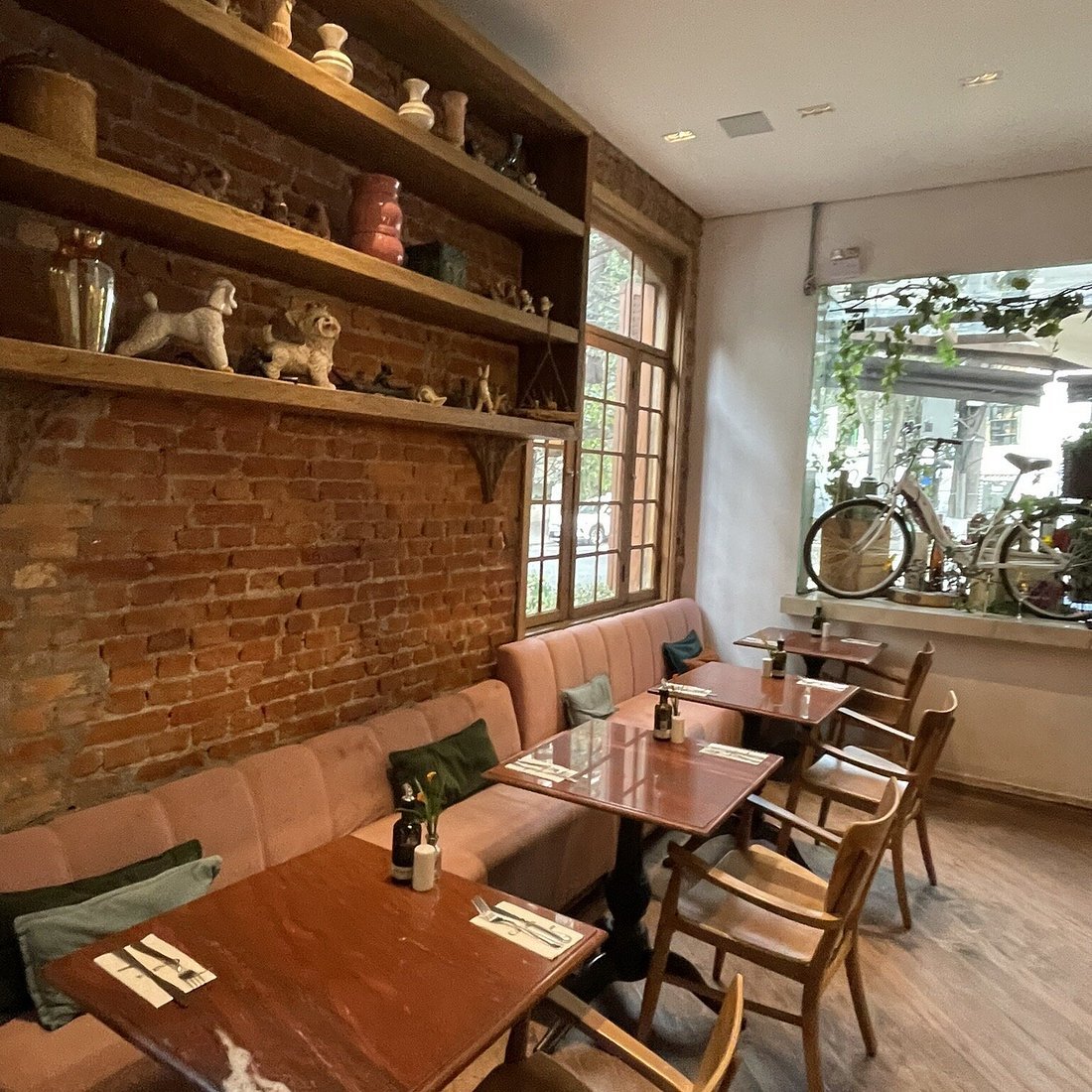
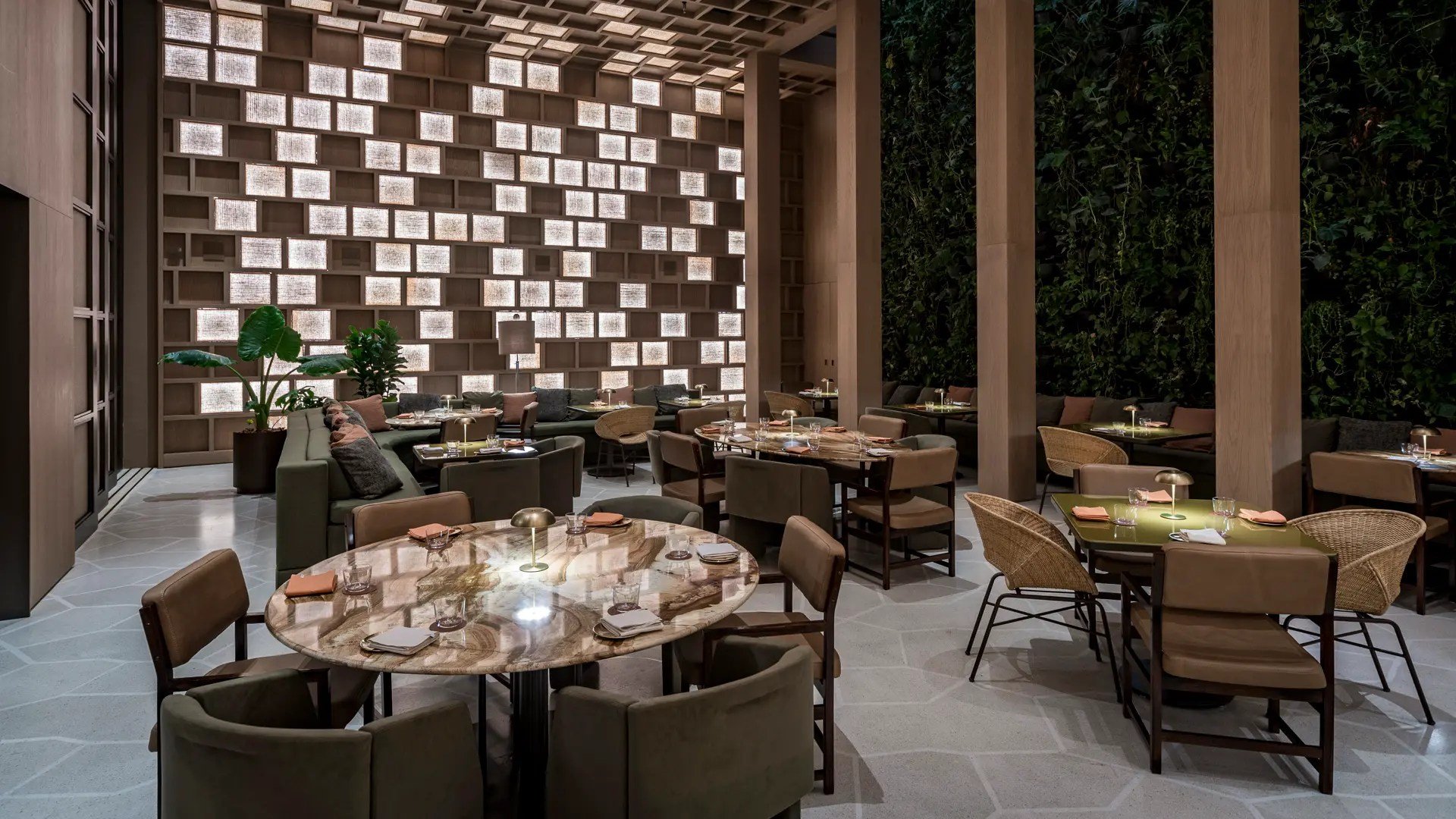
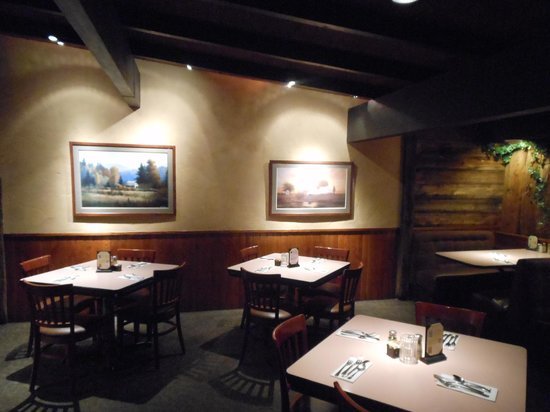
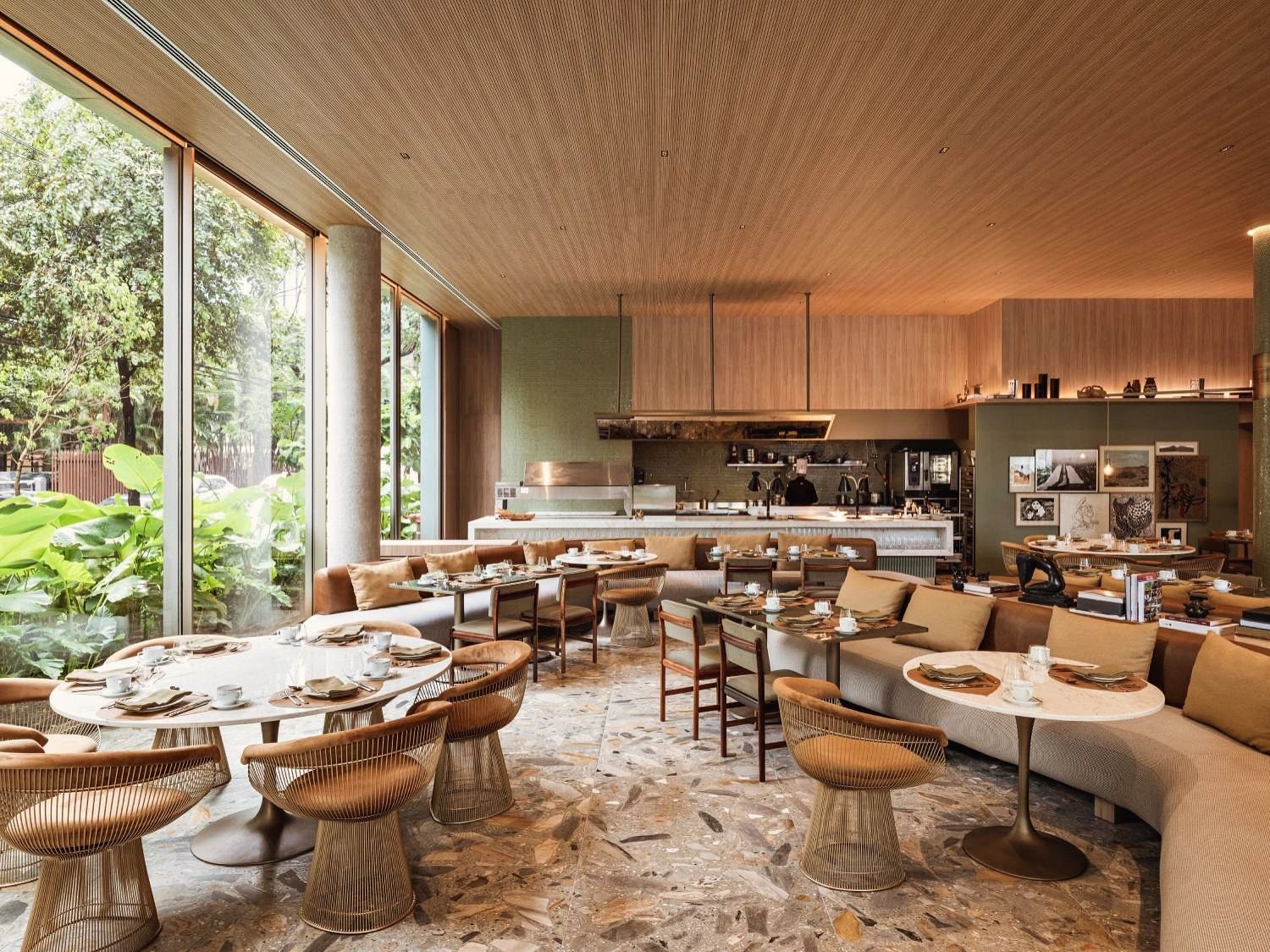
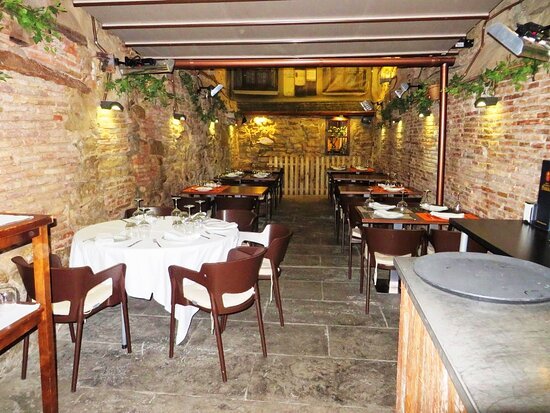
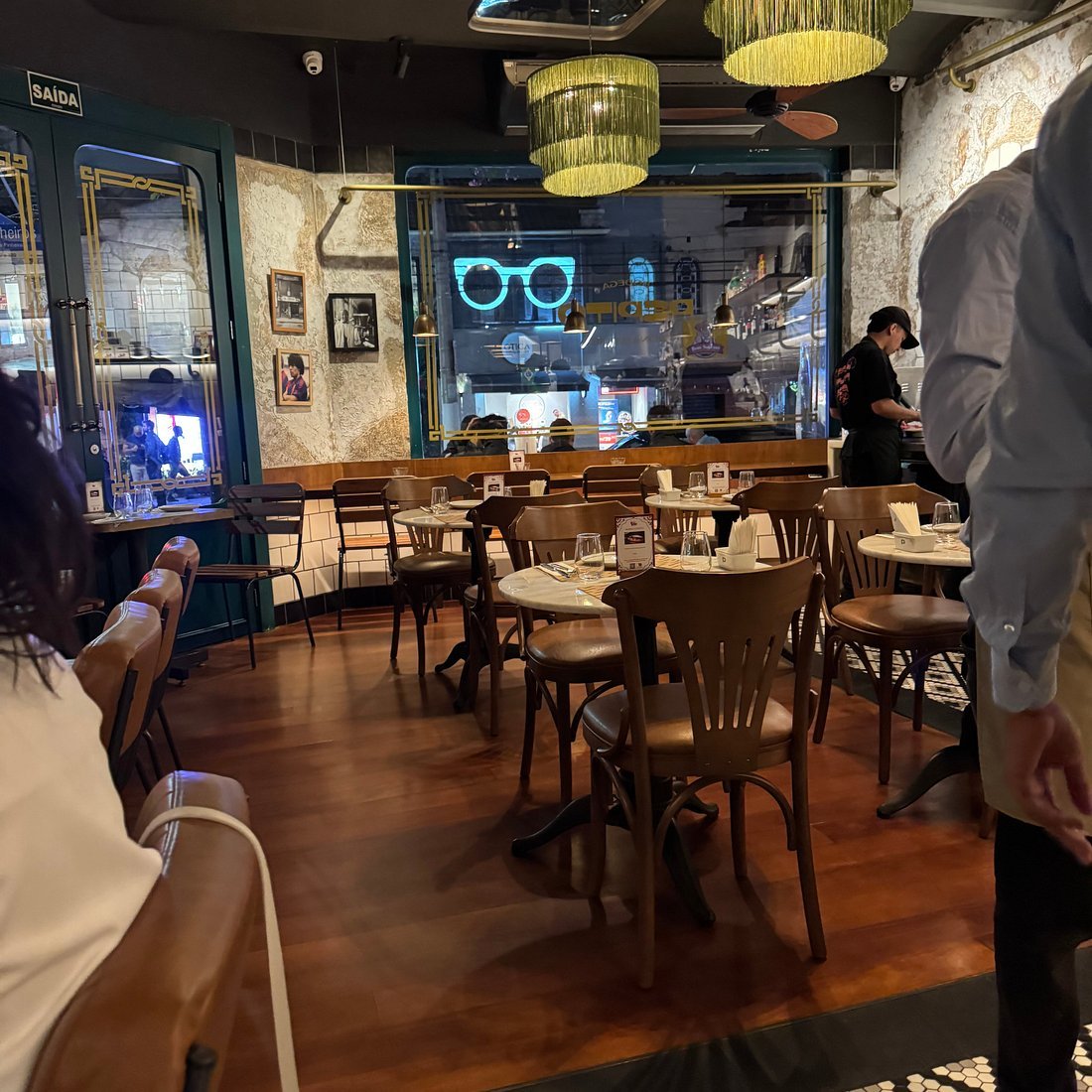
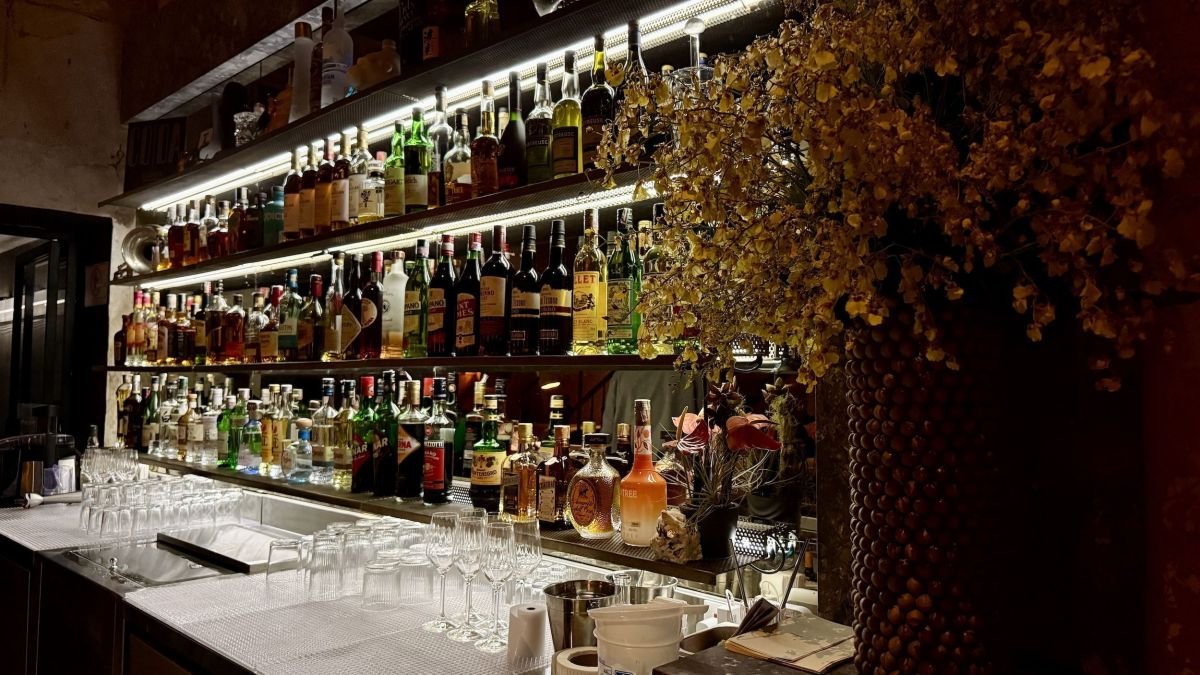
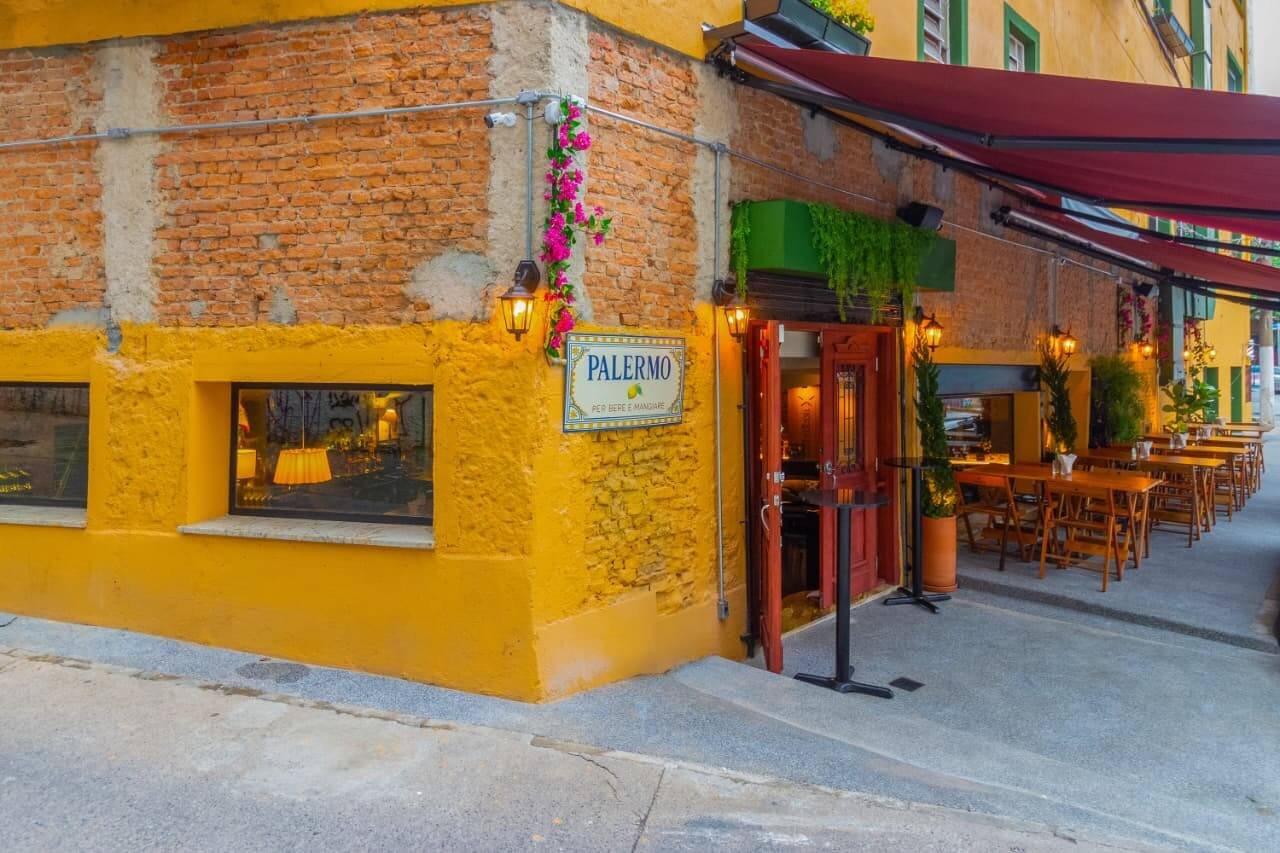
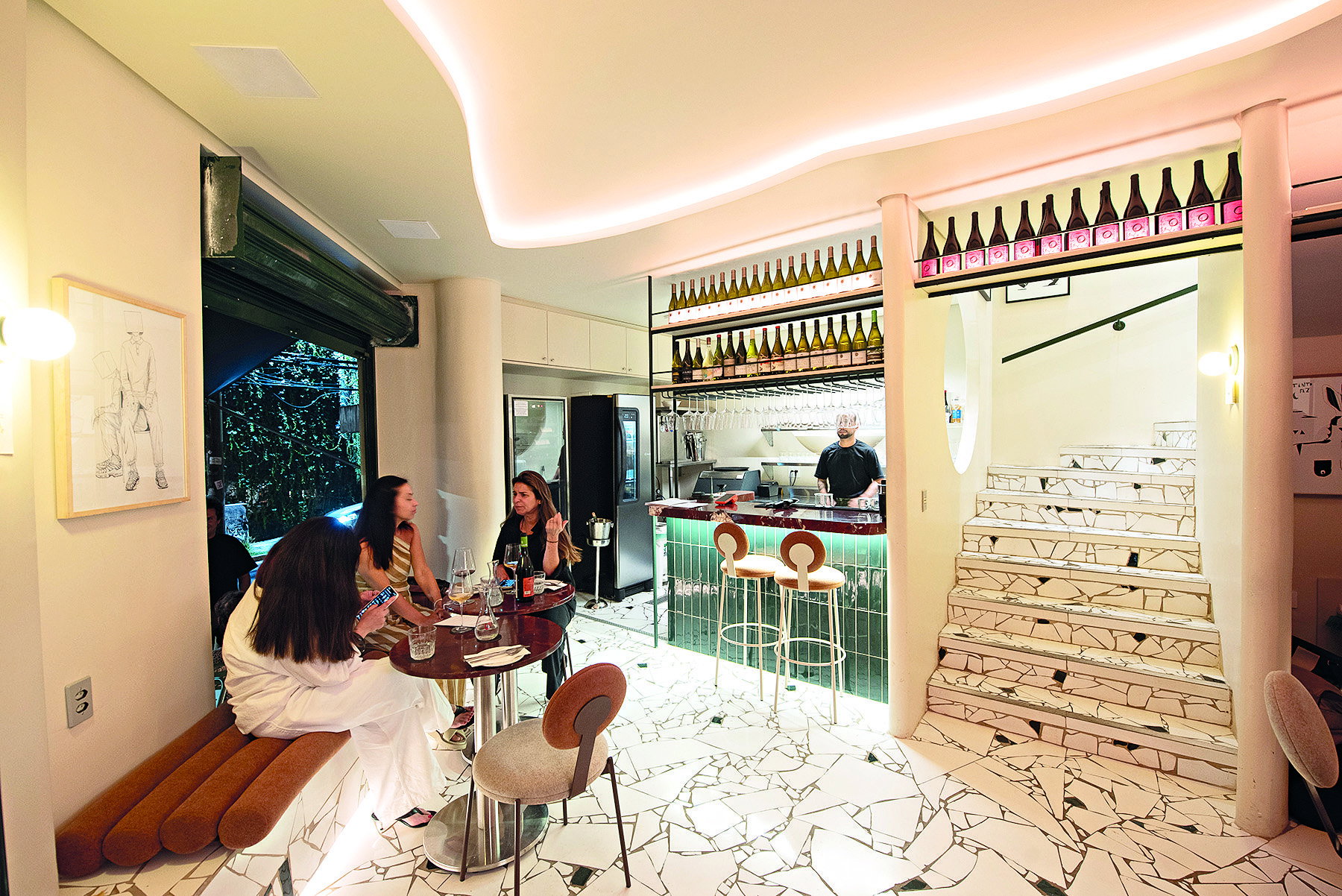
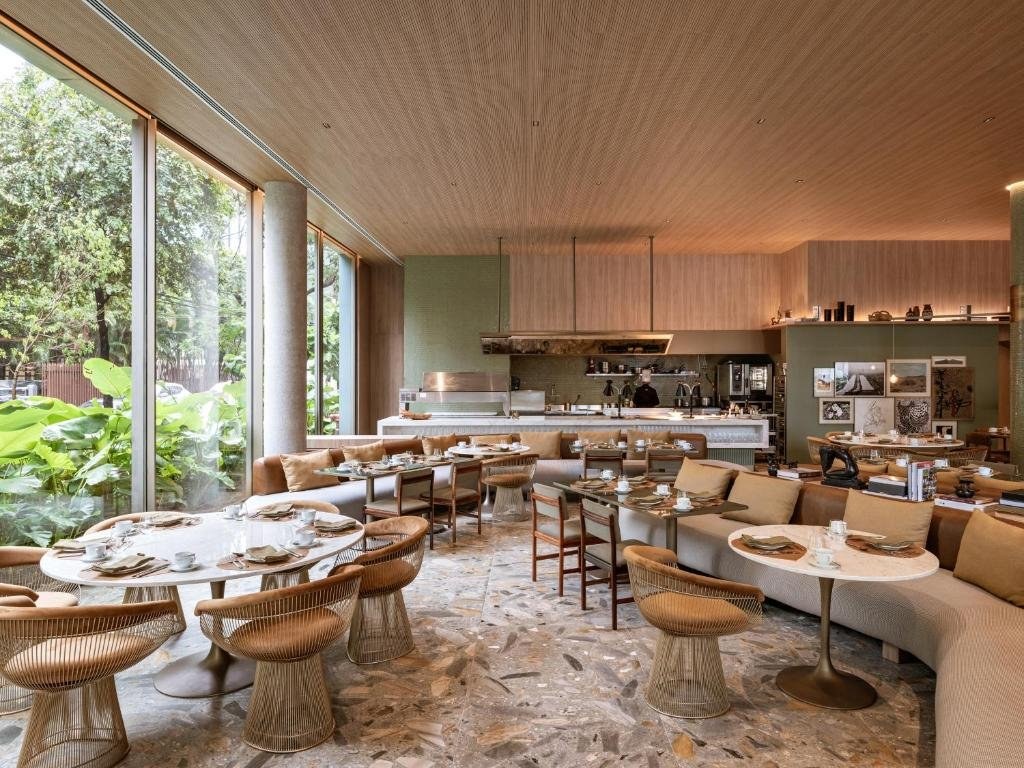
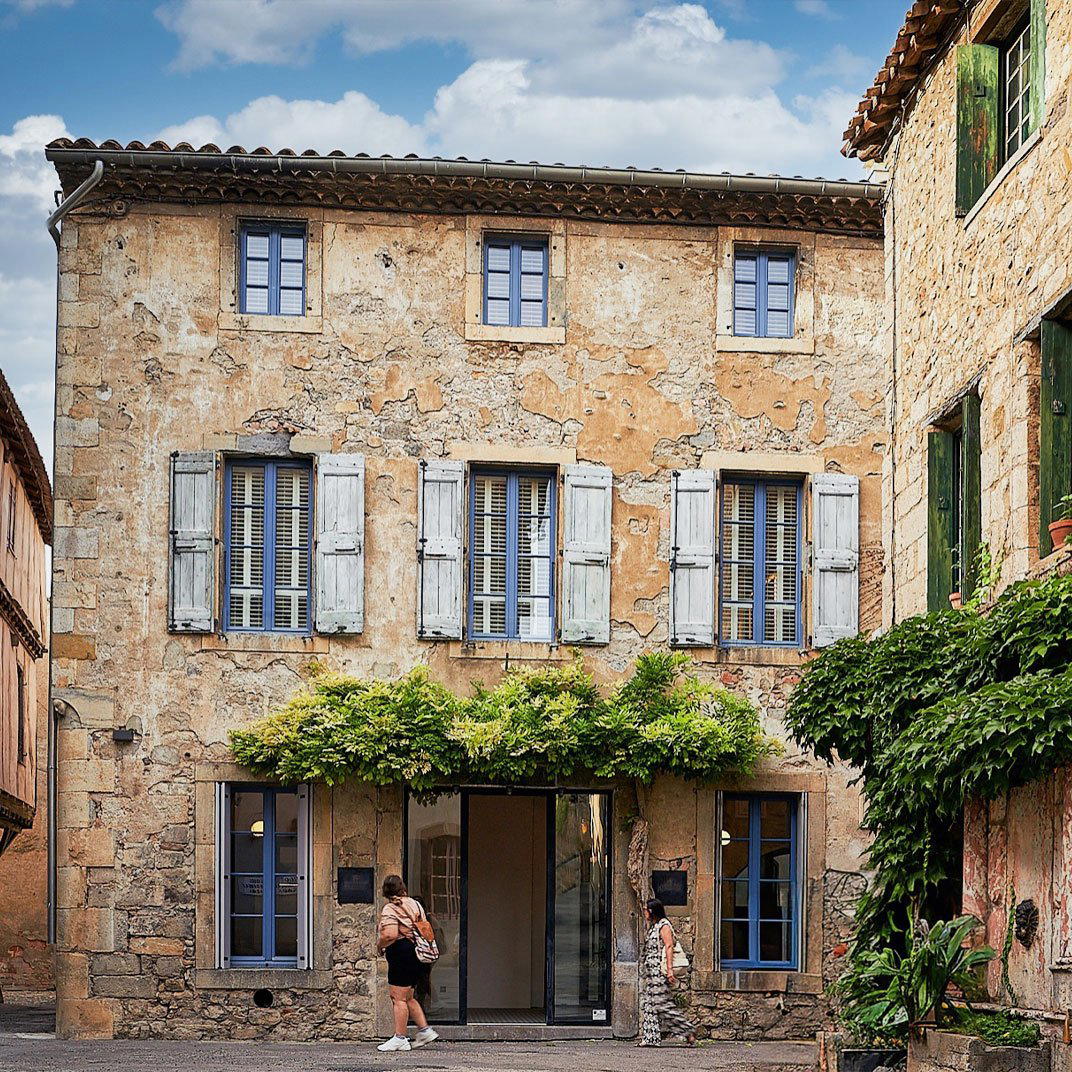
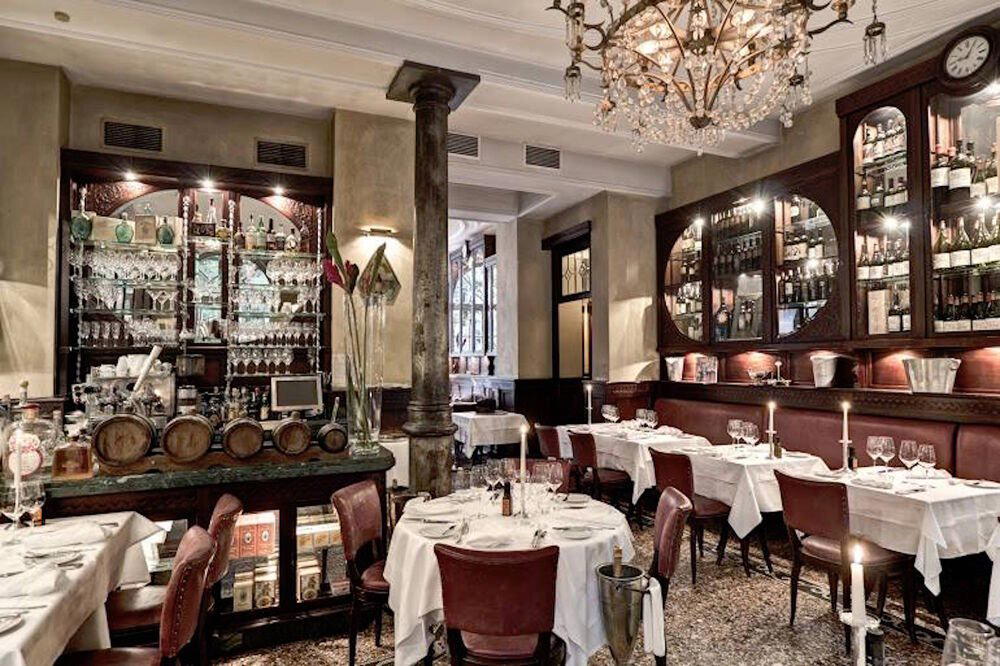
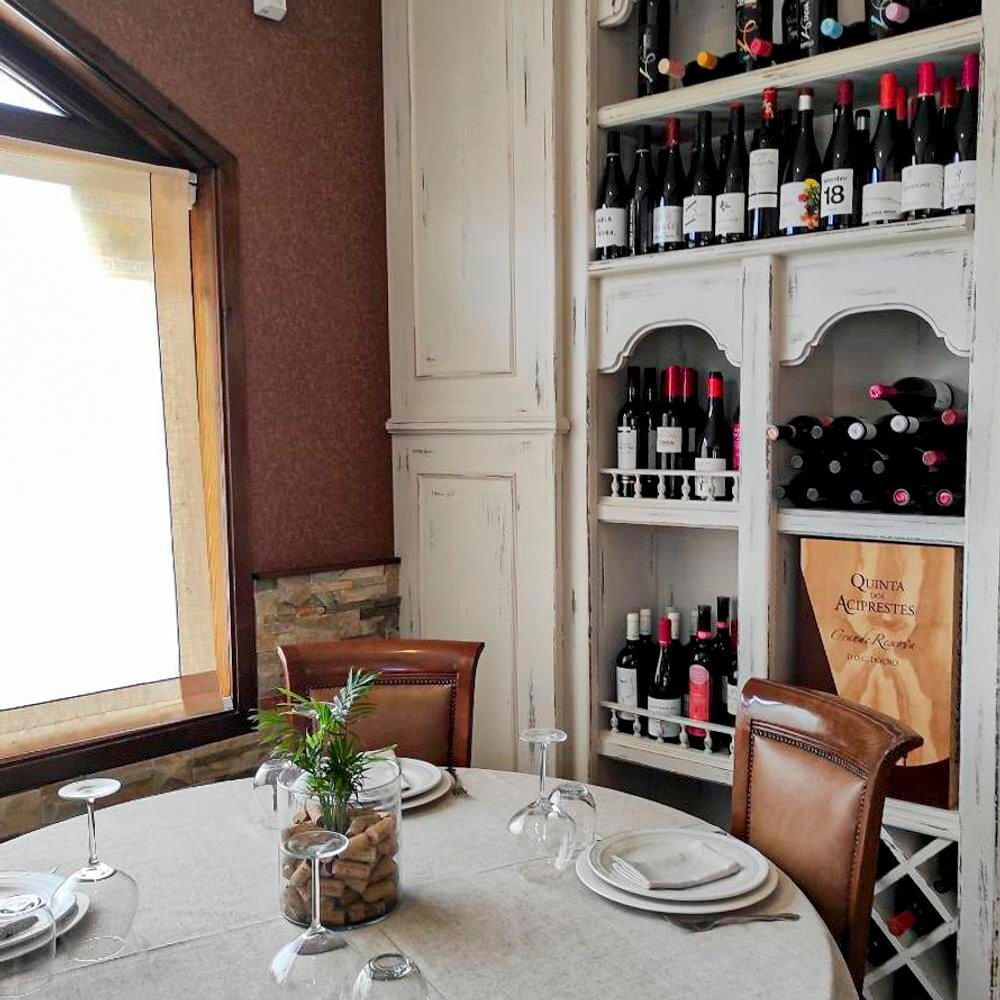
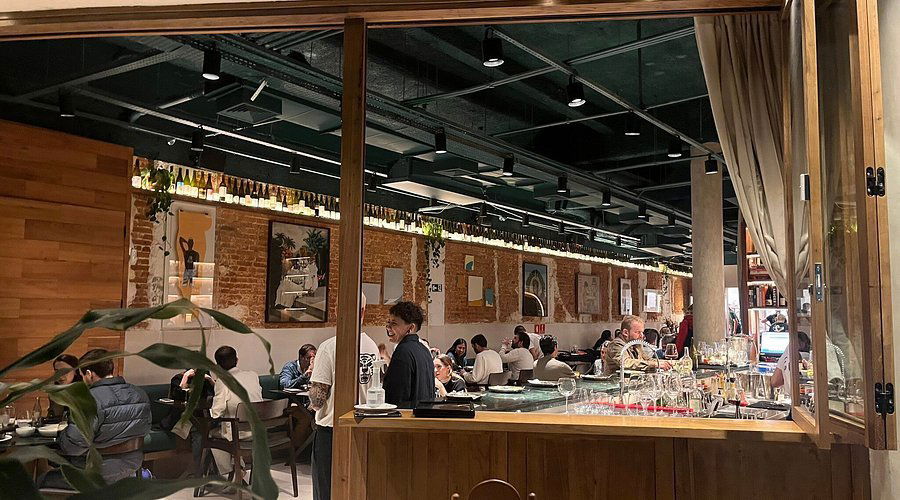
Cepa is a farm-to-table restaurant on Praça dos Omaguás in Pinheiros, one of São Paulo's more food-literate neighbourhoods. The room is grounded and unfussy: the spatial language here is about focus rather than spectacle. Seating is arranged to keep the experience personal; this is not a venue where the scale works against you. The intimacy of the room rewards you for arriving curious rather than arriving to be impressed by a grand interior.
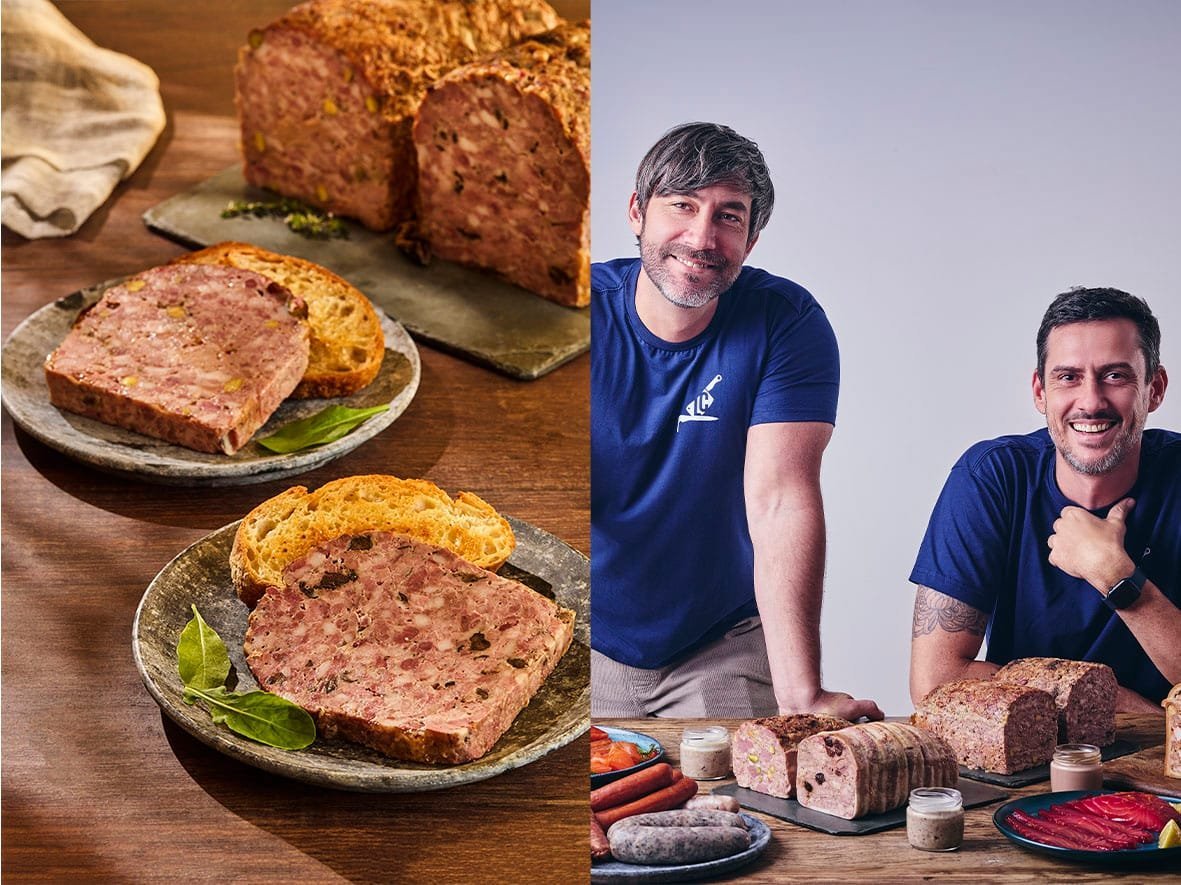
Chef Lucas Dante leads a kitchen built around seasonal ingredients from small Brazilian producers. The kitchen makes its own smoked butter and cures its own meats in-house, details that matter at this price tier because they signal discipline rather than shortcuts. The menu follows what's available from producers rather than what's conventional, so what you eat on a Tuesday in June will not be what you'd eat on a Saturday in October. That seasonal volatility is the point: Cepa is a better restaurant when you let it show you what it's working with right now rather than arriving with fixed expectations.
The wine programme, overseen by sommelier Gabrielli Fleming, is curated around organic, biodynamic, and low-intervention pours. For a restaurant at the $$ price range, this is a wine list with genuine editorial intent, Fleming is making choices, not just filling a list by category. If natural and low-intervention wine is your orientation, this list will hold your attention.
A multi-visit strategy for Cepa
Because the menu tracks the season and relies on small-producer sourcing, Cepa rewards a deliberate multi-visit approach more than most restaurants in its tier.
First visit: Treat it as orientation. The seasonal menu will show you what Dante's kitchen looks like under current conditions. Lean on the wine list, ask Fleming's team what they're pouring that they're most interested in. The in-house charcuterie and smoked preparations are the right entry point to understand the kitchen's house style.
Second visit: Come in a different season. The gap between São Paulo's cooler, drier months (roughly May through August) and the warmer, wetter stretch (November through March) creates a genuine shift in what's available from local producers. A Cepa visit in July eats differently from one in January, and that difference is the whole argument for coming back. If you're visiting São Paulo from elsewhere in Brazil or internationally, this makes Cepa worth scheduling across separate trips to the city rather than doubling up within the same stay.
Third visit or regular habit: By this point you know the room, you know the kitchen's instincts, and the value of letting the sommelier guide the pairing becomes clearer. At $$, returning to Cepa is not a financial stretch, it's a low-friction decision. Few Michelin Bib Gourmand recipients in Brazil offer this kind of reliable return on repeat visits. For São Paulo context, see our full São Paulo restaurants guide.
How Cepa fits into a São Paulo food trip
Pinheiros is a productive neighbourhood to build an evening around. For visitors combining Cepa with broader exploration, São Paulo's food scene spans the full range: from the tasting-menu ambition of D.O.M. to the sharp Italian contemporary work at Fame Osteria. Cepa occupies a different register, it's where you eat when you want the quality of a Michelin-recognised kitchen without the tasting-menu commitment or the four-figure bill. For visitors mapping a wider Brazil trip, the farm-to-table discipline here connects interestingly with what Lasai in Rio de Janeiro and Manu in Curitiba are doing, each with a distinct regional orientation but a shared commitment to producer relationships and seasonal sourcing.
If you're already in Brazil and building a broader itinerary, also worth knowing: Manga in Salvador, Mina in Campos do Jordão, and Orixás North Restaurant in Itacaré each offer regional depth that complements a São Paulo-anchored trip. For the broader São Paulo picture: hotels, bars, wineries, and experiences.
For international farm-to-table context, the kitchen's approach is philosophically close to what Au Gré du Vent in Seneffe and BOK Restaurant in Münster do in Europe, producer-led menus, in-house preparation, and wine lists with a natural wine orientation.
Practical details
Reservations: Booking is rated easy, Cepa does not carry the same reservation pressure as the $$$ and $$$$ tier restaurants in São Paulo, but don't assume walk-ins are reliable on weekends. Book ahead by a week for weekend tables; mid-week is more forgiving. Address: Praça dos Omaguás, 110, Pinheiros, São Paulo. Budget: $$ per head, one of the stronger value propositions among Michelin-recognised restaurants in the city. Dress: No formal dress code indicated; Pinheiros has a relaxed, neighbourhood register rather than a formal dining room standard. Smart casual is the right frame.
The verdict
Book Cepa on your first São Paulo visit. Then book it again on your second. The Michelin Bib Gourmand recognition is earned by the combination of kitchen discipline, producer relationships, and a wine list that punches above its price tier. At $$, it is one of the clearest yes-decisions in São Paulo dining.
Planning details
- Hours
- Monday: Closed · Tuesday: 7–11 PM
- Location
- Praça dos Omaguás, 110 - Pinheiros, São Paulo - SP, 05419-020, Brazil
- Phone
- +55 11 2096-0687
The take
The Take
The Vibe
Cepa lives quietly in Pinheiros, favoring craft over flash. The dining room leans intimate and relaxed: a neighborhood spot where regulars come back twice or three times a month because the cooking reliably delivers. The kitchen’s ingredient-led, farm-to-table approach feels contemporary without being showy, and accolades, Michelin Plate then a Bib Gourmand, underscore a practiced consistency. At a $$ price point the service and atmosphere are elevated but approachable, making Cepa feel like a polished local: low-key, well-made food in a modest square rather than a theatrical dining destination.
Best For
Cepa is best suited to weeknight dinners and repeat visits by locals who prize steady, well-executed meals over novelty. The restaurant offers evening dining in a quieter residential pocket of Pinheiros, making it an easy choice for people seeking a relaxed meal after work or a casual weekday outing. Its Michelin recognition and measured pricing make it appealing to diners who want reliably high-quality, ingredient-forward cooking without the formality or price of destination tasting menus. Regulars return for the dependable, unfussy food rather than spectacle.
Ordering Tips
Focus on the kitchen’s strengths: the menu highlights house techniques and comfortably familiar dishes executed with care. Expect smoked butter and in-house cured meats from the chef’s program; these are sensible starters or accompaniments. Signature plates to try include the arancini and carbonara, and on the heartier side the Denver steak and rice with sausage are frequently noted. Save room for the millefeuille if you want a classic, composed finish. The $$ price point and Bib Gourmand nod suggest good value for composed, ingredient-led preparations.
Venue details
Ambiance
Welcoming and relaxed atmosphere with modern decor, art by young Brazilian artists, and cozy sophistication.
Tags
Vibe
Best For
Experience
Sourcing
Accessibility
At the Table
- Dress Code
- Smart Casual
- Noise Level
- Conversational
- Service Style
- Upscale Casual
- Meal Pacing
- Leisurely
- Capacity
- Medium
- Kitchen
- Modern
- Menu Format
- A la carte, Small plates
- Drinks Focus
- Natural wine
- Outdoor Seating
- Yes
Signature Dishes
- arancini
- carbonara
- Denver steak
- rice with sausage
- millefeuille
Know before you go
Know Before You Go
- Getting there
- Praça dos Omaguás, 110 - Pinheiros, São Paulo - SP, 05419-020, Brazil
Planning details
Hours
- Monday
- Closed
- Tuesday
- 7–11 PM
- Wednesday
- 7–11 PM
- Thursday
- 7–11 PM
- Friday
- 12–4 PM, 7–11 PM
- Saturday
- 12–4 PM, 7–11 PM
- Sunday
- Closed
Location
Praça dos Omaguás, 110 - Pinheiros, São Paulo - SP, 05419-020, Brazil · Directions

Also consider
Also Consider
- D.O.M.: Modern Brazilian, Creative, $$$$
- Evvai: Contemporary Italian, Modern Cuisine, $$$$
- Maní: Brazilian - International, Creative, $$$
- Jun Sakamoto: Sushi, Japanese, $$$
- A Casa do Porco: Regional Brazilian, Brazilian, $$
Restaurant context
At $$, Cepa sits in a different tier from most of São Paulo's Michelin-recognised competition. The closest like-for-like comparison is A Casa do Porco, also at $$ with Michelin recognition and a strong Brazilian produce focus. The difference is register: A Casa do Porco is high-energy, pork-centric, and harder to book: Cepa is quieter, more seasonally variable, and more wine-forward. If you can only pick one at this price tier, your choice depends on whether you want spectacle or focus.
Moving up to $$$, Maní is the most relevant step: it has more creative range, a stronger tasting-menu argument, and a bigger reputation internationally. At $$$$, D.O.M. and Evvai operate in a different league of spend and booking difficulty. Neither replaces Cepa for a mid-week dinner in Pinheiros where you want Michelin-level cooking without the formal overhead.
Tuju is worth considering alongside Cepa if creative Brazilian cuisine is your frame: it sits between Cepa's accessibility and the full tasting-menu tier in both price and ambition. For visitors who want a Japanese alternative at $$$, Jun Sakamoto is São Paulo's most credible sushi option but operates in a completely different category. The short answer: book Cepa when value and seasonal cooking are the priority; move to Maní or D.O.M. when budget and occasion justify it.
Explore São Paulo
Around this place
Discover more on Pearl
Unlock the full Cepa guide in Pearl, including awards, comparisons, FAQs, planning details, and nearby places.
Compare Cepa
| Venue | Price | Awards |
|---|---|---|
| Cepa | $$ | Michelin Guide Rio de Janeiro & Sao Paulo 20262025 Latin America's 50 Best Restaurants · #732025 Michelin Bib Gourmand2024 Michelin Plate |
| D.O.M. | $$$$ | 2026 OAD Top Restaurants in South America Ranked · #11Michelin Guide Rio de Janeiro & Sao Paulo 20262026 La Liste Top Restaurants2025 Latin America's 50 Best Restaurants · #74We're Smart World Top Restaurants 20252025 The Best Chef Three KnivesChef's Table Featured Restaurants · 20252025 La Liste Top Restaurants2025 Michelin 2 Stars |
| Evvai | $$$$ | 2026 OAD Top Restaurants in South America Ranked · #36Michelin Guide Rio de Janeiro & Sao Paulo 20262026 La Liste Top Restaurants2025 Latin America's 50 Best Restaurants · #202025 OAD Top Restaurants in South America Ranked · #432025 World's 50 Best Restaurants · #952025 Michelin 2 Stars2025 La Liste Top Restaurants2025 Michelin Plate |
| Maní | $$$ | 2026 OAD Top Restaurants in South America Ranked · #21Michelin Guide Rio de Janeiro & Sao Paulo 20262026 La Liste Top Restaurants2025 OAD Top Restaurants in South America Ranked · #202025 Latin America's 50 Best Restaurants · #67We're Smart World Top Restaurants 20252025 La Liste Top Restaurants2025 The Best Chef One Knife2025 Michelin 1 Star |
| Jun Sakamoto | $$$ | 2026 OAD Top Restaurants in South America Ranked · #69Michelin Guide Rio de Janeiro & Sao Paulo 20262026 La Liste Top Restaurants2025 OAD Top Restaurants in South America Ranked · #592025 Michelin 1 Star2025 La Liste Top Restaurants2024 OAD Top Restaurants in South America Ranked · #522024 Michelin 1 Star |
| A Casa do Porco | $$ | 2026 OAD Top Restaurants in South America Ranked · #17Michelin Guide Rio de Janeiro & Sao Paulo 20262026 La Liste Top Restaurants2025 OAD Top Restaurants in South America Ranked · #142025 Latin America's 50 Best Restaurants · #252025 World's 50 Best Restaurants · #832025 La Liste Top Restaurants2025 The Best Chef Two Knives2025 Michelin Bib Gourmand |

.png?width=1200&quality=80)









Comparing your options in São Paulo for this tier.
FAQ
Frequently Asked Questions
What are alternatives to Cepa in São Paulo?
Maní is the closest comparison in spirit, seasonal, producer-focused, Pinheiros-adjacent, but sits a price tier higher and requires more lead time to book. A Casa do Porco is better if you want a bolder, nose-to-tail format with more hype around it. Evvai is the move if you want a more composed tasting-menu experience with Michelin recognition. Cepa wins on value: it delivers Bib Gourmand-level cooking at $$ pricing, which none of those peers match.
What should I wear to Cepa?
Cepa is in Pinheiros, a neighbourhood that skews creative and casual. The room is grounded and unfussy, which mirrors the food philosophy. Clean casual works well: think neat trousers or jeans, no tie required. Avoid anything too formal; it would read out of place here.
Is Cepa worth the price?
Yes, without much hesitation. At $$ pricing with a 2025 Michelin Bib Gourmand, Cepa sits in a rare position: serious kitchen craft at mid-range cost. The in-house production, smoked butter, cured meats, adds kitchen depth that most restaurants at this price point skip. For São Paulo, where the $$$ and $$$$ tier is crowded and booking-heavy, Cepa is the stronger value argument.
What should a first-timer know about Cepa?
Cepa is led by chef Lucas Dante and focuses on seasonal ingredients from small producers, with an organic and biodynamic wine list selected by sommelier Gabrielli Fleming. Booking is rated easy, less pressure than São Paulo's top-tier restaurants, but don't treat that as an invitation to show up without a reservation. Located at Praça dos Omaguás 110 in Pinheiros, it pairs well with the broader neighbourhood if you're building an evening out.
Is the tasting menu worth it at Cepa?
Cepa's format is farm-to-table with a seasonal, small-producer sourcing philosophy, which tends to suit a tasting-menu structure well: the kitchen's in-house production across multiple courses is where that approach pays off most. If a tasting menu is offered, the $$ price tier makes it a low-risk commitment compared to São Paulo's $$$+ options.
What should I order at Cepa?
The in-house production is the clearest signal of where the kitchen's attention is focused: smoked butter and cured meats are made on-site, so anything featuring them is worth ordering. The wine list, built around organic, biodynamic, and low-intervention pours by sommelier Gabrielli Fleming, is a genuine asset: lean on it. Specific dish names aren't published in current data, so ask the team what's driving the menu on the day you visit; the seasonal model means the answer will change.